












![양정무 교수 | 인상파 화가들은 기차를 왜 이렇게 많이 그렸을까? 그 시대의 눈으로 보는 풍경화 속 자연과 환경 [환경읽어드립니다]](https://i.ytimg.com/vi/lGrtRpLhE7I/maxresdefault.jpg)

![[1103]도준현의 유럽유럽 [Do You Love Europe]얀 베르메르의 진짜 얼굴?독일투어 깜짝 선물](https://i.ytimg.com/vi/hTWG4tgIcUg/maxresdefault.jpg)

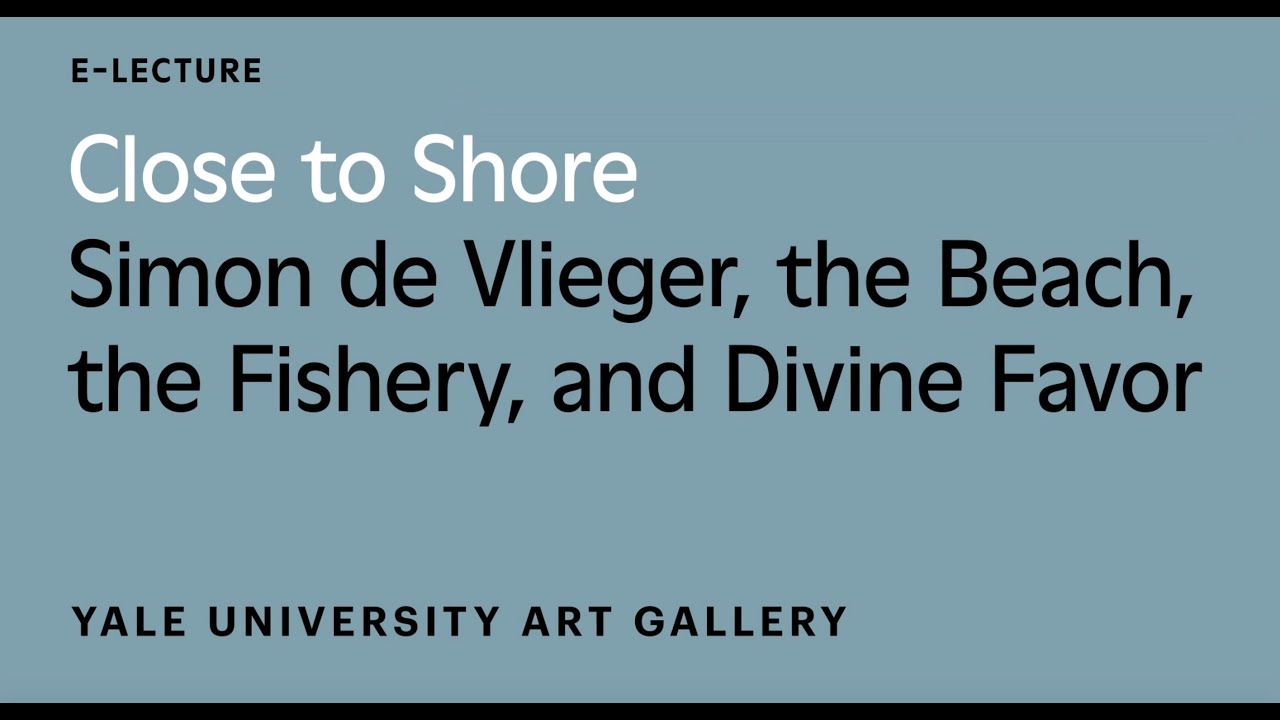


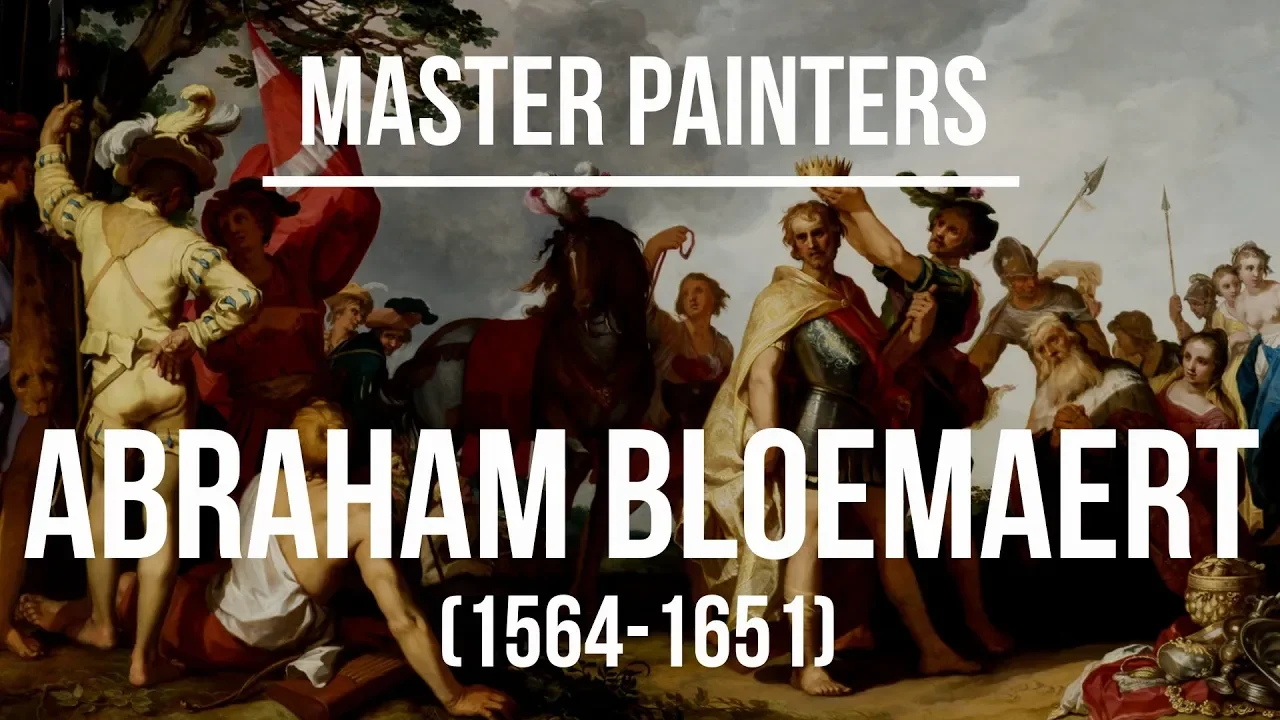
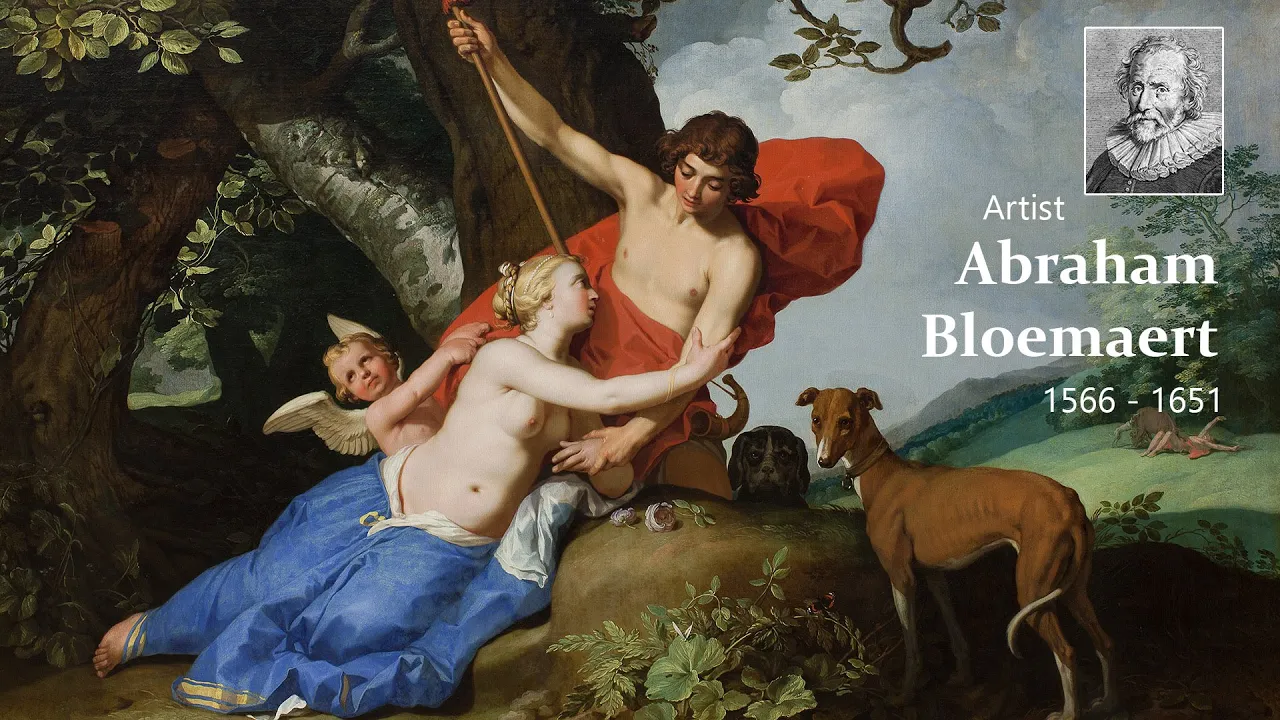
Abraham Bloemaert's painting 'The Deluge' (ca. 1590-95) exemplifies the early Dutch Golden Age's innovative approach to biblical narrative painting, where artists used dramatic compositions of human figures to convey complex emotions and moral messages rather than simply illustrating stories; this painting demonstrates how Dutch artists transformed traditional religious subjects through virtuosic handling of the human form, creating works that served both aesthetic and didactic purposes while establishing new standards for figure painting that would influence generations of artists.
Abraham Bloemaert’s Deluge and the Dutch Golden Age
Added:An understanding of the Protestant Reformation and the Eighty Years' War, which set the political and religious backdrop for the Dutch Republic's rise.
Familiarity with the artistic style of Northern Mannerism, characterized by elongated figures, complex compositions, and artificial color palettes.
Basic knowledge of the biblical narrative of the Great Flood (the Deluge) from the Book of Genesis, which serves as the thematic foundation of Bloemaert's painting.
An introduction to the concept of the 'Dutch Golden Age' and the shift in art patronage from the Catholic Church to a wealthy merchant class.
The influence of Abraham Bloemaert as a teacher and founder of the Utrecht Caravaggisti, including artists like Gerrit van Honthorst and Hendrick ter Brugghen.
The evolution of Dutch landscape and history painting from late-16th-century Mannerism to the realism of the mid-17th century.
The role of the Guild of Saint Luke and the economics of the open art market in 17th-century Dutch cities.
In-depth analysis of moralizing iconography and symbolism in Dutch art, specifically how biblical and mythological disasters were interpreted as contemporary civic lessons.
32.5K views309likes1:03:08Original Release: 2015-01-28
[Music] thank you for coming to the um Yale University Art Gallery it is a delight to confront a logistical problem that such as we're wrestling with now thank you all for making it possible and my apologies to my colleagues I'm Larry caner the chief curator here at the gallery and it is my pleasure and very very special privilege to introduce our speaker today to you John Walsh graduated from Yale College in 1961 moving to New York to take Ma and pH degrees in art history from Columbia University from 1970 he was curator in the department of European paintings at the Metropolitan Museum of Art leaving there to wisely to become to become professor of art history at Barnard in Columbia and subsequently transferring to Boston as curator of paintings at the Museum of Fine Arts where he also served as visiting professor of Fine Arts at Harvard in 1983 John assumed the directorship of the J J Paul gy Museum an institution then just finding its voice in which he led through its most dramatic period of growth retiring in 2000 John is the author of many articles books and exhibition catalogues in his field of specialization Dutch paintings of the 17th century as well as in the field of Contemporary Art having organized exhibitions of the painter Sheridan Lord the painter print makers Ed Rouse and Leon kof and the video artist Bill Viola since 2000 as director am Meritus of the Getty John has been a member of The Institute of advanced study at Princeton and in since 2003 he has been teaching intermittently here at Yale both in the department of the history of Art and at the gallery where he is a longstanding member some would say the Cornerstone of our governing board perhaps the most generous of John's numberless commitments to Yale is the program he has been leading at the art gallery every Autumn for the past uh what is it John eight years seven eight years weeks are more of total immersive coaching for a select and competitive pool of graduate students from disciplines all across campus closely studying works of art in the original as training to be World Gallery teachers a program that has come to be recognized nationally as a paradigm in the field of Museum education many of my moments of greatest pleasure and satisfaction working here at Yale over the past decade have Arisen out of close collaboration with with John Walsh teaching with him watching him teach and most recently toiling shoulder-to-shoulder with him and with our director jock Reynolds to convince AE and rosemary F aolo that the Yale University Art Gallery could be a deserving place to send part of their Peerless collection of Dutch 17th century paintings on loan for a period of time any Enterprise undertaken with John Walsh is doomed to succeed the spectacular success of this last Enterprise is now evident in our galleries upstairs and is the reason we are assembled here this afternoon in addition to his generosity in offering a seminar this spring semester on this golden age in Dutch art for 12 of Yale's luckiest undergraduates John has prepared a series of six lectures to presented to be presented publicly in this Auditorium every Friday through the end of February a little more than a year ago ago John delivered a memorable series of 12 public lectures entitled let this be a lesson Heroes heroins and narrative paintings at Yale no doubt many of you recall those lectures as I do with a warm glow of pleasure for those of you who are unable to be here do not despair thousands of viewers have enjoyed them through videotapes that are still available on the gallery's website in that series John led us masterfully across two continents and five centuries of artistic production this spring he intends to concentrate his Gaze on one small but amazingly productive country in the north of Europe during a span of no more than 75 years each of his lectures using a single work of art as a lens to focus our attention on the artist who made it and on the intellectual and political context of the world in which it came into being there are invitation cards for this lecture Series in the hallway outside please feel free to take as many as you like and be sure not to miss a single Friday afternoon allow me to conclude by reviewing one ground rule that I know John will rehearse if I do not please take a moment now to silence your cell phones this lecture is being recorded and will be available for viewing on the gallery's YouTube channel within the within the next week thank you very very much please join me now in welcoming John [Applause] Walsh thank you Larry in this series of lectures as Larry said I'm rather than giving you a chronological survey of Dutch 17th century painting I'm going to talk about six pictures and explore them one at a time in each case looking at the artist and uh contemporary works of the same type and the forces that shape them so this isn't going to be a survey but a somewhat disorderly one uh but with enough careful looking by you and some background reading by you I think the big picture of the golden age will be will will emerge I'm going to uh begin here with a painting in the galleries upstairs let's begin just by looking at it for a minute or so keeping in mind that the picture itself is about 6 feet wide but what we're seeing is an assemblage of people mostly males wearing little or nothing but their own skins which come in quite a range of tones from a ready pink to kind of mother of pearl they have a astonishing physiques and complex poses to show them off without a label it's not immediately apparent what is going on in the picture we see people climbing uphill we see climbing trees we see other people um in distress some of them looking upward making imploring gestures there's a whole cluster of hands gathered in the very middle of the picture uh for kind of combined dramatic effect it's quite hard to see what's in the distance there's a deep void in the center that the figures surround but with effort you may be able to make out what looks like well I'm thinking a farmhouse with water that reflects the dark sky and on Higher Ground what looks like a building uh that's vague but I think it can only be the Super structure of the Ark of Noah and these people are going to miss the boat they're um some of the ful humans described in Genesis who so infuriated God that he sent a flood to wipe them all out all except his chosen family of Noah and a great many pairs of animals what we see is a tremendous display of futility the men here at the lower left are struggling to bring their belongings up to Higher Ground at the far right this mother tries to Shield her child and all of these Prime specimens of the race that God created in his own image are doomed because they've wasted their lives and all they can do now ironically is display the very physical Perfection that God gave them of course this artist goes well beyond mere Perfection uh he's showing off he's punishing and he's he is taking human physiques and pushing them Beyond their normal capacities he's making them more powerful more graceful more flexible than we'd be likely to find in real life he's exaggerating the contrasts of near and far by strange abrupt juxtapositions very small next to nearly life sizee some figures like the one on the left which you might be able to see are tiny and just sketched in Gray he's composed the picture with very conscious devices to weave figures together uh in large patterns like this great Serpentine that guns all the way to the top of the painting conscious devices um that give shapes and that correspond to each other uh that rhyme you could say like the man and the woman at the right whose curve are echoed by the body of the man at the far left now none of this is really telling the story of the biblical Deluge the artist assumes you know your Genesis he's demonstrating his extreme virtuosity by inventing a kind of hyper expressive dance expressing the emotions that would be generated by this situation of Terror fear of Abandonment remorse kind of deluded wish to um protect your possessions uh and so on you may be thinking okay what's Dutch about this you may have you may have come here uh expecting to see realistic views of daily life and the land and the Sea and the flowers and the food U the image after all it gives Dutch painting its character I'm starting here just before the turn of the 17th century because pay things like this are the first to give artists from the northern Netherlands real International standing they're part of a great and sudden flourishing of art just at the time the northern provinces were about to gain de facto independence from Spain the soen the so-called golden age was beginning now let's step back for a few minutes and let me remind you of the geopolitical situation geography first this is the modern Netherlands and and Belgium and the red line separates them above the red line is what we call the Netherlands and sometimes shortened to Holland whose products and people we call Dutch the red line is the boundary with modern Belgium you sometimes hear the area to the South called Flanders and its products Flemish in the 17th century things were different the boundary was actually a military Frontier a ceasefire line uh like Korea today that eventually hardened into a political division originally it was all called the Netherlands or Belgium divined derived from the ancient Roman Galia belgica and it consisted of 17 provinces it had a mascot the lion of the belgians this is a famous and I think mildly hilarious U map of the 17 provinces of the Netherlands in the shape of the Lion of Belgium now notice that there's no red line uh through his middle in 169 it was all still part of Spain despite 50 years of rebellion and a declaration of independence by the seven Northern provinces against their Spanish overlords Rebellion that had just been suspended in that year 169 by a 12-year truce a century earlier before it was Spanish all this territory had been under the Dukes of burgundy and then it passed to Charles I uh the man on the throne uh here the Holy Roman Emperor a member of the hsbor dynasty who was born in the Netherlands in Gent what you see in this picture much later is as you say Charles in the center abdicating in 1655 5 1555 rather uh and being succeeded by the Spanish King Philip II on the right well Philip who was a Catholic inherited lots of trouble um there was a growing Protestant minority who made up many sects and increasingly militant on top of that uh for centuries the ruling Elites of the netherlandish cities and towns would' been accustomed to a great deal of privilege and local rule uh were not at all keen on being controlled by an activist Monarch and his centralizing agents and they didn't like being taxed either to support the king's armies in his various Foreign Wars the situation got much worse when 400 dissatisfied Nobles mostly Protestant petitioned the king to abolish the Inquisition which is a Spanish Royal Court that tried cases of Catholic heresy because it undercut their own ancient judicial functions there was famine all over the southern provinces and unemployment and general dissatisfaction and in 1566 militant Protestants sacked Catholic churches destroyed altarpieces and statues and stained glass images which were thought idolatrous by extreme Calvinists who behaved kind of like the Taliban and more than once two years later the leader of the rebellious Protestants Prince William of Orange and his brothers who' taken refuge in Germany invaded the Netherlands and this was the start of a war of Liberation against Spain that lasted 80 years a kind of volunteer Protestant Navy soon succeeded in taking the major port towns in Holland and zaland the war was not one continuous struggle with a defined front line but a series of sporadic campaigns using mercenary soldiers so success depended as much on the supply of money to pay the soldiers as it did on Courage or opportunity the Spanish sieges of Northern cities uh like Harlem and alar and Leiden caused terrific suffering to the civilian populations after the rebel armies managed to repel the Spanish resistance became part of the Dutch Foundation myth resistance by their own fortitude and resistance by the favor of God here you see the starving population of Leen being fed by white with white bread and Herring after their Rescue Stories like this came to define the character of the new independent political entity that had emerged in 1571 and even today on the 3rd of October in Leiden white bread inherit ing or distributed to Citizens at the municipal wehous I've been there in that year the so-called States general of the seven Northern provinces which was actually just the combined legislatures of each province passed the so-called Act of abjuration declaring their independence from Spain but soon Spanish armies succeeded in recapturing major cities in the South that had been held by Protestants uh including Brussels and antp ANP the most powerful cultural and Commercial Metropolis of Northern Europe and the seat of the Protestant Rebellion now that Spanish recapture of antp had an ironic unintended benefit for the enemy Northern provinces it drove most of the Protestant population out of the city including tens of thousands of skilled Artisans and artists many of whom settled in the northern provinces where they spoke the same language and where the culture was the same as the one they they knew that immigration accelerated the growth of the economy and the culture of the north on top of that the Spanish during their Siege in antp had blockaded the City by building this engineering Wonder a ponon bridge across the river scelt so that Merchant ships couldn't come or go under the terms of the truce in 169 the Spanish got to keep the city but the Northerners were allowed to continue the blockade the effect was that Amsterdam very quickly replaced antp as the import export capital of the north well our artist Abraham Blart was born to a Catholic Family in 1566 the year that the Protestant Insurgency turned to violence all over the southern provinces churches were sacked images destroyed by zealots as you saw a moment ago blart's father was a sculptor and an engineer and he moved North to utra an ancient Bishop Rick near Amsterdam with a population still at least half Catholic and with long ties to Rome in fact 50 years before this a bishop of utr had been elected Pope Adrien v 6 the last non-italian Pope until 1978 generations of netherlandish artists had gone to Rome to study and then returned home to paint for churches and private or Municipal patrons this is the antp artist France Flores the greatest painting a painter of his generation who obviously made a study of Michelangelo's heroic nudes as you can see from his St Michael here uh in in the center and brought his revolutionary imagery back to antp with him by the way Peter brul traveled to Italy too and he was also impressed by Michelangelo's figures you can see this in the physique of this farmer striding forward but what he learned he mostly applied to his Mier of peasant life and human Folly embodied in folk wisdom as seen from the Viewpoint of a city dwelling well-educated skeptical humanist blart's training and early career are mostly undocumented his biographer Carol funder on the left who by the way was one of those igra artists from Spanish Netherlands knew blueart permanently but he could only give the names of a couple of obscure artists as his teachers he doesn't say that blueart went to Italy or in fact that he ever left the Netherlands but it's obvious that blueart got a strong dose of Italian pictorial ideas at secondhand from other artists blueart emerges at about the time of the ale painting actually in the early 1590s at about 25 years old with a series of perfectly amazing performances fan Mander says that this painting of 1591 8 feet wide was intended for none other than the Holy Roman Emperor at Prague Rudolph II it shows the horrific scene of um in in the metamorphosis of avid of Apollo and Artemis shooting all 14 children of Queen naobi naobi who made the mistake of mocking their mother for having only two children Apollo and Artemis the result of this s of story without much of a meaning uh is a tangle of the dead and the dying that he arranges in a great variety of poses where would such an extravagant style come from it actually came from a group of older netherlandish artists who' been to Italy and been to the emperor's court at Prague blart's timing was good in the year 1591 he'd moved to Amsterdam which put him close to the incubator of new ideas in the northern Netherlands which was not Amsterdam but Harlem 20 mil away that's where the print maker Henrik hus and the perer Cornelius V Harlem practiced and both of them in turn had been exposed to the most influential figure of the time who was a painter from the southern Netherlands who worked for Rudolph II in Prague bartolomeus sprunger as sprunger had synthesized Italian figures and color into a kind of hyper Elegant Style for mythological scenes like the one on the screen a kinky version of Hercules reclaiming dejanira after shooting his rival the centur nessus who's there on the ground a picture obviously aimed at a very sophisticated Court taste if spranger was the flower um fander was the bee this drawing by spranger was the pollen that he brought back from Prague to Harlem in his luggage an amazing drawing a panorama of the Gods in extravagantly elegant poses which was engraved right away by Henrik julus in Harlem uh the print at the bottom prints like this were the means for advanced pictorial ideas to be reproduced in circular ated among artists and their patrons or their hoped for patrons in in much the way that art magazines and the web have functioned in our time by the way there's a sprunger show at the Met and anybody who's missed it shouldn't be missing it it's on however only until the end of this month uh but it's an astonishing artist you won't you won't be sorry go down this weekend um cornelus this I should say the sprunger style uh was translated into a painting by Cornelius F Harlem um an artist who had a taste and a clientele not only for Elegance but for the violent and grotesque uh here the subject is the fall of the Titans story from heod and also of avid of the victory of Zeus and the Olympians over an army of giants they really no narrative here there just a fantastic composition of male nudes in stop action acting out extreme emotions uh with their bodies there were dozens of drawings as you could imagine for this project some of which colus reproduced in Engravings uh of these in this case of two over reachers uh who failed and fell fell in interesting poses these are objects of peculiar sheer virtuosity blueart moved into exactly this mure for a couple of years which helps to explain the y painting I think think and others like it soon uh print makers in Harlem were reproducing designs by blueart him himself um this raising of Lazarus was spectacularly popular we we know of no less than 25 different painted copies after this composition by blueart just to see how extreme the Dutch version of the so-called mannerist style can be we can compare it with another treatment of this subject here at Yale just one room away from the Deluge by blueart that's this picture on the lower right by blart's older contemporary in Italy Marco Pino blueart uh cranks up excitement um here in about the resurrection of Lazarus uh not by the gestures of Christ and Lazarus the main actors but by bit players in the story by the two grav Diggers on one side and and the other with their arms flung up in amazement well having mentioned the term mannerist I should say a little more about it um mannerist is a term based on the Italian word Manera which during the Renaissance meant just style but Manera soon meant came to mean a particular graceful way of posing figures which to us is apt to look arbitrary and even perverse along with an exaggerated elegance and an anatomically unnatural proportions um would come also strange picture space that wasn't governed by the strict rules of perspective but tended to flout them they were also exaggerated contrasts of scale um that's striking for example in the Holy Family by Panino on the right and a crowding of figures as you see on the left in vasari's carrying of the Cross kind of irrational but expressive intensifying the action the word Manera as I said had referred to Behavior Uh it meant knowing just what to do in each occasion without effort that was Manera you had style castillon the author of The courtier gave it another word Sprat a kind of easy Grace it's the Savar fear that comes with birth and cultivation but style could become stylishness something castillon didn't admire imitative stereotyped affected Manera could become what we call mannered during The Next Century that's how it was seen and in the 18th century the term mannerism was invented as a label and a put down for the art of the later Renaissance including Marco Pino spranger cus and Blart their Works were devalued and it took until the middle of the 20th century for mannerism to really regain respect and interest blart's contemporary and rival in utr was Yim utal um unlike blueart utal did travel to France and Italy and when he returned to the Netherlands some of that same pollen rubbed off on him at the same time to judge from his painting of the deluge it's very similar in Viewpoint and layout to blart's but only a few figures actually repeat his like the women and the child at the edges and the tree climbers ral's people are even more contorted and they're charged with an kind of energy right to the tips of their fingers and toes but it is as though these two artists were looking at each other's pictures as they worked or or maybe at looking at somebody else's pictures of the subject probably probably a lost version of the subject by Cornelius Von Harlem in any case I want to show some more pictures by blueart uh and explore for a minute some other sides of his imagination this is another story from Aid Mercury lulling Argus to sleep Argus the giant with a hundred eyes so that he can kill him which he's doing actually in the far distance of the picture the poses are still complex but they express the action I think more subtly Mercury the trickster here is given a twisty pose and the giant Argus is still asleep but his contorted hands show he's still dangerous the composition is less perverse and the scene is set in a leafy landscape where the trees bend down to shelter uh the a ction and also pick up this long sinuous curve from the hand of Argus all the way up and out of the picture blart's development doesn't go in a straight line a couple of years later uh here's another crowd of gesticulating figures now mostly clothed with a prominent young woman holding a golden pitcher it takes some hunting around to find out what's causing all the commotion uh why also there are these pots and jugs strewn around well in the shadows far back on the left if you look you will find Moses striking the cliff and causing water to gush out saving the lives of thirsty Israelites in the desert the inversion here is like the the Deluge uh by blueart he pushes the the main event to the background and it's not just a matter of style it affects the sense of the picture the spelt girl in the in the clingy rapper here not exactly clothing for the desert travel uh is there to embody the main idea which is which blart's audience would have recognized whether Catholic or Protestant that the water Moses produces for the Israelites and saves them is the prefiguration of the water of Christian baptism the water that will save Souls Blart could also tell a story more straightforwardly here's the Old Testament uh Joseph as a young man who you remember was sent away to Egypt by his jealous half Brothers Who's now been made Viceroy to the Pharaoh and he's not giving his brothers who come to visit not giving them the hard time they deserve he's receiving them graciously setting an example of magn imity that Blum might probably intended as appropriate for whatever person maybe a public official who ordered the painting the colors are lighter and stranger and more gorgeous even than before the painting is composed on a broad St shallow stage space that looks almost like the pictures in Venice and I'm talking about the Sumptuous paintings on similar themes by Pao verene who was a generation younger these were pictures that traveling painters from the Netherlands like Rubin saw when they went to Venice that didn't include blueart in 1600 blueart was 34 years old he was just getting started he was went on painting for 50 more years painting teaching making designs for prins he was a founder of the Guild of painters in utr he got commissions from the prince of orange the court in the ha he got a visit from the queen of bohemia and by Ruben himself the most successful painter alive who paid him a call and praised his drawings in particular so Blart was welltoo and famous and he remained a Catholic despite the official ban on practicing Catholicism uh even in secret and he kept painting explicitly Catholic subjects in fact some of his later pictures are older pieces intended for secret churches or like this one for the Catholic Southern Netherlands this one was for the Jesuit Church in Brussels in around 1624 in other words commissioned after the truce had expired and the north and south southern Netherlands were again at War commissioned not from a northerner like the natives Rubin or vanj or Jordans but instead from an enemy northerner um this is a reminder that although the Netherlands had split politically the borders were quite porous and north and South were still in most respects culturally unified another devotional painting by blueart at life siize it's worth comparing this conservative lamentation with the same subject painted by blart's contemporary in antp Antony fond at the bottom you see um a very striking comparison blart's figures had been extravagantly expressive in their poses you think of the Deluge but now they're much more natural uh inward grave and compared to fand Madonna and Angels particularly the Angels um these act out their sorrow with eloquent gestures and a kind of loose brush work what has calmed the style down here in blueart what's made Blart a different artist has been that he's been exposed to another wave of Italian ideas which came to him from his former pupils who' come back from Rome with more prints and their own paintings one of those pups was Jared F hunor who left blueart and spent four years in Rome starting in 1616 when he drew this careful copy of a painting by carajo that he'd studied depicting the crucifixion of St Peter in a way as carajo painted it so direct and so physical and so wrenching that it must have been a revelation and an inspiration and was to a whole generation of younger artists these in caravano were believable figures ordinary men weighty painted with a seeming artlessness and they were picked out of the half Darkness like strong slanting light hontour learned from devotional paintings like this and he added something of his own a visible source of light a candle or a lantern as here Christ is being uh interrogated by Caiaphas the Jewish high priest who asks him if he claims to be the Messiah which everyone knew was blasphemy and punishable by death according to the laws of Moses written undoubtedly in the book that he had on the table everything is revealed by a simple candle the flame is not just a light source it's a symbol of the truth which cifas claims to be seeking and which Christ actually possesses this is powerful stuff and it quickly made haor famous Candlelight scenes weren't haor invention they were a specialty of the basano family uh of painters a generation earlier uh or of El Greco to on the right when he was in Venice Hur exploited the device in Rome and caused a lot of surprise and I'm sure Delight among highly placed buyers and he set off a fad for Candlelight that made careers for other contemporaries among others the French artist George de latur in this picture Magdalene the Magdalene com contemplates her sins and the candle becomes an object of serious meditation on life itself both its brightness and its brevity a whole succession of Dutch Candlelight painters followed on two well-paid admired all throughout Europe beginning with Rembrandt's pupil Gerard da here on the left and ending as the trademark of a rich and famous specialist in candlelit scenes HRI schalin who paints his own portrait with the candle as a kind of magic Talisman Hur was one of the really influential Dutch painters of the 17th century uh he here he imagines that when an angel comes to rescue St Peter from prison Peter's reaction would be to recoil you befuddled dazzled by the light and by the young creature who appeared inviting him rather than commanding him a ha hor has a quite a sensitive and original sense of the psychology of a scene hontor also puts light effects to work for Less elevated subject matter um here a delicious an inviting girl a professional Entertainer let's just say uh getting an offer from a young man uh here who's uh in a plumed hat as you see who's clutching his money bag in his left hand man while an old woman Grins and points as though anybody might miss the point um this may be a sorted business deal but it's painted with remarkable refinement um this is a situation we're going to find in Dutch art throughout the century pictures of mercenary love treated with the most Exquisite visual subtlety look uh how the model the light models her face and chest and also bounces up and touches the edge of his face leaks leaking around his profile and look at her um the profile of the hag the Gap toothed sort of Flesh broker eyes widening at what she sees in the boy's hand this kind of scene of dealings between men and women whether amateur or professional a man lighted from behind a woman from the front in half length and became a staple of artists in utra and soon all over the Netherlands North and South it was even the model for the refined pictures of Peter Deo and yanes verm 30 years later another of blart's pupils became the greatest of all Dutch artists uh of this kind hendrik ter Bren the most subtle and refined painter of the group who went to Rome and came home to paint their personal variant of the international style inspired by carajo this is um Tan's calling of St Matthew which is his answer to the famous painting of the same subject by kajio it's a kind of compressed and reorganized version uh the original carajo as you remember takes place in a high room with slanting light that casts sharp Shadows right towards the head of the startled tax collector now tan packs a similar cast of characters all close together and they have a much more pungent individuality and the blonde light plays over their costumes in a whole gamut of colors from lavenders and blues to a warm red and the story is told by the hands in the center the gestures I want you um and like who me um um wait a minute wait a minute we've got work to do there's money involved here those that sort of byplay and here at the other end um is the astonishing crucifixion in the Metropolitan Museum with a hypnotized John the Evangelist and Haggard Mary and an image of Christ that is harrowing not shown as a hero who died nobly but a tortured and defeated victim not remotely beautiful was certainly made for Catholic Worship probably in a hidden church or chapel and it's like nothing else painted in the 17th century except possibly rembrance scenes from the crucifixion of the crucifixion 10 years later where Christ is a corpse that's really hard to look at here's a third pupil of the haor tan generation another pupil uh this is Dirk F baburin his best known picture I think uh another Trio um that we recognize now the musical girl in low cut profile outfit rather the man with Ready Cash um the goings on here and the procurers at the right demand ing her cut um the goings on are at least as unsettle as hontour um and the light and the color almost rival Tans we're going to see this again this picture in the context of V's development Blart is among the most important Dutch artists not only for his own work but because at one time or another he had more than 130 pupils putting him in a very small category of influential artists that includes rembrand one of his qualifications as a master was his famous skill at drawing drawing the first thing that you learned as a pupil blueart had a collection of prints and drawings and plaster casts of ancient and modern statues to use for his own painting and for students to draw that's what you see here a pupil U here with a master wearing as sometimes done a sort of funny hat who's recently been identified as as blueart himself and the books here I think are important not just the plaster casts the books remind you that this studio of an artist is a place of the mind not just of manual labor drawing was the fundamental skill behind all this Masters had students copy prints and drawings first then plaster casts from all angles and then they finally graduated to the live model this is painting of some 30 Years Later by yon stain an artist will look at in the second lecture it illustrates an idealizes this work of teaching the painter has been working in the back room at the easel and he still has his pallette in his hand as he leans over correcting the drawing uh made by one of his pupils uh one of them being a Young Apprentice very young and the other well-dressed girl who may be paying amateur actually in a studio full of apparatus of prints bundles of drawings a canvas and a still life uh here ready to be painted rbr's Studio offered something else group instruction in figure drawing from live models this was the method ofies in Italy and France now here you see a nude female on the right of the picture reclining there were males too that posed the master in the center Rembrant himself is evidently correcting a pupil's drawing after this phase you would have advanced to actual painting uh and if you were good rembrand had the right to sell your work as his own and he did some of blart's pupils um that where I want to go yeah oh you you needed to draw in order to build your skills uh not just of transcribing but you also needed to learn a stepwise method of constructing a picture a method was practiced everywhere in Europe ever since the procedure was pretty much perfected by Raphael if you're painting the lamentation of Christ as we saw before you start with the first idea for a composition uh like the one on the upper left you make detailed studies of indiv idual figures from the model like the one at the upper right and you make a final presentation drawing like the one at the far right which if it has the approval of your client uh you then proceed to paint um some of blart's pupils followed him on what was universally considered the high road of art history painting religious and mythological and historical subjects for which there was a market in the Netherlands North and South throughout the century others went in other directions blueart himself was ready to learn and adapt including from his own pupils um here's a figure a picture by Bloom art of 1621 that so shows A Soulful flute player in a striped Burgundian outfit sort of Decor that you've seen before in those pupil a sort of subject that blart's alumnus tan had learned to paint from the carajo Circle and brought home with him the lighting in blart's picture uh of course as you see it from the other side of this jug comes from his other pupil H horest we have more than more drawings um by blueart than any other Dutch painter about 1700 drawings and many of them are spectacularly good when the purpose is to work out the placement and the lighting as it is in this drawing on the right of pamus and thisby uh Blart uses rapid chalk lines to sketch the composition followed by loose pen lines and washes of dilute ink um in the drawing on the left though here a fabulously dressed woman swiveling gracefully away from a table loaded with every kind of expensive object in this case blueart isn't testing possibilities with the drawing he already knows where everything is going that's because he's making an exact design for an engraver to follow uh the subject by the way is the vanity of human life you see that not only has she been accumulating uh expensive stuff but for fun she's blowing bubbles um beautiful but short-lived like herself and us this is a theme we come across many times s the vanity and dangers of self-indulgence figure studies are meant to test ideas develop them or refine them or just run with them the way a composer does at the keyboard they weren't meant to be sold but to be used in the studio blueart uses thin flexible pen Strokes for some situations here uh this nud uh in in a scen in steep for shortening or for for other purposes um like getting to the exact angle of a trumpeter's head um or the different ways he can hold the instrument he'd use red or white chalk on colored paper um blueart is a master of all these techniques his drawings let us see another side of the artist not just the systematic renderer of the real but the Curious receptive Observer especially out in the landscape the landscapes in his paintings are very obviously arranged not taken direct from nature this is an there's an ambitious landscape uh in this scene of St John preaching um again it takes a while to find the main actor um who is actually standing under the tree uh at the left and is Again upstaged by a very big crowd of extras the landscape is neither the biblical Wilderness nor the flat Countryside around utr it's the land of landscape painting of the late Renaissance an imaginary synthetic thing made of well-observed elements and combined into fantasy in its structure it follows a formula used by landscape specialists at the time such as Hillis V coning slow another another Flemish igra to the northern Netherlands whose Landscapes were collected all over Europe you you see it's got ancient trees bending over raised ground uh in the center and a kind of twin tunnel Arrangement going into the mysterious depths of the forest blueart himself went out and observed rustic scenery he seems to have studied bits here and there in his walks and combined them into Confections like this of falling down Barns and Dove cuts and twisting old trees and peasants doing things that a city person might not even know about like the man at the far left here who's throwing sticks up into a tree to knock out Knock acorns down so he can gather them up for pigs who are present um a drawing like that would be stockpiled with others and used later for drawings or prints now these drawings these prints were usually the settings for biblical tales with a moral like the prodigal son here uh who's just about to be sent over from his job with the cattle to tend the pigs in a large engraving by Yan sanum that would have been used um would have been based on on the the drawing by blueart in the same some of these compositions the trees are bigger than the buildings and much more prominently placed even than the actors the trees sort of become actors uh they display their Noble struggle between age and vitality and endurance this is a theme we'll see again in landscape by yakob F rajal and other Dutch painters but again it's not new it's a it's kind of topos in art again it pictures nature as it had been treated by other artists and in this case it goes back to tishan and Venice 100 years earlier um this on the top is a woodcut made from tian's design of the Aged hermit St Jerome in a landscape with old battered trees and Peter brel used the same idea for this drawing of the same subject St Jerome in the wilderness that he made in Italy so there are templates you could say that Blart use not just to give people what they're accustomed to but to play with the formulas that he'd inherited he observes at close range too sometimes very often things in nature like U poed Willows here twisted and cabbages uh that are complex or quirky and hard to draw and he was part of the Great production of small inexpensive landscape prints that such a progressive and exciting development of 15 1610 to 20 or so mainly in Harlem we'll get to that but elsewhere too their title pages of these prints that's um typically announce that it's good for you to walk in the countryside but if you can't you might buy these prints and try looking at them it's a sort of it's a sort of armchair armchair tourism uh focused on the near and the present not the Exotic and the ancient in Harlem the technique used is etching which is much more direct than engraving and with other artists like glassan fiser uh on the right the compositions are simplified radically much farther than blueart chooses to follow in his own sets of prints on the left blart's own virtuosity and itch to show off never quite entirely relaxes well landscape had absolutely no appeal for the first generation of blart's pupils in utre h hor to baburin they were devoted to life-size figure painting but the next wave of his pupils who went to Italy found other things to admire and other career opportunities um this is Cornelius V penber who came back to utr after eight years in Rome Having learned to make small pictures of Italian scenery with prominent ancient ruins at the left is the Roman Forum uh the then called the compo vachino long before it was excavated compo vachino because it was still used as a cow pasture he painted miniature history paintings in italianate settings like the one at the top this is the Goddess Diana discovering that one of the supposedly chased nymphs Kalisto is pregnant by jup a favorite subject of Italian painters since tishan the painer Yan Bol also from utr was in Italy after his fellow blueart pupil penber had returned B saw the countryside and warm Italian Sun not just as gorgeous but even as a kind of golden land where compared to Holland not much labor was required and when you where you never get rained on bot was not just looking around him you realize he was also like everybody else looking at pictures as well particularly pictures by clae lauran another northerner who'd become the best known poet of the Italian landscape in Rome Yan Bol had great success back home uh painting in this vein uh where he helped create a big market for it I want to come a long way back now to our starting point and consider this painting of the Deluge before we let it go I should ask that the subject of the Deluge has a long history for blueart that would have started with Michelangelo in Rome in the stin ceiling his powerfully built refugees here represent one way to see the event as a kind of hopeless retreat by the Sinners who were still beautiful but still doomed doed and by the way another way to imagine the Deluge that Blart didn't know was a push to the limit uh in this huge picture across the street in the British Art Center by John Martin uh in the 1830s um where the flood arrives with a kind of Stupify convulsion of the earth and we see a vast crowd of the guilty race being Swept Away in the tide well blue Mar's picture what might it have meant to its audience um we looked at the amazing virtuosity in the picture the strange and extreme body language the fact that the figures upstage and even obscure The Narrative of rising Waters and the Ark to the point of being the purpose of the painting something we saw Blart doing quite regularly with other subjects at the time so was the flood in Genesis just a pretext for the display of anatomy and the artist's skill in picturing it or possibly a demonstration of the capacity of the body to convey fear desperation and so I those May well have been the main motives but here's another scene from the same narrative the assembling of the animals that are going to go aboard the ark two by two uh with no hint of trouble ahead so did this scene have some deeper meaning beside being a reminder of the infinite Bounty and Ingenuity of God his infinite power since he created all of this and power because he's about to destroy Every Creature except these or wasn't the main motive of the artist to please a connoisseur who could admire his skill not to mention his knowledge of exotic species I think the answer is yes that was likely the purpose and certainly blart's picture was meant to please connoisseur of both genders with all of that bare flesh it would have reminded at least some people of the consequences of offending God they had heard the words of St Paul often repeated from the pulpit the wages of sin is death the gift of God is eternal life sin folly self-indulgence intemperance all these offenses were a constant theme of painters all through the 17th century as we're going to be seeing God's punishment in Genesis was a storm and Rising Waters is it an accident that the picture was painted in the Netherlands where the gravest threat to life is flooding preachers saw the netherlanders as chosen by God and blessed with the Ingenuity not only to defend their land but also to create their own low-lying Delta land had to be protected by floods and dkes that from floods by dkes they built and new land was created out of shallow Lakes by draining them by pumping water into systems of canals using Mills powered by wind the Dutch had what Simon sha calls a deluvial personality which I love like the like the people of the Nile and the Ganges which flood regularly they depend on water to renew the soil and they live in fear of that water Shaman describes the punishment of certain criminals in Amsterdam of the 17th century by a kind of waterboarding immersion he writes to be wet was to be captive idle and poor to be dry was to be free industrious and comfortable so I it's not far-fetched to imagine that Rising water was an especially fearful punishment for people in the lowlands to contemplate Dyke breaks were terrifying to remember and were long told about Dutch remembered them for centuries I think that some Dutch people of blart's time looking at the picture or at others of the subject I showed you would certainly have had a strong stronger Association Keener visceral Sensations looking at it than say a person in Paris or Rome well here's an engraving made not long before blart's painting which he must have known it represents the Deluge from a similar Viewpoint with the doomed sinner uh naked in the foreground the doomed sinners in the foreground and in the far distance the flood and the Ark nude like blarts they're not fleeing in Terror though they're heedless they're oblivious still eating and drinking and embracing at table this print was made with a companion piece showing humankind in a similar situation indulging themselves only now what's going on in the background is the last judgment the ones at the table haven't learned anything they party on uh they have put on clothes though and what they're wearing what they're wearing is are the Chic outfits worn by contemporary well-to-do young people it's a lesson aimed at The Spectator images like this of folly and self-indulgence are staple of Dutch and Flemish painting of the 17th century the next lecture will be about just such a picture of misbehavior by Yan stain who I'm glad to say throws in some humor come back next week
Up Next
11:44
San Vitale, Ravenna: Early Christian Mosaics and Byzantine Art
@smarthistory-art-history
104.8K views•2022-08-21

114:18
Christian Iconography: History, Theology, and Meaning | Fr. Panayiotis Papageorgiou
@Trisagionfilms
58.8K views•2020-02-21
7:48
Ukiyo-e Art: History, Woodblock Printing & Influence
@japanathand
6.3K views•2023-06-08

16:34
Earliest Depictions of Jesus in Art: 10 Ancient Images Explained
@UsefulCharts
5.9M views•2022-06-03
Related Study Plans & Knowledge Roadmaps
Structured learning paths in Art History
art-history
Gothic Cathedrals: Engineering, Light & Society
01The Birth of the Gothic: Romanesque to Suger's Vision
02The Structural Triad: Pointed Arches, Ribbed Vaults, and Flying Buttresses
03Theology of Light: Lux Nova and Sacred Geometry
+ 2 more learning modules
14h5 modules
Explore Roadmap
art-history
Pre-Raphaelites: Realism, Symbolism & Critique
01The Victorian Art Establishment and Academic Formula
02The Founding of the PRB and Radical Realism
03Medieval Revivalism and Literary Symbolism
+ 1 more learning modules
8h4 modules
Explore Roadmap
art-history
Street Art: From Subways to Art Market
01Subcultural Origins in Philadelphia and New York (1970s)
02The Subway Era and Style Wars (Late 1970s - 1980s)
03The East Village Scene and Early Gallery Crossover
+ 2 more learning modules
10h5 modules
Explore Roadmap
art-history
Classic Maya Art: Iconography, Glyphs & Ritual
01Foundations of Classic Maya Visual Culture
02Deciphering Maya Hieroglyphs & Text-Image Integration
03Sacred Geography and Cosmological Architecture
+ 2 more learning modules
14h5 modules
Explore Roadmap