





![IDEOLOGIES of Political Parties [AP Gov Review, Unit 4 Topic 7 (4.7)]](https://i.ytimg.com/vi/rf4vhrh8hjU/maxresdefault.jpg)




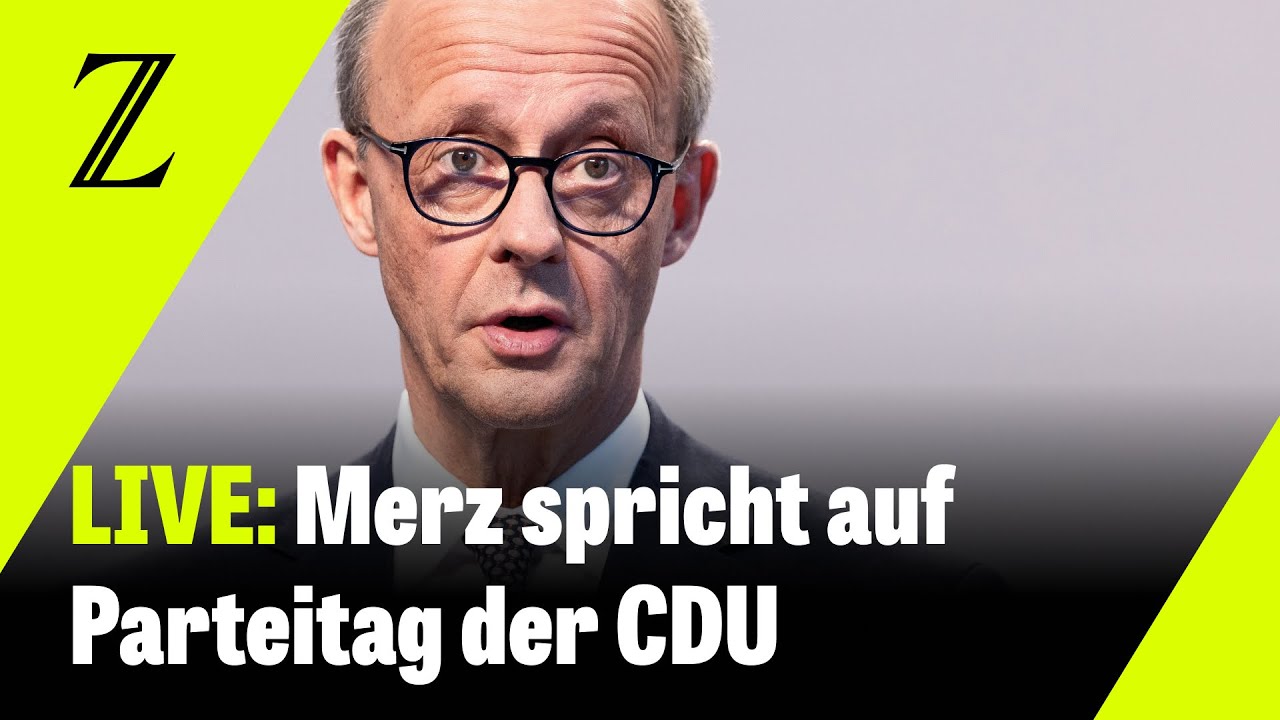














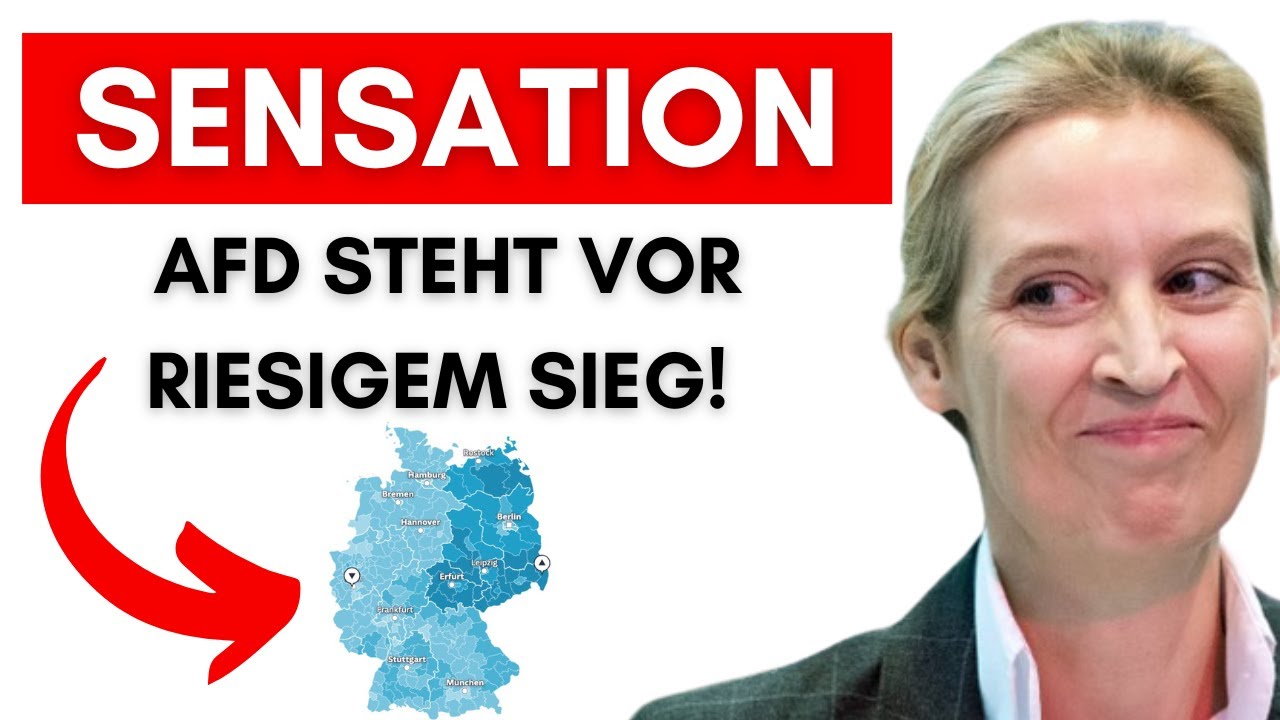
In parliamentary democracies like Germany, coalition governments are formed through exploratory talks between political parties following elections, where parties negotiate on key policy issues such as defense spending and migration control to reach agreements on forming a governing coalition; these negotiations require building trust between negotiating teams and addressing fundamental disagreements on policy positions before a final agreement can be reached.
German Coalition Talks: CDU-SPD Begin Exploratory Negotiations
Added:Understanding of Germany's parliamentary system, specifically how proportional representation leads to coalition governments rather than single-party rule.
The ideological profiles of the two major parties involved: the center-right CDU (Christian Democratic Union) and the center-left SPD (Social Democratic Party).
The multi-stage process of German government formation, specifically the distinction between informal 'exploratory talks' (Sondierungsgespräche) and formal 'coalition negotiations'.
The historical context of Germany's 'Grand Coalition' (GroKo) governments and the public/party fatigue associated with them.
Analyzing the resulting 'Coalition Agreement' (Koalitionsvertrag) to evaluate which party made the most significant policy concessions on key issues like defense and migration.
Examining the impact of a CDU-SPD coalition government on European Union policy, particularly regarding EU defense autonomy and joint migration frameworks.
Comparative analysis of coalition-building strategies in Germany versus other multi-party European democracies, such as the Netherlands or Belgium.
Studying the electoral feedback loop, specifically how coalition compromises affect the subsequent rise or fall of fringe/populist parties like the AfD.
40.9K views363likes3:22Original Release: 2025-02-28
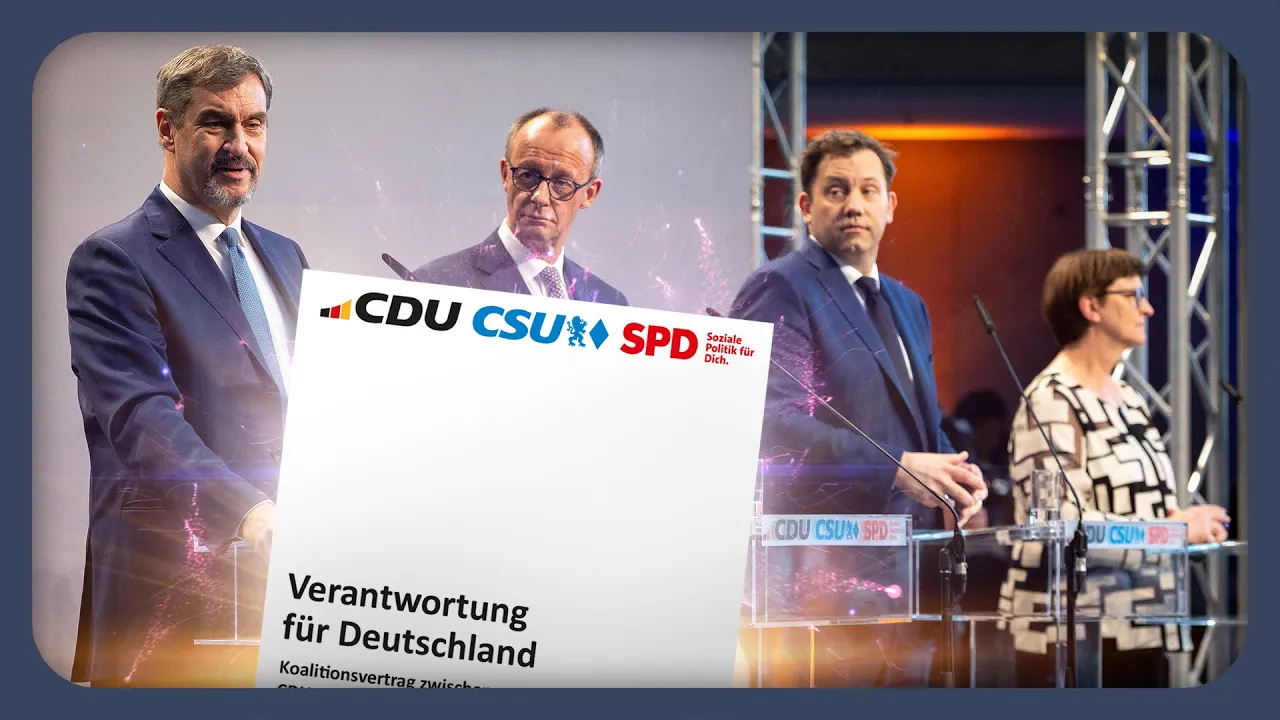
Germany's conservatives and social Democrats have called their first day of exploratory Coalition talks open and constructive frish marz's conservative Alliance won Sunday's elections and are hoping to form a coalition with the third placed social Democrats the two sides are hoping to reach a swift agreement on issues such as defense spending and controlling irregular migration merits hopes to form a new government before Easter we can get more now from our political correspondent Simon young Simon this first meeting between the conservative block and the social Democrats has ended about an hour ago any idea what they've agreed on so far well CLA this uh first session was about uh building trust between the uh two negotiating teams nine people on each side and they know each other pretty well most of them already they're all EST lished politicians uh but this is just about kind of working out how they're going to work together um it seems to have succeeded as you mentioned the party managers say that the atmosphere was open and constructive uh they've also talked about timetable I think uh Friedrich Metz as you said the CDU leader says he wants to form a government by Easter that's on the 20th of April but the SBD leader has said well uh there won't be an agreement unless the conditions are right so it's all about the content from here okay so Merritt's hoping to get this done within the next seven weeks or so what exactly is the next step in trying to form a governing Coalition well they've agreed at least that they're going to meet again uh next week and by the way just under two months to form a government between two parties that is realistic it's been done several times before although sometimes it's taken longer uh for instance back in 2017 when it took 171 days to get through these kind of Coalition talks uh and that was also by the way a CDU CSU SPD uh Coalition there so uh that could be the same here because you know there's a lot of tricky topics you've mentioned some of them migration in particular where fredrich Metz has talked about really introducing a tough regime for instance turning people back at the border the social Democrats say no can't do that it's against EU law and then there's of course big issue of uh Ukraine fredi Metz has talked about delivering the long range tourist missile there the SPD have been against and there's the whole thorny question also of how to pay for that how to increase uh Germany's defense budget uh quickly and in a way that's conformed with the Constitution so there's going to be a lot to talk about uh if the full Coalition talks do in fact get going in the coming weeks indeed plenty to discuss in the weeks ahead thank you so much for bringing us up to speed there tw's political correspondent Simon Young
Up Next
8:00
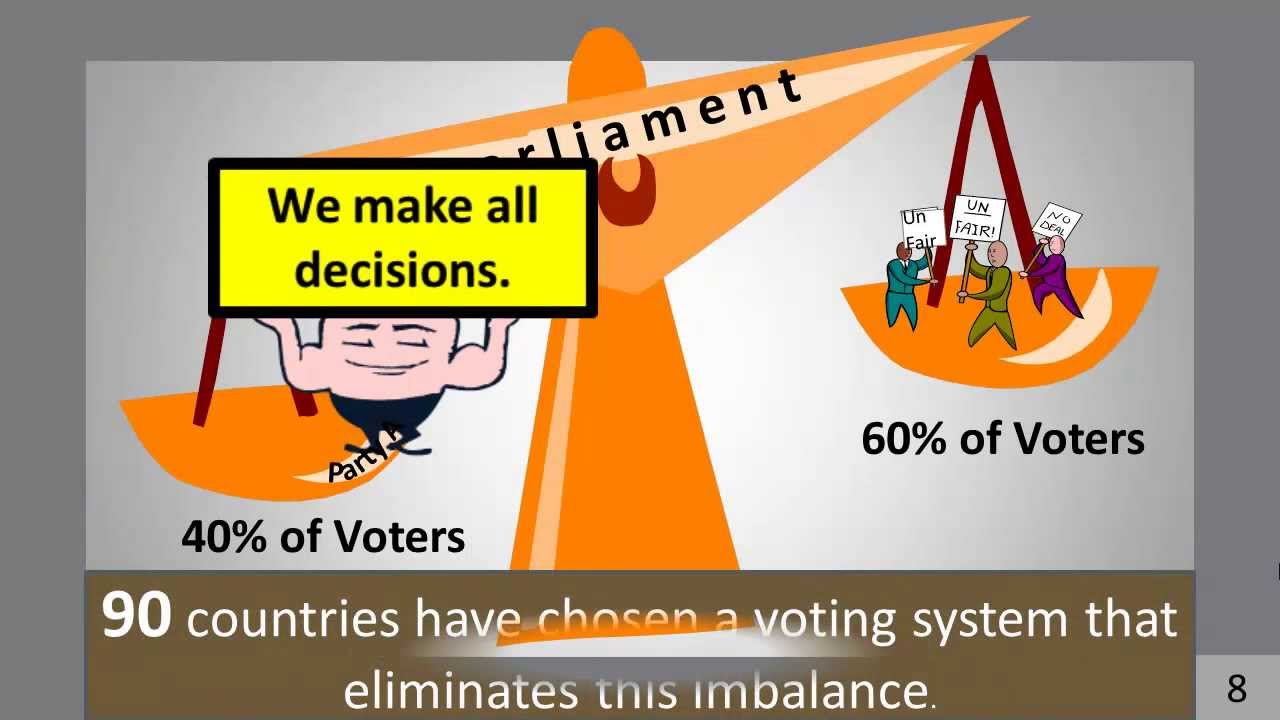
Proportional Representation Explained: How It Works and Its Advantages
@fairvotingNL
62.7K views•2013-05-28

24:30
BRICS Pay and de-dollarization: A New Financial Order Emerges? | 55 chars
@DannyHaiphongYT
164.6K views•2024-10-22
3:31
US Blocks WTO Appellate Body Appointments: Trade Crisis Explained
@dwnews
33.9K views•2019-12-11
10:19
Explaining the Saudi-Iranian Proxy Conflict in the Middle East
@Vox
18.2M views•2017-07-17
Related Study Plans & Knowledge Roadmaps
Structured learning paths in Political Science
political-science
Economic Statecraft: Sanctions & Chokepoints
01Foundations of Geoeconomics and Economic Statecraft
02The Mechanics of Weaponized Interdependence
03International Sanctions: Types, Implementation, and Efficacy
+ 2 more learning modules
12h5 modules
Explore Roadmap
political-science
Central Bank Independence: Politics & Policy
01Foundations of Central Banking and Monetary Policy
02The Time Inconsistency Problem & Inflation Bias
03The Delegation Model and Designing Independence
+ 2 more learning modules
12h5 modules
Explore Roadmap
political-science
Consociationalism: Power-Sharing & Stability
01Democratic Dilemmas in Divided Societies
02Introduction to Consociational Democracy
03The Four Pillars of Consociational Design
+ 2 more learning modules
12h5 modules
Explore Roadmap
political-science
Rebel Governance: Legitimacy, Economy & State
01Foundations of Rebel Governance and Statehood
02Establishing Political Legitimacy and the Rebel Social Contract
03Wartime Economies and Rebel Resource Management
+ 2 more learning modules
14h5 modules
Explore Roadmap