









![What do Undertale and Deltarune Say About the Meaning of Life? [SPOILERS]](https://i.ytimg.com/vi/GbtQJsNjldY/maxresdefault.jpg)
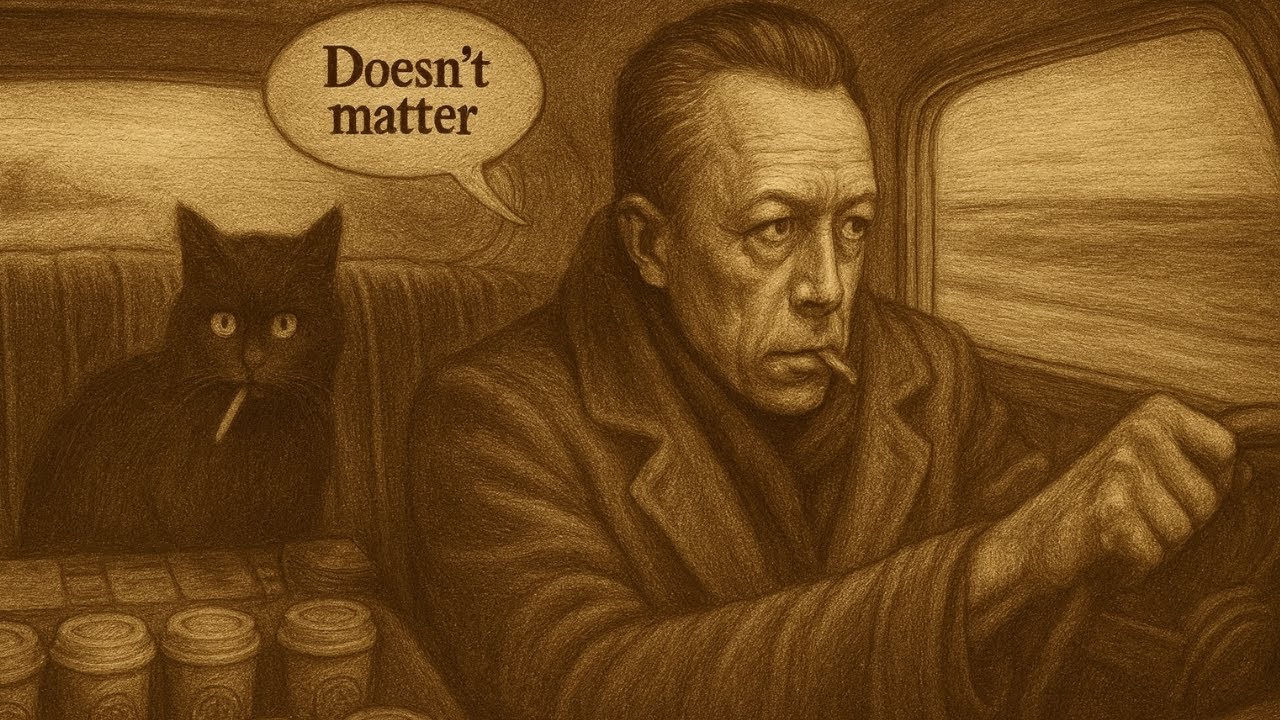








Nihilism, the belief that all values are baseless and nothing can be known, emerged as a response to the collapse of traditional Western cultural assumptions following the Renaissance, Enlightenment, and Scientific Revolution, which were further undermined by World War I's destruction of Enlightenment optimism about progress. This crisis of meaning has led to various philosophical responses including structuralism, existentialism, and Marxism, but modern society remains trapped in a state where people lack shared frameworks for understanding reality, making it difficult to communicate, evaluate values, or find purpose. The challenge is to maintain a balanced approach that allows for questioning without descending into complete nihilism, as societies historically cycle between periods of consensus (classicism) and disagreement (decadence).
Nihilism and the Modern Crisis of Meaning | Philosophy History
Added:yes bring your own heat yes thank you for coming on this cool evening there's only one more to go so if the weather holds will be alright so this is sixteenth part of the history philosophy and sixteen questions with one more question to go part 17 next Tuesday because it turns out there was an extra Tuesday in this summer so that's good tonight the question I want to look at is nihilism question mark so picking up from where we left off so remember the other British answers begins to undermine many of the assumptions that had driven Western culture for about a thousand years you had the Islamic Golden Age bringing in ideas and translations you had the collapse of the Greek speaking Byzantine Empire which released a lot of great speakers and texts you had the arrival of the knowledge of the ancient world you had the discovery and expansion of ideas and in the existing world so all these things came together produced the Renaissance and the humanist tradition and then that gets blown up of course in the Reformation and the 30 Years War is ania how you want to score this one or multi pull events and this leads in part to the development of empiricism which and as I talked about last time becomes a scientific revolution all of which has this tendency as I mentioned with the Scientific Revolution is it's undermining all the values that we had had up to that point that the notion of transcendent values and no one is able to figure out how do you stop that continuous undermining what how do you resist that or come up with an alternative to this and that's been one thread and that's why I talked about last time you had printed mathematica but barb Russell and Whitehead is an attempt to found knowledge in mathematics and and other similar attempts none of which have been wildly successful and so some people have offered or argued that well either nihilism is the answer or nihilism is what we have I mean depending but it's the same concept as that but if you don't have anything that you can absolutely believe in then you're stuck in this world of nihilism and nihilism was given a huge push when you had the first world war so in a way that's hard for us to imagine a lot of the old world structure hung on but from the Renaissance right up to the first world war and it met the enlightenment and the triumph of science and there was this incredible optimism this of the sense that everything is getting better we're making huge progress there's all kinds of political turmoil everything but the other this is leading someplace good right technology advancement we're going someplace great political ferment and so generally speaking people were super excited about world war 1 don't like yes we're gonna fight for a couple of weeks a few people will die that's not nice but then we're gonna have this we're gonna it's the threshold of a new world and that new world that's brought to us by technology and and political revolution and new philosophies Lockean are humanoid philosophies of political organization and material wealth and the world is going to be great and then just weren't the most tragic blood baths in the history of the world excuse me occurred in which it was discovered that technology creates mustard gas and really large artillery shells and machine guns and all of these are not life enhancing they sort of they take a little bit of the joy out of things and so this other than that so really most of the central planets are planning for a war of like you know twelve weeks and as it went on day after day week after week month after month and just a imaginable number of casualties so the casualties were so high that they wouldn't report them that none of the governments were telling their people how many people were dying because the government's which is like if anybody finds out we're done because it's just so many it's just it's they're expecting casualties in the hundreds of thousands not the tens of thousands or the hundreds of thousands they just could conceptualize there's no planning the important no idea that this was gonna happen in retrospect it looks clear and so they act one of the aftermath of world war one mini aftermath was a complete destruction of this sort of Enlightenment sense of progress towards a more hopeful beautiful and wonderful future that was gonna be delivered by technology and all all the sudden all the technologies that had looked so great human flight the dream of man for millennia ends up being used to drop bombs and machine gun people the train this incredible technological revolution that moves people quickly across the landscape was moved massive amounts of troops to their death right to deliver untold quantities of ammunition to dump on the other bad people you know every sort of revolution that was looked at is so hopeful and glorious was met with this sort of destructive side this dark side and so people were just shocked and I think to a degree it's hard for us to imagine because they had such hopes or such sense that they were in a golden age and then all this revolution and turmoil and progress was going to lead someplace magical not someplace horrifying and so nihilism had already been around as a Content but it got this huge impulse they said right assigns its gonna betray you we know religion is crap we know the governments are all terrible the order of social organization leaves no place well then embrace nihilism and the idea here of nihilism as I gave it handy definition this is the belief that all values are baseless that nothing can be known or communicated this often associated with extreme pessimism and radical skepticism it contends existence a true nihilism believe in nothing have no loyalties and no purpose other than perhaps an impulse to destroy and so so radical skepticism by the way goes back to the cynics in ancient Greece you know so that wasn't new but somehow the few radical skeptics in ancient Greece tended to be quaint and the French humor them that I thought it was hilarious it's less interesting when it becomes sort of almost a political movement until there's this extreme sense of vacuum there there's a hole where we used to believe in things even imperative even the Scientific Revolution that it looks so great and looking delivered so much lost a lot of its luster because clearly all this technology had led us someplace less than good and so people tried to respond to this how do you feel that we don't want to believe in nothing we don't want to be nine lists and so what happened is in this combat of nihilism all of the many many many of the isms are born it was sort of how do you fight nihilism with other isms and so I just listed something that came into prominence at this time one of them is structuralism structuralism never got a lot of play in the United States very much did continental movement in fact it's the first structuralist conference in the United States big conference which brought over a lot of thinkers from Europe here featured as one of the speakers Jacques Derrida which is like having their first conference on Catholicism feature Martin Luther as a speaker right it was like business this is not it wasn't but introduction in the idea is a good introduction to the end of the idea right because because he's not for that system but but structuralism continentally was based on the idea that oh so if we can't find the truth in the content of things and what it says or what it is in the book or in the object or in the institution maybe we can look deeper maybe we can borrow structures from science by the way no importantly we'll borrow some systems from science and we'll look for under pinning culture spanning ideas and structures and structuralism that created the meaning of all of the objects and events in our world so you don't worry so much about the objects in the events you worry about the structures that produce the meaning that attaches to the objects in advance so the general definition here can easy definition the term structural ISM can be applied to any analysis that emphasize structures and relations but it usually designate to 20th century European especially French school of thought that applies the methods of structural linguistics the study of social and cultural phenomena starting from the insight that social and cultural phenomena are not physical objects and events but objects and events with meaning and that their signification must therefore be focus of analysis structures reject casual causal analysis and any attempt to explain social and cultural phenomena one by one so that ideas like oh we found out that truth doesn't reside in the book so let's look at books as a cultural phenomenon not the content of books but books themselves right you take this level it's what science was had been doing right you don't look at Oh each individual phenomenon you try and look at the laws that underwrite and unify the different phenomena that you and that you observe and measure and test and run experiments on so when scientists do experiments they aren't trying to find a conclusion to a specific question all that's nice they're trying to find a conclusion that highlights the relationships to broader things that you're studying and so structuralist borrowed from linguistics by the way this has been changed so little in linguistics used to be called full ology for all it just means love of languages we love languages and culture and literature poetry and that's great and then became linguistics because everybody wanted to be a science and so they had to pretend like they didn't love language anymore now they have to study and be scientific you know but really they just left languages you know but that's see that's the trick again that that empirical the power of empiricism really drove people to try to mimic even when probably I mean mystics is not really a science let's be clear but it's interesting and it can be studied with great care but yeah literature is nice too love language it's full ology but it gave up on that and so the patterns from linguistics particularly French linguistic structures was taken to apply to everything what undergirds it what are those laws that unify so the truth doesn't reside in anything you can see or touch it resides in the greater cultural and historical structures that inform them and create and then provide meaning for them so that was a that was an ism to say oh yeah all the stuff we have but when you ever had truth we don't believe in the King anymore but we believe in the structure that creates the meaning of keenest people is there not be that popular as you might expect it's a little abstract for most people I mean powerful many insights generate this way but you know you're sort of believing a secondhand abstract structural construction rather than what's in front of you not very satisfying um another one existentialism there's another ISM that comes up and existentialism has this amazing central notifications like existence seeds essence this is the problem as it essentialists are concerned this is the idea that if you pick up famously they talked about that like a butter knife or a spoon or a fork any casual everyday object a fork has an essence it has a design and then you make it so its meaning exists before the fork does the problem with people is we have no meaning and we exist right we aren't designed for a purpose and so to exist without any plan or meaning put you in the existential crisis now notice this is crazy historically speaking because it used to be for almost all of human history that a you knew why you existed your culture told you what the story and meaning of your existence was and you said yes that's fine I'll go with that because it's really painful and difficult to question it it's only when you have the cultural sort of conflict and developments like it might we've talked about over several hundred years that people are so distrustful and unbelieving about their own narratives that the that that notion that existence becomes a problem other than that cultures have said is existing is its own explanation right existence it's good to exist great what's the problem but they had they want to know the meaning of existence and they worked on that it might not have a meaning and so you have existence with no structure to tell you what it means and what they meant by that is the nihilist problem every structure that you looked at had fallen into doubt in question Catholic Church used to tell you Hinduism will tell you Lutheranism will tell you the Sufis will tell you they eat all these narratives that cultures used to have blown up distrusted nobody believes them anymore before they become much much less believed and like I said that's why last time I mentioned notion of of having an interfaith meeting where everybody comes together to talk about the meanings of it this is insane this does not help people find meaning it says oh every meaning is fine right we're all good we'll just all chat about it as if there's no difference so then which is actually a bit of nihilism and right there there's a there's a touch of nihilism and all these interfaith and it's all good and positive and warm but it suggests that there's really nothing there you know that we're all just sort of in agreement even though of course but not one but yes it's a struggle it's a it's a challenge moment so this is the concept of existentialism but the problem is the existential crisis was not a crisis for the preceding thousands and areas of cultural history and in many societies today it's not a crisis because you know the answer to the purpose and meaning of existence your culture tells you and you go okay this is really a peculiar situation that developed in the Africa math of a specific cultural and intellectual history historical tradition and then Marxism another great one you'll see this you know some of the Marx's close but the first premise of all human history is of course the existence of living human individuals thus the first fact to be established as the physical organization of these individuals and the consequent relation to the rest of nature now notice this takes elements of structuralism what are the undergirding necessary features of everything and science Marx always claimed he was doing science what not doing philosophy he's doing science this is the necessary laws of history because if you could get the necessary laws of history worked out then you could believe in them this is like gravity like this is this he's just saying the laws of history are like the laws of gravity this believing in gravity doesn't do anything for you you just try to understand its meaning you don't disbelieve it and so oh this is what Marx is trying to keep for good and ill but that was the idea oh the function fundamental thing we should look at that undergirds everything is the physical relations of people to sustaining their existence forget about all the other stuff that's just really at the phenomena just transient things that don't matter the real thing that matters is this and once you have a hold of the truth everything follows and so this is a burly brilliant historian was it oxford thinking left now a couple of books but one things he points out is if you look at Soviet Russia and Nazi Germany they have precisely the structure of traditional religious societies they've just replaced traditional religion with state religion and the way they related the people in the way they carried out their warfare was the same way cultures did in the 19th century or the 4th century or when they fought with other cultures who disagreed with them but fundamentally he said they were secular religious wars between two opposing religions and I think it's a very compelling argument throws a lot of light on the fact that people wanted something to believe in and so this filled this void that had been created and gave this is what if you really because I referred to Dostoevsky last time this is what does she actually keeps pointing out if you take all of this meaning from people what do you get immediately sick disabled directionless criminal poisoned individuals you have to believe in something nihilist said no you don't you can believe in nothing which is why I like this little thing nihilism no there's nothing in there and I believe in her dice them it's the belief that you shouldn't believe in anything right which is sort of a problem you see the problem there is it it's a tricky little problem but but that notion is is this necessary is this all we're left with and so after all these isms have rolled out which you know sort of the history of 20th century political philosophical thought and we're not out of this by the way we're not done when people talk about a fact fulness or fact-based ideas or fake news or all of these terms that need here what people are trying to say is hey we don't have a fundamental agreement on the nature of reality this is a strange place for cultures to be historically this happens but but it is generally speaking people agree about what they're arguing about we're in this state where we don't agree on what we're arguing about which makes it incredibly difficult to communicate with people on on the plane all kinds of different manners and so it had even people who don't believe in nihilism are struggling in this sort of nihilistic environment because again as I mentioned last time even if we believe in things we tend to know or feel the counter-arguments to them where we see examples of the counter-argument sit and we go oh well you know maybe I don't want to push that too hard because I know that there's you know lady right we have it we're almost like self critics all these arguments in our head going on when you read classic literature this is always the beauty of it when you read from any Classical period by the way classical Chinese literature classical Persian later the classical Indian literature classical up you know Greek or Roman literature there's this organizing sense that I know who I'm talking to I know what they know and we're community and so I can be very direct and very strong it is if you read like even the French comedic geniuses of French classical you know theater you just realize that culture they all knew what they were talking about they might disagree about things but they knew what they're talking about and we're not there at all right if everybody's clear on this template this is not where we are so we don't have that organizing principle so bizarrely we're sort of all care even if we aren't nihilus and we just believe would disagree with nihilism we do carry this little bubble of nihilism with us it's sort of a gift of our culture to us is that that this you know core of struggle to find an ism or something that allows you to construct meaning so that then you can make decisions and think about the world and understand what's coming at you because is it that now here's the core of this what you lose when you lose the philosophical theological political grounding it's not the world the world doesn't change you losing this what the structure is so right about you lose the meaning of the world things happen but you have a hard time figuring out what they mean because you don't have a clear set of references that people generally agree on them to say oh this is this is what this means an example now is we have everybody knows where these huge disparities in wealth and so this trivial example but it is functional here and so people will say something like well that is expensive so expensive has no meaning anymore because in a world where I think it's 50% of the population lives on a dollar a day or two dollars a day by the way which by historical standard is unbelievably wealth right so so poverty is better than it's ever been it's amazingly good not they're not gone but understand that's huge progress but if you're making two dollars a day roughly speaking five dollars is unimaginably expensive ten dollars you know a thousand dollars is a million right but if you have a billion and a half to billion dollars and think with accents what's expensive right people go to these art auctions and you always hear the music oh painting sold for a hundred million dollars oh my god that's so much money but they were interviewing this one guy who engineers manages these sorts of purchases and he says oh I tell all my clients that you should never spend more than five percent of your income per year on any single purchase which is reasonable right that's a perfectly reasonable metric to say well I wouldn't spend more than five percent of my money on like art so that makes sense it's just that five percent for some people is a hundred million dollars so is it expensive there's a cheap right see so we sold like a metric to make no sense anymore like what you're you read all the time oh somebody bought a million dollar property oh my god that's so expensive tore down the house bought the property next to it tore down that house and built so anything it costs ten times as much as what was there so something that most people looked at as expensive almost everybody totally out of their reach somebody else look doesn't set oh let's tear that down and buy the next place in terror don't something nice decent something you could live in right you see it's just like aha the n-word and we see it so this is the other thing we all we all see this at the same time and so these disparities are bizarre and it throws us off because it makes it hard for us to understand what what things mean a final example this is your money in prices so fascinating if you want to buy a nice Ferrari you have to apply people always talk about how expensive Ferraris are they aren't expensive they're so cheap that they will not sell them to anybody they have far more demand than they have production so you have to apply to buy a Ferrari generally speaking if you aren't famous for some reason that they like they will not let you buy a Ferrari they will allow you to buy a used Ferrari and then you drive that for a while and if they still like you maybe the let consider selling you a newer used for a Ferrari and then eventually you'll work your way up to an actual new Ferrari and so they go oh this is a million dollar car with over 700,000 are too many but you know how many people could be trying to buy it well so many people that they actually create artificial scarcity and fortunate to apply to buy a multi-million dollar vehicle so crazy that is it's weird right I said listen this was like ah look and so at every level we run into these like staggering environments that we don't really know because we have no agreed on metric and that's just value you know time or in a world of seven plus billion people we have a hard time getting our minds around anything relating to the numbers involved in just people being alive right we go oh how much milk do people drink a day the number is billions of pounds of milk it's astronaut on the astronomical number we can't be socially one gallon of milk times a billion now I can't think that right it's just unthinkable so even that day to day systems that we live in baffle us because again we don't have any clear agreed on metric and then when you get to work you know sort of cultural abstract things was this a good movie is this politician valuable is that a reasonable Lodge that people behave that way well not just totally out the window because that stuff I mean we can't figure out what price should be of something with that we have no chance right clearly so many cultural values are under changing and under tension and again now we have access to the whole world so we don't have our cultural traditions we don't have the cultural traditions of people that live around us we have the cultural divisions of everybody who's ever lived on the planet we just both unbelievably great it's one of the most wonderful things and totally disoriented when talking of somebody and she said that she thinks of it as like before we were all on these isolated islands and her cultures developed their bio systems in their flora and fauna in isolation and then continental drift sort of crammed them all together and so like you know all of the sudden an island that never had predators gets tigers on it right into all that cute little fuzzy but it was gone so like oh look at Tiger car right and then you know so it's like all of these plants and animals and Florida planets are all suddenly find themselves face-to-face and weird stuff is happening because they've never been face-to-face before it's hard to figure out precisely how to take this I am a big follower of Indian politics and if you ever want to see some of the incorrectly reported what it's almost never happens by the way American news never talks about the rest of the world occasionally they do is wrong but you think they can't figure out what's going on with Indian politics cause huge country this incredibly ripped cultural convention all these regions that are very much more independent than most American states is one thing to understand in the Indian states are like vastly more independent and the political system doesn't work anything like our system you know it just is just different but they always try to use our metrics and they go is the largest democracy on earth it is the largest democracy on earth and it's weird to us I watched a German news report on the American presidential election system of the electoral college and they were just they could not figure it out and there looks like trying to like and they're like wait wait no really this is our people like no like no is it rittle arrogance right because and by the way the German system is untrackable you know they have this proportional state system and like who knows what's going on so you didn't want to something it's like oh democra there at democracy we don't know you know what that means even you know because there's always the democracies that aren't trying to be democracies but the ones that are doing you know democratic things they're not doing it the way we do it and so we I mean that the answer to believe hard and as long as you compare it to yourself when you're inundated with this entire world and probably probably not that hopeful and we know this we go oh that wasn't very good that didn't work I need to rethink that but you can only rethink so much and when you're inundated with input from all kinds of sources that don't agree with you and you don't have any core really strong core cause you have this little box of nihilism in your mind Wow it gets tough and again hence the popularity of isms hence the desire to look for a radically simplifying something that allows me to go you know I don't know whatever nationalism yeah whatever socialist must be social yeah you know what it doesn't matter what it is it's just this deep desire to say I need a simplifying rubric so I can hold almost everything up to it and go does this measure good bad indifferent yes no great and I need one that many people on win agree on cuz otherwise then you're just isolated and we know that's bad and so again it's a return here so even if you're not like a card-carrying nihilist whatever that would be by the way even if you're not really like oh no you know we're just doomed there's no meaning there's no order that's all you know there's no sense of values it's all just burned it down it doesn't matter we're all gonna die in the big explosion of the Sun at some point anyway so forget it right even if you're not on that camp but very few people are even people who tried to do that it turns out to be difficult to sustain you know it's kind of depressing if nothing else but we do have a little bit of nihilism in us because again we're exposed to all of this and increase intellectual dissonance and this sort of opens up that space but I want to suggest that space is not all bad tends to be very very negative you know one too much of it but notice it's also the space of questioning this is the space that allows you to open up and say okay maybe we do have something to learn from Srilanka what are they doing over there that done that we might be able to import that we might be able to look at and go hey maybe that's a better way maybe they're doing something good or to reexamine ones own values say oh maybe I'm doing something that is now I think kind of dubious but by the way this is the me to movement which i think is fascinating in many ways not the least of which is because the culturally accepted norms of behavior not legal but culture accepted norms of behavior has shifted and now we have this lag between the way people were behaving and the way we expect them to behave now and it's creating this huge amount of tension because of what this historical backlog of bad behavior right in theory we all now agreed are not supposed to abuse women at work this was not agreed on before that dinner was agreed that it was fine to imbue in the network right and that was the sort of culturally accepted as fine as horrifying don't get me wrong but it just was like oh you just had to put up with it if you didn't put up with it well you're a crybaby woman you know it's a man's world you got to toughen up and take the abuse right that was that was roughly the cultural narrative and now we're like going now unless we think that maybe we ought not abused women at work just saying just as positive that as a possibility maybe run the experiment but what has done is it created this historical lag so people who were behaving twenty years ago and ten years ago in a certain way finally suddenly find their behave you're unacceptable which throws them off completely because culture I've been telling them you're fine you're okay you're a criminal that's a big switch you could reverse this for marijuana by the way you're criminal and it's been you know the decriminalized which means we're probably not going to prosecute you but it's not necessarily go to its legal same behavior behavior not changing social understanding and responsive behavior totally 100% different so this is baffling to us but to reassess our values to reorganize and requires us to have a little bit just a little bit of the nihilist box so we could open up some down so we can open up some questioning at least temporarily and go oh maybe on one we shouldn't abuse with networking too might be okay to smoke marijuana and not put people in jail for forever and also thing about this now that this is now in the in the country there are states where totally legal you can ask a police officer to light your joint for you fine and there are states where possession of any quantity is a felony that will land you in jail for decades same country and the feds yes that's totally baffled like what do we do about that right and so Wow which values which values do we go with right and the only way to really do this is to open up that space and go huh I need to rethink maybe I'll rethink and go no I was okay what I was doing before I'm okay with it I understand that I see that the context has changed but or I go yeah I know I think I need to change can sort of adjust my my values and just perhaps my behaviors and start you know sort of like oh we can reconsidering this and that and that requires that that box of nihilism and it gets hard for us to see this because if you go back and history these people didn't go door to door and said hey would you like to be a Muslim have a have a little piece of literature about the Quran think you'll find Mohammed very fascinating important person give us a call yeah this is not how you didn't say how do you rethink no convert or die toe the line or die and even when you had the cosmopolitan areas where you have different religions living together generally speaking the rule was your religious community was ruled by your religious laws and your religious leaders were in charge and you broke the law they suffered so they had to keep you in line and you could convert to the dominant religion so if you're in Toledo during the Golden Age of Islam you could become a Muslim and many people did because like the obvious thing to do that are winning hey they've got it going on ah but if you were a Muslim and you converted to Catholicism or Judaism they killed you capital offense right so a little questioning one way is okay question the other way not okay so history has not really been a big promoter of rethinking things of opening that little box of doubt and skepticism in your mind another thing we take for granted that we've lost track of there's a freedom of movement throughout most of human history throughout most of the world if you left where you've lived without written permission of some sort that was either punishable by death or they would simply imprison you and take you back to your community and say why is this person out wandering around and this is when people say oh they were exiled generally being exiled meant you are going to die because once you left the protection of whatever culture or society or area you were in City you were fair game it was legal for criminals to assault you kill you and take their stuff that is fine because you work you no longer had personhood because you've left your calm you know your village or your city or whatever that was pretty much standard and so the sense of oh I want to rethink where I live on now no you don't want to rethink where you live because I'll get you killed traveling was rare bizarre but dangerous but you had that special permission because if you didn't have the permission you were basically potentially going to die and so that even even something as simple as that you did not rethink you didn't not like ponder and go oh do I live in the Pacific Northwest sort of raining in the winter a little cold think I'd rather go someplace warm and something like Arizona imagine if you went to Arizona and you landed at the airport and now you're just totally free great they could just kill you and take all your stuff see less people would go to Arizona it would it just you wouldn't Snowbird right that wouldn't be a thing because it'd just be you know it's not going to be functional so you wouldn't even think about it you wouldn't open it up as a possibility in your mind and so we're in this strange situation where on one hand it's too much nihilism is clearly self-defeating and a problem and there's this nihilistic strains that do crop up in various aspects that create all kinds of philosophical intellectual cultural difficulties this sort of but just burn everything but the ground concept and start over this is a nihilistic concept um but too much certainty in a world in which were inundated with so many possibilities is also a problem and we tend to want to answer nihilism with a solution this is DOS destinies idea Russian Orthodox Christianity crazy version of it Dostoevsky version of but nonetheless cosmonautics nikos kazantzakis a brilliant Greek author he was a Greek Orthodox Christian does have skin and and nikos kazantzakis of basically brothers i mean there they extend from the same you know incredibly powerful embrace of this orthodox version of christianity that gives the power to their writing that people find so attractive but we also know that leads to crazy fundamentalism which has its own problems right and so our real trick is not necessarily to try and find or treat deep truths but to try to find some way to maintain a little bit of nihilism in the midst of a world that's constantly bombarding us with more than we can deal with it's a it's a real like i said this is an actual tree probably thought this I mean if you I haven't felt this I would be surprised you're like I just don't know how to process all I don't know what all this means I don't know this is too new too different too strange like I said if you were born a while ago a post-war you live through homosexuality is a criminal psychological derangement for which you could go to jail and in any case it doesn't exist because no one ever mentioned it right to gay marriage that's up oh the magic but doesn't that cultural transition in the landscape I mean that's huge on so many different levels and so I'm one that remembers your whitey but he cares on the other hand I go man if you were raised that way sure that's it that's like a Titanic just overthrow of all kinds of fundamental things you probably believed about the world it's a psychological dissonance and and again that just culturally I'm trying to think of other examples there's so many hope just to technology infiltrating everything right before I mean just technology just wasn't around all that much computers used to be an offices someplace people did things on the nobody knew what and then the whole home computer became a thing that was an idea people's like that'll never catch on IBM thought that by the way they were wrong um cost them many billions of meters of dollars and many years of lost revenue because I thought well no one's gonna want these at home turns out people do long went home and now the computer industry is in trouble cuz people like computers coming back we have no video games and cell phones and we have all this other technology so much more fun and then you know pretty soon maybe that'll go out the window you know people are working on that gets replace it with something new meanwhile we're still just regular human beings who were raised in one technological environment that just seems to change every five years nothing to do with us we just have to adapt to it I gotten a new car the other day my car ron's issue and and it doesn't have like computer screens in it and so I got on a car that had like this huge computers being freaked me out I'm like what the hell are they could drive with a TV that seems dangerous and it was big I mean it wasn't like a little it wasn't big I'm like what is going on and there's a word you've been I'm like 1987 point with them but that just you know that is just like so things have changed since 1987 I can tell you this Wow Wow so I mean we're just I guess I know I did what any of this was how it worked why it was there but it's there now if you go and buy a car imagine you're stuck with this stuff I mean you can't say I want something with I can roll down the windows manually and has no computer screens I don't like that I'm not probably not an option anymore right and then pretty soon I'll have self-driving cars they're coming that you can take out on the roads and all that and then that'll be a revolution when your cars drive themselves probably a good idea because hopefully the computers will crash less than the humans but we'll see who knows but again no one's asking you I'm not taking a poll how many of you would like self-driving cars they're just going to develop them and if people buy them there you go that's all that matters and so it in so many ways all these living technological social political intellectual revolutions are pressing in on us and we don't really know how to deal with it and so that's that's where we are we've entered the age of nihilism we all have to be at least a little bit nihilistic probably we don't want to be too much nihilistic but we don't know how to how to get out of it and that's going to be lecture 17 by the way in this 16 part series so next time I'm going to suggest possibly some things that are developing to suggest how we might be leaving this era of nihilism either big or small how do you think of it because one of the things that's clear from cultural history is they go through periods of classicism which is when people agree on what they're arguing about and then periods of what bars on calls decadence which is where we are we don't agree with what you're arguing about but those periods always lead to either total social collapse which happens or your society goes on and it comes to a new agreement and once you have that new agreement you're the new classical age where people go oh now we agree again on what we're arguing about it's very comforting and comforting particularly at first so nihilism this time potential futures next time thank you very much [Music]
Up Next

Kierkegaard's Dialectic of Faith in Fear and Trembling
@OverthinkPodcastPhilosophy
90.2K views•2022-02-11

John of Damascus on Holy Images: A Theological Defense
@BannedBooks
139 views•2026-04-25

Should We Destroy the Machines? Big Tech Surveillance Critique
@TheStoriesWeTell303
167.9K views•2025-11-30
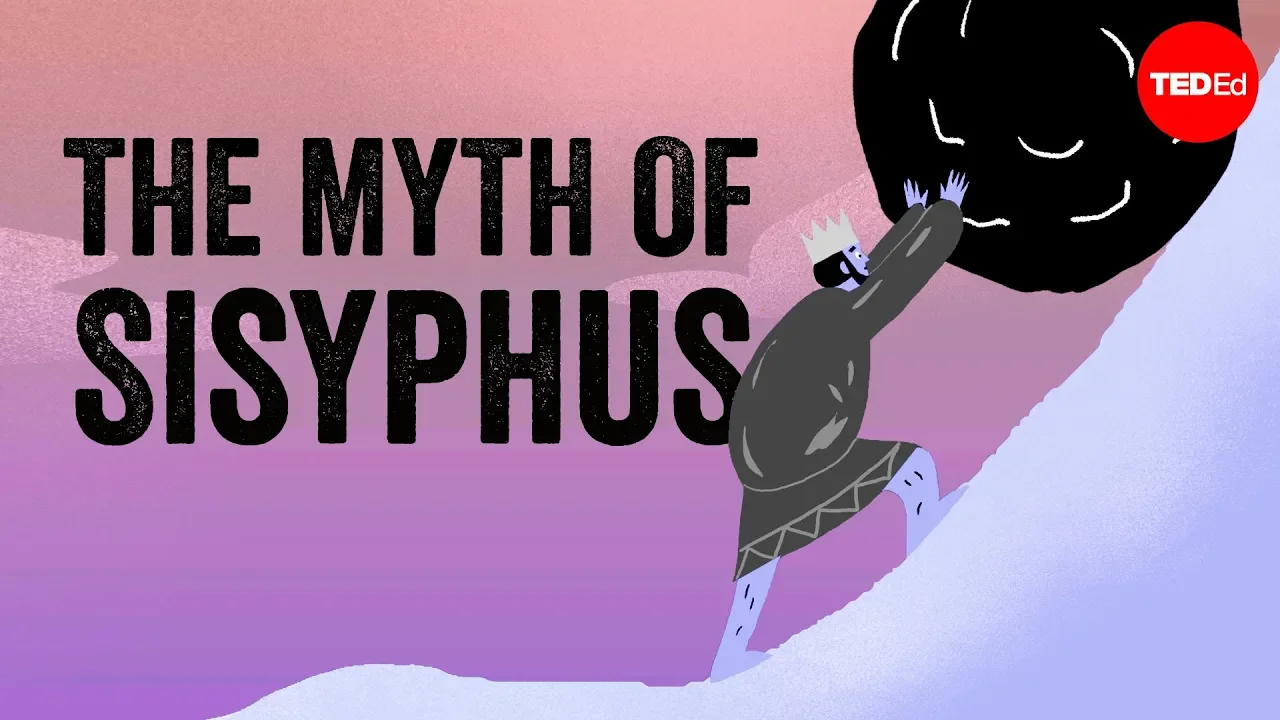
The Myth of Sisyphus: A Greek Legend of Eternal Punishment
@TEDEd
8.6M views•2018-11-13
Related Study Plans & Knowledge Roadmaps
Structured learning paths in Philosophy