






![1. Propriedades Físicas e Químicas dos Compostos Orgânicos (1/2) [Química Orgânica]](https://i.ytimg.com/vi_webp/tKhW_84ii5o/maxresdefault.webp)





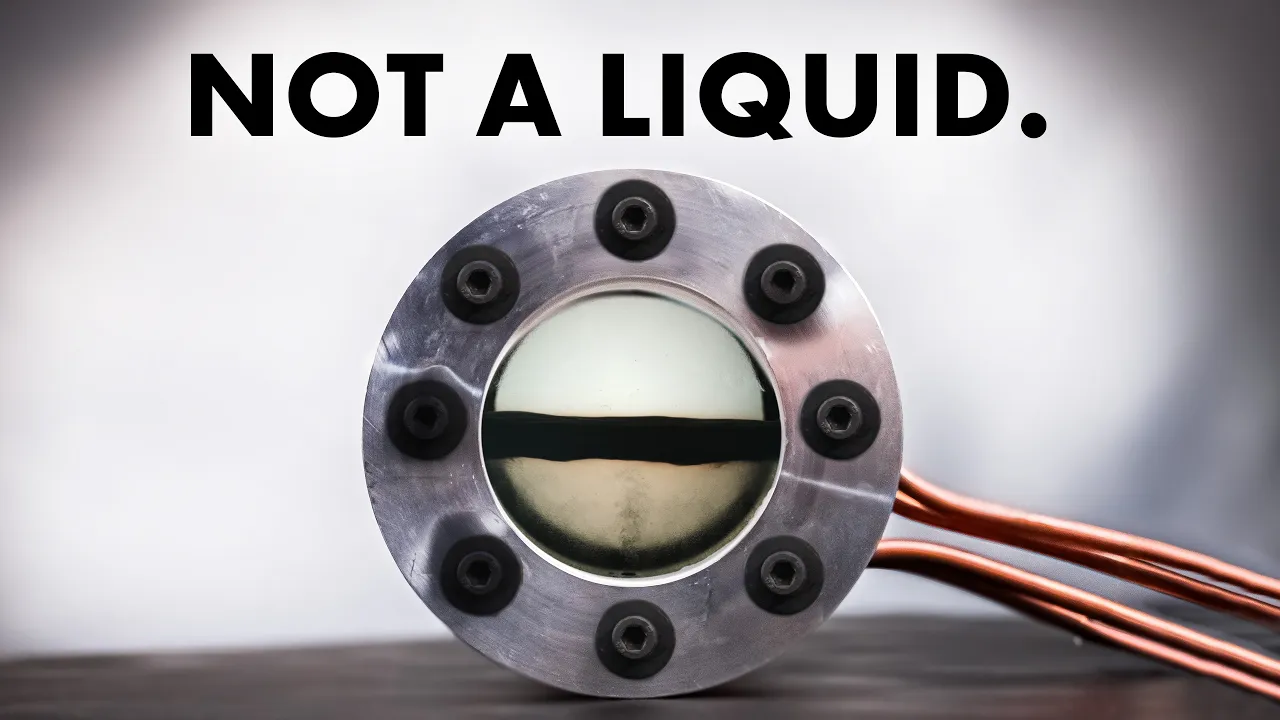












Supercritical fluids, particularly supercritical carbon dioxide, represent the fourth state of matter that combines properties of both liquids and gases, offering a clean, green, and efficient alternative to traditional organic solvents in various industrial applications such as decaffeination, aerogel production, coatings, nanoparticle synthesis, textile dyeing, medical implant cleaning, and essential oil extraction, while eliminating residue and reducing environmental impact.
Supercritical Fluids in Green Chemistry: Properties & Uses
Added:Understanding of phase diagrams, including states of matter, phase boundaries, and the definitions of critical temperature and pressure.
Basic principles of chemical solubility and how traditional organic solvents function in chemical reactions and extractions.
An introduction to the 12 Principles of Green Chemistry, particularly the emphasis on safer solvents and waste reduction.
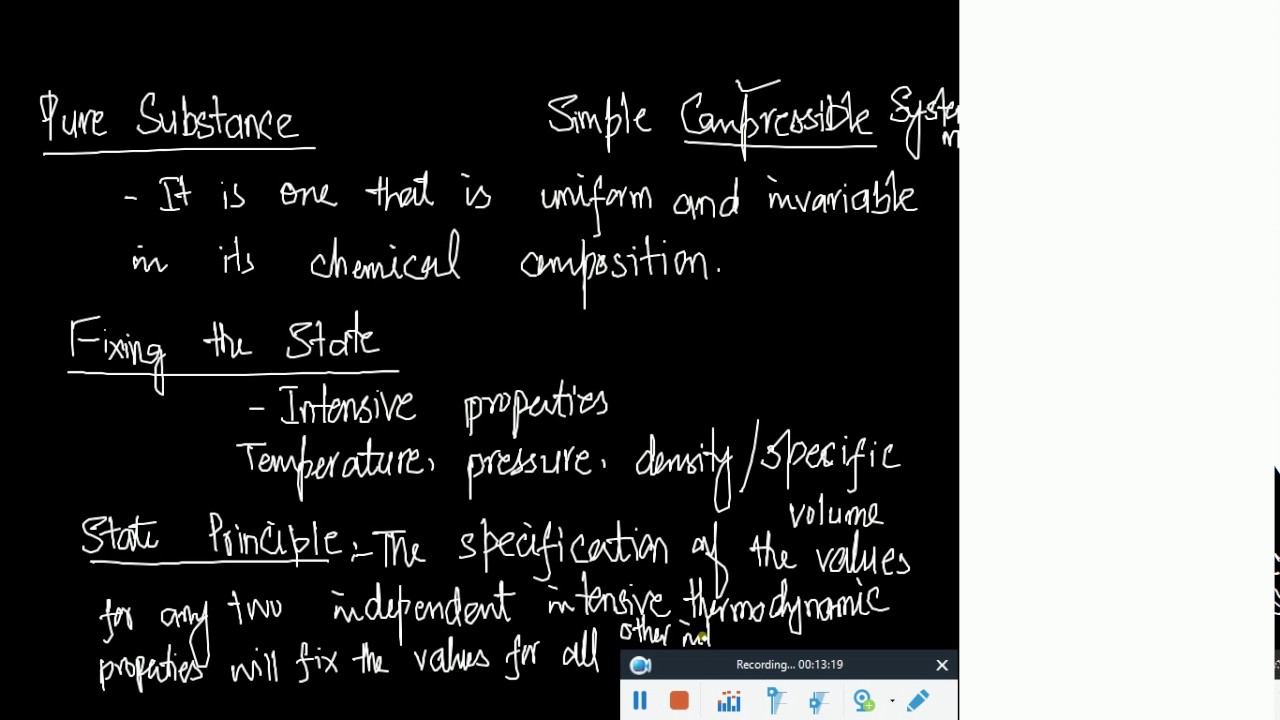
Fundamental thermodynamic concepts, such as pressure-volume-temperature (PVT) relationships in gases and liquids.
Industrial applications of Supercritical Fluid Extraction (SFE), such as decaffeinating coffee beans, extracting essential oils, and hops processing.
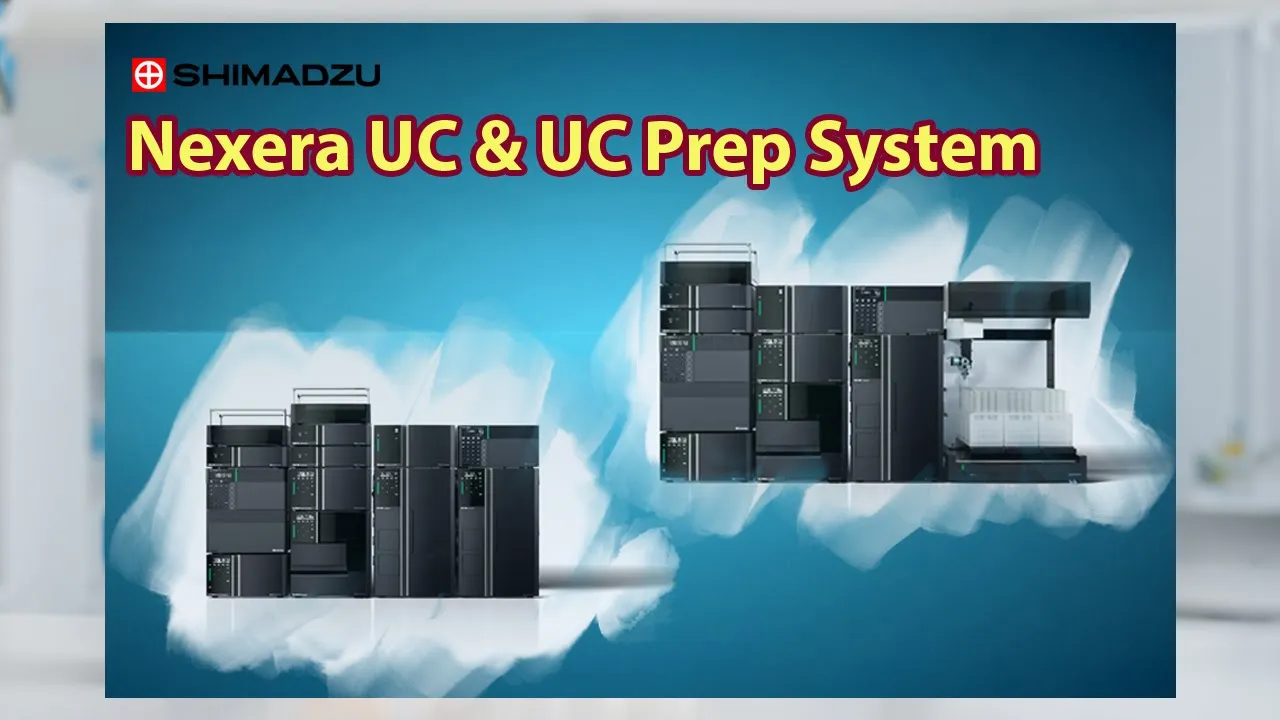
Supercritical Fluid Chromatography (SFC) and its role as a high-efficiency separation technique in analytical chemistry.
The chemistry of supercritical water, including its unique properties and its application in waste oxidation and biomass gasification.
Life Cycle Assessments (LCA) to evaluate the energy consumption versus environmental benefits of using supercritical fluid systems on an industrial scale.
18K views29likes4:58Original Release: 2010-06-29
green and clean clean and green green and clean clean and green I don't know what on Earth that means that green I am is up to trouble it seems super critical carbon dioxide did you hear the biggest impact on your process this year no longer a lab curiosity for a science geek but a mainstream cool and proven technique a clean Super critical fluid is what I'm talking about SCF rocks from the rooftops I could shout SCF rocks excuse me what did you say carbon dioxide I really don't need more of that today and super critical fluids I've never heard of that Gunk clearly you're giving me a big load of bunk not bunk not at all it's the fourth state of matter I'm telling the truth not giving you chatter they're clean and they're green and they're changing the world where you'd never expect with more uses unfurled a fourth state of matter that's a whole bunch of hooy something inside if your head's gone KY clearly you've imagined all of this sciency stuff now please green I am I've had quite enough I'm happy with the way I do business today I'm not going to use them no how no way super critical fluids aren't liquids or gases or solids but something not yet taught in science classes they're permeable soluble and really quite cool and if I have my way they will be taught in school no solvents Earth friendly and won't mess up the dirt that this stuff is amazing I will gladly assert no residue either nothing to pitch after hearing all that I'm sure you will switch listen up Professor old schools don't turn an ear that's death you can use them super critical fluids SCF I doubt it and even if what you say is true I'm sure I can't use them nor can my crew not just for decaf coffee but there's so much more uses upon uses upon uses Galore they're really catching on with more and more applications all around the world and just about Every Nation aerogels Coatings and nanop particles for sure MIM hydrogenation textile dying and more medical implant cleaning reactions essential oils flavors impregnations test what's in the soils critical point drying and dry artifacts too now do you believe SCF is for you my Coatings my implants my particles are just fine you use your process and I'll use mine cleaning cleaning that's what you suggest SCF surely you just so what if I have solvents and some residue too I will not try super critical fluids for you not for flavors or MIM or textile dying do you hear me green I am I'm not lying not for aerogels Coatings flavors or Oils trying to convince me is a waste of your toils I will not try SCF here or there I will not use it anywhere with all of this stuff a whole laundry list of uses get your head out of your books or get handed your Caboose beat your competitors in this green economy Save Green and go green it's not a dichotomy safe affordable and easy to do please consider trying super critical CO2 okay green I am you're making me insane clearly you have c f on the brain if I agree to try them will you get on the next train wow I love my new system it does just what you said it's clean and green and mean and it doesn't fill me with Dread I can use it for aerogels cleaning and MIM I can use it for particles Coatings in Pim I can dye impregnate extract and debine green I am SCF is blowing my mind there's no surface tension and nothing to clean I'm convinced green I am I see what you mean it's safe it's cool and won't break the bank it's simple it's fast and accessible like french fries and franks I can use them for anything so many uses Under the Sun I can't wait to tell everyone SCF is the one
Up Next
3:48
Green Chemistry Principle 7: Use of Renewable Feedstocks
@GreenChemUofT
16.7K views•2016-10-31
83:56
Biocatalysis and Catalysis in Islatravir Synthesis | Merck Webinar
@SCIwheresciencemeetsbusiness
675 views•2020-10-08
10:06
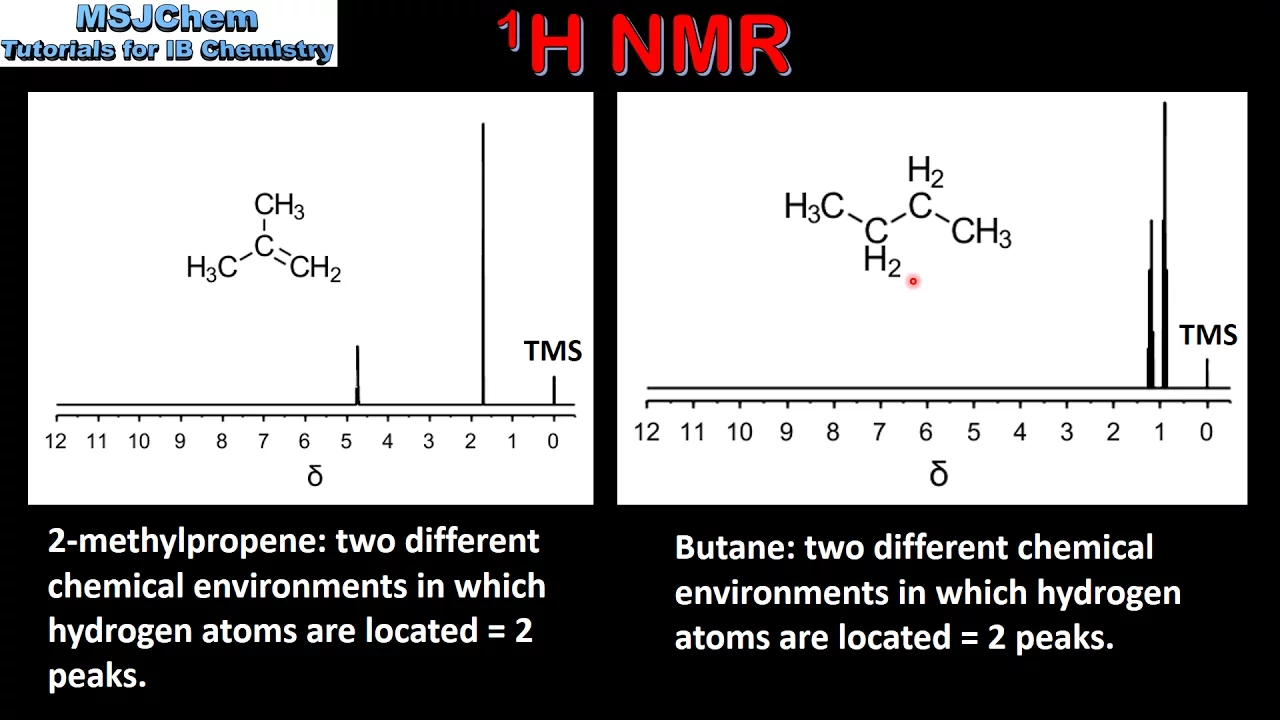
1H NMR: Determining Number of Peaks from Structure
@MSJChem
59.2K views•2017-04-06
17:31
Edible Water Bottles: A DIY Guide to Sodium Alginate Spherification
@ryan
10.5M views•2019-06-21
Related Study Plans & Knowledge Roadmaps
Structured learning paths in Chemistry
chemistry
Nuclear Chemistry: Decay, Meds & Fuel Cycle
01Introduction to Nuclear Structure and Radioactivity
02Decay Dynamics and Kinetics
03Radiation Interaction and Detection
+ 2 more learning modules
24h5 modules
Explore Roadmap
chemistry
Supramolecular Chemistry: Forces & Machines
01Foundations of Chemical Bonding and Intermolecular Forces
02Introduction to Host-Guest Chemistry
03Thermodynamics and Dynamics of Self-Assembly
+ 2 more learning modules
16h5 modules
Explore Roadmap
chemistry
Photochemistry: Excited States & Reactions
01Foundations of Light-Matter Interactions
02Molecular Orbitals and Electronic States
03Photophysical Processes and Jablonski Diagrams
+ 2 more learning modules
18h5 modules
Explore Roadmap
chemistry
Coordination Chemistry: Bonding & Properties
01Introduction to Transition Metals and Ligands
02Crystal Field Theory (CFT) and Geometry
03Magnetic Behavior and Spin States
+ 2 more learning modules
14h5 modules
Explore Roadmap