The 7th principle of green chemistry emphasizes using renewable feedstocks—materials that can be replenished on a human timescale—rather than depletable resources like fossil fuels; for example, biomass-derived solvents such as 2-methyltetrahydrofuran can replace petroleum-based tetrahydrofuran in laboratory reactions, demonstrating how chemists can apply this principle by carefully selecting renewable alternatives when choosing reagents and solvents.
Green Chemistry Principle 7: Use of Renewable Feedstocks
Added:Deep Dive
Understanding of the 12 Principles of Green Chemistry as a general framework for sustainable science.

Introduction of green chemistry|green chemistry|Lec #01
3.9K
Green Chemistry is built upon 12 fundamental principles: (1) Waste Prevention - designing synthesis methods that minimize waste; (2) Atom Economy - maximizing desired product production while minimizing byproducts; (3) Less Hazardous Chemical Synthesis - using safer chemicals; (4) Designing Safer Chemicals - creating products that are less toxic; (5) Safer Solvents and Auxiliaries - using non-toxic solvents; (6) Energy Efficiency - minimizing energy input; (7) Use of Renewable Feedstocks - using renewable resources; (8) Reduce Derivatives - avoiding unnecessary chemical modifications; (9) Catalysis - using reusable catalysts instead of stoichiometric reagents; (10) Design for Degradation - creating products that break down naturally; (11) Real-Time Analysis - monitoring processes to prevent pollution; (12) Accident Prevention - minimizing potential for hazardous incidents.
Click to watch →

Lec-5 I Green ChemistryISynthesis of Adipic Acid and ParacetamolIEngg.Chemistry Iby Neeraj Tomar
41.9K
Green chemistry is guided by twelve core principles that provide a framework for designing sustainable chemical processes. These principles include: (1) Atomic economy - maximizing the incorporation of all materials into the final product; (2) Using renewable feedstocks; (3) Designing less toxic chemicals; (4) Preventing waste generation at source; (5) Using safer solvents and reaction conditions; (6) Increasing energy efficiency; (7) Using catalytic rather than stoichiometric reagents; (8) Designing chemicals to degrade after use; (9) Reducing derivatives and unnecessary chemical modifications; (10) Using real-time analysis for pollution prevention; (11) Designing for energy efficiency; (12) Applying inherently safer chemistry. Together, these principles guide chemists toward processes that minimize environmental impact while maintaining effectiveness.
Click to watch →
12 Principles of Green Chemistry
2.1K
The 12 Principles of Green Chemistry, developed by Paul Anastas and John C. Warner in 1998, provide a comprehensive framework for reducing environmental and health impacts in chemical production by guiding researchers and practitioners toward designing chemical processes that are more sustainable, efficient, and safe.
Click to watch →

16. Green Chemistry and NanoChemistry class12 oneshot | #Class12Chemistry |#HSCBoard |by Sovind Sir
10.8K
The twelve principles of green chemistry provide a comprehensive framework for sustainable chemical practice. Key principles include: prevention of waste over cleanup, maximizing atom economy to minimize by-products, using less hazardous chemical syntheses, designing safer chemicals and raw materials, employing safer solvents and auxiliaries, maximizing energy efficiency, utilizing renewable feedstocks, minimizing reaction steps, leveraging catalysis for selective reactions, designing for degradation, enabling real-time analysis for pollution prevention, and implementing safer chemistry for accident prevention.
Click to watch →

1.2 PRINCIPLES OF GREEN CHEMISTRY
17.5K
Green chemistry is governed by 12 principles established by Anastas to combat environmental pollution and promote human health. These principles provide a comprehensive framework for designing chemical processes that minimize environmental impact. The principles include waste prevention, atom economy, less hazardous synthesis, safer chemicals design, safer solvents, energy efficacy, renewable feedstocks, avoiding unnecessary derivatization, catalysis, design for degradation, real-time pollution prevention analysis, and inherently safer chemistry for accident prevention. Together, these principles guide chemists toward sustainable chemical development.
Click to watch →
Deep Dive
The fundamental difference between depleting fossil-based resources and renewable bio-based resources (biomass).
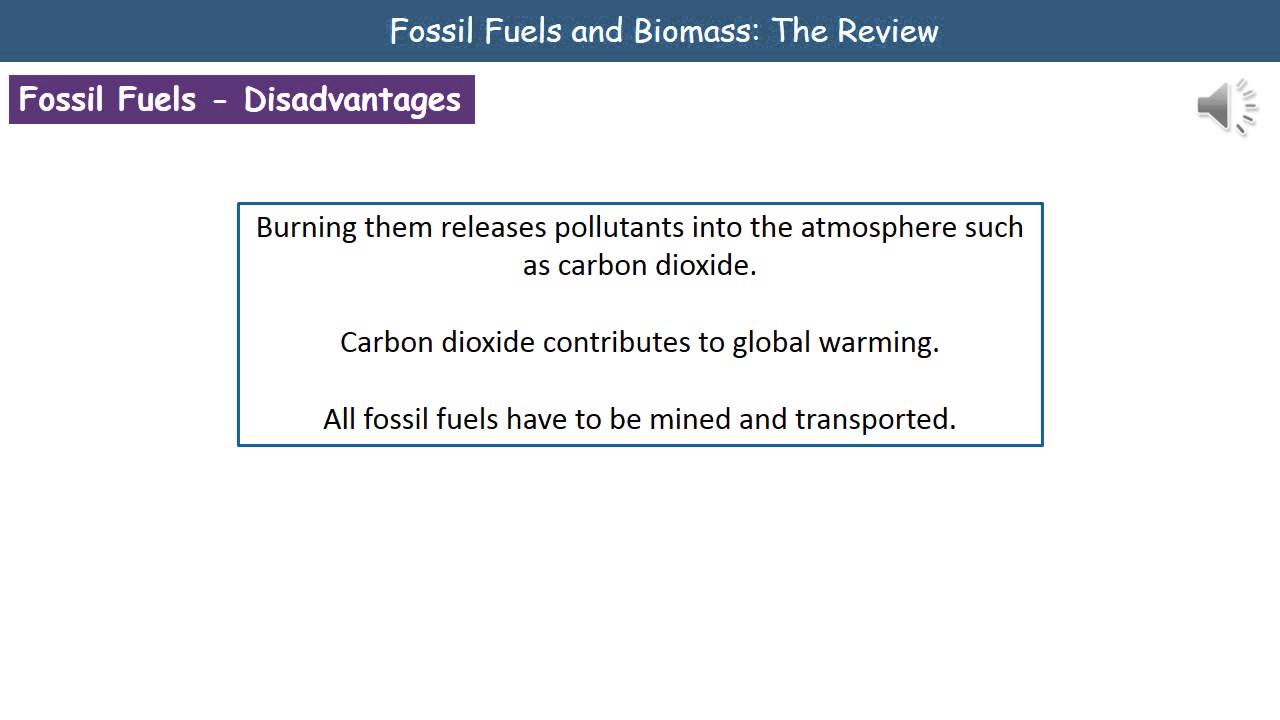
P2 7 Fossil Fuels and Biomass Foundation and Higher Tier Summary
2.5K
Fossil fuels (coal, oil, and natural gas) are non-renewable energy resources formed from ancient organic matter over millions of years, which are burned in thermal power stations to generate electricity through a process that converts fuel to heat, then to steam, then to mechanical energy via turbines and finally to electrical energy; however, they release carbon dioxide contributing to global warming and require mining and transportation that cause environmental damage. In contrast, biomass is a renewable energy resource derived from living organisms, including solid biofuels like wood and straw, liquid biofuels like alcohol from fermented sugar cane, and gaseous biofuels like methane from animal waste, which operates through the same thermal power station process but offers a carbon-neutral cycle where the CO2 absorbed during plant growth equals the CO2 released when burned, though it still produces atmospheric pollutants and may compete with food crop cultivation.
Click to watch →

مراجعة سريعة لشرح المنهج كله ساينس رابعة الترم التاني| final revision science grade 4 second term
114
Fossil fuels (coal, oil, natural gas) are non-renewable energy resources formed from ancient organic matter over millions of years. Coal forms from buried plants under pressure and heat. Oil and natural gas form from marine organisms buried under sediment. Biofuels (biomass) are renewable energy resources that can be regrown, such as wood, corn, and sugarcane. The key difference is that fossil fuels take millions of years to form and cannot be easily replaced, while biofuels can be regrown relatively quickly.
Click to watch →
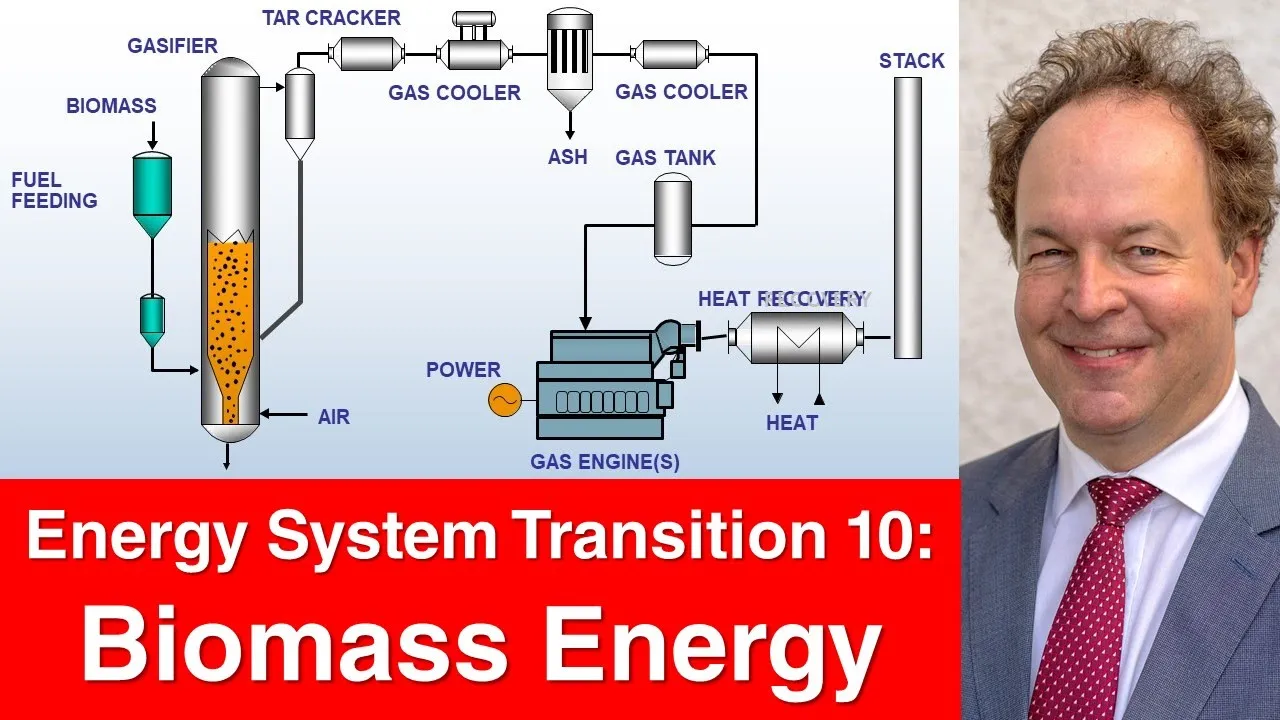
Lecture 10 Energy Transition - Biomass Energy
1.6K
The fundamental distinction between biomass and fossil fuels lies in carbon source timing. Both release CO₂ when combusted, but biomass carbon was recently absorbed from the atmosphere by living plants, while fossil fuel carbon was absorbed by ancient plants millions of years ago and stored underground. When biomass is burned, the released carbon can be reabsorbed by new plant growth, creating a closed carbon cycle. This makes biomass potentially carbon neutral, whereas fossil fuels add ancient carbon to the atmosphere that has been sequestered for geological time periods. However, true carbon neutrality depends on complete lifecycle assessment including harvesting, transportation, and processing methods.
Click to watch →

الدرس الثاني علوم الصف الرابع مفهوم عن الوقود الترم التاني نشاط 4 مستر محمد ابراهيم
40K
Fossil fuels are non-renewable because their formation requires millions of years, far exceeding human lifespans. Since we consume fossil fuels much faster than they form, they will eventually be depleted. The key distinction is that while biofuels can be replenished relatively quickly, fossil fuels cannot be replaced within any reasonable timeframe. This fundamental difference affects how we should use and conserve these energy sources for sustainable energy planning.
Click to watch →

Materias primas para la Industria Química de Fuentes Renovables.
195
Renewable resources can be replenished within human lifetimes, unlike fossil fuels which take millions of years to form. Once fossil fuels deplete, biomass becomes the exclusive renewable source for basic materials. Biomass consists of lignocellulosic materials (cellulose and lignin) from wood, energy crops, agricultural residues, and industrial waste. Converting this complex material into chemicals requires integrating matrix fractionation, cellulose hydrolysis, and biological/chemical conversions. Research focuses on both chemical and biochemical routes, with biotechnology playing a crucial role. Alternative transformation methods include pyrolysis, gasification, aqueous reforming, and supercritical water treatment.
Click to watch →
Deep Dive
Basic organic chemistry nomenclature and functional groups, particularly cyclic ethers like tetrahydrofuran (THF).

Tüm Organik Özet | Son Tekrar !
79.5K
Cyclic ethers are named by: (1) Finding the longest carbon chain containing the oxygen, (2) Numbering the ring starting from the oxygen, (3) Giving the oxygen the lowest possible number, (4) Adding the prefix 'oxo-' or 'oxacyclo-'. For example, tetrahydrofuran is a 5-membered cyclic ether.
Click to watch →

200+ Organic Chemistry Common Names in 1 Shot | JEE | NEET | CBSE
92.8K
Tetrahydrofuran (THF) is the common name for C4H8O, which is a five-membered cyclic ether with one oxygen atom. It is formed by reducing furan (removing all double bonds). THF is one of the most common organic solvents used in organic chemistry.
Click to watch →

IUPAC Naming Class 12th Chemistry || Chemistry 12 IUPAC Name || Basic Organic Chemistry by Anu Sir
139.6K
Functional groups (alcohols, aldehydes, ketones, carboxylic acids) are 'chief guests' with higher priority than substituents. Numbering starts from the end giving the lowest position to the functional group. The secondary suffix indicates the functional group: -ol for alcohols, -al for aldehydes, -one for ketones, -oic acid for carboxylic acids. For alcohols, the position number is placed before the suffix (e.g., 2-ol). The instructor demonstrates with examples like 3-amino-4-bromo-2-hexanol.
Click to watch →

Alcohol, Phenol and Ether Detailed Oneshot + PYQ Chapter 7 Class 12 Chemistry CBSE 2025 #cbse.
218K
For cyclic ethers, the parent ring is numbered to give the lowest possible numbers to the alkoxy substituent and other substituents. The prefix 'cyclo' is added to the parent ring name. For example, 2-ethoxycyclohexane and 2-nitroethoxycyclohexane.
Click to watch →

IUPAC Nomenclature | PART 4 | Organic Chemistry | NEET 2024 | Akansha Karnwal
29.2K
This video teaches IUPAC nomenclature rules for organic compounds: (1) Anhydrides are formed by condensation of two carboxylic acids with water elimination, named by combining the acid names alphabetically followed by 'anhydride' (e.g., ethanoic propanoic anhydride); (2) Esters have the functional group -COO- with alkyl groups on both sides, named by identifying the alkyl group attached to oxygen as the first part and the carbon chain attached to carbonyl as the second part with '-oate' suffix (e.g., methyl ethanoate); (3) Cyclic ethers are named by numbering the ring starting from the oxygen position and using 'epoxy' as the suffix (e.g., 1,2-epoxybutane); (4) Common names for alkanes use prefixes: 'n-' for normal straight chains, 'iso-' for branched chains with methyl group at position 2, and 'neo-' for 4° carbon atoms; (5) Dicarboxylic acids are memorized using the mnemonic 'OMSG' where O=Oxalic (0 carbons between COOH), M=Malonic (1 carbon), S=Succinic (2 carbons), G=Glutaric (3 carbons).
Click to watch →
Deep Dive
The concept of chemical feedstocks and how raw materials are sourced for industrial chemical manufacturing.

Lecture 1 Introduction to Industrial Chemistry
473
Chemical industry raw materials originate from four natural environments: Earth's crust, marine/ocean environments, atmosphere, and planetary resources. Materials are classified as renewable (self-regenerating like solar, geothermal, biomass, and agricultural products) or non-renewable (geologically formed like metals, minerals, and fossil fuels). Agricultural waste is increasingly utilized for manufacturing paints, inks, lubricants, and drugs. Fossil fuel dependence has grown due to petrochemical product development, creating environmental challenges. Biotechnology offers sustainable alternatives, with bio-based feedstocks projected to increase to 25% by 2030, potentially enabling two-thirds of the $50 trillion global chemical industry to use renewable resources. Chemical manufacturing follows a systematic sequence: raw material pre-treatment, physical treatment, chemical reaction, and separation/purification using methods like crystallization, distillation, and filtration.
Click to watch →

TYBSc Unit:1 Modern Approach to Chemical Industry.
1.9K
Raw materials are substances that can be processed to create chemical products. They come from diverse sources including natural compounds, carbon compounds, hydrogen, nitrogen, oxygen, chlorine, and other elements. Hydrogen is obtained from water, natural gas, and petroleum. Nitrogen and oxygen are obtained from the air. Chlorine is often obtained from sodium chloride. Petroleum products serve as important raw materials for manufacturing plastics, synthetic fibers, and other industrial chemicals. These materials undergo transformation through chemical processes to become finished goods.
Click to watch →

Raw material for Organic Chemical Industries
3.6K
The chemical process industry relies on diverse raw materials including petroleum, natural gas, salt, oil and fats, minerals, limestone, biomass, and energy from coal, natural gas, and renewables. Energy constitutes a critical cost component, with coal meeting 52.4% of India's primary energy needs while oil and natural gas account for 41.6%. Historically, organic chemicals originated from coal (acetylene from calcium carbide, alcohol from fermentation), but now over 90% come from petroleum and natural gas. Feedstocks have evolved from coal, salt, molasses, natural rubber, cotton, and fat to current sources including gaseous natural gas condensate, refinery acid, coal bed methane liquids, naphtha, solvent extracts, middle distillate solids, coal coke, wax, and residue. Natural gas serves as chemical feedstock from direct sources, associated gas from crude oil processing, and refinery gases. Naphtha (C4-C12, 70-200°C boiling) represents the most versatile petrochemical feedstock, undergoing cracking, reforming, alkylation, disproportionation, and isomerization to produce ethylene, propylene, butadiene, benzene, toluene, and xylene. Kerosene fractionation yields carbon 10-14 alkanes for linear alkylbenzene production. Petroleum coke gasification produces synthesis gas for hydrogen generation and fertilizer integration. Coal-based routes include hydrogenation for ammonia production, coke oven gas utilization for fertilizer-grade ammonia, and synthesis gas conversion to methanol.
Click to watch →

2nd year lecture Petrochemicals Part II
2.5K
Industrial chemical manufacturing relies on specific raw materials obtained from natural sources. Nitrogen gas constitutes approximately 70% of Earth's atmosphere, making it a readily available resource for chemical production. Hydrogen gas is another essential raw material obtained from various sources and combined with other materials in chemical reactions. The video explains that the chemical industry sources these materials from petroleum and natural gas industries. The availability and cost of these raw materials significantly impact the production of industrial chemicals like urea, demonstrating the interconnected nature of chemical manufacturing processes.
Click to watch →
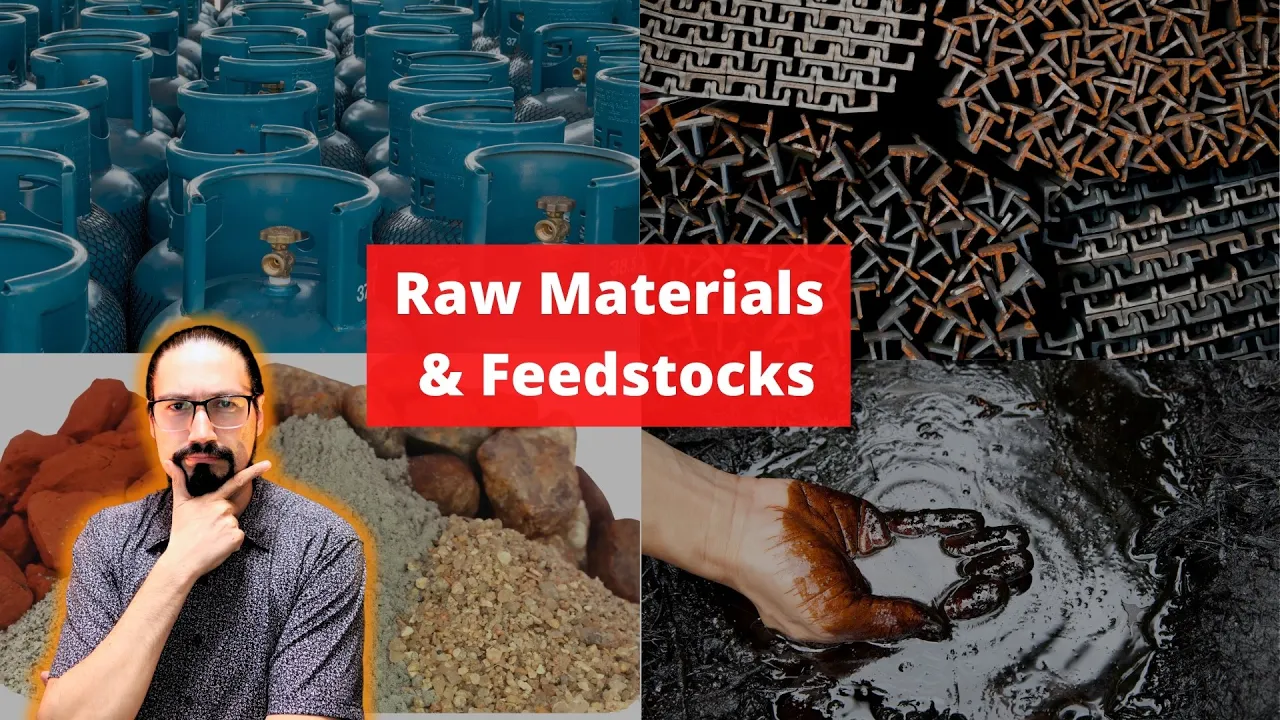
The Most Common Industrial Feedstocks You Didn’t Know About
659
Industrial feedstocks are unprocessed raw materials from nature (such as trees, crude oil, or biomass) that undergo transformation into platform chemicals like ethylene, methanol, and ammonia, which serve as foundational intermediates for countless products across sectors including pharmaceuticals (active ingredients like ibuprofen), paints (pigments, binders, solvents), coatings (protective layers), and specialized chemicals (industrial gases, explosives, biochemicals), with global sourcing of these feedstocks significantly impacting competitiveness, trade, and sustainability.
Click to watch →
Prerequisite Knowledge
- Concept 01Understanding of the 12 Principles of Green Chemistry as a general framework for sustainable science.
- Concept 02The fundamental difference between depleting fossil-based resources and renewable bio-based resources (biomass).
- Concept 03Basic organic chemistry nomenclature and functional groups, particularly cyclic ethers like tetrahydrofuran (THF).
- Concept 04The concept of chemical feedstocks and how raw materials are sourced for industrial chemical manufacturing.
Subsequent Learning
- Step 01The catalytic conversion pathways of agricultural waste (such as furfural) to produce 2-methyltetrahydrofuran (2-MeTHF).
- Step 02Applications of 2-MeTHF as a green alternative solvent in organometallic and Grignard reactions.
- Step 03Life Cycle Assessment (LCA) methodologies to evaluate and compare the environmental footprints of bio-based vs. petroleum-based solvents.
- Step 04Advanced biorefinery concepts, focusing on the economic and chemical challenges of scaling biomass-derived platform chemicals.
Renewable Basics
Solvent Swap
Renewable Basics
0:08Playing Section
- 1
Principle 7: Use renewable over depletable feedstocks when feasible.
- 2
Renewable means replenishable on human timescale; biomass is key example.
- 3
Fossil fuels and minerals are non-renewable due to slow formation.
Life Cycle and Land-Use Trade-offs of Biomass Feedstocks
While utilizing renewable feedstocks is a core tenet of green chemistry, critics and environmental scientists emphasize that 'renewable' does not automatically equate to 'sustainable.' Converting biomass into chemical feedstocks like 2-methylTHF often involves intensive agricultural practices that compete with food production for arable land and water, potentially driving deforestation and biodiversity loss. Furthermore, the chemical processing required to refine complex biomass into usable feedstocks can be highly energy-intensive and generate significant waste. Comprehensive Life Cycle Assessments (LCAs) sometimes reveal that the total carbon, water, and ecological footprint of cultivating, transporting, and chemically transforming biomass can exceed those of traditional, petroleum-based alternatives. Therefore, a holistic evaluation is necessary to ensure that renewable feedstocks do not merely shift environmental burdens from fossil depletion to land degradation and eutrophication.
Deep Dive
The catalytic conversion pathways of agricultural waste (such as furfural) to produce 2-methyltetrahydrofuran (2-MeTHF).

Novel opportunities for the development of biorefineries: bio-carbon to chemicals and fuels by...
4.3K
Furfural, derived from hemicellulose fractionation, serves as an important platform chemical that can be hydrogenated to produce various valuable products. Hydrogenation converts furfural to furfuryl alcohol, which is valuable for resins and adhesives. Further hydrogenation produces tetrahydrofurfuryl alcohol (used in polymers) and 2-methylfuran (a fuel additive). The reaction pathway shifts based on hydrogen pressure—moderate pressures favor 2-methylfuran formation while higher pressures drive complete hydrogenation to saturated products. Catalyst selection and reaction conditions determine the final product distribution.
Click to watch →

Furan | Structure, Synthesis and Chemical reactions of Furan | Eduluminescence
311
Tetrahydrofuran (THF) is prepared by reducing furfural using palladium catalysts. The reduction converts the carbonyl group of furfural to a methylene group, producing THF. This reaction is important industrially as THF is a valuable solvent and polymer precursor.
Click to watch →

Chris Marshall: Cu chromite catalyst deactivation for furfural hydrogenation
151
The hydrogenation of furfural (a biomass-derived compound) follows specific reaction pathways. The primary pathway produces pentanol, which is an important intermediate for converting to levulinic acid and subsequently to diesel fuel components. However, secondary reactions occur where pentanol can be further hydrogenated to form 2-methyltetrahydrofuran, which consumes additional hydrogen and produces a less valuable product. This over-hydrogenation represents a significant challenge in catalytic processes for biofuel production.
Click to watch →
Síntesis de furfural
6.3K
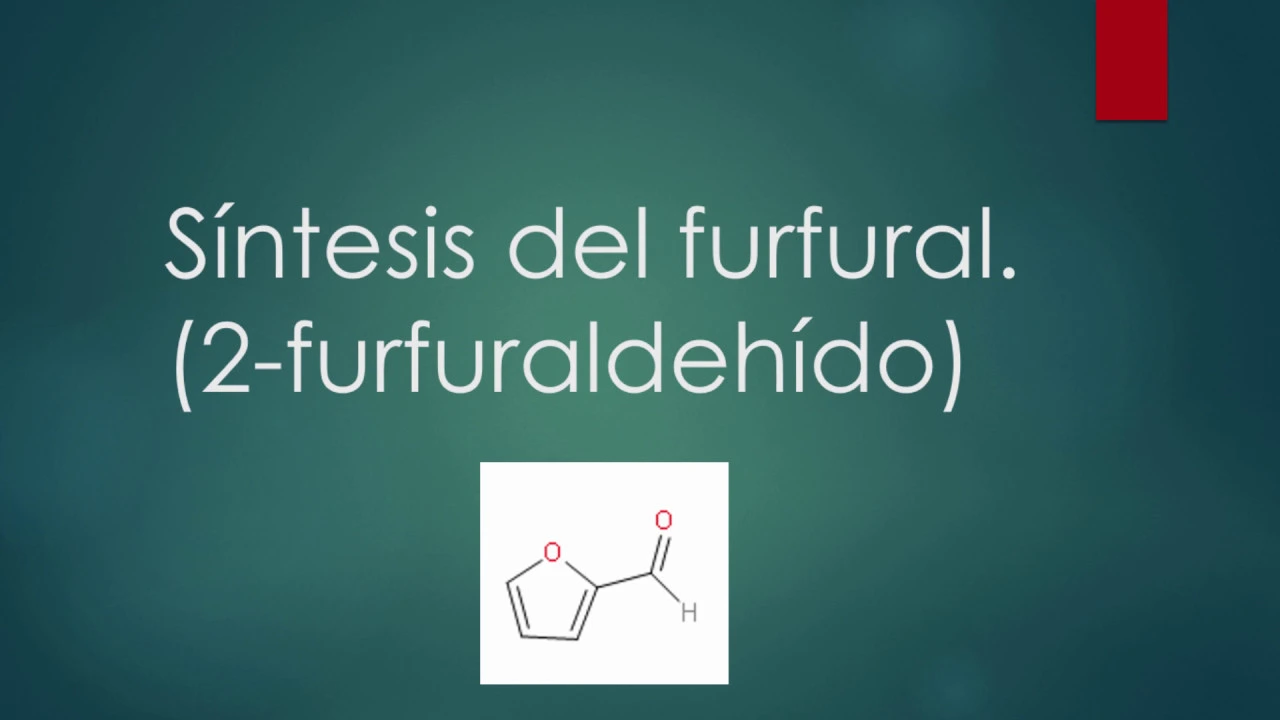
Furfural (2-furfuraldehyde), the simplest aldehyde derived from furan, is synthesized through acid-catalyzed dehydration of pentosans (polysaccharides containing five-carbon sugars) found in agricultural byproducts like corn cobs, wheat bran, and sugarcane bagasse. The mechanism involves three key steps: (1) Protonation of a hydroxyl group followed by water elimination to form a carbocation intermediate with a carbon-carbon double bond; (2) Keto-enol tautomerism favoring the enol form; (3) Electrophilic attack by the carbonyl oxygen leading to ring closure and final deprotonation to yield furfural. In laboratory practice, 5 grams of agricultural waste is mixed with 30 mL of 12% hydrochloric acid, heated under reflux for 30 minutes, then distilled to collect approximately 10 mL of furfural.
Click to watch →
HETEROCÍCLICA Práctica No. 1 Obtención de furfural
14.1K
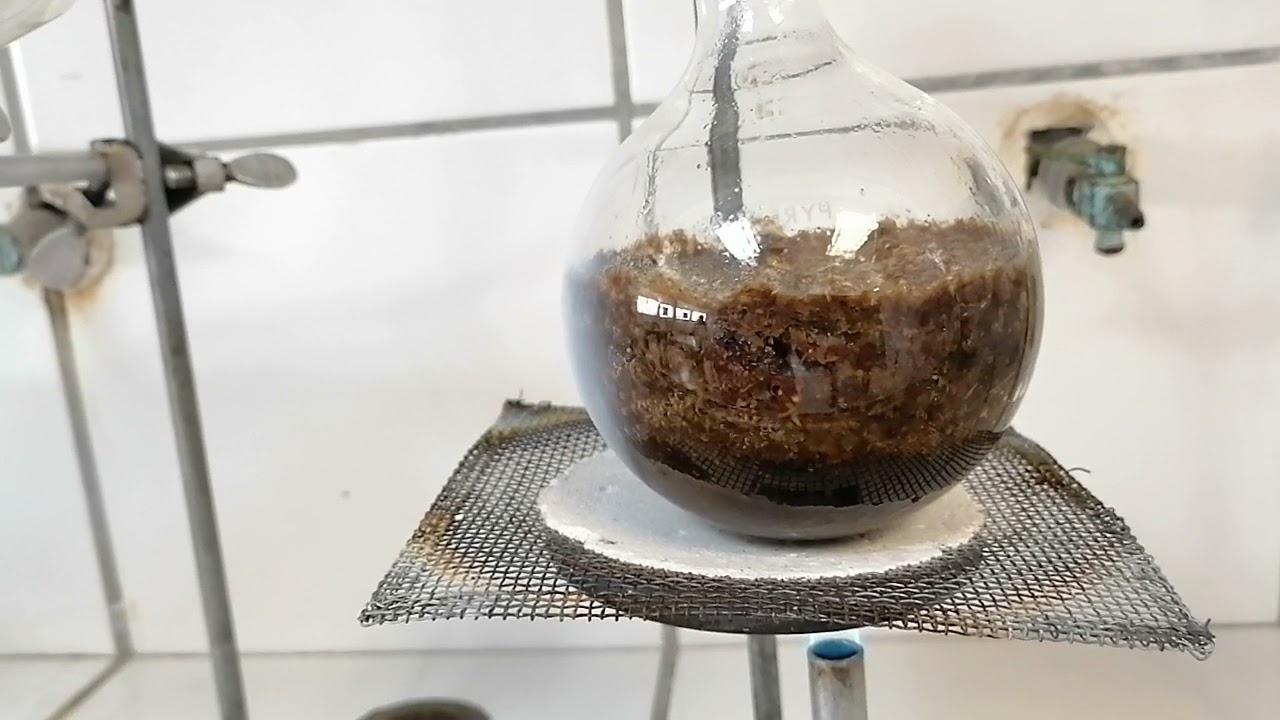
Furfural, a five-membered heterocyclic compound containing oxygen and a carbonyl group, can be synthesized from agricultural byproducts like corn cobs (salvador) through acid-catalyzed hydrolysis and dehydration using concentrated sulfuric acid, followed by simple distillation, neutralization with sodium carbonate, salting out with sodium chloride, and liquid-liquid extraction with chloroform to isolate the final product.
Click to watch →
Deep Dive
Applications of 2-MeTHF as a green alternative solvent in organometallic and Grignard reactions.

Corrado Malanga | lezione chimica sostenibile del quarto anno nº4
3.1K
Heptane is a safer alternative to pentane with lower vapor pressure and higher boiling point. Tetrahydrofuran and dioxane are hazardous solvents that have been largely phased out due to peroxide formation and explosion risks. 2-Methyltetrahydrofuran (2-MeTHF) is a Green Chemistry alternative to THF—adding methyl groups raises the boiling point and reduces vapor pressure. However, methyl groups create steric hindrance affecting solvating power for Grignard reagents. Despite this limitation, 2-MeTHF is preferred because it can be produced from renewable biomass (sugarcane) rather than petroleum. Pyridine and triethylamine are both amine solvents but have different properties. Pyridine is a stronger base with greater electron-donating ability, making it more hazardous. Triethylamine has a lower boiling point, making it easier to remove by rotary evaporation. Both are water-soluble and can be washed away with water. Amine solvents are mutagenic because their lone pair electrons can interact with cellular DNA, altering the conformational equilibrium of DNA and disrupting genetic information storage. Green Chemistry considers the energy source used in reactions. Traditional heating uses electricity from fossil fuel-powered generators, creating pollution. Renewable energy sources (solar, wind, hydro, geothermal) are cleaner alternatives. The four classical elements (Earth, Air, Water, Fire) represent renewable energy sources: Earth (geothermal), Air (wind), Water (hydroelectric), Fire (solar). However, economic factors often override environmental considerations. Gasoline taxes fund government revenue, creating economic incentives to continue using fossil fuels. Industries like automotive manufacturing have no incentive to switch to alternative energy sources because they can sell the same products regardless of energy source. The energy source used in reactions can affect outcomes—a pharmaceutical reaction heated with an oil bath produced a specific impurity with anti-inflammatory activity, while heating with a thermocouple produced a different product without activity. Grignard reagents form through single electron transfer (SET) mechanism. The alkyl halide's antibonding orbital accepts an electron from magnesium, forming a radical anion and radical cation. The reaction works best with iodides and bromides because their antibonding orbitals are larger and can better stabilize the electron. Fluorides do not react because their antibonding orbitals are too small to stabilize the electron. Metal hardness and softness (HSAB theory) determine reactivity in organometallic chemistry. Hard metals (magnesium, lithium) have small, tightly held electrons and prefer hard electrophiles. Soft metals (palladium, nickel, platinum) have larger, more polarizable electrons and prefer soft electrophiles. Palladium-catalyzed reactions can form organometallic reagents from fluorides, which are impossible with magnesium. A Grignard reagent from an alkyl fluoride would require 10 years to form, while the same reaction with palladium at -20°C completes in 4 seconds. Ultrasound can accelerate Grignard formation from fluorides by providing energy that weakens the carbon-fluorine bond.
Click to watch →

Tetrahydrofuran
7.7K
THF serves specialized roles in polymer science (GPC analysis), reversed-phase chromatography, and biomass deconstruction for renewable chemicals. Commercial THF requires molecular sieve drying before organometallic reactions. 2-Methyltetrahydrofuran offers ecological advantages with intermediate solvating properties between diethyl ether and THF, though higher cost limits adoption. Despite being relatively non-toxic (LD50 ~acetone), THF penetrates skin and dissolves latex, requiring nitrile/neoprene gloves. Critical safety concerns include high flammability and explosive peroxide formation upon air exposure; commercial THF is inhibited with BHT, and distillation to dryness must be avoided as peroxides concentrate in residue.
Click to watch →

Last Semester Paper Solution II Engineering Chemistry || By Arshad Sir
14K
Grignard reagents (RMgX) are prepared by reacting alkyl/aryl halides with magnesium in dry diethyl ether: R-X + Mg → R-Mg-X. They act as nucleophiles: with formaldehyde → primary alcohols; with acetaldehyde → secondary alcohols; with acetone → tertiary alcohols; with CO₂ → carboxylic acids. Green chemistry minimizes environmental impact through 12 principles: waste prevention, atom economy, less hazardous syntheses, safer chemicals, safer solvents, energy efficiency, renewable feedstocks, reduced derivatives, catalysis, design for degradation, real-time analysis, and inherently safer chemistry.
Click to watch →

Green Features of Centrifugal Partition Chromatography | RotaChrom Technologies PLC.
171
2-Methyltetrahydrofuran (2-MeTHF) has emerged as a promising green alternative to tetrahydrofuran (THF) in CPC applications. As a biomass-derived chemical, it aligns with multiple green chemistry principles. Key advantages include: it can be produced from renewable raw materials, is biodegradable, easy to recycle, and demonstrates a favorable environmental footprint. Toxicity studies show it has almost the same molecular weight as THF but with a higher boiling point and flash point, making it less flammable and hazardous. While its higher density and viscosity may present minor operational challenges during CPC runs compared to hexane, these characteristics remain within acceptable operational ranges.
Click to watch →

Organometallic Reagents and Carbanions: Crash Course Organic Chemistry #28
72.2K
Tetrahydrofuran (THF) serves as an alternative solvent for preparing Grignard reagents compared to diethyl ether. The lone pairs on the oxygen atom in THF are more available to interact with the positively charged magnesium ion, facilitating reagent formation. THF has a higher boiling point than diethyl ether, making it better suited for preparing Grignard reagents from aryl or vinyl halides, which react more slowly and may require warming to initiate the reaction.
Click to watch →
Deep Dive
Life Cycle Assessment (LCA) methodologies to evaluate and compare the environmental footprints of bio-based vs. petroleum-based solvents.

INCITE WEBINAR #4 - Life Cycle Assessment in the Bio-Based Chemical Industry
618
Life Cycle Assessment (LCA) is a comprehensive method for measuring environmental sustainability by compiling all inputs and outputs throughout a product's life cycle, from raw material extraction to disposal or recycling; it follows a four-step ISO framework (goal and scope definition, inventory analysis, impact assessment, interpretation) and is essential for comparing alternatives like petrochemical versus bio-based production routes, as demonstrated in a case study showing that while renewable-based propylene glycol production reduces climate change impact by 40-50%, it may increase agricultural-related impacts such as eutrophication and land use, highlighting the importance of considering trade-offs across different impact categories.
Click to watch →

ALIGNED and LIGNICOAT | LCA Training On Bio-based Products And Coatings
336
Life Cycle Assessment (LCA) is a standardized tool following ISO 14040 and ISO 14044 guidelines for evaluating environmental impacts of products or processes across their entire lifecycle. The methodology comprises four interconnected phases: Goal and Scope Definition, Inventory Analysis, Environmental Impact Assessment, and Interpretation. Scaling LCA data from laboratory to industrial scale is essential because lab processes are unoptimized and produce higher environmental impacts. Four methods exist: Simple Extrapolation adjusts values using literature factors; Approximation uses existing reference technologies; Process Engineering applies mathematical formulas; Simulation uses software like Aspen. A practical case study demonstrated that scaling lignin-based polyol production from lab to pilot scale reduced global warming potential by 76% through improvements like biobased solvents, 90% solvent recovery, water recirculation, and renewable electricity adoption.
Click to watch →

Contrasts Between Bio-based and Alternative Solvents
130
While bio-based solvents are often marketed as environmentally friendly alternatives to petrochemical solvents, they may have significant hidden environmental costs including land use changes, increased CO2 emissions from plowing protected lands, higher water consumption, and potential formation of ozone and aldehydes, which are known carcinogens; therefore, a truly green solvent should be evaluated based on its complete environmental footprint and occupational health benefits rather than just its bio-based origin.
Click to watch →

Emissão de Gases de Efeito Estufa, de Poluentes e a Pandemia
433
Life Cycle Assessment (LCA) evaluates environmental impacts across an entire product or process lifecycle, from raw material extraction through production, use, and disposal. This methodology prevents misleading comparisons by accounting for all inputs (materials, energy, water) and outputs (emissions, waste). For biofuels, LCA reveals that feedstock source dramatically affects carbon footprint—biodiesel from palm oil may have worse emissions than diesel, while other sources may be superior. LCA enables meaningful comparisons between technologies across multiple impact categories including global warming, eutrophication, and acidification.
Click to watch →

M4.5 - ¿Por qué multi-indicador?
259
Environmental decision-making requires analyzing multiple indicators rather than relying on single metrics. Using petroleum-based versus bio-based packaging as an example, bio-based options may show 40% fossil fuel reduction but involve trade-offs in water usage, land use, fertilizers, and water pollution. Life Cycle Assessment (LCA) provides a systematic approach by analyzing all inputs and outputs, classifying impacts into environmental categories, and grouping them into endpoint categories. Different footprints focus on specific aspects: carbon footprint on global warming, water footprint on scarcity and degradation, and water scarcity footprint on availability reduction. A holistic approach considering all indicators ensures well-informed decisions that account for complete environmental consequences.
Click to watch →
Deep Dive
Advanced biorefinery concepts, focusing on the economic and chemical challenges of scaling biomass-derived platform chemicals.

Online report launch: Carbon for chemicals and the role of biomass
1.7K
The biobased chemicals industry must achieve very large scale operations to be economically viable and make meaningful contributions to decarbonization. When even simple petrochemical products are traded globally at rates of one million tons per year, the biobased industry needs to reach comparable scales. The sooner large-scale facilities are established, the sooner data can be collected for proper policy analysis. It is acceptable and practical to use intermediate processing streams rather than attempting to make everything directly from biomass feedstocks—some products can be made from sugar intermediates, others from biodiesel oil, and still others from waste plastic. The key challenge is valorizing these intermediate streams to build economically viable large-scale bio refineries. Many current bio refinery projects fail because they attempt single-product facilities with poor economics. Effective biobased chemical development should aim to address multiple sustainability challenges simultaneously—for example, using agricultural residues to produce biodegradable polymers addresses both carbon footprint and persistent plastic waste problems. The UK has excellent research capabilities but limited scale-up and manufacturing of biobased products.
Click to watch →

Lec 42: Bio-based Chemicals
597
Platform chemicals serve as fundamental building blocks in biorefineries, analogous to petrochemical base chemicals in oil refineries. These compounds derive from biomass components and possess functional groups enabling conversion to economically significant valued chemicals. The U.S. Department of Energy has identified approximately 12 platform chemicals as formidable building blocks for sustainable chemical production. Key examples include ethanol (fuel and chemical feedstock), glycerol (from biodiesel production), xylitol (sweetener), sorbitol (humans), lactic acid (biodegradable polymers), levulinic acid (plasticizers), succinic acid (polymer monomers), HMF (furanic platform), and FDCA (furanic dicarboxylic acid). Unlike oil-based chemicals, biomass-derived platform chemicals contain higher oxygen content, requiring different processing approaches. Ethanol exemplifies this concept, serving as a versatile platform chemical through dehydration to ethene (polymer monomer), dehydrogenation to acetaldehyde, and steam reforming to syngas (CO + H2). Industrial processes employ either adiabatic reactors (higher conversion 99%, selectivity 97-99%, longer catalyst cycles 6-12 months) or isothermal reactors (slightly lower performance but shorter 1-6 month cycles). Glycerol serves as a versatile platform chemical with multiple transformation routes including aqueous phase reforming to syngas, conversion to C3 diols for polyester resins, and production of acrylonitrile as a polymer monomer. Succinic acid serves as a critical platform chemical for producing polymer monomers including tetrahydrofuran, butane-1,4-diol, and γ-butyrolactone, though challenges include significant recovery and purification costs due to byproduct formation.
Click to watch →

Introduction to Biorefinery: Fundamentals of Biomass || Webinar || Humzaa Imtiaz || ChemEnggLife
911
Bio-refineries face significant economic challenges: they compete against established fossil fuel markets with mature infrastructure, optimized equipment, and proven processes; high capital costs for new facilities create financial barriers; market dynamics affect product pricing; regulatory approval for new biobased products (especially in pharmaceuticals and food industries) is complex and time-consuming; and lack of harmonized international standards creates trading difficulties between regions with different requirements.
Click to watch →

Biomass Conversion And Biorefinery
201
A biorefinery is an integrated facility that converts biomass into multiple valuable products (fuels, chemicals, materials) through combined biological and chemical processes, addressing the limitations of single-product approaches by utilizing diverse feedstocks (lignocellulosic biomass, algae, municipal waste) and implementing pretreatment methods (dilute acid, alkali, hydrothermal) to overcome biomass recalcitrance, thereby enabling sustainable production of biofuels like bioethanol and biobutanol, along with platform chemicals such as lactic acid and succinic acid.
Click to watch →
Biorefinery Concept - التكرير الحيوي
892
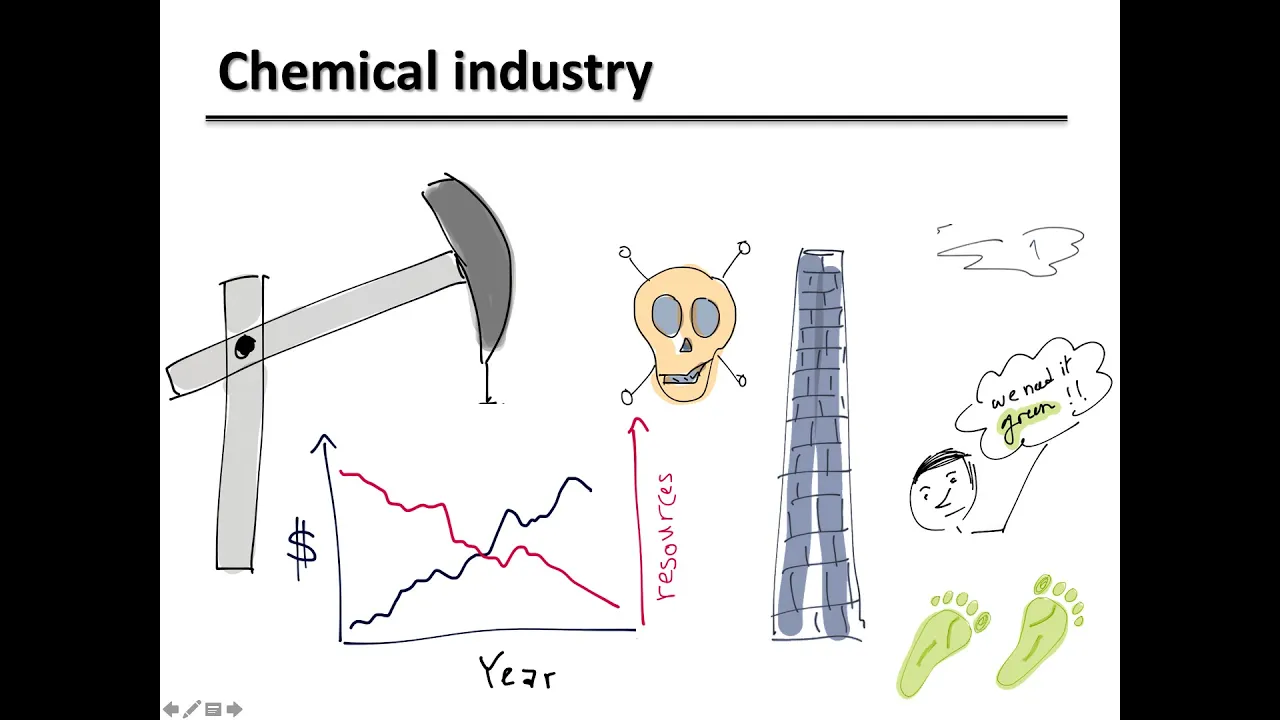
A biorefinery is an integrated facility that converts biomass into valuable chemicals, materials, and energy through biological and chemical processes, offering a sustainable alternative to petroleum-based chemical production; this approach utilizes renewable feedstocks such as agricultural and industrial by-products (e.g., glycerol from biodiesel production) and employs microbial fermentation or biocatalysis to produce platform chemicals like propionic acid, 3-hydroxypropionic acid, and methacrylic acid, which can serve as building blocks for various industrial applications while reducing environmental impact compared to traditional petrochemical processes.
Click to watch →
Renewable Basics
Solvent Swap
Renewable Basics
0:08- 1
Principle 7: Use renewable over depletable feedstocks when feasible.
- 2
Renewable means replenishable on human timescale; biomass is key example.
- 3
Fossil fuels and minerals are non-renewable due to slow formation.
Life Cycle and Land-Use Trade-offs of Biomass Feedstocks
While utilizing renewable feedstocks is a core tenet of green chemistry, critics and environmental scientists emphasize that 'renewable' does not automatically equate to 'sustainable.' Converting biomass into chemical feedstocks like 2-methylTHF often involves intensive agricultural practices that compete with food production for arable land and water, potentially driving deforestation and biodiversity loss. Furthermore, the chemical processing required to refine complex biomass into usable feedstocks can be highly energy-intensive and generate significant waste. Comprehensive Life Cycle Assessments (LCAs) sometimes reveal that the total carbon, water, and ecological footprint of cultivating, transporting, and chemically transforming biomass can exceed those of traditional, petroleum-based alternatives. Therefore, a holistic evaluation is necessary to ensure that renewable feedstocks do not merely shift environmental burdens from fossil depletion to land degradation and eutrophication.
Understanding of the 12 Principles of Green Chemistry as a general framework for sustainable science.
The fundamental difference between depleting fossil-based resources and renewable bio-based resources (biomass).
Basic organic chemistry nomenclature and functional groups, particularly cyclic ethers like tetrahydrofuran (THF).
The concept of chemical feedstocks and how raw materials are sourced for industrial chemical manufacturing.
The catalytic conversion pathways of agricultural waste (such as furfural) to produce 2-methyltetrahydrofuran (2-MeTHF).
Applications of 2-MeTHF as a green alternative solvent in organometallic and Grignard reactions.
Life Cycle Assessment (LCA) methodologies to evaluate and compare the environmental footprints of bio-based vs. petroleum-based solvents.
Advanced biorefinery concepts, focusing on the economic and chemical challenges of scaling biomass-derived platform chemicals.
16.7K views148likes3:48@GreenChemUofTOriginal Release: 2016-10-31
Hi everyone, I’m Ian.
Hi, I'm Yuchan.
Today, we’re here to talk to you about the 7th principle of green chemistry, which is the use of renewable feedstocks.
This principle states that a feedstock, or raw material, should be renewable rather than depletable whenever technically or economically practicable.
A raw material is similar to an ingredient. It is a basic substance in its starting or semi-processed state, and not yet the final product.
So if we consider a cookie as an example of the final product, then one of these feedstocks would be sugar.
As another example, we could also consider sugar as a final product.
Plants make sugar via photosynthesis, and one of the feedstocks they use is CO2, or carbon dioxide.
[eating cookie] [unintelligible] [laughter] [beep] When we talk about raw materials or feedstocks being “renewable”, we mean that they can be replenished on a human timescale.
Many common feedstocks cannot be replenished this quickly such as coal, natural gas, oil, and minerals.
All of these finite resources are being used up by human activities, and would take many thousands or even millions of years to replenish.
On the other hand, an example of a renewable feedstock is biomass, meaning any material derived from a living organism, usually plants.
When biomass is used as a feedstock, new plants can be grown relatively quickly to replenish that resource. In other words, the feedstock is renewable on a human timescale.
Now that we know the meaning of renewable feedstocks, let’s consider why it is important to use these whenever possible, instead of feedstocks from depleting resources. Basically, the end goal is to have a steady and continuous supply of resources for the future.
Take crude oil for example, which is a feedstock for many products. Oil has formed underground through very, very slow natural processes. We simply can’t wait millions of years for new oil deposits to form. It is easier to plant and harvest biomass than to wait that long. So how does this apply to chemistry in a lab?
Well, the type of feedstocks can also be considered when we’re choosing the components in a reaction, such as reagents and solvents. We already made a video explaining the importance of solvent choice, but today let’s look at two solvents as an example of renewable feedstocks.
A popular ether solvent used in chemistry labs is tetrahydrofuran, or THF for short.
However, the synthesis of THF industrially is made from fossil fuels, which are not renewable.
An alternative to THF is 2-methyltetrahydrofuran, or 2-methyl THF, which has a very similar structure to THF and has very similar properties as an ether solvent. But 2-methyl THF has the benefit of being synthesized from biomass, which is a renewable resource.
Many reactions might specify an ether solvent, but we can carefully choose *which* ether solvent to implement a little bit of green chemistry every day. The substitution of THF for 2-methyl THF in our reactions is just one way in which we can put Principle 7 into action. Another way this principle is being used is through interdisciplinary research to find more uses for biomass-derived compounds, giving us more options to use renewable resources rather than depleting ones.
Thank you for watching this video! Be sure to like this video, and subscribe to view the rest of our series on the principles of green chemistry. If you want to learn more about the Green Chemistry Initiative, check us out at our website, Facebook or Twitter.
Up Next

32:56
Ionic Liquids: Thermodynamics and Current Applications | TLU Chemistry Seminar
@TXLutheran
11.5K views•2016-11-28

83:56
Biocatalysis and Catalysis in Islatravir Synthesis | Merck Webinar
@SCIwheresciencemeetsbusiness
675 views•2020-10-08
3:50
Catalysis in Green Chemistry: Principle 9 Explained
@GreenChemUofT
17.4K views•2017-07-24

17:31
Edible Water Bottles: A DIY Guide to Sodium Alginate Spherification
@ryan
10.5M views•2019-06-21
Related Study Plans & Knowledge Roadmaps
Structured learning paths in Chemistry
chemistry
Nuclear Chemistry: Decay, Meds & Fuel Cycle
01Introduction to Nuclear Structure and Radioactivity
02Decay Dynamics and Kinetics
03Radiation Interaction and Detection
+ 2 more learning modules
24h5 modules
Explore Roadmap
chemistry
Supramolecular Chemistry: Forces & Machines
01Foundations of Chemical Bonding and Intermolecular Forces
02Introduction to Host-Guest Chemistry
03Thermodynamics and Dynamics of Self-Assembly
+ 2 more learning modules
16h5 modules
Explore Roadmap
chemistry
Photochemistry: Excited States & Reactions
01Foundations of Light-Matter Interactions
02Molecular Orbitals and Electronic States
03Photophysical Processes and Jablonski Diagrams
+ 2 more learning modules
18h5 modules
Explore Roadmap
chemistry
Coordination Chemistry: Bonding & Properties
01Introduction to Transition Metals and Ligands
02Crystal Field Theory (CFT) and Geometry
03Magnetic Behavior and Spin States
+ 2 more learning modules
14h5 modules
Explore Roadmap