![Phonetics: Intro to linguistics [Video 2]](https://i.ytimg.com/vi_webp/GLBsvdaR_ow/maxresdefault.webp)









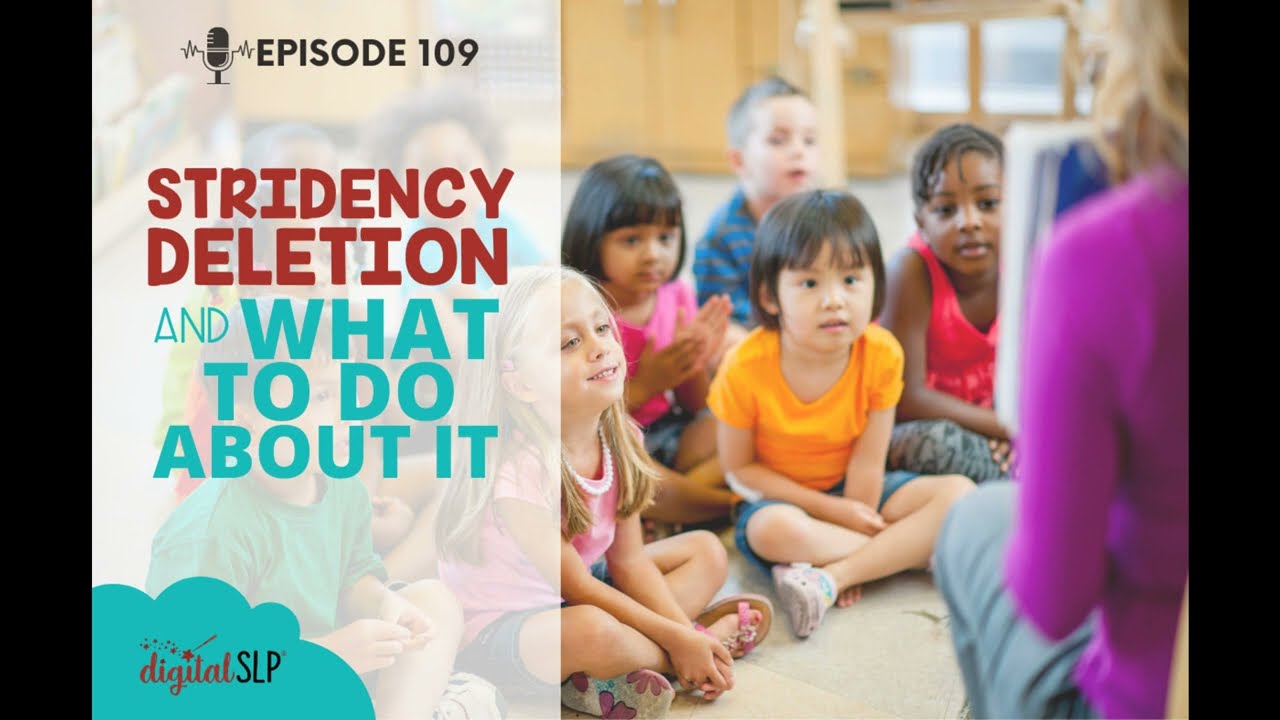







Phonological disorder differs from articulation disorder in that it involves difficulties with sound patterns rather than individual sounds; common phonological processes include final consonant deletion (omitting end sounds like 'da' for 'Dad'), initial consonant deletion, reduplication (repeating syllables like 'baba'), and cluster reduction, which typically resolve by ages 2.5-5 years; treatment aims to improve speech intelligibility by helping children produce sounds correctly and organize language patterns appropriately.
Phonological Disorder Causes, Patterns, & Treatment in Children
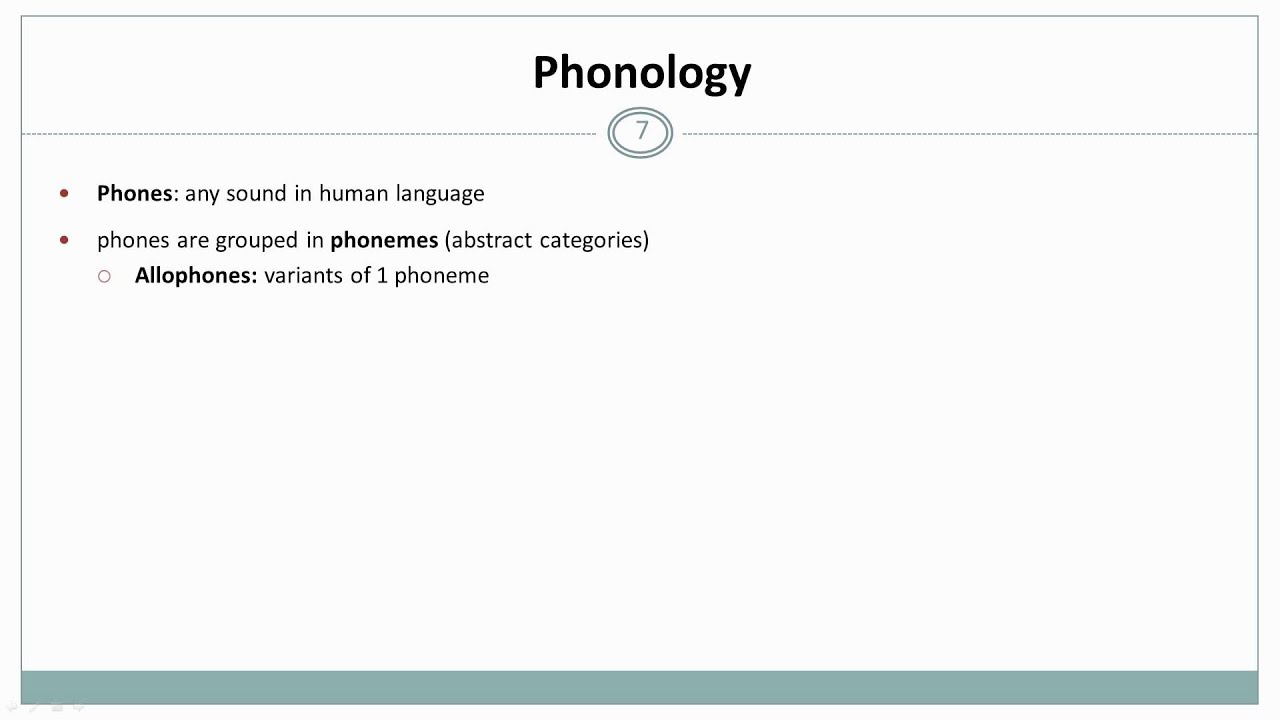
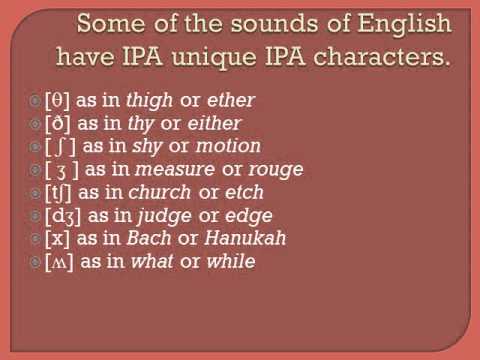
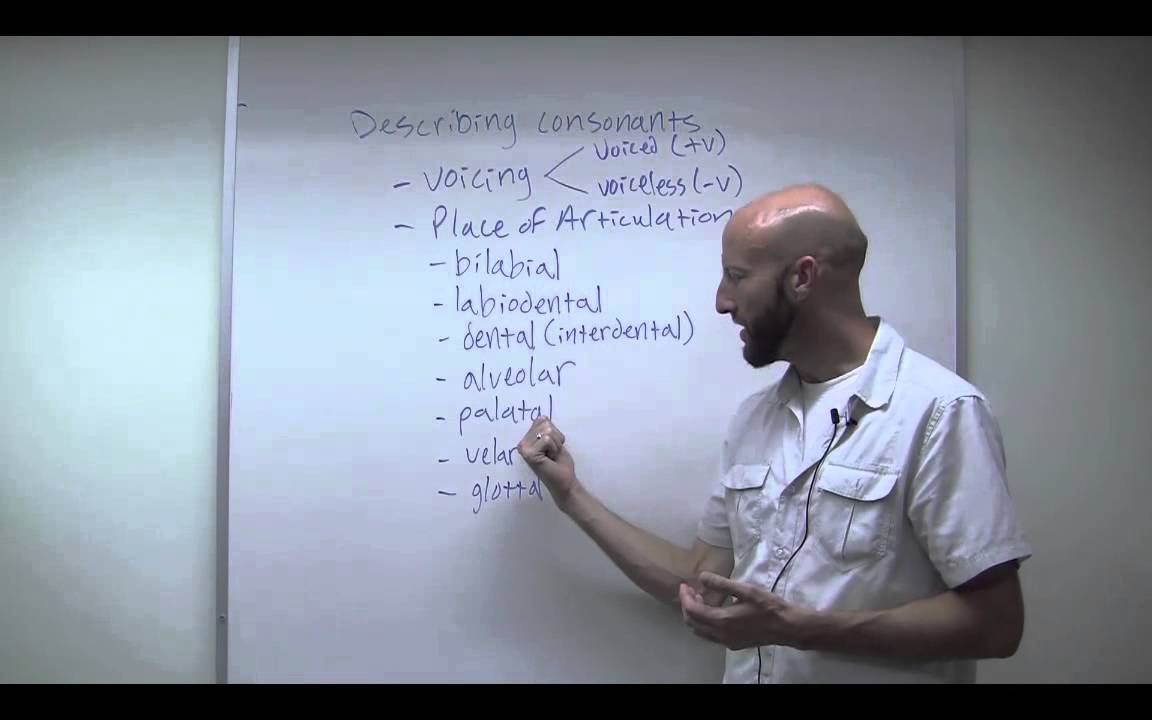
Added:Basic concepts of phonetics and phonology, including the definition of phonemes and how speech sounds are classified by place, manner, and voicing.
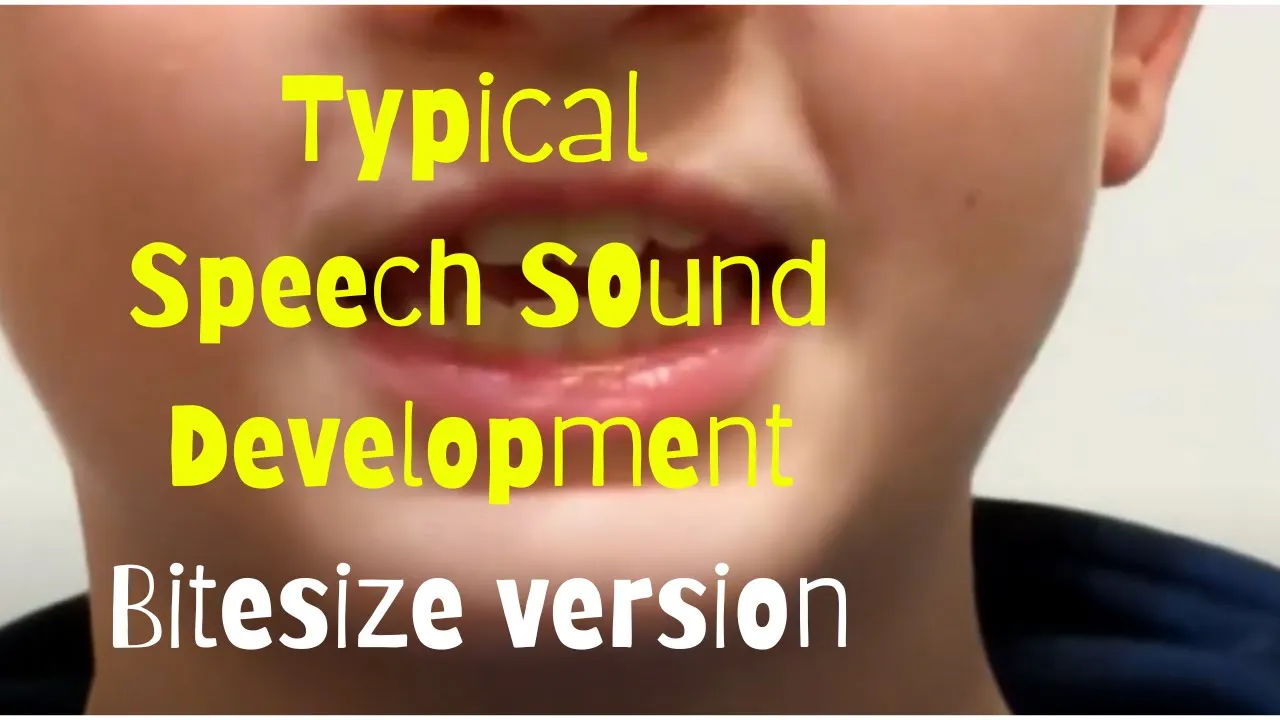
Typical speech development milestones in children, specifically regarding the ages at which certain speech sounds are normally acquired.
The fundamental difference between speech production (motor output) and language processing (cognitive/linguistic rules).
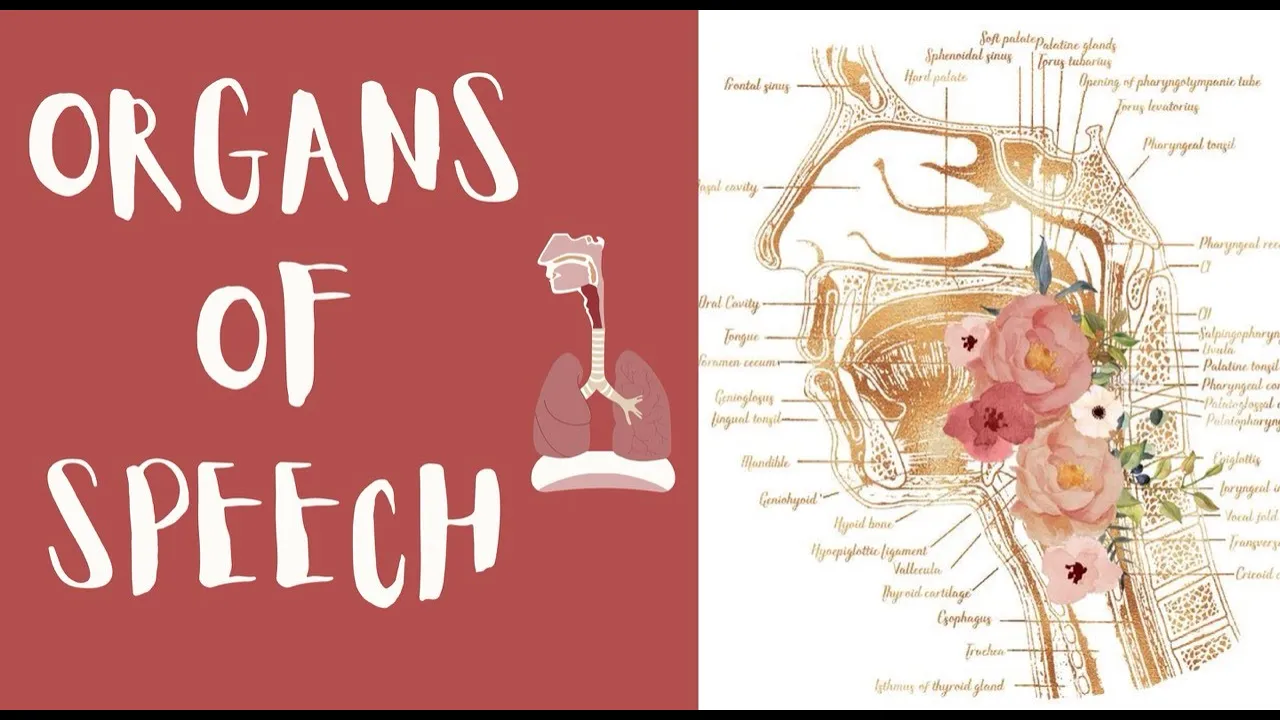
An introductory understanding of the anatomy and physiology of the speech mechanism, including the articulators like the tongue, lips, and palate.
Standardized diagnostic and assessment tools used by speech-language pathologists, such as the Goldman-Fristoe Test of Articulation.
Specific evidence-based intervention frameworks, such as the Cycles Phonological Patterns Approach, Minimal Pairs, and Maximal Oppositions.
The relationship between phonological disorders and later literacy development, including phonological awareness, reading acquisition, and dyslexia.
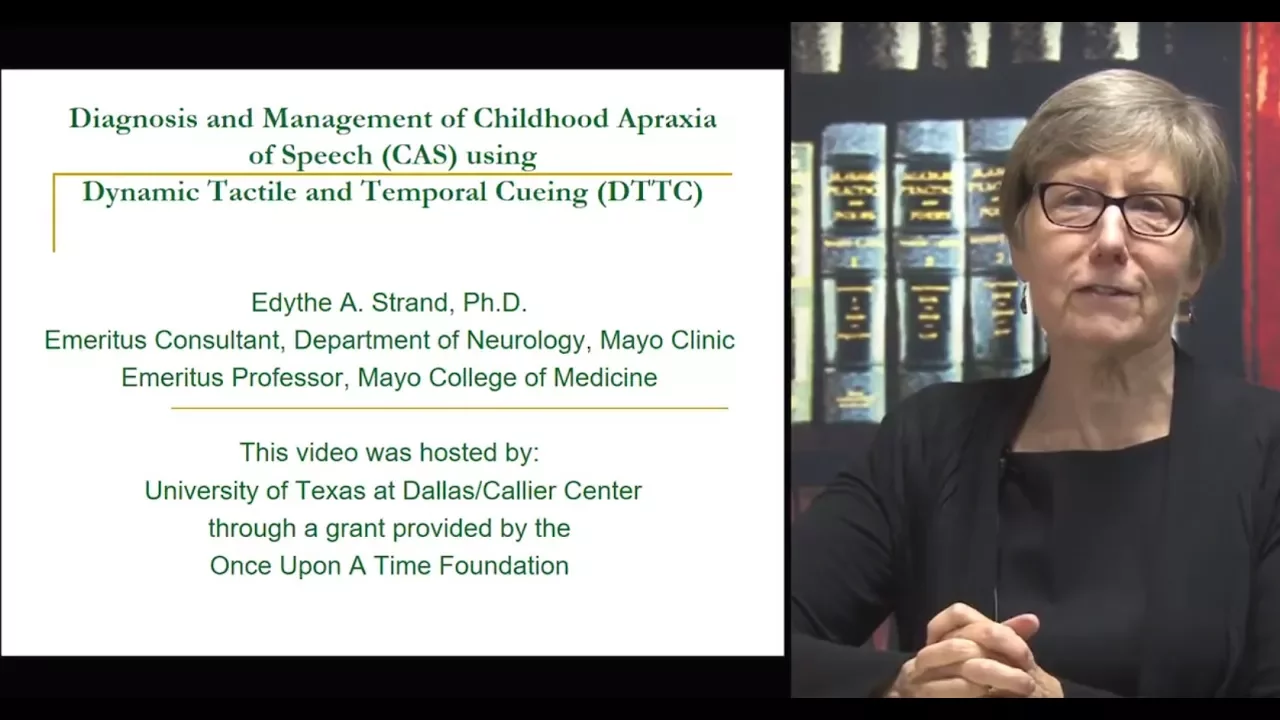
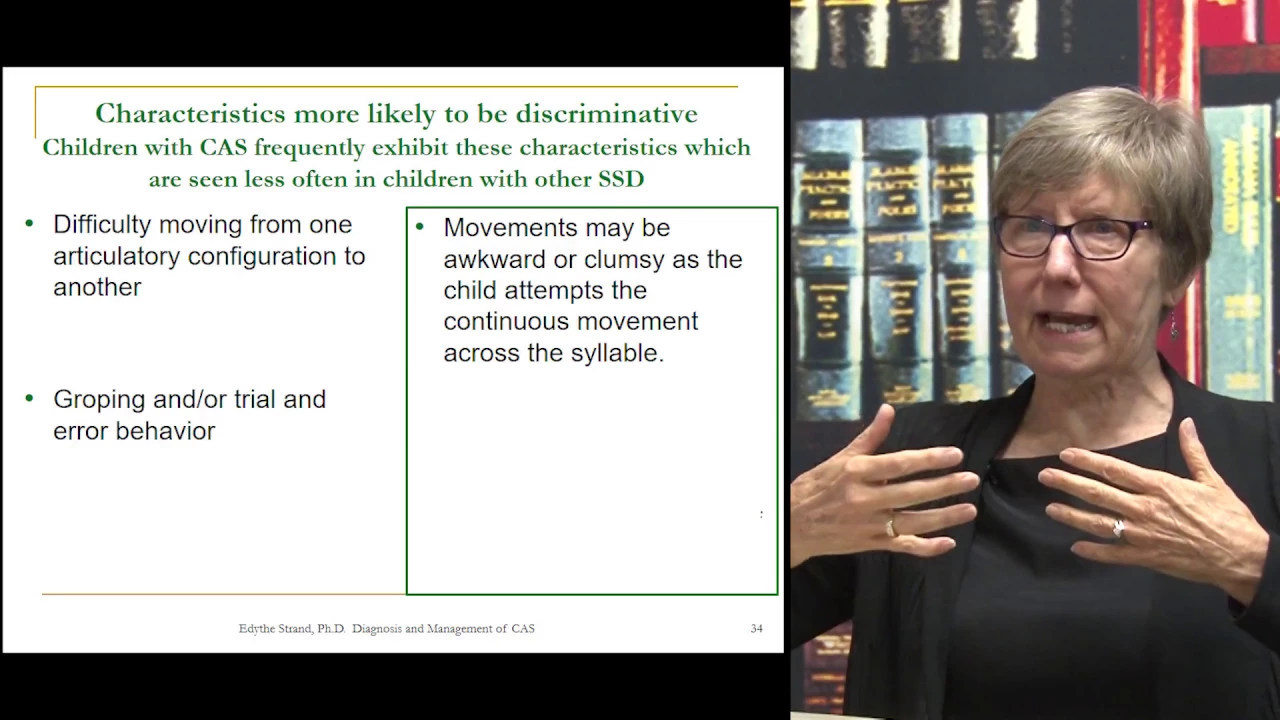
Differential diagnosis techniques to distinguish phonological disorders from Childhood Apraxia of Speech (CAS) and dysarthria.
10.9K views395likes5:54Original Release: 2023-02-22
[Music] foreign hey there and welcome back to another video with better speech my name is Lenora Edwards and I am a board-certified speech language pathologist in today's video we're going to talk a little bit more about phonological disorders the difference between an articulation disorder and a phonological disorder and how speech therapy can help let's get started hey there before we get into today's video content I want to go ahead and remind you to subscribe to our Channel better speech and after you watch the video if you found it helpful go ahead and click that like button comment down below and don't forget to share with your family and friends also visit us at better speech.com for more information now over to the video now first things first when we hear the phrase speech sound disorder what we're actually hearing is a blanket term and this is often used among professionals sometimes teachers sometimes Physicians and all it simply means is that there is concern for your child's language development and whether that be difficulty in learning articulating or using sounds or even sound patterns of that language that's all it simply means that there is a concern in language development now a qualified speech-language pathologist is able to assess and determine the most appropriate treatment plan for your little one in this case when we're talking about an articulation disorder what we're actually talking about is that there is difficulty at the individual speech sound level when we're talking about a phonological difficulty we're talking about the difficulty at the clear and consistent production of the patterns of the Sounds in that language now sometimes for articulation it might be one sound it might be several sounds phonological it's the patterns of of those sounds and we'll get to that in just a moment when we're talking about articulation disorders and phonological disorders they are similar and therefore they are often confused and sometimes misdiagnosed but there are some key characteristics that are really helpful to determine phonological processing disorders now they include significantly decreased speech intelligibility when your little one is talking it's very difficult to understand them unusual articulation errors and even common patterns of speech errors those are all really good indicators the phonological processing disorder now to understand phonological processing disorders we must first understand phonological processes phonological processes are simply the natural way that children and we when we first started to learn language simplified our language if you think of an adult an a fluent speaker speaking as clearly as we do takes quite a bit of skill there's a lot of coordination and a lot of movement and none of which are we thinking about our tongue our lips our breath our jaw or our voice now for little ones because they're learning to understand language they're also learning to express language therefore they naturally simplify words to make it easier this process is completely normal and fully expected I'm going to share with you a few of the processes that we do see but also ones that we don't see as often and what age range they should typically eliminate by the first final consonant deletion now this is when the final consonant or constant cluster is left off such as da for Dad or ma for ma we typically see this eliminate by the age of three or three and a half years of age now initial consonant deletion and the first consonant or constant cluster is deleted such as oi for toy or for Chuck this one's a little more atypical though of a process that we see now let's not forget reduplication when a complete or incomplete syllable is repeated such as for water this typically eliminates by the age of two and a half to three years of age and lastly cluster reduction when all or sum of a constant cluster is deleted or substituted such as Boo for Bloom now this typically eliminates by the age of three and a half to four years of age but this also depends on the sound so for example if this is a sound this might not completely eliminate until the age of five now that you know a little bit more about little ones presenting with phonological disorders what exactly would treatment look like well treatment as always will be based on your child's skill set and developmental level now that being said the overall goal of treatment is to improve speech intelligibility this will be accomplished in two ways one we want to make sure that your child knows how to say the sounds correctly and number two we want to make sure that your child is able to organize the sounds of their language in the correct pattern as always if you have questions or would like to speak with a speech language pathologist please don't hesitate to reach out to us at better speech we offer a free 15-minute consultation where we will do our very best to answer any and all of your questions and to offer you more guidance from there we hope you found this video helpful be sure to follow like And subscribe for more and as always stay well and we'll see you next time [Music] thank you
Up Next

29:25
A Practical Guide to Deploying Machine Learning Models with TensorFlow Serving
@professor-ryanahmed
32.3K views•2019-10-27

12:54
Triumph of Orthodoxy Icon: Byzantine Art & History Explained
@BenCallan
2.1K views•2024-08-06

9:49
FastAPI vs Flask vs Django: Choosing the Right Python Web Framework
@TechWithTim
302.5K views•2024-05-26

1:42
Game of Thrones Opening Credits: A Cinematic Analysis
@gameofthrones
46.3M views•2011-04-18
Related Study Plans & Knowledge Roadmaps
Structured learning paths in General & Interdisciplinary Studies
general-studies
Elevator Engineering: History, Physics & Cities
01From Hoists to Safety Brakes: The Dawn of Vertical Lift
02Hydraulic vs. Traction: The Engineering Physics of Elevators
03Modern Speed, Safety, and Algorithms
+ 2 more learning modules
12h5 modules
Explore Roadmap
general-studies
Rubber: Material Science, History & Geopolitics
01Origins of Natural Rubber & Mesoamerican History
02The Chemistry of Natural Rubber & Vulcanization
03The Geopolitics of the Rubber Boom & Colonization
+ 2 more learning modules
12h5 modules
Explore Roadmap
general-studies
Containerization: Evolution, Logistics & Trade
01Ancient Trade & Bulk Cargo: Amphorae to Barrels
02The Industrial Revolution & Cardboard Packaging
03The Containerization Revolution: Malcom McLean
+ 2 more learning modules
12h5 modules
Explore Roadmap
general-studies
Textile Tech: Evolution, Labor & Global Impact
01Pre-Industrial Textiles: Handloom & Cottage Industry
02Mechanization: The Spinning Jenny to the Power Loom
03The Factory System & Global Labor Transformation
+ 2 more learning modules
10h5 modules
Explore Roadmap