










![[해외감동사연] "원료 99% 수입국이" 韓 배터리 수입 막혔다! 하지만 30일만에 세계를 침묵시킨 한국의 '이 기술'에 전세계가 주목하기 시작했다](https://i.ytimg.com/vi/UVCcC9gUKjI/maxresdefault.jpg)








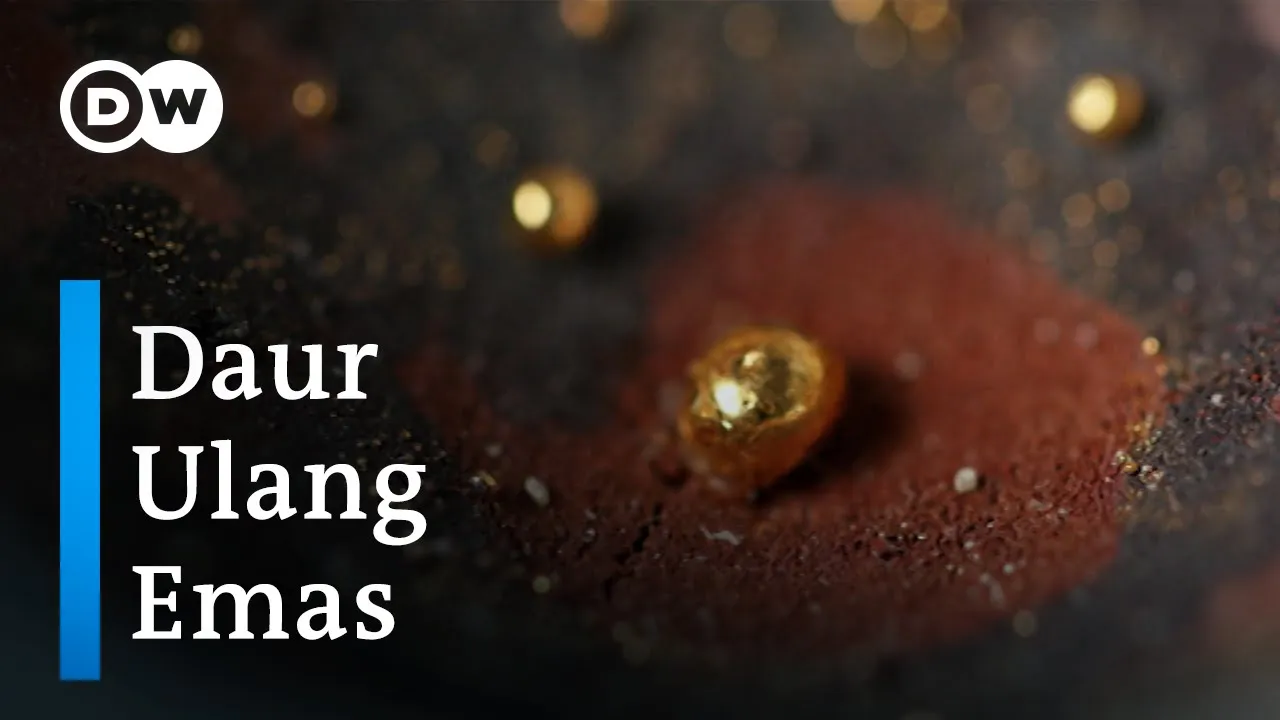
A New Zealand startup has developed a sustainable method to extract gold from electronic waste using microorganisms that naturally absorb precious metals, offering a cleaner alternative to traditional mining that reduces pollution and addresses the growing global e-waste problem.
Sustainable Gold Extraction from E-Waste Using Microbes
Added:Fundamentals of e-waste composition, specifically the distribution of precious metals like gold, copper, and palladium in printed circuit boards (PCBs).
Basic principles of traditional metallurgy, including the environmental drawbacks of pyrometallurgy (smelting) and hydrometallurgy (using toxic chemicals like cyanide or strong acids).
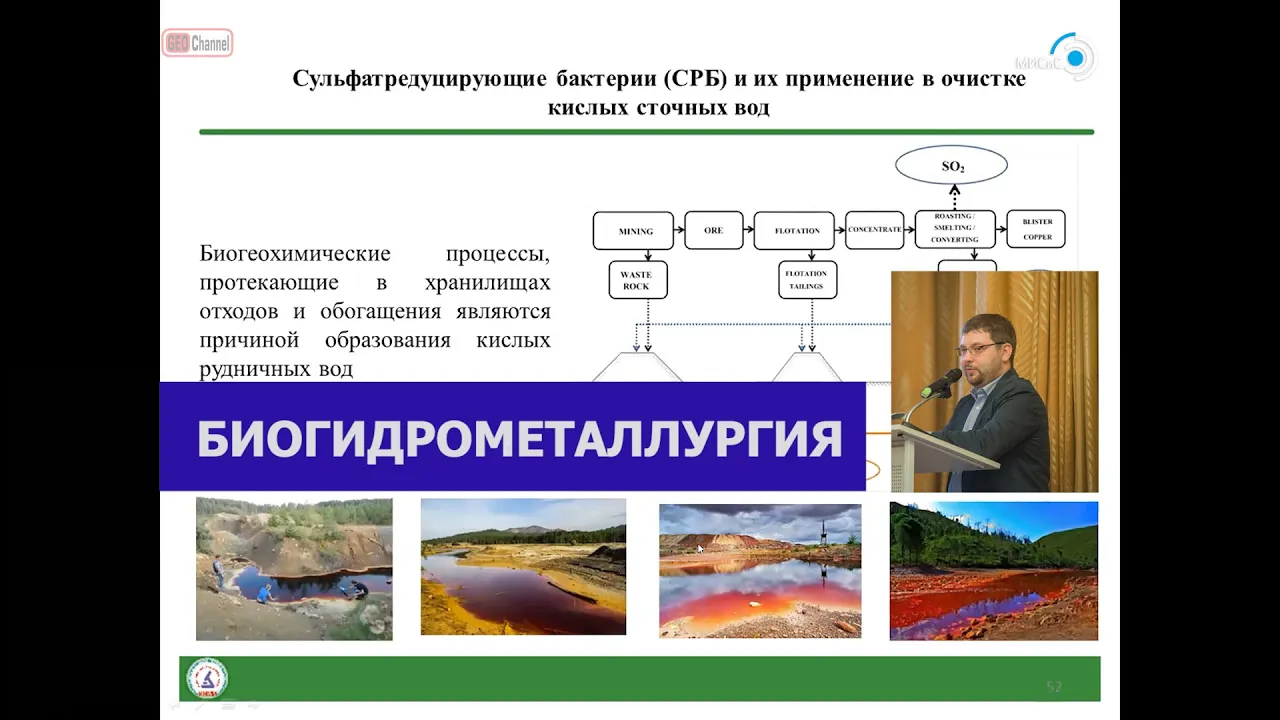
An introduction to biohydrometallurgy (biomining), specifically how microorganisms interact with metal ions through oxidation, reduction, and biosorption processes.
Fundamental concepts of microbial metabolism, particularly how certain bacteria and fungi utilize metals for cellular energy or precipitate them as defense mechanisms.
Advanced genetic engineering of microbes to optimize metal-selectivity, increase toxic tolerance, and accelerate extraction rates.
The engineering and economic challenges of scaling up bio-leaching processes from laboratory bioreactors to commercial-scale industrial plants.
Methods for the sequential recovery of other critical and rare earth elements (REEs) from e-waste using multi-species microbial consortia.
The role of bio-recovery in the global circular economy, including life cycle assessments (LCA) comparing the carbon footprint of bio-recycled gold versus mined gold.
6.5M views57.6Klikes9:13Original Release: 2021-05-19
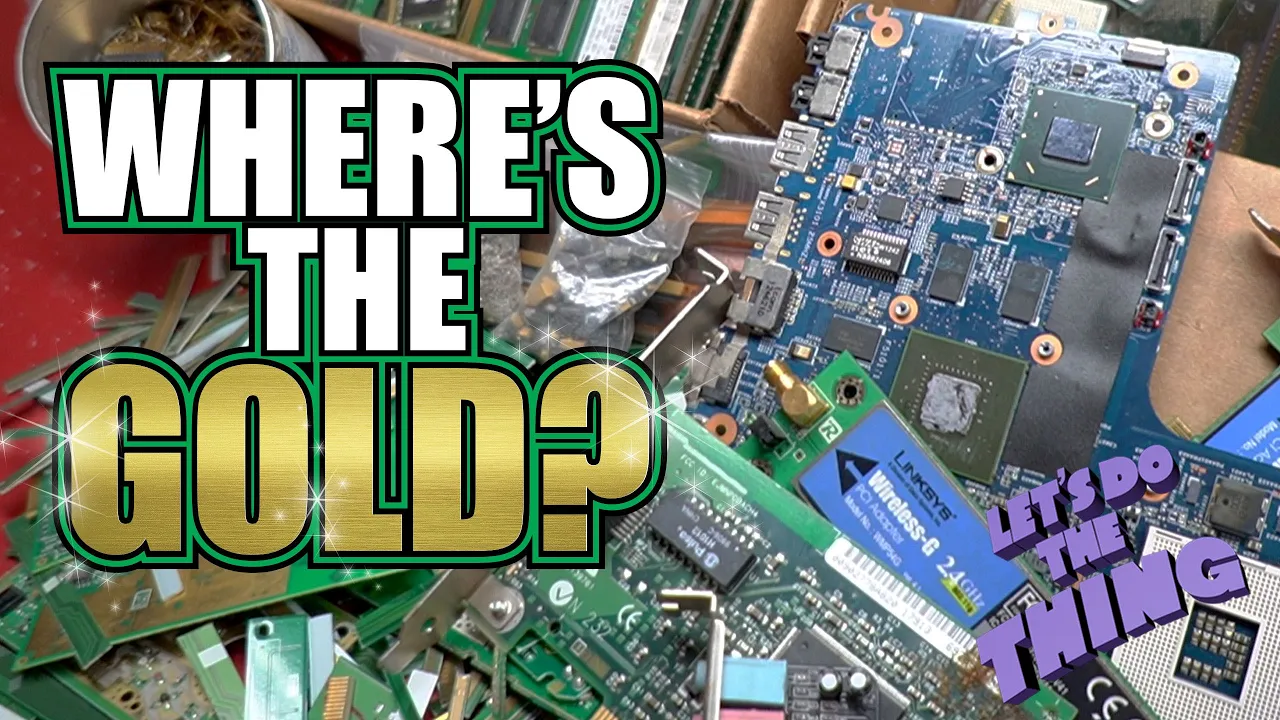
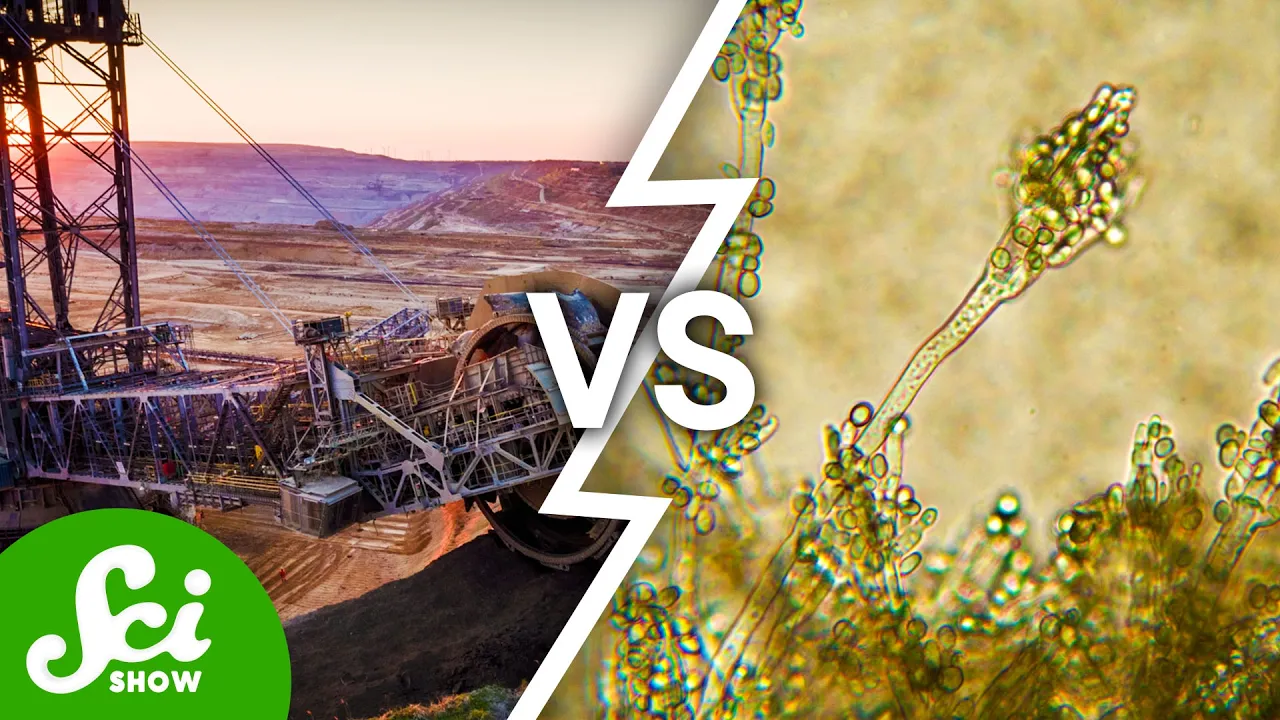
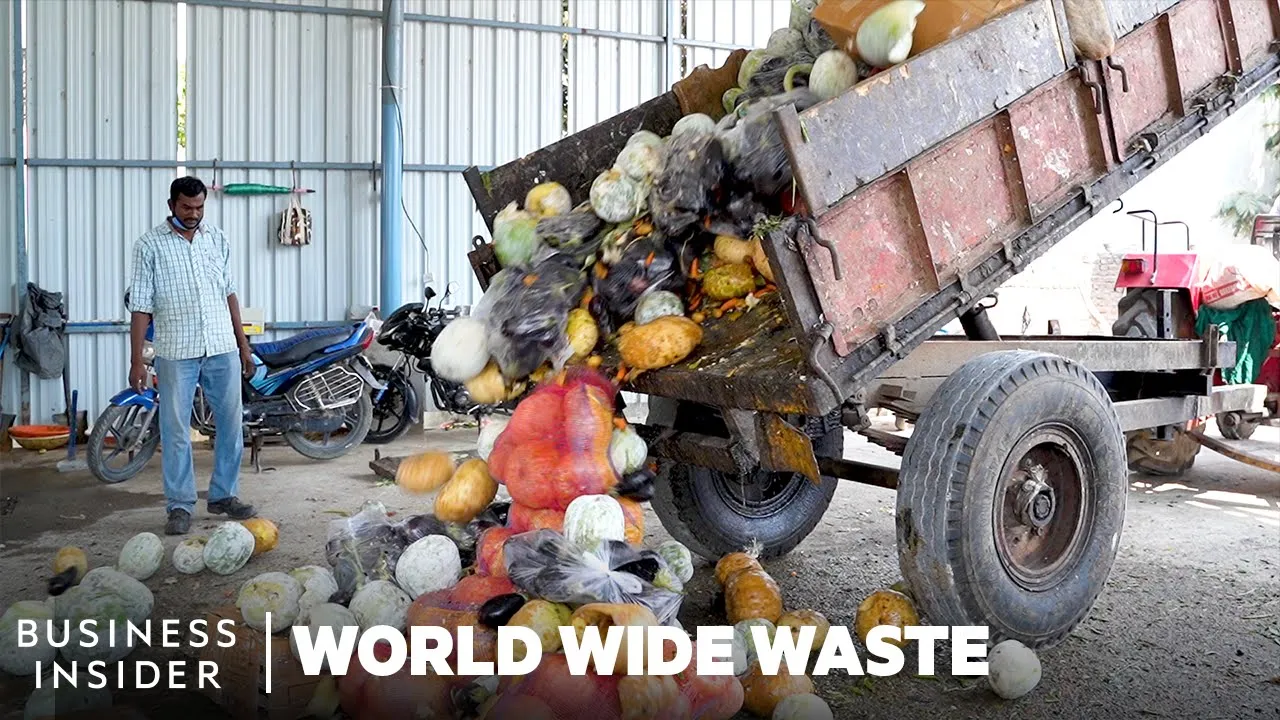
this liquid gold came from a pile of circuit boards and these days there could be more gold in a landfill than in a mine but extracting it is an expensive and polluting process often carried out at toxic dumps now a new zealand startup has found a cleaner and safer way to do that and its secret ingredient comes from nature microscopic organisms that evolved to absorb precious metals but can this complex process reinvent how we deal with the world's fastest growing waste stream we visited the test plan to find out mint innovation begins with the circuit boards that are inside nearly every electronic device so this is how the electronics circuit boards is how we receive them cut up treated into pieces the company says it sources all raw material from a local recycler exporting waste is an absolutely abhorrent thing for human race to be doing the company's founders think that if it's easier to get valuable metals from e-waste countries will choose to deal with it locally a lot of the gold's wrapped up in these chips the first step is to grind the circuit boards into a sand-like consistency workers shovel this sand into a reactor which mixes it with inexpensive chemicals those acids and oxidants are pretty commonly available industrial chemicals next machines pump the mixture into a filter press to separate the liquids from the solids this blue fluid contains a high concentration of copper tin and other less valuable metals mint uses electricity to pull out the copper we simply put that through a series of plates pass it over that that have electric current flowing through them and that plates out the copper from solution the metals that pay the bills are the gold the palladium the copper and the tin because they're most abundant and most valuable but at this step in mint's process palladium and gold are still stuck in the solids they're harder to dissolve and require another chemical bath for the precious metals you need something a little bit more oomph so that's why we break into two stages the next step in mint's process makes it one of a kind and it requires the help of nature we're the first people to use microorganisms to selectively concentrate precious metals we're kind of inventing the whole technology along the way mint's team identified these tiny helpers in 2017 through a series of research trips to places like abandoned mines or fields with rusty equipment given enough pressure and time microbes seem to find a way to thrive in indian environment they collected species of bacteria and fungi that evolved to bond with specific metals microorganisms recover gold they also recover a palladium these are not pathogens by any stretch of imagination so would i drink a vial of them probably not but i wouldn't drink a vial of a lot of things so over several hours the microbes will gain weight as they absorb precious metal ions and we've now got a concentrated microbial paste that contains a good portion of precious metal when the paste dries out the gold particles in it start to appear purple gold has this funny property that when it is in small nano particles as well i mean gold in color have this hue of blues to rinse the mixture is ready for the last step so this is where the final bit of magic happens where we burn off the microbial part just leaving the metal part behind that they've captured our product is a gold rich ash that goes to a refiner who is the one who turns it into 99.99 gold it takes one week to extract 150 grams of gold from one ton of circuit boards the founders carry around this solid gold coin to show what that looks like is it pure gold that's pure gold super heavy it seems like a lot of work for a small payoff is it really worth the trouble mints founders say yes because it's getting harder to mine precious metals from the earth the big gold mines are recovering literally grams three four five grams of gold from a ton of rock 81 of gold that's identified today is already above the ground and as gold mines are depleted the amount of e-waste generated globally has increased steadily over the past decades if those trends continue by 2050 we'll have to deal with 110 million metric tons of e-waste every year that's like every person in the world throwing away a countertop microwave up to a fifth of all e-waste moves across borders likely ending up in developing countries where workers process it by hand at illegal dump sites activist jim puckett has spent over 25 years tracking how e-waste ends up in these toxic environments the entire life cycle of electronics unfortunately disproportionately burdens the global south with the real environmental harm and pollution thousands of people worldwide make a living extracting copper from e-waste primarily by burning it inhaling the fumes damages workers lungs and increases their risk for cancer and other illnesses we are struggling for a year because the heat is day where the smoke they disturb us other studies have found that large e-waste dumps contaminate water soil and crops even if e-waste is properly recycled the final product still needs to go to a smelter the energy intensive endpoint for most mining operations mint's long-term goal is to make it easy and profitable for cities to process their e-waste locally we need to kind of get this you know really really cranking throughout the world and that's probably a 20-year vision the company is planning full-scale facilities in australia and the united kingdom this smaller plant in auckland new zealand was built to demonstrate how mint's process works it processes about one metric ton of circuit boards per week but larger plants like the one they're building in australia will process 10 metric tons per day that would make the bigger plant able to process about one percent of all the e-waste australia produces annually the planned larger facilities will be almost entirely automated it's pretty light touch from a personnel perspective might have three people on the shop floor any one time running 24 7.
the small number of employees would have limited contact with e-waste keeping them safe from exposure to toxic compounds however even if mint can realize its dream of a plant in every major city the founders face another problem that's completely out of their control unfortunately electronic waste generally is getting less and less valuable over time as a commodity manufacturers are learning to build gadgets with less precious metal mint's team is researching other types of waste they can run through this process like car parts as for solving the global e-waste problem jim puckett remains skeptical that any form of recycling is the answer i'm not saying don't go ahead with these techniques we're certainly gonna have old circuit boards around for a long time and we're gonna have to deal with them so let's move on but we've got to turn off the tap that tap is controlled by the companies who manufacture electronics most of whom have no legal or financial incentive to design products that can be recycled it's an overflowing bathtub you can't run around with mops and say oh my god we got to mop this up we got to mop that up and we have a better mop here and a better mop there when the tap is pouring water into the bathtub it's overflowing down the stairs this is the problem we have is the tap of our waste is not being turned back you
Up Next
6:19
How Illuminated Manuscripts Were Made: Medieval Parchment, Scribes & Gold Leaf | Getty Museum
@gettymuseum
3.4M views•2014-06-17

12:54
Triumph of Orthodoxy Icon: Byzantine Art & History Explained
@BenCallan
2.1K views•2024-08-06

8:04
Traditional Parchment Making: Last US Workshop | Artisan Crafts & History
@BusinessInsider
7.9M views•2021-03-07

1:42
Game of Thrones Opening Credits: A Cinematic Analysis
@gameofthrones
46.3M views•2011-04-18
Related Study Plans & Knowledge Roadmaps
Structured learning paths in General & Interdisciplinary Studies
general-studies
Elevator Engineering: History, Physics & Cities
01From Hoists to Safety Brakes: The Dawn of Vertical Lift
02Hydraulic vs. Traction: The Engineering Physics of Elevators
03Modern Speed, Safety, and Algorithms
+ 2 more learning modules
12h5 modules
Explore Roadmap
general-studies
Rubber: Material Science, History & Geopolitics
01Origins of Natural Rubber & Mesoamerican History
02The Chemistry of Natural Rubber & Vulcanization
03The Geopolitics of the Rubber Boom & Colonization
+ 2 more learning modules
12h5 modules
Explore Roadmap
general-studies
Containerization: Evolution, Logistics & Trade
01Ancient Trade & Bulk Cargo: Amphorae to Barrels
02The Industrial Revolution & Cardboard Packaging
03The Containerization Revolution: Malcom McLean
+ 2 more learning modules
12h5 modules
Explore Roadmap
general-studies
Textile Tech: Evolution, Labor & Global Impact
01Pre-Industrial Textiles: Handloom & Cottage Industry
02Mechanization: The Spinning Jenny to the Power Loom
03The Factory System & Global Labor Transformation
+ 2 more learning modules
10h5 modules
Explore Roadmap