













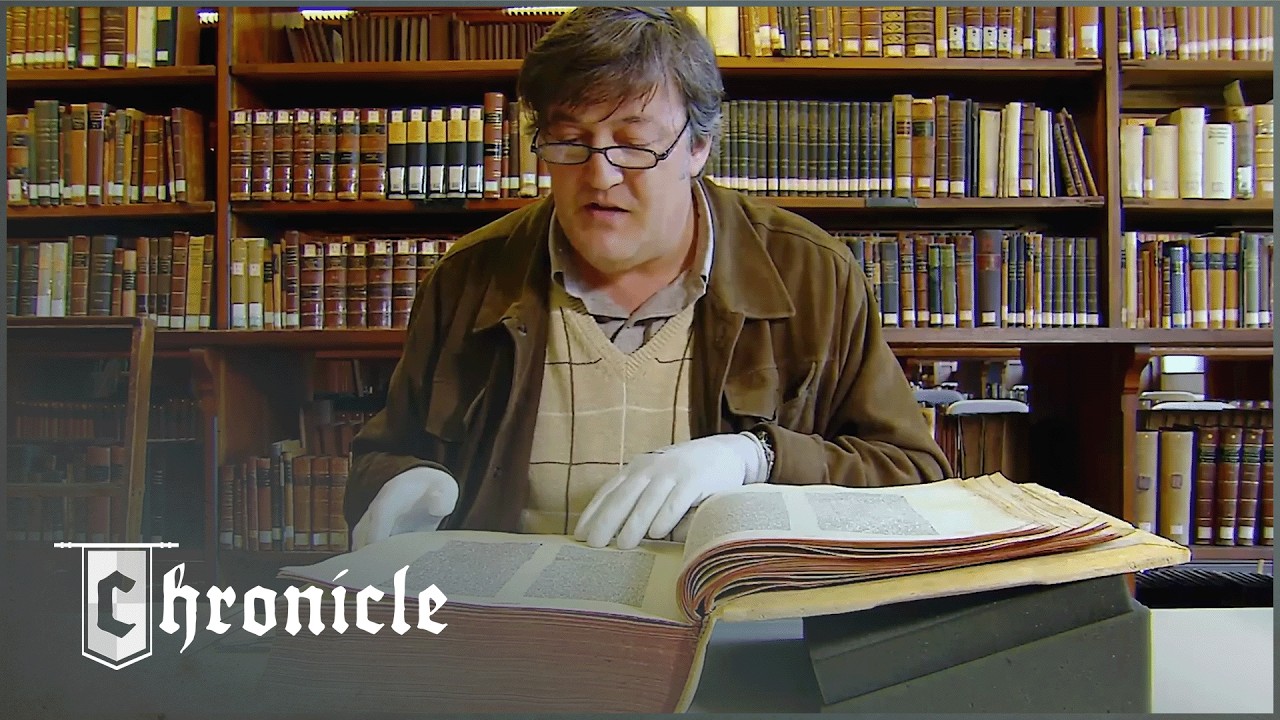
![All About the Renaissance [Full Program]](https://i.ytimg.com/vi_webp/rCz7qxmO2hA/maxresdefault.webp)


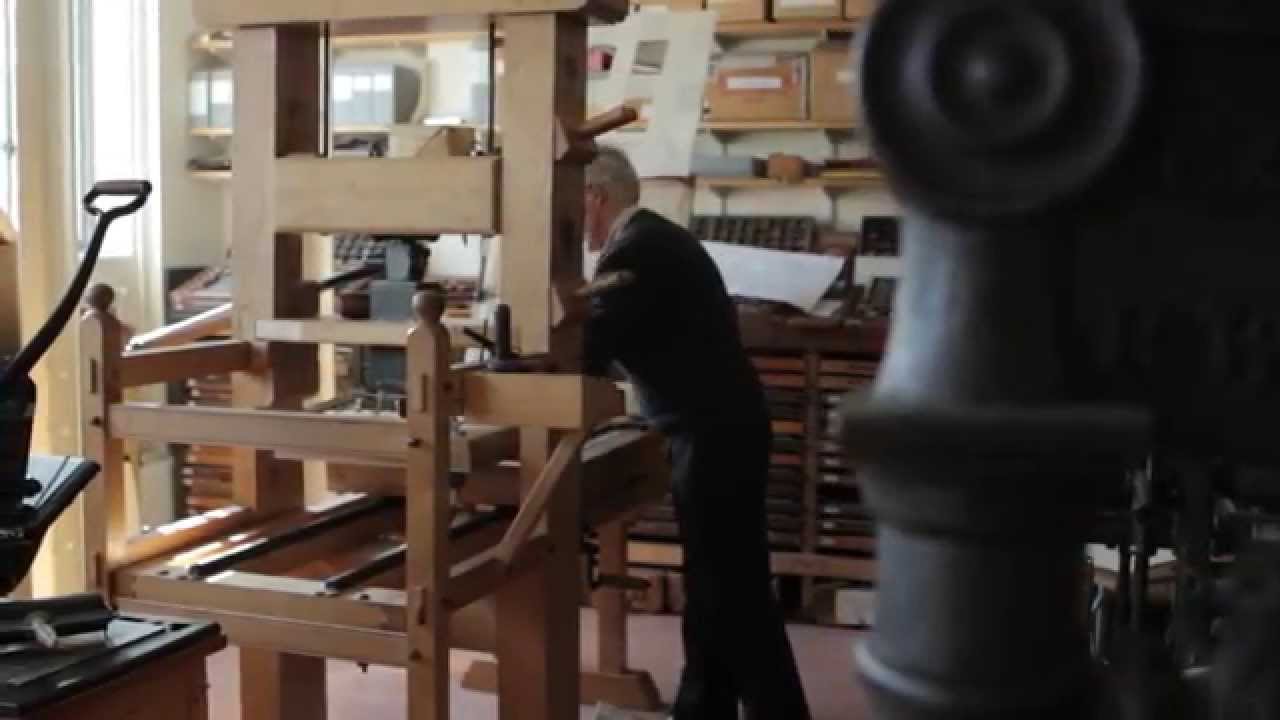


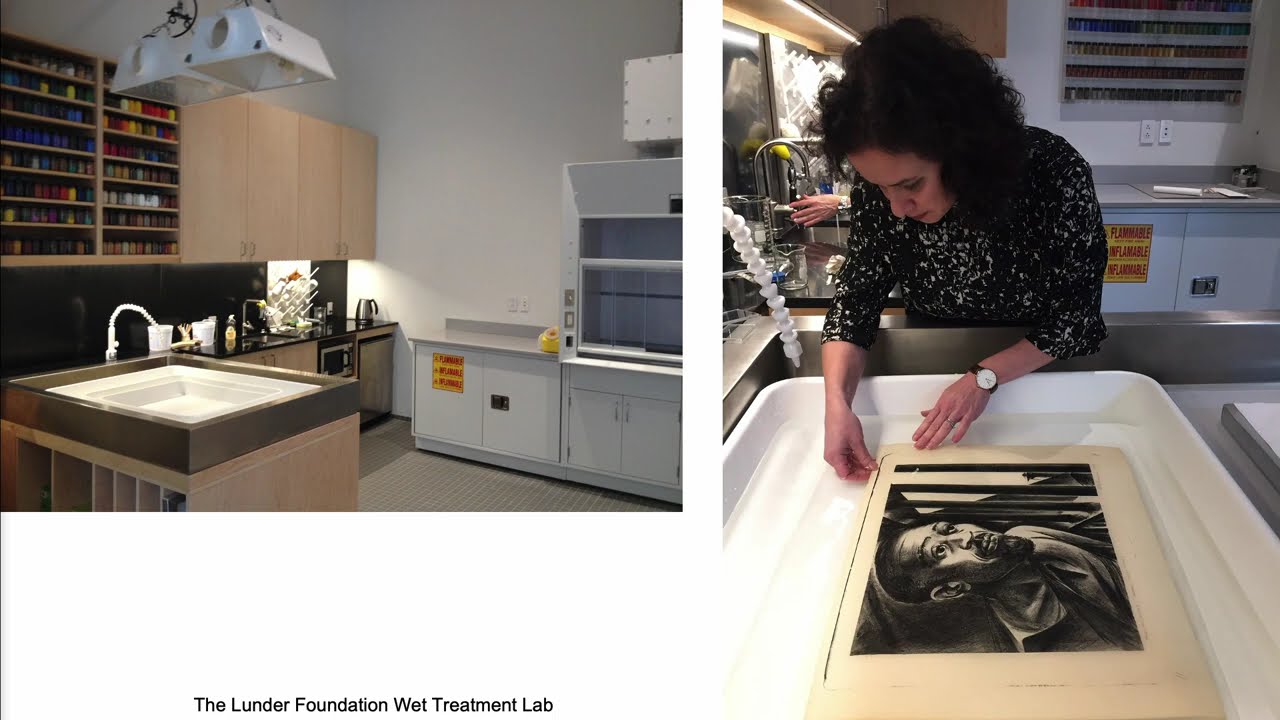

Medieval illuminated manuscripts were created through a meticulous multi-stage process: parchment was made from animal skins (sheep, goats, or calves) by soaking in limewater, scraping away hair and flesh, stretching on frames, and scraping to desired thickness; scribes prepared the parchment by rubbing with pumice and dusting with sticky powder, then ruled the pages and copied text using quills made from bird feathers with ink derived from gallnuts or lamp black; illuminators then decorated the pages by applying gold leaf over gesso or gum bases, followed by painted designs using vegetable dyes or mineral pigments; finally, the manuscript was bound by sewing gatherings of folded parchment sheets onto flexible supports, attaching end bands, lacing leather thongs through carved wood boards, and covering with leather, often decorated with gold tooling or precious metals.
How Illuminated Manuscripts Were Made: Medieval Parchment, Scribes & Gold Leaf | Getty Museum
Added:(gentle guitar music) - [Voiceover] In the middle ages, parchment was used to make the pages of books.
Parchment was made from the skins of animals.
The transition from a fresh skin to a surface suitable for writing was a slow and laborious process.
The parchment maker selected skins of sheep, goats, or calves.
Skins were soaked in limewater for three to ten days, to loosen the animals' hair.
The parchment maker than scraped away the hair, and any remaining flesh.
After this, the skin was soaked in fresh water, to remove the lime, and then stretched tightly on a frame.
A special, rounded knife was used to scrape the hide to the desired thickness.
The process of scraping continued over the course of several days.
During this time, the parchment maker continually tightened the tension on the stretching frame, while the skin dried.
The result was parchment, a smooth and durable material, that could last over a thousand years.
Before parchment could be written on, it had to be specially prepared.
First, the parchment was rubbed with pumice powder to roughen the surface, and then dusted with a sticky powder.
These steps made the surface receptive to inks and colors.
The whole, finished skin was then cut down to the size of the pages needed for a particular book.
A big manuscript was assembled from sheets almost as large as a single skin.
For smaller books, the skin was cut into two or more pieces.
The parchment sheets were folded and nested, to make gatherings, usually of sixteen or twenty pages.
The vibrant illuminations in a medieval manuscript often overshadow the words on the page.
Yet the writing of the script was as important as the painting of the images.
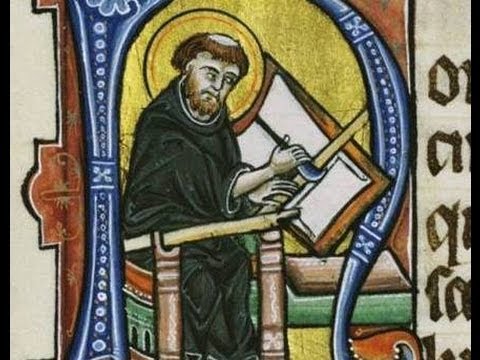
The tools of a scribe, the person who copied the text onto the page, were simple.
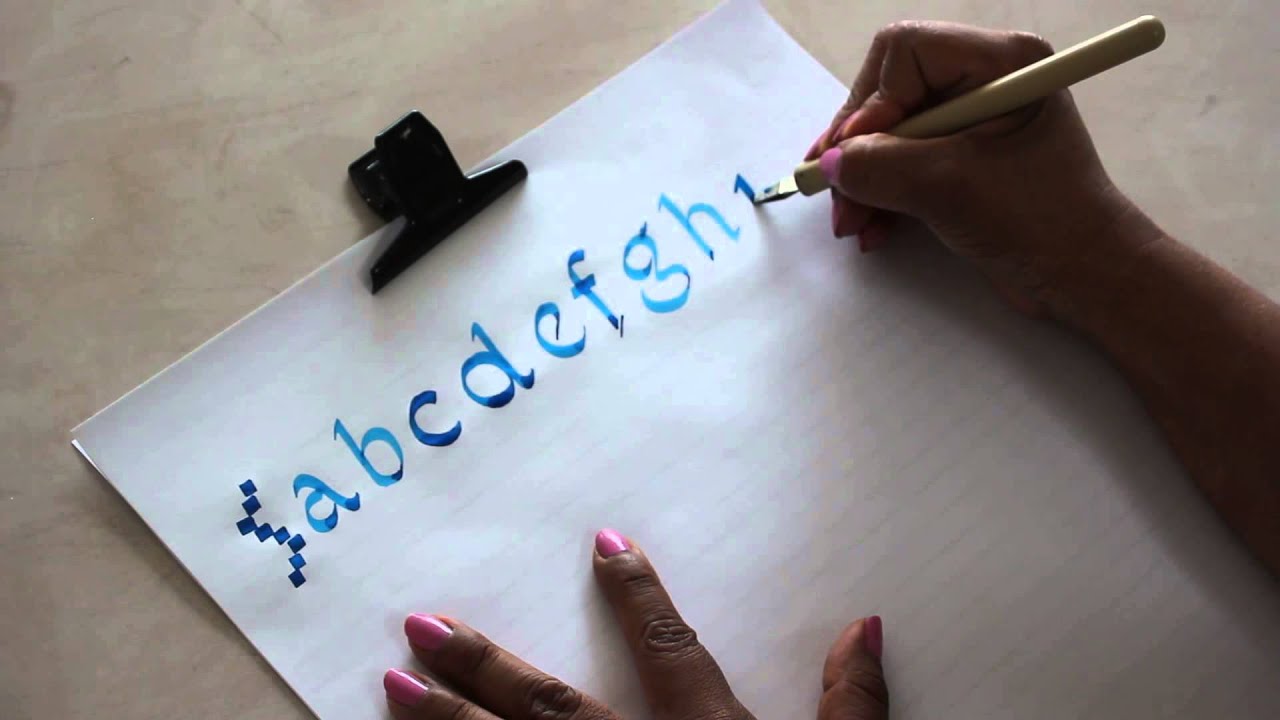
Pens, called quills, were made from the feathers of a bird, which were soaked in water, dried, and hardened with heated sand.
The scribe carved the quill to a rough point, cut a slit to draw ink down, then trimmed the point to the proper width.
The shape of the quill point varied with the style of the lettering being copied.
Scribes made ink from a variety of materials.
Gallnuts, growths found on oak trees, were often used to create a dark, black ink.
Black ink was also made by dissolving a common carbon substance.
The resulting ink was called lamp black.
Before the scribe began writing, he ruled the parchment using a straightedge.
Medieval scribes and their patrons prized a regular and elegant script.
If a scribe made an error, he would scratch it out with a pen knife.
Because the page was made from parchment, which was very resilient, it could stand many erasures of this type.
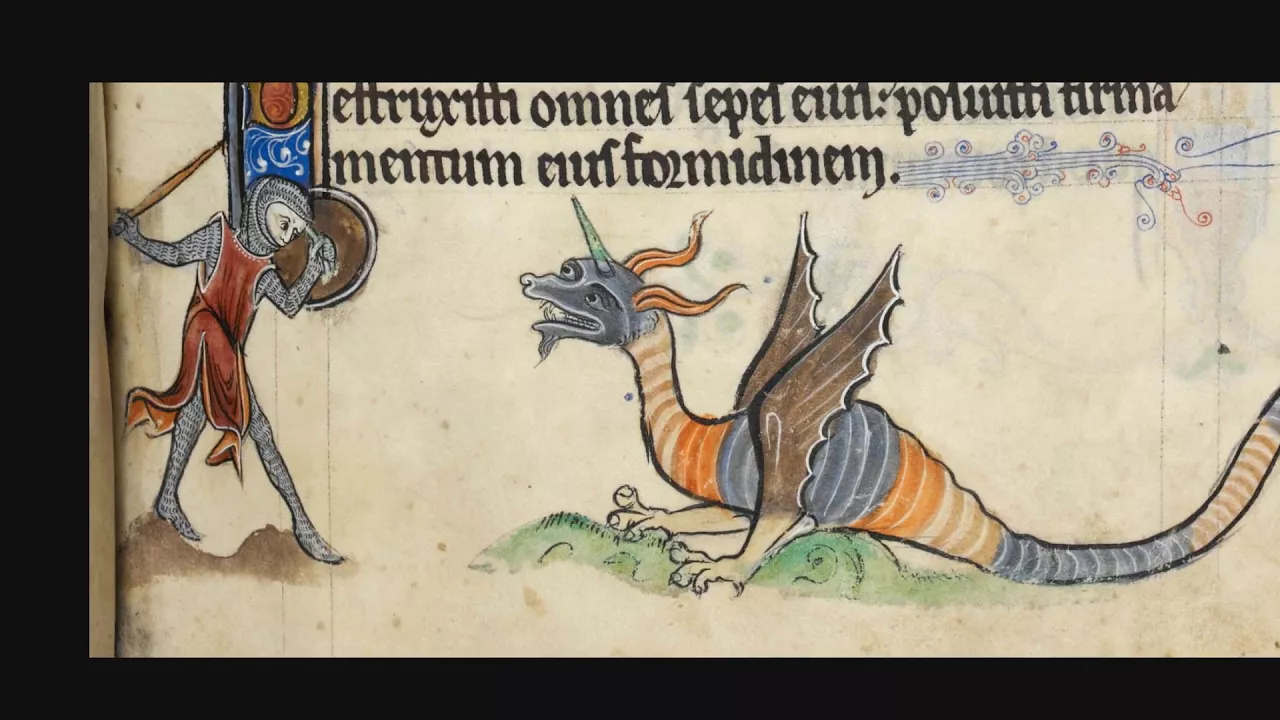
An illuminator decorated the pages of a manuscript using paint and precious metals.
He began only after a scribe had finished copying the text.
The illuminator first sketched his design, then added details such as the features of a figure, or the interlacing of a decorated initial.
Thin sheets of precious metals, like gold leaf, were always applied first.
The illuminator put down a base coat, consisting of either a plaster-like substance called gesso, or a gum, as shown here.
Once the gum base dried, the moisture in the illuminator's breath was enough to make the small piece of gold leaf stick to the page.
Then, the illuminator brushed away the excess, and polished the gold leaf.
After applying the gold leaf, the illuminator painted his design.
Each color was made from a vegetable dye, or a mineral substance, ground up and dissolved in liquid.
The illuminator applied the paler shades first, then the darker tones.
Once the illuminator applied black outlines, and delicate white highlights to the figures and vines, the illumination was finished.
After the scribes and illuminators had finished writing and decorating the parchment pages, the manuscript was bound.
Groups of folded sheets of parchment, called gatherings, were sewn together with strong linen thread onto flexible supports such as these narrow, leather thongs.
Next, the binder attached end bands, which secured the top and bottom ends of the pages in the spine of the book.
The binder then laced the leather thongs along the spine through channels and tunnels, which had been carved into wood boards.
These boards were the covers of the manuscript.
The thongs could be held in place by wood pegs or iron nails.
The volume was then covered, usually with leather.
Without pressure from the covers to keep the leaves flat, parchment expanded and contracted with changes in temperature and humidity.
Pressure was applied by the addition of clasps or straps, which held the book closed.
The binding of a manuscript could be decorated with any one of a variety of materials.
A manuscript might be covered with leather, stamped or tooled with gold, or covered with silks or velvets.
The most elaborate bindings received sculpted decoration made from precious metals.
The materials of the binding depended on the wealth of the patron, the type of manuscript, and its intended use.
(gentle guitar music)
Up Next

Gutenberg Printing Press Mechanism Explained | 1450s History
@tnbiblemuseum
57K views•2022-12-12

Triumph of Orthodoxy Icon: Byzantine Art & History Explained
@BenCallan
2.1K views•2024-08-06

FastAPI vs Flask vs Django: Choosing the Right Python Web Framework
@TechWithTim
302.5K views•2024-05-26

Game of Thrones Opening Credits: A Cinematic Analysis
@gameofthrones
46.3M views•2011-04-18
Related Study Plans & Knowledge Roadmaps
Structured learning paths in General & Interdisciplinary Studies