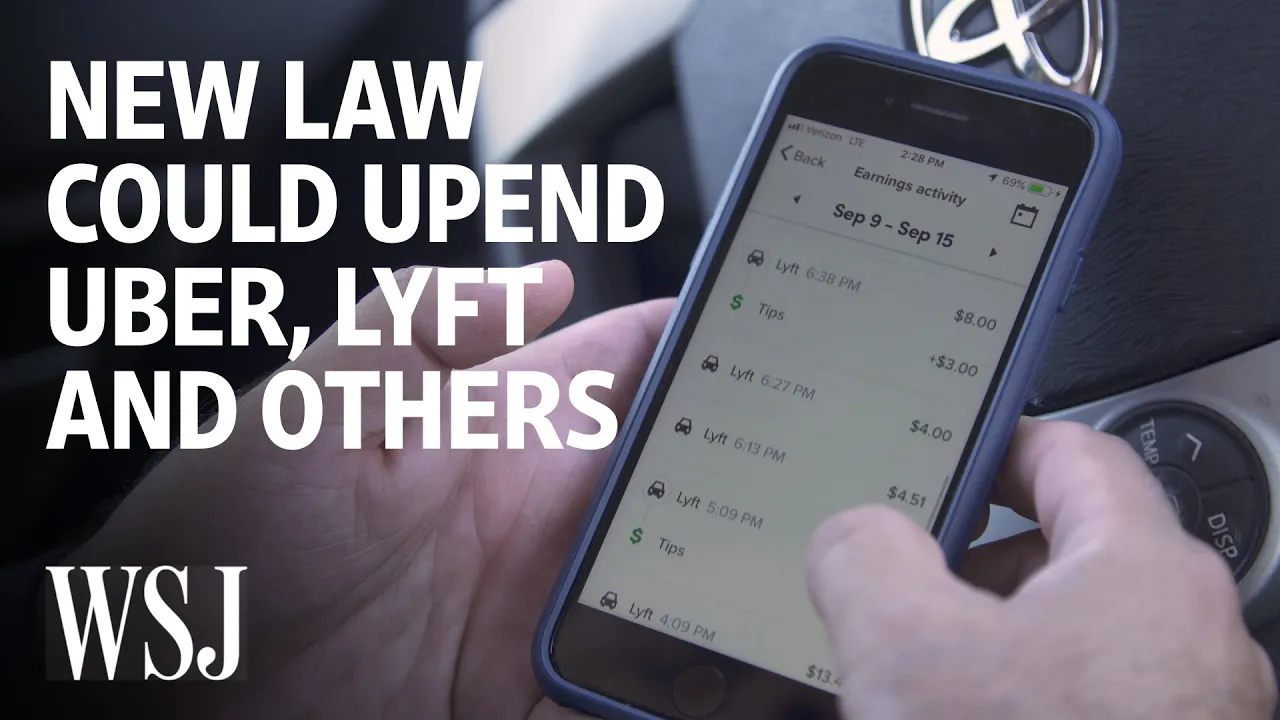

















The video explores how gig economy workers (Uber, Lyft, DoorDash drivers) are staging strikes demanding fair pay and better treatment, while simultaneously examining how decentralized platforms like Solana-based solutions (Teleport, Helium Mobile) are emerging as alternatives to traditional rideshare and food delivery services, potentially offering new revenue opportunities for drivers through token earning and ecosystem participation.
Uber Strike and the Gig Economy: A Crypto Perspective
Added:Fundamentals of the gig economy, including the operational models of Web2 platforms like Uber and Lyft and their reliance on independent contractors.
Basic blockchain concepts, specifically how decentralized ledgers, smart contracts, and Web3 architectures differ from centralized systems.
Introduction to the Solana blockchain, focusing on its high transaction throughput, low transaction fees, and suitability for consumer-facing decentralized applications.
The core issues behind gig worker labor disputes, such as algorithmic management, wage transparency, and platform take-rates.
Decentralized Physical Infrastructure Networks (DePIN) and how blockchain protocols coordinate physical real-world services like ridesharing and mapping.
The architecture and governance of Decentralized Autonomous Organizations (DAOs) designed to empower gig workers through collective ownership.
Economic and game-theoretic analysis of Web3 incentives compared to traditional venture-capital-subsidized platform growth.
Regulatory and legal frameworks governing decentralized labor networks, including compliance, liability, and worker classification under smart contract systems.
41.4K views1.6Klikes16:06Original Release: 2024-02-14
[Music] Uber Had It Strike today of course here we are on Valentine's Day this will play into quite a bit of a big deal I think for salana so you guys don't want to miss it it's going to be interesting my name is Paul bar welcome back in the tech path all right thanking our sponsor today tangum you can do zero swap fees right now over on Chang Le by just getting your tangum and this is a great self- custody option for you if you are looking to get your coins and tokens off of exchanges this is one of the options you can use jump over to tangum click that button right up there on the top right and you can of course get into a three card set or a two card set get the three card set you'll thank me later a great value all you have to do get that they'll send it to you you can use your app all that good stuff so make sure and use our link down below and start your journey on self- custody now speaking of self custody and what are the options of earning tokens what are the the concepts of what is happening around the Uber strike has a lot to do with crypto I want to go to a few Clips here and play this first one because this is talking about what the strike is and what it's about listen in if we were spending the evening together tonight I would indulge you with a with a meal perhaps Uber Eats whatever it happens to be and get you anything you want well we could be in for spot of trouble I think not tonight not tonight Josephine I'll tell you that um this morning Americans looking to head out or order in on Valentine's day may not be feeling the love a coalition representing rid share workers calling for massive strikes one representative saying thousands of drivers Nationwide could call out it's the first major strike since Uber and Lyft went public 5 years ago there could be chaos for those planning a Valentine's Day getaway too with organizers calling for rallies and for drivers to turn down airport trips in major cities across the country drivers planning to strike in 10 major cities including Chicago Chicago Philadelphia Austin and Miami they're going to be thousands of drivers taking part in this Across the Nation and they are the the biggest complaint we have right now is pay and deactivation yeah a rally is now underway here at the ride chair staging lot at oare take a look behind me thousands of ride hailing and delivery drivers for Uber lift and door Dash are participating now asking what this has to do with crypto we'll kind of paint this out for you because it it has a lot to do with the ecosystem around salana all right so today Lyft had their earnings interesting same day as the strike uh happening coincidence and of course the scenario of a coincidental accounting error that occurred listen to what they had to say about this jumped over 60% after hours that was for a quick hot minute an uptick in the rod shar's margin expansion the release had that number at 500 basis points but on the earnings call The Company CFO Aon Brewer corrected that number said wasn't 500 it was actually 50 basis points the stock then pulled back its gains after the revision but how that extra zero got on there yeah I mean look it was a bad error and and that's on me that's on me but I don't wanted to take an ounce of attention away from everyone lift who busted their butts all right so interesting timing here for this you know obviously detracting from the news but more importantly the stock itself performing and I'm kind of curious what gendler thought about this because in you know many people looked at this and saying all right is this Market manipulation is there some other nefarious uh actions going on here listen into what Gensler had say what does the SEC think about something like that is that something where you'd find a company for that kind of mistake look I think it's a responsibility of companies to ensure that they put out information in the public that's accurate um and I don't I can't speak to that one matter I don't even uh you're telling me something I learned about a half an hour ago um but in general companies are supposed to put out accurate information to the public those earnings if you look at just a quick move on the chart right there 67% up on that uh on that Wick of course the market adjusted and we're still setting at about 34 almost 35% up right now on the day for uh what's happening with Lyft now with all of this happening you had the CEO of Lyft coming in and giving a little bit more narrative on the strike itself listen in wanted to also ask you about what's happening today there's going to be a bit of a uh Rider or I shouldn't say a rider but rather a driver strike that's going to take place uh what can you say about that what I can tell you is the big issues that drivers tell me and I hear from drivers all the time around tra pay transparency around uh understanding what the cut is between what they get and what we get around deactivations these are issues that we've actually addressed really well and so I think this the strike which as I say has been in the work since you know prior to this um it highlights the same issues that we've known about but I feel really good about how we've addressed them and I'll be interested to hear you know drivers's feedback which so far has been incredibly positive about this so positive with this drivers but yet we're seeing this massive movement around drivers going on strike and all that happening I think this is a factor that will continous to see especially in the gig economy going forward and there's some opportunities here I think for drivers along with u kind of a narrative of understanding what's happening in salana especially around some of the technology that is starting to advance all right so we've talked about uh teleport before decentralized ride sharing essentially all driving on uh Salon of course we broke it down from their teleport presentation a couple of years ago and we when you take a look at where they're going I guess the question is is why not faster because this is a perfect timing I want to go to a clip by teleport to kind of give you an idea of what's Happening currently that's Texas and Florida so two of the three most popular states so anywhere in those States in theory today if there were drivers and writers it would work but obviously there's not enough drivers there's not of writers to have a good experience you need this Atomic Network so how do we get an atomic Network we're publishing the strip Explorer we're going to publish these unlock values that we got from these agent based models we're saying when there's enough people online when there's enough people in that jurisdiction in that metropolitan area that place unlocks so the moment you're in a Zone where there's enough drivers in the legally you know in insured licensed operator the system turns on and you can call a ride all right so there's going to be some decentralized challenges that they have to go through to truly create um a solution that could supplant what's happening in the ride sharing economy now remember though that the ride sharing economy also has the delivery economy the delivery economy is I would say maybe larger even because of the amount of Revenue that Uber lift and others generate from that because of the percentage that they get from all these restaurants on the amount of uh opportunity now there's a handful of companies that are starting to address this one that I you know full disclosure I set on an advisory for is a a small company called devour now devour is going after this approach which is basically an ingame ordering content uh platform that enables what they call devour go which is a a beautiful app that really could start to open up some opportunities for drivers and I think this is the thing that's kind of interesting I was looking at their Twitter here and there was a question right here is there a way we could drive for Dev devour is it food uh ordering food only in restaurants work with other delivery services so they said hey we dispatched the final amount to delivery logistic providers which which is typical uh but stay tuned maybe some future Partnerships there so things that are happening there I think are very significant in the restaurant sector when you get to the restaurant sector I want to go to a clip that we did on another podcast that we do uh around this industry because there's a lot happening in that sector around food delivery and the opportunities especially as it pertains to crypto and also blockchain this was an interview we did with the CEO of a company called wau which is a small chain that has expanded across the us for what they call virtual kitchens and expanded their you know their footprint in a big way so they're starting to utilize blockchain listen to what they had to say we've done college campuses I think we have four or five that are up and running right now we've done sports stadiums food trucks uh we currently have 450 plus hot food vending machines around the country that serve our product we've done over 700 virtual restaurants we started 2023 with 350 grocer stores we ended the year with about 5,000 and our goal is to 3x that this year in 24 uh the second obstacle is is something we battle for 21 years now as a brand and that is people still don't know what bow is as we continue to grow and scale our our virtual restaurant segment in 2022 we had the idea to create the first Rewards program for a virtual brand we looked at nfts by having them get a digital collectible and then we could offer those people additional rewards that are only good for those who decide to be part of what we were doing it would Elevate our whole loyalty program you've got like a digital Avatar I like that one these are some of the benefits and you've got an experience bow bucks double points and then you've got also merchandise that's coming in are you planning on adding more experiential components to this we are looking so I I mentioned that we have these hot food vending machines out in the real world right now we partner with somebody and they have our product inside the inside the machines we want to put one in the metaverse and while you're gaming right you stumble upon one of our vending machines yeah and when you're placing an order it would actually go through wow.com you never have to leave your game or your environment and then your food gets delivered to you and the doorbell will just ring and there's food and we are working on these kind of ideas why go that route I mean we we had naysayers we put self-ordering kiosks in our restaurant exactly yeah I mean you've seen the Cycles here you've seen mobile ordering explode you've seen social media explode in restaurant you've taken advantages of all those technology shifts now you're taking advantage of this next one and we have great Partners in both devour and INF flant uh is who's powering our our our club at this time what what's difficult is oh people aren't adopting to it people are telling me it's it's not going to work people are haters I remember that's when you know you got something this is going to be huge Jeff this be all right so this was an interview I did with Jeff Alexander CEO over at w reason I bring that up is because the restaurant industry is going to be a big Catalyst I think of utilizing loyalty systems brand IP which we've already seen very successful around the industry whether you look at Nike what we're seeing with many Brands now starting to move to the market and move to blockchain in a very big Way restaurant largest one of the largest sectors out there 4 trillion globally in s United States alone four 1.2 trillion now and the amount of growth opportunity is pretty big now they mentioned two he mentioned two companies devour of course one which I know I advise for but also a company called flaun now flaun is tied into the bigger gaming ecosystem around potentially Collectibles and nfts this is a video coming over from flaun and it was basically just showing a little bit of how they're tying in to roblocks and this is another thing that I think as we see more and more Brands start to move in this direction this is a perfect segue into connecting these ecosystems of gaming retail restaurant all sorts of opportunities here I think in a very big way all right so let me jump to a clip real quick on roadblocks talking a little bit more about their involvement with laon listen in when a user is in Nike land for example trying on a virtual Nike Air Max or Nike Air Force One and they run faster that is much more meaningful than just me watching watching a video ad of a a Nike shoe and that level of Engagement and that level of interactivity that a user can have with the brand is unmatched and unprecedented all right so what he was talking about there is this integration around IP in the future and what that might mean and one of the the projects that we've talked about here on the show before all of which are tied into to salana was honeyland and honeyland has kind of done the same thing where they've got these power up me elements that essentially as you're starting to play the game you get that connection of really advancing more value to your character or your player or your asset all that makes sense because it starts to open up brand IP opportunities and what we'll see in the next level of how retail will be connecting with customers all right so let me jump to this video that was on devour Twitter this just kind of shows in-game ordering there's going to be I think there will be some advancements on this that will tie in the opportunity for leveling up doing some things that will change your experience in the game that might give you points like dpay points which is if you're going to do food ordering uh in the metaverse what will see around gaming ecosystems all of that definitely going to be a a big opportunity for food going forward all right so tying this back into the Uber drivers this is another example of a great partnership that will apply to things that are very crypto native this of course is mobile and pixel uh jumping in this helium mobile and what you get here is a full year of the mobile service so that in itself is a great value in the sense that it one represents an opportunity for these drivers to jump into helium mobile guess what that rides on salana and you look at all the different option options they have nationwide coverage free hotspots earn mobile tokens this is going to be huge because it starts to open up that additional Revenue Center for all these people in salana around Hive mapping which is we've talked about before on the show of course here with earning mobile tokens there's a lot of and there's going to be more coming I think we're going to see more and more Logistics and deepend projects that play into this into the future if you think about the addressable Market of what this looks like look at this this is as of February 2024 3.5 million drivers worldwide this is just Uber okay and 120 million active users as it as at its peak so let's say 3.5 million on this platform and there's probably another 15 platforms out there across the globe many of which kind of interconnect we could have somewhere in the range of about 5 million drivers if we have 5 million drivers that have access to this kind of opportunity what kind of user ecosystem could we start to see and then you've got 120 million just with Uber of the writers that are probably going to have an opportunity in the future to do things like this in the ecosystem as well so I think food ordering is going to start changing we're going to see a lot of movement in the gig econ already starting to show signs here so I'm watching the deepend projects and the blockchains that are enabling all of that and of course we're talking about salana and of course many of the deepen projects that we mentioned here on the show we'll try to keep you guys up on all this make sure and subscribe to the channel right now like a few videos it does help kind of get the algorithm going for others that are trying to learn about really what's happening in Tech as it kind of shifts the world around us make sure and follow me out there on X Paul Baron we'll catch you next time right here on back
Up Next

3:23
Fitts and Posner's Three Stages of Motor Learning Explained
@SportScienceCollective
102.3K views•2017-03-15

26:22
Walking in the City: Urban Rituals and the Flâneur in Contemporary India
@PSBTIndia
1.9K views•2016-08-02

9:49
FastAPI vs Flask vs Django: Choosing the Right Python Web Framework
@TechWithTim
302.5K views•2024-05-26

1:42
Game of Thrones Opening Credits: A Cinematic Analysis
@gameofthrones
46.3M views•2011-04-18
Related Study Plans & Knowledge Roadmaps
Structured learning paths in General & Interdisciplinary Studies
general-studies
Artificial Light: History, Tech & Human Impact
01The Pre-Electric Era: Fire, Oil, and Gas Lighting
02The Incandescent Revolution and Grid Electrification
03Gas Discharge and Fluorescent Illumination
+ 3 more learning modules
14h6 modules
Explore Roadmap
general-studies
Elevator Engineering: History, Physics & Cities
01From Hoists to Safety Brakes: The Dawn of Vertical Lift
02Hydraulic vs. Traction: The Engineering Physics of Elevators
03Modern Speed, Safety, and Algorithms
+ 2 more learning modules
12h5 modules
Explore Roadmap
general-studies
Rubber: Material Science, History & Geopolitics
01Origins of Natural Rubber & Mesoamerican History
02The Chemistry of Natural Rubber & Vulcanization
03The Geopolitics of the Rubber Boom & Colonization
+ 2 more learning modules
12h5 modules
Explore Roadmap
general-studies
Containerization: Evolution, Logistics & Trade
01Ancient Trade & Bulk Cargo: Amphorae to Barrels
02The Industrial Revolution & Cardboard Packaging
03The Containerization Revolution: Malcom McLean
+ 2 more learning modules
12h5 modules
Explore Roadmap