










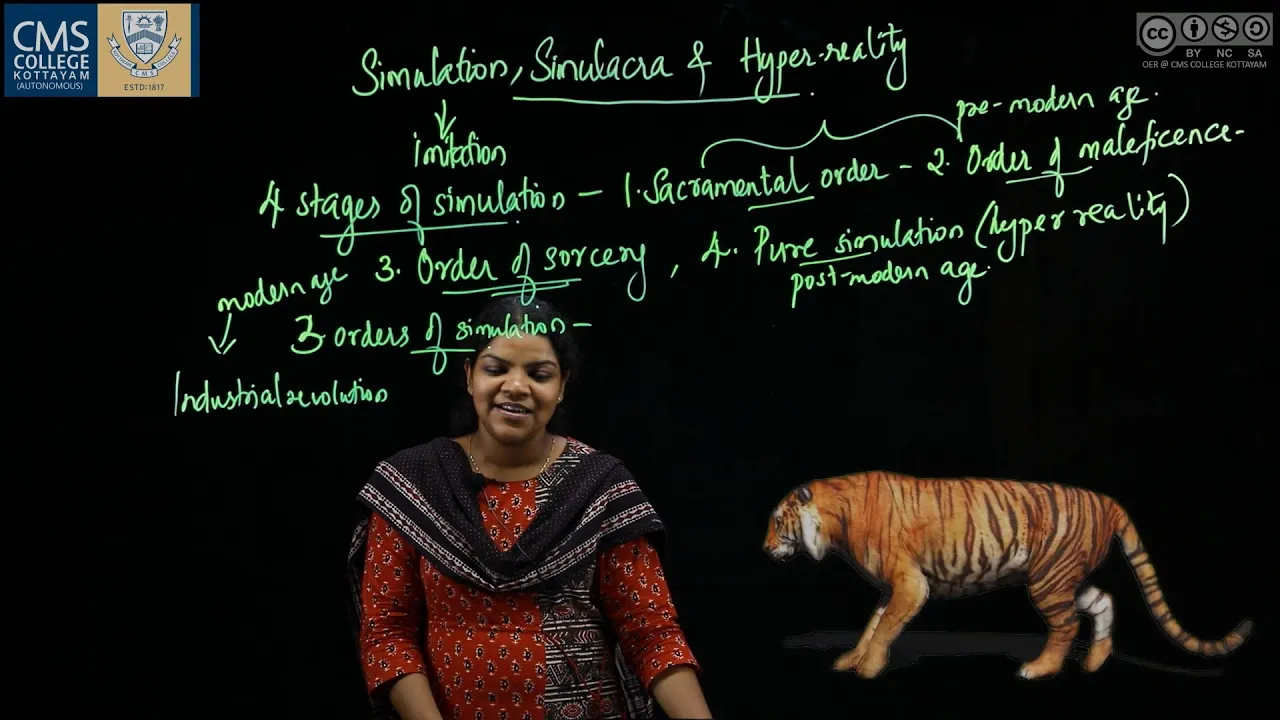



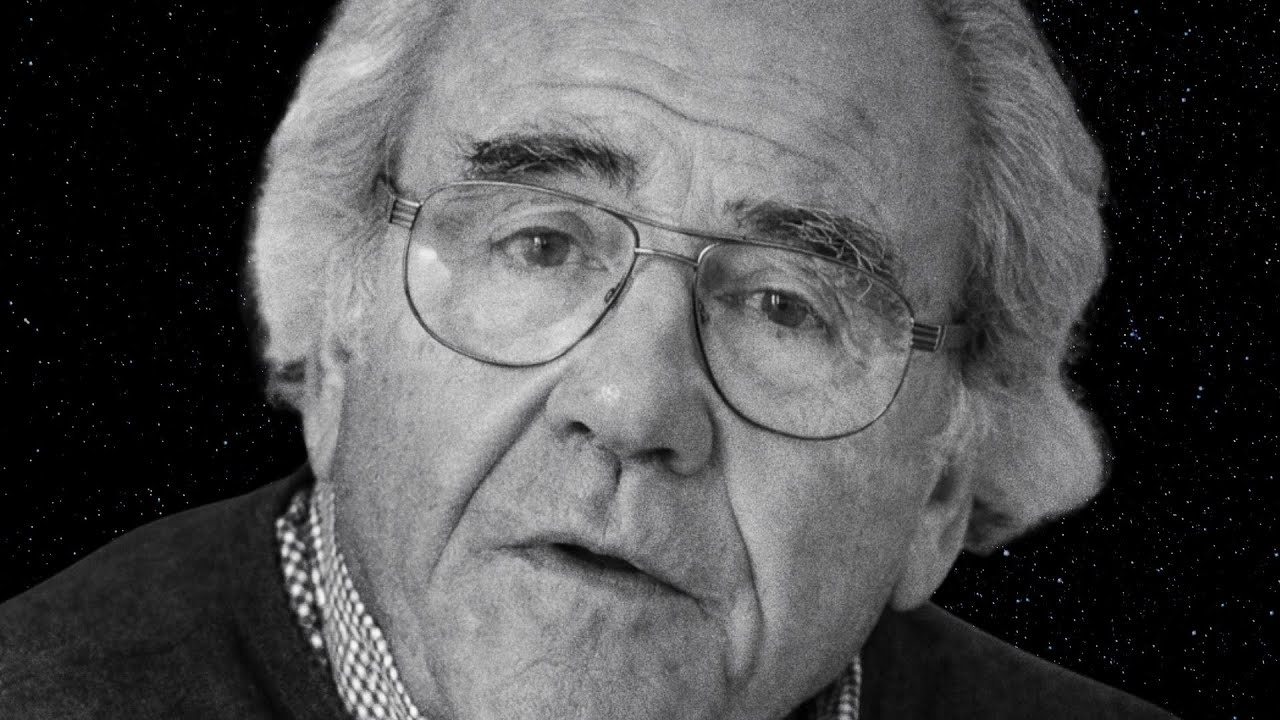


Postmodernism, as conceptualized by French theorist Jean Baudrillard, describes a cultural state where media production has become so pervasive that it has crossed into reality itself, creating hyperreality—a condition where simulations of reality have replaced authentic experience. Baudrillard identified three stages of cultural development: pre-modern culture (high art representing religious reality), modernism (mass-produced simulations that appeared more real than originals), and post-modernism (where cultural products become 'simulacra'—copies of copies with no original referent). This saturation leads to three key effects: audiences can no longer distinguish between simulation and reality, meaning becomes fragmented into countless interpretations (meaning implosion), and audiences become disenfranchised with the concept of objective truth, as demonstrated by the proliferation of fake news and social media simulations that are accepted as genuine reality.
Postmodernism Explained: Baudrillard's Simulacra & Hyperreality
Added:hi everyone today we're going to talk about the absolute daddy of media theories post-modernism and i'm not going to lie to you this one is a monster i've watched hours of youtube videos about post-modernism and i find they do one of two things they either make it so unbelievably complicated that we get lost very very quickly or they gloss over the details um so much that we're not really making the best use of this theory so today i'm going to throw my hat into the ring and try and explain post-modernism so here's your challenge if you can make it all the way to the end of this video leave yourself a like and perhaps leave me a like too okay so where do we start with post-modernism i'm gonna break down my definition for you nice and slow post-modernism refers to the state of culture where media is produced in such staggering quantities that it has crossed the boundaries into reality itself and hyper reality prevails and i've lost you haven't i it's quite a rabbit hole we've uncovered so let's break it down nice and simply what is culture culture is the arts the ideas the intellectual expression of a society traditional culture would include art poetry architecture but in contemporary culture we're also talking about tv advertising music videos youtube social media so what's the purpose of culture well it's how we interpret and give meaning to the world around us what we call reality it helps us answer those big questions in life what does it mean to be human how should we live what is love hang on a second if culture is how we represent reality and find meaning what the hell are we learning from oh crap i think i'm ready to start dating again what are you looking for i do judge children by their name you can't say a word you think you're a little you can pay for me to have a new set of extensions it's a mess isn't it there are so many voices and messages now how do we know which ones are true are any of them even true welcome to the hyper real world of postmodernity but now you've had a snapshot of where this rabbit hole ends let's take a quick history lesson to work out how we got here beaudrellard a controversial french academic outlined the development of culture in three distinct stages in the beginning there was pre-modern culture obviously there was no tv or cinema but there was art lots and lots of art and theater and music that kind of thing what you might call high art painters sculptors and writers looked at the world around them reality and represented it within their understanding of the world at the time which predominantly means only one thing religion so in western culture christianity was the driving force in art music and architecture and they acted as a map of how we should live what is good and what is love beaujolais calls this a grand narrative an overarching ideology or meaning applied to reality through culture so it has to be said for high art although it was quite primitive it gave a consistent message that of the church skip forward to the industrial revolution about the 19th 20th century and culture starting to look a little bit different rapid advancement in mass image production either through photography film or printing meant culture was being produced at an extraordinary rate what's more unlike paintings these photos and prints and films actually looked real unlike their clearly fake cousins on canvas beaudrellard called these representations of reality simulations and they add a new layer of believability to their message what messages are we talking about well obviously religion was still around but in the wake of the world war new ideas were starting to emerge like consumerism mrs richardson wears tweed new tweed but found a toilet spray communism science meaning that culture started looking less consistently like this and more like this so when we think back to those big questions from earlier maybe being human should look like this maybe we should live like this also on saturday mornings i usually take an hour or so to go over the accounts and bills maybe love looks like this this explosion of new mass-produced culture which rejected the old became known as modernism now skip forward to the mid-20th century where an entire generation has been brought up surrounded by all of these mass-produced images everywhere you look and we arrive back here at post-modernism [Music] baudrillard said that we are so surrounded bombarded by culture that is now part of our daily lives our reality in other words all these videos you watch on youtube the adverts to precede them and those that you drive past on your way to work the magazines you read every meme instagram post all of them are just as much part of your reality as the trees and the cars that you see outside the window this is the postmodern world and it's the effects of all of this media around us that beaujolais was primarily interested and i want to outline his three main observations firstly the fact that our reality is in some part made up of cultural representations everywhere means that when we make new cultural products we inevitably end up referencing other pieces of culture spider-man first appeared in 1962's classic amazing fantasy number 15.
which basically means we're making copies of copies doesn't it well that's exactly what happens according to beaujolaid culture is no longer always based on an original referent reality but rather cultural products that we experience in the world around us the word he uses this is simulacra in other words no longer a simulation of reality but a simulation of a simulation i know it sounds ridiculous so let's do an experiment if i was to ask you to draw a picture of a princess would you draw something like this or like this i'm guessing the former despite the fact that disney princesses are themselves a simulation of reality this is effectively a copy of a copy of a copy the result of this taking inspiration from something which is already inspired by reality is this big mess of incestuous intertext where our cultural products can't help but be inspired by other texts sometimes intertextuality is used intentionally like in family guy where more often than not each episode is referencing existing culture for parody here's another great example on the front of the big issue which uses your pre-existing knowledge of ghostbusters to make a shortcut to meaning here satirically in these cases the links to other texts is intentional but even when it's unintentional you can still say that we are borrowing from culture when we try to make meaning look at how in the new john lewis christmas advert the same narrative of a boy befriending an alien is used as in that of the 1980s film e.t that's indirect intertextuality so that's the first part of beaujolais work we're now so surrounded by media that we inevitably reference it when we make new products the second area i want to talk about is the idea that now because of all of the media around us we are unable to distinguish between simulation and reality the word he uses for this is hyper reality the blurring of the lines between what is real and what is simulated here's an example if i was to ask you about your knowledge of chernobyl how much of what you know is based on fact things that you know things that you've researched and how much is based on what you saw in the tv show some of them will not stop firing for fifty thousand isn't it crazy how quickly we blindly accept simulation as fact now think for a second about the wider implications of hyper reality young people see the simulated lives of successful young people in reality shows like made in chelsea or the only way is essex and they overlook the fact that they aren't real in fact i find the scariest aspect of our new culture is the likes of instagram and tick tock which bombard us with simulations of the real which we blindly accept as true and then when we think back to our big questions from earlier what does it mean to be human well if you look at instagram it could look like this or if you watch tv it could look like this how should you live well we could listen to this guy what's one thing i'm doing wrong that i know i'm doing wrong that i could fix that i would fix or even these people false news has become all too common on social media what is love is it this surely it's not this this is sarah she is the first uh doll i got so she does have a special place in my heart i guess maybe it's this i've met the person i want to spend the rest of my life with i've never seen her before here you will choose someone to marry so that's the second aspect hyper reality means we are no longer able to distinguish between the simulated and the real which brings us to the third aspect of beaujolais work meaning implosion with so much media around us with conflicting messages there are so many interpretations of reality that audiences can't decide on truth remember at the beginning i said there was one grand narrative religion well now you can find literally any meaning you want online and you can throw in a couple of other dozen sources which challenge it alongside how are you meant to trust that you can't we don't as an audience we've become disenfranchised with the idea of the truth and what's interesting is i think that's actually paved the way for where we are now with fake news we don't believe it that's as far as we're going to go today we've only just scratched the surface of post-modernism it's a huge huge topic but if you're studying vodrill art specifically those are the key takeaways if you've made it this far then well done give yourself a like and i'd appreciate if you left me one too if you've made it this far and subscribe if you're new here but let's just recap on what i started off this video with and see if it makes any more sense now postmodernism refers to the state of culture where all media is produced in such staggering quantities that it has crossed the boundaries into reality itself and hyper reality prevails make sense good if you're looking where to go next i'd recommend checking out my video on intertextuality which we've already covered a little bit in this video but i go into more depth or if you're looking at media theory in general you can check out this playlist here to see the other work that i've done as always thanks very much for watching and i'll see you next time you
Up Next

Exploring Reality Through Philosophy and Media Critique
@bigleebrink
22.1K views•2022-02-06

John of Damascus on Holy Images: A Theological Defense
@BannedBooks
139 views•2026-04-25

Should We Destroy the Machines? Big Tech Surveillance Critique
@TheStoriesWeTell303
167.9K views•2025-11-30
The Myth of Sisyphus: A Greek Legend of Eternal Punishment
@TEDEd
8.6M views•2018-11-13
Related Study Plans & Knowledge Roadmaps
Structured learning paths in Philosophy