









![The real dad was the dad we met along the way | Space Quest IV [FINALE]](https://i.ytimg.com/vi/3hZ2j5B8ld8/maxresdefault.jpg)



![[정거장57] 좋은 연출이라 여겼는데, 스스로 스크린을 뚫고 나온 감독과 배우](https://i.ytimg.com/vi_webp/F4CKvz0XWJk/maxresdefault.webp)





![HyperNormalisation by Adam Curtis HD Full [2016] [Subs]](https://i.ytimg.com/vi_webp/yS_c2qqA-6Y/maxresdefault.webp)


Reality is not an objective, fixed truth but rather a subjective construct shaped by our senses, perceptions, and the media that shapes our understanding of the world; what we consider 'real' is filtered through our individual experiences and the information we receive, meaning we can never fully know the true nature of reality, only our own constructed version of it.
Exploring Reality Through Philosophy and Media Critique
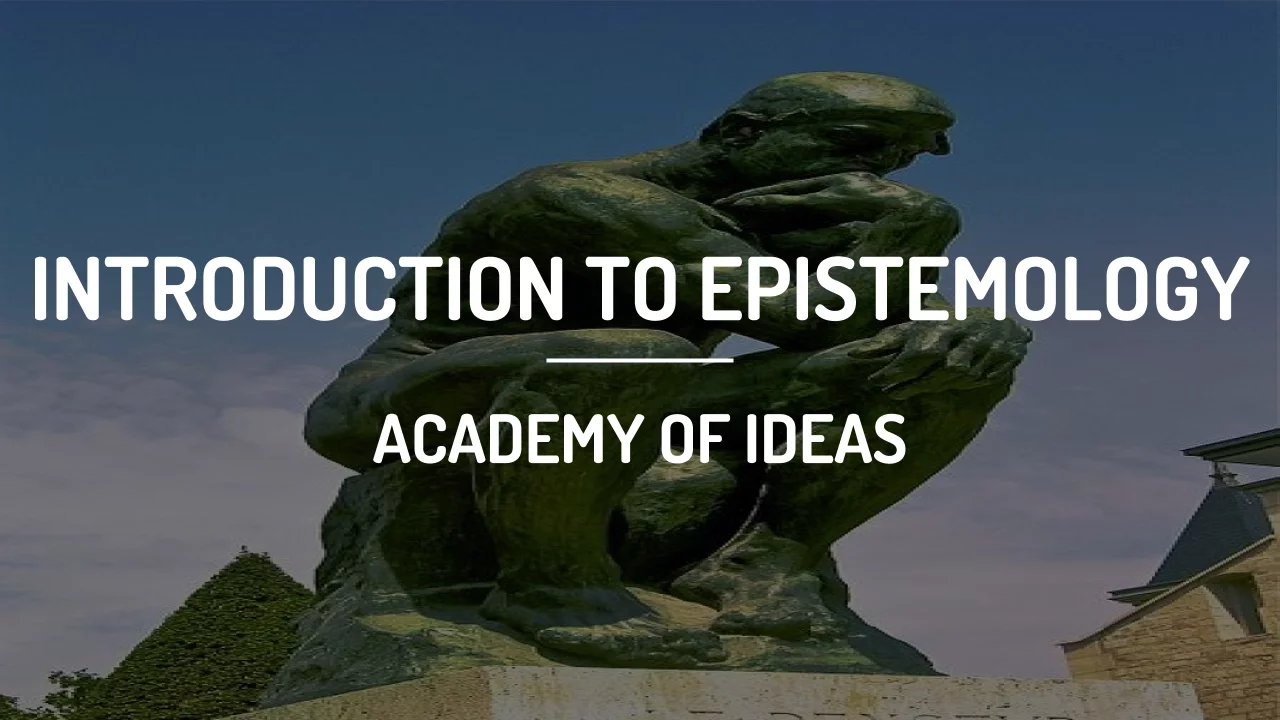
Added:Basic Epistemology: Understanding the philosophical study of knowledge, truth, and the distinction between subjective perception and objective reality.
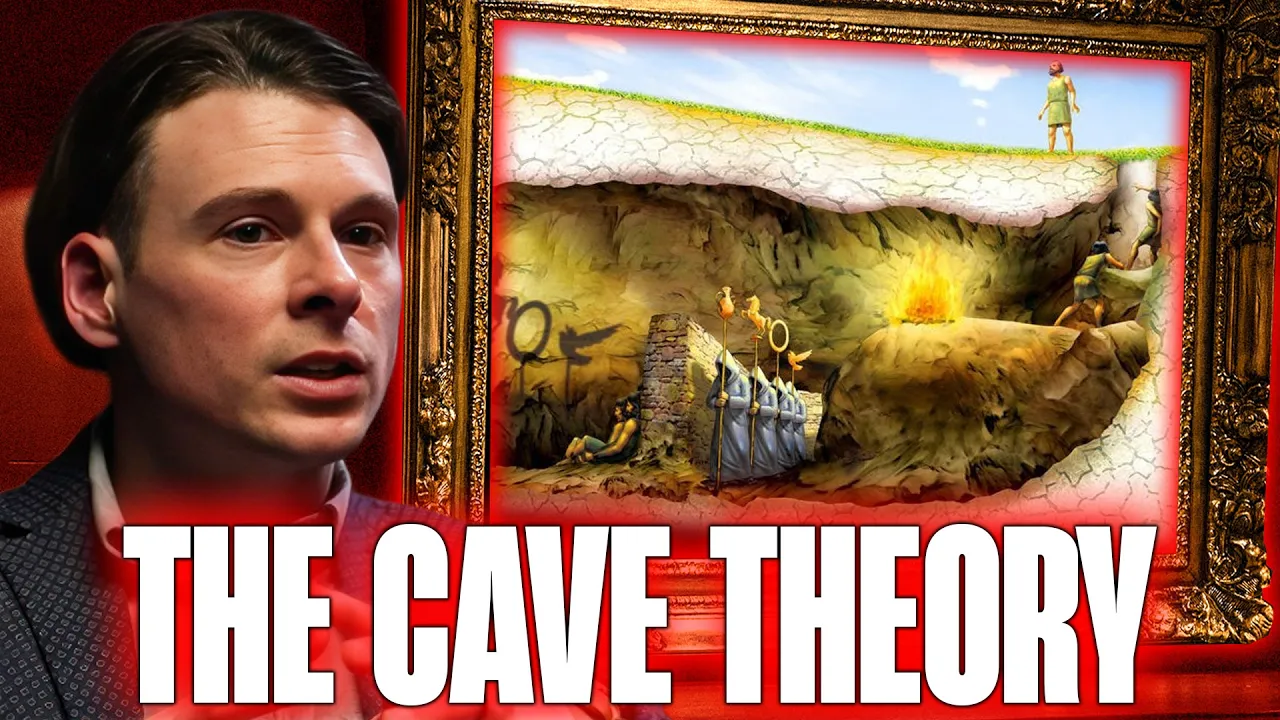
Plato's Allegory of the Cave: Familiarity with this classic philosophical metaphor regarding human perception, illusion, and enlightenment.
Introduction to Media Literacy: Understanding how media channels construct, filter, and frame information to influence public opinion.
The Mechanics of Satire: Recognizing how comedy, irony, and satire can be deployed as rhetorical tools for societal and cultural critique.
Jean Baudrillard's Hyperreality: Exploring the concepts of simulacra and simulation, where the representation of reality becomes more significant than reality itself.
Critical Media Theory: Investigating advanced frameworks, such as Chomsky's propaganda model, to analyze systemic media influence and power dynamics.
Cognitive Biases in Information Consumption: Studying how psychological phenomena like confirmation bias affect our processing of media and reality.
Algorithmic Filter Bubbles: Examining how modern digital algorithms curate personalized information streams, shaping fragmented societal realities.
22.1K views396likes25:24Original Release: 2022-02-06
[Music] so they went in through a little hole in his back and took the lump out it's benign you know so my brother's fine though thank god that is nothing my brother got kicked out of the cinema for chewing flavor condoms that is nothing my brother drink of a united island and walk off with 32 shamrocks in his hand that is nothing my brother can paint dogs that is nothing my brother sucked the filling out of jack nicholson's head that is nodding i brought her open the manhole using long division that is nothing my brother got a haircut in particular so good they elected a mail that is nothing my brother sold a set of kitchen knives to sting that is nothing my brother done a line of cement with dicky rock that is nothing my brother sent a text message to bill clinton that is nothing my brother got kicked out in jurassic park for raping a brachiosaurus look buddy my brother's just better than your brother and that's the end of the disgust my brother's the best one of the brothers my brother is the best take off them city glasses they took them up to mayo and they shot him in the back hey hey that was stupid chase watched him look at these boys trying to have afraid i'll tell you this yeah they're fighting ruining our sanctuary like pansies trying to roll our sing-song clean clean you want to do another song don't have a song oh danny [Music] [Music] an objective solution to a subjective problem at all we'll teach you all about here we go [Music] we can learn about reality by ourselves we don't need them anywhere becky remind us by his chase now what this means means more time for skulls [Music] to find out about the nature of reality we needed to talk to an expert so who knows more about reality than a reality tv star [Music] okay we are here with the wonderful marvelous stevie johnson star of maiden chelsea how are you stevie i'm very well this is stevie johnson he's an expert on reality because he appears in a reality tv show called made in chelsea stevie is reality a construct of our minds or his reality what actually happens around us i think list off the the forms of reality that you see in the world today can you elaborate more on the question stevie was clearly rattled maybe my interviewing was too intense he was posh so i can't him down by asking him about a griffin fascist animal in the world a cross between a lion and an eagle what is reality to a griffin reality to griffin i can't believe i'm answering this question uh completely different it's completely different they live upside down we began to realize that stevie wasn't an expert in reality at all the interview was a complete waste unless using shock techniques developed by the cia and kgb we began to destabilize stevie's view of reality we started that by singing him a song first we got him comfortable by talking about fizzy wine there was a prosecco shortage in the uk last summer so i think that was a lie to drive up the markets i want they wanted to drive the prosecco market up because they say it as a shortage yeah do i hear a walking man walking man listen to me walk as best i can he's the walking man walking man we're the walking walking men launching our debts we're marching to our debts we're going off to killarney with some tripe in our belts i'm a walking man i'm a walking man let's go walking to our decks there's a rumble in the hills there's a rumble in the sun as the bombs fly overhead and a boy went on along he's a walking man we're the walking men matching to our deaths in south of france in the trenches we had begun to destabilize stevie's reality we'll get back to him later but i needed to find out the nature of reality so i ran to the internet as fast as i could and googled yahoo answers reality is mad i can't define it or even know what it is or if it exists is it observable in material or is it subjective and mental humans began to think about reality 300 000 years ago because this was the first time we started to bury our dead our lives much like today were meaningless chaos subject to the random destruction of nature so we started to create irrational ideas like religion to try and make sense of the nonsensical oh boy we were still angry with each other over whose brother was best but that didn't stop us playing a fun game of ulcers chrome wasn't happy about reality being inherently uncertain poppycock i know about reality is see these cards they're see this stack of chantings yeah real see this fake money man this is real how do you know how you're sure am i sure yeah because i can touch it with my finger tips and i can smell it with the front of my nose i can taste it so you're relying 100 percent in your senses to tell you that this and everything else around you is real yeah exactly yeah and what if your senses are not reliable how do you know that your senses can be relied upon go on remember the party i went to yeah you went to that cafe without me yes so myself pingle kieran and willie went to this party here we go don't you remember plato had that ketamine that he got from estonia the soviet stuff the really strong stuff you know the problem with you swap donkeys is like i'll be riding [Laughter] plato's there and he starts rocking out about three lines academy real lines no shadow casters whoever it is the biggest line gets the [ __ ] 50 right trust me with it it's good clean [ __ ] stuff [ __ ] three boys just lash into these lines snort them up immediately they fall into a cage so plato annie was a bit of a weird bastard as you know we dragged him downstairs to his center we tied the mage to a chair so they couldn't move what were you doing the fire i i was going to get free weed if i had oh yeah they began to wake up the ketamine had wiped their minds blank behind them is a window people and animals walk past the window the shadows of these things project on the wall in front of the bars the lads know no better they assume these shadows are real they give the shadows names this is the only reality they know but then pingu breaks free from the shackles and escapes the cellar he goes outside he sees real people and real animals his brain can't comprehend this new reality but eventually it adjusts he runs back to the two boys in the cellar and tells him about the word outside but they can't recognize him because he's not a shadow they cannot comprehend him so what happened they're closer fighting man it's a good party though i think therefore i am the words of 17th century philosopher rene descartes who posited their two realities the mental reality and the material reality this was challenged by george berkeley the bishop of klein who suggested that there is only the mental reality and any external reality is an illusion huh none of it's real men that's not real the mountains you me everything it's all it's an illusion none of it's real a knuckles like vladimir putin's russia like to create unnecessary conflict just to destabilize people's reality so nobody knows who's their enemy who isn't their enemy or if we're actually fighting or not this constant uncertainty leaves the population very easy to control to show how uncertain reality is we decided to change stevie's first up destabilizing his existing reality by making him question what was reality your watch is the exact same as mine it is show it up to the camera there exact same way exact same watch you on me man come on here's the thing kill him it says here on my notes stevie that you're a sauna entrepreneur what what tell us about the saunas buddy are you talking this is a mistake you see stevie has never been a sauna entrepreneur it was something we had written on his wikipedia page and now we asked him to pretend to be one on tv soon he wouldn't know what was real we we really want to hear you talk about sauna so regardless of whether you are or not i want to hear your case on the sauna business uh stevie tell us about the new range of saunas you have going on uh the new range of saunas i it's very much the uh a straight down the line sauna which is what my new range wants to be i want to appeal to the mass market just you want to be just simple yeah what do we want out of the sauna if you want what do you want though i want my pores to piss i can do that that's why you should go with me for your saunas i want you to say it down the lanes you're going to make mr clone piss out of his pores mr crane yeah i or my saunas will make mr chrome piss out of his paws that's that hollywood stuff man we've got a deal here the destabilization of stevie's reality had begun he was beginning to question what was real it looked like your corner blow the place apart without my fuckerman nobody know what's [ __ ] oh supplies why don't we go out and do our william tell him questions why did you i didn't catch that why did you say that back i think i'm going to shoulder that block your head i still can't tell is reality subjective is it objective or is it so beyond the mechanics of our consciousness that we never properly perceive it like and i've been thinking about what stevie johnson said and i think my brother is better than your brother we have to set up an offshore company to avoid tax but china's after the break when we see what happens when you put a hawk a chinchilla and a lemur in the same room [Music] mom and i got into a fight [Music] before the break krom and i got into a fight about whose brother was the best he tried to find out about reality from a reality tv star and beckett and joyce got pissed is perception of reality subjective depending on your brain it's how i see color the same as how you see color what about animals us humans are arrogant bastards we define reality based on our perception a recent study suggested that differences in body mass and metabolic rate in animals can influence how they perceive time so is time even real and what about bats they can't even see they use echolocation to move around with lightning reactions what does the word look like inside a bat's brain [ __ ] divine off and birds are prey they can see uv light what does their reality look like i don't know why are you asking me now birds of prayer unique in the animal kingdom in that they can see an ultraviolet which is one of the reasons you never see a hawk in a hotel room why because the whole place is a pebble dash of sperm and your line and vomit just all over the gap man yeah i mean she's starting to freak out of course she is man she can see every bit of it she's got ultraviolet she's looking at the sperm of a thousand businessmen right here yeah yeah there's goblin's drawbridge all over cajun's powerage all over the floor i can feel the blart look man she can see blart on your eyebrows from what i can tell now what would happen if we introduce an animal to a hotel room who doesn't see an ultraviolet light such as a chinchilla oh no don't mention chile why are you picking there's a hawk in here no no no no no no no this is the worst decision i've ever made in my entire life what are we going to do what are you going to do and call the girls call the animal girl bring a lemur science i was only trying to do it for and he can't see any sperm well i bravely defended the chinchilla from the hawk chrome called his lemur connection soon the shades arrived is the labour in yeah the name of the guards are here the guards are here come on what are you doing is it starting out is it it's just sussing out the situation like all good guardian excuse me uh officer and we have a situation whereby we have a chinchilla and a heart and a heart close the guard is gonna go sort out the heart now lemur made absolute [ __ ] for that and we can't show it on television well done gary well done and you ate that hawk very quickly neutralize the situation or dark our professional won't shake hands well wasn't that wonderful what we learned here today we learned that a hawk can in fact see uh sperm and pace in a hotel room when it's uv light and it got quite anxious all we learned is that you were afraid of every animal under the sun you're the opposite of noah and now we learned that the guardian are prom was pretty pissed off at me so he decided to make friends with gardelemer instead i was angry but it did look like a lot of fun meanwhile i visited my philosophical advisor hen knight he lives in a hyper real house he's a cold dude tell me a bit about uh how you choose to live your life in the context of reality i've decided to live in a full-scale simulacrum myself so i've got fake trees i have a fake wife a fake house and i've decided to go with it it's like aikido i'm using the energy of reality against it henry's idea wasn't as mental as it sounds since the mid 20th century we stopped living in an objective reality and began to live in a hyper reality which is a fabricated copy of reality communicated through advertising the news and the internet our desires are defined not by our objective needs but rather by the false needs that are imposed on us through branding advertising and fair work together symbiotically to drive consumption sounds like grey crack until you wonder why you feel empty and unfulfilled all the time through the use of cia and kgb shock tactics and sauna anecdotes we'd already started making stevie confused about what was real it was time to finish the job what a song stevie our friend's electric our friends electric [Music] our friends electric uh hit by gary newman in the late 70s what are you doing now stevie i work actually for a startup company in the tech social media space what the [ __ ] oh you said it man you said the magic words he said oh you want a box of terrapins man there you go yes pick up a telepin take off a terrapin pick up a terrapin pick up a pedal pin [Music] what started as a fun chat show interview for stevie ended with him holding terrapins and pretending to be a sauna entrepreneur he didn't know what was real in a desperate attempt to find something anything to believe in he asked us to explain the history of northern ireland which we did completely impartially then from nowhere he declared his allegiance to the ira we created a monster he escaped with a gun and was last seen at the armor border with a look of freedom in his eyes fair play stevie bear play [Music] becca this is have to stop bringing me up man let's do this sir can you just concentrate and shoot in the apple please yes i'm just listening to the jeff bombs you sure about this backhand i'm a florida flipped out of that accident can you just concentrate safely [Music] i know my gobs are over the gold what bubblegum i called mr krohn he asked the guard a lemur to cover up for becky pepper snitches catch stitches choice and i got hennais who's a registered nurse to phone the lemur and explain how to fix joyce's head hey knight wouldn't be my friend anymore because i made him talk to the sheeds and the lemur wouldn't be krom's friend because he made her cover up for beckett but we saved the boys once again i know a lot of people who says that the gabby are rats but not me man i i trust to get out i love him i think guards are excellent my cousin's a god you know he's alright our reality is tailored for us through the media and the internet the threat of terrorism that originated from completely different countries and the existence of fictitious weapons of mass destruction was used for the justification of invading iraq for no reason an invasion that was itself played out on tv in edited farm our experience of world events is a highly edited reality tv show that our brains experience as real life we then allow ourselves to be governed based on these spectacular puppet shows we're here with carmuck td for loath and public representatives after having a lot of fizzy pop in his belly he's got a busy belly and it's got a burst this is stephanie oh yeah where are you from steph where you're from i'm a dumb yeah i know man i know what i've seen it man right podrick what's the biggest threat that's facing society today don't lie don't lie yeah [ __ ] terrorism do you think so yeah terrorism terror terrorism terrorism i think so i've just moved home from london and i'm glad i did because i'm just terrified we don't know enough about terrorism it's going on all over the world and we only hear what happens in paris in berlin right now there's less terrorism than there was in the 70s and 80s that's a fact i've got some statistics here that i just got texted in by marty whelan which kills more people a year terrorism are people falling over their own feet more people died from far over their own feet than they are killed by terrorism in western europe that's a fact you know who told us that oh sure and how did you do that yeah falling down falling down now one of a bigger threat to terrorism people farting downstairs kills more people than terrorism every year why are we running around frantically terrified of terrorism the media the media yeah the media the media media do you think the media wants us scared all the time yes yes why clickbait how would you feel about fallout by never releasing a tape i mean see these mp3s grant would never attend wouldn't when they're late don't lie to me bring it up the world is afraid of terrorism talk to me like i'm into kenny uh ender it's time to go legalizing yeah all right one two three i want you to say [ __ ] terrorism one two three terrorism you any good at wrestling on wrestling i don't know well i i'm i'm as as you stated a td for loud having never been in laos but i i would actually say myself that a lot of it actually just does have to do with the fact that a lot of people a lot of people now are more afraid of people from dublin than there are people from isis you know what i mean but that's it because the people in dublin are going to load they're bringing buses full of alsatians and they're letting them there on the street to do what they want yeah you know and fizzy pops as well fizzy puffs gets people all hyper and you gotta have them fizzy puffs man they're there [Music] hey what do you think about terrorism do you think so it all worked out in the end we realized you can truly never know reality and what really matters what your friends [ __ ] ah we will just cudding around a couple of kinds and one smile pistol wasn't it oily padding we were just cutting and pies thank you so much for not letting him die and for not grassing me up to the fuzz well brothers you and me we're brothers you don't have to ever say anything like that to me again off your mouth to your heart it's all i want me peace and love beckett i'll just let me just take your chin now this experience has changed our perspective we thought that you needed us but it turns out that we need a change and tonight we're going to have chips for supper every day so how are you anyway humans will never really understand reality the only thing that matters is not to let anybody else define your reality exactly and you know what else ah i realized that your brother is better than my brother nah nah man your brother's way better than my brother your brother is better than my brother your brother is better than my brother hey hey look anybody take off your glasses why randall stevie johnson fought the blitz with stones and sticks till they shut him down in derry and they called him an old mick he left them in the trenches and he smashed them up to bits with a pistol on his hips and the six counties on his lips they talk of stevie johnson and how he fought the blades with whip he's still in his britches and the freedom on his lips they speak of stevie johnson oh they speak of him so well but where were you in 92 when he ran on carnell's bell he rang your longing for freedom
Up Next
25:47
Daoism Explained: Philosophy, Religion, and Key Concepts
@ReligionForBreakfast
730.6K views•2022-09-22

164:01
John of Damascus on Holy Images: A Theological Defense
@BannedBooks
139 views•2026-04-25

68:32
Should We Destroy the Machines? Big Tech Surveillance Critique
@TheStoriesWeTell303
167.9K views•2025-11-30
4:57
The Myth of Sisyphus: A Greek Legend of Eternal Punishment
@TEDEd
8.6M views•2018-11-13
Related Study Plans & Knowledge Roadmaps
Structured learning paths in Philosophy
philosophy
Frankfurt School: Critical Theory & Culture
01Foundations of the Frankfurt School and Critical Theory
02Horkheimer & Adorno: The Critique of Instrumental Reason
03The Culture Industry and Mass Deception
+ 2 more learning modules
12h5 modules
Explore Roadmap
philosophy
Philosophy of Language: From Frege to Austin
01The Linguistic Turn: An Introduction to Language in Philosophy
02Gottlob Frege: Sense and Reference
03Early Wittgenstein: The Picture Theory of Meaning
+ 3 more learning modules
15h6 modules
Explore Roadmap
philosophy
Feminist Epistemology: Standpoint & Injustice
01Introduction to Epistemology and Feminist Critiques
02Sandra Harding and Standpoint Theory
03Donna Haraway and Situated Knowledges
+ 2 more learning modules
12h5 modules
Explore Roadmap
philosophy
Environmental Philosophy: Ethics & Deep Ecology
01Foundations of Environmental Ethics & Anthropocentrism
02Biocentric Individualism and Animal Liberation
03Ecocentric Holism and Deep Ecology
+ 1 more learning modules
10h4 modules
Explore Roadmap