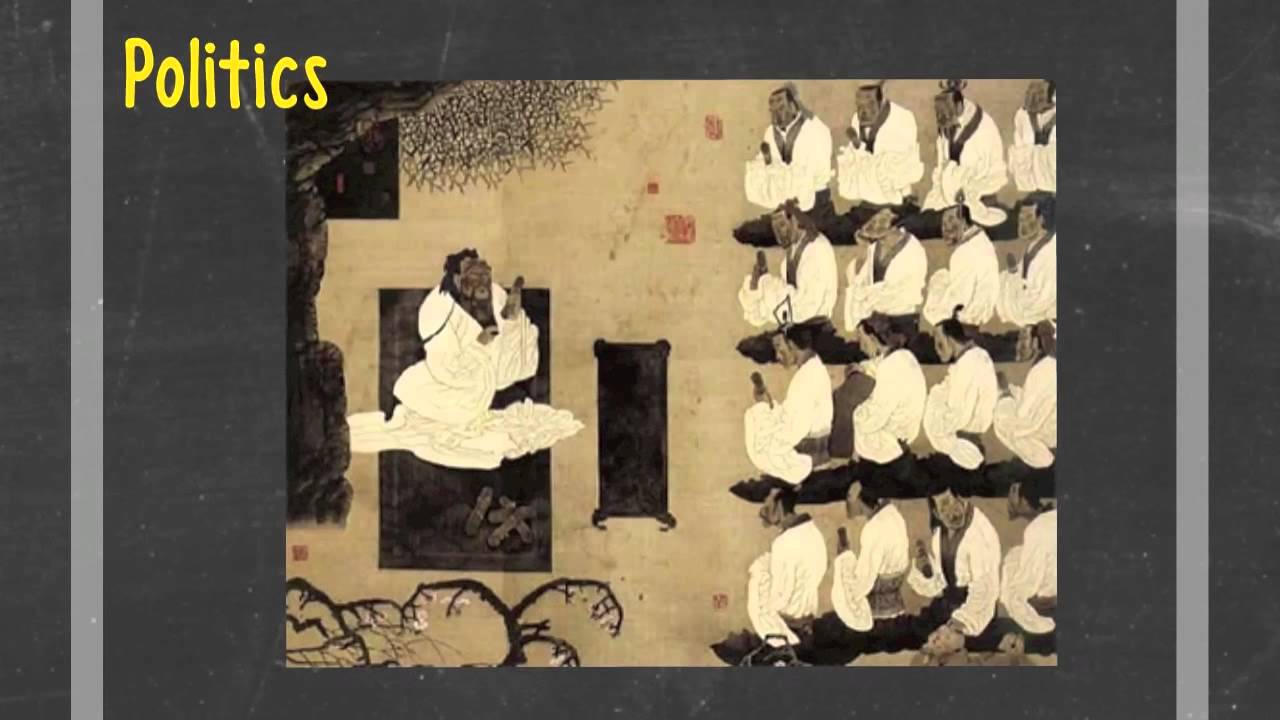
![[도]란 무엇인가. 노자 도덕경 핵심 사상 정리! ft. 10대부터 수백번 읽은 인생책](https://i.ytimg.com/vi_webp/WH_iBnooPnI/maxresdefault.webp)


![[생윤] 1-2 현대 윤리문제에 대한 접근- 동양편](https://i.ytimg.com/vi/efXVn-hXfPg/maxresdefault.jpg)
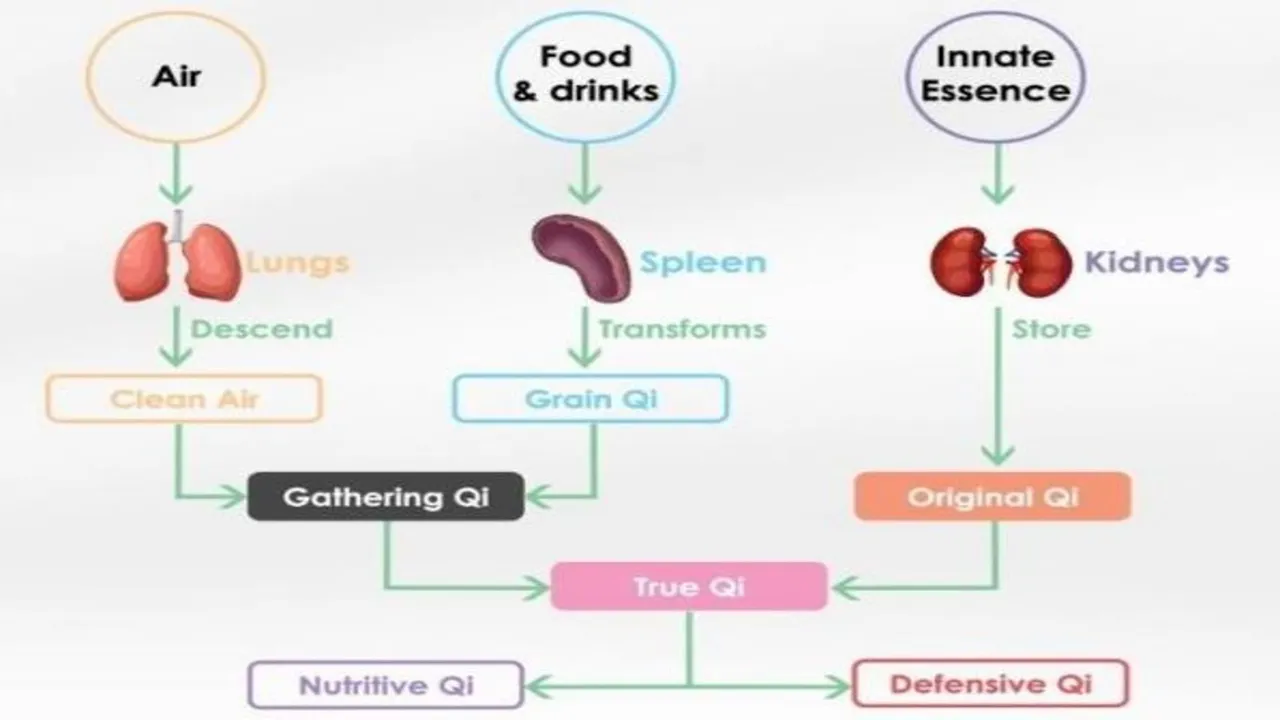




![[EBS 인문학특강] 최진석교수의 현대철학자 노자 제10강](https://i.ytimg.com/vi_webp/N0y5Im2r6KA/maxresdefault.webp)

![[명지쌤의 뿌리 인문학] 2026년 병오년 통변 방법](https://i.ytimg.com/vi/a0gFmwZ9uhc/maxresdefault.jpg)








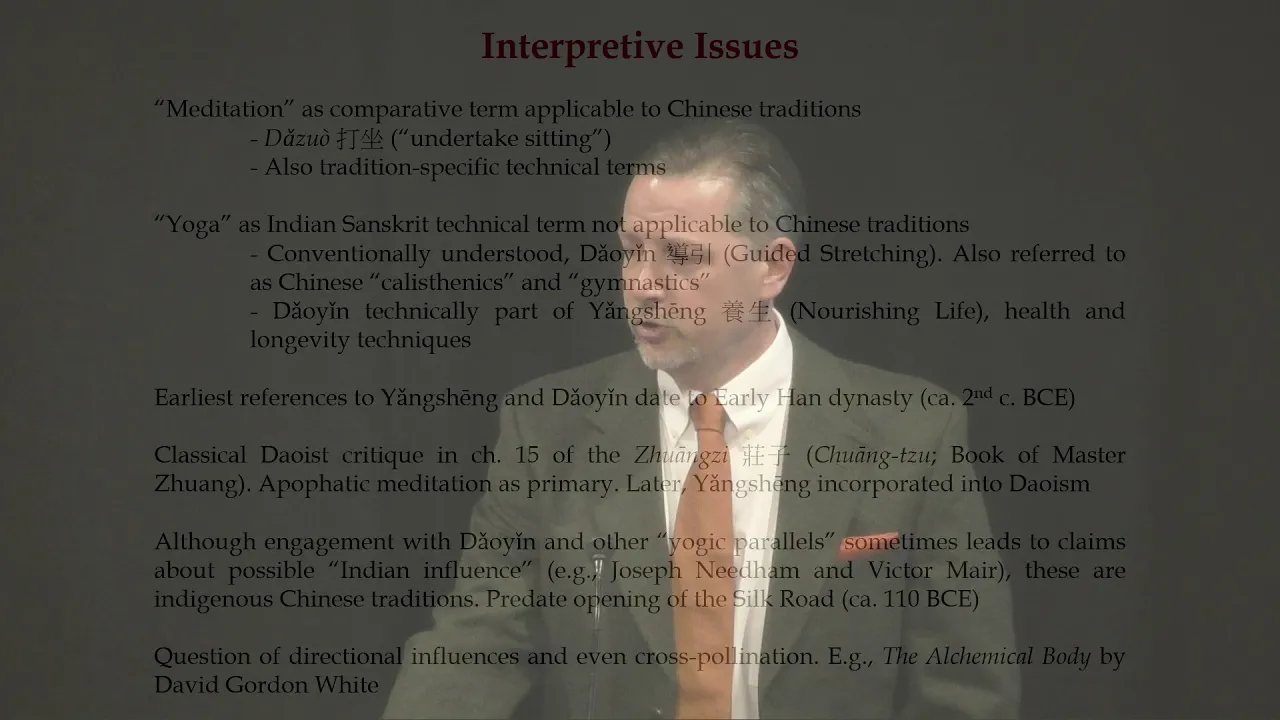



Daoism is a Chinese philosophical and religious tradition that resists simple categorization, characterized by its emphasis on aligning with the Dao (the Way), an organic cosmic order that creates and transforms the universe; it encompasses two foundational texts (the Dao De Jing and Zhuangzi), two major religious lineages (Tianshi Dao and Quanzhen Dao), diverse practices including meditation, alchemy, and self-cultivation techniques, and a pantheon of deities centered on the Three Pure Ones, while maintaining adaptability toward other spiritual traditions and evolving continuously over 2500 years.
Daoism Explained: Philosophy, Religion, and Key Concepts
Added:Familiarity with the historical context of the Warring States Period in ancient China, which served as the fertile ground for the birth of major Chinese philosophies.
A basic understanding of foundational Chinese cosmological concepts, particularly Qi (vital energy) and the duality of Yin and Yang.
An introductory awareness of Confucianism, as early Daoist philosophy frequently developed in direct dialogue and contrast with Confucian social and ethical systems.
The conceptual distinction between academic philosophy (metaphysical and ethical theories) and organized religion (involving rituals, institutions, and deities).
An in-depth textual analysis of the Zhuangzi, exploring its use of parables, skepticism, and spiritual freedom as a progression from the Dao De Jing.
The study of Chinese Buddhist history, specifically focusing on how Daoist concepts influenced the assimilation of Buddhism and the birth of Chan (Zen) Buddhism.
Investigation into Daoist esoteric practices, including internal alchemy (Neidan), external alchemy (Waidan), and their historical connection to Traditional Chinese Medicine.
Comparative analysis of the Daoist principle of Wu-wei (effortless action) with modern psychological theories on 'flow states' and cognitive science.
An exploration of contemporary environmental ethics and 'Green Daoism,' examining how ancient views on nature and spontaneity (Ziran) apply to modern ecological crises.
730.6K views22.2Klikes25:47Original Release: 2022-09-22
sponsored by wandrium taoism is a philosophical and religious tradition indigenous to China but it does not easily map onto Western understandings of either philosophy or religion and although that little suffix ism and the word taoism implies a relatively unified and well-integrated system taoism is anything but that taoism cannot be reduced to a few essential texts Concepts or practices in fact it's been compared to a Vine taoism is always changing and growing and branching off of itself also like a Vine it's entangled in other aspects of Chinese culture Confucianism Buddhism Chinese folk religion and more taoism has incorporated ancestor veneration Chinese Shamanism divination breath meditation Chinese traditional medicine and Alchemy so the question what is Taoism is not easy to answer but in this video we'll try to untangle all of these complexities going through a general overview of taoism its two foundational texts and a few of its religious lineages beliefs and practices considering the name taoism it makes sense to start with the concept the Dao this comes from the Chinese word which is most often translated as the way but it can also mean path method style or technique you might have seen it spelled with a t instead of a d this spelling uses a system for rendering Chinese words in English called The Wade Gile system it's the same reason why you might sometimes see p King instead of Beijing the latter of which uses the so-called pinion system academics generally use the pinion system these days and this is the system I'll be using in this video in all future videos on taoism so what is the Dao well it's almost impossible to Define and ironically the opening line of the central Taoist text the Dao de Jing says the Dao that can be spoken is not the Eternal Dao but we're gonna try to speak of it anyway a few ways Scholars Define the Dao is Ultimate Reality and its manifestations in everyday life the underlying cosmic power which creates the universe and the energizing process through which everything in the cosmos unfolds and is transformed it's not accurate to think of the Dao like a god it's not an active personal entity but rather it's an organic order an organic process that just moves along naturally and spontaneously taoist's thought and practice aims to find the best way to live in the world by aligning with this organic Cosmic flow of the Dao transforming our thoughts and actions to be in harmony with its natural order now this might sound very abstract but as we'll see throughout this video aligning yourself with the Dao is meant to be a very concrete and pragmatic way of living over the past 2500 years taoists have provided all manner of ritualized practices that can help to align yourself with the Dao that involve medicine Alchemy divination venerating the gods as well as bodily and mental techniques so where did this all start while taoism does not have a single founder or birthplace there are two foundational texts where we can start the daughter Jing and the John sir the former is attributed to Lao Tzu and is sometimes called the lautzer what the latter is attributed to the philosopher juansu also known as Juan Jill there's evidence that juansu was a historical figure well laozer which means old Master may or may not have existed some Scholars think he may be a stand-in character or a personification of ancient wisdom or tradition let's start with laozu although most Scholars view him as legendary ancient Chinese histories say he lived during the 6th Century BCE but accounts of his life are full of inconsistencies and legends the grand historian of the Han Dynasty tells a story of Confucius Consulting Lao Tzu for advice on the meaning of Lee or propriety a very important Concept in Confucianism laotzer approaches him for being self-righteous and Confucius leaves profoundly impressed which is a common theme in these Legends Lao Tzu is frequently depicted correct and Confucius and Confucius is depicted as deferential to the Old Masters Authority since the Han Dynasty Lao TSU became venerated as a deity and seen as a personification nation of the Dao and high Lord Lao is still worshiped widely today although the DOTA Jing is traditionally attributed to lautsu most Scholars now believe that it was composed by multiple authors during the Warring States period an era of warfare and Military consolidation from 475 to 221 BCE shorter earlier versions of the text must have been circulating in the late 4th Century while the text as we have it today was not compiled until around the 3rd Century the daudaging is a collection of short sayings it consists of 81 verses and around 5000 words however although it's a relatively short text it's a famously difficult text to understand and covers a huge range of topics as the scholar of taoism Livia Cohn says you can read the text as a religious political military or naturalistic Treatise dealing with psychology the natural world or society and it often juxtaposes ideas in contradictory ways this is Illustrated in one of the most famous lines of Chinese philosophy which comes from the first line that we referenced before 4 the doubt that can be spoken is not the Eternal Dao the name that can be named is not the Eternal name most Scholars interpret this line as expressing skepticism toward our ability to convey the meaning of Dao with human language the Dao Jing is the first text that articulated a Taoist vision of the Tao as an absolute principle or source of existence one of the main themes is that the Dao is a Wellspring of creative power for a universe that is constantly experiencing transformation this process of ceaseless transformation is represented in the famous yin and yang symbol yin and yang originally referred to the Shady and sunny sides of a hill throughout the day one side is bathed in sun and the other in Shadow one side is not necessarily superior to the other but rather they exist together in harmony in order to live in harmony with the Tao humans must Embrace this constant transformation of the universe and realize that opposites in the world are complementary the dataging explains how to achieve this harmony with another important concept called UWE which is often anglicized as Wu way and is translated as non-action or effortless action this means refraining from action when it would interfere with the natural expression of different things and their potential outcomes in accordance with the Dao actions should be natural spontaneous and free of ingrained habits the data Jing says act but as Wu way be active but don't let your conduct be intentional and deliberative in other words wu-way promotes an attitude of Stillness and non-intervention but it does not advocate for being completely passive rather it's a spontaneous way of acting that lets go of your own self-interested concerns and guards against behavior that is too assertive that could lead to bad outcomes like hatred greed violence or aggression water is a common metaphor for the Dao and the dowdy Jing highlights it in chapter 8 as the highest good the greatest good is like water it benefits all life without being noticed it flows even to the lowliest places where no one chooses to be and so it is very close to the Tao it adapts to all Necessities it moves at the right moment it never flaunts its goodness and so it never attracts any blame this leads us to the other major theme in the doubted Jing the sage through non-action and aligning with the Dao someone can become a fully realized person attaining the perfect way of being in the world and this is not an ideal just for individuals but an ideal for all of society a ruler who's a sage can help a community align with the Dao and thus Harmony and Order can arise in an entire Society the second foundational Taoist philosopher is dranza he lived during the Warring States period and is said to have abandoned a career as a minor government official and instead lived a life as an impoverished Hermit the juansu is a collection of colorful stories and often very funny anecdotes that Embrace a bunch of different voices including those of animals trees and thieves he didn't write the entire book though and is credited with only seven of its 33 chapters the remaining chapters come from different groups of authors that may represent different schools of thought partially because it's a composite text to the junction does not put forward a single Dao that everyone must follow but it does focus on several major themes one theme is inner freedom in the midst of ordinary life and a return to a life of Simplicity this is demonstrated in the story free and easy wandering which is also one of the main Inspirations for the Chinese animated Epic film big fish and begonia this anecdote tells the story of a fish who transforms into a mythical bird who then tries to migrate far away to the South but the other animals mock the bird for embarking on a seemingly impossible Journey yet the story describes the naysayers as small and short-lived praising the migratory bird for being able to feel at home within an expansive realm and for setting its sights on an incredibly far off destination this story illustrates the importance of traveling Beyond convention it involves outward movement Beyond familiar spaces and transforming one's Focus to be more aligned with the cosmos another major theme in the drong TSU is the Taoist principle the equality of things a sense of equilibrium and willingness to let go of attachments to Temporary states of being the most famous story illustrating this is drunks's butterfly dream a story about the radical instability of our supposedly unique identities and perspectives as The Story Goes juanjo dreamed you as a butterfly fluttering around happy with himself and doing as he pleased but suddenly he woke up and he didn't know if he was a human who had dreamed he was a butterfly or a butterfly dreaming he was a human this story teaches us to reject absolutes and consider all things as relative to one another dreaming and waking life and death these are merely Transformations from one state to another one is not necessarily more real or more significant than the other and so one should not be so attached to life or bothered by death and strive to embrace Transformations as they occur which leads us to another major theme in the juansu the Gen Ren which we can translate as the perfected person or the realized person a person who is aligned with the Tao and who lives spontaneously Embraces transformation and is at peace with the world when you hear the perfected person you might think of wise philosophers or maybe even superheroes and the Johnson later Taoist literature in general elevates certain people as Immortals or transcendents people who have achieved a state that transcends Earthly existence and its limitations the juanso says that such people are Godlike though Great Rivers freeze they cannot chill him though Swift lightning splits the hills and Howling Gales shake the sea they cannot frighten him a man like this rides the clouds and Mist straddles the Sun and Moon even life and death have no effect on him later taoists speak of Immortals being able to fly shapeshift control the weather and of course live forever but the juanso frequently holds up Ordinary People as ideal examples of the perfected person there's a butcher whose knife never goes dull because he cuts meat in accordance with the Dao following the natural lines of the animal and practicing his art ignoring his senses and following his Spirit there's a swimmer who does not get tired in the water because as he says I started with what I knew matured my innate nature and allowed Destiny to do the rest I go in with the currents and come out with the flow just going with the Dow of the water and never being concerned and there's a woodworker who becomes so calm and empty while working he says I am so still I forget I have four Limbs and a form and body my skill is concentrated and all outside distractions Fade Away each one of these Ordinary People exemplifies the perfected person people who have aligned themselves with the Dao and have achieved the ideal way to exist in this world so that's a brief overview of the philosophical underpinnings of taoism but what about the aspects that might be more stereotypically classified as religious temples Gods rituals and so on Western Scholars used to categorize taoism into two modes philosophical and religious taoism and equated these two categories with two Chinese terms found in Taoist texts Dao Jia for Taoist philosophy and Dao Jiao for Taoist religion but this distinction is increasingly viewed as inaccurate part of the reason is because Taoist texts themselves make no such distinction Dao Zhao directly translates to Taoist teachings rather than Taoist religion while Dao jiada Taoist family or lineage rather than Taoist philosophy Taoist used both terms interchangeably to refer to the same thing and the separation between the two is only useful in so far as it translates the Taoist tradition into a more familiar Western framework of religion to account for a more nuanced understanding of taoism some Scholars propose alternative models such as mystical versus liturgical taoism others avoid the distinction entirely by throwing in a sneaky hyphen and calling it a philosophic spiritual tradition The Scholar gilroz summarizes it well when he says taoism is not a clearly definable religion we should consider the Taoist religion not as a unitary phenomenon but as an assemblage of intersecting textual and ritual lineages centered on Core Concepts like the Dao rather than drawing a sharp line between philosophical and religious taoism we can more accurately identify specific Taoist movements as organized taoisms Taoist movements or communities with a more systematized set of beliefs practices and shared identities while there are many we can cover we'll focus on the two main organized Taoist movements today Tian shudao and chenjin Dao let's start with the former Tian chudao or the way of the celestial Masters also called Orthodox Unity taoism this tradition began in 142 BCE when a Healer and religious leader named Zhang Dao Ling while living in isolation on Crane call Mountain had a vision of Lord Lao the deified Lao Tzu Lord Lao gave to him the Tao of Orthodox unity and appointed him the first Celestial Master Zhang Dao Ling went on to found the way of the celestial Masters Gathering tens of thousands of people into the first communal Taoist organization that started to look more like the Western understanding of an organized religion the movement had specific Gods Tech officials and ethics all founded upon the teachings of the Dao the Dao de Jing functioned like a holy book and was recited for devotional and magical purposes they worshiped Gods like Lord Lao as manifestations of the Tao and they eventually instituted leadership ranks and organized into 24 administrative regions in China kind of like parishes and Catholicism many scholars even say it functioned like a Taoist theocracy a democracy if you will a semi-independent state with a form of Taxation a ritual calendar and a moral code for all members to follow Orthodox Unity taoism is still around today as a community-based priesthood Taoist priests ordained in this tradition traced their lineage back to Zhang darling as the first Celestial master and they conduct a variety of communal rituals for their communities at local temples there are plenty of other examples of organized taoisms that I could mention but we'll briefly cover the other main branch of taoism today which we can translate as complete reality or complete Perfection taoism this is the major monastic form of taoism today and was founded in the 12th entry CE by the philosopher and teacher Wang Zhu chuenjen Daoism originated as an austere aesthetic movement huangju taught his disciples to abstain from the so-called four hindrances alcohol sex wealth and anger at first it was a movement of hermit monks living in near isolation but by the year 1300 it evolved into a communal monastic movement with thousands of monasteries around China and tens of thousands of monastics both monks and nuns it was also a mystical tradition as twin Jin monks and nuns developed complicated meditative and alchemical practices that we'll explore in the next section today the White Cloud Monastery or bayun Guan located in Beijing is the headquarters for a branch of chuenjendaoism called Dragon Gate Taoism the White Cloud Monastery is also the headquarters of the China Taoist Association the Chinese government's official supervisory body for Taoism along with the rise of these more organized systematized taoisms we also see an effort to delineate an official Taoist Canon of texts which took shape in 1445 under the Ming Dynasty the Taoist Canon is huge way bigger than the Bible or the Quran it consists of around 1500 different texts and fills 36 volumes the genres in it range from hegeographies and liturgies to pharmacological and alchemical texts about making drugs and elixirs only a tiny fraction has been translated into English and in fact according to the scholar James Miller there are probably many more texts we don't even know about because they were passed down over the centuries in secret turning now to the pantheon of Taoist Gods now it'd be difficult to list all of the Gods in the Taoist tradition in one video because many are shared with folk religion and they differ according to time and location but the most important gods in the Taos Pantheon are the three pure ones also known as the three clarities or sanching which some Scholars call the Taoist Trinity first there is Lord of primordial beginning also called Jade Purity who is considered the creator of Heaven and Earth and the personification of the Dao then there is Lord of the numinous treasure the deity responsible for spreading the knowledge of the Dao marking the passage of time and sacred books then there's lord of the way and its virtue the deified Lao Tzu and the mythological teacher of the Tao who had existed even before the universe came into being he occupies the lowest position of the San Ching Trinity these three gods have been worshiped together since the 9th century CE and are typically depicted as old men other important deities include Yu Huang the Jade Emperor who occupies the highest position in popular religion and was incorporated into the Taoist Pantheon during the Song Dynasty also there's XI Wang mu or Queen Mother of the West the ancient mother of Immortals and sometimes considered the mother of the Jade Emperor then there's Matsu a goddess popular in coastal regions who protect Sailors and fishermen she is the deification of a woman named Lin Mo who is said to have been born during the Song Dynasty in the 10th century and who is said to have saved her brother and father during a typhoon with her spiritual Powers now there are many more gods that we could mention but it's important to emphasize that many of these gods are not necessarily Taoist gods in any exclusive sense one of taoism's defining characteristics is its adaptability and relatively non-exclusive attitude toward other spiritual Traditions as the scholar James Miller says all religions in China have traditionally functioned in relation to a common substrate of popular religion this includes the Chinese calendar traditional Chinese festivals and ancestor veneration at the same time however taoists have historically held contradictory attitudes toward Chinese folk religion sometimes incorporating certain practices and gods into its Pantheon while other times prohibiting Cults to minor deities and attempting to educate the masses into venerating gods that personify the Dao so sometimes the relationship between taoism and Chinese folk religion was antagonistic and sometimes symbiotic much of taoism is not so systematized as the two main branches today though throughout history people have engaged in Moore's individualized practices that we can call Taoist self-cultivation techniques these are practices that are thought to align oneself more in harmony with the Dao balance internal energies promote health and even help to attain longer life or immortality as with the Dallas Pantheon self-cultivation techniques are not necessarily exclusive to taoism for example many of these techniques draw from the vast and complex world of Chinese folk medicine but we can categorize Taoist self-cultivation into three types meditation Alchemy and practices called yongshin translated as nourishing life nourishing life encompasses a bunch of different practices that aim to benefit the body this includes chi gong which is a set of physical practices involving slow flowing bodily movements rhythmic breathing and a meditative State of Mind this physical practice is thought to cultivate and rebalance the vital force in the body called chi chi gong is closely related to Tai Chi a Chinese martial art that encourages the chi to circulate freely through the body according to Taoist thought she must flow unobstructed and remain in balance for people to reach an optimal state of health and well-being Taoist temples today will even sponsor Qigong during which participants can practice the techniques together nourishing life also encompasses different breathing and healing techniques dietary guidance as well as sexual practices generally aimed at healing the body extending your life or promoting overall well-being Taoist meditation is an equally vast body of traditions that we can only Briefly summarize here but all forms of meditation generally are viewed as methods for balancing energies in the body and aligning oneself to the Dao on one level Taoist meditation can simply involve concentration focusing your attention on a single object sound entity or your breath but there are more complicated forms of Taoist meditation that can involve inner Journeys where you visualize gods or energies inside your body or external Journeys what we can call ecstatic excursions or shamanic Soul travel this involves the meditator traveling to the cosmos visiting constellations like the Big Dipper or the Sun and Moon the last form of Taoist self-cultivation that we'll explore here is alchemy which encompasses a range of different physical meditative ritual and ecstatic practice is for achieving immortality and Union with the Dao we can divide Taoist Alchemy into two forms external and internal Alchemy external Alchemy or why done involves the manipulation of natural substances such as creating ingesting or carrying elixirs that confer Transcendence and immortality as well as protection from evil spirits and the ability to summon benevolent Gods internal Alchemy or nadan involves meditative techniques that aim to refine the body's energies and transform your inner self it's called a form of alchemy because it's believed that through these practices you can actually change your form and substance transforming yourself into a Transcendent or Immortal being let's turn now to the modern situation of taoism here in the 21st century you might be wondering how many taoists are there today well this is kind of the wrong question to ask when it comes to sociologists trying to measure religious affiliation things get very complicated very quickly with Chinese religion as one study says in China folk religion and institutional religions are not just greed but overlap and interweave with each other and although the Chinese government recognizes taoism as one of the official religions in the country asking a question like what is your religion on a survey will not get you an accurate snapshot of Taoist practitioners especially because many Chinese people would interpret that question as asking if you yourself are a Taoist priest or monastic but sociologists have tried anyway in 2020 the world religion database estimated that there were almost 6 million taoists in mainland China and 3 million in Taiwan but these are people officially affiliated with Taoist organizations Taoist practice is diffused throughout Chinese culture when you expand that search to people who practice Taoist inspired rituals or hold to beliefs inspired by taoism without actually identifying as a Taoist themselves that number explodes to 439 million people in mainland China and 10 million in Taiwan Scholars call these people wider taoists or even use more clunky terms like Believers of diffuse taoism as for Taoist priests and monks we don't know how many there are are and the sources I read for this video offered very different figures low estimates say they're around 25 000 Taoist monks and priests in China alone High estimates say it's around 48 000 but no one knows for sure taoism has gone Global as well especially via immigrants from Taiwan Hong Kong and Mainland China teaching Taoist inspired body cultivation techniques to foreign audiences the Chinese Taos martial artist dalyu became a minor celebrity in the 1960s teaching tai chi in New York City in the 1970s the Taoist monk moylene Shin moved to Toronto and founded the Taoist Tai Chi society which still operates today and Taoist thought made its way into a bunch of different pop philosophy books in the later 20th century which has led to all sorts of debates in the academy about whether or not we can call any of this authentic taoism some Scholars even differentiate between self-described Taoist adherents and so-called Taoist sympathizers people who don't affiliate don't call themselves Taoist but who might practice Taoist inspired meditation or something like Tai Chi The Scholar Elijah Siegler even defined American taoism as a new religious movement that emerged in the 70s and 80s which continues taoism's long tradition of defying easy definition a tradition marked more by constant transformation than rigid categorization as it twists turns and branches off in countless different directions over its 2500 year long history thanks to wandrium for sponsoring this video wonderingum is an online learning platform with a ton of educational video content this includes documentaries do-it-yourself tutorials and lecture series that are basically as long as a university course wandrium's library is constantly evolving too as they're always adding new content for example they just published an awesome new series called traveling the Roman Empire it's hosted by my friend and colleague the archaeologist Dr Darius Arya you might remember that Darius even made a cameo on my channel a few years ago so it's really exciting to see his new partnership with wondriam each episode of the series explores a different province of the Roman Empire Spain Morocco Croatia Jordan and more not only will you get expert teaching from an actual archaeologist but you also get to see a ton of beautiful drone photography of major Roman sites I highly recommend the series it's truly excellent if you'd like to sign up one dream is offering a free trial to the religion for breakfast audience head on over to onedrium.com religion for breakfast or click the link in the comments below to get started thanks everyone
Up Next
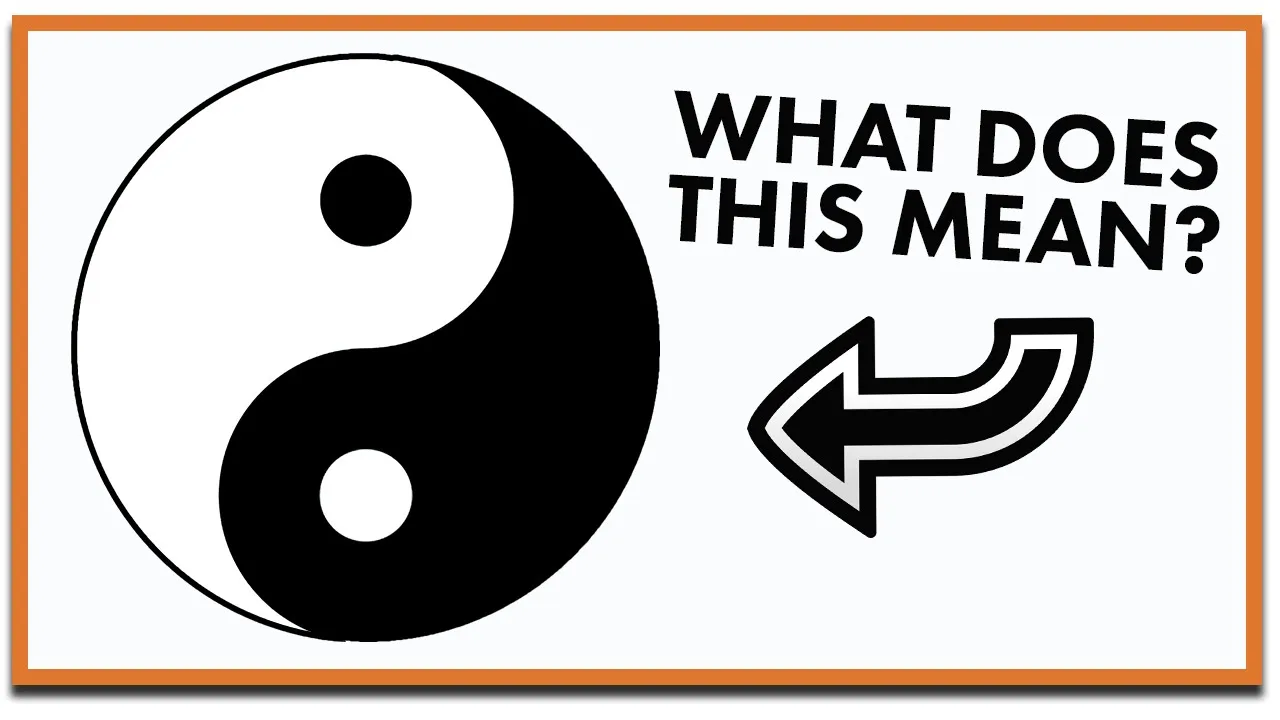
16:15
Yin and Yang Symbol Meaning: Taiji Philosophy History | Religious Studies
@ReligionForBreakfast
315K views•2023-02-10

164:01
John of Damascus on Holy Images: A Theological Defense
@BannedBooks
139 views•2026-04-25

12:17
Wuwei in Daoist Philosophy: The Art of Non-Action Explained
@ReligionForBreakfast
171.2K views•2022-12-18
4:57
The Myth of Sisyphus: A Greek Legend of Eternal Punishment
@TEDEd
8.6M views•2018-11-13
Related Study Plans & Knowledge Roadmaps
Structured learning paths in Philosophy
philosophy
Frankfurt School: Critical Theory & Culture
01Foundations of the Frankfurt School and Critical Theory
02Horkheimer & Adorno: The Critique of Instrumental Reason
03The Culture Industry and Mass Deception
+ 2 more learning modules
12h5 modules
Explore Roadmap
philosophy
Philosophy of Language: From Frege to Austin
01The Linguistic Turn: An Introduction to Language in Philosophy
02Gottlob Frege: Sense and Reference
03Early Wittgenstein: The Picture Theory of Meaning
+ 3 more learning modules
15h6 modules
Explore Roadmap
philosophy
Feminist Epistemology: Standpoint & Injustice
01Introduction to Epistemology and Feminist Critiques
02Sandra Harding and Standpoint Theory
03Donna Haraway and Situated Knowledges
+ 2 more learning modules
12h5 modules
Explore Roadmap
philosophy
Environmental Philosophy: Ethics & Deep Ecology
01Foundations of Environmental Ethics & Anthropocentrism
02Biocentric Individualism and Animal Liberation
03Ecocentric Holism and Deep Ecology
+ 1 more learning modules
10h4 modules
Explore Roadmap