






![[Плохбастер Шоу] МУЛАН 2020 (Катастрофа на Disney+)](https://i.ytimg.com/vi_webp/0Z80JPqizb4/maxresdefault.webp)




![「黄素妙論」[第二講]男女交合の目的について(VOICEVOX使用)](https://i.ytimg.com/vi/n8eBbZtr034/sddefault.jpg)







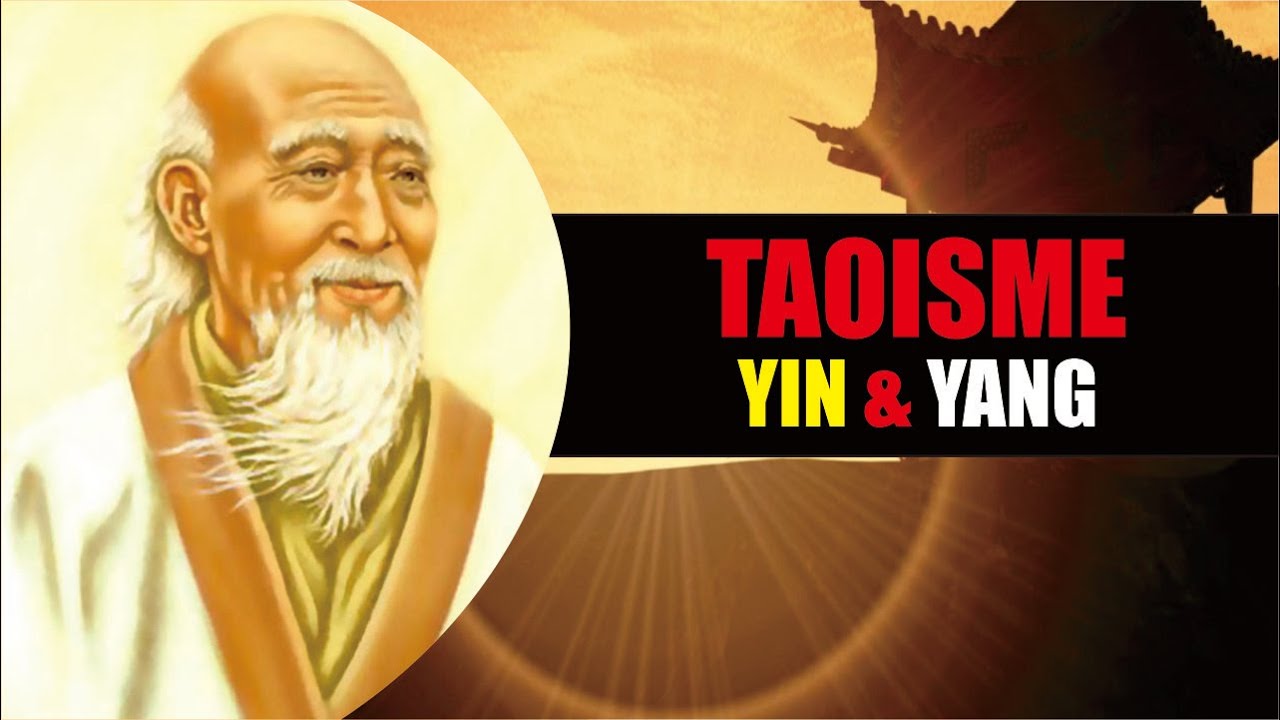
Yin and Yang are ancient Chinese philosophical concepts representing complementary forces that are interconnected and interdependent, symbolized by the taijitu (yin-yang symbol) showing two interlocking swirls with dots of opposite color in each half; these forces are not merely abstract opposites but fundamental cosmological principles that explain how the universe operates through continuous cycles of creation and destruction, and they serve as a practical classification system applied in Chinese medicine, politics, and daily life to maintain balance and harmony.
Yin and Yang Symbol Meaning: Taiji Philosophy History | Religious Studies
Added:Basic tenets of Daoism (Taoism), particularly the concept of the 'Dao' (The Way) as the ultimate source of existence.
The historical context of ancient Chinese philosophy, specifically during the Spring and Autumn and Warring States periods.
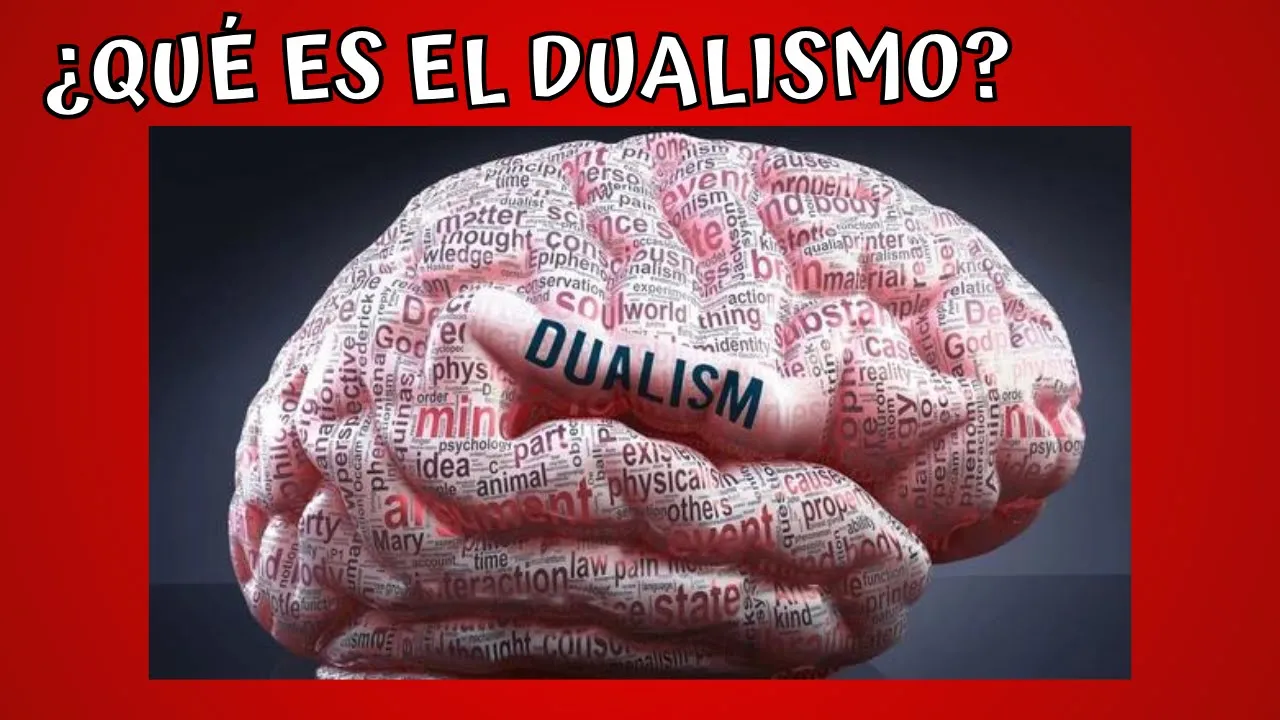
An introductory understanding of philosophical dualism, specifically distinguishing between oppositional and complementary dualism.
The fundamental concept of 'Qi' (vital energy) as understood in classical Chinese thought.
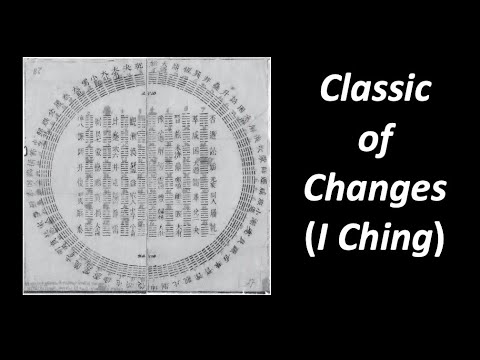
The integration of Yin-Yang theory into the 'I Ching' (Book of Changes) and its system of trigrams and hexagrams.
The practical application of Yin-Yang cosmology in Traditional Chinese Medicine (TCM) to diagnose and treat bodily imbalances.
The evolution of Taiji philosophy in Neo-Confucianism, particularly Zhou Dunyi's influential treatise 'Taijitu Shuo' (Explanation of the Diagram of the Supreme Ultimate).
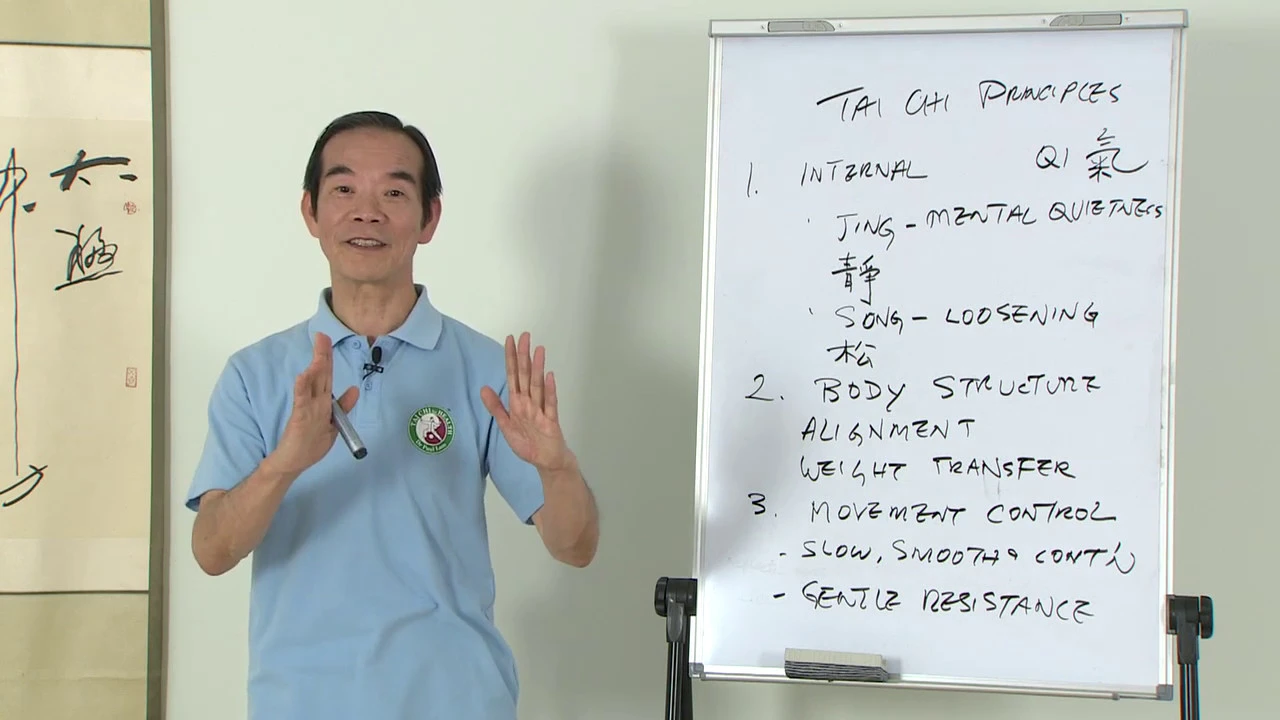
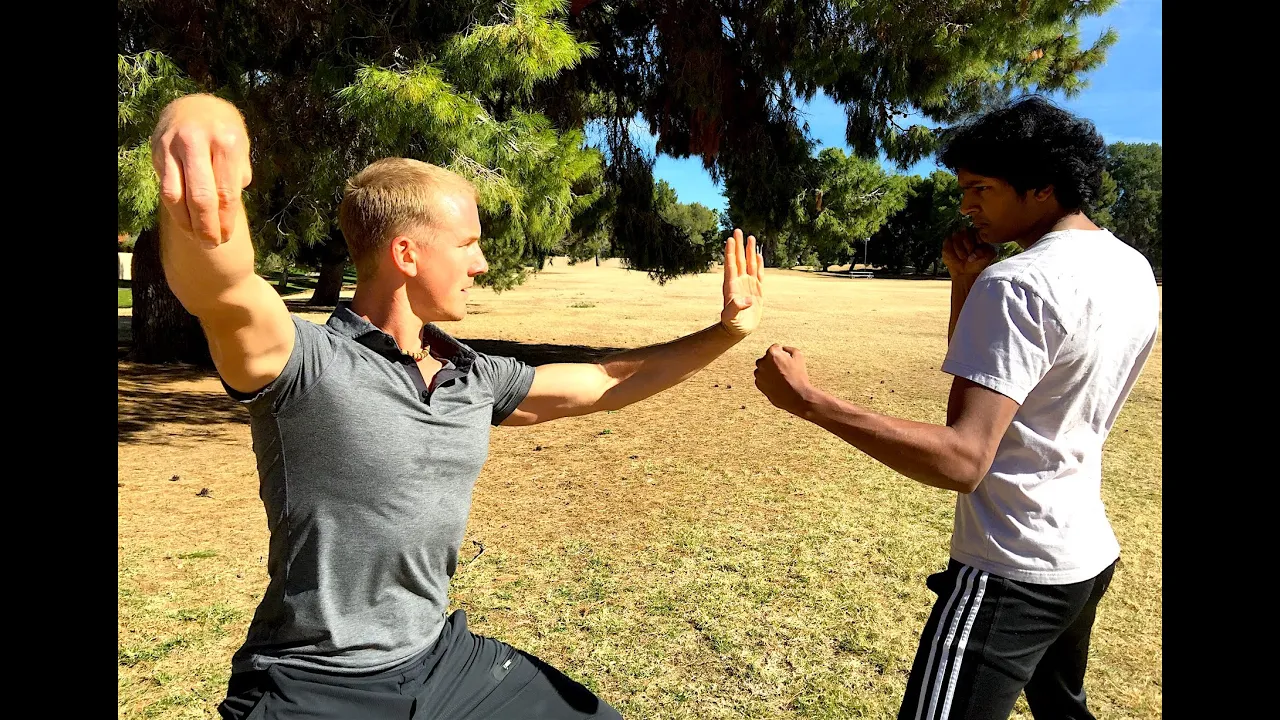
How Yin-Yang principles govern the physical movements, defense strategies, and philosophy of internal Chinese martial arts like Tai Chi Chuan (Taijiquan).
A comparative philosophical analysis of Daoist non-dualistic complementarity versus Western Cartesian dualism.
315K views12.7Klikes16:15Original Release: 2023-02-10
thanks to one dream for sponsoring this video this is the yin yang symbol you've probably seen it somewhere before maybe on a t-shirt or in a piece of jewelry or a retro martial arts montage it's composed of a circle that's divided by a curved line creating two equally sized interlocking swirls the swirls are usually black and white and each has a DOT of the opposite color in the middle this symbol has long been associated with Chinese religion and philosophy and especially taoism even though the concept itself predates taoism by hundreds of years given how old the concepts of Yin and Yang are it's surprising how recently the symbol was developed the symbol is actually called the taiji 2 literally image of the great ultimate and its familiar form has only been used since the Ming Dynasty the circular swirly version of the symbol first appears in a 14th century text before that yin and yang diagrams looked a lot different which first appeared around the year 1000 even earlier than that yin and yang were usually depicted using images of their Associated animals the black dragon and the white tiger but what exactly are Yin and Yang according to Chinese philosophy are they concrete things that you can touch or are they more like abstract Concepts and how have Taoist practitioners harnessed Yin and Yang in an effort to be healthier and more in tune with the universe if your head's starting to spin don't worry these Concepts can be very confusing but we're here to clear up some of the mystery surrounding yin and yang but not all of the mystery because then there would be no Yin left we'll get to that later as a quick note about pronunciation before we dive in I'll be saying yin and yang the usual way that the words are pronounced in English but in and yang more accurately reflect the modern Mandarin pronunciation I've made the decision to stick with the anglicized pronunciation because these two particular words have come into common use in English and are most recognizable to English speakers in their technically less accurate but more familiar English pronunciation the term Yin originally referred to the Shady Side of a hill while Yang The Sunny Side in this respect you can imagine yin and yang were very concrete geographical descriptors I can imagine a farmer in ancient China saying oh go plant those crops on the Yang side of the mountain for next season very practical connotations but eventually the words developed to denote more abstract things anything that is Shady dark and cool and anything that is sunny bright and warm or even more abstract like black and white presence and absence Clarity and mystery so in one sense yin and yang is a simple classification system associated with a whole slew of dyads or paired complementary opposites like these one of the earliest in-depth discussions of the yin yang system is found in the designations a text dating to the 3rd Century BCE and one of several manuscripts discovered in the mongwandui tombs in Hunan Province this text classifies a bunch of different dyads under the categories of Yin and Yang Autumn as Yin spring as Yang winter and summer non-action and action host and guest woman and man silence and speech receiving and giving it's a simple classification system categorizing the typical Partners in a whole series of parallel relationships with endless applications one of those applications is cosmology cosmology refers to theories about the origins and nature of the universe in science that means theories like the big bang but there are also philosophical and religious cosmologies that lay out different accounts of how the universe came into existence how it's organized and how it will eventually end Taoist philosophy in particular conceptualized yin and yang as cosmological principles or Primal forces by the late Joe period many Chinese philosophers agreed that in the beginning there was non-existence or nothingness from this came existence and then existential chaos or juandon this was just completely undifferentiated matter and then from that chaos was born the Dao or the natural order of the universe the Dow divided itself into the two Primal creative forces one called yin and one called Yang Scholars call this a spontaneous process of differentiation which is described in the earliest version of the doubted Jing as well as in words like the hongshin it's important to note that some Scholars take exception to describing yin and yang as anything other than binary classification labels and will emphatically tell you that they are not forces or substances of any kind that may be true for the earliest form of taoism but clearly is not the case by the time we reach the mid-first century CE later Taoist philosophers described the origins of Yin and Yang a little differently and can be summarized in the Dao de Jing chapter 42 the one became two the two became three and the three became many now this is a bit vague so let's unpack it like earlier philosophers taoists agreed that yin and yang were created by the Dao but it took several transformations of the Dao before yin and yang were created by taiji the great ultimate so that's the one becoming two The Scholar Jennifer bushio Likens this process to the different stages of cellular division cellular division has multiple phases but most are transformations that occur within the cell it's not until the last phase that it splits into two cells then from yin and yang interacting come the three kinds of chi or vital energy these three kinds of chi combine in infinite ways to create the Myriad of things that exist that's the two becoming three and the three becoming many everything in the known universe is believed to come out of this process that all goes back to Yin and Yang interacting but we shouldn't consider these Primal forces as exclusive completely one or the other let's look at the yin yang symbol again notice there's a DOT of white in the black half and a DOT of black in the white half this represents that each contains the seed of the other within it so while yin and yang are opposites they're not necessarily adversarial they are interconnected complementary and interpenetrating one cannot exist without the other we see this especially in how yin and yang were mapped onto traditional binary ideas about sex and gender in ancient China Yin is the Primal Force embodied by the feminine and yang by the masculine virtues traditionally associated with the feminine in ancient China include yielding passivity and flexibility while the masculine virtues are their opposites resisting activity and holding steady although this might sound like Yang is better than Yin here and the doubted Jing even though the intended audience would have been men students are encouraged to embrace and nurture the feminine elements of their nature if they really want to achieve harmony with the Dao the earliest known commentary from Ada school says this explicitly and repeatedly the commenter writes the feminine is the Earth the inborn nature of its body is stable women are patterned on it if a man wishes to congeal his Essence to nourish his spirits he should mentally pattern himself on Earth and be like a woman this emphasis on the feminine for men is probably a reflection of a desire to create a Hole by balancing a man's Yang and Yin forces returning to the yin yang symbol notice also that the two colors don't evenly divide the circle but rather Wax and Wane in opposition to each other this is important because it emphasizes how ancient Chinese people understood the cosmos to be endlessly cycling creating and destroying in proper turn winter gives way to Spring and ultimately summer but some are just as easily turns into Autumn and finally winter again the cycle never stops this is also why the yin and yang symbol is a circle and not say a square or a diamond we see this idea of constant cycling and transforming summarized in the ancient Chinese medical text called the inner classic of the yellow Emperor it says yin and yang are the underlying principle of Heaven and Earth they are the web that holds all ten thousand things secure they are father and mother to all transformations and alternations they are the source and beginning of all creating and killing so to sum memorize the previous section yin and yang were conceptualized as cosmological principles or Primal forces to use a metaphor from The Scholar James Miller yin and yang are a cosmic heartbeat According to which everything around us is undergoing a process of expansion and contraction they interact interpenetrate one waxes while the other wanes but ultimately they form a harmonious whole because yin and yang are hardwired into the basic fabric of the universe they also functioned as a classification system as Chinese philosophers identified the yin or Yang element of different things feminine and masculine Contracting and expanding below and above passive and assertive a lot of this sounds like impractical philosophizing but the principles have very practical effects they govern all aspects of Taoist theology ritual and practice for example there's an entire branch of Chinese cosmology called correlative cosmology that was applied on a political level determining who has the right to rule and on an individual level determining how to live a long Healthy Life by balancing Yin and Yang in the body correlative cosmology was based on the belief that the cosmos is a tightly ordered holistic system in which all things are connected and influence one another it's called correlative cosmology because it's based on correlating or matching stuff together based on yin and yang and what are called the five phases see yin and yang can be subdivided into their levels of strength minor Yang major Yang yin yang Miner Yin and major Yin think again of the analogy of the Shady and sunny sides of a hill as you walk up the Shady Side the sun will get brighter and brighter until you stand on the top perfectly balanced between the Shady and sunny sides as you walk down the Sunny Side the shade disappears behind you in the same way yin and yang are thought to Wax and Wane like this in correlative cosmology these five phases are identified with five elements would fire earth metal and water Water by the Han Dynasty Chinese cosmologists started linking each level of Yin or Yang with a whole bunch of other things specific colors animals directions vital organs and planets so for example the phase metal is associated with waning Yin the color white the lungs the number seven and the planet Venus this may seem crazy complicated and it absolutely is but it had practical applications you could use these correlations to determine when to undertake certain actions for example on a macro level correlative cosmology was one of the ways that Chinese dynasties claimed the Mandate of Heaven or the right to rule let's say that the ruling Dynasty Associated itself with the phase medal which is correlated with the planet Venus what would you do if suddenly the Imperial astronomers noticed something weird about Venus maybe a supernova outshining it in the night sky well this could be a warning from Heaven the Dynasty is losing the Mandate and the emperor better start offering sacrifices to any and all all major deities to fix it or maybe you're a powerful Noble eyeing the throne you could interpret this as the dynasty having already lost the Mandate giving you a very convenient excuse to seize the throne for yourself and if you did succeed in overthrowing the emperor it was important that you chose the phase that was stronger than the phase of the preceding Dynasty just to make it clear that you were the one that had been awarded the mandate to and you were not just some power-hungry warlord in this way you could say that maintaining the cosmic balance between yin and yang was a matter of National Security on a micro level this kind of correlative thinking is what underpins Chinese medicine and wellness generally we'll talk more about this in a future video on Qi and its role in maintaining Health but for now it might help to think about reflexology the alternative medicine system based on the idea that there are different zones in the body that can be manipulated for healing the idea behind reflexology is that you can touch a specific point on someone's foot and affect an entirely different part of the body the because the two share a metaphysical connection that's a very basic correlative system but the principle is the same no matter how many things you're trying to correlate with in the system within taoism specifically it's the basis for diets meditation and visualization practices as well as sexual hygiene in other words a lot of the ways that taoists practice their religion every day what they eat what they think about how they treat their bodies is rooted in the internal and external connections created by yin and yang and their mixing for example foods can be Yin or Yang foods that are thought to have a cooling effect on the body are classified as Yin these are things like watermelon or cucumbers while foods that heat up or warm the body are Yang Ginger pepper and cinnamon are all Yang Foods according to the inner classic of the yellow Emperor the foundational text of Chinese medicine eating too much of either can disrupt the balance of chi in the body and make you sick in fact any imbalance of Yin and Yang in the body can cause sickness another text says when any of that them is in excess they ensure Calamity and excess of the yin leads to diseases of cold of the Yang to diseases of heat this makes sense when you remember the yin and yang forces are what created chi on a cosmological level we'll talk about this in a future video but taoists throughout history have tried to control their health or turn back the natural processes of aging and death through manipulating the yin and yang forces in their bodies through Alchemy special diets and even sexual practices as this series on taoism goes on you'll be able to see more and more just how Central the ideas of interconnectedness and balance are to this system it's the innate connections between the body nature and these Cosmic forces that ultimately allow a Taoist practitioner to become a Transcendent or an immortal indefinitely roaming around the universe at leisure so let's return to the questions I asked at the beginning of this video we now know that in taoism yin and yang are conceptualized as Primal forces created when the Dao divided itself into two they don't have a physical form that you can see or touch but they're able to affect the physical world as the Contracting and expanding heartbeat of the cosmos yin and yang are often ascribed to dyads like black and white or hot and cold but they can also be a characteristic of things like food or planets ancient Chinese philosophers astrologers and taoists in general combined all the things that had Yin or Yen characteristics into a complex system of correlations with tangible effects on everyday life this correlative thinking underpins everything from how dynasties legitimize their political power to what people ate to the alchemical practices that we'll talk about in the next video thanks to one dream for sponsoring this video wondrium is an online learning platform featuring educational content like documentaries lecture series and tutorials today we talked about the Chinese philosophy underpinning the concepts of Yin and Yang as I mentioned these concepts are not abstract they're believed to be forces that you can balance in in your body either through the foods you eat or the ritual practices that you do yin and yang are a great entry point into examining the mind-body connection and if you'd like to learn more about this wandria offers a very highly rated series on mind-body philosophy taught by the philosopher Dr Patrick Grimm Dr Grimm walks you through simple questions questions like what is consciousness no I mean he walks you through really complicated questions like what is consciousness how is it that our physical brain creates very subjective experiences that we call perception or reality this series also examines Concepts Central to religious studies like the concept of the Soul or religious experience shout out to The One William James fan in the audience if you'd like to watch this series and more one dream is offering the religion for breakfast audience a free trial head on over to onedrium.com Rosa for breakfast or click the link in the comments below to get started thanks everyone
Up Next
10:18
Laozi and the Daodejing: Daoism's Ancient Chinese Philosophy
@OverlySarcasticProductions
193K views•2025-06-20

164:01
John of Damascus on Holy Images: A Theological Defense
@BannedBooks
139 views•2026-04-25

12:17
Wuwei in Daoist Philosophy: The Art of Non-Action Explained
@ReligionForBreakfast
171.2K views•2022-12-18
4:57
The Myth of Sisyphus: A Greek Legend of Eternal Punishment
@TEDEd
8.6M views•2018-11-13
Related Study Plans & Knowledge Roadmaps
Structured learning paths in Philosophy
philosophy
Frankfurt School: Critical Theory & Culture
01Foundations of the Frankfurt School and Critical Theory
02Horkheimer & Adorno: The Critique of Instrumental Reason
03The Culture Industry and Mass Deception
+ 2 more learning modules
12h5 modules
Explore Roadmap
philosophy
Philosophy of Language: From Frege to Austin
01The Linguistic Turn: An Introduction to Language in Philosophy
02Gottlob Frege: Sense and Reference
03Early Wittgenstein: The Picture Theory of Meaning
+ 3 more learning modules
15h6 modules
Explore Roadmap
philosophy
Feminist Epistemology: Standpoint & Injustice
01Introduction to Epistemology and Feminist Critiques
02Sandra Harding and Standpoint Theory
03Donna Haraway and Situated Knowledges
+ 2 more learning modules
12h5 modules
Explore Roadmap
philosophy
Environmental Philosophy: Ethics & Deep Ecology
01Foundations of Environmental Ethics & Anthropocentrism
02Biocentric Individualism and Animal Liberation
03Ecocentric Holism and Deep Ecology
+ 1 more learning modules
10h4 modules
Explore Roadmap