











![반도체 말고 '이것' 사라! 역대급 하락장 속에서 찾아낸 새로운 부의 이동 [판도]](https://i.ytimg.com/vi/QGqyaokGZbM/maxresdefault.jpg)



High performance computing is essential for modern digital transformation, requiring heterogeneous architectures that combine CPUs, GPUs, ASICs, and FPGAs to optimize different workloads efficiently; the semiconductor industry faces a positive cycle of increasing demand driven by compute's pervasiveness in all aspects of life, while strategic acquisitions like AMD's planned Xilinx purchase enable broader portfolio offerings and accelerated innovation across data centers, cloud, PCs, and edge computing.
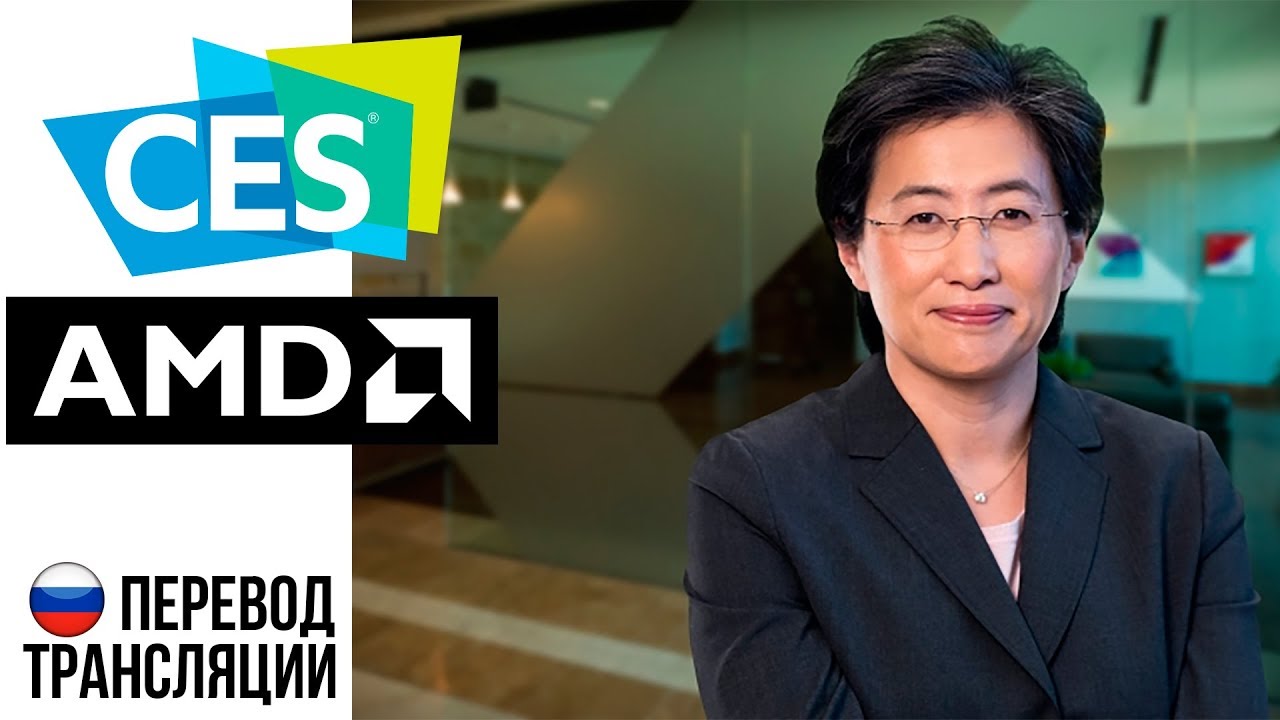
AMD CEO Lisa Su on High Performance Computing Vision
Added:Basic Computer Architecture: Fundamental differences between Central Processing Units (CPUs) and Graphics Processing Units (GPUs) and how they process workloads.
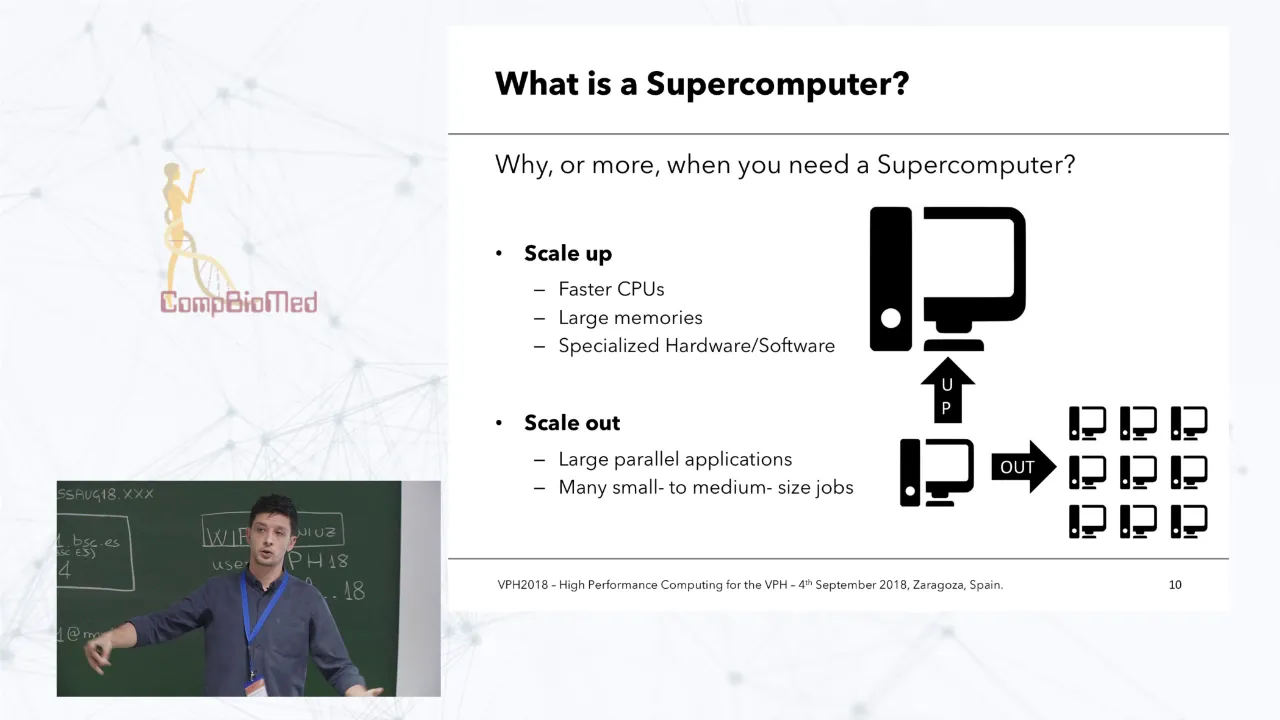
Introduction to High-Performance Computing (HPC): The concept of parallel processing and how supercomputers scale to solve complex scientific calculations.
Data Center Foundations: An understanding of cloud infrastructure, virtualization, and the hardware demands of enterprise-level data centers.
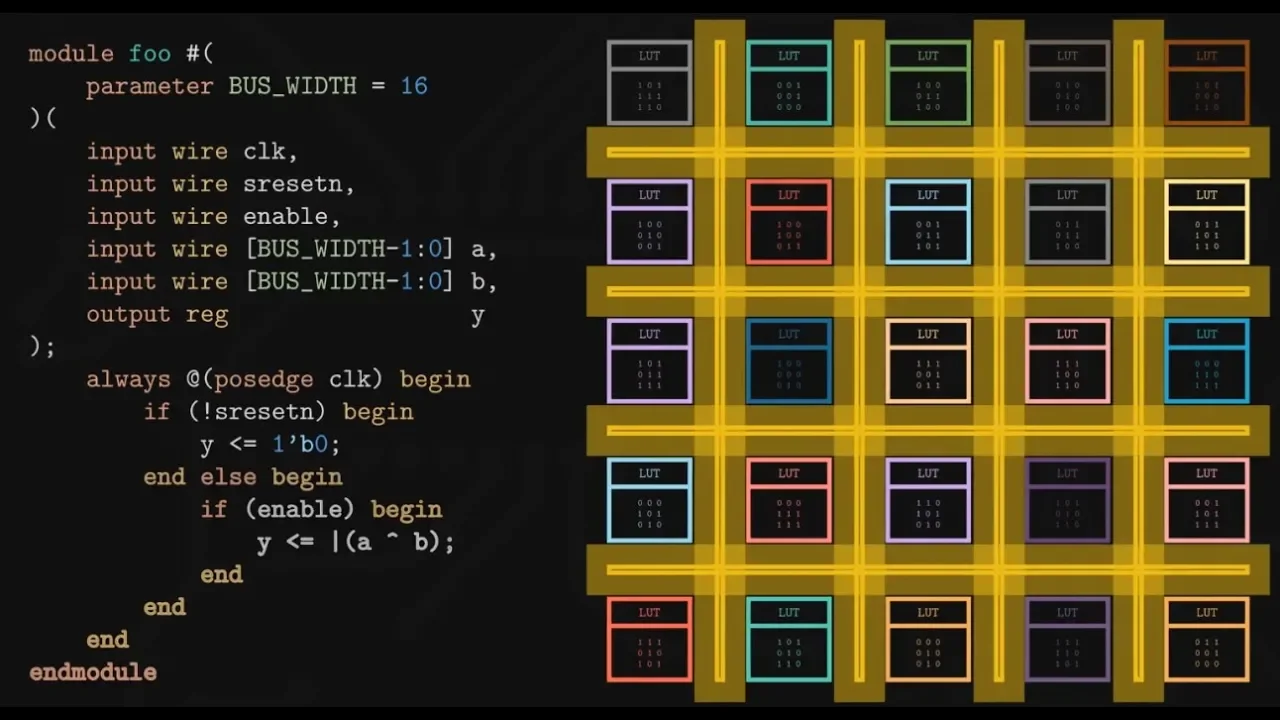
Understanding FPGAs: What Field Programmable Gate Arrays are and their role in specialized hardware acceleration compared to fixed-silicon ASICs.
Heterogeneous Computing Architectures: Deep dive into how CPUs, GPUs, and adaptive SoCs (like Xilinx FPGAs) are integrated using high-speed interconnect technologies.
AI and Deep Learning Hardware Accelerators: Investigating the specific silicon architectures optimized for training and deploying large language models and neural networks.
Semiconductor Industry Dynamics & Strategy: Analyzing the competitive landscape (e.g., AMD, Intel, NVIDIA) and the strategic value of mergers and acquisitions in tech.
Exascale Computing Case Studies: Studying real-world deployments of modern supercomputers (such as the Frontier supercomputer) to see how these hardware visions are realized in practice.
93.6K views8Klikes13:54Original Release: 2021-06-17
hello and welcome to the 6-5 summit i'm shelley kramer one of the founding partners of future research and on behalf of my team here at futurem and the team at moore insights and strategy welcome we're thrilled to have you in this keynote conversation more insights patrick morehead sits down with amd's president and ceo lisa sue and their conversation today is all about high performance computing and the role that hbc plays in our lives from the data center to the edge this technology is essential and i can't wait to hear what lisa has to share about amd's vision for the future let's go check it out lisa thank you so much for coming to the 6'5 summit for the second year in a row you're doing the big keynote for semiconductors and devices thank you so much it's great to be here pat thanks for having me this year absolutely it's been very busy year for amd so maybe the best place to start is maybe catch us up on some of the highlights and what you've been up to for for the last year yeah so uh pat it has been an incredibly busy year i think for all of us and uh you know we're always focused on bringing our new technologies to market and you know really focused on high performance computing as you know our cornerstone um and it's been a busy year you know lots of new products um you know we launched new products um with our zen 3 architectures and our rdna 2 architecture and you know across all of our markets so you know pcs gaming data center um so yeah it's been an incredibly busy time yeah it there doesn't go a week where i don't see some big home run announcement or something going on with amd it's exciting exciting place to be and it's fun to say i used to work there so right here exactly right here uh so the theme of this year's summit is is the roaring 20s and we're not out of covet yet but boy we are slowly inching we see the light at the end of the tunnel uh can you look into your crystal ball and talk about how are you looking for the opportunities of some people call the new new normal uh what comes next but we certainly are in a new period i've seen road maps particularly on sas properties and collaboration get pulled in years and i know that that has to have an impact there's a huge growth in the cloud but what are you seeing uh for this next new normal yeah i mean i i think you're you're right there's been just so much um acceleration of the pace of um of innovation and again the way you know i look at it i actually i would call it hopefully the better normal not even the the new normal but the the better normal is you know we've um we've now lived in a world where everybody realizes how important um semiconductors and and compute are um to everything that we do right whether you're a business or you know um you know you're a person or you're you know all of these applications um need more chips need more um computing and and so what we really see is you know this vicious positive cycle right so that this the cycle is we've now um you know adopted compute every aspect of our lives and um and that's true also in terms of digital transformation and businesses um we've worked out some kinks this year frankly it hasn't been the you know the technology hasn't been perfect but now it's better and it's more capable and we're going to make it even accelerate the use of technology going forward so yeah i think it's a incredible time to to be in the business yeah it is uh funny even 10 years ago when people are saying software is eating the world i would say well software has to run on something and it is incredible when you align semiconductors uh software in the cloud and and i'd like to double click in on the data center and uh under you're in the middle of all of that and i'm wondering what are you seeing some of the major trends the next three to five years in the data center and how uh is amd prepared to take advantage of that well look the data is extremely strategic to us and it's i think strategic to everyone and you know we look at the data center as you know sort of an evolving environment that is increasingly more and more heterogeneous so you know the idea that you know one size doesn't fit all you know frankly with as much data that is out there and as much as you want to do with it you actually need to optimize for various workloads and so you need cpus and gpus and asics and fpgas and you know from an amd standpoint you know our job is to really provide the foundational technology but then also the ability to mix and match the ip as you need in the data center and work very closely with our customers to bring that innovation to the market yeah the other thing that i'm seeing too is um it's not just in a huge building i mean it's on the edge it's in the mid-edge and we get into these debates on on what is the edge what is the data center edge but i think that's all goodness because uh you have to build this out to be able to take advantage of all that data that's being created on the edge so we're seeing a lot out there well actually not a lot but a few people designing their own ships leveraging uh arm ecosystem out there what are your thoughts on on that maybe how that plays out what does that mean and how does that relate to amd well you know i think again i think in the data center it's all about workload optimization so when you think about what the big cloud providers are doing or large enterprises it's trying to they're really trying to optimize their compute for the data that they're processing or the workload that they're trying to uh to handle and so you know i think there's a place for arm in the data center but it's more of a conversation of what are you trying to do like what is it you know what workload are you trying to handle um you know x86 um it really really handles the highest performance general purpose workloads um there's a lot of you know accelerated computing growth so you know you have gpus and other accelerators um and then there are you know some arm-based um you know compute instances as well and you know our goal is actually to pick the best compute for uh for each workload so that that's really the way we think about it yeah heterogeneity is is is important and one of the things that i always try to explain to people is hey don't don't confuse instruction set with uh performance or or even wattage i mean it really comes down to who's developing it uh you know how much you're willing to invest in and i think we see that that playing out every day speaking of heterogeneity amd announced its intention to acquire xilinx and xilinx brings a lot of really interesting ip and products to the table what does it mean for the data center what do people need to think about when it comes to xilinx and amd and the data center well we are really excited about the acquisition of xilinx and you know i think it's a phenomenal team that we're going to bring as a part of amd and it's really the idea of you know let us have the broadest portfolio of sort of high-performance computing elements and we want to put them together in the most efficient way so xilinx brings just leadership in adaptive computing um you know their fpga leadership you know our goal is to make sure that we can integrate that with our cpus and gpus and system solutions for people and when you look at the data center that's exactly what people want right they want to be able to choose these different types of compute and you know i'm also excited about some of the other markets that xilinx you know have a capabilities in you know it's like 5g and communications and automotive and industrial so those are all areas that we think we can you know take our high performance computing technology and really extend it um into a broader set of customers yeah i am uh many times having to explain the xylinks business on what they do and they might be known for fpgas but their heterogeneous designs they have i think are really super exciting i can't wait to see when the deal goes through how amd integrates all of that together yeah i mean if you think about it we'll have the full spectrum of you know general purpose you know cpus straight to you know gpus asics fpgas really in in a um in a total system solution that we can provide and work with customers on so yeah i'm excited as well yeah and even not to mention some asics that are uh slid in there in those designs as well so the full the full uh baileywick so let's talk about a little about what's going on in the semiconductor industry people are waking up and saying hey semiconductor is really important i can't buy my car or i can't get my chromebook uh for for my kid or my um or my pc uh or even uh you know a ps5 or something like that and and it really put a spotlight on on two things i think the first of all is supply okay and also there's been a lot of talk about where ships should be built where they shouldn't be built um what are what are your viewpoints on those well look i think there's no question that semiconductors have you know really become so much more pervasive uh they're in you know everything i mean basically everything and um you know what the pandemic has unveiled is really sort of the demand for semiconductors far exceeded what any of us as an industry predicted and so you know we do have this sort of imbalance between demand and supply that being said i mean you know you know our colleagues in the business are working extraordinarily hard to get more capacity online and that's significant capital investments that's doing all kinds of engineering work to you know qualify and bring more supply to bear so you know we will work through this like we have worked through other other times but no question there's there's significantly high demand and it's it's put a spotlight on the industry you know i think um on your broader question of you know what does it say about the industry i think as semiconductors have now become so essential it's the right conversation right you you want to have um you know geographic diversity you want to be able to ensure that you have assurance of supply and so you know i think it's a it's a great thing that we're talking about you know how do we as an industry and as a country invest more from a research and development standpoint as well as an entrepreneur manufacturing standpoint i love it if nothing else that it reinforces something that i've been seeing for over 30 years is that semiconductors are strategic and and whether you're a business whether you're an oem or an odm you can use semiconductors to get a strategic competitive advantage and that's why i'm i even like to see people doing their own designs and it because more competition and i know amd knows this more competition is is better completely agree when it comes to designs or even when it comes to manufacturing more is better and i think it will rise and i can't wait to see what the next five to ten years uh hold uh for us i agree i agree with that um so i'm going to give you the last word here uh and you know we have your investors we have your biggest customers we have your biggest ecosystem partners actually the biggest ecosystem partners participating uh in in the show as well any final last words any words of wisdom you'd like to share with them well you know i'll say that it's an incredible time to be in the semiconductor business um you know i feel um extremely fortunate and humbled that all of our uh technology is you know powering some of these uh you know incredibly important applications and what i would say you know to um you know to your viewers is look this is a chance for us to partner and accelerate the pace of innovation um and that that really comes when people put um all of their you know sort of technologies and know-how together and so that's very much what we're about is accelerating the pace of innovation in the high performance computing market so you know look forward to seeing um folks in person sooner rather than later and thanks for having us those are great words of wisdom and i feel i feel good that they're very consistent lisa i mean as long as we've known each other you've been very consistent on amd what amd wants to be and what amd wants to do and how it's going to do it and i appreciate that and i think your your customers your ecosystem partners appreciate that as well and i'm i'm excited i'm a technology optimist and i really believe that the technology can help us solve our hardest problems that are out there and we need more high performance computing uh to get there fantastic thank you so much pat yeah so lisa thank you so much uh for being a part of the show and you're gonna you made it so much better thanks so this is pat morehead with more insights and strategy signing off from the 6'5 summit 2021 with amd ceo lisa sue you
Up Next

8:58
Gen. Jack Keane: Why Israel Must Dismantle Hamas
@FoxBusiness
340.3K views•2023-11-10

12:54
Triumph of Orthodoxy Icon: Byzantine Art & History Explained
@BenCallan
2.1K views•2024-08-06

9:49
FastAPI vs Flask vs Django: Choosing the Right Python Web Framework
@TechWithTim
302.5K views•2024-05-26

1:42
Game of Thrones Opening Credits: A Cinematic Analysis
@gameofthrones
46.3M views•2011-04-18
Related Study Plans & Knowledge Roadmaps
Structured learning paths in General & Interdisciplinary Studies
general-studies
Elevator Engineering: History, Physics & Cities
01From Hoists to Safety Brakes: The Dawn of Vertical Lift
02Hydraulic vs. Traction: The Engineering Physics of Elevators
03Modern Speed, Safety, and Algorithms
+ 2 more learning modules
12h5 modules
Explore Roadmap
general-studies
Rubber: Material Science, History & Geopolitics
01Origins of Natural Rubber & Mesoamerican History
02The Chemistry of Natural Rubber & Vulcanization
03The Geopolitics of the Rubber Boom & Colonization
+ 2 more learning modules
12h5 modules
Explore Roadmap
general-studies
Containerization: Evolution, Logistics & Trade
01Ancient Trade & Bulk Cargo: Amphorae to Barrels
02The Industrial Revolution & Cardboard Packaging
03The Containerization Revolution: Malcom McLean
+ 2 more learning modules
12h5 modules
Explore Roadmap
general-studies
Textile Tech: Evolution, Labor & Global Impact
01Pre-Industrial Textiles: Handloom & Cottage Industry
02Mechanization: The Spinning Jenny to the Power Loom
03The Factory System & Global Labor Transformation
+ 2 more learning modules
10h5 modules
Explore Roadmap