








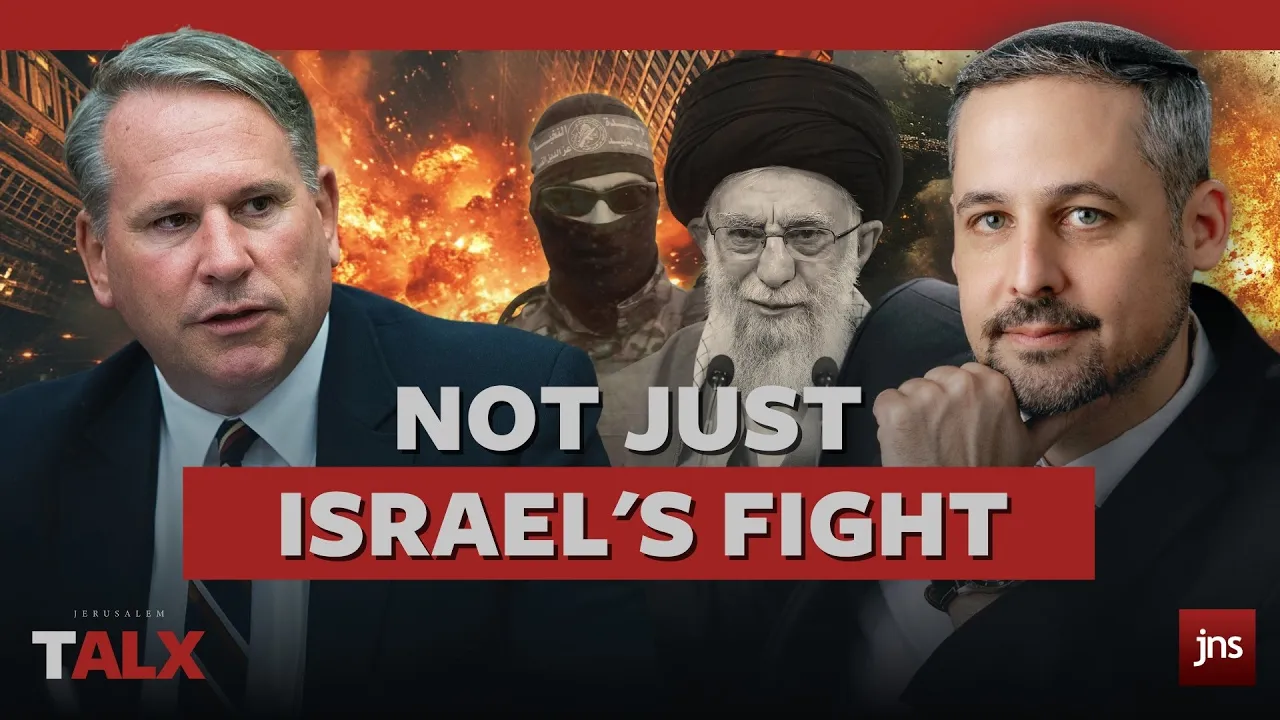




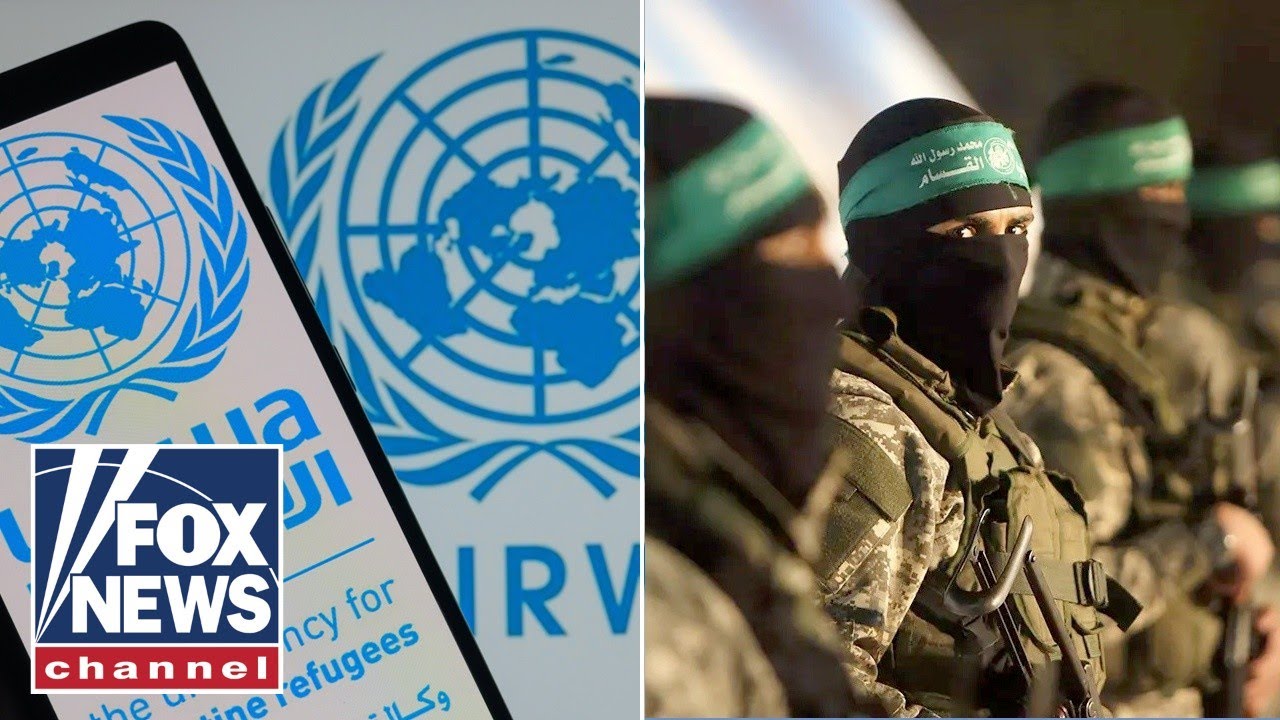



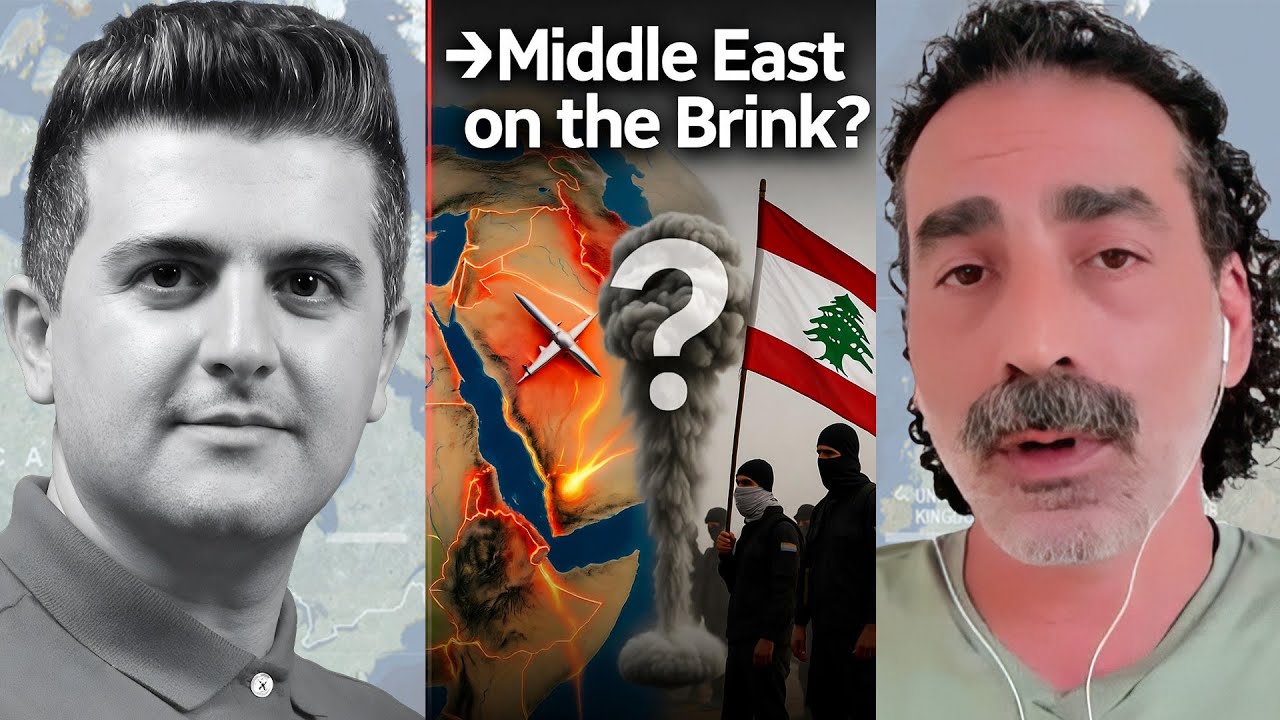


Iran has spent over 43 years pursuing strategic objectives to drive U.S. military out of the Middle East and destroy Israel through a sophisticated proxy network, including Hamas, Hezbollah, and various groups in Iraq and Syria. This strategy allows Iran to wage war without direct confrontation, making it difficult for adversaries to identify and neutralize the true threat. Dismantling such terrorist organizations requires sustained military effort over extended periods, as effectiveness cannot be quickly eliminated even with significant resources. The key challenge is that political leaders often hesitate to take decisive action against proxy networks due to fear of escalation, even when evidence clearly shows the sponsoring nation is behind the attacks.
Gen. Jack Keane: Why Israel Must Dismantle Hamas
Added:joing me now mentor and dear friend General Jack Keane retired fourstar General chairman of the institute for the study of War Fox News strategic analyst and presidential medal of freedom uh recipient I was in the room when he got it many years ago General ke it's always wonderful to see you sir um quickly General this is what Aaron con you know this special ops advisor is very smart chap um it's what he said on our show last night I want you to react to it please now now I can tell you from my sources that Israel is getting very close to wrapping up the little Hamas birthday present and ending it for good um I thought that was an interesting comment um you know he's a tough hardened guy you wouldn't say that if he didn't have evidence that's why I raised the point a second time about the 130 tunnels and so forth they seem to be doing better let's say the idef want to get your take on that well certainly I mean the the last time that they were in there with any consequences 2014 and they've gone to school on these tunnels they've trained on them they have a sense of how extensive and comprehensive they are they've got all sorts of uh technology to assist in this so I mean he's got sources inside and that's wonderful let let's applaud the fact that they've taken down 130 out of about the 300 miles of this thing uh good news there and if certainly if the Israelis can end this sooner that's on all sides of this thing and and certainly we they cannot give up on the new aim that their National leadership assigned to their military and that is to dismantle hamas's effective terrorist military organization take that Effectiveness away from them and certainly dismantle the governing aspect of Hamas as well that is a new aim and they've got to stick with it till it's accomplished do you think um I mean I I think it's a mistake probably to raise expectations too high about you know rapidly doing the job and this and that and the other thing um you still think it's going to take a while to get this job done using this new Mission this new aim you spoke about it's going to take a while yeah they what they can't do is is leave like they've done before where they've set Hamas back a number of years because they've taken they've killed so many leaders and the fighters in their infrastructure to dismantle an organization the effectiveness of the entire network takes time and we've had some experience in doing that ourselves in our 9/11 Wars but listen we're behind the Israelis 100% here and if they can do it faster than expected we're all we're all for it um let me turn to the um the issue of appeasement versus deterrence um I don't know look you're the general I'm not I grow weary I think these are in inadequate responses I just saw another Fox contributor foreign military man say the same thing uh why aren't we hitting harder why are we hitting terrorists yeah well a couple things here we've got to recognize Iran's strategic objectives to dominate and control the Middle East and the flow of Persian Gulf oil they have said that since the early 80s 43 years to accomplish that they got two very specific objectives to accomplish that goal one is to drive United States military out of the Middle East and they began that in the early 80s when they the Islamic Jihad forun the Hezbollah blew up the Marine Barracks blew up two of our embassies in the same year and and and we pulled away I'm not Rel litigating that decision that Ronald Reagan made and and they continue to do that throughout the years to reduce our military presence so what the second objective is to destroy the state of Israel so you have their instrument Hamas conducting this brutal Savage attack which has that as a goal and also their proxies in Iraq and Syria and and to include houthi are working on the other goal let's get the military out of the region and what they want is people in the United States to question why are we still in Iraq why are our troops at risk I thought we did that a few years ago they want that kind of growing up inside the American political system and that is to their favor but what we to stop those attacks and to prevent the loss of life I think is what our goal should be uh these little measur deliberate strikes are not accomplished you just reported very accurately if there is still capability there in Iraq and Syria that we can deal with and take that capability out in other words the instruments that they're using to attack us and we can get access to it do it but if that if we can't do that I would tell the Iranians then I've got to put at risk the irgc which is the organization is controlling these proxies that directed Hamas supported Hamas Etc and these Iraqi and Syrian proces they train in the irgc training center in Iran we should tell them we'll take that training center down 500 Hamas were there in September we should also tell them we're going to put that at risk if you don't stop the irgc bases that support their activities are going to be at risk as is the irgc headquarters and in some in bases in Iraq they're all in Iran they're all in Iran so why don't we so can I ask you sir I don't mean to interrupt you know this but look um the word don't is all we've really gotten from the president and I don't think don't conveys the clear message that you yourself just conveyed why not finish the sentence if you really believe that I I don't know what they have told the Iranians privately sometimes I understand public declarations have connotations to them I'd give them a pass if they were telling them privately what I just said and and let so our audience understands the Reagan team learned from what took place in the early 80s so when the Persian golf Interruption campaign began by the Irani remember they want to take control of Persian Gulf oil they started to disrupt it Reagan hit their oil platforms Iranian oil platforms and he hit their irgc bases shut them down when the Iranian proxies again were hitting our base in Iraq and Syria and doing damage to our people president Trump as opposed to just dealing with the proxies themselves he went after the man in charge of the irgc who was directing it and had him killed that put the Iranians back on their heels now why don't we take these actions why doesn't the administration do what we're suggesting because they fear that by taking a strike at Iran even though it's the irgc and they are directly connected to the proxies because that's on Iranian soil that that could provoke the possibility of a war with Iran if you put that under a microscope that kind of exhalation war with Iran makes no sense why for 43 years they have been using these proxies to fight a war for them for what reason so they don't have to fight it themselves they know full well if they ever got into direct conflict with the United United States they don't just lose a war they lose their regime good and that's not what they're going to do now would they hit us back if we hit him at home yes of course they would like they did with President Trump General they've been Waging War against us they're Waging War against us right now I agree they're in effect killing our American civilians and taking hostages I mean October 7th was Iran I know it was Hamas but it was Iran of course it's Iran and and all the other proxies that they're using in the region all to accomplish their goal destroy the state of Israel make it vulnerable politically isolated and also drive us out of the region so all of these proxies where they don't directly conduct the attack themselves this has been a brilliant strategy when they started it because never before that a country hire other people in another country to make an attack on their adversary to way they have done it consistently for 40 something is and every president that steps into Power seems to have to learn this lesson again that what's really going on here Iran is behind all of it this Administration has enough evidence to know what to do here they they they are paralyzed by the fear that they believe that their actions will escalate and will be at war with Iran I don't believe the evidence for 43 years supports that all right we'll leave it there General Jackson thank you sir good talk
Up Next

CIA Spy on Persuasion Psychology and Social Engineering Tactics
@TheBrettWay
1M views•2024-07-23

Walking in the City: Urban Rituals and the Flâneur in Contemporary India
@PSBTIndia
1.9K views•2016-08-02

FastAPI vs Flask vs Django: Choosing the Right Python Web Framework
@TechWithTim
302.5K views•2024-05-26

Game of Thrones Opening Credits: A Cinematic Analysis
@gameofthrones
46.3M views•2011-04-18
Related Study Plans & Knowledge Roadmaps
Structured learning paths in General & Interdisciplinary Studies