




















![TENSÃO SUPERFICIAL PULMONAR [Respiratório 10]](https://i.ytimg.com/vi_webp/UqYeDVdExJU/maxresdefault.webp)

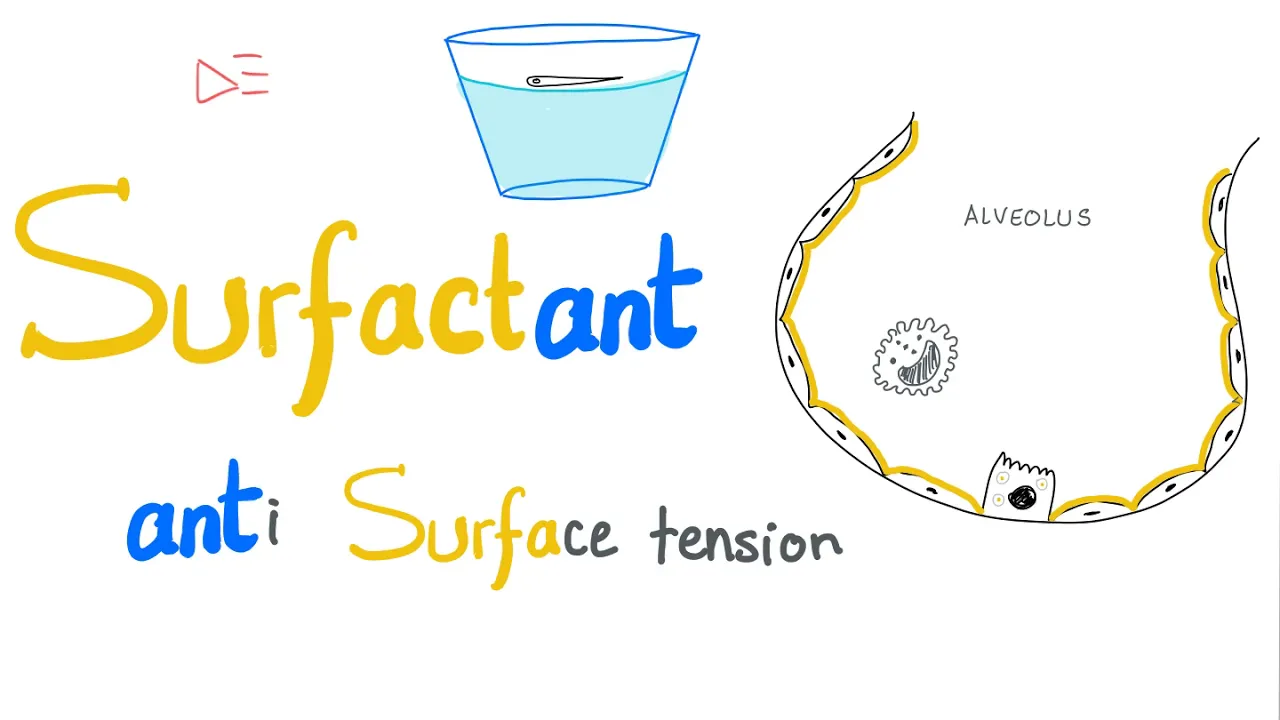
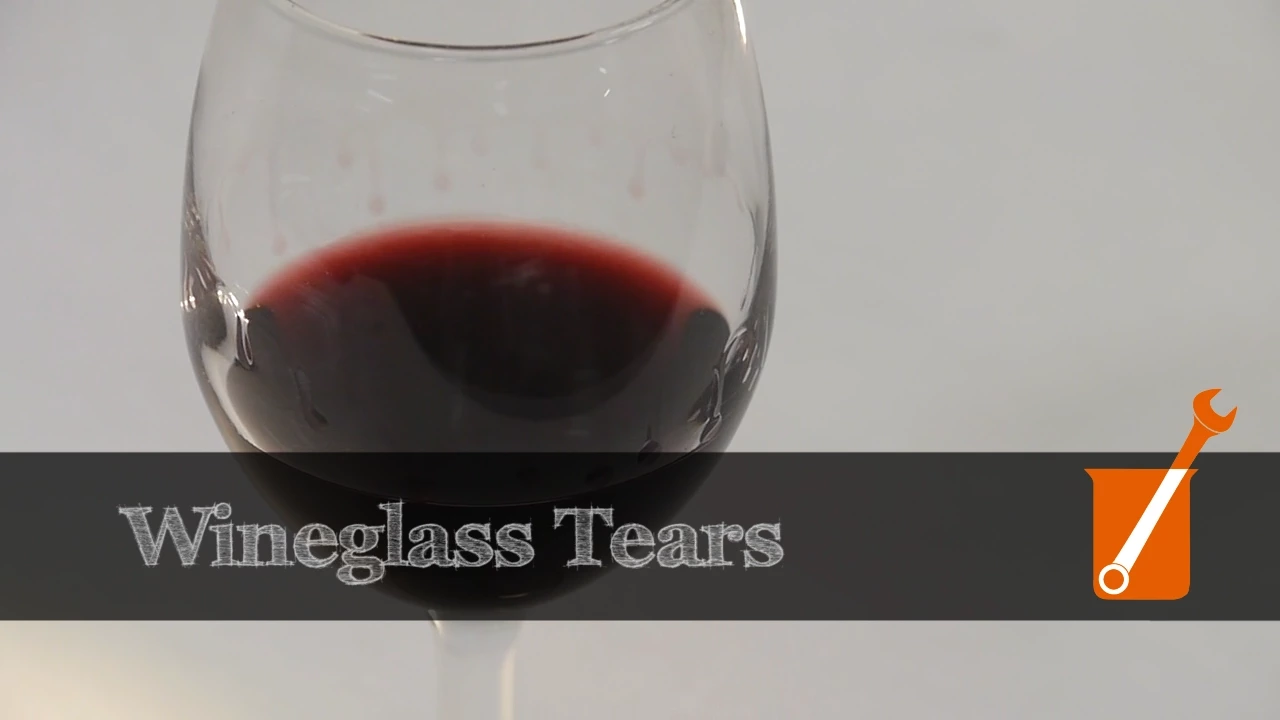
Wine tears (or wine legs) form due to the Marangoni effect, which occurs when alcohol evaporates faster than water at the wine's meniscus, creating a surface tension gradient that pulls liquid upward along the glass walls; this phenomenon reveals the alcohol content of wine rather than its quality, and the same principle is applied in TIG welding for spacecraft construction.
The Physics of Wine Tears and the Marangoni Effect
Added:The concept of surface tension and cohesive intermolecular forces in liquids.
The behavior of binary liquid mixtures (specifically ethanol and water) and their differing evaporation rates and volatility.
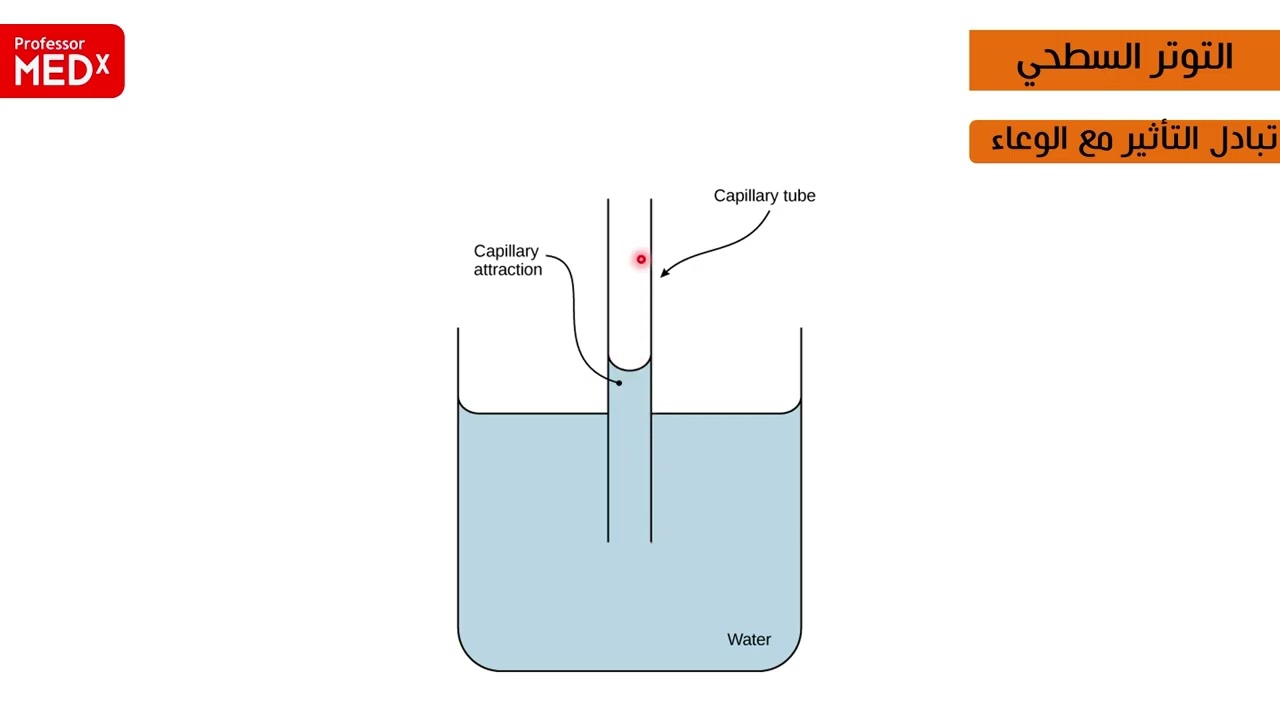
Capillary action and wetting behavior, which explains how a liquid meniscus forms against a solid surface like glass.
Basic fluid mechanics principles, including viscosity, gravity's effect on fluids, and pressure gradients.
The mathematical modeling of thin-film dynamics and Marangoni instabilities using Navier-Stokes boundary conditions.
Industrial applications of Marangoni flows, such as in semiconductor wafer drying, coating technologies, and inkjet printing.
Thermal vs. solutal Marangoni convection, and how temperature gradients drive surface-tension flows in processes like welding and crystal growth in microgravity.
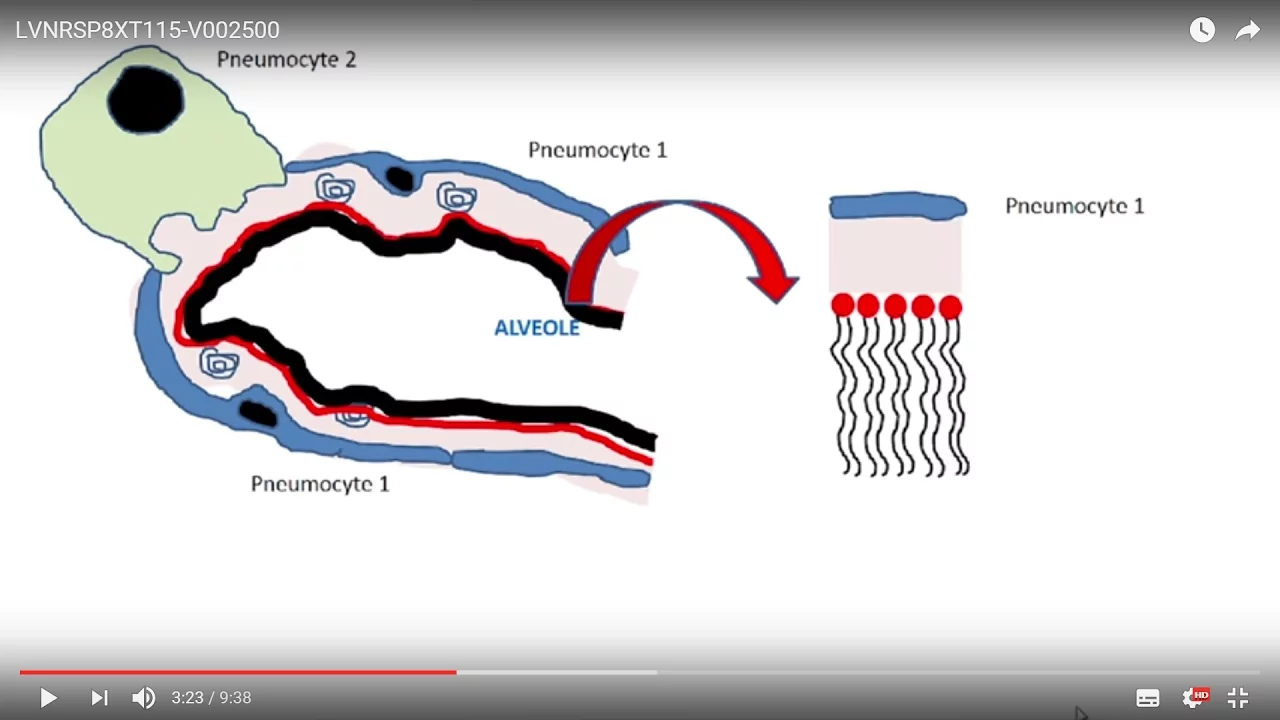
The physics of surfactants and how they are used to manipulate surface tension in chemical engineering, food science, and pulmonary medicine.
702.1K views31.8Klikes10:24Original Release: 2019-10-25
- [Dianna] I think that that's kind of the most amazing thing to me, is this, the little bounce of the droplet.
And you don't usually notice that when you watch wine and it tears. - [Paula] You don't, 'cause you think it's just- - That's so cool. Oh my gosh.
Hey, I'm Dianna and I'm having a bad hair day.
So there's this really cool thing that wine does.
I'm personally not much of a drinker, but I'm told this is well known.
If you swirl your wine and it forms legs or tears on the glass, it is a fine wine.
And the explanation seems self-explanatory.
You swirl the wine, the legs form.
They look like tears falling down. End of story.
But not if you look closely.
If you look really closely at the tears, things start to not make sense.
Let's dig into the weird reason behind this phenomenon and whether it can actually tell you anything about the quality of wine.
And then we're going to look into how the force behind this phenomenon helped us build the space shuttle.
Beep boop (laughs) The first weird thing that you notice is that as the tears fall, they bounce as they hit the bulk of the wine.
They dance around.
Okay, that's a little odd, but maybe it's a hydrophobic thing.
I don't know.
But then you sit here for a minute and another minute and another minute, and you realize that the tears have been falling for over five minutes.
That seems excessive, but maybe they just fall really slowly.
I don't know, who can gauge time anyways?
And then you realize you've never seen this in a wine bottle, only a wine glass.
And then someone shows you a special glass filled with whiskey instead of wine, where the tears start without even swirling first, which means the liquid flowed up the glass first by itself, no human intervention and the tears still fell.
Yeah, there's definitely something weird going on.
This falls into the category of everyday mysteries and I'm already wearing my detective hat.
But this time, there is legitimate research behind this phenomenon.
There's a whole new paper out about it.
And we went to UCLA to talk to the researchers in the applied mathematics department who worked on the mathematical model describing wine tears.
- People always ask me when I show them this, they're like, why are you researching this?
Why is this important? (laughs) You know, outside of the cool, interesting mathematics behind it, which we are really excited about, anything that can use Marangoni flow will benefit from the mathematic tools behind such models.
- [Dianna] At the lab, Claudia poured some wine into a cocktail glass and then put it on a projector so we could see the details of the tears close up.
And then we saw even weirder things.
- The tears didn't start until you uncovered the glass.
And then you saw this really subtle shockwave moving up the glass from the liquid and only then did a ridge form and the tears started falling.
So what's going on?
Well, clue number one, it's not called tears of orange juice.
It doesn't work with orange juice. I tried.
Oh, oh, oh.
Okay, are you ready for this Levi?
Tears, tears, no tears, no tears, no tears.
Okay, so alcohol content must be important.
Keep that in mind.
Have you tried it with grape juice?
- Well actually, technically I've tried it with grape juice because I've left this, Andrea came in and I was like, let me show you this really cool thing that we found and nothing was happening.
I didn't think it would go away that fast.
If there's not alcohol, it won't happen.
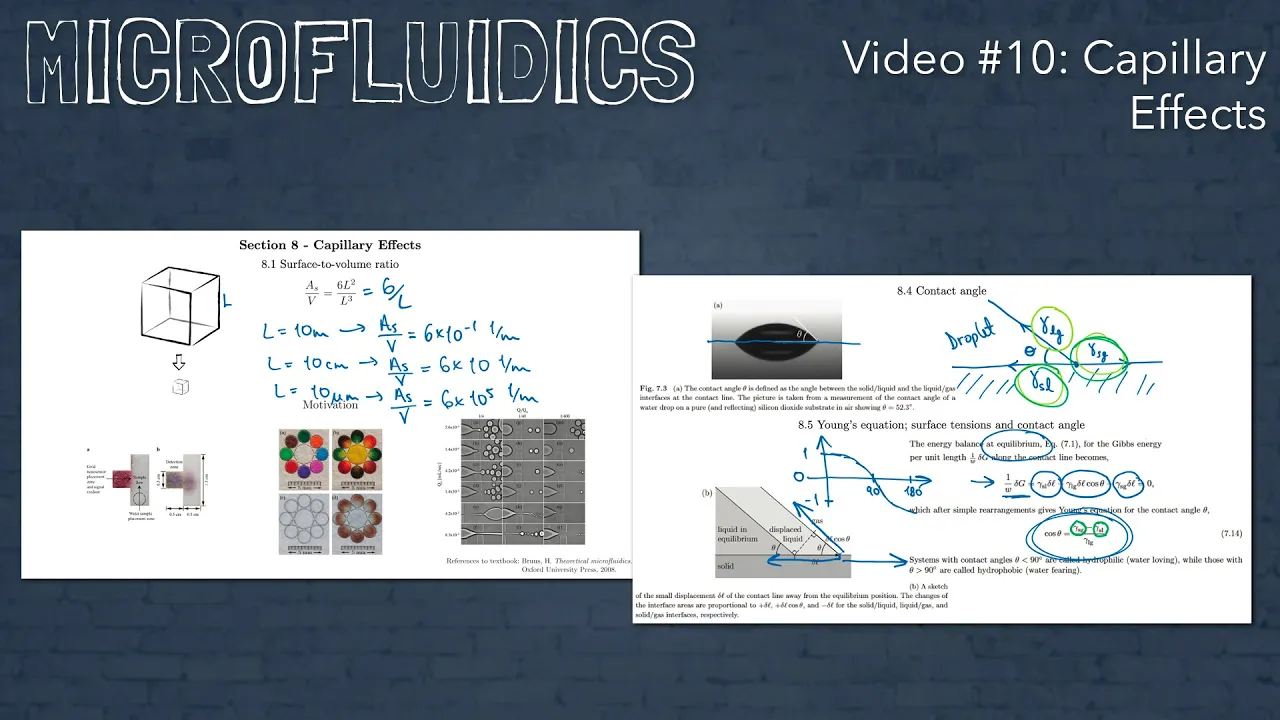
- Tears of wine form because of something called Marangoni effect, which has to do with surface tension.
And we're gonna do a little demo here that's gonna help explain it.
Take some water.
You should do this at home, by the way.
Really, you should.
Take some water and put it on a plate and then sprinkle some nutmeg or pepper or whatever you want onto the water.
Then take a little bit of soap and you're gonna put it right in the middle of the nutmeg.
(gasps) Ahh, I love this one!
A lot of people will tell you that the soap is breaking the surface tension of the water, which is not true.
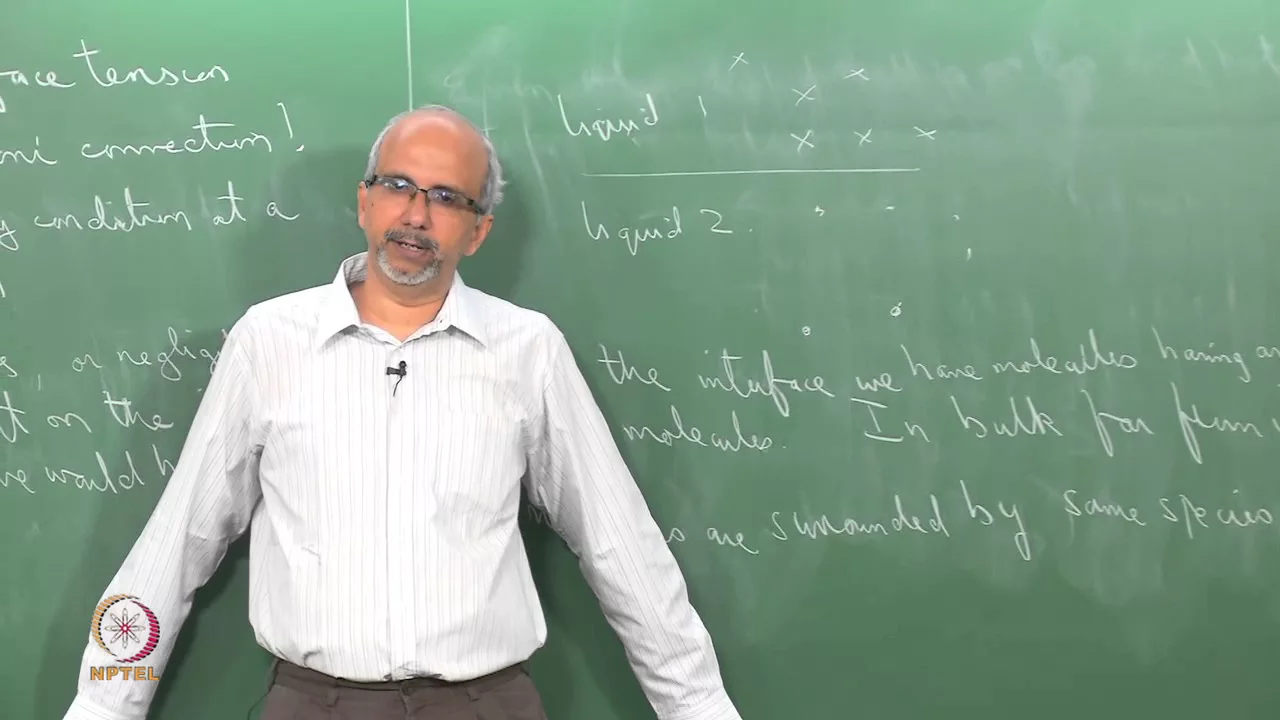
When you've got liquid with a strong surface tension, the molecules in the liquid, like the water molecules, are really strongly attracted to each other.
And that creates this strong net of surface tension on the top.
Water has a higher surface tension than soap.
So when you put the soap in the middle of the plate, it tends to spread out over the surface, which has to do a little bit more with chemistry, but we're not gonna get into that because this is not "Chemistry Girl."
So you've got the soap in the middle with a lower surface tension, and then you've got the water on the sides with a higher surface tension.
And the high surface tension will pull and overcome the lower surface tension so that everything moves outward because you had a surface tension gradient from low surface tension to high surface tension.
Remember that because it's gonna help us figure out what's going on with the wine tears.
So now the wine.
Wine is a mixture made of mostly water and alcohol, which have different surface tensions.
So there's the potential for a surface tension gradient, just like with the soap and the water, but the water and the alcohol are mixed together.
- [Paula] So you can think of like flat, flat bulk of wine, and then a little bit dip.
- Over here, it's gonna form a little curved surface.
And this is the starting point of our climbing film.
- [Dianna] That's the meniscus.
- [Paula] That's the meniscus.
Then I'm gonna remove this and evaporation is gonna be enhanced.
What's happening is now at the meniscus there's less alcohol concentration.
- [Dianna] Less than where?
- [Paula] Than at the bulk.
- [Dianna] So in the meniscus, there's less 'cause it's a little bit spread out there- - And there's more evaporation there.
- A-ha! So alcohol evaporates more quickly than water.
And at the thin meniscus, you get more evaporation effects.
So then the meniscus becomes more watery and therefore has a higher surface tension than the bulk of the wine.
The fluid at the meniscus is pushed up the walls of the glass because it has that higher surface tension.
So this is crazy. The fluid is actually moving up the glass.
The higher the alcohol content, the stronger the effect will be, which is why it works really well with whiskey.
But that means that whether wine forms tears or not really only tells you about the alcohol content of the wine and not much about the quality.
Sorry.
Now, fluid moving up the glass explains the shockwave that you see.
It also explains why the tears last so long.
That ridge at the top where the tears are falling from is constantly being replenished.
And as we mentioned, the movement of fluid because of a surface tension gradient is called the Marangoni effect.
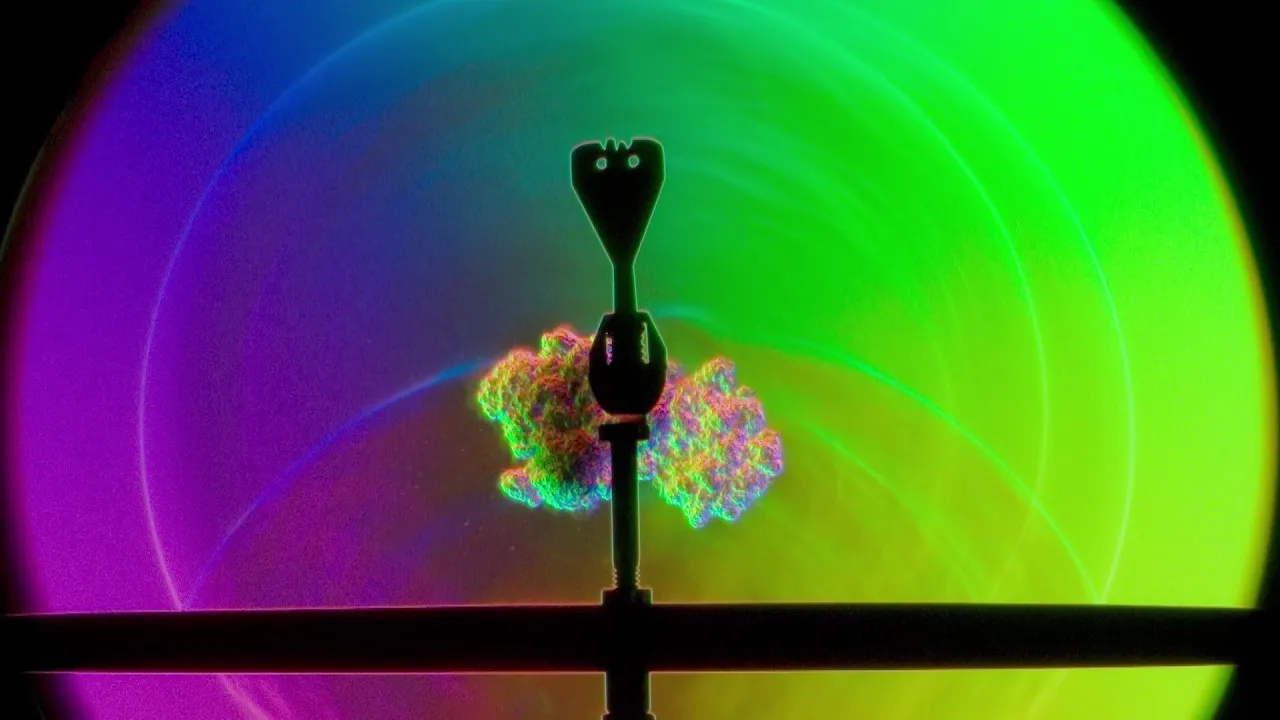
And it's the same effect responsible for this award-winning fluid dynamics photo.
I actually got to see the lab where this image was made, where they did this at ESPCI when I was in Paris to go on the Vomit Comet with e-penser and Veritasium.
Shoutout to that old video. (laughs) So the difference in evaporation rates of alcohol and water combined with this surface tension gradient caused by the difference in surface tension of alcohol and water creates the tears of wine because of the Marangoni effect.
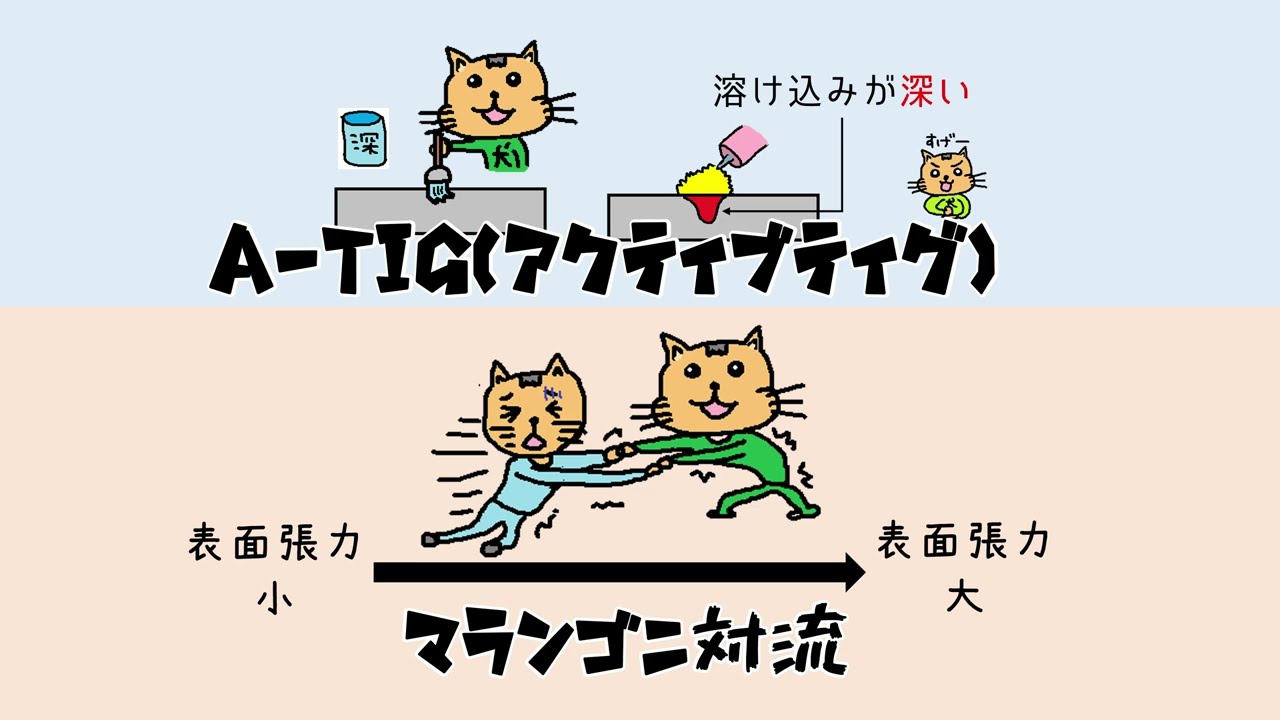
The Marangoni effect is also responsible for the way welders distribute molten steel correctly at joints.
- We can form this surface tension gradient using different effects.
So in this case, it's the evaporation, but in the thermal management system, it could be because of the thermal effects.
So when you change the temperature, the surface tension can also be changed.
- In this case, a difference in temperature causes the difference in surface tension, which drives the metal to flow toward the joint.
Without the Marangoni effect, you could say goodbye to space satellites and the space shuttle.
TIG welding is used to build these spacecraft because it's the best choice for aluminum, the lightweight metal most spacecraft are built from.
It is so cool that researchers are constantly learning more about phenomena that seems so simple, that you'd think we'd already know everything there is to know.
- But this whole thing started from a class by our PI professor, Andrea Potosi.
She was like, okay, let's try this series of wine experiments.
As one of the grad students got very interested in this project.
- It was a really, really cool project because you were starting off from this very physical everyday problem.
But then it also involves all the cool aspects of applied math.
Yeah, it was amazing, wine and cheese, the best things you can do in class.
It's also a really cool project, but not as tasty.
People also studied how milk turns into cheese and rots.
And that's also a very ordinary problem - By the way, I never explained why the droplets bounce when they reach the bulk of the fluid.
It's because right there at the meniscus, you're getting this really strong flow upward.
So the droplets are coming down, but they're meeting this upward flow and they kind of just bounce off.
That's so cute.
This is a really fun mystery. Another case in the bag.
Thank you so much to all the researchers at UCLA who spoke to me about this and got excited with me.
It was really fun. And thank you guys for watching.
And happy physics-ing.
Real quick, before you go. Okay, so talk about crazy hair.
I got to participate in the YouTube original series for Vsauce3, an awesome science channel.
I know many of you have seen it, but he's doing this crazy series called "can you survive the movies?"
And he's remaking incredible movies, like "Back to the Future," where I played Doc Brown, they gave me wild, giant hair.
It was so much fun. We filmed on the Universal lot.
It was like a legit movie set.
I've never done anything like that.
Me and Levi film here alone in my office. (laughs) Go check it out. There's a link in the description.
He's got a bunch more movies besides "Back to the Future," but it just starts with that good one.
Okay, bye.
(upbeat music)
Up Next

7:29
Marangoni Effect Solves Mazes Using Fatty Acid Surface Tension Chemistry
@TheActionLab
1.3M views•2020-05-10

12:53
21cm Hyperfine Transition in Neutral Hydrogen: Radio Astronomy Basics
@AaronRobertParsons
12.4K views•2011-10-13

9:24
How to Build an Acoustic Levitator: Physics of Sound Levitation
@physicsgirl
689.7K views•2017-12-14

27:14
Entropy and the Second Law of Thermodynamics Explained
@veritasium
27.5M views•2023-07-01
Related Study Plans & Knowledge Roadmaps
Structured learning paths in Physics
physics
Nuclear Physics (Decay, Fission & Reactors)
01Atomic Structure and the Binding Force
02Radioactive Decay and Half-Life
03Nuclear Fission Mechanics and Chain Reactions
+ 2 more learning modules
12h5 modules
Explore Roadmap
physics
Soft Matter (Polymers, Colloids & Rheology)
01Foundations of Soft Matter & Thermal Forces
02Polymer Physics and Macromolecules
03Colloids, Surfactants, and Self-Assembly
+ 2 more learning modules
38h5 modules
Explore Roadmap
physics
Analytical Mechanics: Lagrangian & Hamiltonian
01Mathematical Foundations: Calculus of Variations
02From Newtonian Mechanics to Constraint Dynamics
03The Principle of Least Action & Lagrangian Mechanics
+ 3 more learning modules
28h6 modules
Explore Roadmap
physics
General Relativity (Spacetime & Cosmology)
01Foundations of Relativity: Special Relativity
02The Geometry of Spacetime: Equivalence Principle & Curvature
03Einstein's Field Equations: The Mathematics of Gravity
+ 2 more learning modules
55h5 modules
Explore Roadmap