










![[EN] Computing, but not as you know it: analog computers (I) - B Ulmann, D Thuerck](https://i.ytimg.com/vi/58NDZ3N4z9Q/maxresdefault.jpg)




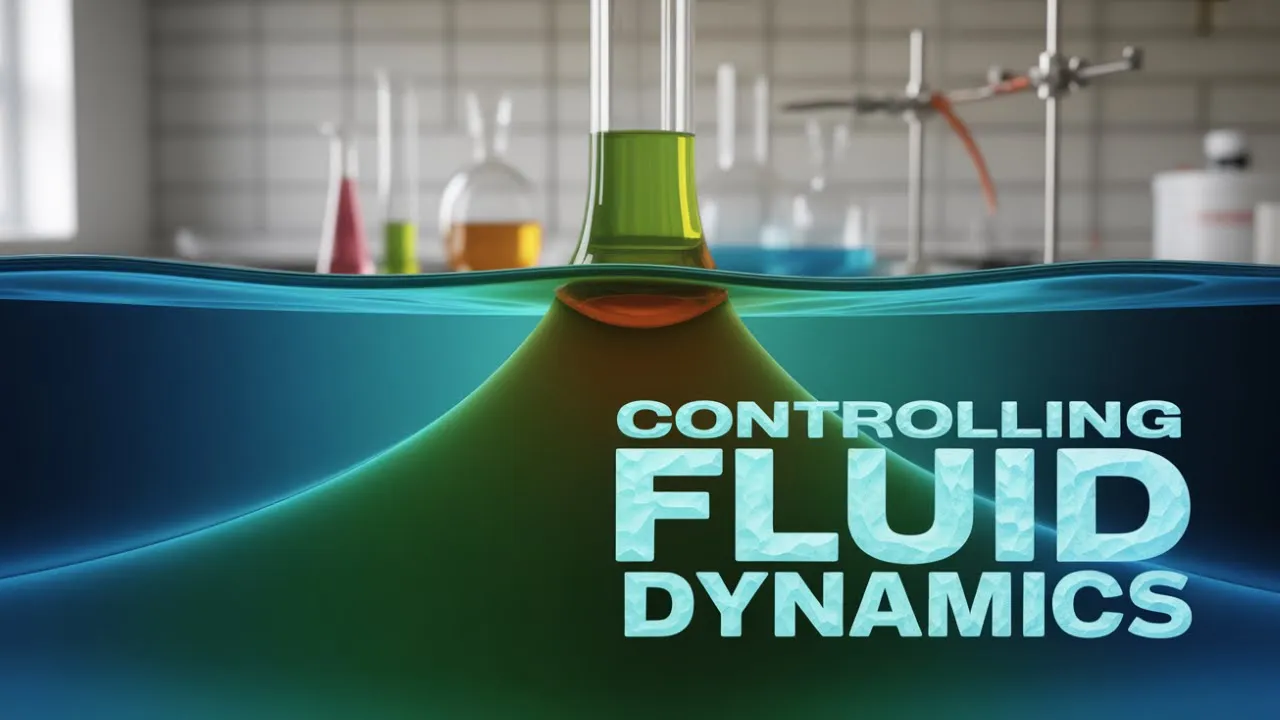










The Marangoni effect, which causes liquid to flow from areas of low surface tension to high surface tension, can be harnessed to solve mazes by creating a concentration gradient between deprotonated (low surface tension) and protonated (high surface tension) fatty acid molecules; when dye is introduced into a maze containing this gradient, it naturally flows along the path of least resistance to find the shortest route to an acidic endpoint.
Marangoni Effect Solves Mazes Using Fatty Acid Surface Tension Chemistry
Added:The concept of surface tension and cohesive forces at liquid-gas interfaces.
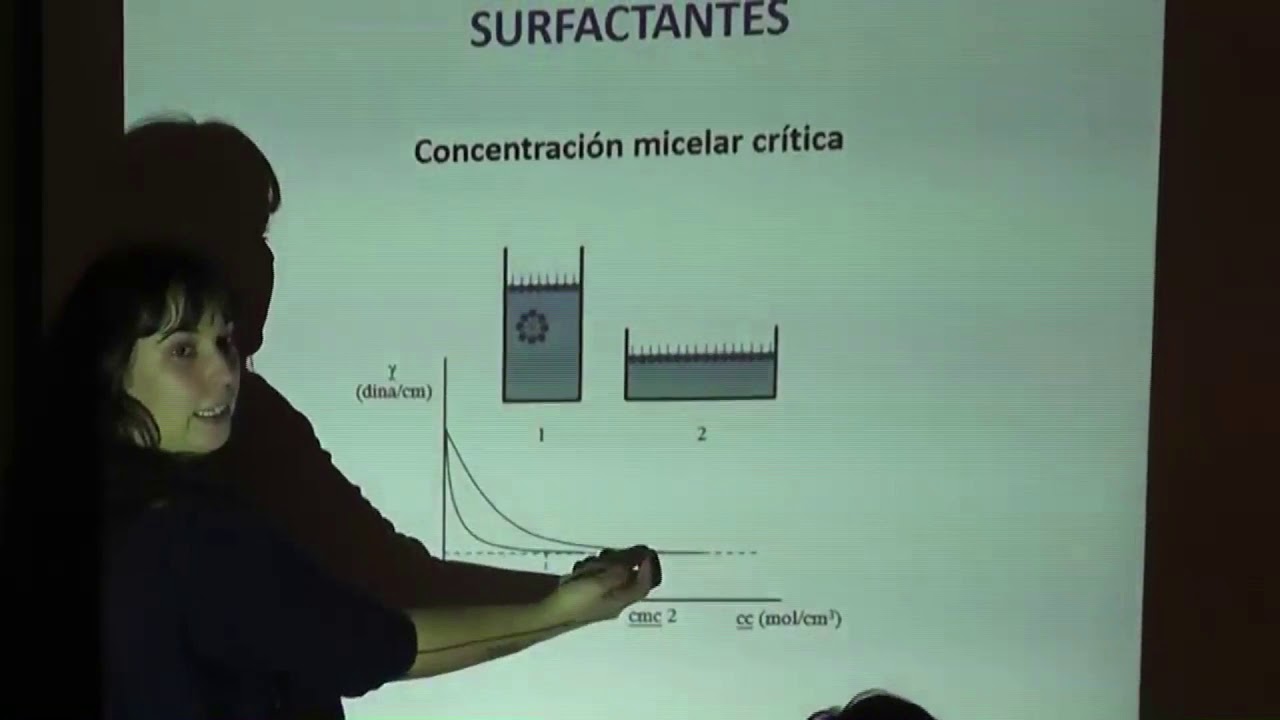
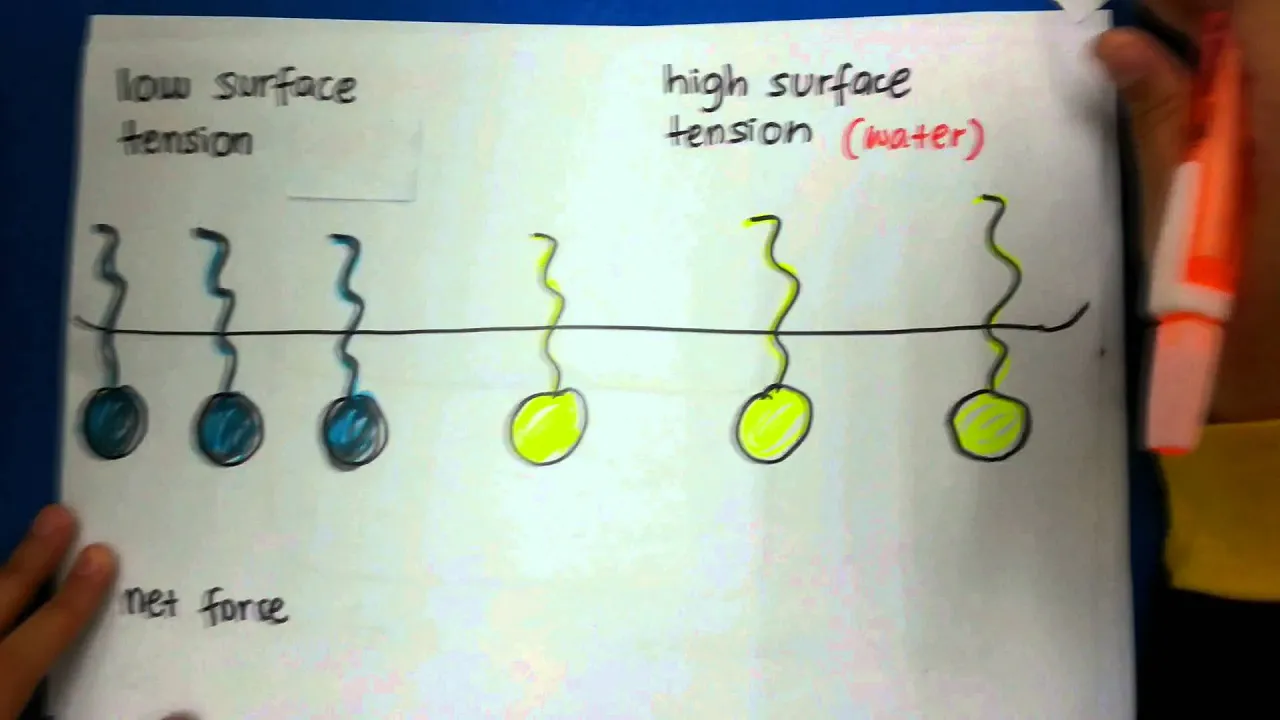
The molecular structure of fatty acids (surfactants) and how they lower the surface tension of a liquid.
The definition of the Marangoni Effect, specifically how fluid flows from areas of low surface tension to areas of high surface tension.
Fundamental concepts of analog computing, where physical systems are used to model and solve spatial or mathematical problems.
Microfluidics and 'Lab-on-a-Chip' technologies that utilize surface tension gradients to manipulate fluids at the microscale.
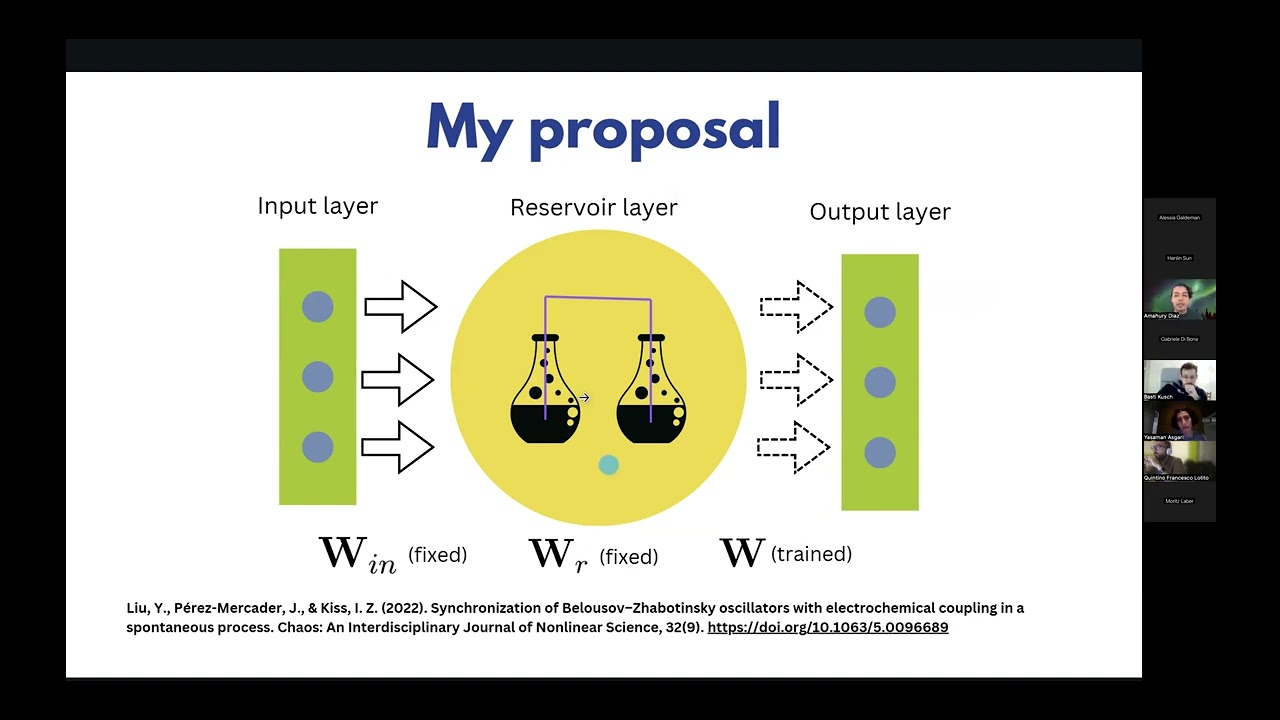
Unconventional and chemical computing methods, such as using reaction-diffusion systems (e.g., the Belousov-Zhabotinsky reaction) to solve logic gates.
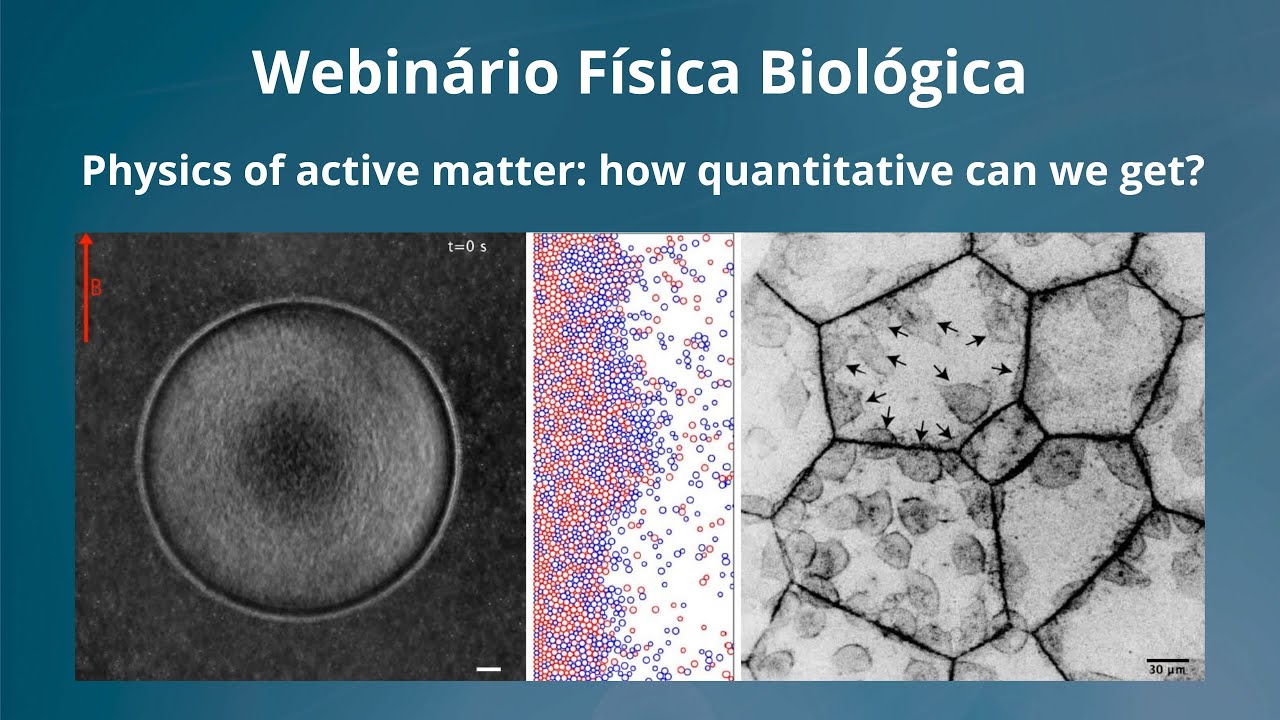
The physics of active matter, specifically focusing on self-propelled liquid droplets and artificial chemotaxis.
Applications in bio-inspired soft robotics, where chemical gradients are harnessed for autonomous navigation without electronic sensors.
1.3M views40.1Klikes7:29Original Release: 2020-05-10
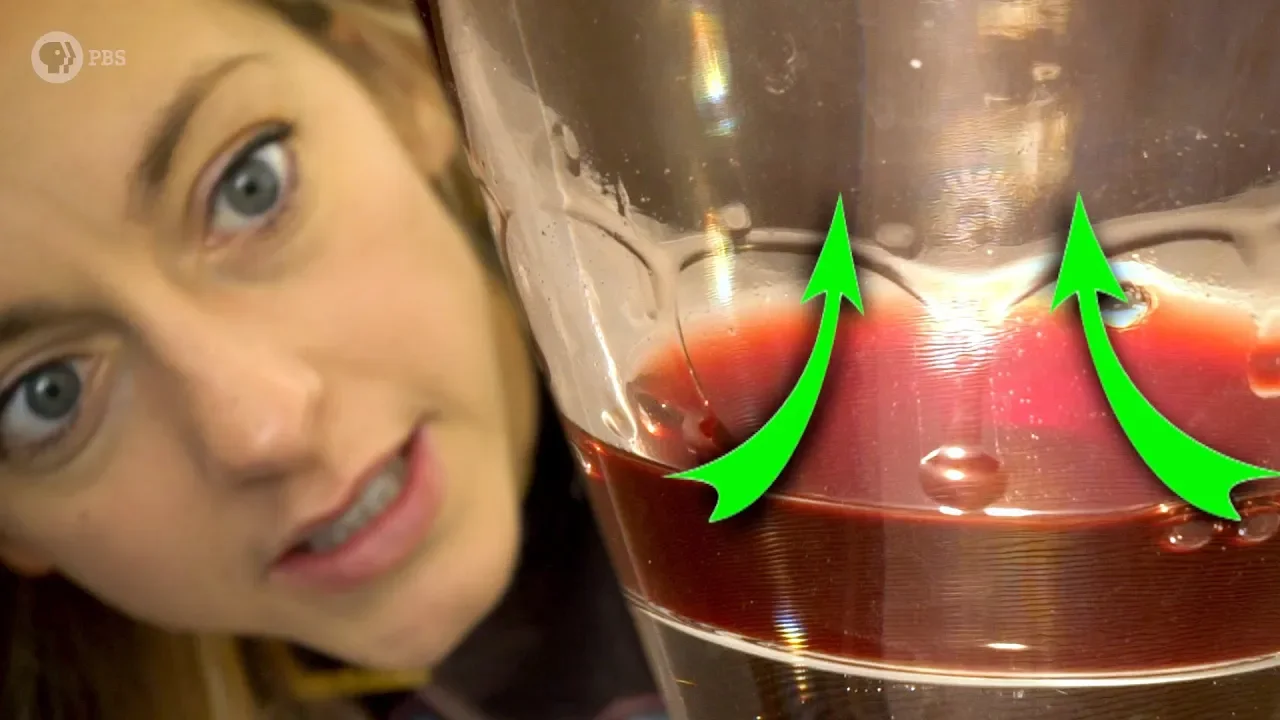
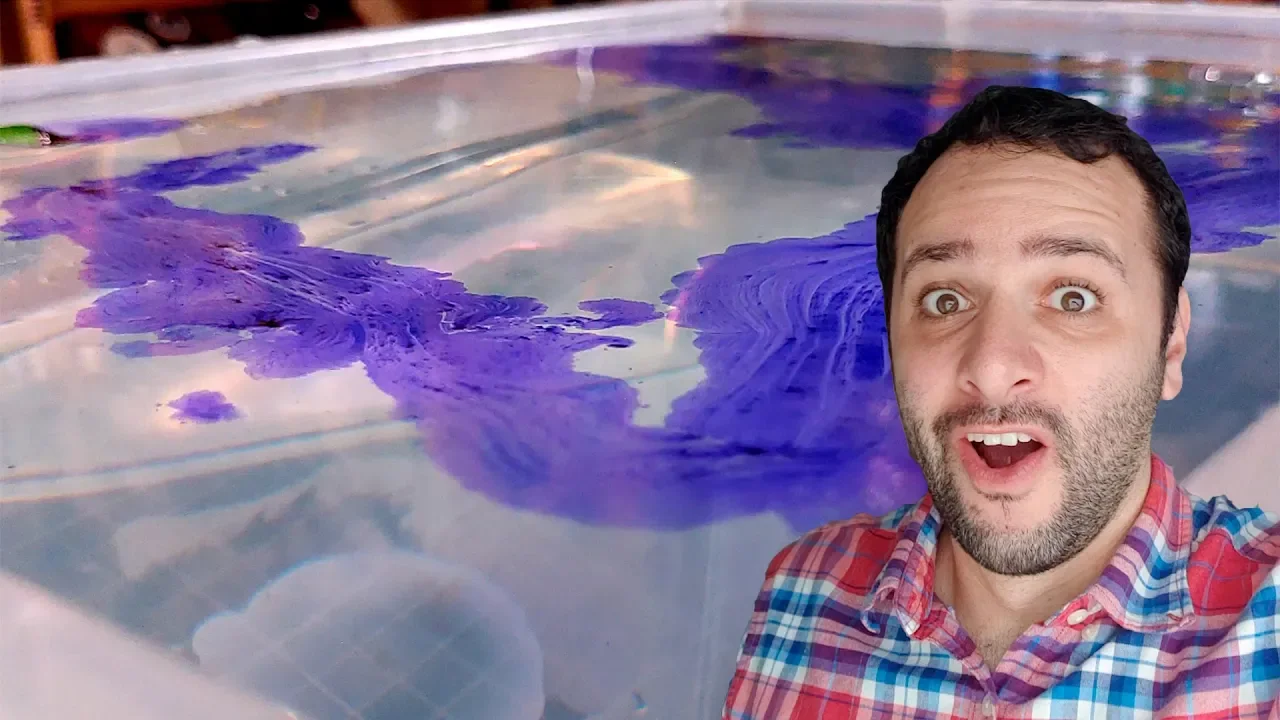
hey everyone today I'm going to be showing you how a chemical can solve a maze so I have three different mazes here and I'm going to be using an effect called the Marangoni effect in order to solve these mazes almost instantly with a chemical ok so in order to do this I need a solution of a fatty acid so I chose alayich acid here and I mix it in an alkaline solution of potassium hydroxide so this is just a little bit of a lahic acid mixed with potassium hydroxide here and then I need some hydrochloric acid and then I just need some sort of water soluble dye so first what I do is put the alkaline solution mixed with the fatty acid in the maze so that goes through the whole maze and then at the end of the maze where I want to get to I'm gonna put the hydrochloric acid and I just have a little sponge here as a source for my hydrochloric acid at the end here and then all I do is drop in the dye particles and the dye should follow the shortest path of the maze okay so first we're gonna try it on my smallest maze here and then if this works we're gonna go to my bigger maze and then for the final finale I'll go to a much more complex and bigger maze okay let's drop in the dye whoa look at it immediately start to go it just follows the shortest path right there it immediately goes to the end of it so what's neat about this is it doesn't just follow the shortest path but you can also find the next shortest path one of the problems with the computations of the shortest path is it will tell you the shortest path but it doesn't often tell you alternative paths but in this setup here you can alternatively find not just the shortest path but the next shortest path as well okay let's try with our slightly bigger maze which has the same path as before whoa look at it go it works great it just pulls it right up through the shortest path there so what we've set up here is basically this concentration gradient through the maze of deprotonated and protonated oleic acid so what will happen is the dye will get pulled towards the part that has the higher surface tension okay and finally we're going to try it with our biggest maze so since these channels are bigger it's gonna be harder to pull the liquid up through it it could take longer but we'll see if it can actually solve this complex maze so first I put in my fatty acid alkaline solution and then I drop in my hydrochloric acid and now let's put in my blue dye here so you can see at first it kind of diffuses both ways but then it can start to find that concentration gradient and sort of get pulled up through it and as it gets closer and closer to the acidic solution then the pool gets stronger well look at it start to meet there and just create this turbulent flow so you can see how that strong the pool is there it's actually sucking up the liquid you can see it so this blue dye that I have here is also changing color due to the pH so it starts off blue and kind of ends up as this reddish yellow color so efficient maze solving or finding the shortest path between two points of a complex system has always been a challenging mathematical and computational problem so if you want to use a computer to solve a system like this the time that it takes to solve it scales to the size of the system which would be n raised to some power so the bigger your system is it gets inherently more complex and it takes a lot longer to solve it so scientists are constantly trying to come up with ways to solve these systems using analog methods so let me show you how this experiment works so the way this works is through something called the Marangoni effect and this has popularly been talked about in the way that alcohol climbs the edge of the glass for example if you have wine in a glass it will climb the edge of a glass pretty high above the surface of it and even form droplets that fall back down okay so let me show you what the Marangoni effect is so I have some water that I'm gonna pour on here now watch what happens when I put a drop of alcohol on it so what's happening here is the water has a high surface tension but the alcohol has a low surface tension so when you put a drop of alcohol near the water the water basically recoils from it because it's almost like it's repelling from the alcohol because the water wants to pull itself together but the alcohol wants to spread out so what this does is if I have a liquid with high surface tension and one with low surface tension and they're touching together it creates a flow see how it got sucked into it okay watch when I put the alcohol now so the way this is working is the oleic acid can either have its hydrogen on its alcohol group or cannot have it so it can either be protonated or non protonated so where the dye starts that's mostly alkaline solution there and so that means it's mostly deprotonated alayich acid when a lahic acid is deprotonated it has the lowest surface tension compared to when it does have a proton on it so what we've set up here is basically this concentration gradient through the maze of deprotonated and protonated oleic acid so what will happen is the dye will get pulled towards the part that has the higher surface tension so this is really cool that means if you had a small scale model of your city with all of the streets and everything and you set up this same set up here where you have the fatty acid alkaline solution covering all the streets and then you have your starting point where you drop your dye and then your ending point is wherever you drop your acid solution so wherever your drop your acid in then that dye will immediately find the shortest path among all those different roads to your endpoint which is really awesome it's basically an analogue computational method using just chemistry if you want to learn more about this and see some of the math behind it I'll put a link to a paper that did a similar setup to mine that was published I'll put a link in the description you can go check it out and thanks for watching another episode of the action lab I hope you enjoyed it if you did don't forget to subscribe if you haven't yet and hit the bell so you can be notified when my latest video comes out and thanks for watching and I'll see you next time
Up Next
4:17
Physics of Swimming: Sperm vs. Sperm Whale — Reynolds Number Explained
@TEDEd
4.4M views•2013-09-23

12:53
21cm Hyperfine Transition in Neutral Hydrogen: Radio Astronomy Basics
@AaronRobertParsons
12.4K views•2011-10-13
8:50
Acoustic Levitation Physics: Standing Waves and Pressure Nodes Explained
@TheActionLab
306.5K views•2022-03-11

27:14
Entropy and the Second Law of Thermodynamics Explained
@veritasium
27.5M views•2023-07-01
Related Study Plans & Knowledge Roadmaps
Structured learning paths in Physics
physics
Nuclear Physics (Decay, Fission & Reactors)
01Atomic Structure and the Binding Force
02Radioactive Decay and Half-Life
03Nuclear Fission Mechanics and Chain Reactions
+ 2 more learning modules
12h5 modules
Explore Roadmap
physics
Soft Matter (Polymers, Colloids & Rheology)
01Foundations of Soft Matter & Thermal Forces
02Polymer Physics and Macromolecules
03Colloids, Surfactants, and Self-Assembly
+ 2 more learning modules
38h5 modules
Explore Roadmap
physics
Analytical Mechanics: Lagrangian & Hamiltonian
01Mathematical Foundations: Calculus of Variations
02From Newtonian Mechanics to Constraint Dynamics
03The Principle of Least Action & Lagrangian Mechanics
+ 3 more learning modules
28h6 modules
Explore Roadmap
physics
General Relativity (Spacetime & Cosmology)
01Foundations of Relativity: Special Relativity
02The Geometry of Spacetime: Equivalence Principle & Curvature
03Einstein's Field Equations: The Mathematics of Gravity
+ 2 more learning modules
55h5 modules
Explore Roadmap