










![[메가HRD_HR ON 시즌2-3]창의적 인재 육성 전략_에이치앤피컴퍼니 유경철교수](https://i.ytimg.com/vi/yKwTFKbh-JA/maxresdefault.jpg)







Creativity is defined as the process of developing something new and original that is useful for a specific function or occasion, bringing value to prospective users or adopters. It serves as the raw material for innovation, enabling people to come up with new and useful ways to solve problems. Creativity is a basic human skill that everyone is born with, though it can be enhanced through training interventions. Effective creativity training programs should be built on a theoretical foundation, include substantial theoretical content, occur in cooperative learning environments with real-world cases, and incorporate exercises and tools for practice.
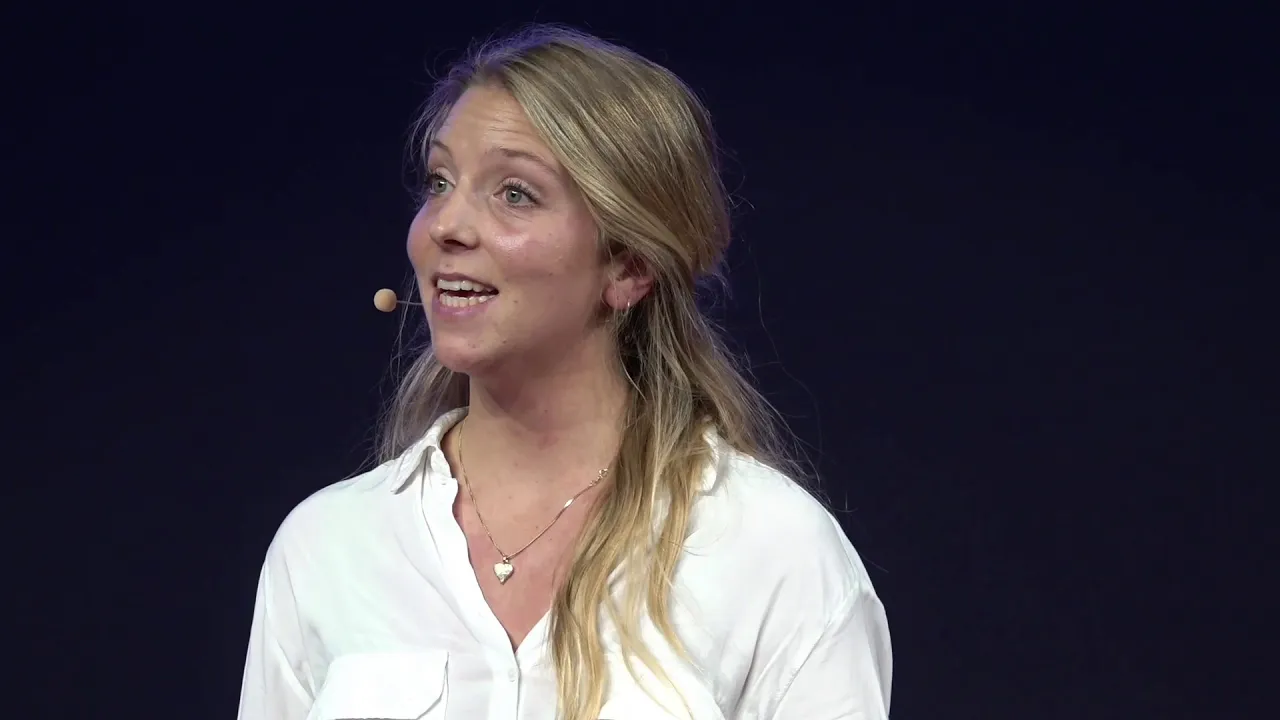
Enhancing Creativity: A PhD Defence on Training Innovation Practitioners
Added:Foundational concepts of metacognition, specifically how self-monitoring and cognitive strategies influence learning and problem-solving.
The distinction between creativity (the generation of novel and useful ideas) and innovation (the successful implementation of those ideas).
Basic cognitive psychology principles underlying creative thought, including divergent thinking, convergent thinking, and associative thinking.
Standard creative problem-solving (CPS) methodologies, such as the Osborn-Parnes model, to understand structured innovation processes.
Instructional design strategies for developing, implementing, and facilitating creative training programs in corporate or academic environments.
Methods for measuring and evaluating the efficacy of creativity training, including psychometric assessments and behavioral KPIs.
The translation of individual metacognitive awareness into team-level collaborative innovation and collective intelligence frameworks.
Advanced studies in organizational creativity, focusing on how to build supportive environments (creative climates) that sustain trained innovation practitioners.
584 views8likes39:20Original Release: 2018-02-22
[Music] well great thank you for the introduction Christian and welcome to all of you I'm very happy to see so many people here on this beautiful day of course the assessment committee very honored to have you here and yeah I will give you a lecture now a 45-minute lecture in defense of my PhD dissertation and since creativity is it's a it's a broad concept it's a fluffy concept in a lot of people's minds very subjective meanings but forward to it so I think it would be kind of a good idea to start by kind of setting it into context and talking about creativity in more general terms before getting more research specific I will go through these different sections so I'll go through kind of setting the context then I will go through the introduction I'll introduce the main theories behind my work and then I'll go through the research and results and since this was a three-year study combined or consisting of six different articles there are a lot of results so I won't go over all of them I'll kind of pick out the ones that I think are most relevant and most interesting for you the audience today and then I'll talk a bit or kind of pinpoint the main contributions of my PhD and talk a little bit about future directions but as I said creativity is this concept that a lot of people have difficulty grasping what is so I thought I would start with an analogy so here you have a picture of windmills and I don't know why there are a lot of dots there they're not on my computer but but windmills and when people look at windmills they think about a lot of different things they think about green energy they think about the environment they think about engineering I think about innovation I see windmills being one of the great innovations of Denmark for instance but in order to make the windmills you have to have a lot of different components you have to make the motor you have to have engineering skills of the people that made them you also need the basic materials to build them like stainless steel and to make stainless steel you need a lot of raw material you need chromium like is this plate up there you need iron or you need silicon nickel a bunch of different types of raw materials but the point is that without the raw materials you wouldn't have the stainless steel and he wouldn't be able to build the wind bills that's how I see creativity I see creativity as the raw material for innovation because without the raw material without the cognitive abilities of people without them coming up with new and useful ways to build innovations nothing would happen so that's my standpoint towards creativity and also just this is is not in my dissertation this is just to put it into context but the World Economic Forum recently put out this list of the ten most important skills for people to have in 2020 for the job requirements to match those and these are the top three so you have complex problem-solving you have critical thinking and then you have creativity and I think this is important and when I look at these three skills I see that they have one thing in common I think that they are all innately human so that kind of emphasizes that we need to focus on what is it that humans can do because now we are going through this fourth Industrial Revolution with fast-paced technology advancements and all these things we have robotics we have artificial intelligence a lot of people are afraid of all of these changes but if we use our in aliens gills to develop alongside with them and and use them to our advantage creativity being one of them it can help us adapt to change rather than kind of withstand being evolution so that was that so now we're at the more introduction level so first of all what is creativity well creativity is a basic human skill it's something that we're all born with we're all born with a creative potential of course it differs between people not everybody has the same potential for creativity but the point is that we all are creative and that is an important thing but the strange thing is that we kind of stop using our full potential the older we get the more kind of institutionalized we get we go through educational systems we come become very solution-focused through our jobs and the job market so we can't really fulfill our creative potential but if we feel that we're not kind of doing our very best we can enhance it we can enhance creativity we can fulfill our potential again and we can do that through many means we can do that through implementing change in educational systems we can do that by altering things in the environment whereas I am interested in these shorter training interventions to enhance creativity and that's what I have developed in my PhD and I think that's very important because one facet of creativity is that it's a problem-solving skill in any domain it's not only reserved for the artists or designers or the creatives because we're all creative so when people kind of are able to see that this problem-solving skill it's easier to see how you can apply it at other domains versus me as a researcher I have to be creative I have to come up with new and useful hypotheses to test or research questions to explore detectives have to come up with new and useful ways to catch the bad guy you have you always have to be creative you have to come up with new solutions to tackle problems along the way so that's important in my opinion to emphasize and then why study creativity well I studied creativity because I see it as a hugely practical skill it's a practical application of creativity that I'm studying I'm kind of trying to separate myself from the arts because artistic creativity exists but that's not where I'm focusing my work I'm focusing on the practical application of creativity and then the next question might be why study creativity training well in my opinion and I hope that I made my case creativity is important so then of course for me it was natural way of thinking how can you enhance it so my main motivation was to design creativity training program specifically designed for innovation practitioners because I saw a lack of those you have creativity training programs for children for adolescence for university students but there weren't that many available for people that are actually in the job market that would fit their needs and I aspire to make a rigorous training program for that group of people then a second motivation was to contribute to a consensus on how to study creativity training programs because yeah creativity training has been around for decades and it's been studied for decades even but we've been able to figure out that it works but we haven't been able to figure out why it works and how it works what is it that makes creativity training effective and when I was doing all my reviews of papers I had a hard time comparing studies because they weren't there were methodological inconsistencies and that inhibits knowledge transfer which inhibits us from identifying the elements that actually make creativity training programs effective so this is something that I wanted to kind of contribute to establishing through my my PhD okay so the standard definition of creativity now we're in the theory section so this is something one that was established in 2012 by Ronco that's sitting right here and but the standard definition or this combination of original useful has been around for four decades as well but there was a lot of confusion so this was also to kind of establish a consensus about what the definition of creativity is so creativity is defined as the process of developing something new and original that is somehow useful for a specific function or occasion that's bringing value to the prospective users or adopters so you have these two main elements to creativity it has to be something original but that's not enough it also has to be something useful it has to be appropriate for the task at hand or for the for the usage so this is something that I base my work on as well then in terms of the larger or broader landscape of creativity you have a lot of different ways to study creativity you can study it from an organizational perspective you can study it from a sociology perspective systems perspective whereas my work is situated within the native perspective I focus on the individual where I consider ideational thought processes as foundational for creative thought and because I am also in the business of enhancing creativity or at least aspiring to of course I need to measure that somehow so I also adhere to the psychometric theories of creativity where I see creativity as a measure that you can actually measure reliably and lateral validity then another way to look at creativity is by viewing the four piece of creativity or originally they were the four piece but there there have been editions along the way but these are the original ones that were proposed in 1961 and you have the creative person you have the cognitive skills and the personality traits that can kind of propel those cognitive skills to a higher level then the creative person goes through a creative process and out of that process comes a creative product so when you view it like that it sounds very simple because it's always good to compartmentalize in order to be able to understand it a little bit better and then you have the creative press which is kind of the pressures from the environment and that kind of encompasses the the first three piece and the press you can't really do much about because the laws and regulations its management practices but knowing about it helps you navigate better through that landscape so it's useful to look at that but I positioned myself within the person and process and then you have another P their creative potential which encompasses those two and press is actually included in the potential as well but that's Ida limit myself from looking at that within this particular study okay and then thinking about the cognitive creativity the individual this is the cognitive basis of creativity this is a very simplified illustration of very complex processes that go on in our mind or in our brains actually but these are this is the foundation of creativity this is what happens in our brains when we're being creative you have divergent thinking where you're kind of opening up you're generating ideas we are generating alternatives you're creating choices so that's the process of opening up and then you close down then you converge those ideas alternative choices in order to combine them into a solution and I position my work according to the notion that this goes hand in hand with the standard definition of creativity so you need those both in order to have creativity you need to diverge on original ideas in order to be able to combine them into useful solution so that's how I see those cognitive processes go hand in hand with the standard definition another way to look at it is to see it as a diamond because that's how it's used usually viewed when you look at creativity as operationalized you have these alternating rounds of divergent and convergent thinking they might not be as big you have many different rounds but this particular combination could easily be combined with for instance this very simplified illustration of the innovation process where you have the fuzzy front end kind of constituting one diamond opening up and closing down then you have new product development which is another diamond and then you have commercialization which is a diamond of its own this is a very simplified illustration but it's just to kind of put it into context and then of course within these diamonds you have a lot of smaller iterative rounds of diverging and converging but I think this is kind of useful in order to kind of grasp what this is all about that brings me to creativity training this is that is of course the main focus of my research and in 2004 Scott and colleagues published this paper I think it's safe to say that it's quite seminal by now where they did a meta-analysis of 70 creativity training programs in order to identify or analyze they're both content and delivery but what I took from that was that they also proposed this optimal format for creativity training where they proposed four different elements that should kind of contribute to an effective creativity training program and first they say that the training should be built on a theoretical foundation on the cognate creative cognitive basis of creativity and then secondly the theoretical training should actually be a substantial part of the overall training overall length of the training and then thirdly they emphasize that it should happen in a cooperative learning environment and that they should work on on cases real-world cases and then finally of course you need to introduce them to different exercises and tools in order for them to actually practice working and and utilizing their their theoretical training and then the final big concept in my theory section which is metacognition so metacognition is a concept known very well within psychology field and this is something that kind of came in unexpectedly to my program or no to my study but yeah anyways I'll explain that a little bit better but so I won't delve very deep into this but I just want to kind of explain what metacognition is so it's the system its overarching system in our brains that provides this ongoing overview of our cognitions and it helps direct the way we work it's basically thinking about thinking so the easiest way to explain it is this tip of the tongue phenomena you meet someone you know that you should know their name you know that you should know your thinking about your own thinking so that's in a very very simplified way explaining what metacognition is metacognition has these three different facets so you have metacognitive knowledge which is your knowledge about your cognitions first things you know you have memory and then let's say that somebody you would meet someone and you would have to remember a phone number and you wouldn't have a smart phone and you wouldn't have anything to write it down on which of course would never happen in modern society I guess but anyways you're in a position where you have to remember phone numbers so you know you have to use your memory that's metacognitive knowledge then you try to remember the phone number and you figure okay this is not gonna happen so you are monitoring yourself and then you think okay I actually should use a technique that has worked very well for me in remembering and I'll assign colors to the numbers in order for me to remember them that's when you use your metacognitive control so that's kind of how it works you have this meta level and then you have all these cognitions here with furnaces be memory and then monitoring kind of feeds the meta level it kicks into place and and kind of uses the control to regulate the cognition so that's it now enough for theory so having all of this theoretical background leads me to the overall research aim which is quite big and covers a lot of things so I'll just read it out loud to you so the overall aim was to investigate how animation practitioners utilize creativity in their everyday work how they can be trained in the most optimized manner and what the consequences are of facilitating them through a creativity training program developed to fit their expertise and needs and as I said this is this is a broad aim so of course in order to reach the aim you have to specify research objectives that make it a bit more operationalized so that actually these research objectives ended up dictating the three stages of my PhD so these these three levels constitute one year of my PhD so I spent one year trying to investigate what should I train what is relevant for innovation practitioners to train how are they creative in their processes so what should I emphasize what is important in the real world then secondly I wanted to investigate how to train where I wanted to develop a program figure out how to Train through multiple means and then finally after having developed the program I wanted to test it I wanted to see what are the effects is it relevant for innovation practitioners is it effective in increasing the creative potential of the participants and here I'm not going to go through this but this is just to show that each research objective had a corresponding overarching research question for each of the stages then we had several research questions that were addressed through one of the six articles in the study or one of the six studies so in order to answer all of these diverse research questions the Choson methodology for the overall project was mixed method because each and every research question called for different types of methods to answer them so here you can see the first year was mainly qualitative where I did case studies so the first one I actually spent six months with innovation practitioners I was ingrained into their life I was there full day every day observing them to see how they were working and how they interacted then I did another smaller case study and then when I finally got to the how to train stage I of course did a systematic review of all existing or leaks or creativity training programs then I did a transdisciplinary study that I'll get back to and then I did an experiment as well that fit in with that where I was testing one of the elements that were was actually in the training program and then finally the final year was spent on figuring out what are the effects of the training where I did a small-scale experiment and I also did a pilot study with innovation practitioners to look at the relevance of the program to them so I'm gonna focus in on this because case studies reviews experiments they're pretty straightforward whereas transdisciplinary study within academia to collect data is quite novel so I'll I'll go through that particular study so transdisciplinary is a discipline that includes interdisciplinary but goes a step further and transcends the margin of science and this is something that it's used in strategic foresight I found this it's one of Christians papers yeah and I'm Bagheera yes and I adapted that methodology or that method to develop the training program or at least to gather data for me to be able to develop the program because I figured that I wanted to include actors in the process that were not only scientists I wanted to get real-world perspectives and get their opinions in order to first assure rel relevancy and then I also wanted to ensure that the program would be rigorous so I did a workshop with innovation practitioners academics and finally HR managers just ensure or at least aspire to make it realistic what is appropriate for an organizational perspective so these are the three I actually have some of the participants from these workshops here so that's that's fun to see yeah so that's what I did in order to gather data to develop the program so I did all these preliminary mapping in the first year then I did this in a co-creation process where I first did three interventions or workshops with the these stakeholder groups because I wanted to get their needs and perspectives into the mix and then I drafted up the first proposal or first sketch of the program and I took that to two experts to get feedback on pedagogical perspectives and also program design and so on to kind of see if what I had come up with would make any sense at all and out of all that came the metacognitive training for innovation practitioners so it was actually a culmination of two years worth of work into making this programme and that brings me to the results they will be threefold I'll first introduce process awareness which is a concept that I developed in my first year then out of the transdisciplinary study came the no recognized react model and of course the training program itself so Alex I'll introduce these three to you first we have process awareness that's where the metacognition comes into play because process awareness is this skill that I observed the innovation practitioners display when they were working in a process where they were being aware of their process they were monitoring themselves when they were working and they knew what could potentially inhibit them in a process or help them propel further so it was this basic knowledge that they had they were had a lot of experience of course where they were being observant about their work and then they deployed either tactics or strategies to navigate and to facilitate their process so this was interesting to see and I think about it as it's thinking about creative thinking so they were kind of focusing on how they could advance in their processes process awareness I observed it as being split into these three different types so you have planning process awareness which occurs before or prior to initiating a process so it's when you're planning a process either co-creation process a workshop whatever it is where you're thinking okay we shouldn't prime them in that sentence or we don't want to add too many constraints here and there so that's kind of when you're you're actively discussing things that that might affect you cognitive processes or creativity related aspects that might help you or or inhibit you when you are in a workshop monitoring is something that happens simultaneously so that's when the team is actually working that's when they are observing them and one might say oh stop we shouldn't be in solution mode now we we should be opening up so then they're kind of talking about we should be diverging we shouldn't be converging right now or I'm getting so fixated so I think I need a break something like that where they're kind of verbalizing what they are doing and then reflection it's kind of cysts explains itself that's when they were afterwards talking about what did what worked what didn't work what could we do better next time so that's kind of reflecting and drawing learnings from what they have been doing and as I see it so process awareness is a metacognitive concept but it fits underneath the umbrella of metacognition so metacognition covers everything whereas process awareness is more process-oriented especially create creative process oriented but not necessarily exactly only that then out of the transdisciplinary study came this know recognize react model so I wanted to train people in becoming better at process awareness that was the main goal for the training then I had to figure out how to and this model came to be where I figured okay I want participants to be able to know about these things that that can affect them so I have to give them knowledge about these creativity cognitive processes and concepts that might affect their work then I also want them to be able to recognize them when they actually happen I want to them to be able to see okay this is happening now because that's the only way to trigger a reaction because I also want them to be able to react appropriately when they encounter things that can either inhibit them or stop them or even say okay we should do this because that would be better so that's the basic thought and these three levels were inspired by the three facets of metacognition but I say inspired because they definitely do not correspond to them but that's how the idea came to be then of course I developed the training program and this is the schedule and this schedule was a product of the workshop with the HR managers where it was very clear that the program could not be more than two days if it were supposed to be deployed in organizational settings so I had to think okay how can I compress it as much as I can without compromising the content or the exercises so I ended up putting splitting it up into six sessions and then they had pre learning material but that they had to watch so videos before showing up which cut were about 1 hour and I did this with just under a hundred people I was very inspiring and I learned a lot from it this is the content of the program so you have the succession so first I kind of educated them about metacognition and process awareness so this is what I want you to keep in mind throughout the program and we had several different exercises for that then in the second session we had the cognitive creativity where we covered divergent thinking convergent thinking and associations then we talked about the five key concepts of new creativity which are these concepts like priming fixation things that can kind of influence you when you're when you're doing your creative work then we covered constraint management then we covered problem and solution spaces and then finally we ended up in the divergent and convergent stages of the operationalize process so the one that I showed you with the diamonds so we started out quite kind of cognitively focused but we've got a bit more process-oriented the further we got in the program and now I just want to show you one example of an exercise because not only did the no recognize react model inspire the learning objectives for the program but it also was ingrained into the design of the exercises so here for example is an associations exercise where I put up the slide for the participants I hope you can see this and I asked them to go to pages 29 to 35 because they had gotten these booklets and they are a type and B type and they're there's a reason for that so I asked him to go to these pages and these booklets contained all of the templates and all of the material they would use throughout them over the course so they had these they went to their pages and then a they got these where I asked him to list five close associations to these three words so for dance they had for instance music happy activity going out fun then they would go down to party word would be party hat drinking game birthday friends festive and then finally they would have club where they would have dancing music DJ based drinks so these are the associations from Brooklyn a B on the other hand they got these words so it was football then it was players game ball goal winning field then it was grass green square big football and then for club it was Manchester United Wayne Rooney loyalty red Premier League obviously a football Fowler but the point here is that they had the same bottom words but they had completely different associations to each and every one of them because they had been primed by the words that were on top and that was something that I wanted them to realize by themselves so I asked them subsequently to pair up with a person from the opposite with the opposite booklet and compare like look at the words that you've been doing and compare especially the bottom words after they did that then I wanted them to reflect individually to activate the no stage of the model I always after each exercise gave them key concepts to use or to assist them in their reflection so those were the the concepts that we had been covering and then I asked him to kind of reflect on so which of these concepts did you experience how much of them did you experience both is there a difference no is there a difference that's of course between the booklets because then subsequently I asked them to pair up and then I wanted them to talk about have you ever encountered this in your work was why is there a difference can you kind of so I asked them to kind of delve a little bit deeper into what's the meaning of all of this and then we had an in plenum or a group discussion where we talked about different types of strategies and ways to tackle this in the real world try to connect the to real-world situations where they hadn't encountered it themselves and there I kind of wanted to educate them or give them tools to be able to react accordingly if they would ever encounter this and for instance with priming it's just being aware that everything in your environment affects you and that's an important realization I think for people to be aware of okay and now we're shifting gears a little bit so assessing creativity training so I told you that I did the systematic review of creativity training programs this was the research question for that study I wanted to figure out which elements make one effective training program more effective than the other because I wanted to see what is it that makes creativity training effective but when I started my analysis and I had listed everything up I realized that I couldn't really compare them I couldn't compare the results because the research designs were so diverse not everybody did the basic methodological requirements that you need when you do an experiment and so I couldn't really see what I could gain from that other than just inspiration of course from the program and like those types of learnings but for the concrete results it was difficult for me at least to accept a lot of them so I thought well if we want to advance our knowledge about what makes creativity training effective we need to have a consensus we need to have some sort of an agreement on how to study creativity training program so this article actually ended up being some sort of a methodological recommendation paper where I swear I suggested this three criteria for study and creativity training because and this is just pretty basic in terms of like methodological recommendations so pre and post-testing you need to have pre and post-testing to be able to see if something was effective right you have to have a control group but you have to give them the same attention as the treatment group because otherwise you can't say it was actually your program or your intervention that made a difference and then of course you have to have a sufficient sample size in order to for your for your results to be reliable so this was the three criteria that I that I suggested and then in the same paper I also suggested a definition for creativity training program because that I couldn't find that anywhere so this ended up being more of a theoretical paper than an analysis or review and then of course that guided me when I then designed the experiment for testing my own program so I did pre and post-testing I used a battery of tests for both pre and post I did the alternate uses test which is a typical divergent thinking test then I did the remote associates test which is commonly used converging thinking test and then for assessing metacognition because I also wanted to investigate that I used the metacognitive awareness inventory and then for the control group I made these videos for the peeler material so actually use the pre learning material to dictate my conditions so the treatment group they got the theory so I recorded these eight video lectures and that I asked them to watch before entering the program so that they would be familiarized with theoretical concepts we would be covering and then the motivation the sorry the control group got more motivational talks so it was for TED talks Ken Robinson David Kelly Astro teller and Paul Bennett kind of famous people working with design and Design Thinking so it was more like motivational there was no theory in there because I wanted to test if the theory was essential if that element is what helps creativity training be effective unfortunately I wasn't able to get a sufficient sample size that was very disappointing but I am planning more data collection now in March where I will add more data which will help me get more statistical results but these are the preliminary results which at least motivate me to keep going and then actually collect more data because the treatment group or the people that got the theory theoretical pre-learning material they increased their creativity while the control group did not and the same for metacognition so the treatment group increased whereas the control group did not there is a positive correlation between creativity and cognition metacognition for the whole sample so when you are better at creativity you are also better at metacognition but the correlation appeared to be stronger for the treatment group so there were a higher tenth or the the relationship was stronger so this helps me at least yeah keep motivated and wanting to collect more data and of course I will also try to add a third control group because the flaw and my study was that I tested the pre learning material without testing it against another program so that's something that I'm also considering if I can implement into the new research design or the the additions and then to the contributions so now we've covered process awareness there are no recognized react model and the create criteria so these three are all kind of contributions to expanding our body of knowledge also the definition of creativity training program that I didn't include there but that's what's in the same paper as the three criteria and then I did this experiment where I tested the timing of constraints because that was one of the sessions in the program to to Train constraint management and then ultimately testing an element of the creativity training to understand better to contribute to understanding what makes creativity training effective so if we go back to the initial motivations for the program that I introduced in the beginning so my initial motivation was to design a creativity training program for innovation practitioners and I believe that I achieved that through these studies where I did these exploratory studies where I first developed process awareness and then the transdisciplinary study where I developed the model plus the program itself and then this initial motivation to contribute to a consensus which I hope that I at least have done in some slight way by introducing a definition of creativity training program and also introducing these three criteria that I am hoping will kind of help people conduct studies so that we can learn better from each other and for my future research I of course want to continue study the elements of creativity training programs and I also want to assess the training program not only short-term but on a more longitudinal manner to see okay there might be some immediate effects but are they do they stay do you keep them or do you lose them after some time I think that's a very interesting thing to look at I also want to investigate the effects of process awareness because the as of now it's a only theory something that I fear ice as being a positive thing but I would like to to study that in more detail and then also I think it's interesting to kind of think about what what is it that critical receiving creativity training does for your surroundings if one person in a five person team has received creativity training does do they become kind of champions do they teach the others does it have some sort of an impact on the work environment I think that's also something that's interesting to look at but what I first and foremost aspire to do is to figure out what is the sweet spot of creativity training this is a very conceptual model but this is just kind of what my aspirations are to see if you have creative potential on one on the y-axis and time spent on training on the x-axis to see where is the steepest curve where do you get the most gain where do you increase or increase your creative potential most versus time spent because we're living in a fast-paced world everybody's very busy our time is very precious so of course you need to find effective ways with the least amount of time so that's something that we can figure out if we continue to study the elements of creativity training and what actually makes one training program better than the other so this is what I want to do and that was it for me thank you for your attention [Applause] [Music]
Up Next

68:32
Cognitive Skills for Differentiated Instruction | Teacher PD
@BrainWareLearning
631 views•2017-12-17
7:01
Functional Fixedness & Mental Sets in Problem Solving
@csunprofmaggie1163
1.1K views•2020-11-06

9:55
Thinking, Fast and Slow: Daniel Kahneman Animated Book Summary
@FightMediocrity
2.3M views•2015-06-05

6:40
The Nocebo Effect: How Beliefs Can Cause Real Harm
@CGPGrey
10.4M views•2013-12-23
Related Study Plans & Knowledge Roadmaps
Structured learning paths in Psychology
psychology
Neuroscience of Creativity: Networks & Training
01Foundations of Creative Cognition
02The Cognitive Neuroscience of Insight & Fixation
03The Triple Network Model of Creativity
+ 1 more learning modules
15h4 modules
Explore Roadmap
psychology
Imposter Syndrome: Etiology & CBT Framework
01Defining the Imposter Phenomenon
02Socio-Developmental Etiologies
03CBT Fundamentals & Thought Distortions
+ 2 more learning modules
15h5 modules
Explore Roadmap
psychology
Adult ADHD: Executive Dysfunction & Scaffolding
01Neurobiology of the ADHD Brain
02The Core Triad of Executive Deficits
03Executive Dysfunction and Emotional Regulation
+ 2 more learning modules
12h5 modules
Explore Roadmap
psychology
Loneliness: Evolution, Neurobiology & CBT
01Evolutionary Origins of Human Connection and Loneliness
02The Neurobiology and Physiology of Chronic Loneliness
03Maladaptive Social Cognition: The Psychological Loop
+ 2 more learning modules
12h5 modules
Explore Roadmap