



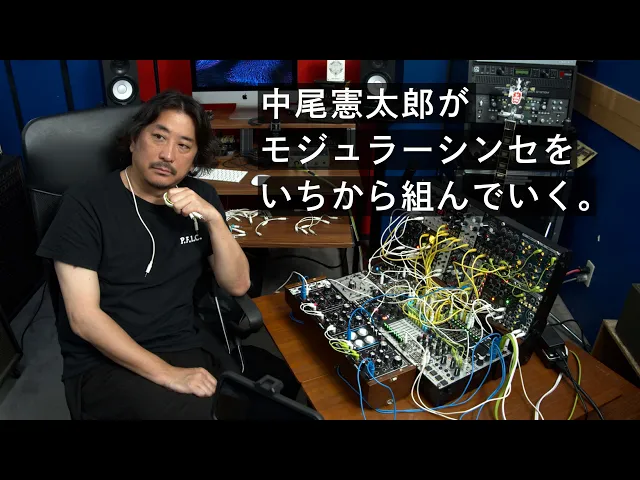


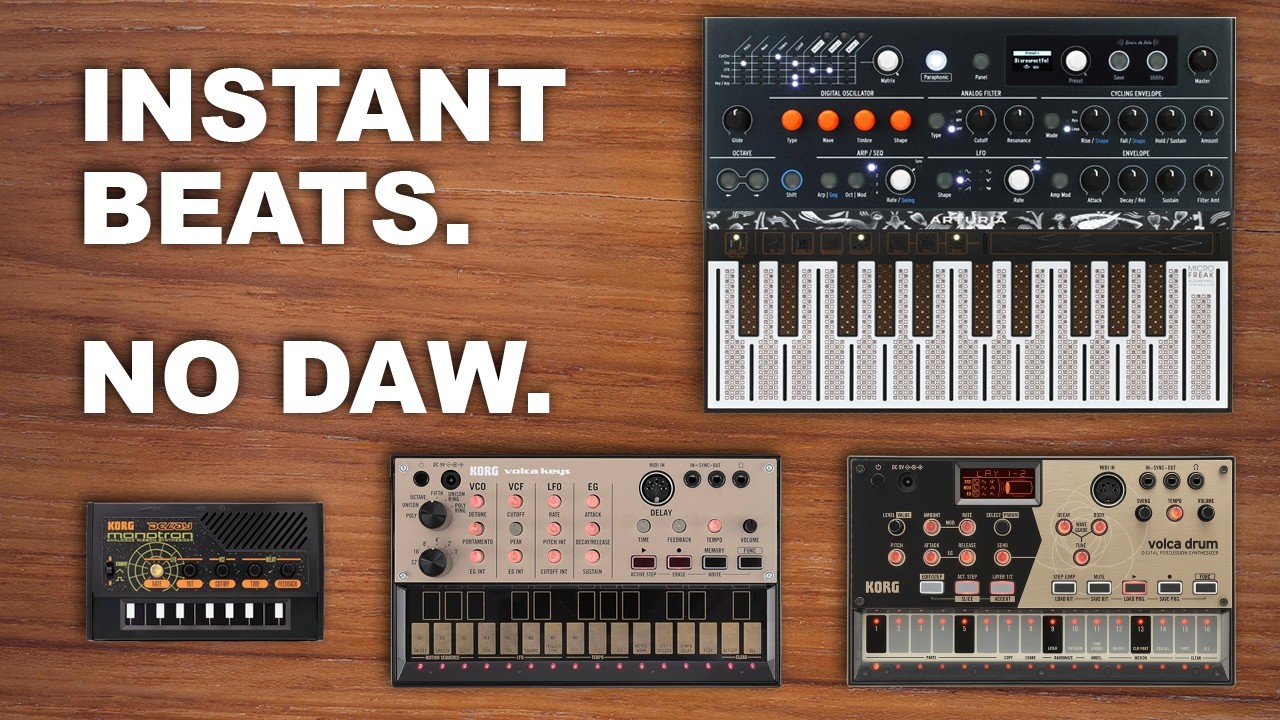

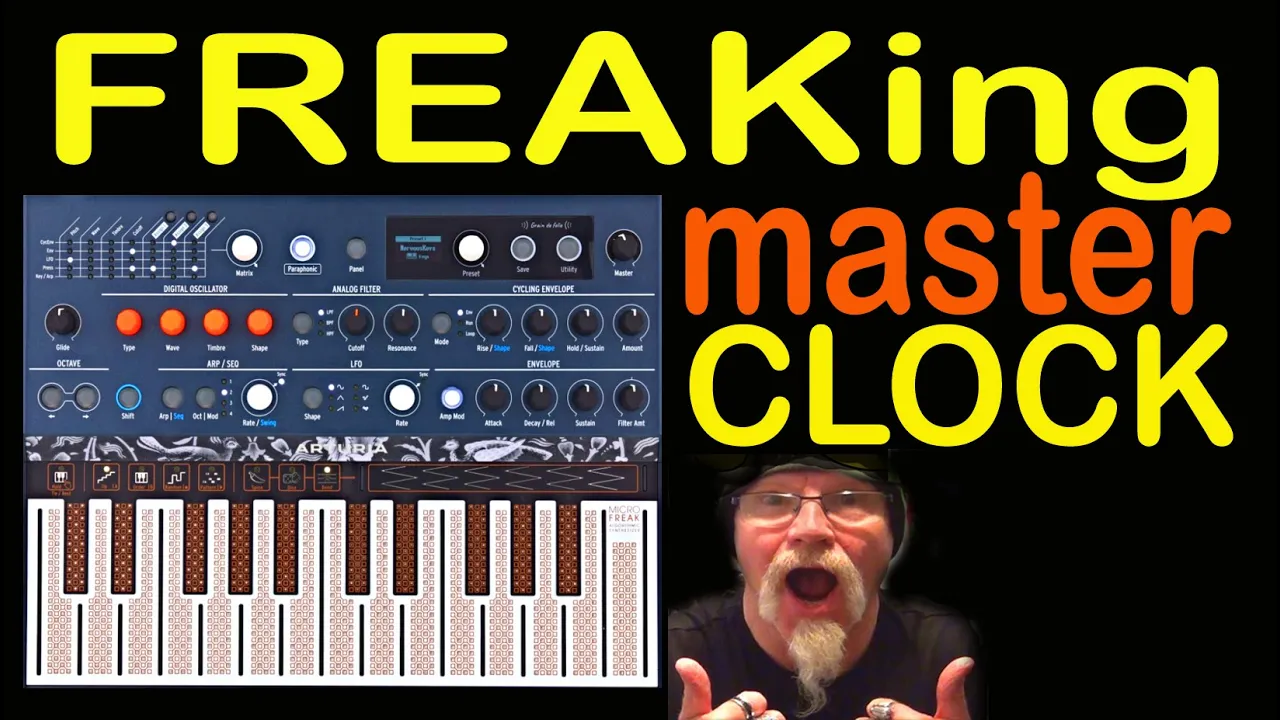
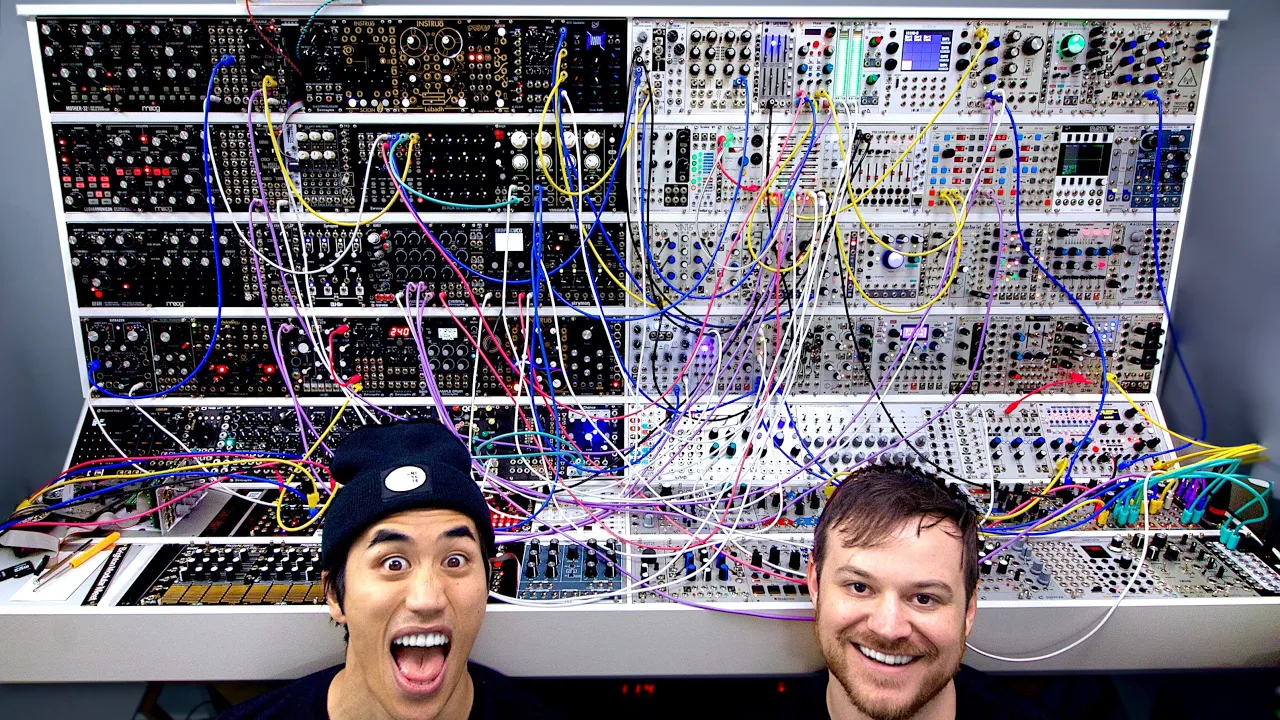

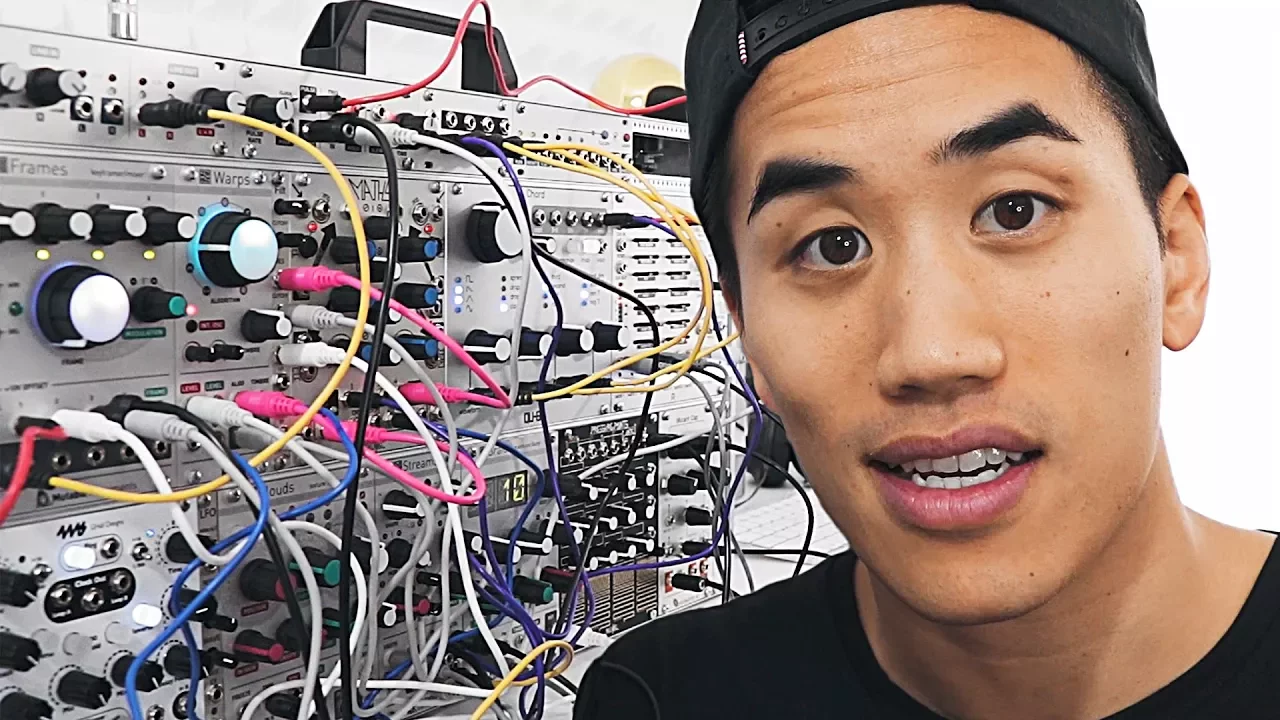





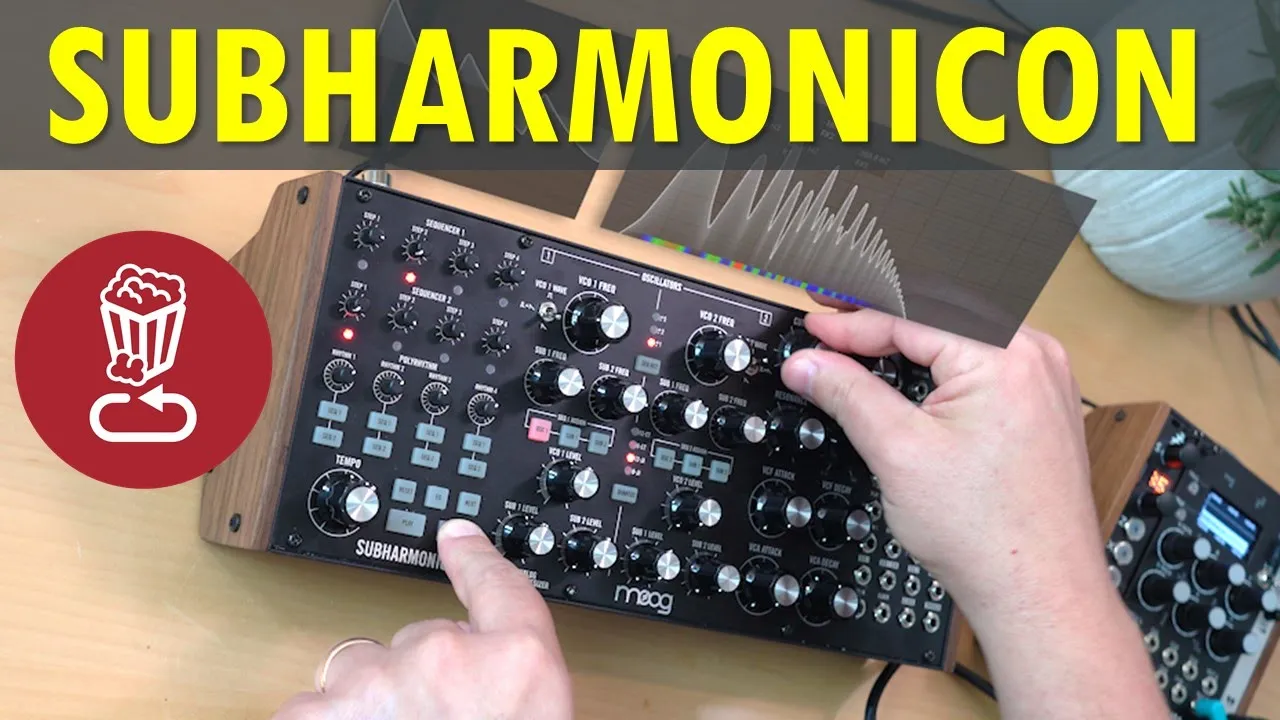

This video demonstrates how modular synthesizer modules work together to create complex ambient sounds, with the MicroFreak generating rich waveforms that are modulated by an LFO through a phase shifter, while random CV modules control decay and pitch variations, and multiple sequencers (SQ1, 182) trigger and sequence sounds through a CV mixer and quantizer to create layered, evolving musical textures.
Ambient Eurorack Jam: Modular Synth Walkthrough & Sound Design
Added:Basic understanding of subtractive synthesis, including the roles of Oscillators (VCO), Filters (VCF), and Amplifiers (VCA).
The concept of Control Voltage (CV) and Gate/Trigger signals as the foundational communication method in modular synthesizers.
Familiarity with MIDI protocol and how hardware devices (like the Arturia MicroFreak and Korg Volca Drum) sync and communicate without a computer (DAWless).
The fundamental difference between audio-rate signals and control-rate modulation signals in a patch.
Exploring generative patching techniques using random voltage generators, shift registers, and Turing machines for evolving ambient soundscapes.
Advanced sound design using granular synthesis modules and complex spatial effects (such as shimmer reverbs and multi-tap delays).
Integrating modular hardware with digital audio workstations (DAWs) using DC-coupled audio interfaces for hybrid studio environments.
Advanced clock manipulation, including clock division, multiplication, and polyrhythmic sequencing across multiple hardware units.
404 views21likes39:56Original Release: 2021-04-12
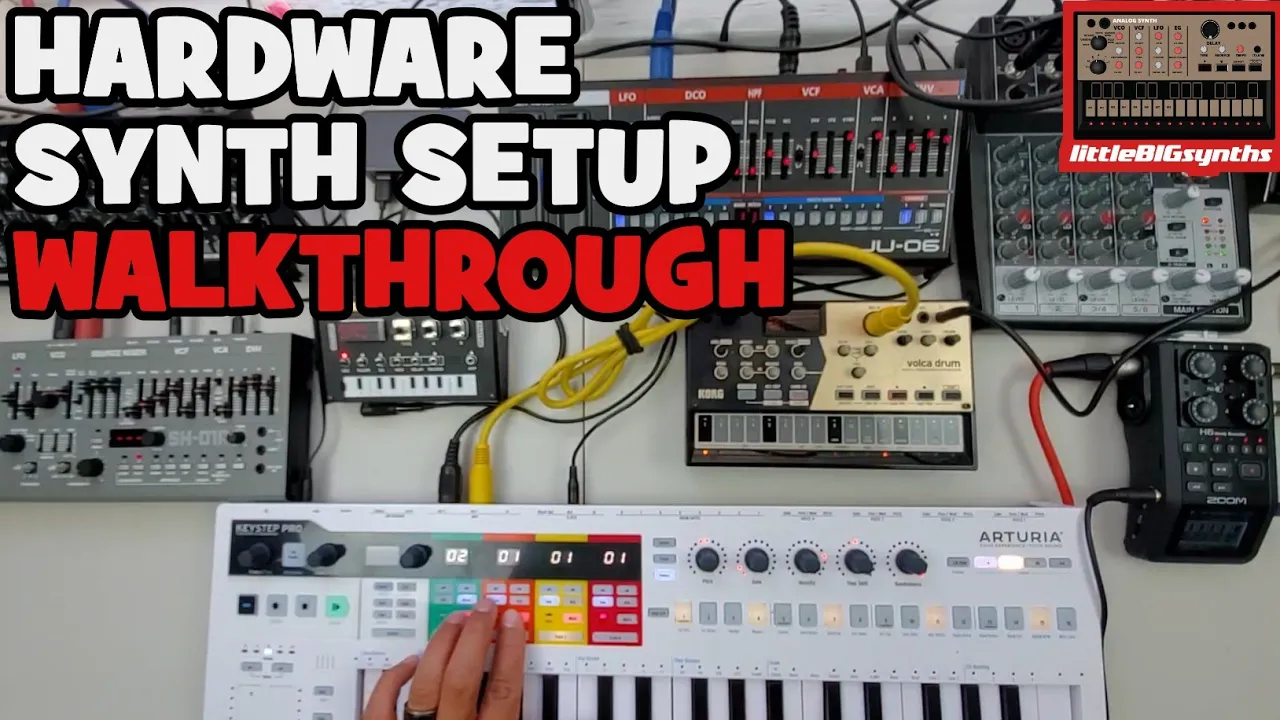
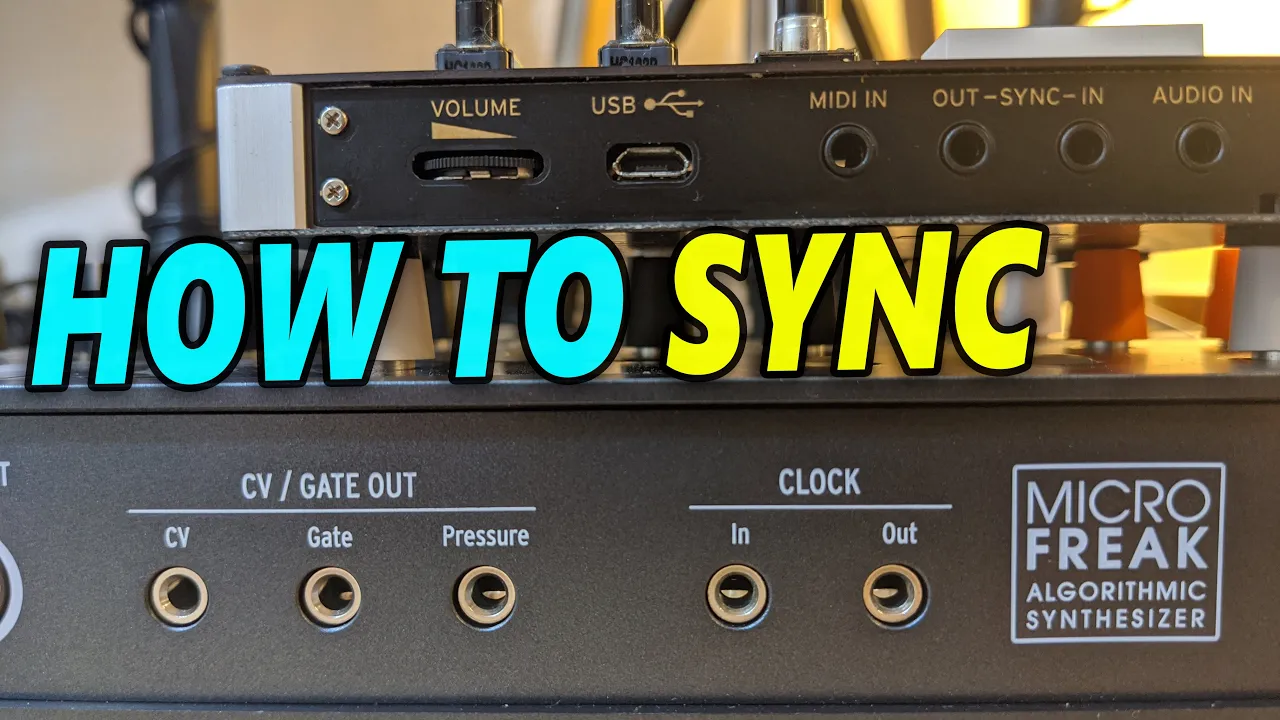
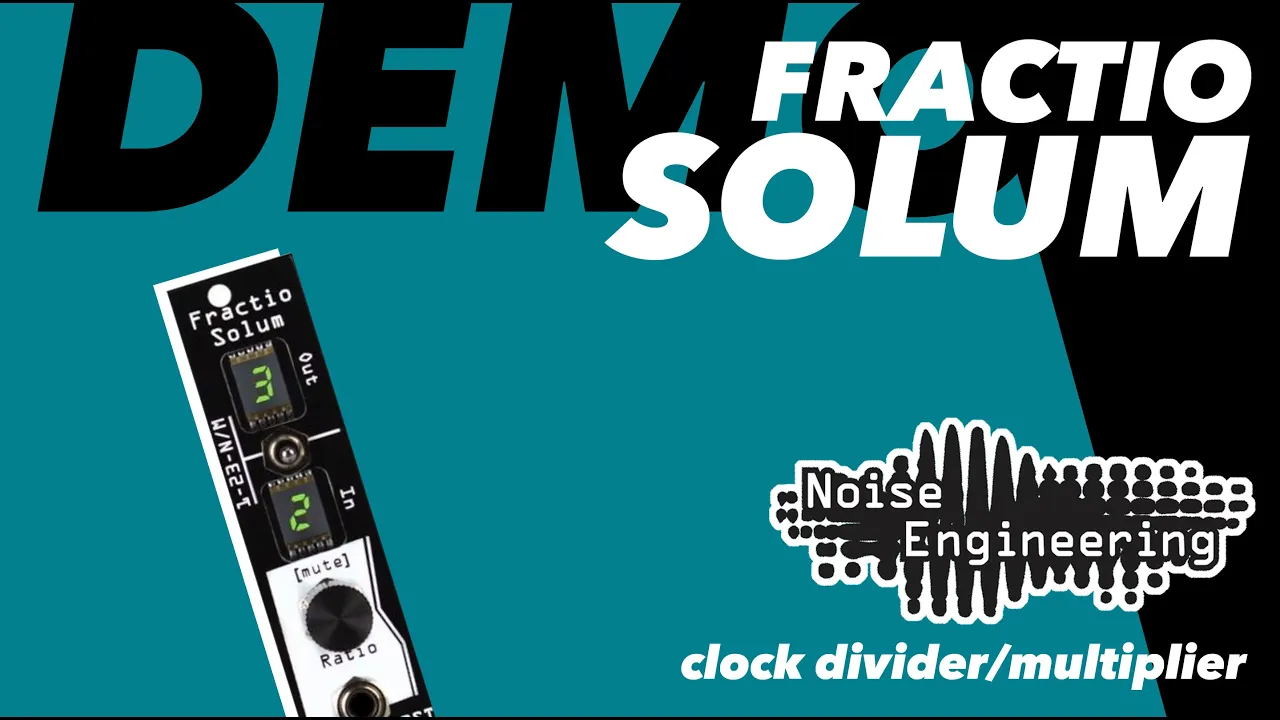
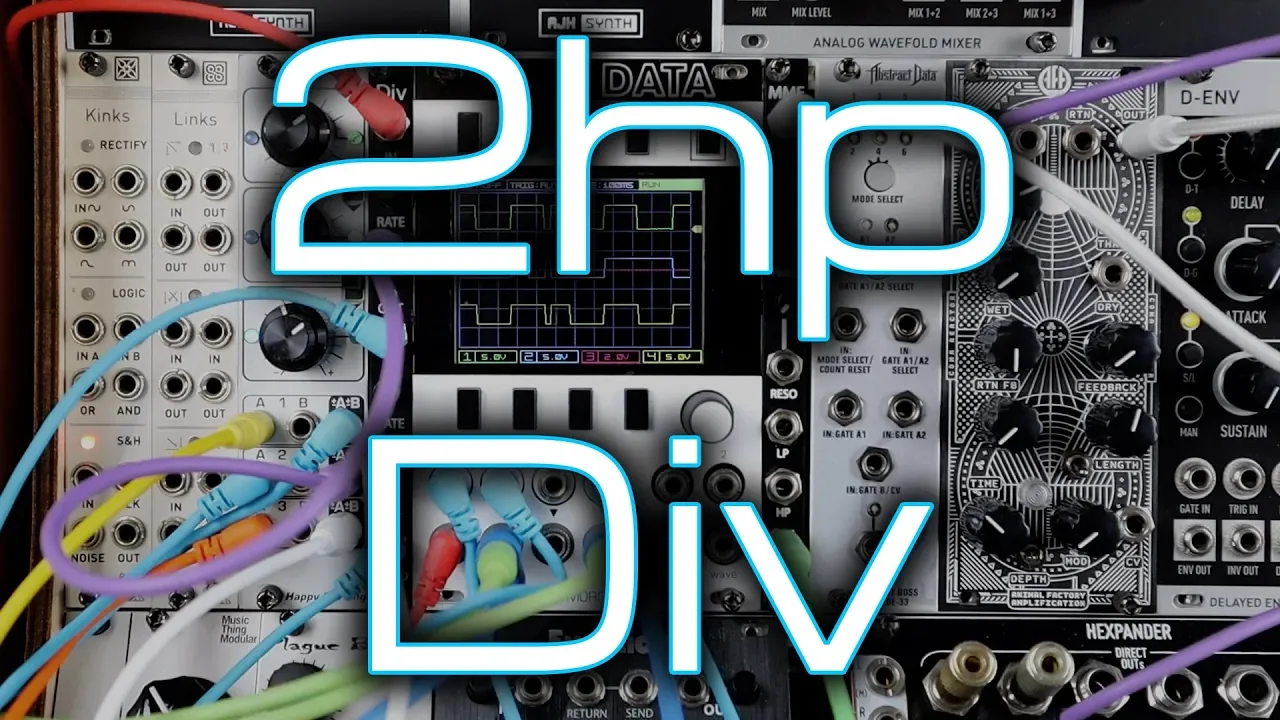
[Music] foreign [Music] [Applause] [Music] [Music] oh [Music] you [Music] [Applause] [Music] [Applause] [Music] so [Music] [Applause] [Music] [Applause] [Music] [Applause] [Music] [Applause] [Music] so [Applause] [Music] [Music] [Music] [Applause] [Music] [Music] [Music] [Music] [Music] [Music] [Music] [Music] [Music] [Applause] [Music] [Applause] [Music] [Applause] [Music] [Music] [Applause] [Music] [Music] [Music] [Music] [Music] [Music] [Music] [Music] [Music] [Music] [Music] [Applause] [Music] [Music] [Music] [Music] so [Music] [Applause] [Music] so [Music] [Applause] [Music] [Music] [Music] [Music] [Music] [Applause] [Music] [Music] [Music] [Music] [Music] [Music] so [Music] [Music] [Applause] [Music] [Applause] [Music] [Music] [Music] [Applause] [Music] [Music] [Music] [Music] [Music] so [Music] [Music] foreign [Music] foreign [Music] okay i hope you enjoyed that little piece i thought i'd just go through a little overview of what was going on there and it's not too complicated in terms of the modular elements we've also got a vocal drum um called sq1 sequencer outside the modular setup i suppose the nts1 is outside sort of a vco and uh effects just on that one and then we've got the microphone down the bottom but we'll go through uh some of the basic sounds so obviously we've got this micro freak set on a super wave setting which gives you the rich rich strong sound and i was varying the attack and the decay and the filter amount throughout the piece plus a bit of cut off in resonance there i've already adjusted wave temperature and shape that's being fed through this phase shifter here which is an old-fashioned like 70s 80s phase shifter on this very new and that is being modulated by this built-in lfo onto this module so [Music] i can control the shift frequency i need a bit more high frequencies for you to hear this and there's the modulation intensity resonance so that's the string sounds um also at one point i was using the clock which is i'll go through that in a minute it's been the master clock with the velcro drum fed to the arpeggiator so i switched that on change the attack and [Music] we're getting this kind of effect um so i was doing these broken arpeggios and that was all in sync so that's the sort of microfake the other thing that was happening was this little module which you possibly not see it's a 2hp pluck and that was being triggered by two sequences the first one was the sq1 on a random setting so it was triggering randomly any notes i had decided to make active in the 16 um step sequence so obviously if there's less notes on the less chance of them being triggered and if i just turn the pluck up and it's um [Music] so it was providing some bass sounds and also that later it was providing a little sort of high frequency guitari type thing that is being controlled sk1 also from a clock divider multiplier here so when i speed up i think it's clock two i can speed up the rate of randomness uh so that's slow six times slow getting faster and faster and that's been fed through this little cv mixer here i think it's meant as an audio mixer but i am using as a cv mixer at the moment and it allows me to have just the nts one on this volume control or cv attenuation type control and that's fed into this um tip top quantizer so this is keeping it in a in this case a g minor scale and i can control the octaves of that so if we just listen just to the nts1 being clocked here being fed in to the mixer only and then out to the this g minor so that sounds like this i'll increase the number of steps and using the mixer control here i can actually control the range of the notes and you can see this changing on this g minor scale i can also change the range octave range of the slider here which is the tips top slider [Applause] turn it down another important modulation to the plug is this doppler 1 118 noise random cv module and the random slopey cvs actually feeding the decay of the plug so i can change the amount of cv going [Music] and the amount of cv going into that to change the range of the dampening so that's what this sounds like so that's uh obviously very dampened and if i increase the amount of random cv going in it goes from obviously that very sustained sound and if you get the sweet spot it will go between a sort of sustained sound and a dampened sound to give it some variation so the random pitch and then the random dampening um also to add a little bit of regularity to the clock sound i've also got this 182 sequencer feeding it cv into this mixer so i can actually mix this set sequence alongside the random sequence and that gives us these what sounds like um sort of hammering on guitar sound because the gate for the pluck is being triggered by the random one and this is providing sort of notes in between pitch wise but not the gate so that has the effect when they introduce it something like this and i can change the [Music] change the clock on the 182 as well so the hammering can be more or less i can also have this faster in the sequence and then the 182 is slower and i'm varying all these things throughout the piece so the also the notes on this i varied a couple of times so all of those are just on the plugs or all of the guitar bass type sounds okay from there um the other key thing i suppose it's a four-part piece this um the pluck the microphone the vocal drum and then they sound coming from this nts1 from this keyboard here but the vocal drum is pretty self-explanatory in that we have a bass drum on track one these are all custom sounds by the way uh we've got a sort of tom complementary bass drum so the two of them sound like that now we've got a hi-hat three uh a bit of sort of industrial background noise on four which was there in the sort of slow sections just to provide some atmosphere five is a very sort of subtle beat to introduce the tempo it sort of comes in the quieter sections and then on six a big snare drum and the all of these are being fed through this strong blue sky at the top which is on a plate setting at the moment i haven't bought the reverb too big but i think it possibly could have been overpowering in a couple of sections but i'm monitoring my headphones so i often think it's sounding big but when i play it back it's not that big uh finally we've got a um [Music] sound being played from this uh keith macmillan q nexus which is actually in midi mode it can do cv at this side and i'm waiting on some actual modules so i can play it with this but for the moment i've been using the nts1 just because it's uh you i've got it here for effects but so that's actually going through midi at the moment through this little midi expander here midi into this and [Music] and uh the q nexus has got this feature called a tilt thing which gives you pitch bend if you do a bit of wobbling [Music] uh the sound on the nts one is basically a slow attack um sorry it's a dual wave it's called ux it's a dual oscillator type sound obviously this is a digital wave type thing um filter quite low i was going to play with the filter that i'd quite like mellow mellow sound also on fast sequences it's not particularly good at choosing the mono because this is mono obviously so a couple of times you'll hear the clicking as it was fighting between which looked play a bit of chorus on it and delayed there was no reverb because that's been fed through destroying as well [Applause] [Music] uh there's also a pitch bend on here which i can't remember if you use them now one of the problems with this keyboard is when you do do the tilt it's hard to get back to the original picture to sort of re-trigger it so there's some effects um so there's not a lot of the other modules used here uh worth working on notes audi the clock sorry so the clock is coming out of the rocket drum into this um horse tronic multi on malt buffered malt which allows one in multiple outs i'm taking one of the three out so that's in the top one of the three ounces going into the microfeed to provide the synchronicity with the arpeggiator and the other one is going into this um double clock here which is then providing the uh two clocks for the 182 and the um if you remember the uh trigger oh sorry just just the two clocks here one going to the 182 and the other one going into the sq one so hopefully that helps explain a little of what you hear and leave some likes and comments below and tick the bell and all that type of stuff bye
Up Next

13:38
EDM Build-Up & Drop Tutorial: FL Studio Music Production Guide
@SATURN_SUN
625.5K views•2017-01-29

12:54
Triumph of Orthodoxy Icon: Byzantine Art & History Explained
@BenCallan
2.1K views•2024-08-06

9:49
FastAPI vs Flask vs Django: Choosing the Right Python Web Framework
@TechWithTim
302.5K views•2024-05-26

1:42
Game of Thrones Opening Credits: A Cinematic Analysis
@gameofthrones
46.3M views•2011-04-18
Related Study Plans & Knowledge Roadmaps
Structured learning paths in General & Interdisciplinary Studies
general-studies
Elevator Engineering: History, Physics & Cities
01From Hoists to Safety Brakes: The Dawn of Vertical Lift
02Hydraulic vs. Traction: The Engineering Physics of Elevators
03Modern Speed, Safety, and Algorithms
+ 2 more learning modules
12h5 modules
Explore Roadmap
general-studies
Rubber: Material Science, History & Geopolitics
01Origins of Natural Rubber & Mesoamerican History
02The Chemistry of Natural Rubber & Vulcanization
03The Geopolitics of the Rubber Boom & Colonization
+ 2 more learning modules
12h5 modules
Explore Roadmap
general-studies
Containerization: Evolution, Logistics & Trade
01Ancient Trade & Bulk Cargo: Amphorae to Barrels
02The Industrial Revolution & Cardboard Packaging
03The Containerization Revolution: Malcom McLean
+ 2 more learning modules
12h5 modules
Explore Roadmap
general-studies
Textile Tech: Evolution, Labor & Global Impact
01Pre-Industrial Textiles: Handloom & Cottage Industry
02Mechanization: The Spinning Jenny to the Power Loom
03The Factory System & Global Labor Transformation
+ 2 more learning modules
10h5 modules
Explore Roadmap