















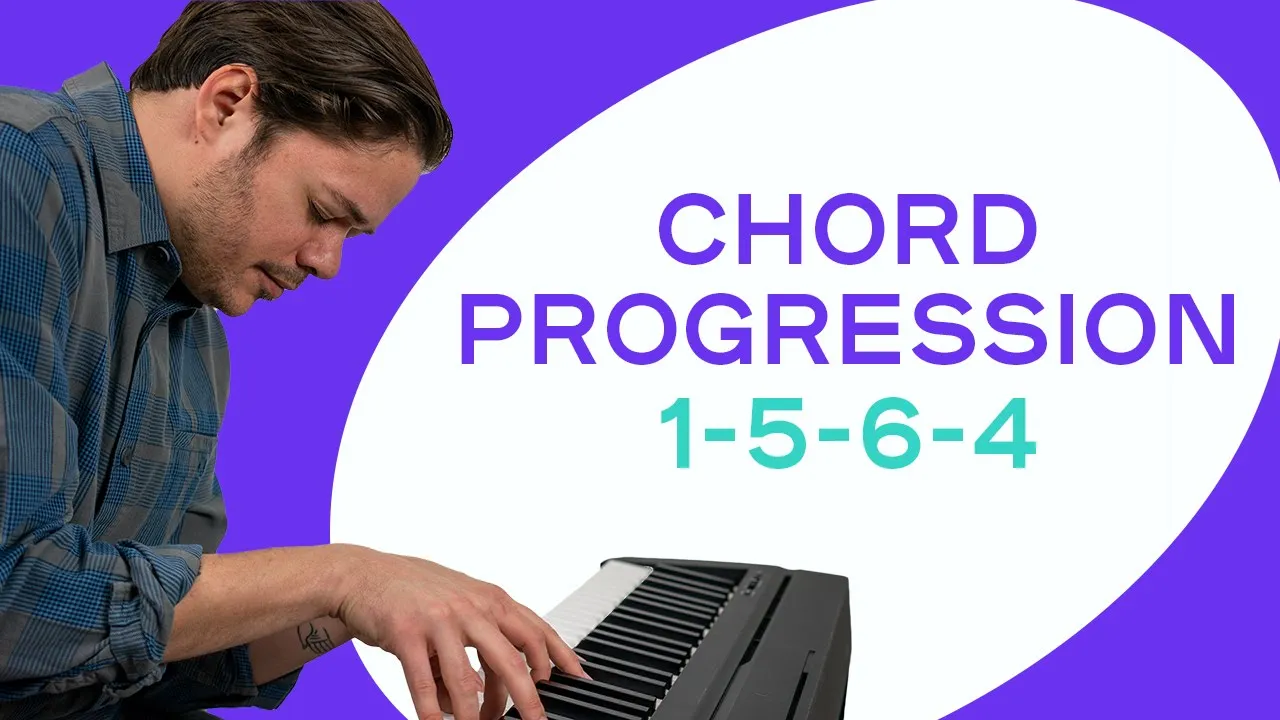


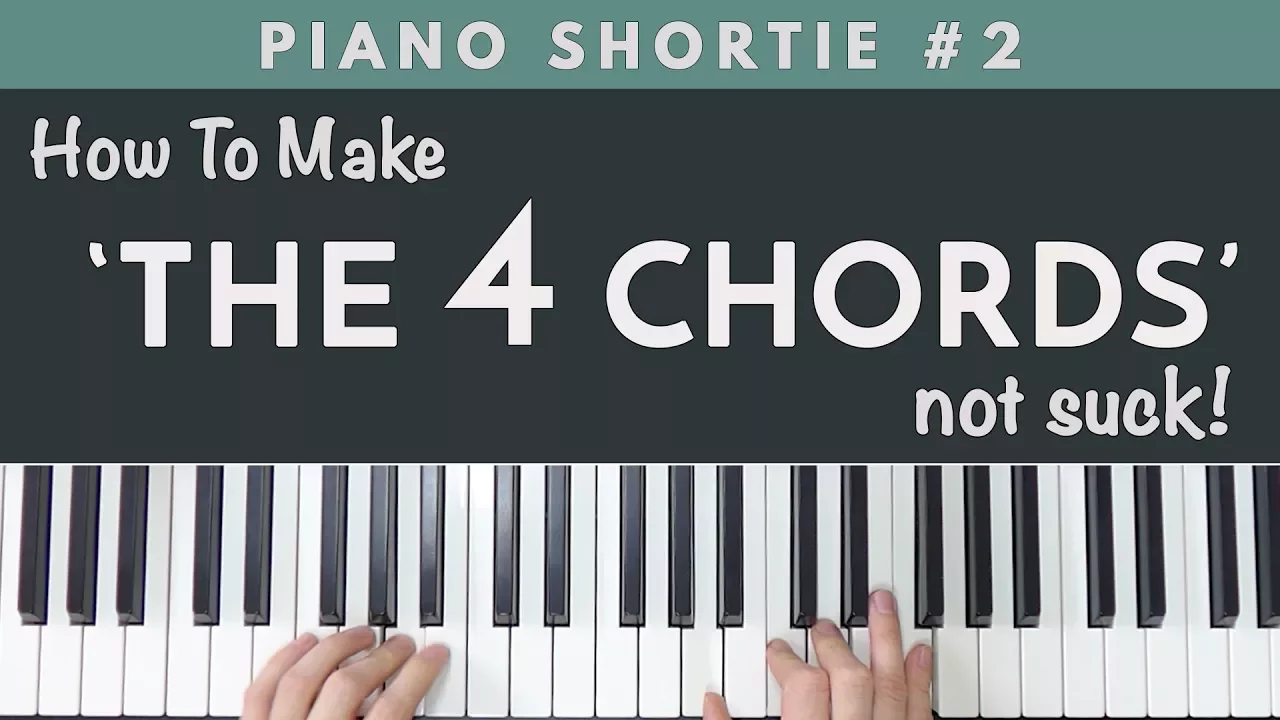
The 5-6-4-1 chord progression (V-vi-IV-I) is a core musical progression that creates emotional tension and resolution, commonly used in pop songs like 'Angels' by Robbie Williams, 'Hurt' by Johnny Cash, and 'September Song' by JP Cooper. This progression is one of four modes of the famous 'Axis' chord progression (1-5-6-4), starting on the five chord instead of the one. The progression's effectiveness depends on context, as it requires listeners to establish the key beforehand to hear the chords in their intended harmonic function. Variations include adding pedal points, changing harmonic rhythm, inverting chords, or skipping the resolution chord to build tension.
Axis Progression Mode: Analyzing the 5-6-4-1 Chord Sequence
Added:Understanding of diatonic chord construction and Roman numeral analysis in major keys.
Familiarity with the standard 'Axis Progression' (I-V-vi-IV) and its structural role in pop music.
Basic knowledge of chord functions, specifically tonic (I), dominant (V), subdominant (IV), and relative minor (vi).
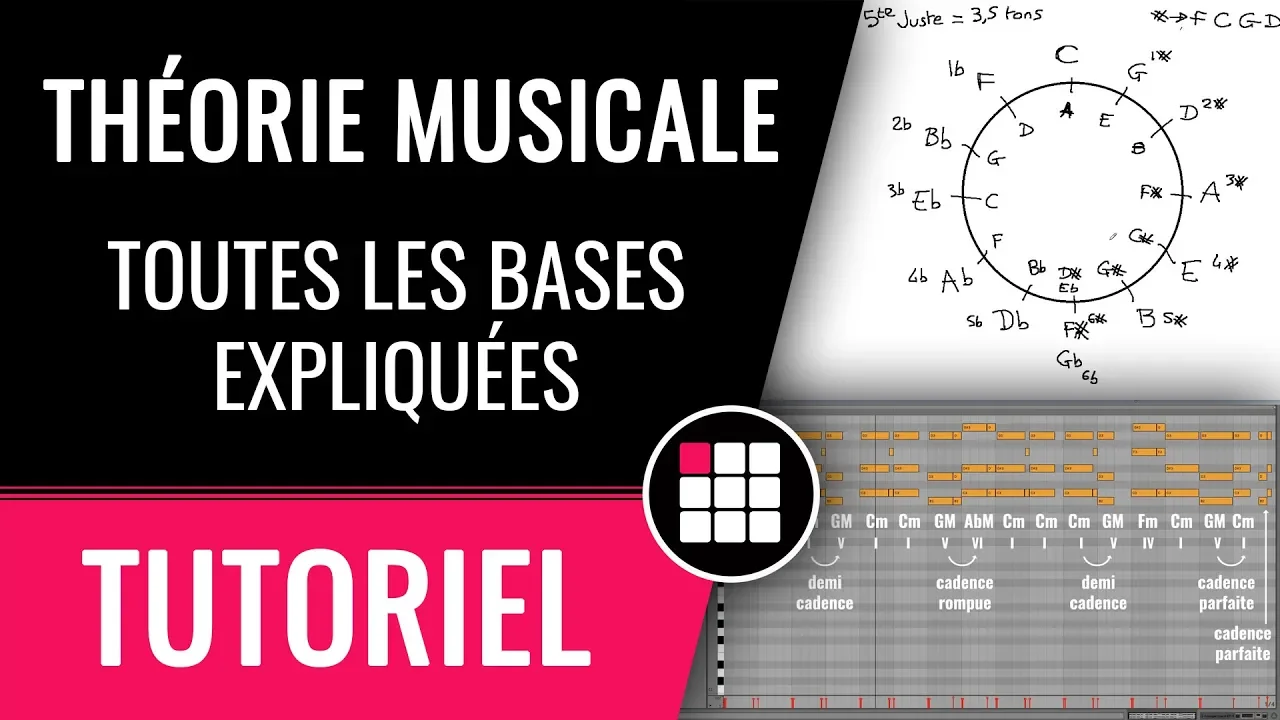
An understanding of cadences, particularly how resolutions like the plagal cadence (IV-I) function.
Exploring the concept of 'modal rotation' in chord progressions (starting common loops on different scale degrees).
Analyzing how harmonic rhythm and voice leading can shift the perceived tonic (tonal center) in a looping progression.
Applying the 5-6-4-1 progression in original songwriting and arranging across different musical genres.
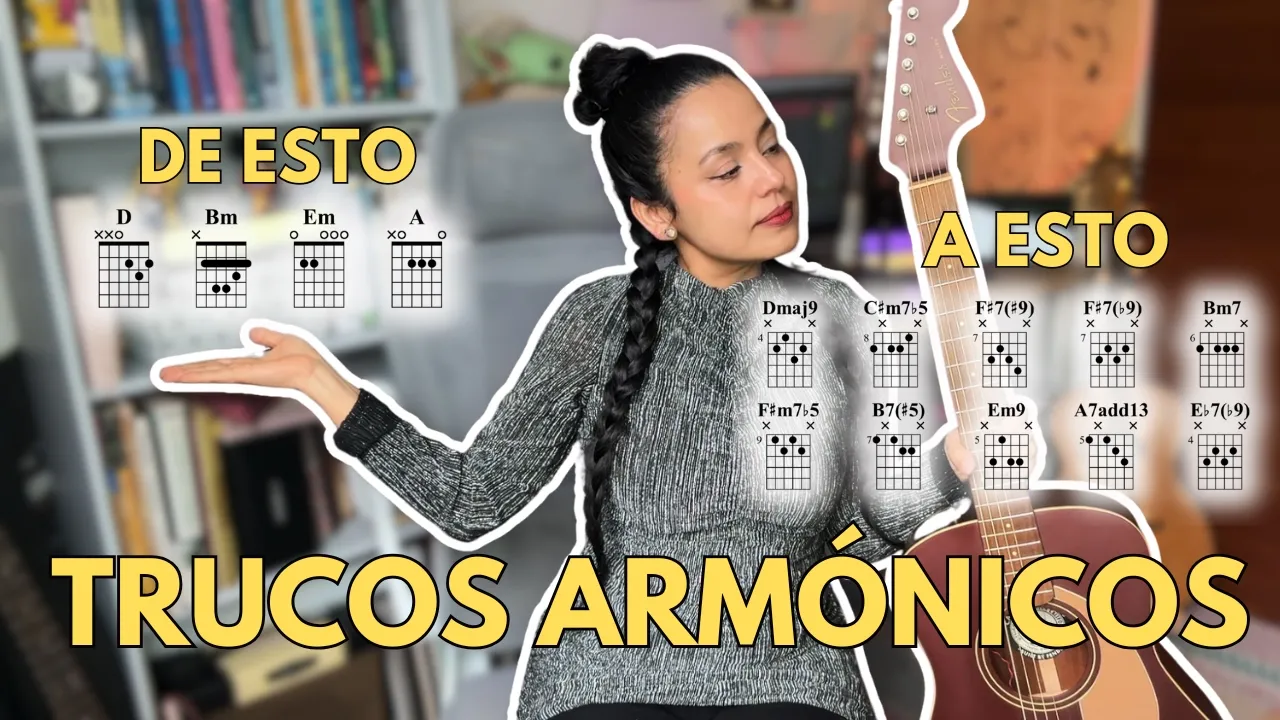
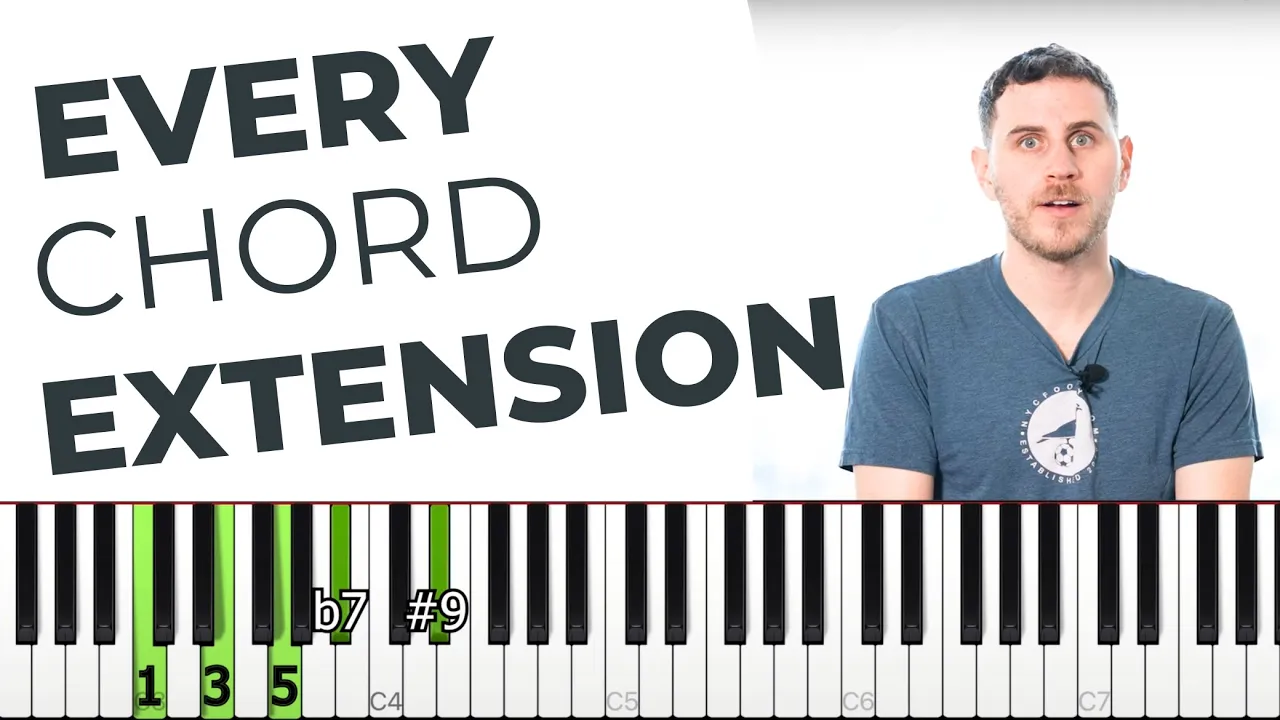
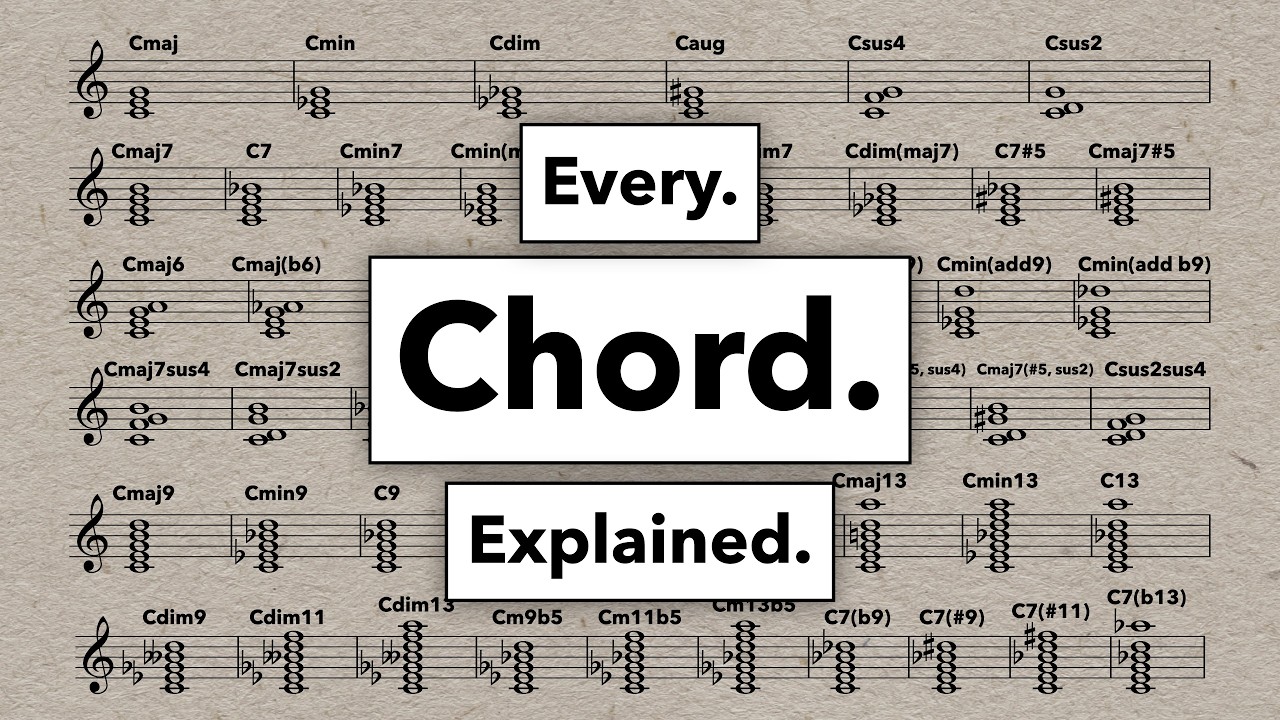
Studying advanced chord extensions (such as 7ths, 9ths, and sus chords) to add color to the 5-6-4-1 sequence.
237.8K views6.5Klikes17:25Original Release: 2024-12-23
this video was sponsored by HD piano today we're going to look at a core progression that's being used in various different songs it's also related back it's effectively a cousin of the really famous axis core progression as well which you've definitely heard of and this core progression I think is most famously used in the song Angels by Robbie Williams that song is in the key of E but when we get to the chorus we go to B the five chord c Shar minor the sixth chord a the four chord and then back to one the E chord so this is a chord progression of 5 6 4 and 1 and she offers me protection a lot of love and [Music] [Applause] affection but as I said this core progression has been used in various different songs another very famous very beloved song that uses this core progression is hurt originally by 9in nails but made perhaps more famous by Johnny Cash here we're in the key of C so C would be our one chord but unusually this chord progression actually begins not on the one but on the five which is G so in HT we have G A minor F and C so that's still our five 6 4 and 1 but to really add to the particular sound of this song we need to add this over the top the note G cuz this song whether you're listening to the 9in Nows version or the uh Johnny Cash version features what we call a pedal point if we can get very technical it would be an inverted dominant pedal inverted meaning it's high up on the keyboard dominant meaning it's on the fifth degree but that pedal Point adds extra glue to this core progression really kind of bringing the emotion out of [Music] it what have I become my sweetest friend everyone I know goes away in another song to use this called progression is September Song by JP Cooper and what's interesting is this song has used it in two different ways with two different harmonic rhythms the harmonic rhythm is just how often we're changing to the next chord so for example in the verse of September Song we have the chord progression but we're changing chord twice per bar and we're also doing it with this pushed Rhythm and that I get a mad sense of danger I feel like my heart couldn't take it cuz if we met we'd be strangers you but then when we reach the chorus we still have the same chord progression but we're spending longer on each chord we're now spending an entire bar on each chord [Music] you lasted too long a time moves so slowly when you're own so it's a good way of making both sections sound like they're very much related because you know they're using the same core progression but they're not identical now I wonder whether September Song was inspired by the song Sexual Healing by Marvin Gay which almost uses this exact same chord progression with the same pushed Rhythm but Marvin Gay inserts the three chord here before the four chord [Music] I can't hold it much longer it's getting stronger and stronger and another song that I think could have been influenced by Sexual Healing is I'm not famous by AJR which once again uses this core progression with that pushed [Music] [Applause] Rhythm a song that uses this cor progression with a particularly unusual harmonic rhythm is the song Kids by One Republic we have the same cord progression here 5 6 4 1 but we're changing chord in quite an asymmetrical pattern we spend a bar and a half on the first chord and then just half a bar on an next chord and that pattern repeats for the second half of the progression were reaching reaching for the Raptors yeah hey on most of the days we were searching for ways to get up and get out of the town we were raised yeah cuz we were done now an interesting element of this chord progression is that it doesn't begin on the one chord it ends on the one chord so we kind of get this little full stop at the end of each chord Loop which gives the cor progression a nice sense of starting with tension and then ending with resolution before looping around again but a clever way that you could effectively mute or sort of postpone that sense of resolution we get from the one chord is to invert the one chord put a different note in the Bas for example like feeder did on their song just the way I'm feeling it uses this core progression but on the first rotation the one chord has been inverted and it's only on the second rotation that we get it in its root position Fe is going down 10 ft below the ground I'm waiting for your healing hand want to touch BR me down I feel it's going down 10 fet below now if you Google this core progression a common example you see cited is Wannabe by the spice gals if you want my future forget my P if you to get with but personally I don't hear this core progression as 5641 I hear it as 1 2 flat 74 and this raises an interesting question about how we even know that this first chord is the five chord or the one chord right because unlike most core progressions that you know often start on the one chord this core progression we're talking about today starts on the five chord but for that to even be achieved you kind of have to have set the context first right so for example in Angels by Robbie Williams we're very clearly in the key of E because we've spent the verse section really hitting home the E is our one chord which means that when we then do go to the chorus the B we very much hear that b as the five chord and the next chord as the sixth chord rather than hearing them as the one and the two because if we had started the entire song on B our ears may have just decided that b is the tonic chord and that's what I think is happening in Wannabe by the spice Scouts the first section of the song I don't think fully establishes in our ears that we're in the key of B so when we get to the chorus I don't think we hear this F as the five chord of B I think we hear it as the one chord so we then just hear one 2 flat 7 four and then the F sh sounds like the home chord but this doesn't really matter right particularly in a chord Loop like we have here whether we're hearing one cord as the tonic or the dominant or whatever isn't as relevant because it's going to loop around anyway the intervals between the chords are the same regardless of how we perceive them to function within the key it's just an interesting phenomena that happens particularly with cord Loops where the particular function of each chord and the key the particular scale degree uh becomes a little bit ambiguous loads of the songs we've looked at in this video so far are actually available to learn right now at the piano with HD piano HD piano is a really accessible way to learn the piano you don't need to know any sheet music all of the songs are presented in these really easy to follow tutorials with the notes falling from the top and the shoor guiding you through the song bit by bit to find out more follow the links down below to start learning piano with HD piano today so I mentioned earlier that this 5 6 4 1 chord progression is related to that very famous axis progression the 1 5 6 4 that chord progression that turns up in so much modern pop music so the way it's related as you may have already noticed is that it's the same order of chords we're just starting on the second chord instead it's like a different mode of the same chord cord progression so rather than starting on the C we're just skipping straight to the G the five and then we go to the six and then we go to the four and then we go to the one and because we started on the five it gives that same order of chords a different character because the way that they fall within the sort of four chord Loop emphasizes five strongly and one in a more weak position so even though is the exact same notes same order we can get a different character out of it and what's interesting is there's actually four different modes that we could have this core progression in and we've talked about other ones before so famously there's also like the minor version of the axis progression which would be if we started on the sixth chord which is the chord progression used in Num by Lincoln Park kids by mgmnt Africa by Toto but that is also the same chord progression right but starting on the six and in another video I've talked about the the fourth and final inversion we could have here the fourth and final mode of this chord progression which would start on the four [Music] chord which you could hear for example in Misery Business by Paramore you could hear it in the chorus of Boulevard Broken Dreams by Green Day it's a really Common Core progression but what's so interesting about this famous axxis progression is that all four modes of it are common core progressions but the one we're looking at today the one that begins on five is most certainly the least common and I think that is because it has a sort of fragility to it because it starts on the five chord you have to definitely have that context there for us to hear it right otherwise you know we get what happened in spice gals where we're not necessarily hearing it as the 5 6 4 and one and what I find interesting about this core progression is that sometimes songs use more than one mode of this core progression so they might use the five 6 4 1 for the verse and then they might go to the 1 5 6 and four for the chorus we can actually see that in James Blunt song stay the night although caveat the verse here he does add an extra five cord to the end of the progression as a little turnaround so there is a variation here but he's using the 5641 for the verse it's [Music] 72° rain been a and then he's using the 1564 for the chorus and also for the intro as well this what we got the what we got is gold we're shining bright and I want you I want you to know so we saw there that James Blunt had used a small variation on this 5 6 41 chord progression where he had put an extra five at the end before we get to the proper sort of five on the downbeat again but there's another really common variation of this cour progression where we just skip the one court at the end so we get five 6 4 and then we just stay on four again and then go to five and as you can hear it kind of postpones the resolution right it's the one chord that would give us that sense of resolution but by skipping out the one chord by just staying on the four for twice as long we SU stain that sense of tension and building and I think that is why this this core progression has often been used uh kind of in a verse or pre- chorus section to build that tension that gets relieved by the chorus so for example we can see it in the song Tennis Court by Lord here in the verse we can also see it in the song the Archer by Taylor Swift [Music] dark search [Music] for and what's interesting with the Archer is we've got this 564 core progression for the verse and then in the chorus we get that classic 1564 core progression so it's you know once again kind of related a the night like a the room is on fire invisible smoke and all of my heroes die all alone help and the exact same thing happens in an earlier song adell's Someone Like You in the preor section we get this five six and four Turnin couldn't stay away I couldn't fight it I had hoped you'd see my face and and then that pressure that suspense that's been created by that non-resolving core progression is all relieved when we hit the chorus which has that classic 1 5 6 4 mind I find someone like you I wish another song that uses a variation on this cor progression is Time After Time by Cindy laer in the chorus we almost have this 5 6 41 cord progression but she throws in an extra five cord here before the one you're lost you can look and you find me time after so that is the 5641 core progression and as I said before what is interesting and kind of crucial with this core progression is making sure to set the context the way we hear chords and Melodies and music in general is very context dependent so right now when I want to play us out with this 5 6 41 core progression I can't just launch straight into it cuz your ears may not latch on to that last chord as the one what I really need to do is set that context and then once we fully know that we're in E then I can go [Music]
Up Next

14:00
Dorian Mode Chords Explained: Music Theory Guide
@mikegeorge360
37.9K views•2020-11-13

10:20
Mozart's Musical Dice Game Explained: History, Rules, & Fun
@webpianoacademy
5K views•2023-03-13

23:43
Negative Harmony Explained: Music Theory Guide
@DavidBennettPiano
96.2K views•2025-09-25
10:49
Understanding John Coltrane's Giant Steps: A Music Theory Analysis
@Vox
10.4M views•2018-11-12
Related Study Plans & Knowledge Roadmaps
Structured learning paths in Music Theory
music-theory
Composing Galant Music: Partimento & Schemata
01Foundations of Figured Bass and Keyboard Harmony
02The Rule of the Octave (Regola dell'Ottava)
03Galant Schemata: The Building Blocks of Form
+ 2 more learning modules
30h5 modules
Explore Roadmap
music-theory
Decoding Overtone Series: Tuning & Drone Music
01Acoustic Foundations: The Physics of the Overtone Series
02Tuning Systems: Equal Temperament vs. Just Intonation
03Microtonality and Spectralism: Beyond Standard Pitches
+ 2 more learning modules
24h5 modules
Explore Roadmap
music-theory
Impressionist Harmony: Scales, Planing & RPGs
01Foundational Music Theory: Keys, Intervals, and Seventh Chords
02Impressionist Color: Chord Planing and Parallel Harmony
03Whimsical Textures: Pentatonic Cascades and Whole-Tone Scales
+ 1 more learning modules
14h4 modules
Explore Roadmap
music-theory
Negative Harmony: Axis Reflection in Indie Pop
01Music Theory Foundations: Scales, Intervals, and Triads
02Functional Harmony and the Circle of Fifths
03Demystifying the Negative Harmony Axis Reflection
+ 2 more learning modules
16h5 modules
Explore Roadmap