

















![Stamp Collecting Tips Tricks and Hacks Revisited. Plus Viewers' Favorite Stamps [Ep. 48]](https://i.ytimg.com/vi_webp/pINF9iJBdsY/maxresdefault.webp)








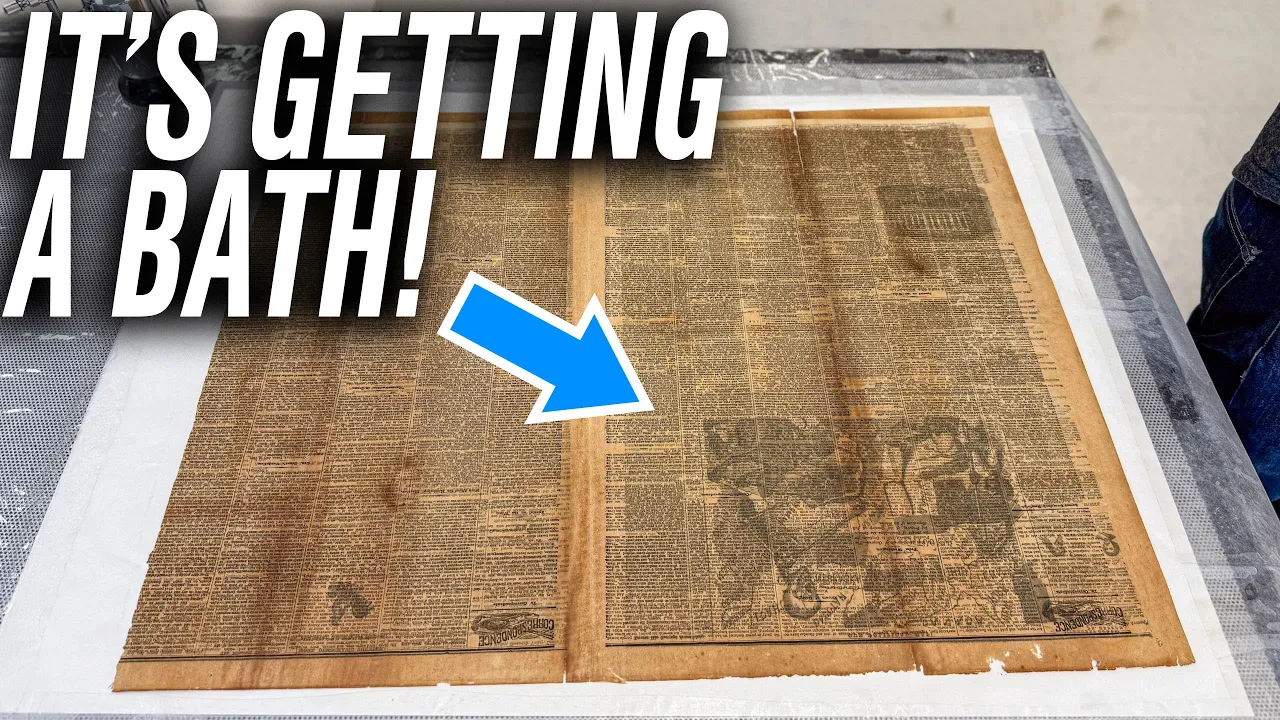
Paper turns yellow over time primarily due to lignin, a natural compound in wood pulp that makes wood stronger but is highly susceptible to oxidation when exposed to oxygen and sunlight; newspapers yellow faster than books because they contain more lignin due to less intensive processing, while books undergo bleaching that removes lignin but may make cellulose more susceptible to oxidation.
What Causes Paper to Yellow Over Time? Science Explained
Added:The basic structure of plant-derived materials, specifically the distinction between cellulose and lignin.
The chemical process of oxidation, including how oxygen from the air interacts with organic compounds.
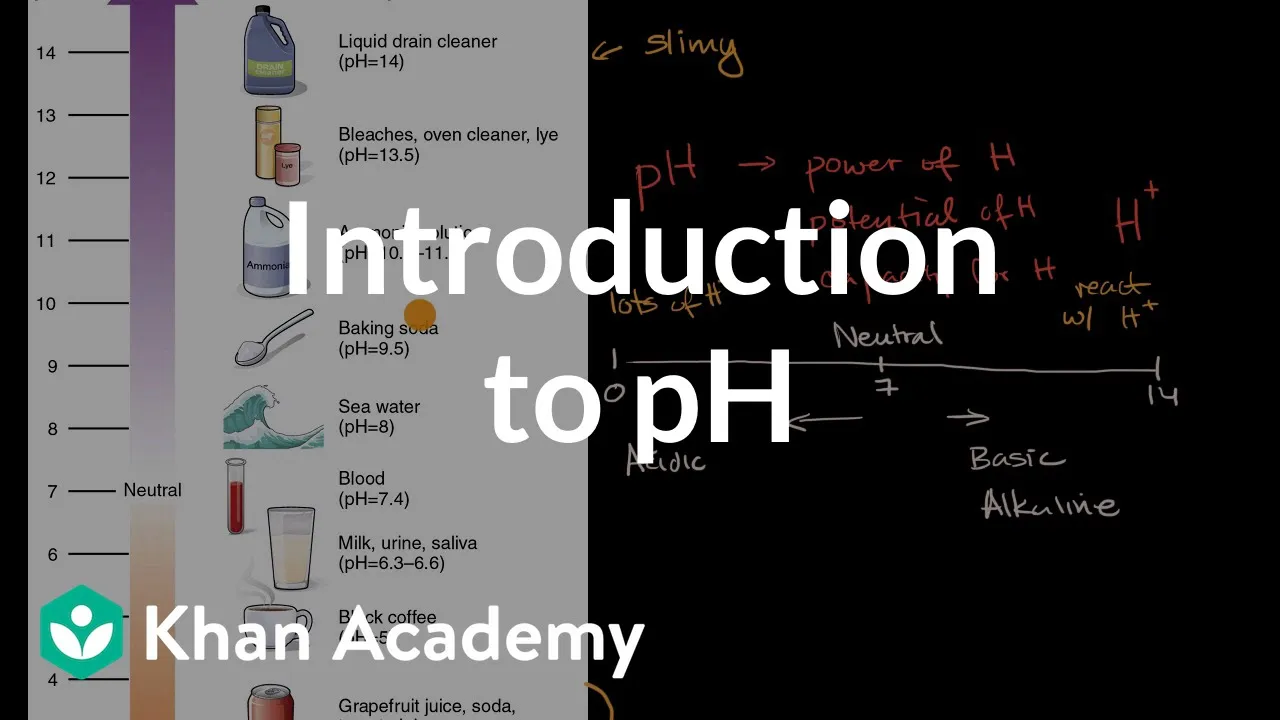
Fundamental concepts of pH, including the difference between acidic and alkaline substances and how acidity affects material stability.
The role of electromagnetic radiation, particularly ultraviolet (UV) light, in initiating photochemical reactions.
Methods of archival preservation and conservation science, such as deacidification and climate-controlled storage.
The industrial chemistry of modern papermaking, specifically the production of acid-free and alkaline-buffered papers.
Advanced organic chemistry of polymer degradation, focusing on how long-chain molecules break down over time.
Forensic document analysis, including how paper degradation and yellowing are used to date historical artifacts and detect forgeries.
148.8K views6.8Klikes7:54Original Release: 2019-08-15
It is generally thought that paper was invented around 100 BC in China.
Originally made from wet hemp that was, then, beaten to a pulp, tree bark, bamboo, and other plant fibers were eventually used.
Paper soon spread across Asia, first only being used for official and important documents, but as the process became more efficient and cheaper, it became far more common.
Paper first arrived in Europe likely around the 11th century.
Historians believe the oldest known paper document from the “Christian West” is the Missal of Silos from Spain, which is essentially a book containing texts to be read during Mass.
This paper was made out of a form of linen.
While paper, books, and printing would evolve throughout the next eight hundred years, with the Gutenberg printing press coming in the mid-15th century, paper was normally made out of linen, rags, cotton, or other plant fibers.
It wouldn't be until the mid-19th century when paper was made out of wood fiber.
So what changed?
In 1844, two individuals invented the wood paper-making process.
On one end of the Atlantic Ocean was Canadian inventor Charles Fenerty.
Growing up, his family owned a series of lumber mills in Nova Scotia.
Knowing the durability, cheapness, and availability of wood, he realized it could be a good substitute for the much more expensive cotton used in paper.
He experimented with wood pulp and on October 26, 1844, he sent his wood pulp paper to Halifax’s top newspaper, The Acadian Recorder, with a note touting the durability and cost-effective spruce wood paper.
Within weeks, the Recorder used Fenerty’s wood pulp paper.
At the same time, German binder and weaver Friedrich Gottlob Keller was working on a wood-cutting machine when he discovered the same thing as Fenerty - that wood pulp could act as a cheaper paper than cotton.
He produced a sample and, in 1845, received a German patent for it.
In fact, some historians credit Keller for the invention more than Fenerty simply due to the fact that he received a patent and the Canadian did not.
Within thirty years, wood pulp paper was all the rage on both sides of the pond.
While wood pulp paper was cheaper and just as durable as cotton or other linen papers, there were drawbacks.
Most significantly, wood pulp paper is much more prone to being effected by oxygen and sunlight.
Wood is primarily made up of two polymer substances - cellulose and lignin.
Cellulose is the most abundant organic material in nature.
It is also technically colorless and reflects light extremely well rather than absorbs it (which makes it opaque); therefore, humans see cellulose as white.
However, cellulose is also somewhat susceptible to oxidation, although not nearly as much as lignin.
Oxidation causes a loss of electron(s) and weakens the material.
In the case of cellulose, this can result in some light being absorbed, making the material (in this case, wood pulp) appear duller and less white (some describe it as "warmer"), but this isn't what causes the bulk of the yellowing in aged paper.
Lignin is the other prominent substance found in paper, newspaper in particular.
Lignin is a compound found in wood that actually makes the wood stronger and harder.
In fact, according to Dr. Hou-Min Chang of N.C.
State University in Raleigh, “Without lignin, a tree could only grow to about 6 ft. tall.” Essentially, lignin functions as something of a "glue," more firmly binding the cellulose fibers, helping make the tree much stiffer and able to stand taller than they otherwise would, as well able to withstand external pressures like wind.
Lignin is a dark color naturally (think brown-paper bags or brown cardboard boxes, where much of the lignin is left in for added strength, while also resulting in the bags/boxes being cheaper due to less processing needed in their creation).
Lignin is also highly susceptible to oxidation.
Exposure to oxygen (especially when combined with sunlight) alters the molecular structure of lignin, causing a change in how the compound absorbs and reflects light, resulting in the substance containing oxidized lignin turning a yellow-brown color in the human visual spectrum.
Since the paper used in newspapers tends to be made with a less intensive and more cost-efficient process (since a lot of the wood pulp paper is needed), there tends to be significantly more lignin in newspapers than in, say, paper made for books, where a bleaching process is used to remove much of the lignin.
The net result is that, as newspapers get older and are exposed to more oxygen, they turn a yellowish-brown color relatively quickly.
As for books, since the paper used tends to be higher grade (among other things, meaning more lignin is removed along with a much more intensive bleaching process), the discolorization doesn’t happen as quickly.
However, the chemicals used in the bleaching process to make white paper can result in the cellulose being more susceptible to oxidation than it would otherwise be, contributing slightly to the discolorization of the pages in the long run.
Today, to combat this, many important documents are now written on acid-free paper with a limited amount of lignin, to prevent it from deteriorating as quickly.
As for old historic documents, there may not be a way to reverse the damage already done, but one can prevent further damage.
It is important to store the documents, books, or newspaper in a cool, dry, dark place, just like how museums store historic documents in a temperature-controlled room with low-lighting.
Additionally, do not store them in an attic or basement; those places can get humid and can have significant temperature swings.
If one would like to display the newspaper or document out in the open, put it behind UV protected glass to deflect harmful rays.
Most importantly, limit the handling of said document or newspaper - nothing destroys a valuable piece of paper like frequent handling.
Bonus Fact: Ever wonder why blueprints are blue?
Well, wonder no more: Making copies of architectural drawings hasn’t always been the easiest thing in the world to do.
For the majority of human history, the most economical solution was simply to have someone make a tracing of the original plans.
In the mid-nineteenth century, the process abruptly became much quicker and easier thanks to famed polymath Sir John Herschel.
In 1842, Herschel invented a method to easily copy drawings using potassium ferrocyanide and ammonium iron citrate.
The exact method, called cyanotype, is performed as follows.
First, you take a drawing of the plans done on relatively translucent tracing paper or cloth and place it on top of and attach it to paper (or sometimes linen, Mylar, etc.) that has been previously soaked in a mixture of the aforementioned two chemicals, then dried.
Next, you expose the papers to a bright ultra-violet light source, such as the Sun, for several minutes.
The result is that the paper soaked in the chemicals ends up turning blue as the chemicals react to the light and form a compound called blue ferric ferrocyanide, also known as “Prussian Blue.” This wouldn’t be very helpful for making a copy of a document except for the fact that where the light cannot penetrate the translucent paper, namely where the drawing marks are, the coated paper remains the original color of the paper, usually white, effectively making a nice copy.
You might see a potential problem here in that you then can’t expose the un-blued bits to any bright light source at first, but this problem is easily solved by simply washing the chemicals off, then allowing the paper to dry.
At this point, the copy is complete.
Within a few decades of the discovery of this method of copying (as well as other blue-printing methods such as one developed by Alphonse Louis Poitevin in 1861 using ferro-gallate), the price dropped to about one-tenth the cost of having someone simply trace the original plans, helping the popularity of blueprints explode.
In the mid-twentieth century, copying methods such as as diazo prints, and then later xerographic prints, finally supplanted blueprints.
Much more recently, simply sticking with digital versions of plans has become popular, with these having the advantage of being easy to modify and distribute as needed during the construction process.
Despite the technological changes and the fact that these plans usually aren’t on blue paper anymore, in popular vernacular the term “blueprints” has stuck around anyways.
Up Next
7:54
How to Synthesize Aspirin: Organic Chemistry Lab Procedure
@ProfessorDaveExplains
117.8K views•2023-04-12
83:56
Biocatalysis and Catalysis in Islatravir Synthesis | Merck Webinar
@SCIwheresciencemeetsbusiness
675 views•2020-10-08
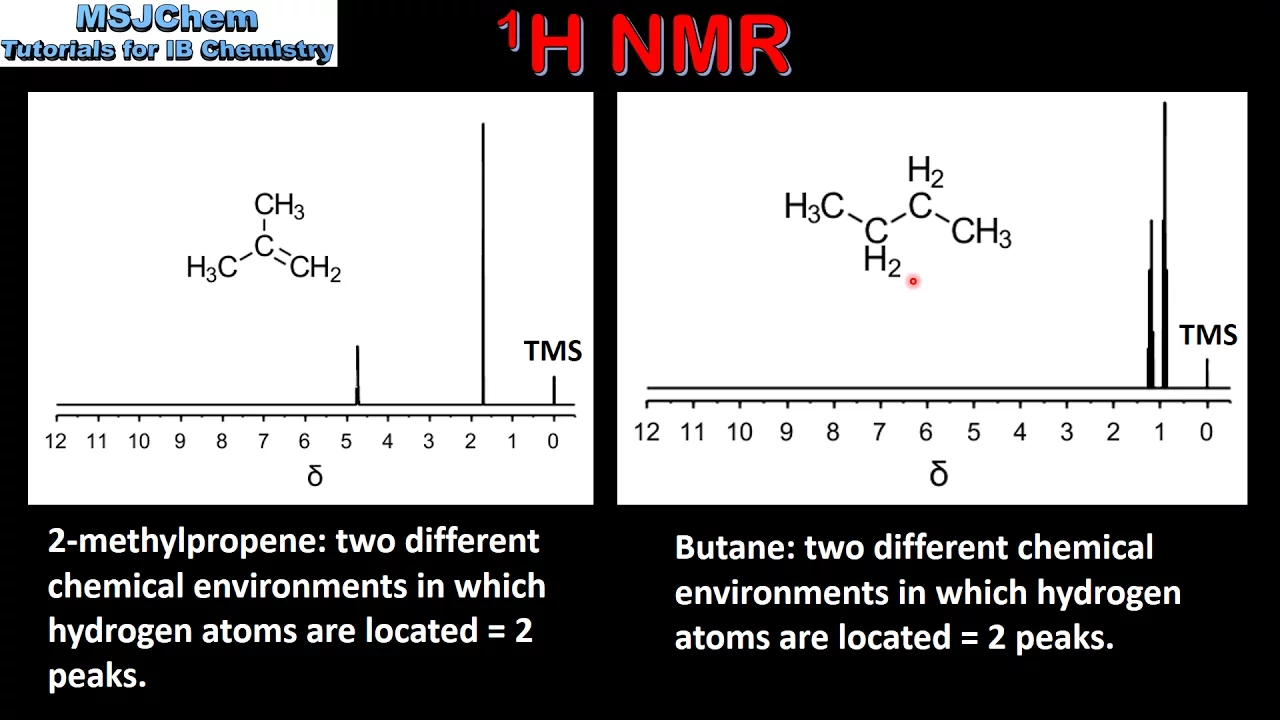
10:06
1H NMR: Determining Number of Peaks from Structure
@MSJChem
59.2K views•2017-04-06

17:31
Edible Water Bottles: A DIY Guide to Sodium Alginate Spherification
@ryan
10.5M views•2019-06-21
Related Study Plans & Knowledge Roadmaps
Structured learning paths in Chemistry
chemistry
Nuclear Chemistry: Decay, Meds & Fuel Cycle
01Introduction to Nuclear Structure and Radioactivity
02Decay Dynamics and Kinetics
03Radiation Interaction and Detection
+ 2 more learning modules
24h5 modules
Explore Roadmap
chemistry
Supramolecular Chemistry: Forces & Machines
01Foundations of Chemical Bonding and Intermolecular Forces
02Introduction to Host-Guest Chemistry
03Thermodynamics and Dynamics of Self-Assembly
+ 2 more learning modules
16h5 modules
Explore Roadmap
chemistry
Photochemistry: Excited States & Reactions
01Foundations of Light-Matter Interactions
02Molecular Orbitals and Electronic States
03Photophysical Processes and Jablonski Diagrams
+ 2 more learning modules
18h5 modules
Explore Roadmap
chemistry
Coordination Chemistry: Bonding & Properties
01Introduction to Transition Metals and Ligands
02Crystal Field Theory (CFT) and Geometry
03Magnetic Behavior and Spin States
+ 2 more learning modules
14h5 modules
Explore Roadmap