















The unfolded protein response (UPR) is a cellular stress response activated when proteins misfold in the endoplasmic reticulum, triggering three main signaling pathways (PERK, IRE1, and ATF6) that work to restore protein homeostasis; the BiP co-chaperone ERDJ4 regulates IRE1 signaling by competing with unfolded proteins for BiP binding, thereby controlling IRE1 dimerization and XBP1 splicing to modulate the UPR response.
Unfolded Protein Response Signaling Explained (2017 Cell Paper Review)
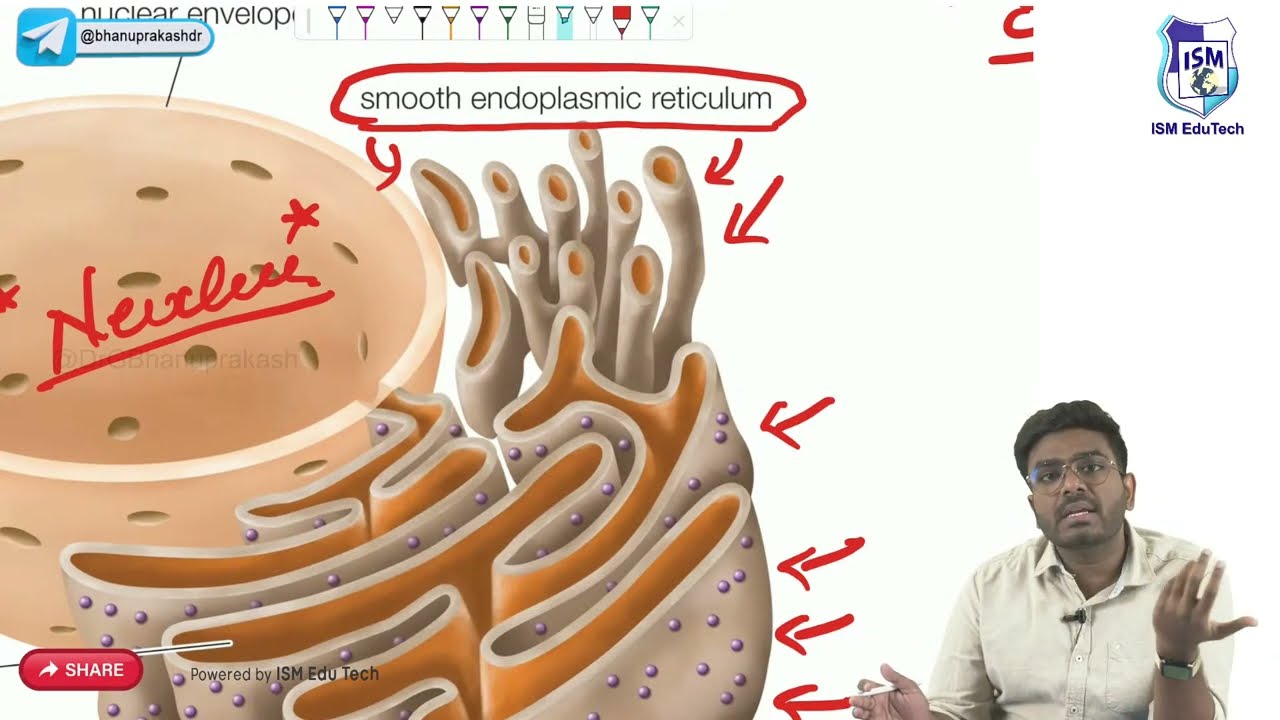
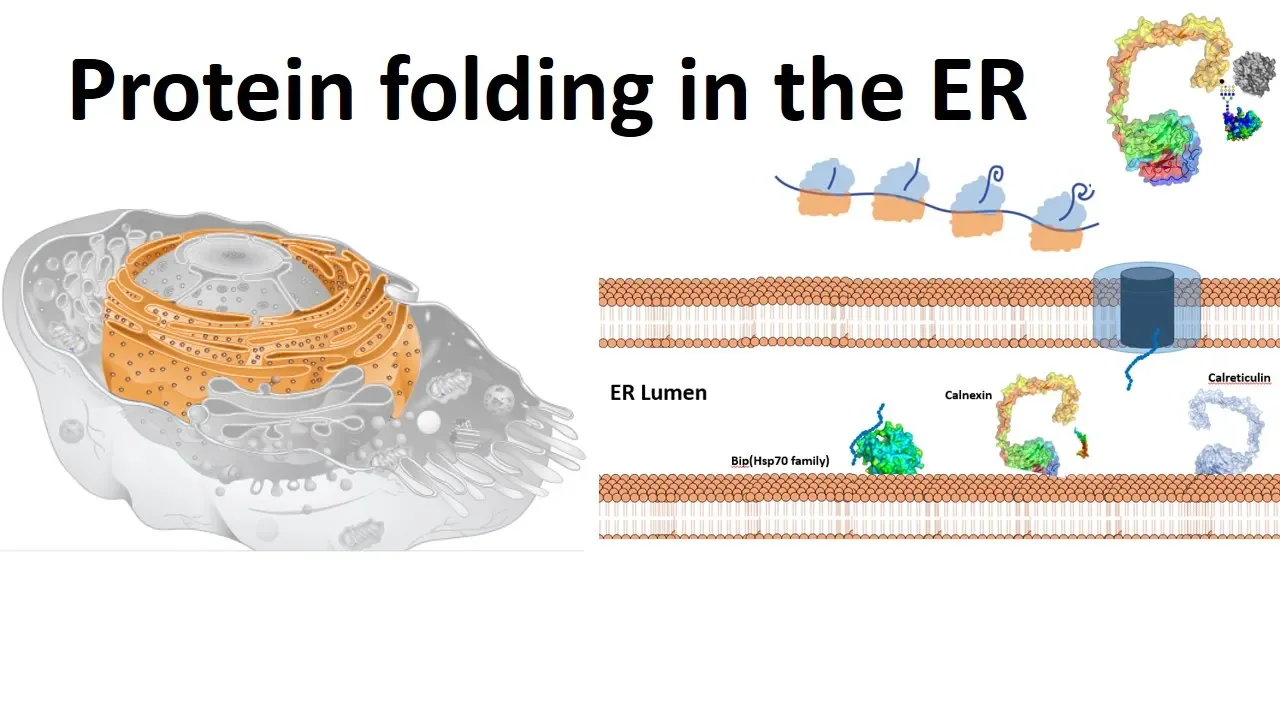
Added:Structure and function of the Endoplasmic Reticulum (ER), particularly its role in protein translation, folding, and post-translational modifications.
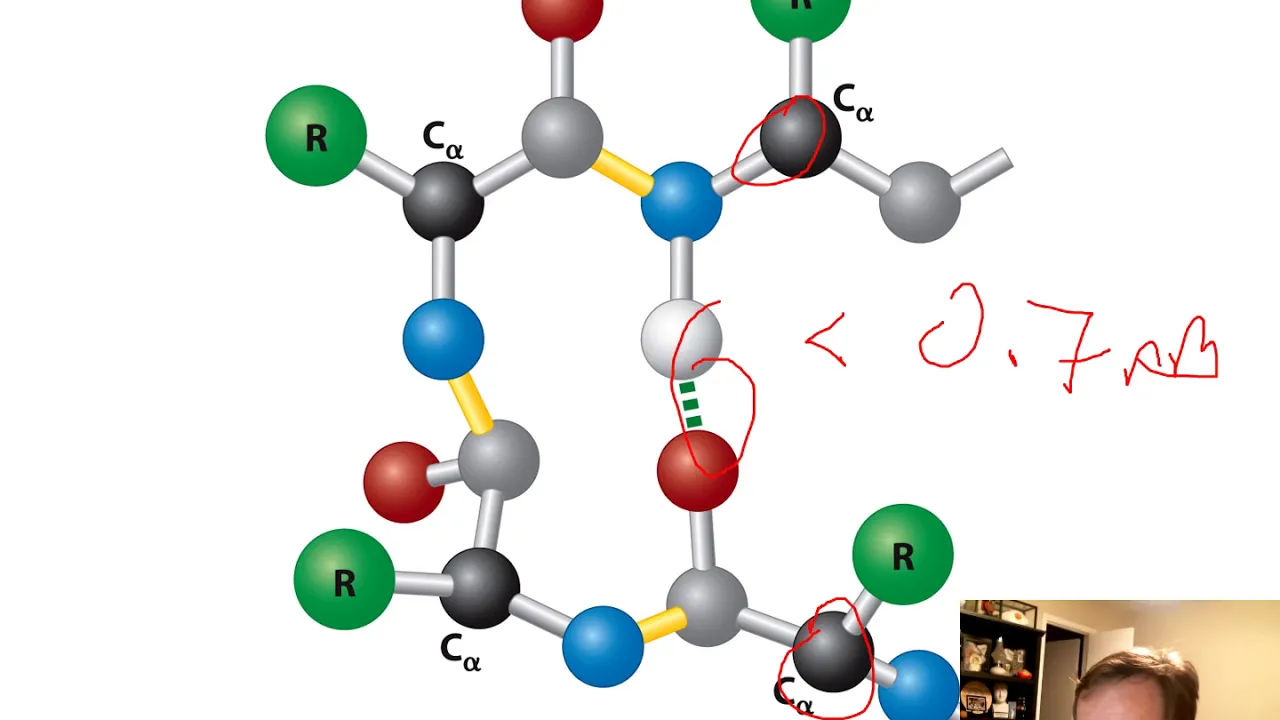
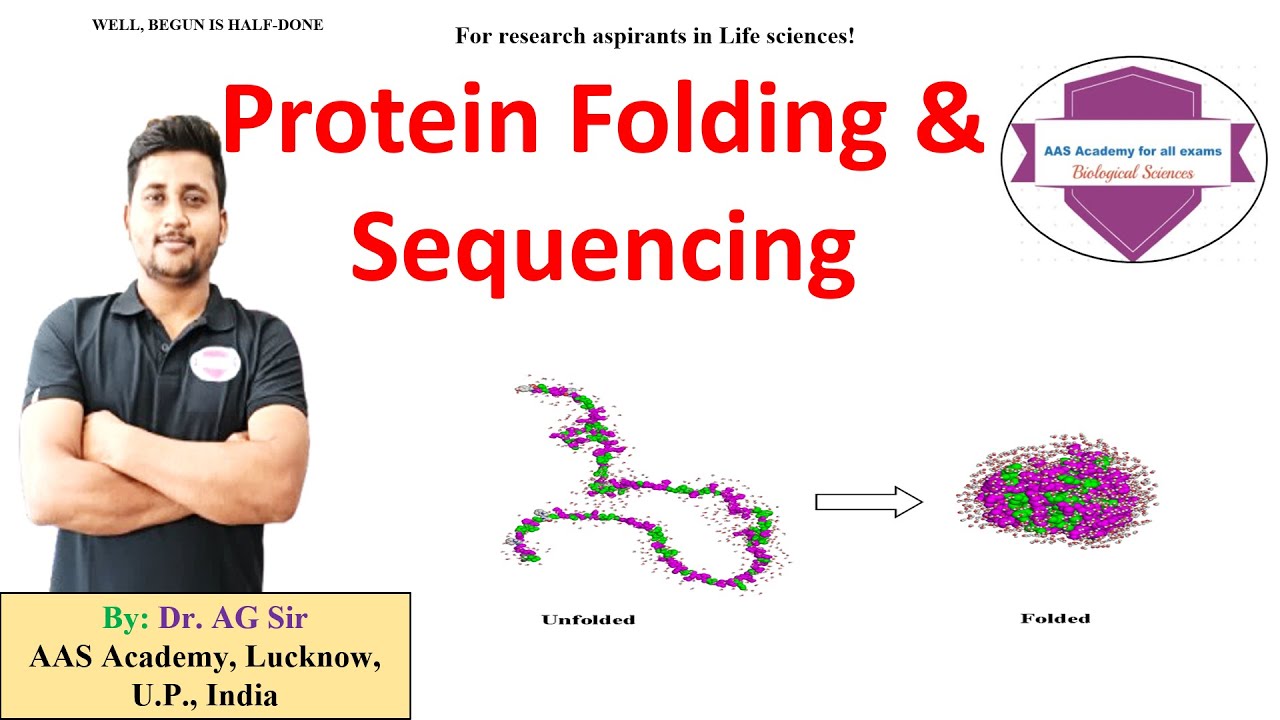
The chemistry of protein folding, including the transition from primary polypeptide chains to functional tertiary structures and the occurrence of misfolding.
Fundamentals of intracellular cell signaling, including phosphorylation cascades, ligand-receptor binding, and transcription factor translocation.
The role of molecular chaperones (such as BiP/GRP78) in assisting protein folding and maintaining proteostasis under normal physiological conditions.
The molecular mechanism of ER-stress-induced apoptosis, including the transition from adaptive UPR to apoptotic signaling via CHOP and Caspase activation.
The role of chronic ER stress and UPR dysfunction in human pathologies, such as neurodegenerative diseases (Alzheimer's, Parkinson's), type 2 diabetes, and cancer.
The mechanism of ER-Associated Degradation (ERAD) and how it coordinates with the UPR to clear misfolded proteins from the ER.
Current pharmacological approaches and drug discovery efforts targeting PERK, IRE1, and ATF6 pathways for therapeutic intervention.
13.3K views242likes41:52Original Release: 2018-01-14
hello everyone in this lecture I'll be reviewing the endoplasmic reticulum you PR or unfolded protein response and then relate these concepts to a new paper by a man Wetzel a tall titled age a protein kosh a Peron recruits VIP to monomer eyes I r1 and repress the unfolded protein response and published in the journal Cell in this year 2017 hope you enjoy the endoplasmic reticulum as you probably know receives unfolded proteins destined for either the secretory pathway or to become transmembrane proteins and the function of the ER is to facilitate the proper folding a glycosylation of these proteins as well as to properly orient transmembrane proteins however under various circumstances these proteins shuttling through the ER can miss fold and begin aggregating which triggers this u PR or unfolded protein response now the cause of protein misfolding can be extremely complex but some of the typical causes of miss folding include most importantly genetic mutations we also see a stress signaling calcium efflux so calcium leaving the ER can cause miss folding because many of the folding chaperones are calcium dependent you also see infection can trigger the UPR the UPR can also be induced chemically using Tunica Meissen it's a inhibitor of in glycosylation which is required for the proper protein folding in the ER and so in experimental conditions you also you you commonly see Tunica myosin used to induce the UPR the UPR is transduced through three primary pathways we have ATF 6r1 and perc and we're going to discuss exactly how these pathways operate in the next few slides so these signaling pathways function to restore protein homeostasis they do this by up regulating ER folding chaperones and they temporarily suppress protein translation so I won't go into the specifics of what proteins are up regulated because transcriptional processes are extremely complex but generally when the UPR is initiated you see a a transcriptional program aimed at restoring protein homeostasis however prolonged UPR signaling is thought to kind of tip the scales from survival towards apoptosis and it does this typically through the chop CH o P and also J&K signaling which I also have a lecture on now this is where things get a little bit murky in cell type-specific because the UPR is actually cytoprotective and cytotoxic and it depends on how long it's been active and also it's highly cell specific and it's dependent on many other factors are going in the cell like you know inflammation or what else is happening in mitochondria but generally if the UPR becomes cytotoxic it's probably through the activation of J&K signaling and the chopped transcription factor and in terms of real-life disease the UPR has been observed to be overactive not surprisingly in many protein misfolding diseases like alzheimer's disease Huntington's disease Parkinson's disease but there's still debate regarding whether these are cytoprotective maybe they're trying to adapt to the misfolded proteins best it could be beneficial or they could potentially be inducing apoptosis they could be favoring the cell to self-destruct and so it's Altima dependent on the context of the disease but nevertheless the UPR is still a very important pathway either side protective or cytotoxic but either way it's important pathway to understand so I'm excited to go through it with you guys and I hope you enjoy this lecture so like I said there are three different main pathways of inducing the EPR and they all start in the endoplasmic reticulum and for this slide we're going to start with perk PE R K so perk is a transmembrane protein it is right here this is gonna be our perk and this is it is embedded in the membrane of the ER and there's a protein that likes to attach itself to perk and just kind of hang off it and this is VIP VIP is a critical folding chaperone that will bind to perk and what's it doing on perk well bi P actually prevents a perk from interacting with other perk proteins let's change the color here so this will be another perk protein so the presence of BI P is actually inhibiting the dimerization of perk okay so VIP is inhibiting perk from dimerizes however under certain certain circumstances let's say proteins begin to miss fold so this is in the ER right this is that's a protein misfolding you know what happens when a protein ms folds VIP it gets VIPs attention a VIP detaches from perk and it binds the unfolded protein so unfolded protein actually competes VIP away from perk right so VIP detaches and what this allows for this allows perc to form dimers because when the IP is gone perc can dimerize and this is where things get interesting one of the main phosphorylation targets so sorry when perc dimerizes it forms a a functional kinase perc by itself is not a functional kinase when it dimerizes it becomes a functional kinase one of the main targets is GIF to a or eukaryotic initiation factor to alpha say this is P GI f 2a so phosphorylated GIF to a it phosphorylates this protein called GIF to a what this protein does is it's it's a component of the ribosome so let's draw a large ribosome ok so this will be our ribosome and gif 2a is going to be a small little subunit the I of 2a and let's go ahead and draw it translating through a protein so say this is a protein we have our our theanine our start is up there and say this is let's say that the transcript is right through here this is the primary transcript is right through here the open reading frame the interesting thing about a ifq a phosphorylation is that it prevents ribosomes from dissociating from the the mRNA it locks the ribosome onto the mRNA and what this means is that downstream transcripts say down here these so-called alternative at alternative reading frames they get read through the ribosome is able to continue through because it can't dissociate when GI f 2a is phosphorylated so when IIF 2 is phosphorylated by dimerized perk it allows ribosomes to translate downstream alternative reading frames and one of the really important ones that gets translated is atf for atf for and chopped actually and these guys can these guys are really important transcription factors that then travel into the nucleus so this will be our nucleus and they influence gene expression i won't go into the particulars with the influence gene expression and you get things like some of the common downstream expressed genes will be folding chaperones you get gad 34 gad 34 we highlight this one is a mechanism of negative feedback it's a phosphatase an e ifq a phosphatase GAD 34 actually cleaves this phosphate off of ëif to a it helps to restore normal conditions and you can also pretend to apoptosis although again the jury's still out as to whether it's you know it depends on how long perk signaling has been happening it's uh let's go back to this alternative reading frame there's a few other proteins that are expressed from downstream alternative reading frames are really important there aren't as silly important to the UPR but they are important directed to recognize in our nrf2 this is an antioxidant response gene it binds to antioxidant elements in DNA and it promotes the expression of you know things like glutathione or whatnot you'll see base BAC II this is a amyloid my beta will see protease it processes amyloid beta into the pathogenic 42 amino acid form and so as as generate a lot of interest in Alzheimer's disease research because protein misfolding in the ER can steal perk away from or steal be IP away from perk this makes perk dimerize right dimerized perk can then phosphorylate iif to a when e is to a is phosphorylated ribosomes read through their their normal reading frames into the alternative reading frames and this up regulates the expression of a bunch of different proteins proteins that are not normally expressed one of them the most important for the UPR pathway is probably atf for ATF forces the transcription factor that gets translated and it goes to the nucleus initiates gene expression we also see some other important ones like nrf2 and base and chopped so this is a a mechanism of regulating gene expression by altering the translation of alternative reading frames and this all goes back almost all goes back to be IP being competed away from perk by unfolded protein by the presence of unfolded protein in the endoplasmic reticulum and that's a trend we're gonna see in each of the UPR pathways so it's very important okay so in this pathway we're going to be going through the the ir1 mechanism of translating the UPR transducing the UPR signal to the nucleus and it begins with this other protein another ER and better called ir1 our are one like perk is usually can be found bound to be IP the IPR folding chaperone and again we have some kind of miss folded or unfolded protein accumulating in the ER lumen and that's gonna attract the attention of be IP the IP is going to pull off of ir one to bind to the unfolded protein when that happens it allows ir one to dimerize so Suzumiya ryr1 dimer ir one dimer and normally this dimer is inhibited by b IP but when VIP is competed away it allows our one to dimerize and ir-1 functions see if I can draw this as an endo nucleus let's put those as ROS be scissors I can't really draw it on here but it functions as an mRNA endo nuclease and specifically what it's cleaving is this little transcript say this is our transcript it's an mRNA and specifically it's mRNA that cooking codes for this protein called xB P stands for Xbox binding protein and normally this is an inactive transcript the Trant the ribosome cannot bind to it because of this short hairpin loop at the beginning but it gets processed by r1 into a functional transcript that can bind to a ribosome so this x PP is now functional it can be transcribed and it does get transcribed into the functional x PP protein x PP can then enter the nucleus and affect gene gene transcription so a gene transcription so it the pivotable the pivotal event here is xpp splicing by ir one after it dimerizes another important thing about ir one is that it's it's not just cleaving it's not only cleaving xbp it's also cleaving mini transcripts are trying to get into the endoplasmic reticulum so let's say this is our translocon this is just where any transcript destined for the endoplasmic reticulum any protein destined for the ER is going to be translated through here so let's say this is our mRNA transcript it's being translated into the ER on a process called rid our ID d stands for regulated ir one dependent decay and this is a process whereby dimerized ir one actually is cleaving the mRNA that's trying to be trans translated through into the ER so IR one doesn't just cleave this xbp transcript but it also cleaves pretty much any mRNA that's trying to be translocated into the ER and in that way it prevents the further accumulation of unfolded protein because it's constantly degrading transcripts trying to get in so it helps restore protein homeostasis another interesting mechanism of IR one is that when I r1 dimerizes if some way in some way produces a binding site for this other protein called trap 2 and traff 2 is a protein that can phosphorylate and activate another protein called ask-ask one and ask one activates the J&K signaling pathway which I do have a lecture on if you're interested in J&K signaling is basically a stress signaling network that can lead to apoptosis if it's overactive and I won't get into that pathway specifically that's kind of the general outline so when we're talking about ir-1 dimerization the three main events are as a X the x BP mRNA gets spliced correctly so it can form this functional try mRNA transcript that gets transcribed into X B P which can then enter the nucleus to influence gene expression higher one also is constitutively inhibiting the mRNA trying to be translated into the ter through the translocon it will just leave this mRNA and it also can signal through traffic one in J and K to potentially promote apoptosis okay so for this final pathway we begin again in the endoplasmic reticulum and the star of this pathway is going to be a TF 6 this is gonna be our a TF T their a TF 6 stands for activated transcription factor 6 and not surprisingly we're dealing with VIP again VIP is really important protein and VIP also detaches from misfolded protein will pull VIP off from a TF 6 so what does that do well in this case ETF is a little bit interesting in that right here right where the IEP is binding as a little domain this domain is actually a golgi localization sequence equalization sequence and so when VIP detaches detaches allows the copii coat to form the copy court coat is basically you know SEC 23 and all the other sex allows it to bud from the ER where it gets transferred to the golgi and it's not make the golgi that big let's make the golgi right through here so this will be our golgi and when atf six gets to the golgi this will be ATF six it's actually recognized by two proteases to resident golgi protease is s 1 P and s 2 P and they cleave a very particular domain on ATF six they cleave ATF six and say they they cleave it right here right through the inter membrane space and this releases ATF six from the membrane of the golgi so we now have let's say this is our cleaved atf six for c4 cleaved atf six and once it's once it's been released from be golgi it can now enter the the nucleus and influence gene expression so i guess the the key idea with the atf six pathways you have this s 1 p and s 2 p gold G resident protease --is that can target atf 6 and release it from the membrane allowing it to translocate to the nucleus so you might notice that each of these pathways is kind of operating in its own fashion with perc it's through phosphorylation of gif to a and that allows the downstream reading frame to be to be read through specifically it allows the the activation of ATF for and chopped to be to be translated that influences gene expression and then with the IR one we see it forming a functional endonuclease allows it to splice the Xbox binding protein transcript into a functional transcript that can bind the ribosome and once it's translated it translocates to the nucleus and influences gene expression and then ATF six is through when it translocates to the golgi following VIP dislocation it gets cleaved by s1 pstp and interest the nucleus so those are the general pathways of the UPR and although these signaling pathways bridging the ER and the nuclear response through all those different transcription factors are well characterized the specific mechanism by which VIP binds and prevents receptor dimerization is not very well understood so what VIP is doing in the ER is obviously pivotal to the initiation of the UPR at the same time we don't really understand exactly how it binds or even detaches from these various receptors and that's going to be the focus of the paper that we're going through so briefly what is known is that VIP is charged with ATP and when it's charged with ATP it binds to substrate only transiently in with very low binding affinity but when VIP is charged with ADP ADP it binds substrate with high affinity the ability to cycle between low and high affinity based on whether B IP has ATP or ADP is really important because for example if B IP was unable to be recharged with ATP it would just be permanently bound or it be stuck on its on its substrate so it needs to be able to cycle between high and low affinity in order to attach and detach the proteins responsible responsible for controlling VIPs ATPase cycle are called er DJ Co chaperones VIPs kosher owns actually target VIP ATP to substrate and then they use this highly conserved je domain to hydrolyze VIPs ATP and this basically secures VIP on to its substrate so when VIP is charged with ATP it it when VIP is charged with ATP it cannot efficiently bind to substrate and it requires a kosher Peron to guide it to its substrate and then once the wants to coach a prone it once the co chaperone essentially introduces VIP to its substrate the co chaperone then uses its je domain to hydrolyze VIPs ATP into ADP and this is basically functioning to cement VIP on to its substrate an important example of one of these Co chaperones is er DJ 3 which was recently discovered to cause diabetes and neuro degeneration in humans when it was mutated so basically let me just cover that real quick the VIP ATP form is guided by je je domain proteins to its substrate and then they hydrolyze ATP in the hydrilla the hydrolyzing of VIPs ATP into ADP is what cements it onto its substrate and allows it to stay attached so the current papers is is looking for critical VIP Co chaperones and this is basically what they found they first they discovered that VIP requires ER DJ for to efficiently bind to the higher one receptor in other words er DJ for guides VIP ATP to ir-1 using it's J domain and then it hydrolyzes its ATP into ADP and this secures VIP on to our one and this if you if you think about that in the context of the UPR that would inhibit the UPR signaling through IR one the loss of ER d j4 induces IR 1 dimerization and xbp translation and movement to the nucleus which makes sense because if if VIP cannot bind our one and hydrolyze its ATP then I our one is going to dimerize and begin spicing xbp and cause translation unfolded proteins compete for bi p /er d j4 and thus it promotes iron 1 dimerization so ER d j4 doesn't simply target VIP to ir-1 but also can target 2 unfolded substrate and this increased competition will distract VIP away from higher one and it ultimately allows it to dimerize and initiate the pathway so basically the the mechanism by which B IP is shuttling between iron 1 and unfolded protein is being mediated by this ER DJ for protein and that's what I'll try and depict in the next slide okay so for this slide we're going to be focusing a little more closely on the ER DJ for protein that's involved in attaching VIP on to its substrate so ER DJ for is basically two main domains we have the J domain and then we have the ATPase domain and the J domain isn't is involved in targeting VIP and the ATPase domain is involved in attaching VIP onto its substrate so er tj4 can be attaching VIP to basically two different substrates we we can see attaching this Sigma or ER membrane and it has throw an IR one in here an IR one monomer actually it's making a dimer let's say we have an IR one dimer and it's active and it's signaling right so it's splicing xbp and sending it to the nucleus it's all gonna be translated sends it to the nucleus and what happens is this J domain will target VIP right there and it will attach VIP onto one of these ir 1 and then it will hydrolyze its ATP into ADP using its ATPase domain so the J domain targets B IP onto an IR one dimer and the ATPase will then hydrolyze the ATP into ADP and what this causes is it causes the IR 1 dimer to split up it-it-it monomer eise's the IR one dimer so the ER DJ for protein is is required to stop IR 1 signaling because the J domain is targeting VIP ad or ATP on to r1 the ATP ATP ace is cementing or attaching the VIP on to IR 1 however when there is miss folded protein around instead of being targeted on to our to the IR one dimers its instead of going to be targeted on to the miss folded protein so Sibylla miss folded protein and it's going to be taking VIP and it's gonna be attaching VIP VIP a DP on to the misfolded protein instead and so that that would allow the ir-1 dimers to form so it's not a overly complex paper but the idea is that ER d j4 is controlling these basically two different functions of VIP does it monomer eyes I are one or does it bind to miss folded protein so the J domain is the targeting domain in the ATPase domains what allows it to be the ATP to be hydrolyzed into adp which effectively secures it on to its substrate one question that you guys might have is how does adp turn back into ATP to be retargeted well that's not done by ER d j4 but it's actually done by this other protein called g RP 170 g RP 170 is I'll be victim right here is what's known as a VIP Jeff Jeff for guanine exchange factor is basically exchanging the adp turning into ATP it's giving it another phosphate it activates it so when this protein comes around it turns VIP into or VIP adp into VIP ATP and that allows the j domain to retarget it to something else so i don't know the regulation of g RP 170 it's not the focus of this paper but it is another important protein so ER DJ for working in concert with g RP 170 allows VIP to be cycled between ir-1 dimers and misfolded proteins okay so let's go through some of the important figures and graphics in the am and wet cell paper so to begin their study they just want to identify proteins that are important for the for a UPR signaling pathway and so they're knocking out all these different er DJ proteins that's what's indicated by these little triangles are knocking it out they're knocking out all these different isoforms ER DJ one through eight and then to quantify if it's involved in the UPR signaling pathway they're looking at the fluorescence of GFP and turquoise so GFP is fused to chop so if the chopped signaling factor is upregulated the cells are going to be emitting green fluorescence or more green fluorescence relative to wild-type and if they knock out is is appearing turquoise it's going to be indicating that there's increased xbp expression and so they're quantifying this using float flow cytometry or fluorescence activated cell sorting so they can they can quantify how much GFP expression there is how much xbp expression is there is so it's a good good method to measure the amount of fluorescence and what we see is when they knock out er dj2 you see vastly increase xbp in and increased chop so what that means is that er dj2 is broadly involved in activating UPR signaling pathways in there in the authors reasoned that this probably indicates that er dj2 is involved not just an ir one monomer ization but probably in perc or even atf six is it's it's involved in those pathways and as well and that's not necessarily what these authors were looking for they wanted something more specific and that's why they're interested in ER DJ 4 because ER DJ four seemed to more selectively control this xpp signaling pathway so an ER DJ forest knocked out they saw increased xbp signaling but not so much chop-chop was actually not significantly affected and this indicates that ER DJ form may be specific for the ir1 protein didn't they then turn to western blots or co-immunoprecipitation x' followed by Western bloc and so what they did is that they're pulling down their immuno precipitating ire1 so they're pulling out ir1 from their cells and then they are staining either for bi p or ir one and when they stain for ir one they find that in ER d j4 cells or ER d j4 knockout cells there's increased ire one being pulled down what that means is that higher one is more dimerized when ER d j4 is knocked out there's more ire one that's together again suggesting that possibly ER d j4 is responsible for monomer izing higher one they also saw decreased bi p that's a mechanism by which their there would be increased ir 1 dimerization right if there's decreased VIP in these ER d j4 knockout cells what that suggests is that maybe ER d j4 is targeting VIP on to IR 1 because when ER d j4 is gone there's less VIP attached to our one and that's good potentially explain it in graphical format we see we see exactly what's going on we see the wild or these ER d j4 have roughly half as much VIP being pulled down with ir one suggesting that either ER d j4 is important for the the interaction between VIP and I are one okay so on this slide we're seeing the use of this really fancy technique called bio layer infer AMA tree bli and really briefly how it works is they're taking all these different ligands you see down here oops all these different ligands and they're basically attaching them down to the bottom of this test tube or mush or words actually done in but they're attaching it to the bottom of this deiner you have all these different ligands attached to the bottom and then they're measuring they have an infra matter here in barometer infer ometer I'm not sure if I spelled it right essentially well they also have a light source down here and they're measuring the amount of light that's traveling through this ligand and what's interesting is that the it's a very highly sensitive technique so if any additional protein associates associates with this ligand it's going to partially interfere with the ability of light to get through it's going to change the wavelength in that infer ometer can pick it up so whenever there's increased protein protein interaction with whatever ligand is attached to the bottom we're going to see a signal we're gonna see the signal change and that can be quantified so what they're doing is that they have they have all these different logins so let's see let's look at the first case so the Green Line is the first login that they're using and it's just a normal eye r1 attached to the bottom down here so IR one is attached to the bottom of the infer ometer and there's also a solution of ER d j4 that's been added so ER d j4 is associating so this little line right here means that ER d j4 is associating with by IR one then they add different buffers to the system or different solutions to the concoction that they have here they add bi p wild-type which you would think er d j4 might pick up and add to higher one but we don't see increased signal and the reason we don't see increased protein protein interaction is because there's no ATP we need ATP that's what this line indicates if you add a VIP with a certain mutation there's no increased association between the ligand and any other proteins so there's there's no increased signal this meaning these residues are required for the interaction and we see it another similar idea another mutation that's a VIP that's involved in required for the interaction between VIP and I are one and lastly if you just add wild-type VIP with ATP you see a transient spike in the bli signal and that indicates that there's increased protein association then it drops it plummets and that it is because the ER DJ for dissociates after attaching VIP to the to the ligand which in this in the in the case of the Greenline the ligand is simply the IR one protein so what this green line indicates is that IR one associates with ER DJ for and the addition of BI P LOX bi peon to r1 and then ER DJ for dissociates and then they're basically looking at all these different conditions with different mutations are kind of teasing out the specific residues that required for this interaction like they're looking at the QPD mutation this is a control condition where there are no logins and then they're looking at a ER DJ for that's only it's j domain for example no ATPase domain and I won't go into into this specifics but I thought this was a cool technique to go over and highlight some of the how technical some of these techniques are in this paper and they really do a great job and teasing out the the interaction between VIP er DJ for and I are one so hope you guys enjoyed this presentation if you have any questions post them below and and thanks for watching
Up Next

9:03
Ubiquitination Explained: How Cells Tag Proteins for Degradation
@AKLECTURES
156.1K views•2016-08-01
50:12
Bacterial Communication: Quorum Sensing and Biofilm Formation Explained
@JHUAAP
12.6K views•2011-06-28
79:31
Autophagy Lecture: Molecular Mechanisms Explained in Depth
@AJKeefe
26.2K views•2017-07-10
7:08
Bacteriophages: Earth's Deadliest Killers and Future Antibiotics
@kurzgesagt
34.6M views•2018-05-13
Related Study Plans & Knowledge Roadmaps
Structured learning paths in Biology
biology
RNAi: Biogenesis, RISC & Gene Silencing
01Molecular Biology Foundations: DNA to Protein
02Introduction to RNA Interference (RNAi)
03Molecular Biogenesis of miRNA and siRNA
+ 2 more learning modules
10h5 modules
Explore Roadmap
biology
Mycorrhizae: Signaling, Biophysics & Ecology
01Foundations of Mycorrhizal Symbiosis
02Molecular Signaling and Root Colonization
03Biophysics and Bioenergetics of Nutrient Exchange
+ 1 more learning modules
11h4 modules
Explore Roadmap
biology
Circadian Clocks: TTFL, SCN & Periphery
01Foundations of Molecular Biology & Gene Expression
02Introduction to Chronobiology and Actograms
03The Core TTFL: Molecular Architecture of the Clock
+ 3 more learning modules
14h6 modules
Explore Roadmap
biology
Population Genetics: Math, Drift & Selection
01Genetic & Probability Foundations
02The Hardy-Weinberg Principle and Baseline Models
03Mathematical Modeling of Natural Selection
+ 3 more learning modules
18h6 modules
Explore Roadmap