














![[Conférence] A. VARSHAVSKY - Lecture](https://i.ytimg.com/vi/s_wasmk4lwM/hqdefault.jpg?sqp=-oaymwEmCOADEOgC8quKqQMa8AEB-AHUBoAC4AOKAgwIABABGHIgVig8MA8=&rs=AOn4CLBUM_OE4UkoBdV2MN7dCywbPlpPAg)

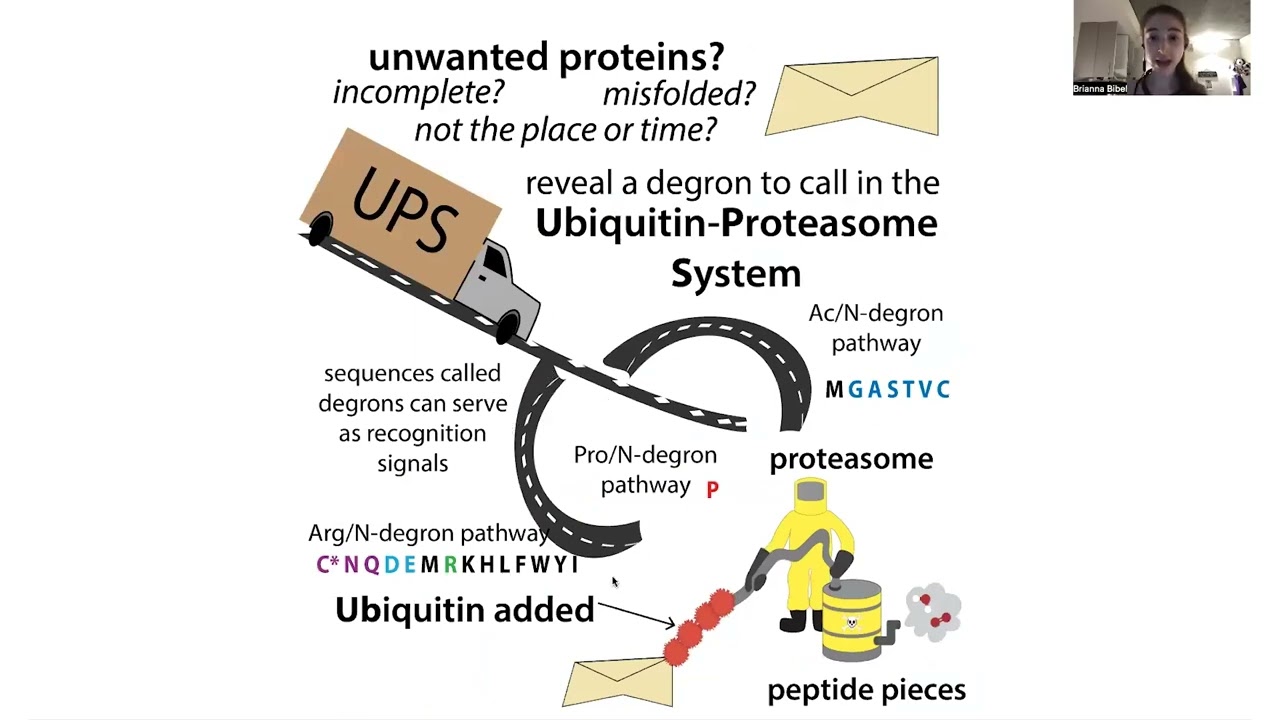




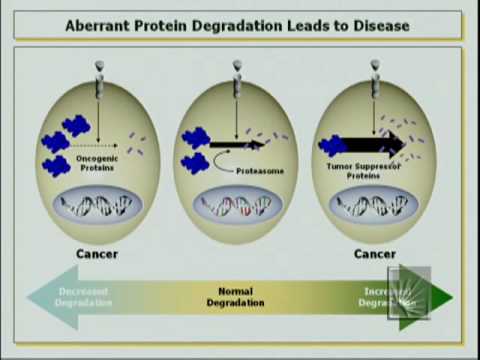
Ubiquitination is a cellular process where a 76-amino acid ubiquitin molecule is attached to damaged or unwanted proteins via an isopeptide bond between ubiquitin's terminal glycine and lysine residues on the target protein, marking it for degradation by the proteasome; this process requires ATP hydrolysis and involves three sequential enzymes (E1, E2, and E3) to transfer ubiquitin from E1 to E2 and finally to the target protein, with at least four ubiquitin molecules needed to effectively target a protein for breakdown.
Ubiquitination Explained: How Cells Tag Proteins for Degradation
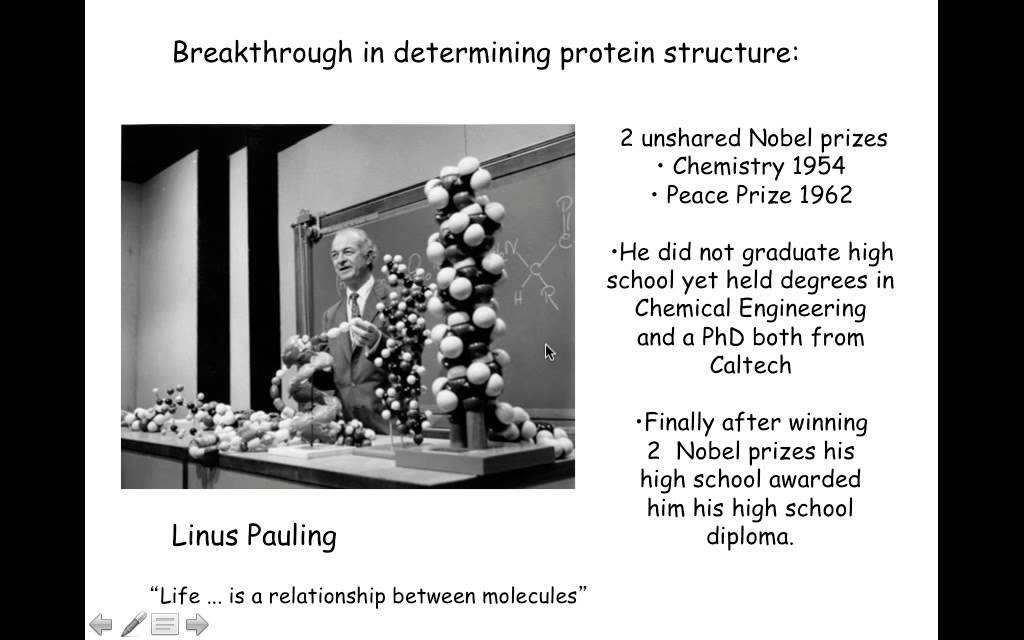
Added:Understanding of basic protein structure, folding, and the general life cycle of cellular proteins.
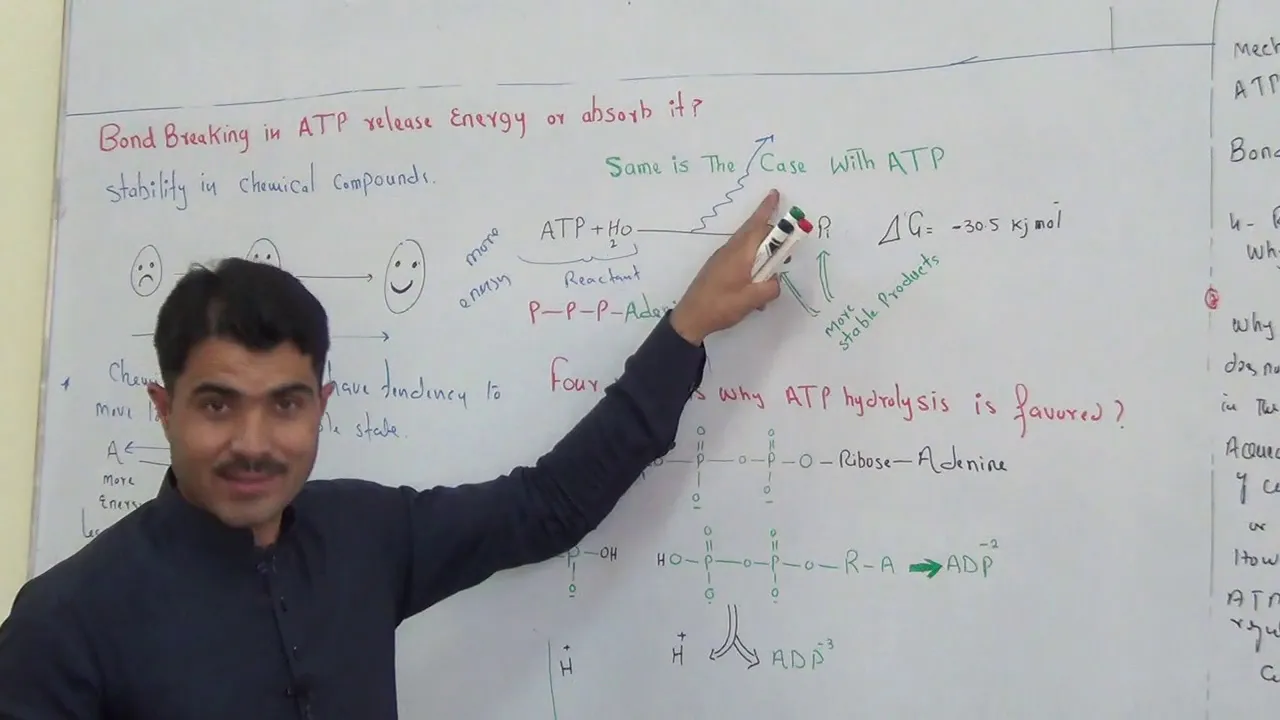
Fundamentals of enzyme catalysis and thermodynamics, particularly how ATP hydrolysis drives biochemical reactions.
The concept of post-translational modifications (PTMs) and how the covalent attachment of chemical groups alters protein function.
Basic eukaryotic cell biology, specifically the role of cellular compartments and the necessity of intracellular protein quality control.
The detailed structure and catalytic mechanism of the 26S proteasome, which physically degrades the ubiquitin-tagged proteins.
Pathophysiology of ubiquitin-proteasome system (UPS) dysregulation in diseases such as Parkinson's, Alzheimer's, and various cancers.
The function of Deubiquitinating Enzymes (DUBs) that reverse the ubiquitination process to rescue proteins from degradation.
Modern therapeutic innovations targeting this pathway, including Proteolysis Targeting Chimeras (PROTACs) and FDA-approved proteasome inhibitors like bortezomib.
Non-degradative roles of ubiquitination, such as mono-ubiquitination in DNA repair, intracellular trafficking, and cell signaling.
156.1K views2.3Klikes9:03Original Release: 2016-08-01
so let's suppose some particular protein found inside our cell needs to be broken down into its constituent amino acids why well let's suppose it was damaged how exactly does the cell know to break down that particular protein that was damaged and leave all the other normal proteins untouched well the answer lies in a 76 amino acid polypeptide known as ubiquilin so ubiquilin is this marker for those proteins that need to be broken down and before the protein is actually broken down it under goes a process known as ubiqutination that is we attach many ubiquit molecules onto that Target protein that needs to be broken down now let's take a look at the following diagram so let's suppose this is our ubiquit molecule that's 76 amino acid polypeptide chain now on the carboxilate end of that particular molecule we have a glycine residue a glycin amino acid and it's this glycine amino acid that is found on the carboxilate end of that ubiquilin that is actually attached onto that Target protein that needs to be broken down and it's the lysine residues on the target protein that are that are used to actually generate a bond to a attach the ubiqutin to that Target protein so suppose this is our Target protein and this here is the side chain group of a lysine residue of a lysine amino acid so we use this nitrogen on the lysine side chain group to form a bond between this nitrogen and this Caro and this carbon and this Bond Here is known as the isopeptide bond so the carboxy terminal group of the ubiquit is extended and it contains a glycine residue and it's this glycine residue that is coal attached onto the Epsilon amino group of lysine residues found on target proteins and this bond is known as the isopeptide bond now as we'll see in just a uh in just a moment the formation of this isopeptide bond is carried out by the hydrolysis of an ATP molecule so we have have to hydrolize an ATP molecule to actually gain enough energy to carry out this process by which we attach a ubiqutin onto that Target protein so in this lecture we're going to look at the process by which we attach ubiqutin onto the target protein now this process of ubiqutination actually involves three different enzymes and three different processes so enzyme number one or step number one basically utilize the enzyme we call ubiquit activating enzyme and what this enzyme ultimately does is it harvest the energy that is released when we hydroly ATP and utilize that energy to actually activate that ubiqutin molecule and that prepares the ubiqutin it gives it enough energy to actually attach It ultimately onto that Target protein so the first step is catalyzed by ubiquit activating enzyme or E1 and this is catalyzed via the hydrolysis of ATP and the carboxy and the ubiqutin is essentially linked to the enzyme via a thioester bond so on enzyme number one on enzyme 1 E1 we have a cysteine and the side chain of that cysteine is used to attach that ubiquit molecule so let's take a look at the following diagram to see exactly what we mean so we have our ubiqutin in its nonactive form so in step one we take an ATP molecule and we essentially transfer an from the ATP onto the ubiquit and we release a pyrophosphate so we see that the product of this particular reaction is an active ubiquit molecule that contains this& group and so now it's a high energy molecule we released the py phosphate and now E1 this enzyme the ubiquit and activating enzyme basically catalyze the transfer of this blue region onto the active side of E1 so we see that the active side contains a cine and this is the S uh the the S atom that is part of the side chain group of the cysteine and it attaches onto the carbon of this ubiquit molecule and so so we see that this& is released in the process so this is ultimately step number one that we have here now step number two is catalyzed by an enzyme we call the ubiquit and conjugating enzyme conjugating enzyme or E2 and what this enzyme ultimately does is is it transfers that ubiqutin from the enzyme E1 onto the enzyme E2 so just like the enzyme E1 contains this suyal group in the active side enzyme 2 also contains a cysteine residue that contains that Sul hydral group and so we simply have a shuttling a transferring of the ubiqutin from enzyme 1 to enzyme 2 so we see that the activated version of ubiquitum that we formed in Step number one is now transferred onto the second enzyme by attaching it onto the cysteine residue of enzyme 2 E2 now in the final step this is basically what happens so we have the final enzyme E3 which is known as the ubiquit and protein liase basically enters the picture and now what it does is is it transfers the ubiqutin group onto this protein Target here so let's suppose this is the target protein that we actually want to break down in to its constituent amino acids and let's suppose this is the residue of the lysine amino acid that we're about to add that ubiqutin molecule too so ultimately this carbon here forms a bond with this nitrogen and we form this final product molecule at the same time E2 and enzyme E3 basically depart and we form this final product now this is is not actually the final step of this reaction in order to actually Target that particular protein for degradation we have to actually add many more ubiqutin molecules in fact we have to add at least four ubiqutin molecules to actually Target that protein for degradation and the way the ubiqutin is added is in a processive manner and what that means is once we attach that ubiqutin onto this protein we actually attach more ubiqutin molecules onto this ubiqutin so once with this process happens if we examine ubiqutin the 48th residue of ubiqutin is a lyine and that lysine is used in the same way that we use the lysine of this target protein to basically attach a second ubiquit molecule in this same fashion here so if we study the structure of ubiqutin ubiqutin at at its 48th Position will have a lysine and that lysine will contain this nitrogen atom that will be able to form a bond in the same fashion that we show here and so will form an isopeptide Bond and will attach a second ubiqutin then a third ubiquilin a fourth ubiqutin and in that point we target that protein for degradation but this process can happen Happ many more times than just four times and in fact this process happens on different lysine residues on that Target protein so essentially once we undergo the process of ubiquination it's then that we can actually Target that particular protein for breakdown and it's then that the proteosome complex actually finds that particular protein and begins to break in down and begins to break it down into its constituent amino acids
Up Next
35:07
Ubiquitin-Proteasome System: Protein Degradation Primer
@scicommlab
48.3K views•2017-05-23
50:12
Bacterial Communication: Quorum Sensing and Biofilm Formation Explained
@JHUAAP
12.6K views•2011-06-28

7:47
Post-Translational Modifications Explained: Types & Functions
@AKLECTURES
136.8K views•2014-09-11
7:08
Bacteriophages: Earth's Deadliest Killers and Future Antibiotics
@kurzgesagt
34.6M views•2018-05-13
Related Study Plans & Knowledge Roadmaps
Structured learning paths in Biology
biology
RNAi: Biogenesis, RISC & Gene Silencing
01Molecular Biology Foundations: DNA to Protein
02Introduction to RNA Interference (RNAi)
03Molecular Biogenesis of miRNA and siRNA
+ 2 more learning modules
10h5 modules
Explore Roadmap
biology
Mycorrhizae: Signaling, Biophysics & Ecology
01Foundations of Mycorrhizal Symbiosis
02Molecular Signaling and Root Colonization
03Biophysics and Bioenergetics of Nutrient Exchange
+ 1 more learning modules
11h4 modules
Explore Roadmap
biology
Circadian Clocks: TTFL, SCN & Periphery
01Foundations of Molecular Biology & Gene Expression
02Introduction to Chronobiology and Actograms
03The Core TTFL: Molecular Architecture of the Clock
+ 3 more learning modules
14h6 modules
Explore Roadmap
biology
Population Genetics: Math, Drift & Selection
01Genetic & Probability Foundations
02The Hardy-Weinberg Principle and Baseline Models
03Mathematical Modeling of Natural Selection
+ 3 more learning modules
18h6 modules
Explore Roadmap