
![Все предопределено, значит свободы нет? [Алипов и Кузнецов]](https://i.ytimg.com/vi_webp/3qcawrUwe-A/maxresdefault.webp)



![QUANTUM BREAK [ VIỆT HÓA ] FULL ACT IV - HOÀN THÀNH !!!](https://i.ytimg.com/vi/vSle5VN0Drw/hqdefault.jpg)






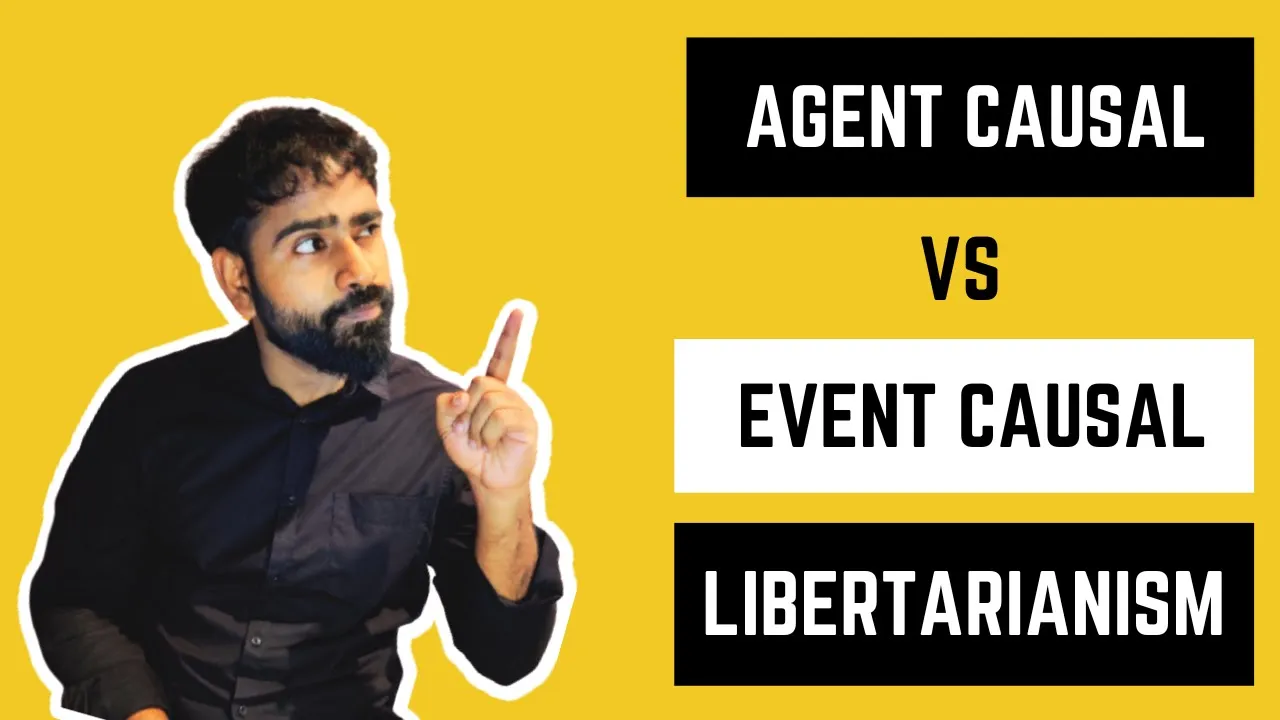






Timothy O'Connor's libertarianism proposes that humans possess special 'volition-enabling' properties that allow them to directly bring about causal effects, unlike inanimate objects whose causal powers are determined by their properties; this agent causation operates through emergent properties that enable free action while remaining consistent with materialism and contemporary science.
Timothy O'Connor on Libertarian Free Will & Agent Causation
Added:The metaphysical concept of Determinism versus Indeterminism and how they relate to human agency.
The basic taxonomy of the free will debate, specifically the divide between Compatibilism and Incompatibilism.
The standard model of Event Causation, where physical events are causally determined by prior physical events.
An introductory understanding of Metaphysical Libertarianism as the view that free will exists and is incompatible with determinism.
Common objections to Agent Causation, such as the 'randomness/luck objection' and the difficulty of reconciling it with modern physics.
Robert Kane's Event-Causal Libertarianism, which serves as the primary alternative to O'Connor's agent-causal view.
The concept of Emergentism in the philosophy of mind, specifically how O'Connor argues that agent-causal capacities emerge from complex physical systems.
The implications of Agent Causation on theories of moral responsibility, desert, and the justification of legal punishment.
1.6K views33likes12:52Original Release: 2021-01-15
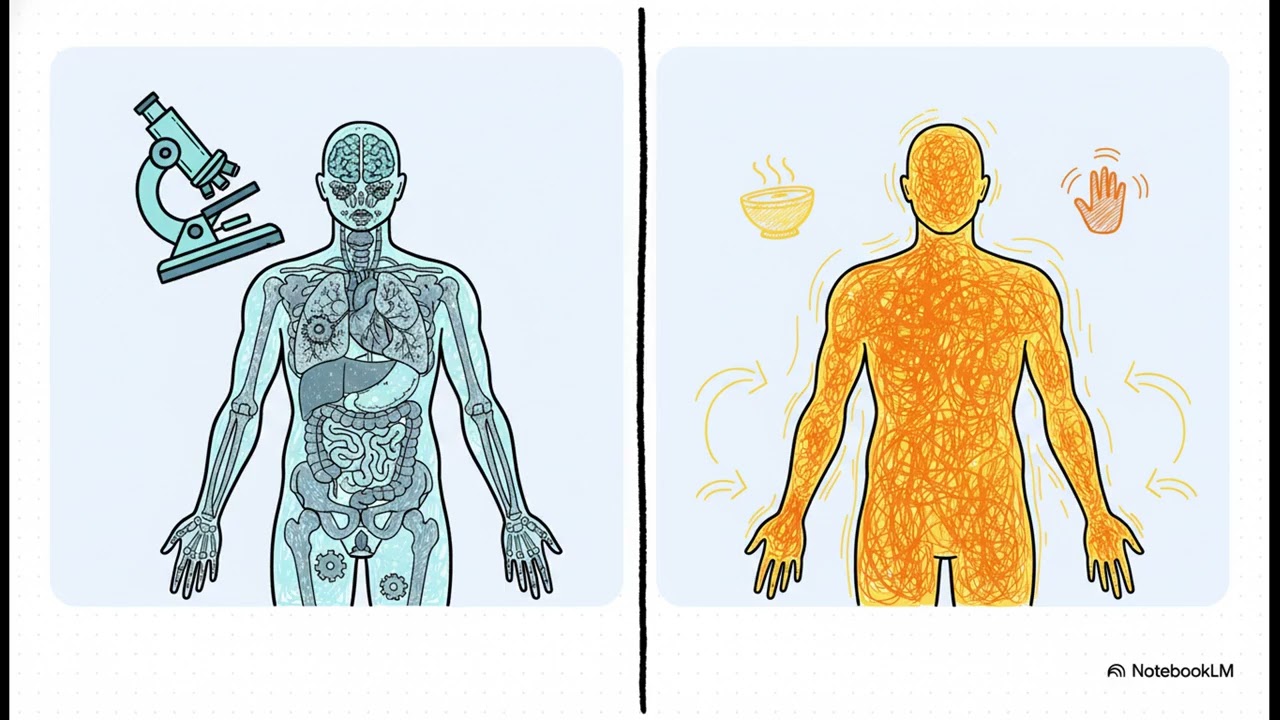
here we explore a version of libertarianism that includes agent causation and we're looking in particular at the type that timothy o'connor develops in part one we'll just look at the theory itself what he has to say about the theory and then in part two we'll consider some objections to the theory this is a common sense approach according to tim o'connor he says look it seems to me as if my actions are often up to me so i bring my actions about directly so you might say for example i chose to watch this video now right it seems like you did that directly and o'connor goes on to say well right my actions are not the result of a succession of causes into the distant past like a hard determinist might claim right i'm interrupting that series of causes in some way so o'connor argues that the common sense view of our cells that we are not wholly moved movers right that we act sometimes in ways when we haven't been acted upon in order to act that way that this is theoretically understandable first of all it's not mysterious entirely it's internally consistent okay it makes sense the accounting provides and it's consistent with what we know about the world right it's consistent with contemporary science so he claims all of those things about his version of agent causation so just as a broad overview or summary o'connor says of course all objects have inherent causal properties that make them dynamic or we might say inherently active and that's what event causation is about so for example if you have a piece of copper wire in front of you well it has this inherent capacity to expand to a certain degree when heated to bend without breaking but also to break when you're testing its tensile strength right when pulled on the ends when sufficient force is applied it'll break it has the capacity to conduct electricity and so on so copper has these properties they are inherently active right but of course it takes something happening to them or around them in order for those properties to be revealed or manifested in some way so this is similar to vinegar sitting there and and baking soda sitting there and then you you mix them together and you know what's going to happen there now for humans the idea is that we have these inherent causal properties as well just like any other object does and some of these causal capacities that we have are sometimes exercised now most of them aren't right we have a certain mass we also would have a certain tensile strength if you want to be uh ooh thinking about torture or something right but uh we also have these special kinds of causal capacities that we can exercise and these causal capacities then are directly acted upon by our cells right we can prompt these properties to have their causal effects themselves and we can also restrict certain properties from having their causal effects so these are going to be obviously related to mental activities not the general properties of our body taken largely and so we have intentions that bring about actions through these causal connections the causal properties that we already have within us to act in certain ways now we need to think about causation a little bit more carefully and o'connor assumes that causation is best understood as a notion of production and so he's rejecting reductive analyses of causation he claims that those are false so this is a it's it's a common view that he's taking but he is ruling out uh another view that is relatively common as well and so the idea is that causal powers are directly related to the properties that a given object has again thank to the back to the copper wire it has certain properties whatever causal powers that the copper wire has are directly related to the properties of that copper wire and o'connor draws upon this necessary neces necesitarian sorry account of event causation in order to ex explicate agent causation right in order to explain what's going on with agent causation he uses the idea that we have with event causation so the relationship between an object's properties and its causal powers is a logically necessary one right whatever causal powers one thing has is related directly to its properties and that's a logically necessary relationship that exists there so let's talk more about agent causation so we have that general way that causation works according to o'connor and it's a is a fairly common uh view in metaphysics that causation works that way directly related to properties for example david armstrong and many others have that view and so the idea with agent causation though is that wherever the agent causal relation obtains what's going on there is the agent bears a property or a set of properties that is volition enabling right so a the property of the right sort can make possible the direct purposive effects by the agent so whatever the agent is intending to do it's based in this property that already exists but the agent causes the effect right that the agent that has that property causes it to be have its effects right unlike a copper wire could do and that causal power is exercised then at will by the ages so what we have now is there is event causation and agent causation they're both similar in the sense that whatever properties of thing has is logically necessarily related to the causal powers that it has however with event causation right the the normal event causation that applies uh to anything and everything right but agent causation applies uniquely to intelligent purposive agents so that's a distinction then between agent causation and event causation it's the agent it's the person acting that brings about the effects with agent causation all right let's let's run through a little comparison and contrasting once more here try to be make this a little bit more clear with agent causation we have humans that are the originating point of some action such as uh choosing to watch this video now right the fact that you're now watching this video maybe maybe not it was an example of agent causation so these are sessions they are sometimes free from the largely deterministic causal chain or causal network to which the rest of the world is subject so we have this rare relatively rare all things considered example of humans exercising our agent causal powers now that's in contrast to event causation and sometimes you know when we think about causes in the world we attribute the effects of something to an inanimate object so we might say something like the car caused the damage to the pole you know why is this pole knocked over well a car caused the damage to it but actually we're speaking about events that involve these objects so rather than the car causing the damage to the pole it was the event of the movement of the car that caused the damage to the pole so that's generally speaking o'connor says event causation is a good way of explaining what goes on in the world in fact we need to talk about events to talk about changes and causation in the world generally speaking we have to do that of course the exception then is with human beings and our ability to act upon certain of our properties causing the effects that are potentially there now this brings up a concern here uh chisholm kind of went this path right when asked if humans have a divine ability chisholm kind of said well roderick chisholm that is yeah maybe so o'connor makes it really clear uh that i spelled his name wrong there sorry about that uh describes free well as the ability to shape causal powers that are already present so it's not like we create things out of nothing like god would do we don't have this divine capacity to bring about an action ex-nilo we have to have the causal properties the the capacities within us in order to activate them now when we're talking about agent causation we're typically going to be talking about emergent properties and age of causation is consistent with materialism o'connor argues now ultimately o'connor's a dualist when it comes to human beings but he does want his view of libertarianism and agent causation to be consistent with materialism and he argues that it is he says it might involve emergent properties i said it does well it might involve emergent properties so what are these very briefly uh going into some metaphysics here emergent properties are macro properties that are generated by the properties of the underlying structure the microstructure of the object but whose role in the causal processes of the object are not going to be reducible to those of the micro properties so uh as an example consider that word micro properties that's there on your screen just look at the m and its shape well there are certain micro properties there on your screen causing that shape to be visible but that's there's also this what we can reasonably call an emergent property so that we interpret that as an m an important part of the word micro properties right so this is an emergent property that isn't inherently structured within the micro properties going on on the screen in the shape of that m something else is going on there that is significant so an agent that's acting freely has some emergent properties this is one way that this is consistent with contemporary science right that enable the agent to bring about certain effects or to refrain certain effects from coming about so that's agent causation according to tim o'connor and in part two we'll look at some of the objections and how he responds to those
Up Next

59:56
Free Will Explained: A Philosophical Defense Against Determinism
@drnathanhawkins
120.1K views•2024-07-08

164:01
John of Damascus on Holy Images: A Theological Defense
@BannedBooks
139 views•2026-04-25

21:10
Derek Parfit on Personal Identity: The Bundle Theory Explained
@GordonPettit
950 views•2024-03-04
4:57
The Myth of Sisyphus: A Greek Legend of Eternal Punishment
@TEDEd
8.6M views•2018-11-13
Related Study Plans & Knowledge Roadmaps
Structured learning paths in Philosophy
philosophy
Frankfurt School: Critical Theory & Culture
01Foundations of the Frankfurt School and Critical Theory
02Horkheimer & Adorno: The Critique of Instrumental Reason
03The Culture Industry and Mass Deception
+ 2 more learning modules
12h5 modules
Explore Roadmap
philosophy
Philosophy of Language: From Frege to Austin
01The Linguistic Turn: An Introduction to Language in Philosophy
02Gottlob Frege: Sense and Reference
03Early Wittgenstein: The Picture Theory of Meaning
+ 3 more learning modules
15h6 modules
Explore Roadmap
philosophy
Feminist Epistemology: Standpoint & Injustice
01Introduction to Epistemology and Feminist Critiques
02Sandra Harding and Standpoint Theory
03Donna Haraway and Situated Knowledges
+ 2 more learning modules
12h5 modules
Explore Roadmap
philosophy
Environmental Philosophy: Ethics & Deep Ecology
01Foundations of Environmental Ethics & Anthropocentrism
02Biocentric Individualism and Animal Liberation
03Ecocentric Holism and Deep Ecology
+ 1 more learning modules
10h4 modules
Explore Roadmap