


















Derek Parfit argues that persons are not singular substances or egos but rather bundles of experiences, drawing support from split brain phenomena where patients exhibit two streams of consciousness without constituting two separate persons; this view challenges the ego theory by showing that personal identity over time is not about a continuous substance but about causal continuity of experiences, making survival a matter of convention rather than objective fact.
Derek Parfit on Personal Identity: The Bundle Theory Explained
Added:The traditional philosophical problem of personal identity over time, including the distinction between numerical and qualitative identity.
Descartes' Ego Theory of the self (mind-body dualism) and the concept of a persistent, indivisible soul.
John Locke's psychological continuity theory of identity, which bases personhood on memory and consciousness.
Basic familiarity with split-brain neuropsychology, specifically corpus callosotomy experiments and how they affect consciousness.
Parfit's concept of 'Relation R' (psychological connectedness and continuity) and his argument that personal identity is 'not what matters' for survival.
The philosophical parallels between Parfit's Bundle Theory and the Buddhist concept of 'Anatta' (non-self).
The normative ethical implications of Parfit's reductionism on moral responsibility, compensation, and utilitarianism (as explored in 'Reasons and Persons').
Alternative contemporary frameworks of identity, such as Animalism (Eric Olson) and Narrative Identity (Marya Schechtman).
950 views11likes21:10Original Release: 2024-03-04
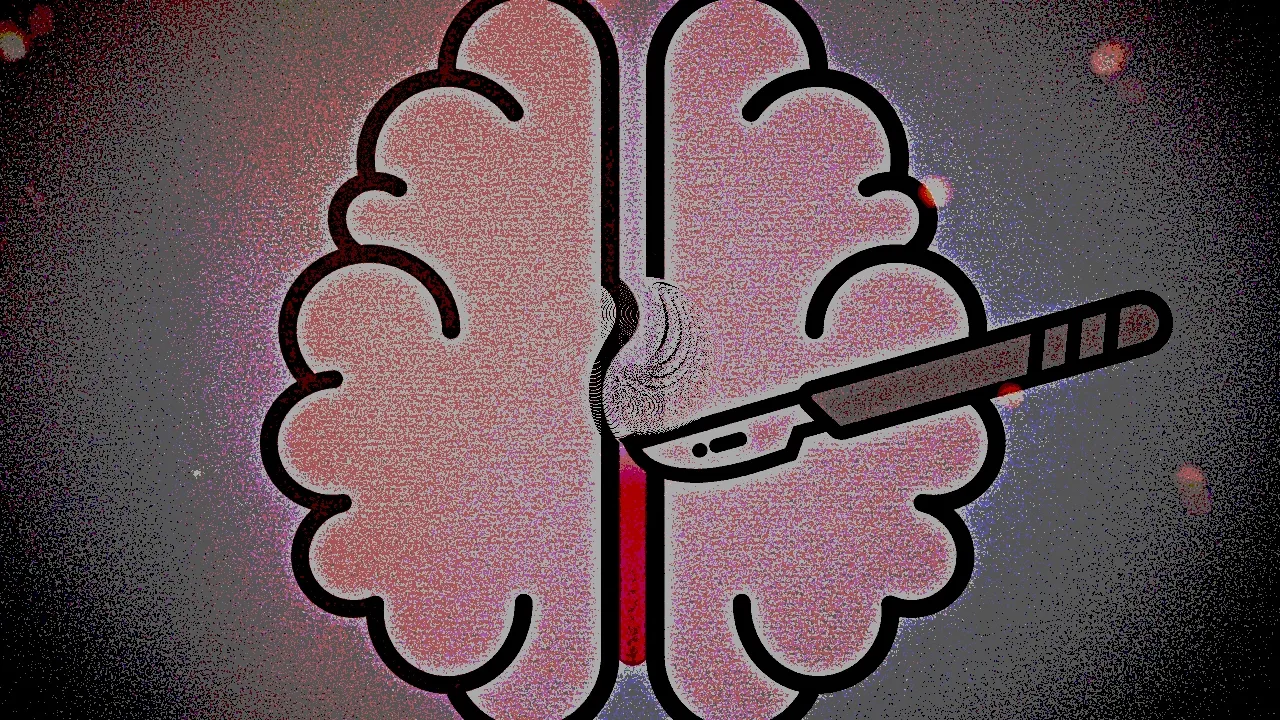
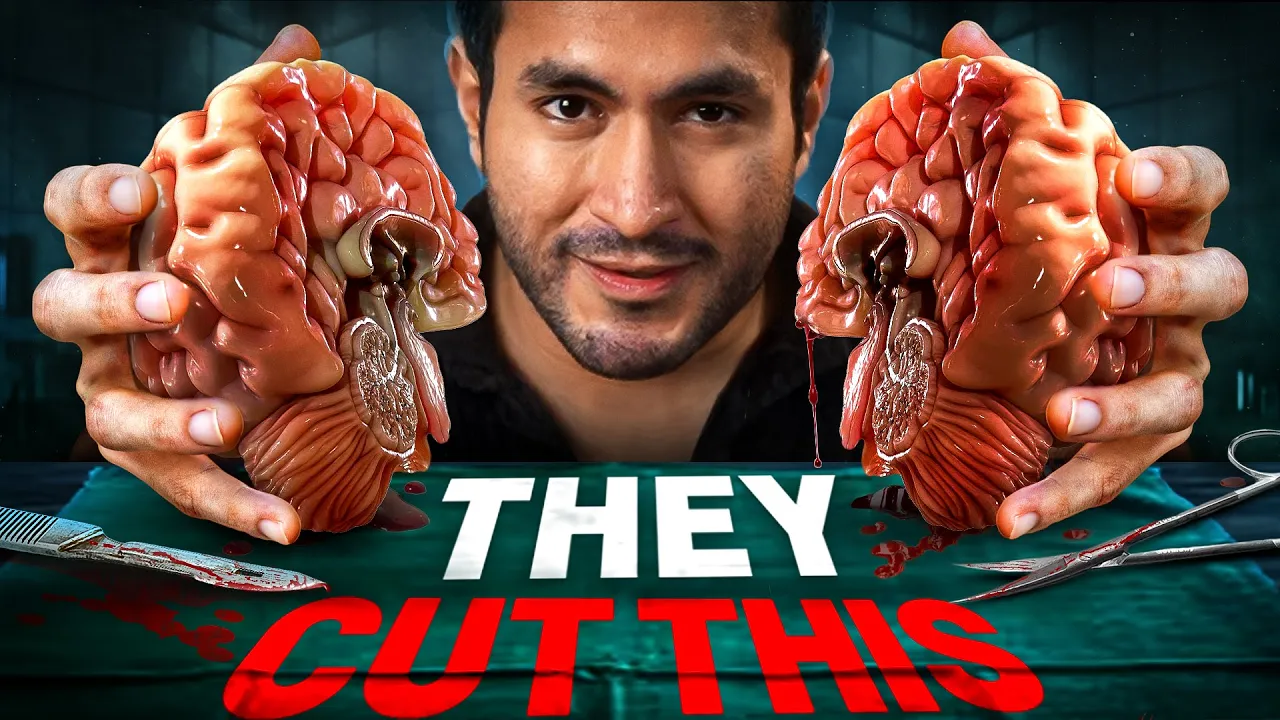
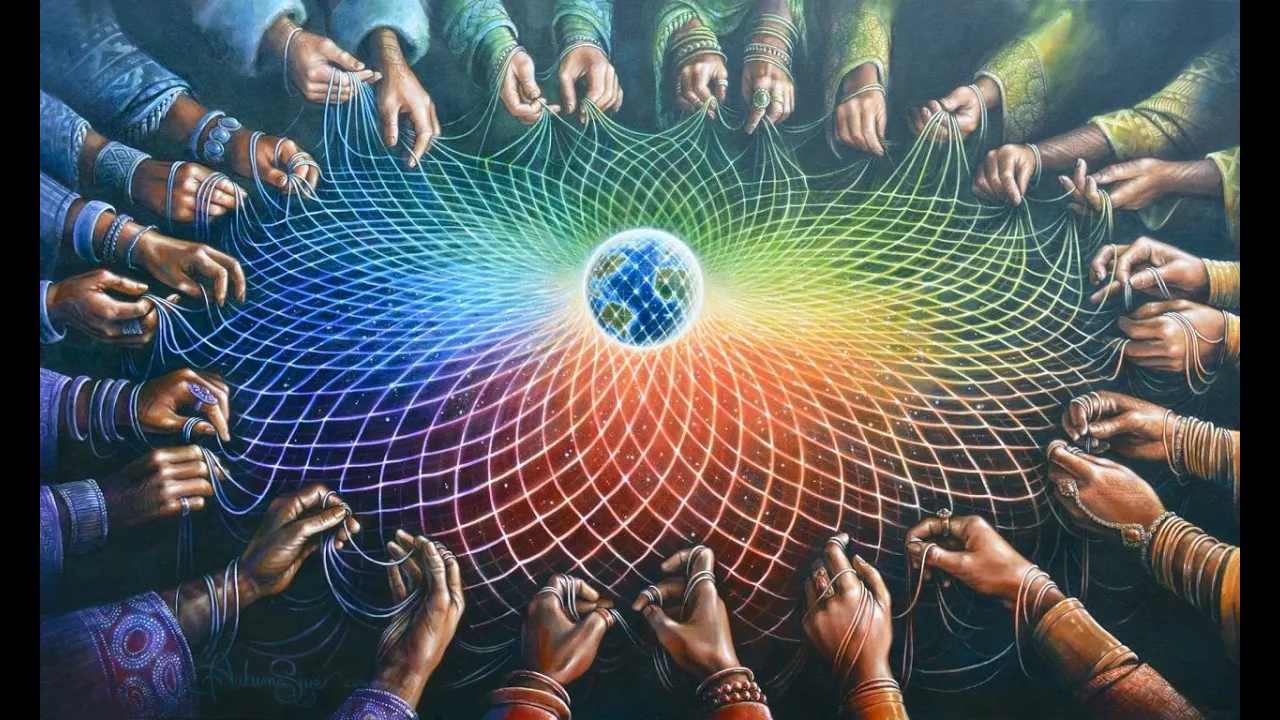
I'm looking at Derek parfit's view on personal identity and we could just say this is an investigation of his view on what a person is although we'll see that that even itself is a misleading title uh we're also going to talk about split brains in fact that's how we're going to get started here by looking at split brain cases so what do we mean by split brain well in certain cases is in order to stop persistent and very disruptive seizures there have been operations performed in which the brain is severed in two the Corpus colossum is severed and so you have this separation of the right and the left hemisphere of the brain and so what happens is that the right side of the visual field and the left side of the visual field is divided now because of that you can get some interesting scenarios with various instructions there are different results and it implies that there are two streams of Consciousness says parfit or maybe there's only one stream of Consciousness that's truly conscious now I've taken this next slide from a Scientific American uh and I don't have the specifics on where it came from apologies to Scientific American for that uh but here's what's going on if you look at the middle uh section there uh if somebody is looking at a screen after they've had this operation performed and they're told to focus on the dot and so the the right visual field which is processed by the left hemisphere sees the word face you ask the person what they saw and they will say face now if going to the right panel if the word face is simply shown on the left side of the screen as they're looking at the dot their left visual field will process that in the right hemisphere which does not have uh as good of language development and they're going to say nothing that they saw nothing but if they're asked to draw what they saw they would draw and it has to be with their left hand of course as it's shown here uh because the right hemisphere controls the left hand uh they would draw a face and so they would kind of be surprised at that uh they said they didn't see anything and yet they're able to draw a face so likewise if a person is sitting in front of this screen screen and they're told to be looking at the dot in the middle and then these images are just flashed up there for a moment so that the eyes can't Wander from side to side and they're asked what they see they will respond that they see a lion but then when asked to draw what they saw with their left hand they will draw a rabbit um and I'm Not Who sure who gets credit for the photo on the left but I took the one on the right I took the one of the lion so sorry for whoever took the one on the left it's a little fuzzy anyway you probably don't want credit okay so let's consider what parfit does with this he describes his view which is the bundle Theory and parfett concludes that those split brain cases show that there are actually two streams of Consciousness in in the cases uh but they're not two people and I I don't think anyone would say that and so you conclude that there are two streams of Consciousness but there aren't two people and parfit supports What's called the bundle Theory now the bundle theory of course we'll go into greater detail but it has had proponents with Hume in the western tradition with Buddha in the Eastern tradition and parfit in fact uh references Buddha he is a Buddhist and uh says that there's good support there from that tradition so the view is that we persons and you have to kind of put that in quotes are bundles of thoughts and emotions and beliefs what actually only exist are those bundles and there are no persons so uh let's carry this through a little bit more more carefully um we are bundles in the sense that there is no entity that is the single B subject of experience for normal people right everyone is the claim but more accurately they're are merely experiences that occur together in time and space and of course they have causal relations among them so everyone is like the split brain case um it's just that they haven't been separated out so that we can sh Show that with results and experimental uh situations that make it clear and so parfit says in a sense the bundle theorist denies the existence of persons which is the view of Buddhism ultimately and so there are no persons so I say this is his view of personal identity well there's really no personal identity over time because no persons exist but let's contrast this and and make it clear why harfit has this view first of all he describes an ego Theory uh most prominent uh or well-known supporter might be that of decart for example the idea that there's an individual person or an ego uh not to get confused with Freudian uh psychology but just an ego that's what the person is and parfit acknowledges that we have beliefs that imply the truth of the ego theory that there is such an entity as a person and that's what we are so the bundle theorist has to say something about those beliefs that seem to imply the truth of the ego Theory and he talks through some cases so one case would be teletransportation and the idea here is there's a machine that uh reads the states and EV every cell in your body it reads those and it destroys those and then reproduces those in a different location now if that were to occur some think I would not survive I guess in the Star Trek universe you think you would survive but if everything is destroyed and then reproduced it does give you some reason to think you didn't survive and a reason for this would be the possibility of duplication I mean if you could do that and reproduce the person to use the term on another planet say then why not be able to do it twice well then you would have two persons which obviously cannot be the same person um so such an intuition seems to imply um an ego theory is true because once you start destroying the cells you're gone and then other things can be produced but they're not going to be you right that's the idea now there is a problem for the ego Theory and the problem is what if there's a graph ual replacement of the neurons what would you say about that surely a few wouldn't hurt so it seems that we've been able to do this in certain cases in 21st century technology um if you're only ref uh rep placing a few neurons it seems like you would survive that but if you're going to have 98% of your neurons of course it seems like you would not survive that that's a lot more similar to teletransportation and if you conclude you don't survive teletransportation then it seems obvious you wouldn't survive 98% replacement either and so we need to clarify the assumptions of the ego Theory and there are two main ones the ego Theory implies or maybe better stated I think assumes the truth of two logical principles which are broadly accepted logical principles but in a application for persons and one would be the principle of non-contradiction uh the idea is that you cannot both survive and not survive which the ego Theory would affirm certainly that would seem to be the case you either survive or you do not you can't have both and also the principle of excluded middle the the idea that there's no partial survival there's no middle ground to this there's no vague swell sort of surviving uh people aren't the kind of things that can sort of survive but not completely survive okay so harfit says these implications or we can draw implications from these assumptions that speak against the ego Theory so if the ego Theory were true then it seems like you would have to have an answer to this question at what percentage would you not survive if you can survive a few or maybe one or two% replacement well and you don't survive 98% replacement do you just have 50% as the middle ground well that means 49% replacement of neurons you're okay but 51% you're not okay and any answer there seems to be absurd and so parfit concludes the ego theory is false based on that now even though we have some initial beliefs that lead us to the ego Theory those must not be correct so the bundle theory is better off now of course just as a comment here not farf its own view all theories are going to have to have some tradeoffs on what they think is plausible to continue to believe obviously arit is rejecting the ego Theory one of the reasons would be H you have as a conclusion of his view that survival is a mere convention whether you survive or not is a matter of mere wording so you could say you survive maybe for legal purposes or you could say you don't survive uh farit is similar to what Chisum said rodri Chisum said about boats and identity over time he said we just have conventions or we let the legal system determine it and the but ultimately there's no real answer it's just a matter of convention to decide whether to say we survived or whether to say we didn't survive but of course for parfit's view the best response to the question on whether or not you survive is actually never you never survive you're not the same person as you were yesterday because there was no person there was just a bundle of experiences that were there then and there's a different bundle of experiences that are here now and so you could compare what par harfit has to say about people to say clubs or sports teams you know we could take this seriously as the analogy is taken very seriously that is so we have some problematic cases with brain transplants or uh the Cleveland Browns football team which originated in Cleveland existed for several years it's the Cleveland Browns but then the franchise was moved along with all of its players and coaches well not all of them but the most of the players and cultures moved to Baltimore they became known as the Ravens and then later the Cleveland reinstituted a team called Cleveland Browns anyway what what kind of what do you say about the existence of the Cleveland Browns in that case well it's a matter of convention or or law you just settle it that way and so uh with people it's just very similar we just say whatever you want convention will settle it and our intuitions though that we want to survive and we have those intuitions I mean it seems to matter to us whether or not we die today or we live several more years I mean that seems to be a really important question uh that's an all or nothing kind of assumption that the ego Theory implies but that's misguided that idea so even in normal survival uh it's just like teletransportation it's like being destroyed and replaced by a replica something the ego theorist says would be bad and that you wouldn't survive but the bundle theorist says well you wouldn't survive but it's as good or as bad as you might think it's not that different than normal life so parfit claims that the split brain cases give a s scientific evidence for the bundle Theory the idea is that there is a bundle that's separated under two uh certain circumstances you can separate it out and you can demonstrate that this bundle can be separated it's like um a rope that's bound and it's no more diff difficult than separating the strands of a rope that's what we are we're kind of like a rope but we can separate the strands they're you know know the substance still is there the experiences beliefs and actions are still there and that's what a person is according to parit another issue then seems to be uh distinguishing between persons and subjects of experiences for the ego theorist right the ego theorist would have to make that distinction between the two and then they would have to claim that there are actually two subjects of experiences in the split brain cases that's what it seems to be going on so you you claim that you don't see anything but then you draw a rabbit right uh there seems to be two different separate uh subjects of experiences those in those cases but the unification of those two experiences individually would just be the fact that they are subjects of experiences so the the question is are persons actually subject of experiences or not this is a challenge for the ego theorist from parfit's view if you answer that question yes then it seems like there are two persons in us because they could be separated with that operation but if that's not the case if persons are not subject subjects of experiences then what are they the question doesn't seem to be have a clear answer for the eego theorist now there is another case of uh Wiggins David Wiggins describes sorry a brain hemisphere transplant the idea there is you do the separation like we've uh described with the split brain cases only now you take half the hemisphere and put it in a new uh body with a an empty shell for the brain and you do the same with the other half of the hemisphere so you end up with two functioning people now uh this would be science fiction of course and it's not clear that we could ever be able to do this uh successfully uh but that's the idea of the brain hemisphere transplant and then you could ask the question what are the resulting persons so it seems like such persons could exist and and be people they they would have experiences they might be able to draw but not speak very well and the other one could speak uh but you know not draw very well with one hand or something like that does either case have a resulting person that actually survive it would seem that neither person is me if I went under were to undergo that kind of brain transplant it would seem that I've ceased to exist but from parfit's persp perspective uh that's ceasing to exist is about as good or as bad as ordinary survival it's really not any different now just a a couple comments on some responses of course there are other theorists who will argue for the ego Theory but uh there are some responses to parfit there need not to be the same type of ontological grounding is one response for persons as there are for unified conscious experiences so again to separate the two and say well persons are one thing unified conscious experiences are something else now that's related to uh conscious and unconscious experience so for example a normal person lacks complete awareness awareness of what's going on with all of their mental activity right we have an unconscious the a portion uh psychologically speaking that we're not aware of but that doesn't seem to be a problem for an ego theorist and it's similar with these separations so to speak or different functionings of the left brain and the right brain on the issue of 49% replacement vagueness might exist in the world or probably better response from the ego theorist perspective it's not vagueness in the world that actually is occurring it's simply epistemic uncertainty we just don't know uh which is the surviving half certainly that would be chism's response um who is not uh an ego theorist technically as parfit describes because parfit seems to imply that there the ego would have to be something that's not Material um Chisum though would be an ego theorist for all uh purposes in terms of the beliefs and consistency and he would have the response that you either go with One Direction or a different direction but not both or possibly you do die in such a case of hemisphere transplants now uh of course there are a lot of other uh perspectives on this topic uh namely swinburn is one and so we'll look at swinburn in a different video
Up Next

9:24
Derek Parfit on Personal Identity | Philosophy Documentary
@christophergrau
53.6K views•2014-11-07

164:01
John of Damascus on Holy Images: A Theological Defense
@BannedBooks
139 views•2026-04-25
12:52
Timothy O'Connor on Libertarian Free Will & Agent Causation
@GordonPettit
1.6K views•2021-01-15
4:57
The Myth of Sisyphus: A Greek Legend of Eternal Punishment
@TEDEd
8.6M views•2018-11-13
Related Study Plans & Knowledge Roadmaps
Structured learning paths in Philosophy
philosophy
Frankfurt School: Critical Theory & Culture
01Foundations of the Frankfurt School and Critical Theory
02Horkheimer & Adorno: The Critique of Instrumental Reason
03The Culture Industry and Mass Deception
+ 2 more learning modules
12h5 modules
Explore Roadmap
philosophy
Philosophy of Language: From Frege to Austin
01The Linguistic Turn: An Introduction to Language in Philosophy
02Gottlob Frege: Sense and Reference
03Early Wittgenstein: The Picture Theory of Meaning
+ 3 more learning modules
15h6 modules
Explore Roadmap
philosophy
Feminist Epistemology: Standpoint & Injustice
01Introduction to Epistemology and Feminist Critiques
02Sandra Harding and Standpoint Theory
03Donna Haraway and Situated Knowledges
+ 2 more learning modules
12h5 modules
Explore Roadmap
philosophy
Environmental Philosophy: Ethics & Deep Ecology
01Foundations of Environmental Ethics & Anthropocentrism
02Biocentric Individualism and Animal Liberation
03Ecocentric Holism and Deep Ecology
+ 1 more learning modules
10h4 modules
Explore Roadmap