








![【FULL / 無料公開】 [Psyc] 社会心理学 – 印象形成、対人魅力、説得(心理学概論勉強会movie)](https://i.ytimg.com/vi_webp/IHd-gCL5k5s/maxresdefault.webp)



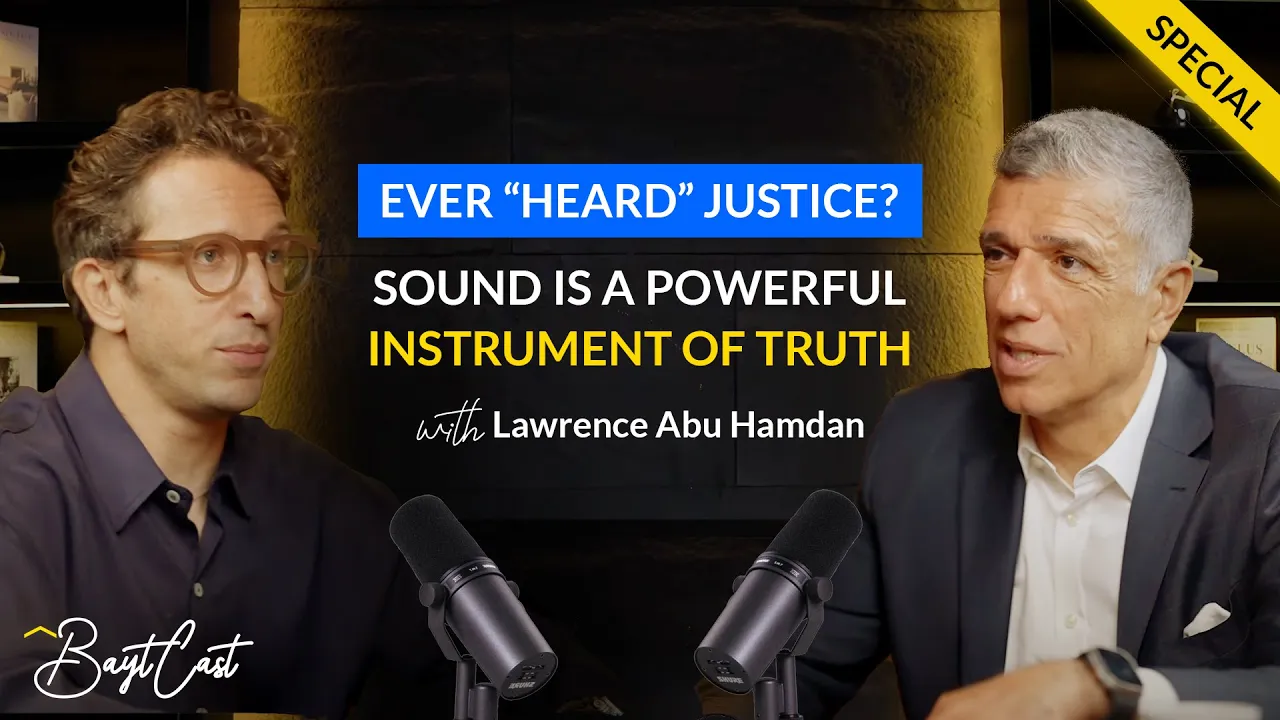









Our voices reveal profound information about us, including our regional origins, social background, age, gender, and even whether English is our first or second language; accents develop from early prenatal exposure to language patterns and reflect complex social dynamics including tribalism and prejudice, while forensic analysis demonstrates that voice characteristics can be scientifically analyzed to identify speakers or determine demographic attributes, though voice alone cannot definitively categorize someone's identity.
Your Voice Speaks Volumes: The Science of Speech and Accent Prejudice
Added:Basic articulatory phonetics, including how the vocal tract, vocal folds, and articulators produce and shape speech sounds.
The fundamental distinction between an accent (how words are pronounced) and a dialect (differences in vocabulary and grammar).
An introductory understanding of sociolinguistics, specifically how language variation correlates with social identity factors such as class, region, and ethnicity.
Core concepts of social psychology, particularly cognitive bias, stereotyping, and how humans form first impressions based on auditory cues.
Advanced methodologies in forensic phonetics, such as speaker profiling, voice comparison, and evaluating the reliability of earwitness testimony in legal trials.
The study of 'accentism' (linguistic discrimination) and the legal, social, and policy frameworks needed to address language-based bias in hiring and education.
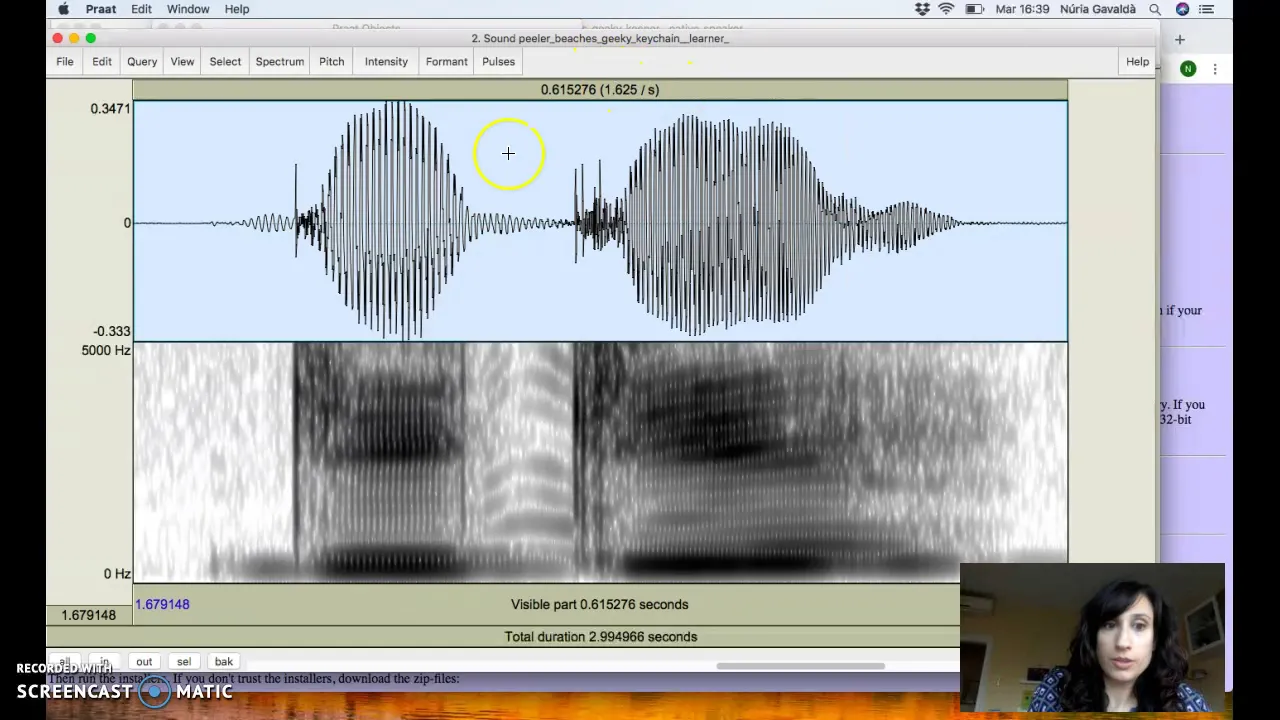
Acoustic phonetics and digital signal processing, specifically learning how to use software like Praat to analyze speech waveforms, spectrograms, and pitch contours.
The intersections of linguistics and technology, exploring how accent bias affects automatic speech recognition (ASR) systems and AI voice assistants.
2K views86likes1:12:30Original Release: 2020-05-24
hello I'm very happy to welcome you to today's talk my name is Caroline Hickok and I'm speaking very briefly at this moment because I'm the president of the linguistics Association of Great Britain or la GB and we are very happy to have been invited to participate in collaboration in this series and we have already you've heard a wonderful range of speakers in this series and we're very happy that some more wonderful speakers we've been able to invite from Great Britain to participate including but this is only some of the people who are going to be part of this Jenny culbertson Adams ken Murray Rob Drummond Margaret you her and Anders Homburg but today I'm very happy to say that James setter of the University of Reading is going to be the speaker to introduce her properly I'm going to hand it over now to dr. Alice so I'm sure we're going to have a wonderful a wonderful session today and I look forward to this and to many in the future thank you dr. Haycock hello everyone I hope you are all fine I'm professor Bennett Elvis from Universidad Fidel he'll get into the SU Brazil and it is my pleasure to introduce this talk promoted by Abilene the Brazilian association of linguistics this is one of the many lectures and panels of Avellino vivo linguist as online and this event is organized with the cooperation of the permanent International Committee of linguists the Association of linguistics in philology of Latin America the Argentinian society of linguistic studies the linguistic Society of America the European linguistic Society the linguistics Association of Great Britain in the Australian linguistic Society it is an honor to introduce our guest professor Jane Sarah is a professor of fanatics at the University of Reading in a national Teaching Fellow of the UK higher education Academy she has published while on phonology second language English Asst in emerging varieties in among children with speech and language disorders professor setter is a regular commentator in the British media only issues related to English pronunciation speech features and attitudes to accents and appeared as an expert on programmes the title of Professor setters presentation is your voice speaks volumes why do we speak the way we do and what do our voices tell others about us what is the truth behind the myths that surround how we speak drink sera explores these in other fascinating questions in this engaging introduction to the power and the science of the voice I would like to invite you all to watch the lecture and write your comments in our chart box I will then select some questions to be answered after the presentation professor said er it is a pleasure to have you with us thank you once again for very much thank you so much for having me I'm very very glad to be here very glad to be invited both by Oberlin and by the LA GB so thank you so much for having me as a speaker I'm going to talk about my recent book basically because it brings together so many things that I'm fascinated about to do with speech and phonetics and so I wanted to bring that to a wide audience and that's what I'm going to talk about today so I'm going to share my screen with you now if I can get it to behave except I can't see us though let's go back technical difficulties let's see share it first then we'll do that where are we share screen okay and I am here you you okay so my talk is your voice speaks volumes English speech matters it's looking at issues to do with speech in English and the book is specifically about English I am going to see if it will only make for me yes get in this talk I'm going to be saying something about accents and tribalism in English British English in particular accent prejudice which is something that we find we get a lot in the UK and I understand that you get it a lot in some other countries as well prejudices because of the way people speak I'm going to also look at how your voice can give you away so a little bit about forensic speaker identification and comparison I'm also going to talk about some differences to do with men and women's voices how they're perceived and what those double standards are then something about considerations for English language teaching in an international context based on these things that I'm talking about and finally I'm just going to say something about writing a popular science book in case anyone's interested in doing this I found it to be very rewarding and very interesting so just to start with from a very very young age in fact from inside your mother's womb you are picking up information about the speech of the language or languages that your mother speaks there's been research that has shown that really early babies newborn babies neonates are identifiable from their language patterns that you can tell information about which language they belong to which language speaker group they belong to based on things like their intonation now clearly they're not going to be able to have adult-like language when they emerge from the womb that's not something but the brain is very much predisposed to picking up language patterns picking up patterns of any kind it looks for them and what we know is that the ear is in a state of development by about five months inside the womb it's able to transmit sounds to the brain that the brain can start to process an intonation is one of those things that you hear when you're inside your mother's womb they can't hear much else so you can hear things like this sort of stuff depending on the language that you belong to of course that's very British English sounding intonation and when children are born these sorts of patterns are already evident in neonates it's really really fascinating so we're picking up our language patterns from a really really early age and something that we find is that these language patterns are things that develop course over time and when you emerge and start to be surrounded by the sounds of the language around you you start to learn the patterns of those of those speakers basically so the next thing I'm going to talk about is accents and tribalism what happens is that we are born into particular speaker groups and these speaker groups will be separate and distinct from other speakers and in some cultures and definitely in England we find this people are judged very much by the patterns that they are showing because of the speaker groups that they belong to so what we find is that we get something called accent prejudice we get people making making assumptions having opinions about the way that you speak because of we're just making assumptions about your background because of the way that you speak basically but it seems to be particularly something that we find in in England and in Britain why might this be the case okay I'm just going to give you an example every time this pops onto the screen I have to say my mouth just bought us I just want one of these things but if I present this in a class or at an open day where I'm talking to students or parents prospective students and so on there will be differences in the way that people say this word and they will be within family differences with the way people say this word is quite extraordinary you see parents sitting next to children realizing but they actually say this word in a different way and then there's an argument about it there's always an argument about something to do with accents in British English and here we go this is one of those things that people argue about so we either pronounce the word as rhyming with gone oh that's actually roaming with cone sorry the other way around or as rhyming with gone so we'll either say scone or will say scone and this sort of thing splits families isn't it interesting that that would happen incidentally these these scones are produced by dr. hazel Price who I know through the the Babel Committee Babel is a language magazine if you're interested to ask me about it so if we think about the distribution of this word of the pronunciation of this word in Britain what do we find now you might think well why on earth would people be interested in this kind of thing but actually we are we're absolutely fascinated with it and a number of people have done research where they've looked at differences in accents and dialects and tried to find out how people produce things produce words with different accents in Britain and a group of my colleagues at the University of Cambridge have produced a number of maps based on an application that they wrote to research this so here we go this map is showing you where people pronounce the word as gone and where they pronounce it as scone in Britain and what we can see here is that if you are from an orange area you are most likely to pronounce it as scone if you are from a green area and that we've got Ireland here which is not past a part of Great Britain of course but if you are from Ireland you'll pronounce it as scone you pronounce it to rhyme with cone but we've also got some areas in England where people pronounce this to rhyme with cone as well we've got them up here around the sort of north and northeast Midlands II sort of area if you like further north from that and then we've got a bit here around the Essex area and around East London in Ireland there's quite a line so if you're from the north you'll say it's gone and if you're from the south you'll say scone and we can see that if you're from Scotland largely and from the north of Britain and also from Wales you're going to say it's gone no question at all but if we look at England it's much more mixed and now this bit down here always interests me this is Cornwall and Devon Cornwall and Devon have an argument about which way the jam and the cream goes on the scone scone I actually say it's gone doesn't matter which one you say it's not a matter of being correct and they're both possible variants but if you are from Cornwall you are more likely to say scone and if you're from Devon well certainly these part of there and you're more likely to say scone this is just one of a number of words that researchers have looked at to look at the different patterns and why would you say it in a different sort of way what does it mean about you do people assume for example that it's more posh to say one and not the other that's a possibility but we have these differences now I'm going to just give you some more data from two surveys of English that we're looking at accents and dialects of the British Isles one of them was done in the 1950s 1960s published in the 60s and 70s and this was the survey of English dialects it's a really well-known survey of English dialects and I'm also going to look at some of the data that was collected by Adrian layman's English dialects app when he was working at the University of Cambridge originally he's no longer there his now were working on accents of I think he's working on German accents and dialects using a similar kind of methodology so we look at the data from some of let's start with this map here this is a 1950s map of the pronunciation of the word spelt a R M now we tend to think of British English as being something called non-rhotic which means we don't pronounce the R sound unless it is before a vowel not after it but we can see from this 1950s map that actually if you are in the orange area you are going to pronounce this as arm arm now I'm living in Hampshire at the moment so I'm around here and I actually grew up in Kent so that's where I grew up on this bit here but I was born after the 1950s we can also see that if you were in the green area you're going to say arm which is the pronunciation that we most commonly associate with British English now although again it will depend on where you're from certainly if you're from Scotland you're not going to say arm because it's an English English thing that we're looking at here so that is the 1950s map here is the map from the rock the recent up-to-date map 4 2016 1 and we can see here if we look at England but hardly anybody now is saying arm most people are saying arm unless you are from the far southwest down here in Cornwall some areas of Devon and also around Bristol and then we've got a little bit here up between Liverpool and Manchester where we're still getting some arm going on there actually looking at these maps it tells us a lot about things like history it tells us about human geography it tells us about technology and so on so just by looking at accents we're learning a lot about developments in a country about how things move on how they change so what we can tell here is that between the 1950s and the 2016 sort of time we're seeing differences in the way that people are using these sorts of words using this speech feature so they're not saying arm anymore if they're from the southwest they're saying armed largely why is this well we know for example that there have been a lot of movements in things like transport so now it's possible to travel by high-speed train all over the country is possible to travel by motorway all over the country as well and that means that it's easier for people who are living outside of populous areas like London for example to commute into London and to work there and to mix more with people who have different sorts of accents if accents are seen as prestige and if you feel that you're more likely to get a job with a particular sort of accent less likely to get a job with another sort of accent then you may change the way that you speak for that reason so we can see that there have been changes in history but one I want to show you now is a map that takes us back a little bit in time so this map here is a map of the anglo-saxon kingdoms in about 900 AD and we can see in this map the Danelaw which is the area that was occupied by the Danes the Vikings basically which is East Anglia we've got the Yorkshire sort of area up here we've got North Cumbria and so on so we've got these sorts of areas in in the east and northeast of the country in the southwest this was occupied by the Saxons and we can see that we've got at Murcia so a large part of Murcia West Mercia and South Mercia we've also got Wessex and then we've got Kent and Sussex interestingly we've also got an area down here called West Wales so this is Cornwall and Devon and we've got this area up here that's just called Wales and that is Wales the word Wales actually comes from the anglo-saxon word to describe the native Britons so the native Britons were pushed out by the Anglos and by the the Danes into Wales and into the far southwest so we see that there are some packs and differences because of those sorts of things because of movement around because of different settlement by different people during the time that this was taking place back in history but if we compare that map with the 1950s map we can actually see that they're very very similar we've got a road here on the on the map from about 900 and this is Watling Street Watling Street is still there they're a bits of Watling Street all where they were here on the map anyway I'm not saying they suddenly sort of went over walked away went somewhere else but there's Watling Street down in Kent and it extends basically up to about Chester that sort of area and this is with a very important line and we can see that this line is still there in the 1950s map this kind of Watling Street sort of map going on so we've got this divide here so the way that people were speaking in the 1950s to a certain extent if not a great extent was already set by about 900 when people had settled in different areas when different tribes had settled in different areas Wessex for example eventually it had one King under King Alfred but before that it was a number of fief terms with a number of different Kings and you would have been very loyal to your king and your accent would have developed depending on where you were and you just would not have moved around very much so the only people that we see moving around a great deal are royalty basically people who are going around on progress or all poor people who are fighting I'm so if you're in armies then you'll be moving around too so we can actually get quite a lot of information about history by looking at people's accents and by looking at language change in accent change we can learn a lot about ourselves and about the way society is changing now accents can imply a lot of different sorts of things if you're listening to somebody speaking then we tend to form opinions about people based on these accents and we get this tribalism still coming through so people who have accents from different areas of the country are often either discriminated against or are given some kind of prestige for example because of the way that they speak accidents can be regional as we've seen but they can also be social they can be occupational they can be stylistic they could be ethnically based age based gender based sexuality based they can be based on a you have so if English is your second language then they can be l1 influenced influenced by your first language and when I ask the question are there any other ways that accents can be described there are lots this is not the end of the line at all when in England what we find is that people tend to discriminate based on regional differences and social differences and often we find that occupation is inferred if you like through the way that somebody speaks there are a lot of misconceptions about l1 English accents so one misconception is that they're always regionally based this is not the case at all received pronunciation one of the best-known accents probably of British English is not regionally based it's a it's a variety that's spoken all over the UK also that they're low or substandard varieties no there are high variety accents as well again RP is an example of one of those also there's an assumption that if you have an accent then you come from a sort of rustic farming area or that you are working-class again this is not the case there are accents that belong to lots of different kinds of classes and areas also there's an assumption that they are old forms that are dying out and if you look at the sort of maps that we looked at before you might assume that you might say well nobody's using the R or anymore in arm in in England therefore it's something which is dying out it's going out in those areas that are still using it won't be using it in the time to come that's possible but there are also new varieties which are being developed so it's not necessarily the case that an accent is an old thing and I'll give you an example of a new variety shortly I hope the sound is working when I try to play this file shortly also there's a kind of assumption that they're not codified and this means they don't have observable rules this is again not true a lot of research has been done to codify and to show what the observable rules are in different accents and different varieties of English whether we're looking at around the world or whether we're looking specifically at English English varieties so one question who has an accent occasionally when I'm looking at things on Twitter for example there are adverts or things that people are posted where it says they're looking for somebody with no accent everybody who speaks has an accent if you speak a language you have an accent in that language I wonder actually if the same could be true about sign languages and wonder if you have accents in those you certainly have different varieties of sign languages but I'd be interested to hear about that and I think you've got a talk coming up about that too okay so I've looked at accents and tribalism and accent prejudice I'm going to move on to another area that I've been involved in and that's your voice can give you away so this is looking at forensic speaker comparison and forensic speech science I'm just going to look at this very very briefly just to give you some ideas about what's going on when we're doing this so sometimes we use the way a person speaks to catch criminals now we can't just do that from the way a person speaks forensic evidence looks at a number of different sorts of things when it's putting together a pattern of who a criminal might be and trying to identify them and one of the things that used that's used is fingerprints fingerprints and here's an example of one are specific to a particular person and there is analysis which can match and eye a fingerprint that's left at a crime scene with another fingerprint that's on a police record and it can make an identical match this is not the way that forensic speaker comparison works or forensic speech science works it's not possible to make an absolute dead-on match now you sometimes see this in the movies it's certainly in the movie a fugitive where they have Richard Kimble speaking here and then they've got a recording of him there and they match it perfectly that doesn't happen it's very very unlikely to happen and if it does happen it's suspicious that's another thing to be thinking about here so this is an example of me saying the word bumblebee what we can see here is the waveform we can only see the waveform and we can see some annotations so let's hope this works I'll turn the sound up as much as I can I'm hoping to be interrupted if it doesn't work so let's go bumblebee bumblebee bumblebee okay so you should be able to hear me saying bumblebee bumblebee bumblebee in that now we're looking as I said at the waveform and you can see that I've labeled each of the three words here and then I've labeled the individual segments in my production of that word if we look at the three examples of me saying this listening to it it sounds very very similar let's hear it again bumblebee bumblebee bumblebee okay sounds like the same person saying the same word over and over again but just looking at this you can see that there are a number of differences you can see for example that the first syllable in the first word is much louder that the last syllable in the last variant is much longer and you can also see that the patterns are not identical although they are similar they're not exactly the same so this is somewhere it goes some way to showing you that this is not an exact voice print bumblebee bumblebee bumblebee okay let's stop me saying bumblebee I hope and move on to the next slide alright so what I'm going to do is show you expanded clips of these three vowels which is the first vowel in the first syllable of bumblebee so it's basically the arc sound in the first syllable of bumblebee so let's go to that slide bumblebee bumblebee bumblebee thank you very much okay here we are right so this is the same vowel repeated three times by me in context so it's surrounded by similar sounds and looking at this you can see that there are obvious differences the last one for example is much quieter than the first one but we can also see that there are similarities so we can see that there's a similar pattern of highs and lows in the production of this vowel we can see that this pattern repeats now when I said that if something was identical it would be suspicious that would be because somebody would have had to splice in some identical material from somewhere else in a recording in order for it to look the same so if we when we're doing forensic speaker comparisons forensic speaker analysis if we see any passages where it's identical this is just not possible so for example if we had a recording from online banking service or a telephone banking service where the speaker said is it okay for me to move this money from here to there and the person said yes and they said and can I move that from there as well and the person said no and they still move the money and then the recording showed that the person said yes both times then we could look at those yeses and say this is identical that's been spliced in so we were able to look at the evidence and tell you whether or not it's suspicious and we're looking at a variety of different things we're also listening so if you are doing forensic speaker comparison you need to bring to bear your auditory phonetic knowledge and also your ability to do acoustic analysis looking at the sort of things that I've just shown you something else that I was involved in a couple of years ago was actually for media I was asked whether somebody could be a British speaker and this was a person that the media had got very very interested in and they were speaking in a British accent but you couldn't see their face so the media interviewed me and a number of other phone editions and asked them what their opinion was about this speaker and we did something called speaker profiling so from the point of view of profiling this speaker when I was identifying this person who was a terrorist for the media I was asked a number of different sorts of things about the way that this person spoke and whether or not this could be a British accent so to start with the accent I identified that the person was using was something called multicultural London English now I'll play you a clip shortly fingers crossed all the settings have stayed the same from earlier I'll play you a clip shortly and you can hear multicultural loves in English and what it sounds like in comparison to cockney which is the traditional if you like accent of London so this is associated with the North East London area it's associated with Hackney and later on I'll play you another speaker who is from Hackney and you can hear he's also got multicultural London English but I won't tell you that also just from listening to the way that he was speaking it was obvious that this person was educated probably to university level the kind of words that the person was using and so on so we're not just listening for their voice we're also listening for other kinds of things the other thing what that I was asked was whether I thought this speaker could be a a bilingual speaker or a learner of English and I deduced for listening from this person that if they were a bilingual they were an early bilingual and the reason for that is because I felt that if English was learned as a second language that happened between the ages of 5 and 12 so it happened during the time that people are learning learning languages by acquisition basically rather than learning consciously learning a language so it didn't sound to me like the person was a speaker of English as a Second Language who had been older than maybe about 12 or so when they entered the UK if they were an immigrant so for Matt I deduced that they were not a recent immigrant now these facts they were just my hypotheses actually when the person was finally identified all of these things were true and a number of us as I said have been asked by the media about this came to the same kind of conclusions but looking at this you could see it could apply to a number of people so this isn't the only kind of analysis that needs to be done on this speaker if they're interested in the speaker and where they come from this kind of background information might be useful but to actually identify whether a person is a speaker that they think committed a crime and so on then they would have to have a reference recording which is where they know the person speaking into a microphone and then compare it with the recordings that were made during the terrorist incident so that they could compare that speech and say it's likely that this person is that person based on their speech features now that word is important likely we cannot as I was saying not like a fingerprint we cannot categorically state that it is the same speaker if we're doing forensic speaker comparison we can only say on a number of parameters there are similarities that lead us to believe it is likely but it could be the same speaker but we can't be any firmer than that really we can usually count people out if we think it's not the same speaker but we will never be able to say categorically that it's the same person because the data will always always vary okay right now I mentioned multicultural odds in English as I say we were playing about with the settings earlier so I hope I've got this right I'm hoping somebody will interrupt me if it's not working and you can't hear it so this is from the one show and it's a little exposition about the difference between cockney and multicultural London English now alsa McGowan has been on a road trip of his own looking at different accents from all around the UK on his latest journey he goes in search of kokanee but didn't find it well you might expect him to the East End of London is home to an accent that's famous all over the world the East End has given us filled stars that Michael kang seok stars like cotton footballers by David Beckham style icons like David Beckham underwear models like David Beckham but that cockney accent is now under threat from a new kid on the block accent expert David Hornsby knows all about it so David here we are in the heart of the Kop nice tender London but we're not going to be hearing that much cockney today always all right no we're gonna be hearing the new accent of the East End it's called Emily or multicultural London English node so we put your pies straight up straight up right we've got a scalper MLE is the voice of a young london visually from Stratford and I've been happy for about eleven years now when I was little because I'd never used to go out I used to talk white cottony about my mom and dad and then when I started going out and like mixing with other people and then I have to have youth dialogue that they say now listen and tell away dar you're talking it's like I know it's because it's casually a relation you're a cool dude in it by it's like it's like it's going through the back of the mouth how we speak now it's just relaxed that was interesting sound as well the way we speak now it's very fun yeah yeah Emily is spoken by people from all ethnic backgrounds and its influences are also multicultural it's a mix of sounds from places as diverse as the Caribbean Greece Asia and Africa one difference I'm hearing is that I would have expected that the fpn was which name yeah so they're not to be anxious no but H droppings on its way out you should go from the Hackney HSR back yeah let's celebrate the h HS are back everybody the speed if Emily's progress is astonishing Charlie speaks M le but his mum he's caught me for afro hair for instance would you say something like but you all have a different started talking daily they all have a different style is talking don't my charlie they've all got a different style of talking in it I don't finish the words when they're talking so you have to try and pick up what they sign and we that's what I feel we have to do nowadays the fact that has changed so much within one generation it's quite extraordinary almost alarming is looked I wouldn't say alarming that say it's exciting what really surprises me though is the shape of the mouth to produce that accent has changed so much the whole thing has gone from the front and am a flight with deadly talks to the back of the mouth for Lauren Charlie talks and that it's quite extraordinary in it I got a copy vowels a diphthong the tongue has to go on a little journey whereas multicultural under the English house I'm much more likely be monophthongs you keep your tongue still so play he comes plea I can hear when Toby's talking there's a lot more movement of a mouth don't like when Charlie talks and when the girls are talking it's all that thing that goes out of a can here yeah okay so that's multicultural ins in English in comparison we've caught me and as they say there's a change within one generation is a social change people want to sound like they belong to specific kind of social groups and in this case we've got people coming together from all over London young people let's say who want to identify with each other who want to show that they're part of that social group and so we get this mixing this new dialect being formed and yes it is really exciting it's fascinating it's it's telling us so much about societies how societies work and you know the fact that quite frankly who wants to sound like their parents that's another story okay so I'm going to move on now to men and women's voices there was some research done on whether men or could make their voices sound sexy and this was research by students start against Susan Hughes and colleagues in 2014 and this really captured my imagination so what they did was they took 20 men and 20 women and they asked them to count from one to ten so nice neutral language and they told them to do this in a number of ways so first of all to do it in their normal voice then to do it in a dominant sounding voice then in a confident sounding voice then an intelligent voice and then a sexy voice or an attractive voice so the sort of voice you might use if you were trying to attract a mate if you're on a date you're trying to persuade somebody to see you again okay they took 20 male and 20 female heterosexual listeners to rate the speakers and what they found was that when these listeners rated the speakers all of the speakers improved in making themselves sound more dominant they also improved in making themselves sound more confident they improved in making themselves sound more intelligent but only women improved in making themselves sound more attractive with their voice in the way that they counted from one to ten hmm interesting why is that well here's and colleagues put this down to evolutionary reasons so they basically said that if you are a woman looking for a mate you're looking for somebody who can be dominant confident go out hunter-gatherers this sort of thing be strong be good examples of fit human beings for procreation for having children with whereas men are looking for women who are attractive again physically nice so that you'll get beautiful babies one assumes and also nurturing loving somebody who's going to look after the family so there are different sorts of reasons this was Hugh's suggestion about why we find this and the fact is that it's still happening now it's not something that has ceased to be the case now I'm going to play you some voices on some clips with voices in but have people that I've been told are sexy sounding and the first clip is from a talk show and we have three ladies over here and I want you to listen to this lady in the middle this is Joanna Lumley in my head you know absolutely fabulous it's just something a bit dated it's just a current show but it's been in our lives for 24 years yep which is nuts 1990 was the first 26 26 years Wow and Joanna you were saying when it when do you first got cast and you arose like the chemistry you didn't feel look I was really I didn't I'd known about everybody knew about French and Saunders every new about that and I'd been asked I've been sent this unbelievably funny script and I was longing to it I couldn't believe it I laughed out loud rebel you know you open something you're off I tried yet oh very rare it's the time you read the skip you liar okay so Joanna Lumley the lady in the middle is known in England in Britain for having a sexy sounding voice so how is the voice sexy what Hewes and colleagues found is that women tended to make voice sound much more breathy which is like this and also they would lower the pitch so that we're down here and this is a very soothing kind of sounding voice we also see it turning up on food advertisements in the UK there's a supermarket chain that advertises their food by saying this isn't just food this is and if you're looking at chocolate puddings for example you can practically hear in the voice it's a sexy kind of sounding thing so Joanna Lumley is an example of us and if we compare to with the other two speakers I'm not going to automatically play a game and I'm not intending to play it again then you can hear that her voice is actually quite different okay now the next clip this is two gentlemen who I'm told have sexy voices I'll leave you to make a decision in my heads but let's go on to the next slide in my is no less constant excite here we go right so here we are this is idris elba and Matthew McConaughey emerges Elba Matthew McConaughey we're doing the autocomplete the wired autumn why are you autocomplete interview yeah well basically what it is oh you know what it is that uh where is indras Elba right now it's Elba right now is it in New York where is Andrew Selva from London East London I'm a Hackney boy born born uh I actually was born in Forest Gate Hospital where is a Juris Elvis Jean King had no idea that I did yesterday I was DJing in Derbyshire well where is it in Derbyshire England where did you go to school I went to barking College of Technology to study drama Matthew McConaughey and his eye where was Matthew McConaughey born Uvalde Texas we moved when the first Wendy's moved in okay so these I'm told are men who have quite sexy sounding voices and the pitch is quite low with them they're actually speaking quite slowly as well they sound very confident they sound like ideal sort of mates if you're in the if you're in the running for this and if you think that these are sexy men but they're not doing it in the same way that women are changing their voices to sound sexy so they're sexy men and they sound sexy but they're not changing their voice to sound sexy that's kind of the key here I'm as yourself right stop play twice okay so what they found also what's is Newton that whose and colleagues found was something called competitor derogation women rated men's confident voices more confident than normal voices but men didn't they actually rated other men's confident voices as less confident and one question that Hughes and colleagues raised is are men bio program to deliberately downplay the confidence of competitors it's a question isn't it I think I'm gonna leave that one there okay something else that I've looked at in this sort of area of gender and voice is transgender voice if somebody is transitioning from female to male this has a different effect on the voice from if they are transitioning from male to female so if you're transitioning from female to male then you're given testosterone which generally causes the body to go through male puberty and one of the effects of that is that your larynx gets larger this means that when you push air through it the vocal folds will vibrate more slowly which means that your pitch drops basically so it has an effect on the voice and here's a video from a transgender man Ryan Jacob Flores who made a video about how things had changed for him over the six months the first six months that he was taking testosterone and this is just the clip his speaking voice and you can hear the pitch changes very much from the first month to the six months my name is Ryan Flores and this is my voice one month on TV my name is Ryan Flores and this is my voice two months on TV my name is Ryan Flores and this is my voice three months on teeth my name is Ryan Flores and this is my voice for months on teeth my name is Ryan Flores and this is my voice five months on teeth which brings me to today my name is Ryan floors and this is my voice six months on TV I actually find that piece of video really really moving I think it's just extraordinary the way that this person's voice has changed and in the research that has looked at female to male speakers they found that actually it happens quite naturally they don't have to worry too much about it there is some concern some anxiety when they start to speak about how they'll be perceived but as they take the testosterone and as it has the effect on the voice and the voice changes they find that they are usually not misgendered if they're on the telephone for example it's assumed because the pitch is low that they are male speakers and this is something that I found in the research that I did actually with one of my colleagues Rodney Jones and one of my students Iona Jacobs and we we looked at this and we we gave people sample recordings of transgender speakers and we asked them to say which ones what gender they thought various people were and pitch was the thing that made a lot of difference so if the pitch range was low then somebody was thought to be a male speaker my name is and where is it okay I need to press the Return button I think that's what I'm doing what's wrong women so male to female transition in adulthood is clearly going to be problematic for the voice because if you are an adult male you've already gone through these physical changes so the vocal changes in the vocal apparatus have already happened unless puberty blockers have been prescribed so unless this was identified early enough and there was agreement from your parents that you could take something which would stop you going through puberty while you were kind of sorting this whole situation out about what was going to happen now it's not impossible to change your voice and I've seen some extraordinary examples of speech therapy helping transgender female speakers to really modify the voice so that they have a much higher pitch and they sound different but it is a major major challenge so as I say specialist speech therapy can help this but it's not available to everybody and it can be a bit of a challenge this is my friend Sophie this is actually at reading pride she runs one of the sound stages at reading pride and and I interviewed her about her voice and about how the way that she speaks effects her as a transgender woman and she basically said the voice gives everything away it's got a much bigger role than it should have so she identified that when she speaks she finds that there are often issues and she talked about misgendering the fact that people identify her as male purely because of her voice she said sometimes this is deliberate people do it deliberately in order to be hurtful and sometimes it's non deliberate people are hearing her speaking and they're expecting man and they turn around and they're surprised and again this is largely due to do with the pitch of the voice and nothing really else both of these things she finds to be extremely upsetting whether it's deliberate or non deliberate and if it is non deliberate people very very often apologize to her but she said it it's still something that's very upset it's showing her that the way that she's speaking is not allowing her to reflect herself as a female speaker now she does have strategies for this for example she does put on a very breathy voice and something else that she does is if she's answering the telephone she always says hello this is Sophie when she answers the phone immediately so that people hear a female voice and that they identify the person as being a female speaker okay now I'm just going to say something about considerations for English language teaching in an international context in case anyone's interested in that and how this sort of stuff fits into what's going on and mainly what I'm talking about here is prejudice is the way that the way that somebody speaks causes there to be prejudice against them for some reason misunderstandings and so on and as I say it might be deliberate it might not be deliberate it might be unconscious bias so for English language teachers if you are an English language teacher then what I would suggest is do your best to prevent the unintentional spread of learned prejudices something that we often find in English language teaching materials is that we have a particular sort of model going on it might be something called general America and it might be something called RP it could be another variety of English but we find that we expose our learners to this and then they're not used to other varieties but also that some prejudices may go with them so my recommendation would be to expose learners to a variety of voices not just to prestige accents so that they can get used to them so that therefore they are not unfamiliar and that they don't then develop biases of their own which may be based on an English language teachers own biases particularly if they are somebody from that region so if you are a British English or English English speaker you may have accent biases prejudices that you bring with you to the classroom same for American English speakers or speakers of other varieties that are similar also make sure that you are equipping your learners with the tools to listen analytically so do listening work with them give them examples enable them to do and toasts where they're listening to different kinds of things and where they're able to pick up differences and be able to work out what's going on and a blatant plug is do come on the UCL summer course in English phonetics sadly we've we're not running it this year it's in August every year usually this year because of coronavirus has been suspended but do come if you'd like to it's two weeks in August just phonetics fantastic I love it I usually teach on it and it's great from okay so just finally I'm going to say something about writing a popular science book this book that is has the topics in that I've covered in this talk and it has more topics than this this is just a sample of the things that I've talked about to do with the voice and to do with the way that people are perceived or the way that they use their voices this book is something that I have always wanted to write so it really is the book I've always wanted to write people say there's one book in everybody if this is my only book well if it's my only popular sized book I think it's a pretty good one I have of course written other books contributed to other books but this was the one I wanted to have out there so that people really understand phonetics speech how it works get the opportunity to think about it but it does have a very British bias except for the last chapter which looks more at accents and attitudes to people from different english-speaking backgrounds so first of all where did this start well it started with my mum and dad here they are on the beach this is the late 1950s my dad and mum had me very very late on my mum was 38 and my dad was 57 so they were quite old at that sort of point of life but something that my dad had gone through was he was actually born in London he was born in South London to a family of nine he was the middle one of nine and he started off working as a Barrow boy in Covent Garden Market so that's where he worked and he would have had a very London sounding accent a cockney sounding accent although strictly speaking he reckons he could hear bow bells which is when you're considered to be a company speaker but I'm wondering if that's true anyway he had a very London sounding accent and he changed that because he wanted to work in a bank so he noticed that if he had that accent it wasn't going to happen for him he had to change that of the way that he spoke and he clearly listened very analytically and he passed this on to me because he would pick me up every single time I said something that was what he considered not to be suitable if it wasn't well-spoken then he would take me to task over it and so I started listening to what was going on and how people were speaking and that's what got me interested in it now for my mum my mum also came from a very very working-class background but something that she gave me was a love of musicals and of course this is the big musical if you're a phone Atisha there are not an awful lot of things around where you can find Phoenicians turning up but here is one Henry Higgins an appalling male chauvinist pig but he figured in this and I think I really took something away in a way it was my dad's story going from a flower girl selling flowers at Covent Garden Market to saying that she's going to do something else in fact Higgins says he she could get a job in a shop and in this scene here where she's dressed in this wonderful pink confection of a dress she's actually living at Higgins his mother she's moved out and he says to her well what are you going to do without me and she says I'll teach phonetics and I think that's stuck because that's what I ended up doing so influences in my life come from my dad my environment listening thinking about language understanding about language and being really interested in speech and also from this movie Thank You Audrey Hepburn and thank you to my mum for being such a fan of it something else that I had on my side was a number of advocates let's say this is a group of people at last year's summer course in English phonetics and we can see here in the Orion this is Professor John Wells and we have dr. Michael Ashby who's been both of these have been the director of the summer course this is dr. Jeff Lindsay who's currently directing it this is me in a very flowery dress and then right over here we've got David Crystal and it was actually a conversation with David crystal where he said well why don't you write a book so I did so all I have to say now is thank you very much for listening I hope you've enjoyed it and I hope it's given you some ideas thinking about speech about what it contributes to our knowledge of people of language generally and also just be careful don't take it for granted that you know somebody from the way that they're speaking because chances are there's more to it than that and you should take that into account thank you Thank You professor iserror for this festive ating talk have a bunch of questions right now should I stop sharing my screen or have you done it for me actually I think whenever you talk your screen is gonna be showing right so I'll come out Shelley some questions yeah so we have some questions first by Eric Oso and his question is on lexical representations ray so his he would like to ask about those situations when a speaker changes his or her pronunciation of a word and their social or contextual pressure okay does this imply the lexical phonological representation was altered or what do you think a new representation was created and connected together with the formal representation of the same lexical entry I have to say this is absolutely not my field at all I don't work in this area so it's very difficult for me to say yes it's battle no it's something else I think people are aware certainly in Britain they're aware of different pronunciations and if they hear somebody speaking in a different way and they feel that they want to be part of that social group for whatever reason and they may well change but for me it's got more to do with identity of the speaker if the speaker has a very strong personal identity then you find that they don't change very much whereas if a speaker is more accommodating perhaps or feels that they want to move into a different social group or something like that or or is just the sort of person that's a bit of a social chameleon then you find that they're more likely to change but I mean I I had a colleague who was British who worked in the United States for most of his life and never picked up a trace of a u.s. accent at all so I'd say that was a very robust kind of identity but I wouldn't for a minute think that he wasn't aware of all the different ways of pronouncing things I'm sorry that's the best answer I can give I hope that's okay all right that's okay there's a question here could the power dynamics between genders still present today that still found today be rooted in the pitch difference could it be rooted in the pitch difference I I don't know I mean it's it's a kind of the thing is that this is all wrapped up with society and how society is developed and the way that society has gone so if if people have been elevated in a particular society and they speak in a particular way then that is going to have a bearing on people who speak in a different way are perceived so I don't know whether it's rooted in that exactly but it's it's going to be to do with the way that societies work I mean for example Margaret Thatcher which is something I mentioned in in my book quite famously had speech lessons because when she was originally speaking in Parliament I think she was the education ministers to start with if you get quite excited anybody gets quite excited about something they tend to push more air out and so your pitch range goes up and suddenly you're kind of speaking up here like this and it could be quite difficult for people if you're speaking like that for a long period of time so something that she it was trained to do was to slow down and also to speak with a much lower pitch range and to some extent she's a little bit on the breathy side as well she's breathy sounding so she changed that in order to if you like sound more powerful so from that point of view I think you could say that the pitch dynamic does interact with with the power dynamic to some extent I don't think you can say it doesn't that it's going to be based on how societies use language and whether this is important and what kind of features it's showing you I think all right there's another question by Philippa coops key compared to monolinguals less is known about how bilinguals encode identity through the use of their second language out of curiosity in your experience and your perception are immigrants in England trying to accommodate their second language speech to many particular different English varieties or are they trying to accommodate that to the RP to the MLA what would be governing you know this ELPS you use or choice if very some yeah I mean again missus this is very complex and it's going to be down to the individual to some extent so there are people who come into any country as migrants who were just interested in working sending money home and then going home so those sorts of people don't tend to try to integrate with a particular group that they're in and so we may find that either their if they've learnt a standard type accent they're either more likely to stick with that or or they're more likely just to just to use their l1 influenced English pronunciation if they're if they're actually in a particular sort of society where they want to integrate more then what you tend to find again is that people accommodate more so they they they pick up the speech features of the people surrounding them depending on what it is they want to do a particular time so it's it's going to be very much dependent on the individual what the individuals motivations are if the individual is in a family group them that might that might have a bearing on them but it's it's again it's it's very complex it's not just going to be down to one thing or down to another thing an identity is is something that's going to play a role in this so if people feel that they have a very kind of strong identity I mean even they might not realize this then they're not going to change the way that they speak very much but if they're very strongly motivated to change for any particular reason then they will change that and I've seen some extraordinary changes where where people it's it's it's almost impossible to work out that somebody is an L L to speaker of English and it's not because they've been in the UK for example since a child or exposed to a variety like that since they are a child but actually because they've listened analytically and worked really really hard and for other people it's just not something that's even it's not something that matters to them so they're not really bothering with it to the same kind of extent because it's not something that is important for them as a person so again very very complex issue all right all right thank you there is another one is it possible that the multicultural accent which is growing in London for example could help to diminish linguistic prejudice I'd like to think so but at the moment that doesn't seem to be the case we've had quite a few headline-grabbing things in Britain where people have said that multicultural London English or other multicultural urban English is like Manchester for example that these are actually ruining the English language and it's evidence of immigration and this sort of thing so we've actually seen quite a lot of prejudices largely pushed by by the press to be honest I think so I think it's it's still quite a young accent it's big I think it was identified kind of in the 1980s but it's it's something that has been gaining a lot of a lot of speakers certainly and so I'd like to think that at some point it could be a leveler but I don't think we'll ever really know and to be honest with the way that we've got the British press I mean like the the some newspaper for example there's nothing but they're going to say that's good about any hint of immigrants so and if people are reading those sorts of things they're going to be influenced by it so we've seen other accents I mean things like estuary English if you like that that was the sort of predecessor in London to multicultural London English although they're very different sorts of things but estuary English is it's a kind of mixture of cockney and popular London and it has some features that you can identify from a range of speakers around the Thames Estuary basically so it extends up to certainly up to reading and you know down to the opening of the temps into the history so we speakers around there have these sorts of features and again it got all sorts of really really negative press so people saying that people that speak like that should have their mouth stuffed with glass and things like that so accent is a major major ly hot topic in Britain and I don't think these prejudices are ever going to go away but they might change depending on the number of speakers that have them I mean this is kind of going in a different direction but something else that we find is that a lot of speakers in the UK are adopting something called up talk where the intonation goes up at the end of a sentence and a lot of people find this very annoying because it's a it's a pattern that's I mean it's it's not that new but it's a relatively recent pattern documented by Paul Warren in his book I mean I'm doing it a bit now but what we find is that speakers find it very annoying and actually there's been studies that have shown that in lawyers don't like it so if you've got somebody who's equally as well qualified for a job a and B and this one's doing up talk and that one is doing it they're more likely to give the job to the person that doesn't do it however this is so prevalent that in 50 is time everybody's going to be using up talk so maybe at that point it won't matter anymore but at the minute people hate it all right well there's a question about forensic phonetics and for example are there acoustic cues or there are which cues which you look at in order to determine whether someone learned English no later than age 12 or something like that well I mean you'd have to have you'd have to have somebody from the right sort of background who could who could make these kind of comments about a speaker so you'd need to have somebody who understood second language from a logical acquisition for example to be able to take part in the analysis and and say what the features are now the features are going to vary depending on what the what the first language is of the second language English speaker they're going to be different so you'd have to have a good knowledge of what those features were likely to be and you'd need to be able to I mean we don't just do acoustic analysis on speech we do auditory analysis and the acoustic analysis is something that helps us to support our findings and sometimes we might find some very some some stuff that turns up in the signal that you can't easily hear but we need somebody who had those sorts of skills in order to do that kind of analysis and the cues are going to be dependent they are dependent on every individual speaker every speaker is different whether they're an l1 or an l2 speaker of a language so we'd be looking for things that were very particular to that speaker and you know some general measures as well we take but we're looking at things which ask particular speaker so that we can say this speakers doing this we see the same kind of thing happening in this file therefore the likelihood that a and B are the Auris similar is is possible whereas a and C where C is not doing that kind of thing at all we can rule that person out so we'd be it would depend very much on on the speaker on the features that we were looking for and to be able to say whether somebody was likely to be somebody who'd learned a language after a certain age then we'd need somebody who is an l2 phonology specialist to be able to make those sorts of comments right a final question well you have carried out research on transgender voice have you conducted research on queer English or do you know anything about people who are not transgender but they're gay and and I mean if there is the same process definitely not but do have something to say about that I haven't and I'm never keen to comment on things that I haven't done any research on but there is certainly research out there that shows that people who are homosexual have different sorts of speech features but again it's going to be a massive continuum so there'll be people who could not be identified from the way that they're speaking as being a homosexual speaker and people who actually found quite homosexual but aren't so it's it's a it's a big a big field to look at but there's certainly research that's been done that's looked at the phonetics of female speakers lesbians where they were looking at if there were differences between the vowels for example and they found that there were some differences in some vowels so yes the research is out there but no it's not something that I have done and you can't you I think the message basically from what I'm trying to say is that you cannot assume anything about a person just from the way that they speak and you shouldn't you should you know listen to their voice enjoy it but then draw they draw your conclusions from what you know about them rather than drawing them just the way that they speak because that's the problem that we've got people here you speak and they put you in a pigeonhole and this is something that we really need to find a way to combat in my opinion right thank you very much so I would also like to thank the audience for being with us and for participating in the discussions right and once again I would like to thank you professor Jane Seder for your great illuminating talk that's very very nice would you like to say something before we have the transmission yes I'd like to again thank our Ellen and the LA GB for involving me in this I'd like to thank you dr. Elvis for taking the questions and yeah I'm just absolutely delighted to be here I hope the audience has enjoyed it I'd also like to thank the audience very much and wish you a how hopefully not continued situation let's put it that way when we can all get back to normal but it's actually good having these opportunities
Up Next

3:06
How Forensic Linguistics Caught the Unabomber: A Case Study
@scrippsnews
45.7K views•2018-01-10
36:52
Constraint Interaction in Optimality Theory: Epenthesis & Deletion
@Vidyamitra
180 views•2018-08-20

98:26
Sign Language Negation: Typology and Grammaticalization
@Abralin
1K views•2021-06-09

21:32
Accent Expert Explains U.S. Regional Dialects | Part 1
@WIRED
9.3M views•2021-01-21
Related Study Plans & Knowledge Roadmaps
Structured learning paths in Linguistics
linguistics
Optimality Theory: Tableaux & Constraints
01Phonological Basics: Sounds, Syllables & Rules
02Foundations of Optimality Theory: GEN, CON, and EVAL
03The Constraint Inventory: Markedness vs. Faithfulness
+ 2 more learning modules
15h5 modules
Explore Roadmap
linguistics
Morphosyntactic Alignment: S, A & P Systems
01Foundations of Syntax: Transitivity and Arguments
02The Linguistic Variables: Mapping S, A, and P
03Nominative-Accusative Alignment
+ 3 more learning modules
12h6 modules
Explore Roadmap
linguistics
Analyzing Sign Language: Phonology & Syntax
01Foundations of Sign Language Linguistics
02Phonology: The Five Parameters of a Sign
03Morphology: Word Formation and Classifiers
+ 2 more learning modules
14h5 modules
Explore Roadmap
linguistics
Pragmatics: Speech Acts, Grice & Politeness
01Introduction to Pragmatics: Meaning in Context
02Grice’s Cooperative Principle & Implicature
03Speech Act Theory
+ 2 more learning modules
14h5 modules
Explore Roadmap