





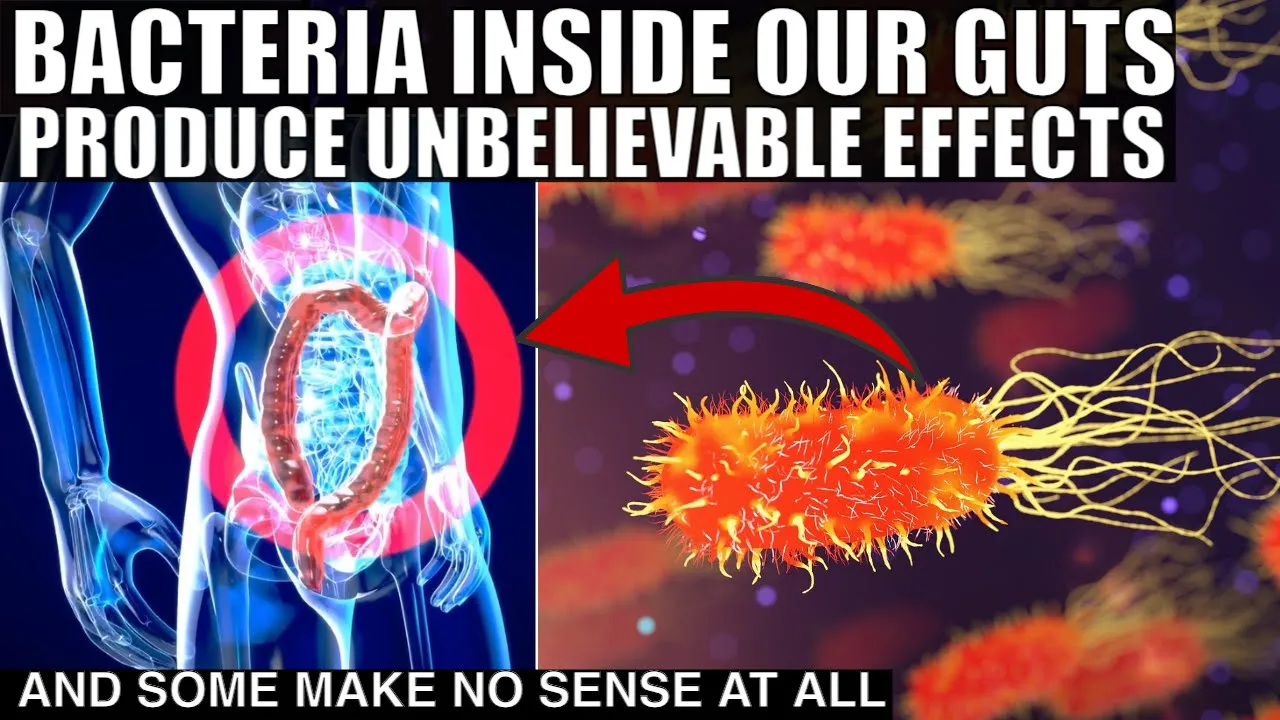















The gut microbiome—a community of thousands of microbial species in our intestines weighing about the same as our brain—is crucial for health, producing chemicals that affect immunity, brain function, and metabolism; research shows that calorie counting is ineffective for long-term weight loss, ultra-processed foods disrupt gut health and cause overeating, and personalized nutrition based on individual gut microbiome profiles is more effective than one-size-fits-all dietary approaches.
Why the Calorie Myth Is Wrong: Gut Health & Nutrition Science Explained
Added:The traditional 'Calories In, Calories Out' (CICO) model of thermodynamics and energy balance in human metabolism.
Basic human digestive anatomy and how the body processes macronutrients (carbohydrates, proteins, and fats).
An introductory understanding of what the human microbiome is, specifically the community of microorganisms living in the digestive tract.
The distinction between food quantity (caloric density) and food quality (nutritional value, processing level, and chemical composition).
The Gut-Brain Axis: How gut microbiota biochemically communicate with the central nervous system to influence mood, stress levels, and cognitive function.
The role of prebiotics, probiotics, and dietary fiber diversity in cultivating a healthy and resilient gut ecosystem.
Personalized Nutrition and Nutrigenomics: Exploring how individual microbiome profiles explain why different bodies respond differently to the exact same foods.
The physiological impact of ultra-processed foods on metabolic health, systemic inflammation, and microbial diversity.
4.7M views113.6Klikes1:36:29Original Release: 2023-01-02
exercise doesn't help weight loss the reason exercise doesn't work is because Professor Tim Spector he's an award-winning scientist best-selling author and medical professor and he is ranked in the top 100 of the world's most cited scientists we're going to be talking about the future of personalized nutrition many consider you to be the leading expert on gut health and diet what's your view on the ketogenic diet virtually impossible what about vitamins waste of money what are the facts around fasting I do oh [ __ ] what do you mean idea the food industry wants you to focus on calorie fat content from sugar so you don't have to think about the quality of the food there's never been any long-term study showing that calorie counting is an effective way to lose weight and maintain weight loss this is why I want people to think about food very differently than we have done in the past so what is the cost depression anxiety is intricately linked to the quality of your gut microbes these are microscopic bugs in our intestines all of them are able to pump out chemicals that are vital for our body when they're fed the right Foods the reason we're in this state is we've killed off with all of our good bugs I think people don't think of all the positive members that don't think that you need to build them up God it's so confusing you know when you walk down the aisle in the supermarket everything is trying to pretend that it's good so how do I know what is good you have to quick one at the start of these episodes I told you that 74 of people who watch this channel frequently haven't yet hit the Subscribe button and I told you that the bigger the channel gets the better the guests get and hopefully I've delivered upon that for you so there's two things I wanted to tell you the first is if you've ever enjoyed this channel could you do me a favor and my team here a favor which is hit that subscribe button because it helps this channel more than you know and as I say the bigger the channel the better the guess but also we're approaching 1 million subscribers and when we hit 1 million subscribers we've been working for many months to do something very big in which you're all invited to I'll reveal that when we hit a million subscribers [Music] Tim [Music] many consider you to be the leading expert on topics relating to gut health and diet and food Etc but how would you describe your own professional academic bio what is that bio in your own words it's complicated so I've changed form over the years quite a lot and I'm quite unusual in in terms of academic medics who usually stick very Strictly To One specialty all their career and fear to go anywhere else so I was a medical school did the usual stuff then wanted to be a physician then did rheumatology what's Rheumatology and bones and joints okay so that was my sub specialty if you like and but I got interested in epidemiology which is the study of risk factors in populations where you just look at thousands of people rather than one patient really I switched again to study because I I got really interested in the idea that identical twins should be the same they're clones they lived all their life together all their genes are identical what makes them different counter to what everyone thought identical twins often die at different times they get different diseases one gets depression one's fine it's all these differences so what that was my sort of conundrum what makes identical twins different when they have the same they've lived the same lives it was only through this sort of search to find this out that I looked at the gut microbes in in Twins and found they were different and that really scientifically took me onto this whole new path from there I made this so leap into nutrition to say well now we've discovered this whole new science all this stuff we got wrong about nutrition suddenly makes sense so now I would say I'm you know an epidemiologist who's really specializing in in nutrition and gut health and trying to change the way people think about food that was a brilliant summary of your career and an academic background um as a muggle like me that's really you know new to many of these topics what I understand is the study of epidemiology is the study of the like genetic root causes of disease not just genetics so any any exclusive disease right so the people studying covid yeah were a wepademologists tracking a disease trying to work out who's getting it when it's coming back how common it is right all these basic things in populations at a at a sort of big population level right great you've also written 800 articles more than 800 articles on this subject matter um in 2014 you set up the British gut microbiome project and you've written five books on these subject matters I mean I've read two of them that I sat in front of me here um I'm really intrigued by by the personal story as well because writing these books and doing all the work you've done is a lot it's a lot of work it requires a lot of Drive I mean this particular book you said it took almost six years to finish what is the personal Drive behind that what is driving you to pursue the subject matter you know I just love getting into a new area finding out that something that everyone's been quoting for decades is total BS and was based on some tiny study of nine people it's like I'm a detective and so I've always had this this quest to sort of be this obsessional detective I think going into these areas and at the same time it's that's coincided with you know various events in my life as well that um have probably pushed me in certain directions more than other you know that I wouldn't have gone otherwise what were those events in your life I guess you know I was pretty lazy's um a student at school they might surprise some people we always assume if you're a professor and you've made it you were a SWOT at school but I did the absolute minimum so I scraped into medical school scrape through the first few years of medical school I had spent one year proving you didn't have to go to any lectures and could still pass which was a lot of work actually at the end I realized it was harder then of course age 21 my father died suddenly overnight with a heart attack no warning at all I was off on a skiing holiday with some friends and I think in retrospect that that event changed me and perhaps gave me you know a bit more Direction and drive than I would have had I'm not quite sure you know how it would have turned out if he hadn't died but to me him dying at 57.
suddenly like that um made me think I I need to you know make more of my life I could die early too this was something that you know I think spurred me on to do all this kind of stuff that I didn't need to do but um I felt perhaps more compulsion to do and maybe also got me interested in this whole idea of genetics to say well you know did he have rotten genes um am I have I got the same genes am I going to die in my 50s so I think that Looking Back Now I think that's it's hard to be absolutely sure but that seems uh a reasonable scenario I read and I've heard from members of your team that left you with a feeling as you've kind of said there that you might also Die Young if it is a genetic thing definitely yes no I was always telling my kids you know this is this is it you know money how many hit I was sort of half joking but saying well you know my times you know I've only got seven years to go now you know whatever it is um you were saying that two kids yes you know that uh to try and prepare them I guess so but it was my way of you know I did in a jokey way it wasn't like um I was writing my will and saying you know the candlesticks are here and the uh uh everything else but it was um yeah I used to make light of it but you know underneath it yes I felt well you know I could go early so I need to get on with it I think and I was also at that time uh price speed was sped up by another personal incident I had at that time which was a mini stroke yes I would call it a mini stroke it's a vascular occlusion but I couldn't work for three months I couldn't read and I got a bit depressed about that so those three months where you you can't read um I read that you were the quote I went from being a sporty fitter than average middle-aged man to a pill popping depressed stroke victim with high blood pressure they said you were flawed by this experience and for three months you couldn't work from having a pretty fast-paced frenetic life to being bed bound and in those three months you you'll focus on the microbiome increases right yes I I was I was just finishing up the very last bits of the previous book identically different which is about why Twins were different right and as a sort of afterthought I had acted one page about well actually the microbiome could be the key to this what is the microbiome it's the word we use for the community of gut microbes these are microscopic bugs in our intestines and it's a biome because it's like this jungle Community it's a lot of different species all together thousands of them that coexist in our in our lower intestine our colon and they it's like we've discovered in the last 10 years a new organ in our bodies if you put them all together they weigh about the same as our brain okay so it's that's mind-boggling really to think about all these bugs which uh individually are tiny putting together they actually you know they weigh several pounds so you can either think of them as a microbial Garden but increasingly I'm shifting that towards thinking as a an incredible Pharmacy so all of them are able to pump out chemicals all the time that are vital for our body so thousands of different chemicals are pumped out every minute by these these gut microbes when they're fed the right foods and these chemicals are key for our immune system most of our immune system is actually in our gut we don't most people don't know that we think it's you know under our armpits or somewhere but actually um all the immune cells are actually talking all the time to our gut microbes through these chemicals and their immune system obviously is crucial for our whole body and fighting aging and cancer covered infections allergies all these kind of things so then you've also got the microbes can produce chemicals that affect the brain and will make the difference between you being happy or sad or we know that they're vital in depression important for regulating how much you eat your appetite when you feel full they also provide key vitamins for you all the B vitamins and many other components neurochemicals like serotonin that's key for the happiness and how antidepressants work are all produced by your gut microbes so we're slowly learning that these guys are absolutely crucial to how our body responds to anything coming into it whether it's painkillers whether it's antidepressants whether it's chemicals in the form of food and this is why you know I want people to think about food very differently than we have done in the past the idea the old idea that food is just calories macros you know whether it's fats and carbs and proteins those four things you know that's 100 years old mentality but key to it is this this core of our gut health which we've ignored totally and this this was this big aha moment for me after research for 10 years why would identical twins twins be different what could it be and it turns out their gut microbes are different that's the only thing I've ever found in 30 years that's really different about identical twins and that explains why one gets cancer the other one doesn't y one gets an autoimmune disease or one's depressed and one's happy so for me that the twins were perfect um obvious way to show that how important these these microbes are for all of us what are some of the biggest myths you encountered as you started researching the microbiome that most people currently believe that I probably sat here now believe about how to keep my um my gut healthy what are some of those key myths because I know you like myth busting well I think most people believe that probiotics in yogurt get killed by your stomach acid so they don't work because your everything gets killed off that's a common one I hear but they don't no some get killed but you're ingesting billions so always enough get through to have an effect and we know that probiotics do work although the best probiotics are in food rather than in capsules and there's plenty of fermented foods which is the same I think um most people know very little about microbes they think that most of them are harmful so oh I've you know they they cultured this microbe or they found a parasite fifty thousand people have now looked at their gut microbes in the US and the UK in the UK 24 have a parasite and that parasite is actually beneficial it's called blastocystis and it's associated with good health being thinner having less internal fat lower blood pressure and you know in the past we're trying to kill it off and actually the reason we're in this state is we've killed off a lot of our good bugs so I think people need to realize that most of the bugs in our in our system are trying to help us and we've actually lost half of the good ones compared to if you go to hunter-gatherers or you know I spent some time with the hadza tribe in Africa and you know they have twice the number of species that we have because they don't pop antibiotics they don't have sterile Foods they have a very wide range of um diverse plants Etc so I think people uh think that you know their their gut microbes are really only there to hurt them when they have a bad Kebab or something they don't think of all the positive benefits that don't think that you need to build them up and that actually you know they're like a the more you've got the better it is how do I build them up how do I become more like that tribe you have to have a more diverse range of plants so we did a study a few years ago with British and American guts that showed that if you can get up to 30 different types of plant a week you maximize your diversity of species in your gut and that's that diversity that we want remember 30 plants you look a bit shocked but that's um it's a plant is a nut a seed it's not just kale it's a herb it's a spice and things like coffee are a plant to me because it comes from a fermented Bean so it's that diversity it's having more fermented foods it's having a range of colors it's cutting out [Music] um the ultra processed chemicals as well which all that all the groups in the population that have the best gut microbes they don't eat the ultra processed foods they don't have antibiotics they don't have this this modern Western lifestyle you mentioned calories there as well um when you're talking about the microbiome one of my friends is a prolific calorie counter and you know he eats a lot of Domino's Pizzas he'll he listens to this podcast he's going to know exactly he's going to know that I'm ating him um he eats Domino's Pizzas all the time he eats like a real you know processed food diet but then says to me it's all about calorie counting now with all due respect friend um he's never managed to I shouldn't say but um but it's not necessarily work for him in terms of the goal that he set himself so when I was reading about your view on calorie counting in your book spoon fed it was I screenshotted it this morning and sent it to him and I sent I said you are a bullshitter that's what I said in the message and we had a good laugh about it this morning but what is your view on calorie counting and this idea that we can you know weight loss or being healthy is just about having a calorie deficit it it's complete nonsense yeah thank you I will clip that and send it to him there's never been any long-term study showing that calorie counting is an effective way to lose weight and maintain weight loss after you know the first few weeks so yes very strict calorie counting if you deprive yourself for a few weeks you will lose some weight but even if you're successful your body's evolutionary mechanisms will make you hungry and hungry every week you go by where you're depriving yourself of energy your body will go into sort of shutdown mode your metabolism slows down so you're not expending those calories and inevitably I'd say more than 95 percent of people will go back to their Baseline and many go above it it's a rebound back if they're doing this this style of uh calorie restriction now calorie counting is a part of that so people try and say okay I'm not going I'm not getting a dramatic diet but I'm going to just try and Reduce by 10 my calories in the day which in the old theory was supposed to make you lose weight well it's virtually impossible even professionals to count calories and because they're not very accurate for a start everything on the packet you have to weigh everything and in restaurants now we're supposed to have these calorie counts they're plus or minus about 30 percent because the portion size makes such a huge difference to it that it it and it's been shown in the US to be a worthless exercise anyway so you can't count them going in you can't really count your metabolism going out either we're all incredibly different you know your friends probably been told 2500 calories is what he's allowed well that's an average uh but it doesn't mean it relates to him my average is much lower and when I tested it so everyone is an individual and this is another thing we need to move away from this one-size-fits-all guidelines but I think more importantly is that the whole calorie counting assumption means that it doesn't matter what form that calorie is it has the same effect in your body therefore whether you're cutting out fat calories or carb calories or you know low calorie sodas or whatever it is it's it's going to be fine but we now know that's not true and there's several science experiments which now absolutely nail that one was um but in America where they gave people identical meals um for two weeks in a sort of enclosed semi-prison and one was homemade and one was Ultra processed both identical calories macros the same the group of the ultra processed foods over at by about 200 calories every day they kept came back to the buffet for more okay so yes the same calories but the effect on the body meant they were hungrier why is that we don't know for sure it could be that those chemicals in the ultra versus Foods affect the gut microbes and they then send signals to the brain saying eat more this isn't a natural you know this is a really weird chemical it's doing something weird to me I'm producing something weird in exchange it could be they get absorbed much quicker so you get a big sugar rush and you know the nutrients get in to your body in a way faster than they should do in nature and so your brain doesn't have time to say I'm full it normally takes 20 minutes or so to to get that fullness um or you know it so it could be the Matrix of the food it could be the chemicals in the food it could be its effect on the gut microbes um but it also could be things like your sugar spikes so in the Zoe predict studies where basically we've given Now 50 000 people um in the US and the UK the same Foods at the same time same time of day everyone's got these muffins we show that people um one in four people who have these muffins and are wearing it we wear glucose monitors which tells you for two weeks of what's happening in your glucose one in four people get a real sugar dip three hours later so this is where you you rise in Sugar which is normal and then as it comes down it goes below Baseline but only in one in four people and when that happens those people end up uh overeating the next meal and during the day they feel more tired more hungry that's this the sort of 11 o'clock slump if you like if you've had a carbi breakfast some people feel that others don't and what's really interesting is that so one in four people eating an identical muffin of identical calories will then overeat by this you know another 10 that day so you can see how that just blows the calorie idea out that the calories in equals calories out everything's the same and and the third thing is that Ultra processed food says it has the calories that's equal to the Whole Foods but often they don't account for the fact that it's ground up it's highly refined and so if you take like almonds or something like this these might use ground almonds and you compare ground almonds to whole almonds there's perhaps 30 percent less available calories and the whole almonds than there is in the other one so the whole thing is a complete nonsense and it's there because the food industry wants you to focus on the calorie the fat content sugar so you don't have to think about the quality of the food and it's something that they can control very easily get their profits higher keep adding stuff to the product that's synthetic when we know that a lot of things are adding are harmful for our gut microbes so that the artificial sweeteners are harmful the the glues they stick the foods together the emulsifiers some people react quite a lot to those and they cause problems so the whole thing is like this giant camouflage and that's that's really one thing I'm you know it might probably my number one bug bear is to get people to see the light stop obsessing about calories and start thinking about food much more as quality and what it does to your body quality food what is quality food in your definition of the phrase it's the opposite of ultra processed food which is Whole Food which is made with from the original ingredients of plants mainly plant-based but it's not exclusively that contains all the nutrients that those those plants produce without it being Stripped Away or boiled up or highly pressurized deformed and so they have to add in back those nutrients so you know it's things in their pure form so it's it's nuts it's seeds it's it's grains that haven't been ground up super finely it's all the amazing plants and fruits and vegetables that we've got they they're healthy foods but you know it's it's not straightforward yes I've got this list of 10 superfoods it's it's understanding that many foods that you know are healthy for us most of them are in their in their original form berries nuts um virtually every vegetable is healthy for us if it's in that original form it's only because we've we had to learn to preserve things we had to do trickery to make you know margarines and things with chemistry that we've moved away from that but you know going back you know olive oil for example is a great example of saying that the vilified often because it has lots of fats in it and you know sending I was done oh the med trains they have they have olive oil and everything it's horrible it's all fatty turns out that's that's a perf you know it comes from the olive the good stuff extra virgin olive oil has very little done to it and that is a a good healthy quality food but it can be refined you can take that and you can keep refining it um you can take corn on the cob as an example and then you you know and then you've got I don't know uh tortilla chips or something down the other end is which Bears or cornflakes which Bears no resemblance to the original and they're all versions on the Spectrum God it's so confusing you know because what you've said to me is you know based on research and studies but then when I go to a supermarket labeling even I just thinking in cornflakes I think I grew up thinking conflicts were healthy because it says corn in the title you know what I mean and it's and when you're trying to navigate I was just thinking if I'm going down an aisle now hearing what you've just said that that quality food is food that is not Ultra processed and kind of resembles its original form when you walk down the aisle in the supermarket everything is trying to pretend that it's good so how do I know what is good I mean I can go to the vegetable aisle and I can say okay that looks like a cabbage it looks like no one's messed with that there's been no study done on that to it hasn't been through a laboratory but how do I like if I'm in an aisle tomorrow how do I know what food is good and what is not well you've said the first thing if it's not in a package um you're pretty sure it's good okay so um if it's concealed in some package that's got you know happy children and signals of vitamins in it that should be a warning sign you know the more they have to advertise the food and say what its additives are and everything the more you should be wary about it the number of ingredients is another pretty good sign so once you get over 10 particularly if there's lots you've never heard of you wouldn't find in your kitchen you should also be wary that that is ultra processed food anything that says low calorie that says means they've had to add in lots of artificial sweeteners or protein extracts or something else is also a big danger sign low in fat means they've replaced the natural fat with something else that's cheaper and these are all warning signs you know and you know you take breakfast cereals I mean I used to I used to eat lots of breakfast cereals I was brought up on them highly sugary stuff and then I thought I was being healthy when I moved to muesli's and um posha stuff uh but actually when you still you know that appearance of healthiness it's still got lots of additives in it it's still got lots of sugar in it it's just and those cereal packets have added vitamins in it but they're often in a very poor form I did an experiment once where I um took some cornflakes or special care I can't remember that said had added iron and if you mix it up you can put a magnet on it you can get off the iron filings they're so cheap that they just added to tick a box saying it has iron but they don't get into your body or do anything so anything that's got these things added with this in it low in this is a sign that they're obscuring the quality of the product so it's you know but there's a lot of brain you know we've been brainwashed for years and decades in this and you know I was as well as a doctor you know I should know better and yet I've completely changed my Sev two of my meals completely so I've gone from having muesli with low-fat milk and an orange juice and uh a cup of tea because I I did you know I started doing these tests for Zoe I found out that gave me a massive sugar Spike and it was a terrible way to start the day and I got these you know dips at 11 o'clock to a High full fat yogurt nuts seeds a few berries and never have orange juice that's on my that's a really unhealthy drink for everybody and I have a lots of black coffee which I now know is good for me so that's totally different I changed my lunch for at least 10 15 years um when I got in the hospital I was having a hospital lunch which used to be in the canteen then it was the Marks and Spencers got a healthy looking sandwich with brown bread sweet corn and tuna and a smoothie in a little bottle and that gave a massive sugar Spike and I wouldn't have known that and I was told that should have been a healthy thing to eat so you know there's there's general rules but also there are specific rules and this whole idea of individual individuality is coming in so it could be that you could you might be fine on that don't know um I was very annoyed because when I started we were starting doing this testing for Zoe I had all these spare kits and I gave my wife one as well and we sit down and she's French Belgian and loves croissants and so we'd have croissant each mine would shoot up she had no change at all in her her sugar which is really annoying yeah so but it also brings brings home the fact that you know everyone loves simplistic rules but you can only get so far with them you have to start experimenting yourself and see what works for you and not just take everything for granted and that's really the that's the whole essence of really you know setting up this personalized nutrition research and Zoe and everything else but uh on top of this general advice about changing our idea of food I think because I think they do go hand in hand that if you realize there are these individual differences you realize it's not as simple as you've been told it's not that fats are evil it's not that calories are bad you know it's it's much more nuanced you mentioned breakfast there I heard that you do some intermittent fasting intermittent fasting I think I pronounced that correctly intermittent fasting yes we'll just uh use AI to swap that for my voice what is it intermittent let's just call it fasting just for people at home that can't say it um fasting has become a really popular thing over the last three or four years A lot of my friends talk about it again it's it's almost feels like it's going into fad territory again but what is the what are the facts around fasting intermittently okay it's I guess it's been quite a Hot Topic about 10 years now but it's intermittent fasting so umbrella term for all kinds of different fasting and you might remember the five two style of intermittent fasting was quite big about 10 years ago and there were also these extended fasts often used in America people doing two or three day fasts and detoxifying oh gosh yeah that sort of stuff so you've got to realize you have to specify what time what what we're talking about but I think the most interesting type of fasting now is what's called time restricted eating time restricted eating I can say that Tre okay so the idea is you don't change what you eat you just change how you eat and you change your eating window so most people in in the UK and U.S they'll be eating for 14 or 16 hours a day it's me right lots of snacks and extending late night and what time strict eating is you're trying to reduce that to something like 10 hours on average okay it varies there are some more extreme ones some milder ones but that seems about The Sweet Spot that most people can manage 10 hours which means uh you start eating at 11 and you finish at nine for example or you might want to go from eight in the morning until six at night oh seven I can't do my maths um now there's actually science behind this now so there's plenty of studies showing that not only in mice and rats this helps them their metabolism their energy management but there's some evidence that helps with weight loss to a small extent but it's it improves your inflammation levels and a lot of people report energy and mood improvements we've just done a big study with the Zoe health study which is the the free app where we had 130 000 people sign up to do this trial if you like where they would do this for two weeks and amazingly most people Managed IT and we did see improvements in mood and energy um just in that two-week period and actually hunger went down weirdly but a lot of this we've found is people are actually snacking less so they weren't we won't tell them to do less you just you can do whatever you like in that time but people are just paying more attention and not grabbing something to eat just before they went to bed now the science behind it's really interesting because your body needs time to recover so your cells we're programmed on the Circadian rhythm that is very much in in line with the Sun from you know when we were in East Africa and it was um everything was quite programmed so that our body is in this state of work during the day we eat do all our stuff and then at night it recovers as the stress hormones go down then you repair stuff comes out so cleans up all the muck in ourselves but we now know that it's the same happening in our guts so if you rest your gut for 14 hours you give time for all the other microbes to come out and act as a repair team like a cleaning force that Hoover up all the mess you've left behind they clean up nicely your gut wall and so it's not leaky get rid of inflammation and this change giving them a break really seems to have these great benefits so I'm I was a real skeptic about about this and I did lots of fasting and things for experimenting the books but it I think the last two years I've really been convinced that this is something that that does work and is right for some people but importantly it's not right for everybody and there is an individuality you may be a snacker that finds it very hard to go long periods of time without eating okay I do know we've got several people at Zoe who say oh this is terrible you know so but for me you know I suddenly realized when I wake up in the morning I'm not starving it's not the first thing I I think in my head and it's very easy to wait till 11 o'clock to have something to eat and it's not a big deprivation that's something you could carry on the whole of your life which I think is what we're we're into here so I think there's a lot to be said for this but I think people need to personalize it again you know people love a single single black and white solution to all their problems but I'd say to everyone try it you may want to you know do a sort of American style eating really early and finishing early um you might be that kind of person who's also morning person or you might be someone that prefers the social life of eating in the evening and um skipping the morning it's going to be it's going to be take quite a lot of discipline for me to stop having chocolate at 2AM so could you just summarize again time restricted eating the the key benefits of it are my microbiome will be healthier gives my microbiome more time to clean up which will have an impact potentially on weight loss and overall energy levels etc etc mood okay cool that's enough for me I think that's a convincing enough reason and I imagine there's also an impact on sleep there because you know me having chocolate at 2am is probably not going to give um help me have quality sleep at night absolutely yes no I think there is a link we're studying that we don't have any results from from that trial but we are logging Sleep Quality as well but personally I've I've when I've started to do it I do sleep better I did start to get some reflux as well so a lot of people suffer from heartburn right and and that's again because you're eating and drinking alcohol quite late they're not leaving enough time to go to bed that causes sort of stress on your body when it's supposed to be relaxing so I think yeah everyone give that you know give that a try and you know it could be right for you and it just makes you think also you're just thinking about more what you're eating you know to say okay let's give my body a rest just like you would if you're doing an exercise regime whatever it's just thinking about eating in a different way other than just fuel what about vitamins you know I've I've got all these vitamins by my bedside not by my bedside by my by my bathroom sink in my bedroom because you know I went I went to some market and the lady there told me that all these vitamins are important and then I don't know I'm actually an ad on Facebook or something and I ended up buying more vitamins and I'm like a collector of vitamins we're not alone I think 50 of the British population have a regular vitamin or supplement every day and it's massive industry I read chapter five of your book so I'm a bit rude about vitamins in there please please so I know and I it's the thing that upsets people most um people say I don't I believe everything else you say but I don't believe your chapter on on vitamins and I again it's it's a bit like a religion you know popping a pill and uh hoping that it's doing some good all the evidence shows that when you do a randomized controlled trial these vitamins don't work unless you've got some really weird disease or deficiency or for some reason you can't eat a normal diet but it's a last resort for people who have terrible diets if you have a a decent varied diet with plenty of plants in it you don't need vitamins at all and I used to take them and I don't take any now except the occasional B12 because I um I've always been low in B12 and I have hardly any meat but apart from B12 all the evidence points to these things being a complete waste of money you're telling me all those vitamins I've swallowed over the last 10 years have been a the result of me being duped by the vitamin industry and have no material impact on my health yes well they might have had some harmful effects like people taking calcium and things like this are showing if you take regular calcium tablets more likely to get heart disease you're joking I've literally got a tub of calcium Tablets by my by my kitchen sink as we speak yeah well there's calcium in nearly every plant and things that we we normally break down absorb in small amounts regularly you take something like a calcium supplement you might be taking half a gram of it our body isn't designed to break down that huge slab of chemical and so it doesn't get distributed well and studies show that it gets deposited in your arteries and and can Harden them up so there's no there's no evidence that calcium helps people doesn't help broken bones it doesn't help osteoporosis all the things that we were told it did do so all the elements was out there and you've got all these companies pushing it so many of these things can be counterproductive but my main worry about them is if people think they can pop a pill they don't have to think about proper food yeah and therefore everything can comes in a bottle or a pill they can go you know just have a junk food diet and be healthy and that's so wrong because diet I think is the most as I said the most important food choices we make for our health and to take stuff that doesn't work that could be counterproductive and sometimes harmful is is a Daft delusion I have been under a dark delusion I've got so many supplements upstairs well they could have a placebo effect you might feel better because you've taken them you know you think I feel like a healthy person because I take them I don't know whether I am a healthy person but I feel like one when I do it I do it and it's really uncomfortable because I'm taking sometimes I'm taking like eight different pills like calcium and potassium and whatever else em and when I'm doing it even though it's hard to swallow them and it tastes rancid I feel like I'm doing future Steve a favor yeah well there you go but clearly I have to get someone to make you some dummy ones so there's got nothing harmful in it and you can take it a lot cheaper I'll give that a shot um what about sugar so I I was keto for the last roughly the last two months I tried um the diet because I had a lot of good things about the ketogenic diet as it relates to an inflammation and I have to be honest I lost about a stone in weight fairly quickly first time I've really seen a huge dip in my weight but also not just that my the gut issues that I'd had seemed to to go so I I'd almost lived for the last couple of years specifically like after the age of 25 for some reason suddenly foods that I thought had gluten in them like white breads and pastas and even like soy sauce and things like that were making me live in this permanent state of like being bloated and I'd go to the toilet and I didn't feel great it was kind of this pain throughout the day a couple of hours after eating one of those foods and then I tried the ketogenic diet so I cut out pretty much all of those things like I didn't have any bread most of the sort of processed bad carb I don't even know what I'm talking about here so correct me but I cut out what I thought were the bad carbs that were having a bad reaction on me and then I cut out a lot of sugar like refined sugars basically cut it completely out and I ate meat vegetables um berries and things like that felt fantastic lost a stone in weight very very very lean body fat dropped completely slept well high energy um what's your view on the ketogenic diet well your story is I mean you can take two ways one you could say you really improved your diet because you had it sounds like you had a pretty shitty Diet before that right so yeah um so you know what I mean so anything could have been an improvement if someone says if you're eating real foods right so yeah it sounds like the keto you weren't having keto out of a bottle or a plastic and I was having meals yeah proper home-cooked meals rather than takeaways and exactly so you're making the shift from perhaps you know the average UK diet which is high in refined carbs which is you know probably had a fair bit of ultra processed foods in there as well to this other diet so I would expect you to feel better um to be a keto diet you've got to get to sit about 70 um fat right which yeah which is really really hard for anyone to to sustain it's virtually impossible that's why I said for the last two months I'm no longer keep on the keto diet so you know you've you've gone you've so you have probably done a mild keto diet right that didn't put you into ketosis right but got you off these high refined carbs yeah so but going back to the basic question um keto diets do seem to work for people with diabetes who are overweight as a way of getting them off their medications and sort of kick-starting them into a better health pattern and there are some people I think it can work for um I think for as a sustainable diet I don't think it makes any sense I don't think many people can still be on it a year later if it's a true ketogenic diet because no Studies have really shown that people can sustain eating that level of fat and protein and virtually no carbs that's all I ate for about eight weeks yeah but you were eating you're eating plants as well um so I'd have like some plants wasn't just steak was it it was I mean at one point it felt like that it was there was some plants in there there was like lettuce and broccolis and stuff like that but I was Googling everything to check if it was keto friendly before I put it in my mouth so yeah I mean so I think what interesting is if you you went from that to a more uh mixed healthy gut-friendly diet you know which includes fermented foods small amounts of breads grains Etc um I think you'd still find the same benefits because you're shifting from Ultra you know because I would suspect that if you did the Zoe test for example you would have quite a big reaction to sugars and your fat control would be quite good so it sounds like you tolerate quite large amounts of fat without too much problem whereas the sugars would spike like me you get a reaction you get Hunger you get you know these feelings of tiredness Etc so just by upping your fat levels lowering your refined carb levels you might have produced the same without doing that extreme idea because my problem with the keto diets is ultimately it's restrictive you're reducing the number of foods you're thinking about your uh ultimately then harming your gut microbes long term because you're not giving them the variety of different plants if you're not careful and that happens to a lot of people they go down any of these slightly fatty diets and they end up with a much more restrictive um you know intakes than they would have done which long term will cause some problems for their immune health and long-term health so that's why I'm generally against these extreme diets of any kind other than if you are you know seriously ill diabetic and you're overweight it for three months it could be a really good way to get you off your meds interesting yeah because I'm trying to I'm trying to find now so I went from the keto diet to the New York diet basically we went to New York for two weeks and I just I really [ __ ] up um but now I'm back I'm trying to find the nice Middle Ground the sustainable middle ground that word sustainability in my diet and also my fitness has been key to me um because if I can't sustain it there's no point doing it because you end up yoyoing afterwards so I went from the keto diet as I said to the New York diet and now I'm back in in the in the UK so we'll go on the gut friendly diet which is please detail the gut-friendly diet just it's you know 30 different plants a week lots of fermented foods that's your yogurts your kefirs your kombuchas and if you like kimchi kraut uh miso Koji Japanese food eating the rainbow so you've got plenty of colors on your plate everything's got because that means they've you've got plants there that have got these defense chemicals and we haven't talked about these but these are the polyphenols that are in plants that give them that bitter taste but also the bright colors that you get in berries and you get in bright colored lettuce and cabbages and they are rocket fuel for your gut microbes so the more you've got of those the healthier your gut the more you dampen down inflammation so really important there's most diversity lots of color and lots of high polyphenol Foods things you wouldn't have thought are healthy so dark chocolate I know you like doctor was it well I'm not sure is it milk chocolate you have it yeah it's milk chocolate well you need to change the dark chocolate my girlfriend says that she's obsessed with dark chocolate well and she always tells me take her lead it's slowly slowly wean yourself off the milk and get onto real chocolate okay which actually tastes of Sun really good rather than sugar isn't white chocolate the worst yes do you know how I know that that's the only thing I know about food um I went and did a chocolate making class and at the start of the class the instructor says pour the sugar into where these big tubes and she said pour the sugar into the tube so I'd like pulled a bit in she was like no no no no fill that tube with 60 sugar I was like what she was like fill the tube with I was like why she goes that's white chocolate it's 60 sugar so I pour this this sugar into this tube and it fills at 60 and then I put this little like oily liquid in and she was mix it because that's white chocolate 60 sugar there's people right now that are sat there eating it would realize that they're giving themselves early on to diabetes but so dark chocolate is a good example coffee we already mentioned and if you like coffee I do I well I don't for me coffee is more of a utility I use it before I have these conversations so I don't fall asleep because I'm very you know I've never been good boring guest well sometimes but it's more so just to try and keep my mind sharp and to keep focused but um I I've read chapter 13 of your book about coffee and I've always been a bit of a coffee skeptic because I tend to have a belief that everything in life comes with a cost and no one I've sat here with has ever been able to tell me the cost of an artificial boost in my focus attention energy I feel like nothing's for free in life you know so what is the cost of coffee well I think there's a variability some people there is a big cost they get the shakes they can't sleep and it has other neurotoxic effects if you have too much so I think it's all about dose and this is it is a drug that if you get the dose right is very beneficial for you if you get it wrong or you've got some genetic problem you can't process it right it it's a real it's it's a problem but some of the benefits I was talking about um are also there in decaffeinated coffee so it also has these because again it's a great example of how we always think of coffee as caffeine right and yet if you do these epidemiology studies you know these big population ones people who are having regular decaf coffee also have similar heart benefits so it's other things in this fermented Bean that are helping us and I think this is just you know it's a great lesson moving away from our reductionism we always like to think of you know one food is one vitamin or one chemical and that's an easy way to think about it we can't comprehend they've got a thousand different ingredients so decaf coffee but yeah well you've got green tea is also pretty good um you know there's many other fermented foods but um the polyphenols are really good and important to realize in the book food for life I go into exactly that it's a practical guide to when you go into the supermarket and you go to the aisle so gosh I'm in the vegetable oil do I get my usual iceberg lettuce that 90 of us do because it lasts for two weeks or you know longer than our Prime Ministers or do we go for a slightly more expensive loose leaf rossololo with purple leaves that has a thousand times more polyphenols and so you really shop on color yes now I do I had no idea about this until do you but but also the fact is loose leaved means that those those plants have had to survive in more difficult conditions to fight off predators and wind and everything else so they're tougher that's why herbs and spices are also tough because they're the growing tips of the plant that's where you get all the good bits and so it's a rethinking all this idea about what's good about food in this when you start thinking about your gut and you know the sugars that it releases Etc so um for you yeah I mean if I think it's a general rule if everybody at to keep their gut microbes happy they'd be on a pretty healthy diet even before you get into personalization now chapter 13 of your book we talked about coffee there is called coffee can save your life you mean that quite literally don't you yes as an epidemiologist if you drink three cups of coffee a day you are less likely to die 10 years later Jesus Christ but there's also a link between um coffee depression and suicide right well there are lots of links because I was reading that in studies people were less suicidal if they'd been drinking coffee um I think that I'm sure there is a study on that in general what I what I do when I look at these is I don't take any one study on its own I'll try to get uh look at all the literature and say how many studies there are in that and is there a a confirmatory one that would make it real or not so I've tried not to over claim yeah because if you look at you know you look at the daily mail or you know the general press in the UK they will pick up on any one story and say coffee gives you cancer coffee does this coffee gives a dementia next year you know it saves your life it does this so you can switch but what I think people need to do is you know especially after covert has be much more sort of selective about how they see us study it's epidemiology that it has to have confirmatory data so I think yeah coffee we know improves sports performance by one percent right so for most people that doesn't really matter right you know one percent am I going to run faster on my treadmill at the gym by one percent no but it it does give you a little bit of focus and uh for most people it it's it you know it's a good drug that's found in food and I like coffee because also it helps it's allowed in a fast so time restricted eating you allowed black coffee and black tea and it um because it doesn't cause a sugar Spike or anything else but it's you have to cut out the sugar a quick one from our longest standing sponsor hero I I can't tell you over the last I'd say over the last really it's been about two and a half years it was really um post pandemic how much my health has become such a huge priority in my life huel has been probably the most important partner in my health Journey because I've been in the boardrooms I've been to their offices tens and tens and tens and tens of times I've seen how they make their decisions on nutrition and that's why it's such a wonderful thing to be able to talk to this audience about a brand and a product that is so unbelievably linked to my values and the place I am in my life are valuing the gym exercise movement my mind my breathing and all of those things and most importantly my nutrition that is the role fuel plays and so every time I get to read these ads out I do it with such passion because I really really believe every word I'm saying and I absolutely love the brand so if you haven't already tried heal and you've been resistant to my my pestering then give it a go and let me know how you get on quick one Intel one of our podcast sponsors and I want to talk to you for a second about their built for business vpro platform in today's Working World the office is pretty much anywhere and Intel V Pro means you can remotely manage repair and protect devices across your entire organization no matter how large or small giving me and my team peace of mind to work wherever we choose to for my it team whether on premise or a cloud behind the corporate firewall or not Intel's vpro comprehensive manageability has us covered this is something that is so important to me I you know I'm a huge believer in employee flexibility and Trust so having features like this are super helpful so to find out more search intel.co.uk vpro and let me know how you get on it's like more and more people are becoming gluten intolerant I consider myself one of them I am a self-diagnosed gluten intolerant I read chapter 16 of your book and you think most of that is made up yes um most people think they're gluten intolerant aren't when you test them okay so that's that's the fact it doesn't mean that everyone's making it up some of those will be real but I think gluten got this bad rap about 10 years ago and there's we know that yes one percent of the population really do have a gluten problem it's called celiac disease and they'll be vomiting and have terrible diarrhea with a smallest bit of gluten then this is how other group of people that believe they have gluten intolerance of which studies show about three quarters when they're tested with gluten are fine in a blind blinded way if someone slipped you a biscuit or something you know or pasta is often the way to trick people and I think many people have probably a more General irritable bowel syndrome that that are blaming gluten because it's one they're taking that one protein that they know about from foods that have thousands of them and saying this is the problem again this reductionism and it then they cut everything out but they might be cutting out things that were like the sandwich for example that was causing me glucose spikes so they might feel better when they cut that out and they then say okay I've cut out bread therefore um I'm not getting sugar spikes and tiredness that must have been the gluten but actually it was nothing to do with that it's just um cheap bread that has nothing to do with it so I think often people are taking clues in this excuse and sometimes they do feel better when they cut out all this Foods because they're eating less processed foods as a result of it not always but it's something else in the bread or the pasta that that they were eating too much or they were eating too fast or these things that I think are important so I would urge everyone to you know look again at where there is gluten or it is something else about their food habits before that was bad and reevaluate it and you know build up your plant diversity and your gut microbes instead because the worry is that all these people on on gluten most of them have a rather restrictive diet they get very worried about new foods and that's like the worst scenario because you end up on a vicious circle where you you get more and more nervous so you have a smaller and smaller group of foods you're happy with yeah your microbes get diminished and you have much less flexibility to deal with any new food that hits you one of the um we've got a fitness group amongst some of my friends is about 10 of us in it and um we've been tracking how often we work out and how frequently we work out in the workouts that we do and one of the things I have to say is pretty much no one in the group has lost any weight we've been doing this for a year and uh that kind of bucks what you would think so the only time that I lost weight was actually when I went on the keto keto diet I went from 14 Stone 8 to 13 stone 8 in roughly in several weeks but exercise and exercising for almost religiously for the last two and a half years doesn't really seem to impact my weight at all in a you know in the way that the Fitness Experts might tell me on Instagram what's your stance on the rollback exercise plays in weight loss has very little role in weight loss all the studies such long-term studies show uh it doesn't help uh weight loss and it's been grossly exaggerated as an easy fix for our obesity problem exercise doesn't help weight loss no all the studies show that the only caveat to that is if you have changed your diet improved your diet and you've lost some weight at maintaining some exercise does help prevent it going back up again but as on its own if you don't change your diet it's of no use and that's well known Now by all the bestie experts and all the studies this shouldn't make us fat is that the culprit is that one of the main things that's contributing to no again that's that's reductionism you know we the but the reason there is an exercise doesn't work it's important to realize this is because we all know this that you know you go for a walk build up Hunger before a meal that's what your parents told you you know and everything about exercise is after it your body slows down your metabolism slows down and it tries to regain the energy that you've lost that's just what our Evolution and so that's why it's a you're not gonna it's great for your health and I exercise fantastic for your mood it's great for your heart anti-cancer all kinds of things we should all do it but absolutely not if your goal is weight loss you have to do something about changing your diet and I think that's that's the big a huge myth particularly perpetuated by gyms and fitness apps and everything else and it is complete nonsense I read that you um when you look to studies over 30 years and you looked at how many studies had been done on the relationship of exercise and weight versus things like sugar and weight there was 12 more 12 times more studies done on the relationship of exercise and weight versus sugar and weight and why why is that why is there less research done on the latter um I think that's the influence of governments and the food companies and the drink companies so a lot of the exercise research done in the last 20 years was sponsored by large corporations who wanted to make this link between uh exercise and weight loss so that they could continue to sell sugary Ultra processed foods and drinks and just say it's the childhood obesity is because we've we don't have playgrounds and we don't encourage this and that's why the Cokes and the Pepsis are always there at the Olympic sponsoring Olympic events and associating themselves with Sport and they gave hundreds of millions to various physiology departments Sports departments nutrition departments to do research in this area basically it was really hard to get anyone to do research into how sugary drinks make you gain weight or cause problems because they the amount of money for nutrition has been abysmally poor you know in from from governments and that's why you know we the only the first ever study of ultra processed food in a controlled trial was only about three years ago and it's been around for you know 30 40 years so such is the power of that Lobby that it it doesn't necessarily distort the research in a sort of you know evil way but they point it to make sure that the researchers are working in an area that they want uh people to work in and distracting them keeping away from talking about sugars or even artificial sweeteners which in my view are nearly as bad because they're sort of you know hidden and deflecting us from the idea that yes giving kids sugary drinks or even artificial sweet drinks is going to be bad for them and cause obesity wait so I'm I've been I've cut my I cut out sugary drinks about a year ago I still have the same Brands but I have the no sugar version oh dear oh [ __ ] what do you mean idea well all the all the summary of the trials shows that if you take a young yard out young adults and kids and they will say on two cans of you know full sugar sodas and you change into the diet version there's no real difference in in weight or metabolic changes in their blood you will go to the dentist less so you don't get as many fillings but and yet you know you should be gaining 300 calories right if you were doing two cans a day so it doesn't work out as it should do and that's because of the extra these chemicals are not inert so the sweeteners in kids they changed their their brains to give them they want more sweetness in their food okay so it it could reflect your wish for your your late night milk chocolate who knows um and it it makes it very difficult to train kids to have more bitter Foods or sour Foods if they've got these artificial sweeteners in their diet all the time but they've now shown that all these sweeteners actually affect your gut microbes so even Stevia you know these sort of so-called healthy ones have an effect on your gut microbes and they're not inert so we know that saccharin and Sucralose also cause spikes in your blood sugar when I did it you know I have a Trace they're not supposed to but they they actually do things they're not supposed to so we know very little about these these products and my view is that they are harmful probably not as bad as having the sugar but they are absolutely not a health drink and we should be encouraging people to have you know teas and kombuchas and uh more more bitter tasting interesting flavors and Foods than just this Ultra sweet uh chemical concoctions is this this sugar conglomerate that I've been funding much of the research that points towards um some of the things you're talking about there there that's also the conglomerate that wants us to believe the calories in calories out approach because if I just view every all foods as kind of equal and on this sort of calorie number then I can drink some of the sugary fizzy drinks and some of the processed foods as long as I keep it within that sort of calorie deficit I'll be fine and so are they is that Sugar conglomerate is the processed food conglomerate for the calorie model absolutely they need that right they absolutely it's vital you know zero calories or one calorie you know on the can that's what you see and you know you're fooling people into thinking this is a healthy drink and oh you know if I used to have full Coke or Pepsi are now having the diet version I'm getting 300 calories less a day I should lose weight it's exactly what they've been doing and they're also desperate to show that artificial sweeteners are really healthy and they come down on anyone who tries to say that they're you know could be any way dangerous and yet they're not obliged to test them so none of it none of the chemicals added really go through rigorous testing on how they affect our gut microbes and this is this you know their testing mechanisms haven't changed in 50 years the gut microbiome um the microbiome as an organ one of the things you talked about earlier was the impact it has on mood and you know this podcast is was started as kind of a business podcast we have a lot of people that are interested in you know being more productive being more successful reaching for their goals how significant and how pertinent is the microbiome on my performance as an entrepreneur as a business person what do I need to know about the relationship as it relates to my mood my performance my mind well we know more about mood than than anything else um and so we do know that depression anxiety is intricately linked to the quality of your gut microbes we know this from Mouse studies where they've transplanted uh poo from anxious mice into sterile mice and those new mice then become anxious and depressed really so it's a transmissible condition and if you go back to me telling you that one of the chemicals that our microbes produce is serotonin okay some sort of cuddle you know love friendly warm um chemical that affects our brain that you know is the key to dopamine and everything else that goes on in our head so the levels of that are really important for us having the right neurochemical balance in our head that stops us getting very depressed or very anxious so we know that you can transmit it between animals so when they say they take the Poo out of one Mouse they put it inside its gut inside its stomach to give it the same microbiome makeup inside its stomach yeah and then that mask will become depressed and anxious yes so a lot of the science behind microbiome is based on large-scale human studies where you've just got cross-sectional data or this is associated with this but you don't know if it's cause or effect and so there's this whole other group that's been going off of of of projects for 30 years where they have these sterile mice who have no microbes and you you create in a lab these other microbes that you would make them anxious or they're genetically anxious you look at their microbes and you put take their microbes you put them into the sterile mice and you can change their mood and their attention span and everything else about that so that that shows that these have a direct effect rather than just being secondary and that it links to the human data that shows if you take a groups of depressed or anxious people you virtually all of them will have a deranged microbiomes and be producing abnormal chemicals and there have been now some recent studies showing that compared to traditional antidepressant medication probiotics do as well in many of these studies if you give a course of probiotic medication but even more impressive is if you give them a Mediterranean gut friendly diet you get actually better results with more emission than you do with antidepressant medication so it's one of the best examples of how you know feeding your your gut can actually improve your mood and it's particularly important because we're seeing an epidemic of anxiety and depression that's partly because of not having many good gut microbes to start with lots of junk food diets which make it worse and of course once you go into that cycle once you're depressed you're not thinking about food the last thing you want to go at and is you know oh I've got to go and get my kimchi today you know you just what it's just fuel so once you once you understand that you realize if you want to help someone with depression you know the first thing is not to put them straight onto an antidepressant which in many cases doesn't work because of this individuality as we're talking about which probably again related to the microbes because they break down the tablet into its active chemicals but is to make sure they've actually got gut friendly diet and so this is a really exciting area of research you mentioned them at attention the impact that the micro biome can have on attention that's really interesting to me because ADHD has become a very um widely discussed topic do you think there's a link between ADHD and the microbiome highly likely yes I mean there's less data in it than there is in depression anxiety the studies are smaller but those that I've seen all show again a an abnormality in the gut microbiome of ADHD kids and there have been a few studies showing that you can reverse it with poo transplants which is another area that uh um it was quite big a few years ago it it's not showing the same potential as it as it did but certainly affecting attention uh and mood with gut microbes is definitely on the cards these studies need to be bigger but there's certainly preliminary evidence that what's true for depression anxiety is also true for this whole spectrum of other conditions also you know that have been linked in the past to diet and you know over sugar and e-numbers and all these kind of things so we've sort of known vaguely there's an association but I think people haven't really pinpointed um the gut microbiome which I think they should and so absolutely sure that if you improve the diet of many many of these kids with ADHD you you would improve their symptoms and I know there's some ongoing trials at the moment it's really been startling over the last couple of years how um mental health has really taken center stage in conversations even conversations on this podcast most of them we discuss mental health issues and things like anxiety and depression as we look around the world the stats around people that are being prescribed antidepressant pills like they're called ssris I believe um is rising and I think it's doubled over the last decade or so with the US kind of leading the way and then other countries like China and Japan at the bottom of the pack what's your overall view on these these disorders depression mental health anxiety um do you think it stems predominantly from the microbiome is that your perspective now from what you've learned no I think they're multifactorial so I think we can't who can't just blame the gut microbiome because you do get these conditions in people who are you know otherwise healthy um genetics plays a role you know I'm going back to my old my old career um a lot of evidence of strong genetics in things like depression anxiety but you can have the tendency to it but you need to be triggered into it you need some environmental event and it could be that once your gut microbes get in such a bad your gut health is such a poor State your diet is so bad that triggers this and you just lack those chemicals that tip you over into it so that's why I think if you if you link these epidemics which we're going through at the moment whether it's dementia you know depression obesity diabetes what are they all linked for increasing amounts of ultra processed foods in our diet you know we're the number one country in Europe for this rates are still going up kids have over 70 percent of their food is ultra processed now horrendous adults it's nearly you know between 50 and 60 percent of our of our meals so I think that effect on the gut microbes probably just tips this threshold in people who are susceptible so it could be that I think that threshold is going to vary genetically some people are very resilient some people are actually uh quite susceptible and that's my that's my view of it um which isn't popular because it's again I make things more complicated than people like but you know I think as as a as a scientist I think most of these diseases are built up of a different number of risks but unlike your genetics you know your gut health is something you can do something about and that's what you're doing with Zoe exactly that's the whole idea behind Zoe is to empower people to change their health by individualizing what they eat that suits their own metabolism what is Zoe if someone hasn't heard of Zoe before Zoe is a a personalized nutrition company that I founded nearly six years ago with uh to my co-founders who came to one of my uh talks I was talking about the diet myth and the microbiome and they came up to me and said you know we think what you're doing is really exciting we'd love to talk about getting a company together to personalize this and I I do get people asking me to do startup companies and I said I'm not really interested in this we can spend several million on doing research first you know I'm not interested in the usual lifestyle company based on marketing and I thought I'd never see them again but they came back two weeks later said yes we've got several million we're up and running so I was I was stuck then I couldn't say no and basically that we got to go this massive study called the predict study which looked at a thousand people mainly twins gave them these identical meals gave them these really fancy Tech glucose monitors with measuring blood spots with with fat looking at their microbes logging Foods seeing how they've gone on for two weeks and use that data as algorithms to then predict how they would people respond to any food and then we met developed a home test and launched that initially in the in the US and uh in the last year the UK and we've now got 50 000 people have been this identical home test which is now a program that then once you've got your scores personalized to you you can look up any food and it gives you a score from naught to 100 on what that uh how that food is for you based on your sugar your glucose blood sugar profile your fat profile and your microbiome so it's pushing everyone to have less sugar Peaks less fat Peaks and better gut health and so it's changed you know so in a way that's my moosli would give me a terrible score my orange juice would you know a score of zero but it's also made subtle changes so you know I used to eat bananas and now they they score badly so now I have pairs instead or apples um little minor shifts often pushing people and then you and you have a virtual nutritionist who helps you plan your menus to get overall scores that are pushing you more and more in this healthy direction so you just start to understand how what's best for your body and in a sustainable way and we don't talk about calories it's like a taboo word and we're not after crash dieting or anything else it's like improving yourself from the inside out so you and most people get improved dramatic improvements in their energy levels which we hadn't even thought about was the reason but people started telling us I feel much better because maybe we're cutting out all these fat and sugar Peaks that until the technology came along no one knew about that were causing these problems so it's going super well we've got a still a quarter of a million people waiting for the product in the UK on the waiting list and what's really nice is because we've got this this commercial arm it allows us to do these other um we have the Zoe health study which is a free app which um uh now we're moving that towards lifestyle like this these fasting AIDS and things like this we've got a neat podcast the Zoe nutrition podcast which is getting the word out about our science plus blogs and things so you know it's part of a whole package of things that we're doing to sort of educate people differently and and as I said make people think about food in a very different way and I think it's super exciting because we're you know we've just raised some more money we've done some crowdfunding as well which has gone amazingly well I saw it this morning yeah big valuation for a company yes it is um and you know I think 200 million that's a big number it is and it's but you know I think we've just got people's attention exactly the right time I agree and the technology has just been exactly right so often it's about timing yeah I agree I mean I've as I said before we start recording I've had two of my guests come here and tell me about Zoe individually so I think it was Davina McCall and Gabby Logan who both mentioned it and then I'd had this email in my inbox um from a friend of mine who connected me to George and then I started reading about some of the work that you'd done and saw some of your videos and that's why I was compelled to reach out and have you um on this podcast but the idea of personalized Health kind of debunks the long-standing narrative and myth that there's this one perfect diet for all of us there's this one set of foods that we should all be eating to be healthy and this personalized approach makes a lot more sense um so I think that's the kind of the moment in time that you've arrived perfectly in from a Zoe perspective is this Awakening to the perspective that personalized individual diets are um The Way Forward yeah and it yeah and of course covert didn't you know covert was an amazing time for apps yeah and people wanting to take um control when they feel they had no control so I think the idea that you give people an app and they suddenly are empowered to do things is a very new idea particularly in the UK people said no one over 60 is ever going to do that they told us it's going to fail and it it was an incredible success because if you give people that interaction that feeling that they are talking to someone and they're getting information back and it's a two-way process it's a completely different idea to the old way of communicating with people so I think it is a super exciting time for for Science and you know we're just scratched the surface of what we can do with this personalization because once we get to a million people you know the left of detail we can provide back about whether you should be eating in the mornings in the evening you know how hungry does this make this food make you feel you know how do you stop you individually stop getting those sugar dips how what combination of foods should you have you know how do you react to protein or the you know what do you do to best sleep well all these things which people want to know are going to be possible once we get the these huge numbers this is all quite you know it's all we turn on the I'm gonna have this conversation with you then I'm gonna turn on the TV or go on the internet go on Instagram and all of the the influences there are going to be telling me a bunch of stuff a bunch of fatty diets because they've all got their own incentives and their own ways of making money if there was like one principle I could take away from all of your work which I know is almost an impossible to have to do but if there was one thing just to focus on as I try and navigate the bombardment of social media and advertising posts that I'm I'm gonna be um on the receiving end of as I leave this conversation what would that kind of guiding principle be for me not to forget pick changes that are going to last for life not as a quick fix I think that's that's what we're after and that's what we want to try and instill is this sustainable healthy way of eating so that means not not feeling like I'm not depriving myself and no okay I think absolutely the the philosophy we have at Zoe is that nothing is off the table there's no nothing's banned white chocolate even white chocolate you can be the Milky bar kid you know you can you can have it but realize that you know it's that rare treat okay and the more you just and so it doesn't break everything and you have to you know start again uh it's about making sure that the rest of your week is full of good foods that give you a high score that can make up for it so we're all gonna you know you know the Christmas season everyone goes crazy and overeats and stuff as long as you know you've got this long-term plan that your gut is healthy and you're working and you're over all these you're not going to get these Peaks over time for years that's that's the goal so absolutely it's about enjoying food realizing that it's incredibly important social event it's why the Mediterranean countries probably do so much better because it's so much part of family life and social life in even in the elderly whether it's with a glass of wine it's just taking more time enjoying the novelty of foods and increasing our range of foods so it's really broadening it so I really want everyone to read love food again and and not have all these Hang-Ups about I can't have that I can't have this if you've got enough plants on your plate basically you know you can eat anything Tim thank you I feel like it's a good place to end and I'm really going to go upstairs and reconsider that vitamin stack that I have and also um throughout all those zero calorie sugar-free drinks that I thought were good for me um you've given me a lot to think about and I'm incredibly honored to have met you at this time in my life because as I said it's very relevant to me but also to have been given the chance to read your books you've got so many amazing Books five of them in total I believe you're working on a new one um my favorite was these two so the the spoon fed book and also your most recent book which is Food For Life which is basically like a good glossary of food is that an accurate statement it goes through all the key main foods and talks about the role they play in our health yes I mean it's been called a food Bible food it's a practical guide to pretty much all the common foods so you can get what the latest science is telling you about them all from a ethical health and environmental perspective we have a closing tradition on this podcast where the last guest asks a question for the next guest not knowing who they're asking it for so um the question that's been left for you is you seem nervous yeah I'm very nervous why do people get people always seem to get nervous when I ask this question versus one of my questions ask me any Science question I don't know well it's you know um the question that's been left for you is if you could say one thing to a family member you've lost who would it be what would you say and why well it's got to be to my dad um I guess I'd and I'd probably say I'm really sad we never got to talk properly I think you'd be proud of me now and because as I've explained he died when I was 21 it's just the time you're sort of coming out of stewardship you're becoming more mature at the time you could start to talk to your parents but you don't so I feel that's my um missing part of my life if you like that um I never got to discuss um anything meaningful with my father why was that I have that problem too now have that problem where I struggled to talk to my my father um I don't know I think in in hindsight it's it's much easier thing to say I should have done this yeah and and I think it could be that it's built into us that you know we have a very different relationship to our with our our fathers that makes it hard to to actually talk to them at the same level or you know not feel some sort of competition or critique um so I I you're actually right that if I was sat down here with my father um it would be quite different to wishing I had done uh all those years ago and I think it's part of that grieving process probably that having lost someone you always feel somehow responsible you should have done something before um I think that's that's part of it and many people have recurrent dreams also about um because my father you know I never saw him he just I was just told he's dead came back from holiday that was it go to the funeral and it was a site I unreal um series of events for me and so for years I used to have these dreams he'd so you know he'd been in South America and suddenly appeared again oh so I had to disappear and um I've come back so that was an interesting idea going on my brain that in some ways he wasn't really dead and um you know I'd get a chance to talk to him again so it must have been you know a key part in the those sub subconscious bits of my brain that communication goes both ways though doesn't it because they have to also be yeah in retrospect he you know he was very much uh you know a 1960s dad uh that you know um who wasn't really supposed to deal with children or anything else his he went to work and studied his study and because he wasn't sporty never did anything with with me so absolutely yeah it's um but as I think you've talked about before on this podcast you know children have a very different perception of that relationship they feel it's um it's their fault in a way yeah but uh yeah he he was not a by modern stance he wouldn't be seen as a great dad um Tim thank you what a wonderful conversation really really appreciate your time and thank you for coming in and sharing your wisdom with me absolute pleasure [Music] quick word from one of our sponsors I've got a tip for all of you that will make your virtual meeting experiences I think 10 times better as some of you may know by now Blue Jeans by Verizon offers seamless high quality video conferencing but the reason why I use blue jeans versus other video conferencing tools is because of immersion their tools make you feel more connected to the employees or customers you're trying to engage with and now they're launching one of their biggest feature enhancements to impact virtual events so far called Blue Jean Studio I actually used it the other day I did a virtual event using the studio which I think about 700 of you came to TV level production quality all done by one person with very little technical experience on a laptop so if you've got an event coming up and you're thinking about doing it virtually check out blue jean studio now let me know what you think because I genuinely believe I know this is an advert and I'm supposed to say this but I genuinely believe it's the best tool I've seen for doing really immersive simple but high quality production virtual events quick one as you might know crafted are one of the sponsors of this podcast and crafted are a jewelry brand and they make really meaningful pieces of jewelry I think I've worn this piece for almost a year it hasn't broken hasn't changed color because it's really really good quality and it costs roughly 50 Quid I'm not the type of person that has Rolexes or jewelry that cost tens of thousands of pounds I want pieces that are reliable that look beautiful and that holds meaning and significance for me and that's exactly why I've worn crafted for so long and when we had the conversation about them sponsoring this podcast I was so unbelievably Keen for them to do so check it out if you're a guy crafted london.com and yeah if you get any pieces of crafted tag man let me know what you think [Music] foreign [Music]
Up Next

10:47
Cognitive Biases in Marketing: A Guide to Ethical Persuasion
@NicholasVerge
71.1K views•2024-12-03

26:22
Walking in the City: Urban Rituals and the Flâneur in Contemporary India
@PSBTIndia
1.9K views•2016-08-02
95:55
Retrain Your Brain: Harvard Neuroscientist on Trauma, Emotions & 4 Brain Characters
@TheDiaryOfACEO
2.8M views•2025-11-06

1:42
Game of Thrones Opening Credits: A Cinematic Analysis
@gameofthrones
46.3M views•2011-04-18
Related Study Plans & Knowledge Roadmaps
Structured learning paths in General & Interdisciplinary Studies
general-studies
Artificial Light: History, Tech & Human Impact
01The Pre-Electric Era: Fire, Oil, and Gas Lighting
02The Incandescent Revolution and Grid Electrification
03Gas Discharge and Fluorescent Illumination
+ 3 more learning modules
14h6 modules
Explore Roadmap
general-studies
Elevator Engineering: History, Physics & Cities
01From Hoists to Safety Brakes: The Dawn of Vertical Lift
02Hydraulic vs. Traction: The Engineering Physics of Elevators
03Modern Speed, Safety, and Algorithms
+ 2 more learning modules
12h5 modules
Explore Roadmap
general-studies
Rubber: Material Science, History & Geopolitics
01Origins of Natural Rubber & Mesoamerican History
02The Chemistry of Natural Rubber & Vulcanization
03The Geopolitics of the Rubber Boom & Colonization
+ 2 more learning modules
12h5 modules
Explore Roadmap
general-studies
Containerization: Evolution, Logistics & Trade
01Ancient Trade & Bulk Cargo: Amphorae to Barrels
02The Industrial Revolution & Cardboard Packaging
03The Containerization Revolution: Malcom McLean
+ 2 more learning modules
12h5 modules
Explore Roadmap