


















![[팩트추적] "무료라더니 슬쩍 결제" 눈속임 상술 '다크패턴' / YTN](https://i.ytimg.com/vi_webp/r_8zF4JuiHg/maxresdefault.webp)


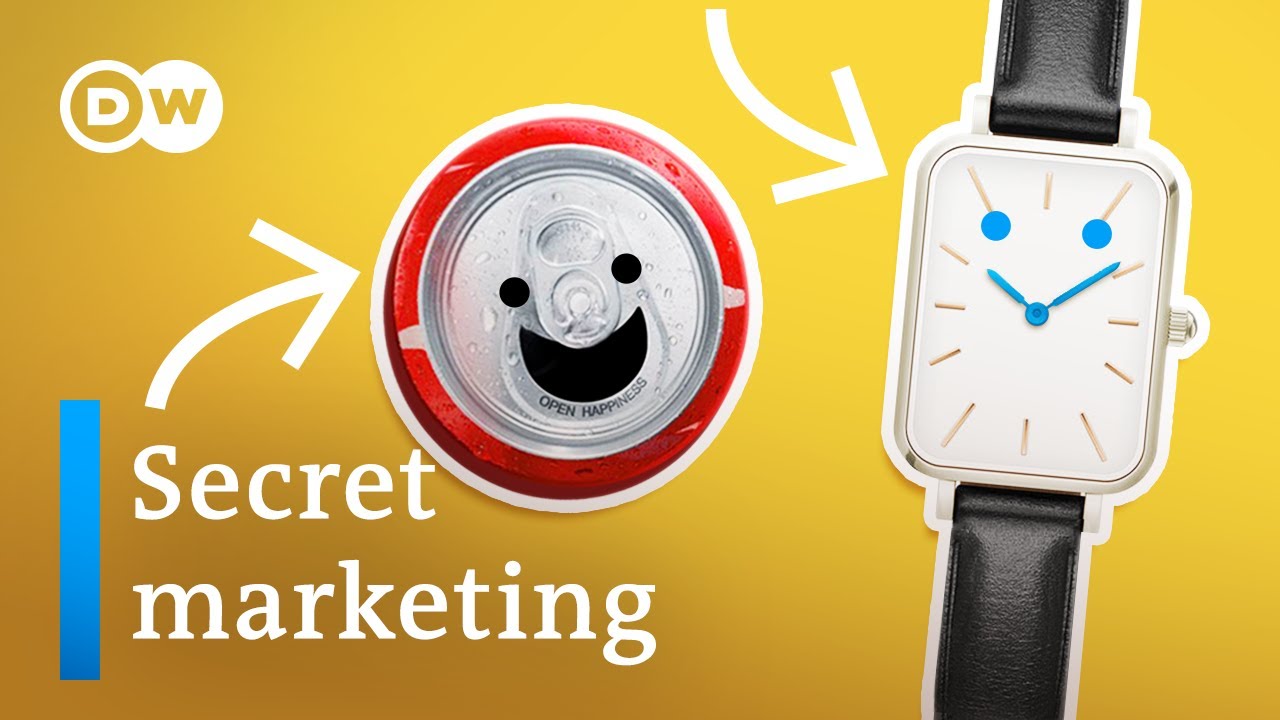



Understanding and leveraging five key cognitive biases—confirmation bias (people seek validation of existing beliefs), scarcity bias (limited availability increases perceived value), anchoring bias (first price point sets reference for all others), social proof bias (people trust others' experiences), and loss aversion bias (fear of losing more than desire to gain)—allows marketers to create more effective sales strategies by aligning messaging with predictable human psychological tendencies.
Cognitive Biases in Marketing: A Guide to Ethical Persuasion
Added:Introduction to Consumer Behavior: Understanding the standard decision-making processes and psychological factors that influence how consumers choose products.
Heuristics and Dual-Process Theory: Familiarity with Daniel Kahneman's System 1 (fast, intuitive) and System 2 (slow, logical) cognitive systems.
Fundamentals of Marketing Ethics: Distinguishing between ethical persuasion, influence, and deceptive manipulation in business practices.
Basic Principles of Persuasion: An overview of Robert Cialdini's foundational pillars of social influence.
Nudge Theory and Choice Architecture: Learning how to design user environments that ethically guide consumer decisions without restricting their freedom of choice.
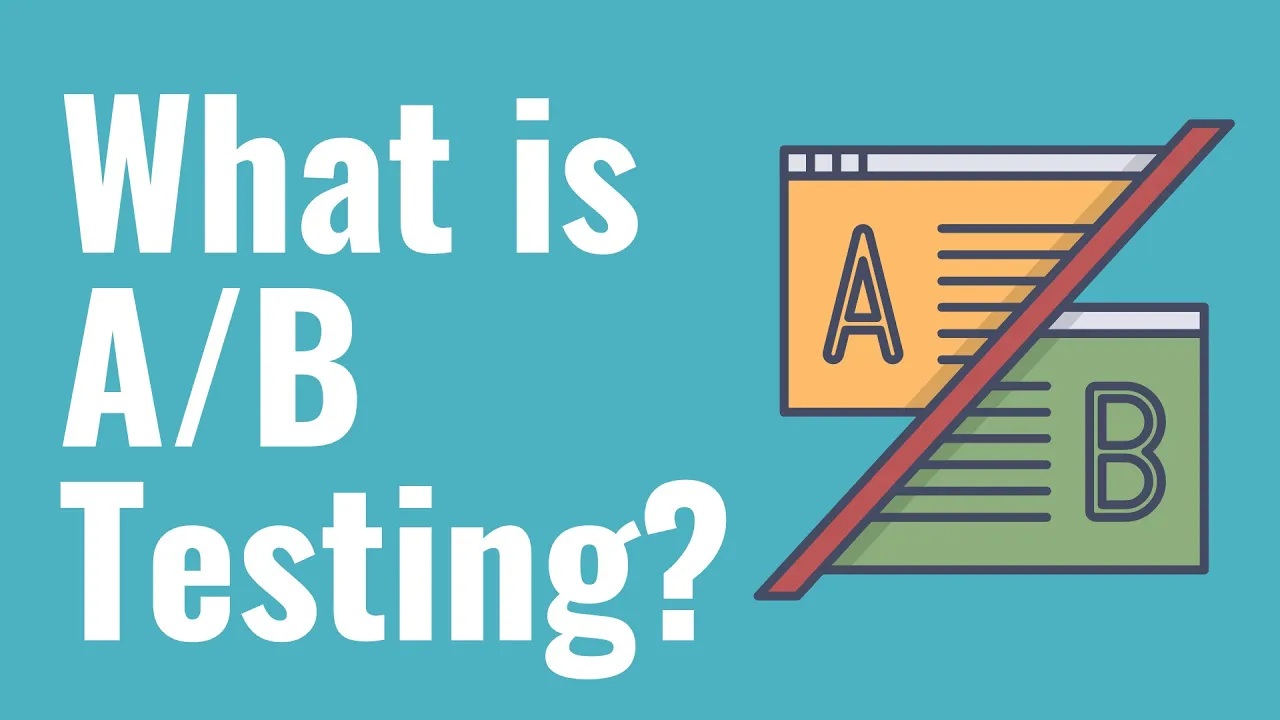
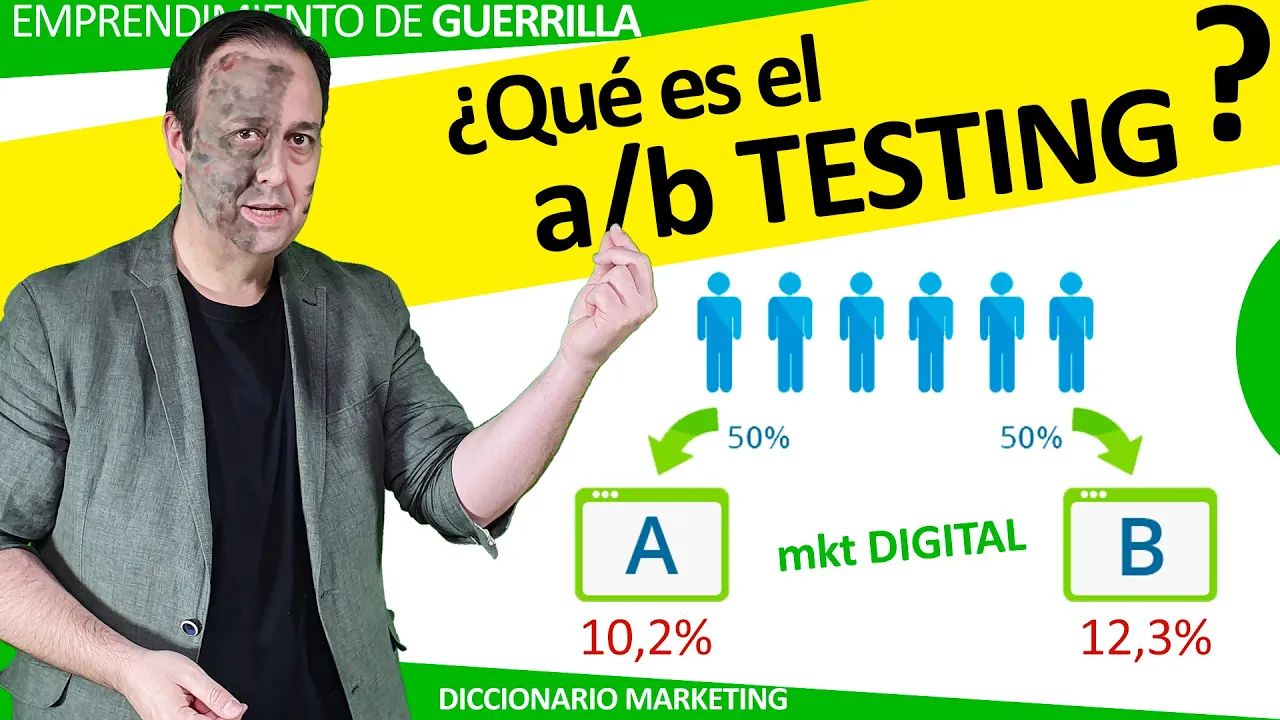
Quantitative A/B Testing in Marketing: Designing experiments to measure the empirical impact of bias-framed copy and design elements on actual conversion rates.
Dark Patterns and Regulatory Compliance: Analyzing consumer protection laws (such as FTC guidelines) to avoid deceptive user interface designs and misleading marketing practices.
Neuromarketing: Exploring how physiological tracking (like eye-tracking and facial coding) and neuroscience are used to measure subconscious consumer responses to biases.
71.1K views7.3Klikes10:47Original Release: 2024-12-03
why hello there did you know that human behavior is fairly predictable so predictable that the entire world is caught inside of a 1984 dystopian skit that George Orwell 100% warned us against but we completely ignored it because hey everyone's feelings matter and fat women deserve to be models too but that's not the point of this video today we're talking about the predictability of human nature and how you can use it for drum roll please capitalism yep you guessed it if you sell a product or service you can use the unfortunate ding-dong nature of the human brain to your advantage this video was written by Yours Truly Nicholas Verge a direct response copywriter and marketer who's produced over $40 million for clients I've written vssl sales letters ads and emails more than you could possibly imagine and today I'm going to share with you some lessons that I've learned along the way with what worked and what didn't work in terms of the cognitive biases okay so let's start here the same brain that can't remember where it left its Keys is the the very brain responsible for making you rich and who better to benefit from this than you now before anyone gets on their moral high horse yes I know leveraging human psychology sounds like it could be manipulative but here's a clever metaphor to help you understand why you need to stop being a little [ __ ] this is a hammer I can use this Hammer to hang up a portrait for my mom or I can use it to hit a nest of baby birds in a tree for funsies notice how the hammer isn't the one who determines whether it would be used for good or for bad it's the person who uses it the same thing applies to you and again today we are talking about the top five cognitive biases that you can use to sell stuff to people so it's up to you to actually use these responsibly use at your own discretion starting off at the top of the list we have confirmation bias have you ever met someone who was already convinced that they knew what they needed and they came to you asking for advice that 100% lean the direction of what they already wanted that is called confirmation bias here's the truth people are looking for a mirror not a megaphone they want someone or something to Echo back to them what they already believe deep down inside kind of like a warm comforting pat on the back and here's where you The Savvy seller come in let's say you're selling a revolutionary new health drink now if you're potential customer already believes they need to detox even though spoiler alert they probably just need to stop eating food that is DED in seed oils or they could mayhaps try a caloric deficit for once in their life but you know hey what are we trying to do shatter their world with the truth no no we want to sell them stuff so you lean into that confirmation bias like a pro you use phrases like a drink that cleanses your system from the inside out they'll be nodding along thinking yes this is exactly what I needed see you're not twisting anyone's arm you're just giving people what they want after producing over $40 million for clients I can confidently tell you do not waste a second trying to rewire your buyer beliefs through advertising show them you've got exactly what they're already looking for moving on we've got number two scarcity bias here's where we get to introduce a basic economic principle called supply and demand think about it like this imagine there were five monkeys and 100 bananas the monkeys are just chilling and enjoying life nobody's caring about the bananas but oh no what's this the local government has teamed up with special interest groups and has now enacted an open border policy that has now brought 500 monkeys to the same environment from all over the world the bananas are still just bananas but now they're in short supply the supply of bananas stay the same but the demand has gone way up because bananas are now scarce compared to the amount of monkeys so the value of each banana is much higher now imagine that instead of talking about bananas we're talking about your product okay we want to lower the supply so the demand is much higher but you have to do this in a specific way because when you sell a digital ebook and say only three left in stock you look like a total dick or when you consistently say limited time offer don't miss out and then the offer is in fact not limited whatsoever you also look like a dick the key here is to make your scarcity real because while the general population is extraordinarily stupid they aren't as dumb as you think so if you're running a sale actually end the sale if there's a limited quantity make it actually limited when you build an audience alongside this tactic and create genuine scarcity for your products you will see that it works like like absolute magic and here's the really sad part even when you're not honest with this it still sometimes works pretty well but I always recommend everyone stay honest wink no no actually you should you should be honest don't lie that's that's [ __ ] up don't lie to your audience onward so number three anchoring bias picture this you're out on the town with your boys your callars are popped all of the seven out of 10 buttons on your shirt are unbuttoned you're driving around your used Maserati ready to get the n going and you stop at TOA Madera to get some food and a fire show by your table but what's this guac costs $18 suddenly the $340 that chipotle charges doesn't seem like much congrats my friend you just got anchored so here's a psychological shortcut to premium pricing anchor your prices when it comes to price what they see first sets the stage for everything else if we start high anything that comes after that is an absolute steal you show your premium options first even if they're higher than you know your audience will spend cuz that then lets them discover the real price it feels like a blessing ordained by the heavens but in all honesty it's just a b Toc Amazon FBA coaching program that's reasonably priced so we want to always have a premium tier for what we're selling because it positions everything else that we're selling as much more affordable when you have one product that's $55,000 and the other product that is $50,000 the $5,000 product looks like a steal compared to the $50,000 product it doesn't make sense but it works people feel like they're losing money if they don't buy the better priced option remember price is emotional before it's rational so you set the Anchor Point and real in and that brings us to number four social proof bias have you or a loved one ever bought a product from a notable influencer and thought to yourself well gee this sure should be a good investment but then it turns out to be utter dog [ __ ] well my friend you may be entitled to a completely fabricated totally imaginary 100% non-existent compensation package for your suffering if you are a loved one has been a victim of social proof bias by trusting popular opinions influencers or generally famous people who don't know the first thing about [ __ ] you could qualify for compensation by calling 1800 fake Guru that's right that's- 1800 fake Guru now here's how you can actually use social proof bias to your advantage ethically of course you have to show potential buyers that other people really love your stuff we use genuine testimonials we highlight repeat customers and we show social media love from actual humans we want to show not tell again show not tell let your audience show it for you but what's this the FTC oh no it looks like if you want to make income claims now you need to take the average income of all your customers and actually tell people the truth about what they can expect oh [ __ ] you FTC dirty sons of [ __ ] so while you can't just throw out wild income claims or have your cousin's friend leave a review claiming he's a millionaire now thanks to your $99 ebook you could still leverage honest feedback and genuine testimonials to build that social proof the more of this that you have the easier it is to sell anything people want to see that others like the product and have bought it and loved it and it was good and all the good stuff right they want to know that they don't want to know that sucks they want to feel that safety net if all these people are happy with it then I will be too even though that makes no [ __ ] sense and has never actually shaped out to be that way it just works mentally not physically so flaunt the real reviews show some real faces and if possible share authentic success stories but just keep in mind the FTC you know there's that as well moving on to our last cognitive bias number five loss aversion bias picture this you're on a wild bender and Las Vegas and you've got a $2,000 budget your wife gave you for poker cuz she doesn't trust you with the finances since you did a reverse mortgage on the house to buy up as much poop coin as you possibly could manage sitting at the poker table you're down $1,500 and you're sweating hard your hands are shaking and that $500 you've got left feels like the last drop of water in the Sahara desert but here's the thing you're not thinking about winning anymore oh no that ship is sailed now you're in a desperate scramble to not lose the rest and that my friends is loss aversion bias humans hate hate losing what they already have far more than they enjoy winning something new even though that makes no [ __ ] sense losing feels like a punch in the gut while winning is more like a pat on the back we'll do almost anything to keep from feeling that loss so how do you use this for sales and for marketing simple create the feeling that if they don't buy they're losing something Val Val no don't kidnap their wife and children and hold them hostage until they pay what are you doing here's the play frame your offer not just in terms of benefits but also as a way to help the customer avoid a persistent problem in other words if they don't buy they're not just missing out on the benefits they're stuck with the problem it's about showing that not buying keeps them in a place of frustration dealing with the same issue for example if you're selling tax Management Services position your product as the solution that stops people from making the same painful mistakes every single year that they do their tax returns now while this definitely isn't as effective as kidnapping their wife and kids it does work so by positioning your offer as the lifeline that keeps them from sinking back into the issue that they're trying to avoid they're way more likely to pull the trigger well folks that's the top five cognitive biases that I've used in the marketing that I've created for clients say you wouldn't need to have some help making your marketing more effective now would you well if so you could just click the link in my description and book a console today but that's only for the cool ones if you're not cool you're not allowed to book a consult anyways just remember use these powers that I've given you today responsibly all the best bye now
Up Next

18:00
Psychology in UI/UX Design: Cognitive Load & Persuasive Design
@TEDx
190.7K views•2020-12-03

12:54
Triumph of Orthodoxy Icon: Byzantine Art & History Explained
@BenCallan
2.1K views•2024-08-06

9:49
FastAPI vs Flask vs Django: Choosing the Right Python Web Framework
@TechWithTim
302.5K views•2024-05-26

1:42
Game of Thrones Opening Credits: A Cinematic Analysis
@gameofthrones
46.3M views•2011-04-18
Related Study Plans & Knowledge Roadmaps
Structured learning paths in General & Interdisciplinary Studies
general-studies
Elevator Engineering: History, Physics & Cities
01From Hoists to Safety Brakes: The Dawn of Vertical Lift
02Hydraulic vs. Traction: The Engineering Physics of Elevators
03Modern Speed, Safety, and Algorithms
+ 2 more learning modules
12h5 modules
Explore Roadmap
general-studies
Rubber: Material Science, History & Geopolitics
01Origins of Natural Rubber & Mesoamerican History
02The Chemistry of Natural Rubber & Vulcanization
03The Geopolitics of the Rubber Boom & Colonization
+ 2 more learning modules
12h5 modules
Explore Roadmap
general-studies
Containerization: Evolution, Logistics & Trade
01Ancient Trade & Bulk Cargo: Amphorae to Barrels
02The Industrial Revolution & Cardboard Packaging
03The Containerization Revolution: Malcom McLean
+ 2 more learning modules
12h5 modules
Explore Roadmap
general-studies
Textile Tech: Evolution, Labor & Global Impact
01Pre-Industrial Textiles: Handloom & Cottage Industry
02Mechanization: The Spinning Jenny to the Power Loom
03The Factory System & Global Labor Transformation
+ 2 more learning modules
10h5 modules
Explore Roadmap