




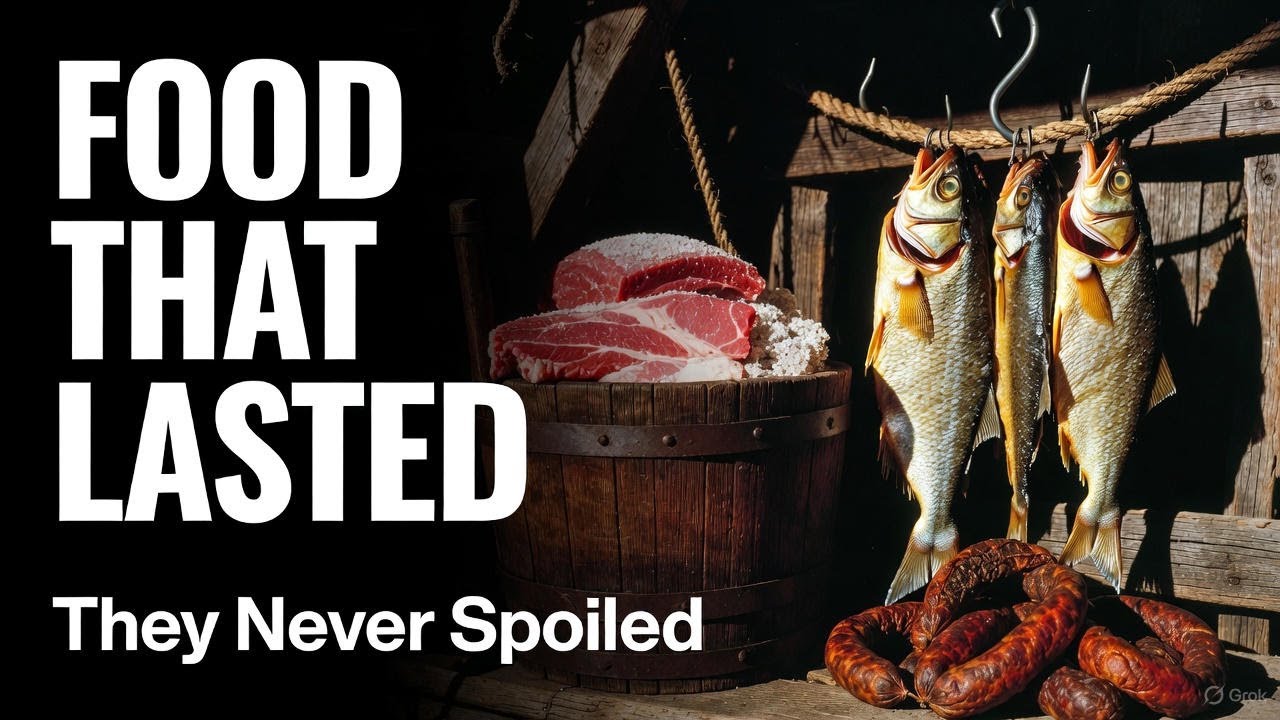


















Food preservation has evolved from primitive methods like drying, smoking, and salting to modern canning, which began with Nicolas Appert's discovery in 1810 that sealing food in airtight containers and heating it thoroughly prevents spoilage; this innovation, combined with subsequent developments like tin cans (Peter Durand, 1820), pressure cookers (AK Shriver, 1874), and the can opener (Ezra J Warner, 1858), revolutionized food storage and distribution, enabling people to enjoy nutritious meals year-round.
History of Food Canning | US Dept. of Agriculture Documentary (1957) | Educational Film
Added:Basic microbiology concepts, specifically how bacteria, yeasts, and molds cause food spoilage.
The historical context of food preservation prior to the 19th century, including salting, drying, and fermentation.
The scientific principles of thermal sterilization and how heat destroys pathogens (germ theory).
An understanding of pH levels and acidity, and how they influence microbial growth and food safety.
Advanced modern packaging technologies, such as aseptic packaging, retort pouches, and modified atmosphere packaging (MAP).
The history and implementation of HACCP (Hazard Analysis Critical Control Point) systems in industrial food safety.
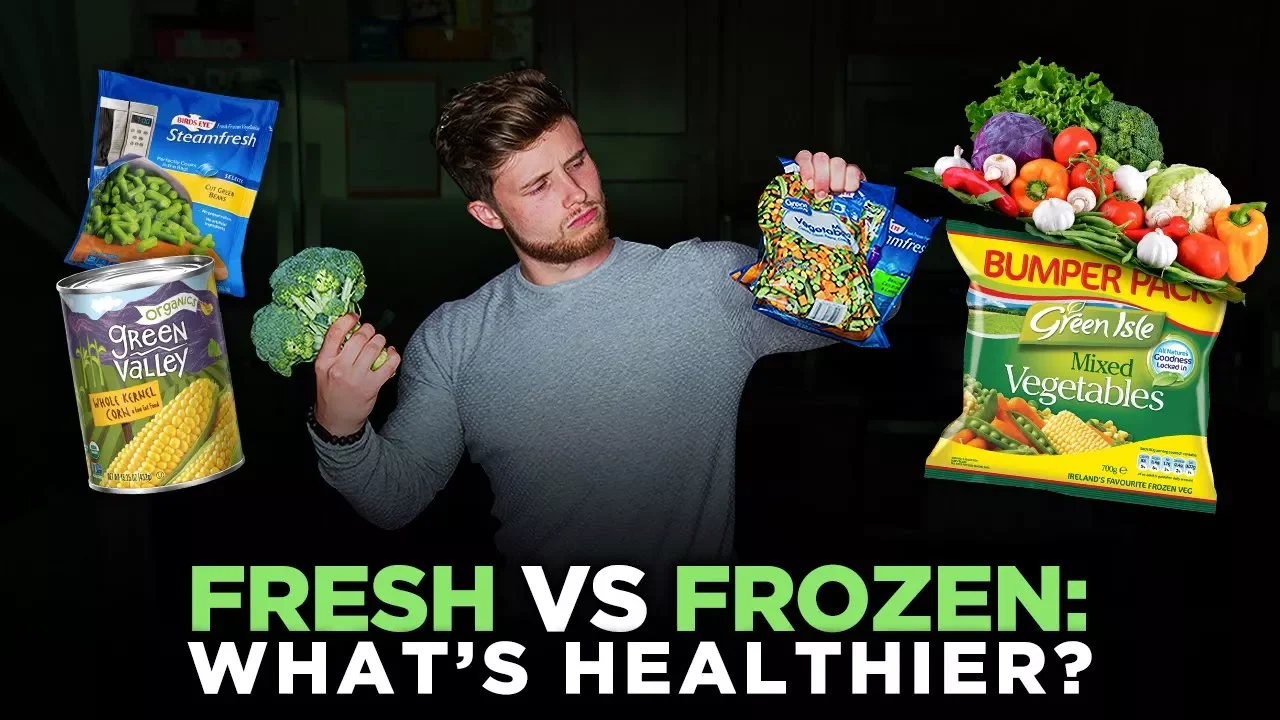
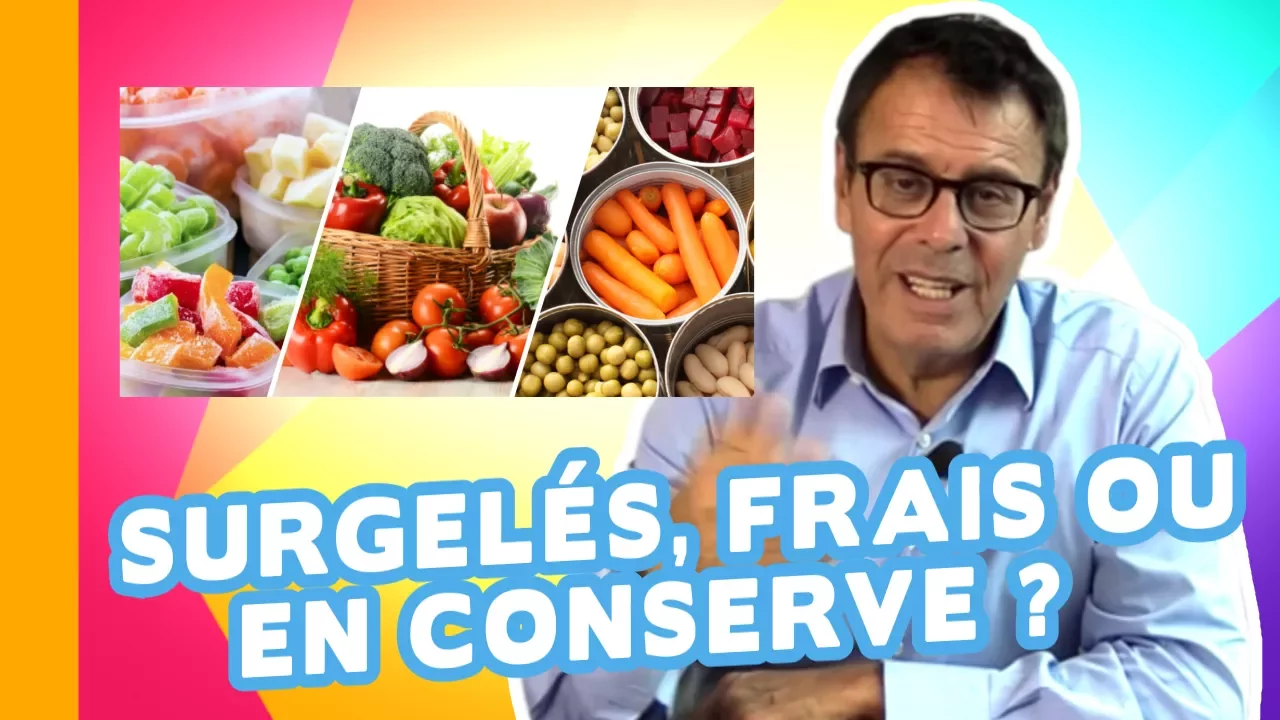
The nutritional consequences of thermal processing, comparing canned, frozen, and fresh food profiles.
The study of modern non-thermal preservation techniques, such as high-pressure processing (HPP) and irradiation.
112.9K views2.1Klikes13:02Original Release: 2017-06-04
[Music] [Applause] [Music] clothes they say make the man but consider our friend in the tin top coat as recently as 500 years ago he hot rotted around on a big black charger rescuing damsels and clobbering dragons and telling such big fibs about it we still think of knights as Giants they weren't even the average man today is taller stronger and healthier one big reason why is because we eat better we can get our Three Square meals a day the year around we eat well because we grow better food because we can transport and handle food at high speed but most important of all we have learned to keep food preservation of food has been a problem for man from the very beginning even if food was abundant he couldn't keep it for the lean days eventually man learned to to Su dry food to smoke it to Salt it which made salt so important it was an early form of money it's ironical that yesterday's Staples are often today's Delicacies but because few Foods could be preserved and primitive methods caused important vitamins to be lost no one ever had a balanced diet three squares a day the year [Music] round if food was plant they ate if not if the fruits or vegetables were out of season or the hunting bad they did without bread was the staff of life sometimes appetizer entree and dessert nourishing in its way but hardly a square meal an early attempt at food preservation was the use of spices Rosemary nutmeg cinnamon and many others it was the search for the short spice route which led Columbus to America but imagine the sailor's diet after a few weeks at Sea fresh fruits and vegetables gone the bacon moldy the flow well inhabited food was a problem for all who traveled armies often spent more time foraging than fighting the French government offered a prize of 12,000 Franks for a safe method of preserving food and it was won during Napoleon's reign and appropriately by a French chef his name was Nicholas AER the date 189 less than 150 years ago missier aer's great discovery was that food tightly sealed in a container then thoroughly heated would keep for years Napoleon got the statues while a pair having spent all his money perfected his canning methods died a poor man but aar's Monument is infinitely greater his Discovery helped all mankind to eat right to get there three squares a day the year around but the canning process had a long way to go before canaries could turn out food at this rate the next big Advance was the tin can the brainchild of an Englishman named Peter Duran in 1820 canning reached America when a man named William Underwood set up a caner in Boston but everything was done by hand and this made canned food scarce a luxury can making was particularly slow at first but invention succeeded invention and before too long machines were doing more in an hour than a man might do in a week a month [Music] one of the most important inventions came in 1874 when AK Shriver perfected the pressure cooker for canaries the retort the high pressures of the retort reduced the cooking period for most foods from hours to minutes with the retort so efficient many more new inventions were needed to handle food faster as the canning process speeded up the price of canned foods went down the quality improved and scenes like this have become much less common than in Grandmother's Day strangely enough the first can opener wasn't patented until 1858 almost 50 years after the invention of the can the inventor was Ezra J Warner since then probably nothing has so intrigued Gadget minded Americans as the can opener there are hand type openers and wall openers and for glass containers the lid Flipper the spoon works too it's a good thing Warner dreamed up the can opener however for Americans alone open more than 100 million containers a day 100 million containers every 24 hours more than 500 items how is it possible to grow to can to distribute such an incredible amount Machines of course help make it possible every canery contains dozens of intricate specially designed machines but the real backbone of the canning industry is the more than 500,000 people involved a half million people who are they they are the caner workers with their busy wonderfully skilled hands hands that clean hands that trim hands that sort that inspect that pack there are the farmers and the ranchers The Men Who [Music] harvest there are the fishermen leading their hard and dangerous lives so that we may have choice Seafoods the year [Music] round peas and other crops are checked to determine the proper moment for harvesting when that moment arrives the caners field men quickly notify the canery often By Radio then the men and the machines move in they work with speed and efficiency one reason canned foods taste so good within 3 hours or less these peas are in the canery ready to be processed fear with minor variations for different foods is what happens when the product arrives it's husked or peeled if necessary sorted as to size and ripeness and carefully [Music] inspected it undergoes frequent Washings some foods are chopped or sliced then blanched or briefly heated in giant kettles all foods are inspected carefully at each stage of [Music] processing complicated machines do a remarkably precise job of filling the containers with food liquid and seasoning in just the right amounts the container then travels into an exhaust box where hot steam replaces the air then to ceiling machines and onto the retorts are pressure kettles even as with missar the heating time and temperature are still the most important factors some foods need but a few minutes at boiling temperature While others may take more than 2 hours under steam pressure rapid cooling completes the process samples of of each day's production are checked and tested by trained Specialists quality of product is essential some containers are labeled before warehousing others when they're shipped [Music] out either way the label is important because it helps to tell the Shopper what is inside the Shopper wouldn't find caned food as good or as if it were not for the scientists who are constantly improving our fruits and vegetables the development of sweeter juicier peas for example by combining the good qualities of one strain with those of another tomatoes have been developed with more flavor fewer seeds and better color the sweet corn of today has little resemblance to Corn of 100 years ago and it was all done you might say with paper bags cross polonization selective breeding has worked Many Wonders hardly a fruit or vegetable exists that has not been redesigned improved in taste in size in appearance in quality in resistance to drought and disease today more than ever the process of improvement goes on Farmers learn better farming methods through the help of County agent State agricultural colleges the federal government and caners fieldman new and better fertilizers and crop rotation result in Greater [Music] yields special chemicals are sprayed or dusted on the growing crops to protect them against pests and disease the results are better quality foods and more of them manufacturers with one another to bring out more efficient machines container manufacturers have research teams constantly at work tailoring the can to the product it [Music] holds the glass container of today is many times stronger and lighter than our grandmothers had available the canners themselves have developed new products to meet special needs baby foods are one of the best friends a mother and the baby ever had much of what this baby eats is found in jars and cans for some babies even the milk because of canning this little fellow and millions like him is assured of his three squares right from the beginning canning has come a long way in 150 years and so has mankind if man has grown so much bigger and healthier in such a short time what effect will a constant supply of good food have on succeeding Generations someday people will go to museums and look at quaint old jet pilot suits and they'll talk about the heroes who wore them and perhaps they'll say somehow I thought they were bigger than that you never can tell Three Square meals a day is still pretty new in Human [Music] Experience [Music]
Up Next

13:08
Cecile Fatiman: The Voodoo Priestess Who Sparked the Haitian Revolution
@ForgottenLives
68.9K views•2023-10-01

33:02
The Great Schism of 1054: Causes and Consequences
@SacredCathedrals
113.5K views•2026-02-19
91:57
The Geopolitics of the Ukraine War and the Rise of Global Autocracy
@JordanHarbingerShow
468K views•2025-04-19

17:05
Understanding the Cold War: Superpower Conflicts and the Road to Détente
@OverSimplified
46.1M views•2019-01-24
Related Study Plans & Knowledge Roadmaps
Structured learning paths in History
history
Byzantine Iconoclasm: Theology, Art & Politics
01Foundations of Byzantium and Early Christian Images
02The First Iconoclasm: Leo III and the Crisis of Images
03Empress Irene, Nicaea II, and the Second Iconoclasm
+ 2 more learning modules
9h5 modules
Explore Roadmap
history
Iranian Revolution (Causes, Events & Legacy)
01The Pahlavi Dynasty and the Roots of Discontent
02The Spark of Rebellion and the Rise of Khomeini
031979: The Fall of the Shah and the Climax of the Revolution
+ 2 more learning modules
8h5 modules
Explore Roadmap
history
Mali Empire: Mansa Musa, Trade & Timbuktu
01Foundations of the Mali Empire
02The Trans-Saharan Gold and Salt Trade
03The Reign and Pilgrimage of Mansa Musa
+ 1 more learning modules
6h4 modules
Explore Roadmap
history
1947 Partition: Politics, Borders & Legacies
01Foundations of British India and the Divide
02The Political Negotiations and the Mountbatten Plan
03Drawing the Boundary: The Radcliffe Line
+ 2 more learning modules
8h5 modules
Explore Roadmap