







![🔥Las Guerras REVOLUCIONARIAS Francesas [Primera y Segunda Coalición] 🇫🇷⚔️🇬🇧🇷🇺🇦🇹 - El Mapa de Sebas](https://i.ytimg.com/vi_webp/8A7mSEB-g8M/maxresdefault.webp)












Cecile Fatiman, a young Vodou priestess (mambo) who presided over a pivotal ceremony at Bois Caiman in August 1791, played a crucial role in initiating the Haitian Revolution—the first successful slave revolt that led to the establishment of Haiti as the world's first independent black republic. During this ceremony, she performed rituals including dancing, invoking the spirit of Erzulie, and sacrificing a pig whose blood was used to anoint attendees as a binding oath to their revolutionary cause. This event catalyzed widespread slave revolts across Saint-Domingue (modern Haiti), resulting in the abolition of slavery and the creation of an independent nation. Despite her significant historical contribution, Fatiman's role has been overshadowed by more prominent male leaders like Toussaint Louverture and Jean-Jacques Dessalines, though recent scholarship is beginning to recognize her importance in understanding female agency and spiritual leadership in revolutionary movements.
Cecile Fatiman: The Voodoo Priestess Who Sparked the Haitian Revolution
Added:The Haitian Revolution was one of the most significant events in Caribbean history, as a black slave population overthrew colonial rule, abolished slavery, and established their own government.
It all started with a voodoo ceremony at Bois Caiman in August 1791 overseen by Cecile Fatiman.
Let’s explore her story!
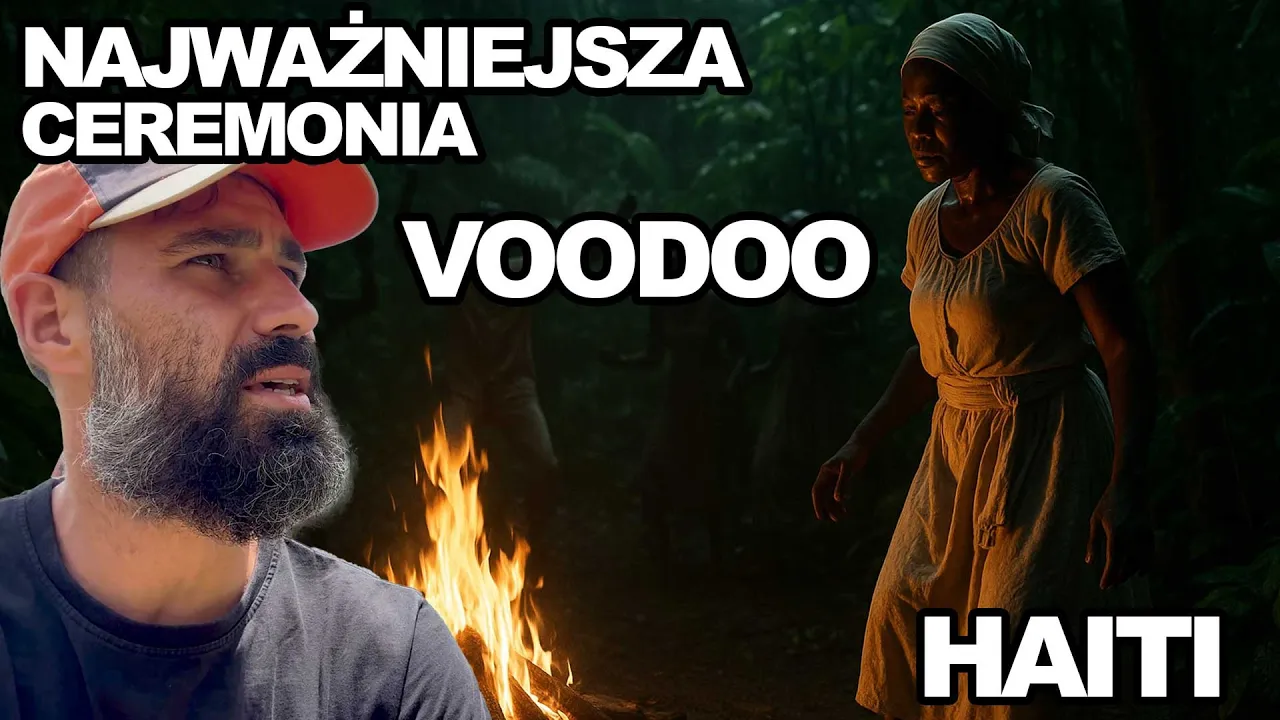
A Voodoo Ceremony On the night of the 14th of August 1791 one of the most significant events in the history of Haiti took place. This occurred at Bois Caiman, or ‘Alligator Forest’ in English, a place on the north shore of the island of Hispaniola, overlooked by the well-known Cave of Bois Caiman and not far from the French colonial port of Cap-Haitien. The place chosen was symbolic and would have looked encouraging to those who attended the moonlight event on the night of the 14th of August.
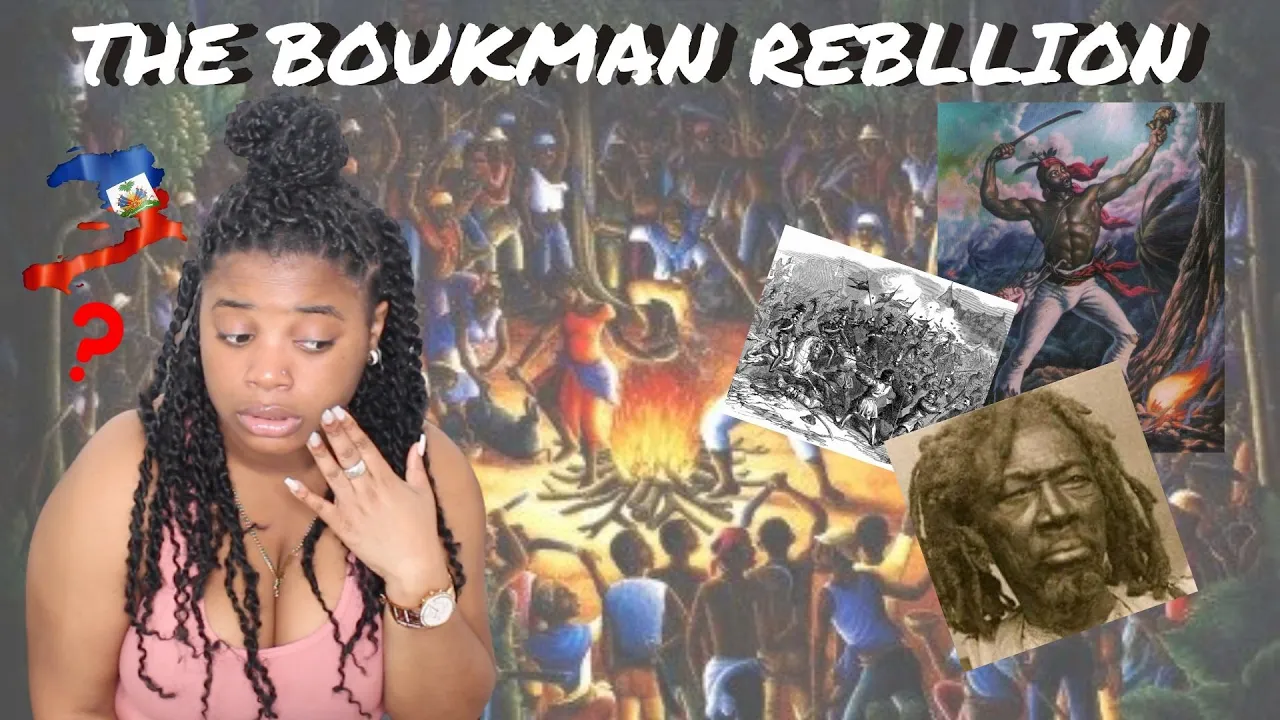
This was a voodoo ceremony, one which was presided over by a young voodoo priestess or mambo by the name of Cecile Fatiman and a slave leader by the name of Dutty Boukman. Thousands of slaves from the French colony of Saint-Domingue, which corresponds to what is now Haiti, were in attendance as Fatiman and Boukman carried out the ceremony.
Boukman led events at the start, addressing the crowd and imploring them to, quote, “Throw away the image of the God of the whites who thirsts for our tears. Listen to the liberty that speaks in all our hearts.” Then Fatiman came forward and started dancing within the crowd.
Accounts would later suggest that she had been possessed by the spirit of Erzulie, a spirit of voodoo, following which she sacrificed a Creole pig by slicing its throat.
Those in attendance were then smeared on their foreheads with the pig’s blood; though other sources claim attendees had to drink the blood as an oath towards their cause. This was the beginning of a revolt against French colonial rule, resulting in the Haitian Revolution.
So, who was this young mambo priestess who had overseen the ceremony that started all of it?
Early Life Unfortunately, the early details of Cecile Fatiman’s life are quite limited. There is even a debate as to where she was born. Some accounts claim that she was born in west Africa and was enslaved and transported across the Atlantic to the Caribbean at a young age, but these accounts are almost certainly incorrect. Given the manner in which she was embedded in the slave culture of Saint-Domingue by the early 1790s, her role at the ceremony at Bois Caiman and her age at the time, Fatiman was more likely born on Hispaniola.
Furthermore, her name Cecile indicates that she was born on a French slave plantation.
One speculative theory concerning Fatiman holds that she was actually of mixed race and was given birth to by a slave-woman who had been born in Africa and a settler in Saint-Dominque whose surname was Von Neuhoff. This Von Neuhoff was a man of German and Franco-Italian descent whose grandfather was Theodore I of Corsica.
Theodore had a colour life. He was the son of a low ranking German noble and for a time was a soldier, diplomat and then a colonel. He travelled all over Europe and briefly became the self-proclaimed king of the Mediterranean island of Corsica in 1736 several decades before that island became part of France. This theory also speculates that Fatiman was a name derived from her middle name Attiman and that her proper surname was actually Coidavid, making Cecile a relative of Marie-Louise Coidavid who would become Queen of Haiti in 1811.
Some go further and state the two had the same mother and were actually sisters.
This is an interesting, but highly speculative origin theory.
Other details of Fatiman’s early life stand on firmer ground. Described as being a tall woman, with penetrating and striking green eyes, she had long fine hair and must have had a lighter complexion than was typical of most enslaved people on Hispaniola at the time, given the later theory that she was of mixed race. She is believed to have been born in 1771 and so was only nineteen or twenty years of age at the time of the ceremony at Bois Caiman. As such, her training as a voodoo mambo priestess began at an early age when she was still a teenager or perhaps even younger.
The Vodou religion had emerged on Hispaniola as a merging of West African religious traditions and the Roman Catholicism of the French and Spanish on the island. By the eighteenth century when Fatiman was trained as a priestess it was a major religion there to which a majority of the slave population adhered. As a mambo Fatiman had several functions, these included: leading voodoo rituals, holding initiations for new priests or priestesses, telling fortunes, reading dreams, casting spells, creating potions, healing the sick and acting as a vessel for possession by the spirits of the religion, such as occurred that night at Bois Caiman in 1791.
Beyond these details of her early life, we know that Fatiman would marry Jean-Louis Pierrot, a man about ten years her senior, born in December 1761, who subsequently became a senior military commander in the Haitian Revolution.
The Haitian Revolution Fatiman was central in 1791 to the beginning of one of the most significant events in Haitian history and indeed the wider history of the entire Caribbean. For over 200 years the West Indies had been the epicentre of the Atlantic slave trade. Enormous profits could be made here from the cultivation of sugar cane and the production of sugar for European markets.
Yet, as the Indigenous peoples of the Caribbean had largely been wiped out in the sixteenth century from European diseases like smallpox and measles, the Spanish, Dutch, French and British had transported millions of slaves to the Caribbean to provide labour on the sugar cane plantations.
What this meant was that by the eighteenth century the vast majority of the population of the islands were of African descent and were just waiting to throw off their shackles when the opportunity presented itself. In Haiti, which at the time was the part of the island of Hispaniola controlled by France as one of its colonies in the West Indies known as Saint-Domingue, that opportunity presented itself in the early 1790s as unrest swept across France during the French Revolution.
It was in these circumstances that Fatiman oversaw the voodoo ceremony at Bois Caiman in 1791.
Fatiman’s role in the Haitian Revolution thereafter is only partially apparent.
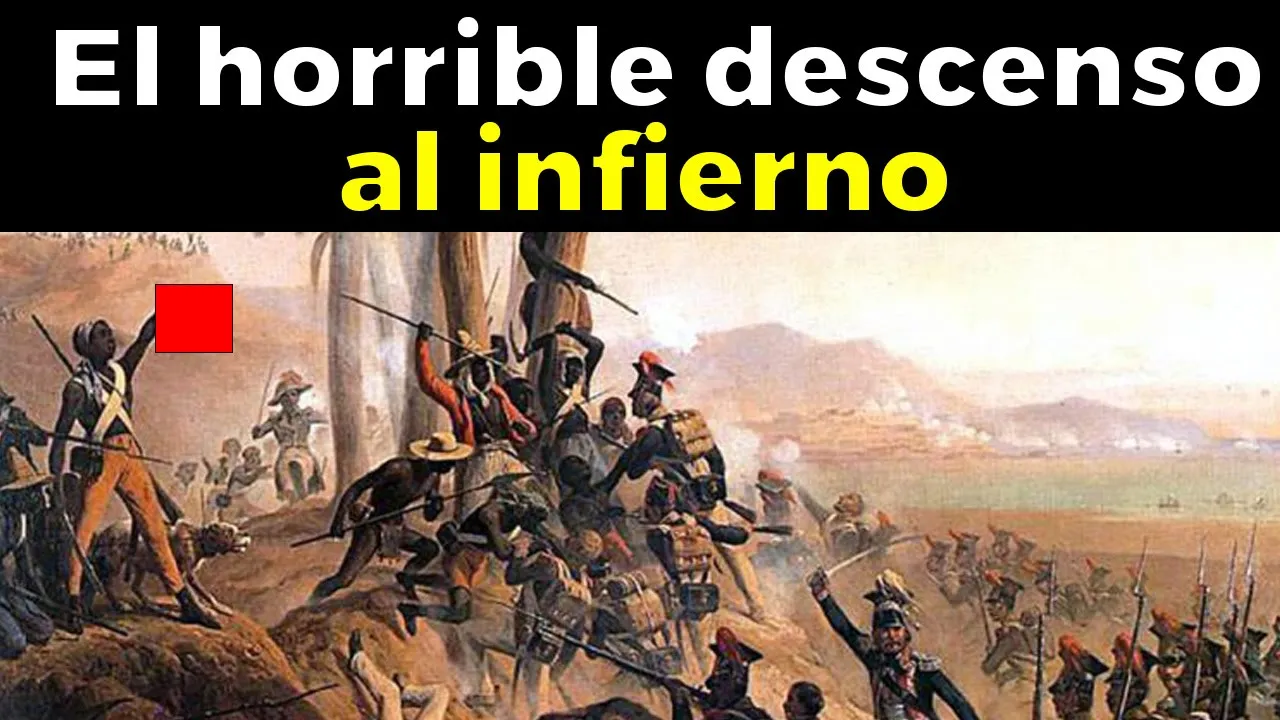
We do know that within a week of the ceremony at Bois Caiman that hundreds of French slave-owners across the island had been killed and most of the plantations were being taken over by the slaves.
Thereafter the region under their control was renamed as Haiti and set up under the organization of the formerly enslaved population, with over 100,000 slaves now liberated.
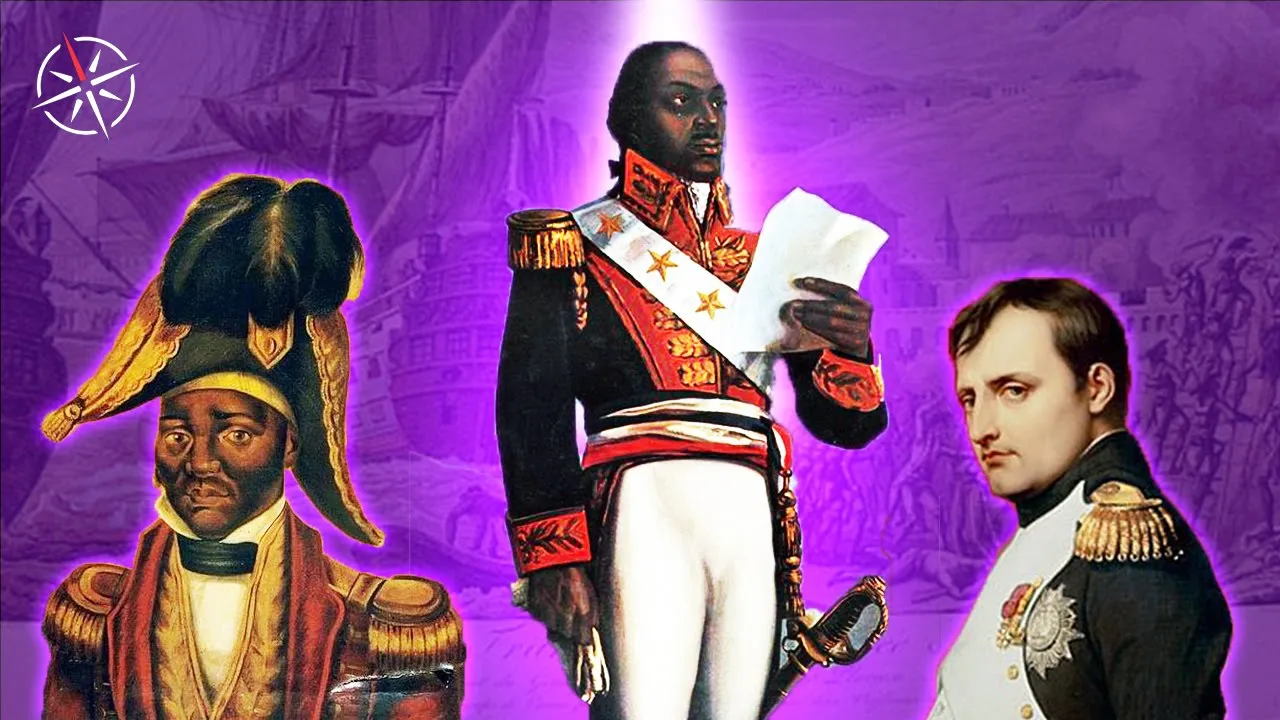
Thousands of plantation owners were massacred in the months that followed. We don’t have accurate detail of her movements at this time, but we can speculate that Fatiman remained close to those leading the revolt, men like Jean Francois Papillon, George Biassou, Jean-Jacques Dessalines and Toussaint Louverture. Her husband, Jean-Louis Pierrot also became a prominent commander in the rebellion and so she would have remained close to both the political and military leaders.
The revolution went through many twists and turns over the next decade and more.
First the French government effectively sided with the rebels as they abolished slavery in their colonies, then France’s enemies, Britain and Spain, intervened on Hispaniola in the mid-1790s, but by the late 1790s the rebels, who were increasingly led by Louverture, had secured control of Haiti. Napoleon Bonaparte attempted to reimpose control in the mid-1800s, but a new war led to Haiti securing its independence and emerging as the first free, former slave country in the Americas. Fatiman’s role in its early stages was highly significant and we can speculate that she continued to play a role behind the scenes throughout its course.
After independence, Haiti was proclaimed an empire under Jean-Jacques Dessalines, the people were hopeful but the country was divided politically.
The empire was short lived as in 1906 Dessalines was assassinated in a coup d'état.
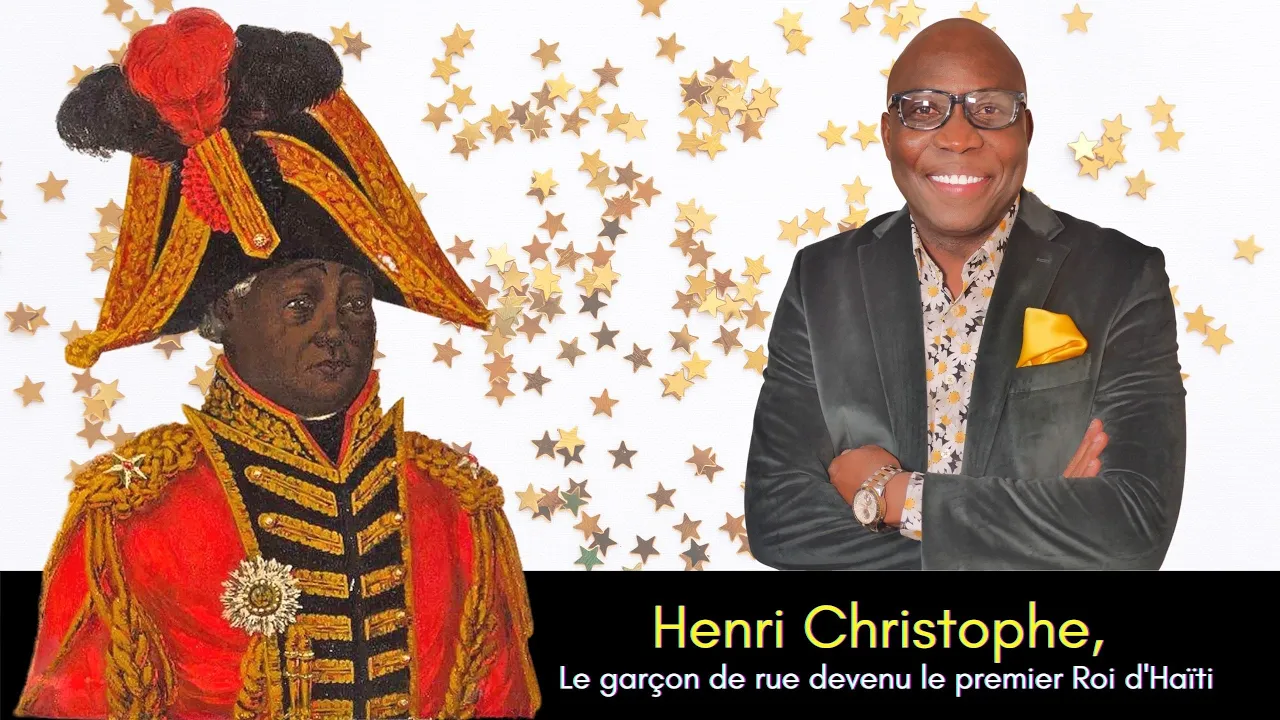
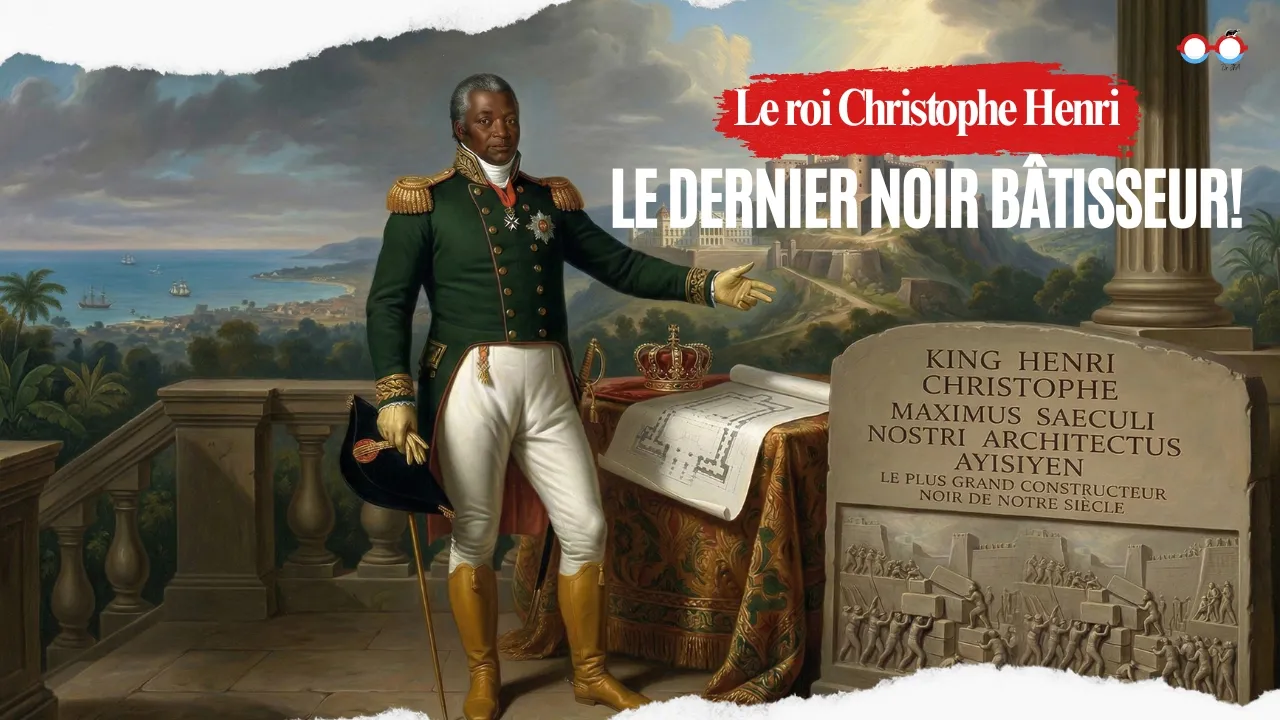
Haiti was then divided off into two regions, controlled by rival regimes, with president Henri Christophe ruling the semi-feudal northern State of Haiti and Alexandre Pétion ruling the more tolerant southern Republic of Haiti.
In 1811, Christophe proclaimed himself King Henri I of the State of Haiti, but he was highly unpopular. After suffering a stroke and with support for his rule waning, he committed suicide in 1820. His 16-year-old son and heir was assassinated 10 days later.
After this, Jean-Pierre Boyer, Pétion’s successor as president, reunited the north and south of the country into the Republic of Haiti. In 1822 he annexed the newly independent Spanish Haiti which brought all of Hispaniola under one Haitian government.
He would be President for just under 25 years, longer than any other Haitian leader.
Fatiman the Centenarian The details of Cecile Fatiman’s subsequent life after the Haitian Revolution are nearly as frustratingly obscure as her early life. She and Jean-Louis had two children, Marie Louise Amelia and Pierrot Alexis. Her husband was a Prince of Haiti in the 1810s during the period of monarchical government, while he would subsequently serve as President of the Republic of Haiti for a brief time in 1845 and 1846, making Cecile First Lady. But, they later divorced.
Legend has it that Cecile lived until 1883 and so died at the ripe old age of 112.
Whether this is true or not is unconfirmed. As with so much else in her life, her status as a centenarian and the circumstances of her death are shrouded in myth and mystery.
Fatiman’s Legacy Cecile Fatiman’s legacy today is quite extensive.
She holds a unique place within the early history of the Haitian Revolution, but this is in itself somewhat peculiar, for while she was doubtlessly a pivotal figure in the very first days of that revolution as it began in Haiti with the voodoo ceremony, we know remarkably little about her long life thereafter. For far too long her role in the events of the 1790s has been overshadowed by more well-known figures like Louverture and Dessalines.
But in the past decade or so a generation of new scholars have begun questioning what Fatiman’s role in events in 1791 reveals about the female involvement in the Haitian Revolution and the politics of the time. As such, new details about her life are coming to light from Haitian archives over time, though the documentary material concerning her is limited.
But, while details of her long life might be relatively minimal, she continues to hold a prominent place in the voodoo religion of Haiti owing to her role in the revolution.
Thank you so much everyone for watching this video on Cecil Fatima I hope you found it interesting let me know what you thought of a like down below in the comments and if you have any other suggestions also be sure to leave them down below in the comments I hope you guys are subscribed and have notifications turned on to get all my videos as soon as I upload them anyway that's all from me so I'll see all of you in the next forgotten life thanks
Up Next
Boukman Rebellion and the Haitian Revolution: A Historical Analysis
@ChroniclesofaZoe
17.3K views•2020-06-23

The Great Schism of 1054: Causes and Consequences
@SacredCathedrals
113.5K views•2026-02-19

La Malinche: The Translator Who Shaped the Aztec Conquest
@ForgottenLives
49.7K views•2021-04-20

Understanding the Cold War: Superpower Conflicts and the Road to Détente
@OverSimplified
46.1M views•2019-01-24
Related Study Plans & Knowledge Roadmaps
Structured learning paths in History