












![Changing Social Hierarchies 1450-1750 [AP World History] Unit 4 Topic 7](https://i.ytimg.com/vi_webp/mghQQHJIfO8/maxresdefault.webp)
La Malinche (c. 1500-1529), a Nahua woman enslaved as a child and later serving as Hernán Cortés's interpreter during the Spanish conquest of the Aztec Empire, played a pivotal role in facilitating communication between the Spanish and indigenous peoples, ultimately contributing to the fall of Tenochtitlan in 1521; her legacy remains controversial, symbolizing both betrayal of her people and survival against overwhelming odds.
La Malinche: The Translator Who Shaped the Aztec Conquest
Added:The geopolitical landscape of Mesoamerica in the early 16th century, specifically the expansion and dominance of the Aztec Empire over neighboring city-states.
The basic timeline of Hernán Cortés's expedition to Mexico and the Spanish Crown's colonial motivations.
The linguistic diversity of pre-Columbian Mexico, particularly the distinction between Nahuatl (the Aztec language) and Mayan languages.
The initial Spanish contact with indigenous populations, including the capture and role of previous interpreters like Gerónimo de Aguilar.
The military fall of Tenochtitlan and the subsequent establishment of the Viceroyalty of New Spain.
The sociological concept of 'Malinchismo' in modern Mexican culture and its implications on national identity and gender.
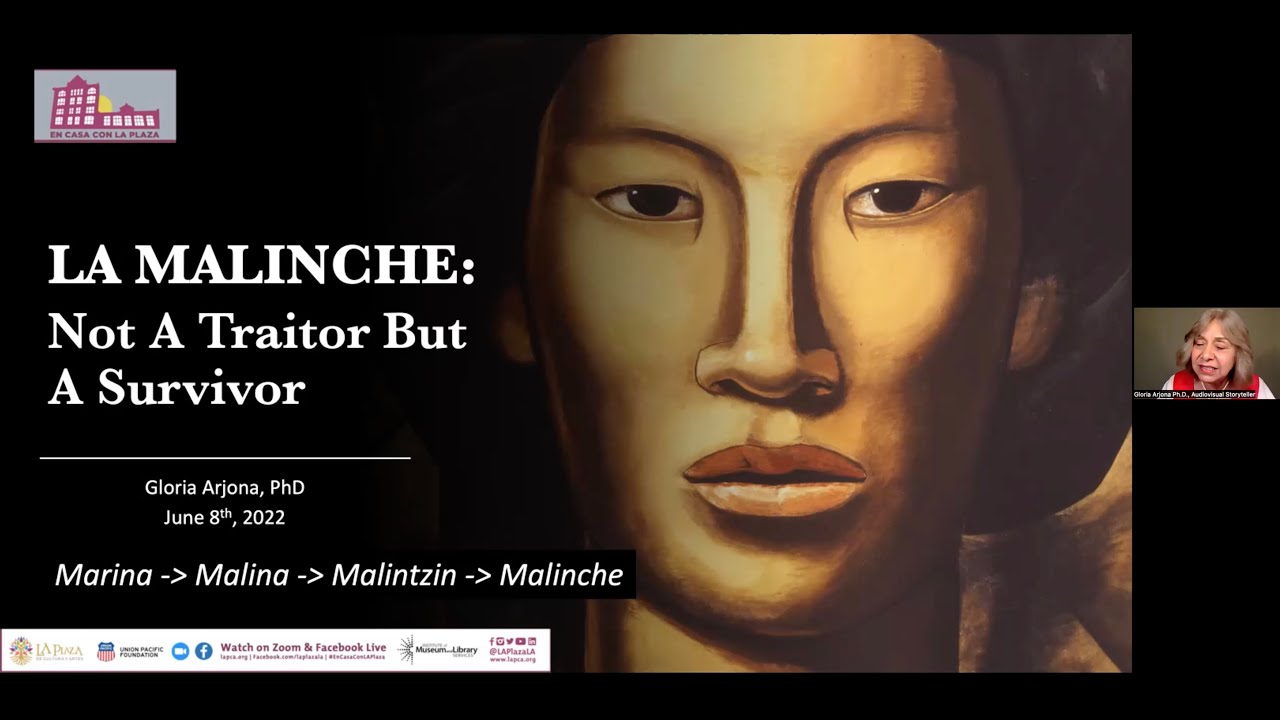
Chicana feminist revisions of La Malinche's historical narrative, reframing her from a traitor to a survivor and cultural mediator.
The emergence of the Mestizo population and the formation of the colonial 'Casta' (caste) system in Latin America.
49.7K views2.1Klikes13:59Original Release: 2021-04-20
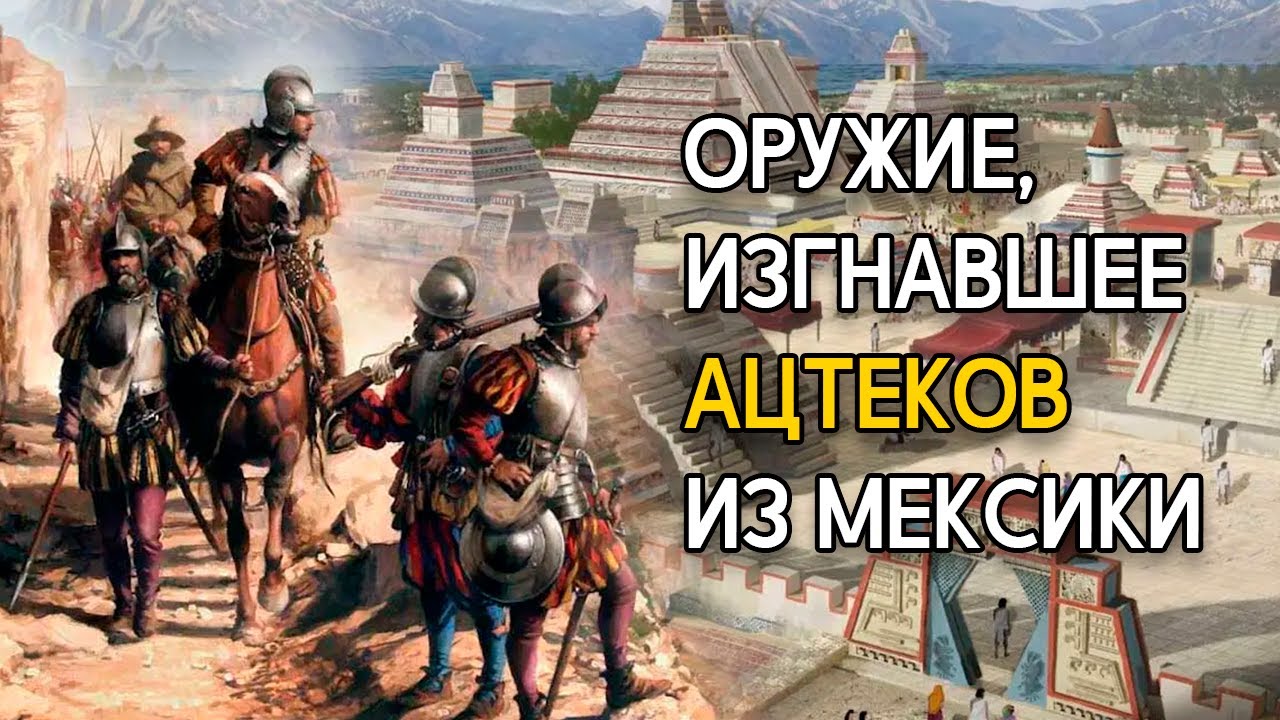
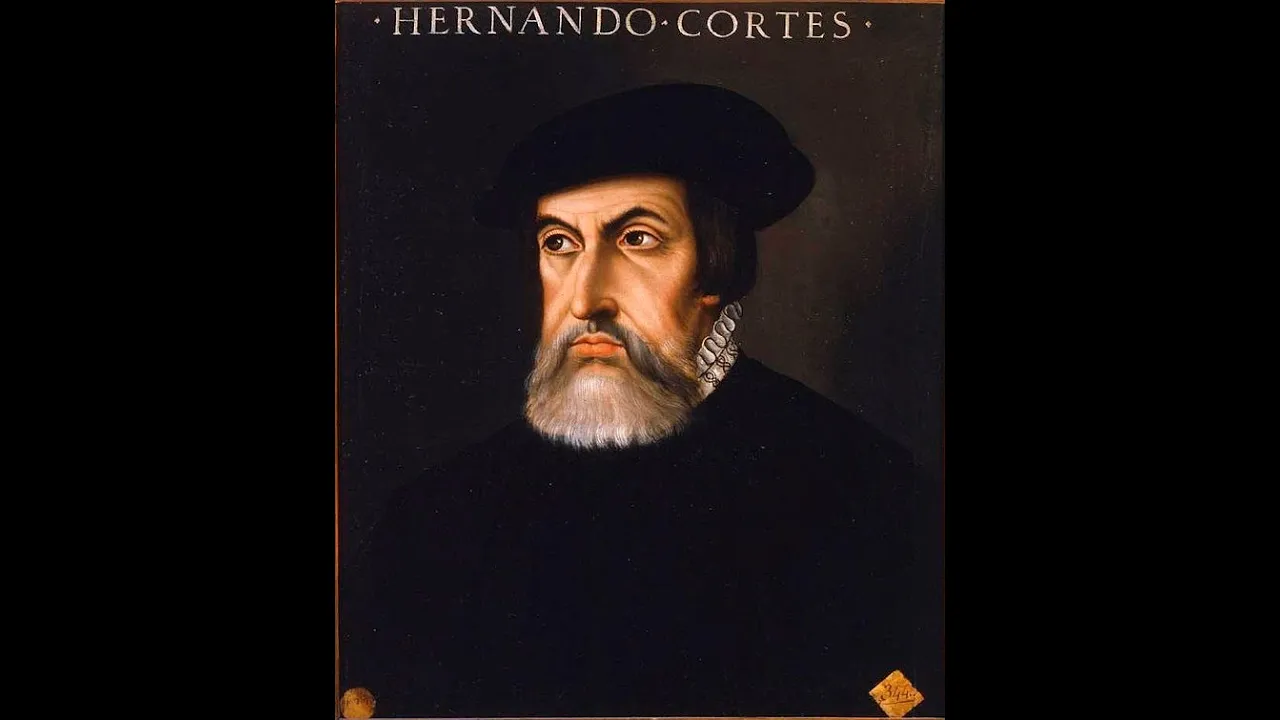
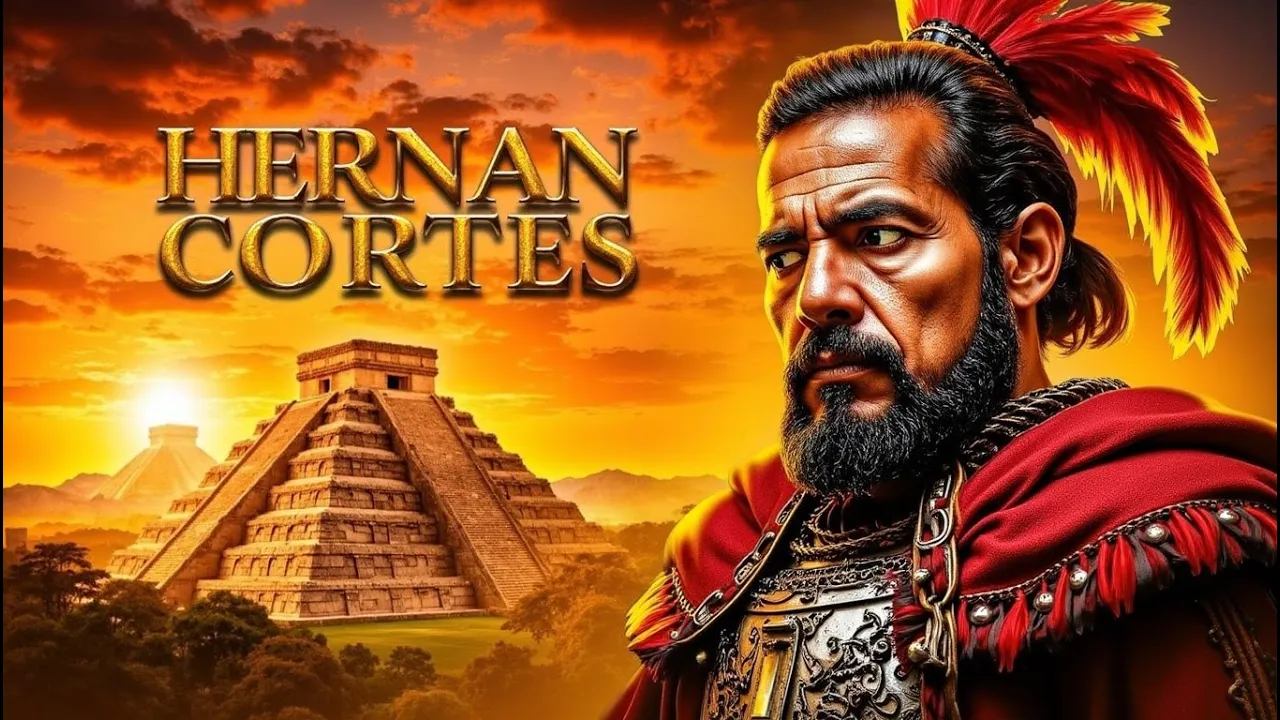
When Hernan Cortes and his Spanish conquistadors conquered the Aztec Empire of North America between 1519 and 1521 they were aided greatly by a native woman. Malinalli, who became known as Malintzin or La Malinche, acted as a translator, advisor and intermediary for the Spanish. Her name has become a byword for duplicity and betrayal of one’s own people. But was she an embodiment of treachery or a victim of her circumstances?
La Malinche was born as Malinalli around the year 1500 amongst the Nahua people of the Yucatan Peninsula in what is now southern Mexico and Guatemala. She grew up in the border region between the ancient Mayan Empire and the newer, expansionist and aggressive Aztec Empire, the capital of which lay much further north at Tenochtitlan, the site of present-day Mexico City.
We know little of her early childhood. But we do know that when she was eight or nine years old Malinalli was enslaved. It is unclear if she was kidnapped during a raid by a war party, or if she was sold by her family. Slavery was very common in the Central American region in the pre-colonial period and it might well be that her family traded her to some Mayan peoples further to the east. This is the version of events which was presented by Bernal Diaz de Castillo, a Spanish soldier, who accompanied Hernan Cortes when he conquered Mexico and who later wrote a history of these events entitled The True History of the Conquest of New Spain in the 1560s.
Whatever the circumstances of how she became enslaved, we do know that Malinalli’s captivity led to a very important development. Until this point in her life she had spoken the Nahua language of the Aztec people. Now she found herself living amongst the Mayan people who spoke Yucatec Maya. As a consequence Malinalli became bilingual. This would have a major significance for her later story.
Other specifics of Malinalli’s life as a slave amongst the Mayan people of the Yucatan Peninsula in the years ahead are few and far between. She may have been traded several times and lived in different places. What we do know is that she was still a slave, one entering her early adult years, in 1518 when the first Spanish explorers, sailing out of the Spanish colonies in the Caribbean, landed on the Yucatan Peninsula and made contact with the natives of Central America.
This first contact quickly led to more sustained intervention in the region. The following year, in 1519, a Spanish military commander named Hernan Cortes led an expedition from the Spanish colony on the island of Cuba to the Yucatan Peninsula. When he arrived at the city of Pontonchan in the Mayan’s territory the city authorities, hoping to appease the Europeans, gave Cortes twenty slaves as a gift. One of these women was none other than Malinalli.
At first Malinalli was treated no differently than the other slaves. They were baptized as Christians and given European names. Cortes then gave Malinalli to one of his more senior followers and perhaps thought little more about her. But then a discovery was made.
It was learned that in addition to being able to speak the local Yucatec Maya language of the Mayans, Malinalli was also able to speak the Nahua language of the Aztecs further to the north and west. Cortes had come to Central America determined to conquer the Aztecs, having heard of the riches of their empire from the Spanish who had landed in Central America the previous year.
As such it was determined that Malinalli could be used as an interpreter for the Spanish. Though she could not speak Spanish, a Spanish priest in Cortes’s company had quickly begun to learn some Yucatec Maya based on the information gleaned from the 1518 expedition. Thus, by pairing the priest and Malinalli together Cortes would be able to communicate with the Nahua speaking peoples they would encounter as they moved further inland towards Tenochtitlan.
As such he recovered Malinalli from the Spaniard to whom she had been given. Henceforth she would be Cortes’s constant companion in Central America and she is always depicted as being in close proximity to him in any paintings or drawings made of the events which subsequently took place.
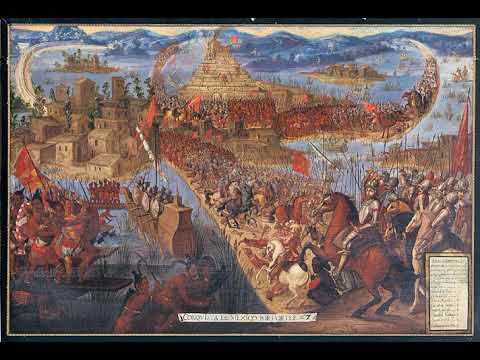
Having secured the coast of the Yucatan Peninsula, Cortes and his followers moved inland in the months that followed. As they did they made war on several Nahua towns and villages, but others they negotiated with. Malinalli was critical in these negotiations. The Spanish were relatively few in number in 1519. If Cortes and his men were to conquer Tenochtitlan they would need allies from amongst the other Nahua-speaking people of the Mexico region.
They soon acquired these allies from the Tlaxcalans and Texcocan people of the area who were embittered about Aztec rule in Central America, particularly with having to provide human tributes to the Aztecs who were killed as sacrifices during religious festivals at Tenochtitlan. Using Malinalli as an interpreter Cortes was able to win over these people to the Spanish cause against the Aztecs.
It is also at this time that Malinalli became known as Malintzin, a Nahua rendering of her name. It added a royal honorific to her name, and the natives they encountered assumed she was a noble, well she had a significant prominence within Cortes’s entourage. The Spanish then Hispanicised this name as Malinche and added La before it to call her ‘Lady’, such was the esteem the Spanish held her in.
Eventually the Spanish expedition made its way to Tenochtitlan in November 1519. There they met with the Aztec emperor, Montezuma II, who spoke with Cortes, with La Malinche acting as an interpreter. Montezuma welcomed them into the city and agreed to give them living quarters in a central part of Tenochtitlan. Popular beliefs that the Aztecs worshipped the Spaniards as some sort of white gods with metal armour and guns have been overstated. Certainly their technological superiority would have impressed the Aztecs, but Montezuma was not overawed. It is more likely that he wanted to trade with the Spanish and begin acquiring their weapons.
One legend states that upon hearing Cortés' description Montezuma said "He has appeared! He has come back! He will come here to the place of his throne and canopy, for that is what he said he would do when he departed." According to some, the Spaniards were long-lost Aztec deities, and due to a series of coincidences, some claim that Montezuma even believed that perhaps Cortés was the Aztec god Quetzalcoatl, who had promised to return one day to reclaim his kingdom. Quetzalcoatl, the feathered serpent was considered a god of creation who had been expelled and vanished across the sea eastwards, near Veracruz, where Cortés had landed. Also, legend had it that Quetzalcoatl was white-skinned, bearded and opposed to human sacrifice just like Cortés. Yet, the most unsettling coincidence was that the year in which Quetzalcoatl was said to return to bring peace to the Aztec Empire was 1519, the same year that Cortés arrived.
The Spanish remained at Tenochtitlan for over half a year as the guests of the Aztecs. But relations were increasingly tense, not least owing to the Spanish condemnation of some of the religious and social practices of the Aztecs. Things boiled over in the early summer of 1520 when word reached Cortes that some of his troops back on the coast had been attacked. Perhaps the Aztecs had been responsible?
These events culminated in the night of the 30th of June 1520, which has become known as La Noche Triste, the Sad Night. Some stories have it that the Aztec people, tired of Montezuma’s placating of the Spaniards attacked the emperor and stoned him to death. However, it is also possible that Cortes killed the emperor. Whatever the exact circumstances, the atmosphere in Tenochtitlan now became hostile.
The Aztecs attacked the Spanish and throughout the course of the night the Spaniards had to fight their way out of city, losing many of their men and followers along the way. Again La Malinche may have been pivotal to these events, having been able to bring word to Cortes that the Aztecs were preparing to attack the Spaniards.
Following the events of La Noche Triste the Spaniards entered into an all-out war with the Aztecs. Cortes and his followers spent months gathering their Nahua allies around Central America before returning to Tenochtitlan the following year. When they did they returned to an Aztec city which was severely weakened from a smallpox pandemic which had been unleashed in the city by the Spaniards.
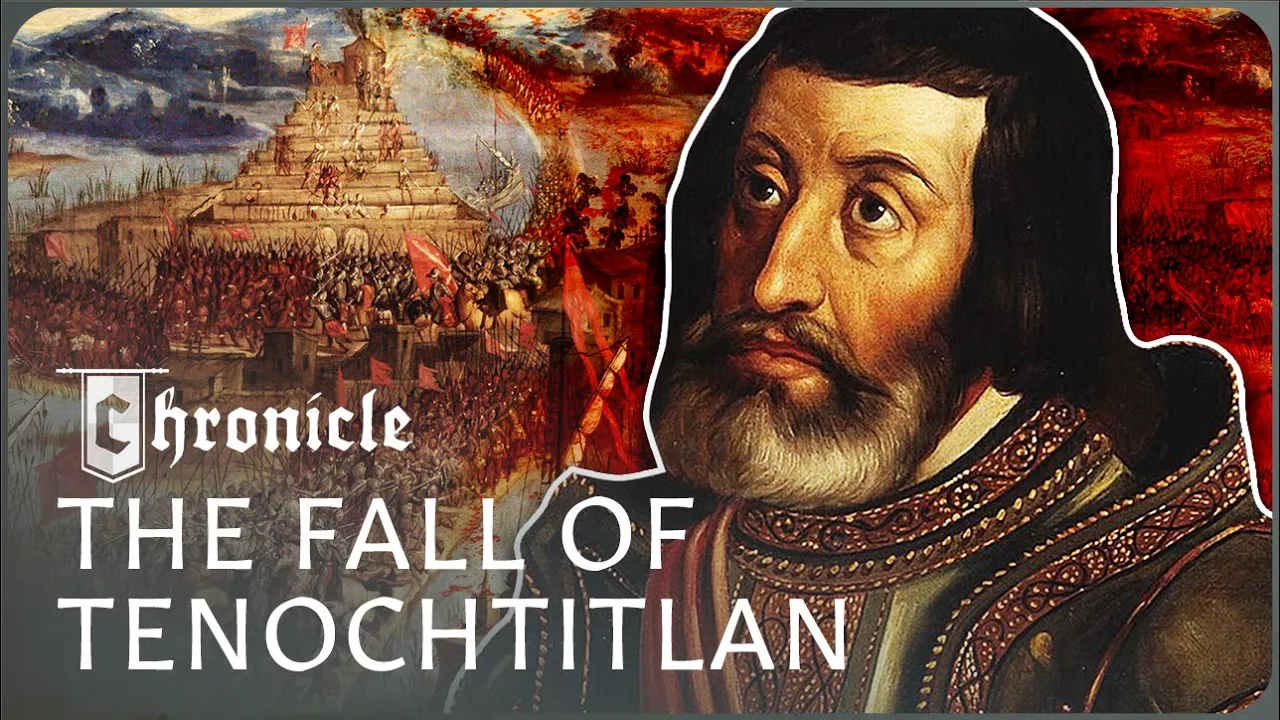
The Aztecs had no immunity to this European disease and it decimated the population of Tenochtitlan. Consequently in the summer of 1521 Cortes and his native allies were able to conquer Tenochtitlan, bringing to an end the Aztec Empire.
In the years that followed the Spanish Empire expanded to control all of Central America. La Malinche had been central to the conquest of her own people. Cortes once claimed that next to God no one was more critical in his success in conquering Mexico than her.
Yet, her story does not end there. Once the conquest of the Aztecs was complete she continued to live with Cortes for some time. In 1522 she bore him a son named Martin. For this reason she has become known as ‘the mother of the mestizo race’, the mestizos being the mixed-race people who emerged in Latin America in the decades that followed through the intermarriage of the natives and the Spanish.
However La Malinche was not to marry Cortes. He was already married and when his wife arrived to Mexico in 1524 he decided La Malinche needed to leave his household. Accordingly that year she married Juan Jaramillo, one of Cortes’s captains. This union made La Malinche a free Spanish noblewoman. She bore Jaramillo a daughter in 1526. Her children would eventually become part of the Mexican and Spanish nobility, but she would never live to see this. In 1529 La Malinche, like so many of the other natives of Central America, fell prey to smallpox. She was perhaps about 29 years of age at the time.
There is great debate about how La Malinche should be remembered. Her name itself has become a byword for treachery. In Central America and in Mexico in particular Malinchista refers to a disloyal compatriot. After all this was a woman who helped the Spanish conquer and destroy the civilization of her own homeland.
And yet maybe she is not to be held responsible for the events which she was involved in, but was a victim of circumstances. After all, she first became involved with the Spanish as a result of having been enslaved as a child. Her role in acting as a translator wasn’t something which she planned and she may well have been forced to do so once Cortes and his followers learned that she could be of use to them in communicating with the Nahua-speaking people.
In any event, even if she was a willing ally of Cortes and his Spanish conquistadors perhaps we shouldn’t judge her too harshly for this. After all, all she was doing was aiding somebody against a society which had enslaved her in the first place. We may never know what she really thought of her circumstances, but there is no denying that La Malinche was a critical figure in the destruction of the Aztec Empire and the transformation of Central America during the sixteenth century.
thank you so much everyone for watching this video on la malincha i hope you enjoyed if you did leave me like and a comment down below and if you're new why not subscribe if you have any suggestions be sure to send me an email down which is found in the description or you can also send me a message to my instagram which is also in the description make sure to have notifications turned on so you get all my videos as soon as they're uploaded and so you don't miss any uploads anyway that's all from me so i'll see all of you in the next forgotten life thanks
Up Next
22:43
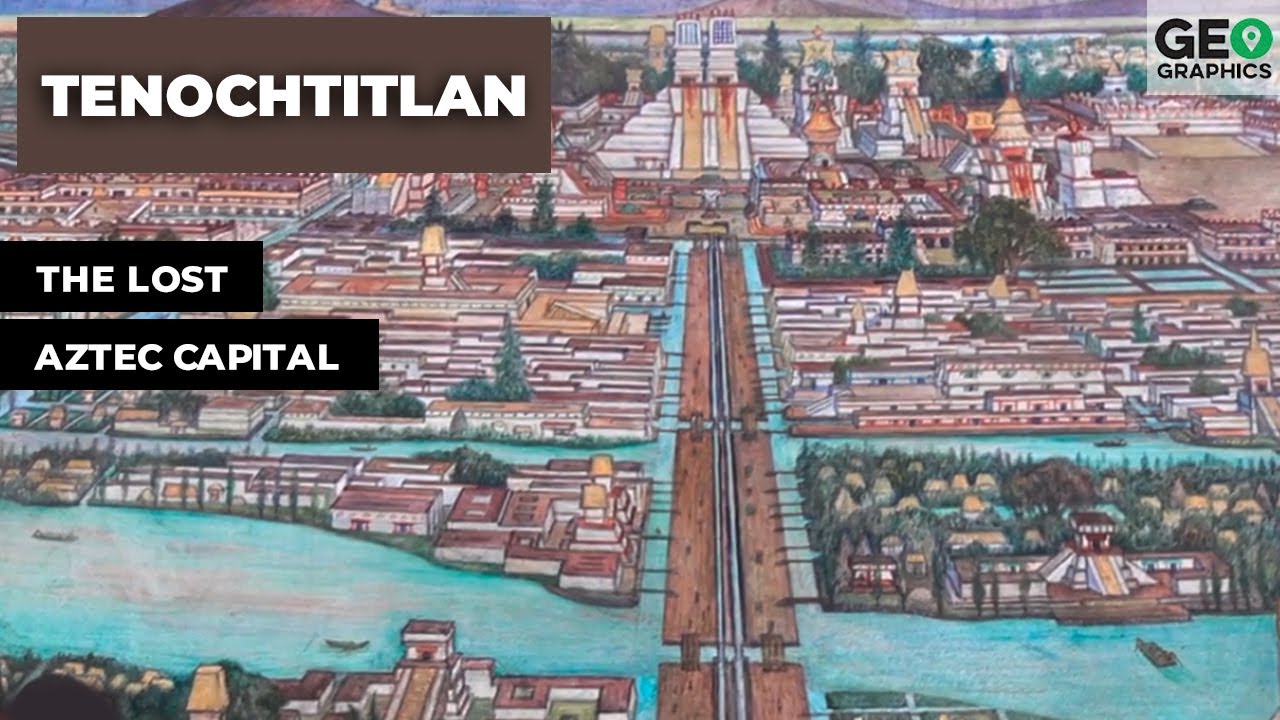
Tenochtitlan: The Rise and Fall of the Aztec Capital
@geographicstravel
686.1K views•2020-09-28

33:02
The Great Schism of 1054: Causes and Consequences
@SacredCathedrals
113.5K views•2026-02-19

13:08
Cecile Fatiman: The Voodoo Priestess Who Sparked the Haitian Revolution
@ForgottenLives
68.9K views•2023-10-01

17:05
Understanding the Cold War: Superpower Conflicts and the Road to Détente
@OverSimplified
46.1M views•2019-01-24
Related Study Plans & Knowledge Roadmaps
Structured learning paths in History
history
Byzantine Iconoclasm: Theology, Art & Politics
01Foundations of Byzantium and Early Christian Images
02The First Iconoclasm: Leo III and the Crisis of Images
03Empress Irene, Nicaea II, and the Second Iconoclasm
+ 2 more learning modules
9h5 modules
Explore Roadmap
history
Iranian Revolution (Causes, Events & Legacy)
01The Pahlavi Dynasty and the Roots of Discontent
02The Spark of Rebellion and the Rise of Khomeini
031979: The Fall of the Shah and the Climax of the Revolution
+ 2 more learning modules
8h5 modules
Explore Roadmap
history
Mali Empire: Mansa Musa, Trade & Timbuktu
01Foundations of the Mali Empire
02The Trans-Saharan Gold and Salt Trade
03The Reign and Pilgrimage of Mansa Musa
+ 1 more learning modules
6h4 modules
Explore Roadmap
history
1947 Partition: Politics, Borders & Legacies
01Foundations of British India and the Divide
02The Political Negotiations and the Mountbatten Plan
03Drawing the Boundary: The Radcliffe Line
+ 2 more learning modules
8h5 modules
Explore Roadmap