







![The COLUMBIAN EXCHANGE, Spanish Exploration, and Conquest [APUSH Unit 1 Topic 4] 1.4](https://i.ytimg.com/vi_webp/eLGxEcr-chw/maxresdefault.webp)


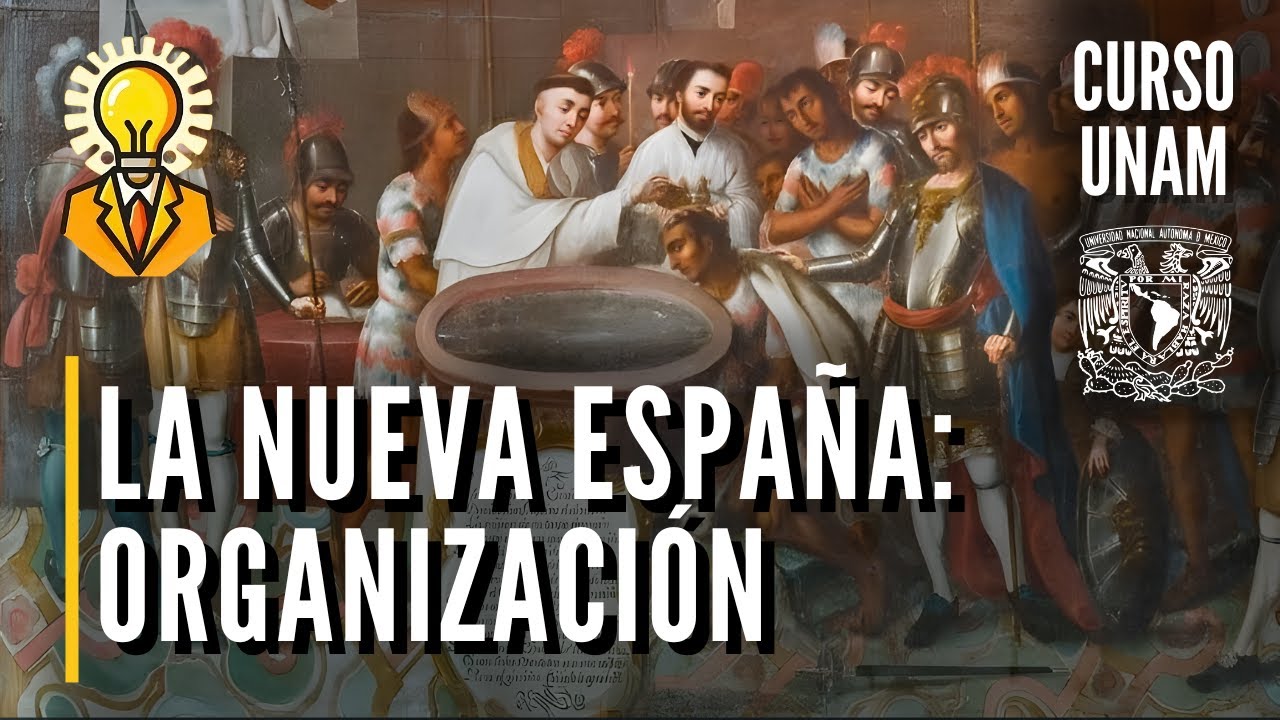







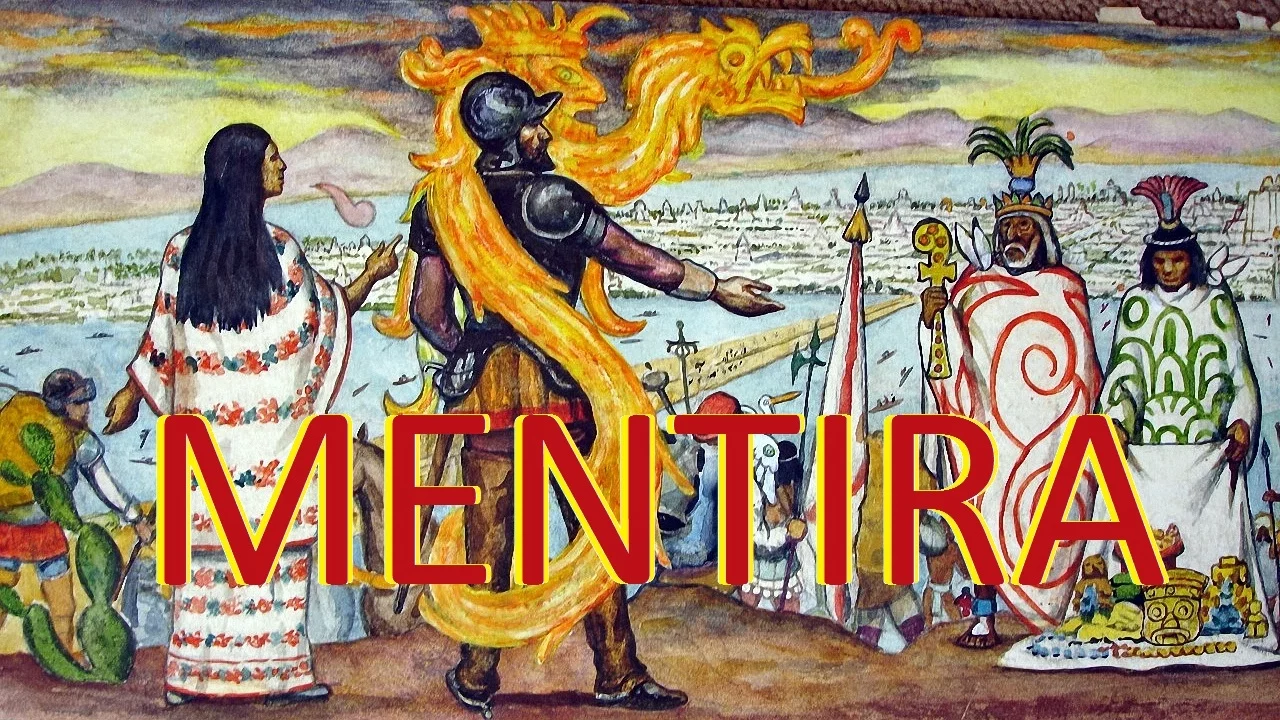


The Spanish conquest of the Aztec Empire (1519-1521) demonstrates how a small force of 300 conquistadors, led by Hernán Cortés, was able to overthrow the mighty Aztec civilization through strategic alliances with indigenous groups like the Tlaxcalans, exploitation of internal divisions, and the devastating impact of diseases such as smallpox, which killed approximately 90% of the native population; this conquest illustrates how technological superiority, political manipulation, and biological warfare combined to enable European colonization of the Americas.
Hernán Cortés and the Fall of the Aztec Empire: A Historical Analysis
Added:The geopolitical structure of the Aztec Empire (the Triple Alliance), including its tribute system and its tense relationships with surrounding independent city-states like Tlaxcala.
The historical context of the Age of Discovery and the Spanish Reconquista, which shaped the motivations, militarism, and religious zeal of the conquistadors.
The basic concept of the Columbian Exchange, particularly the lack of immunity among Mesoamerican populations to Afro-Eurasian diseases like smallpox.
The establishment of the Viceroyalty of New Spain and the socio-economic impacts of the colonial encomienda system.
A comparative study of the Spanish conquest of the Inca Empire by Francisco Pizarro, identifying similarities in strategies and structural vulnerabilities.
The cultural and religious syncretism that followed, including the blending of Catholic and indigenous Mesoamerican beliefs and traditions.
Historiographical analysis of primary sources, contrasting the Spanish conquistador accounts (such as Bernal Díaz del Castillo) with indigenous perspectives (such as the Florentine Codex).
179.2K views2.4Klikes49:13Original Release: 2023-08-12
foreign [Music] cities in the world the waterways which punctuated the artificial Islands were the highways of Commerce for an Empire the rulers took tribute from towns and settlements hundreds of miles away the knights and noblemen who ruled the place wore fine clothes ate exotic foods and walked the cleanest streets in the world in 1519 the Imperial City of tenoshitloan was exciting rich and Powerful but a man from overseas was coming to change all that over the course of two years a single ruthless man was able to forge an alliance which destroyed the gorgeous City rooted out its ancient religion and created a new realm for his King the disease his people unwittingly brought with them would finish the job by massacring the people who remained in the Empire of Mexico [Music] thank you foreign [Music] was concerned with Steins and portends his people the meshika or Aztecs had seen a comet in the sky and in 1518 had heard stories of strange pale bearded men from the coast the Mexican religion predicted an apocalyptic time of great trouble and his people wondered whether the time had come thank you [Music] was built on Lake teshkoko high in the mountains of what is today Mexico the city itself was built on an island in the middle of the lake and the citizens farmed artificial islands all around the Mexico were not a sea-going people and they had only a vague idea that a few hundred miles across the Gulf of Mexico there were Islands inhabited by the men of Spain in the years since Christopher Columbus had come to the islands and coasts of South America colonists from all over Spain had followed the warring kingdoms of Spain had come together by conquest and marriage expelled their Jews and Muslims and now Spain looked outward seeking new lands to rule to christianize and to milk for profit [Music] the Deputy Governor of Cuba selected the 34 year old mine owner Hernan Cortes to lead an expedition to some islands in the West [Music] Islands which turned out to be the American mainland like his relative Francisco Pizarro Cortes was the son of a poor but blue-blooded Spanish family who was making his fortune in the Caribbean an educated man who went to Salamanca who started law he was very much an adventurer he had this sense of adventure very clearly in his mind he wanted to discover new lands and of course he wanted to improve his wealth he knew exactly what he wanted and why he wanted to do it he was a good thinker in all circumstances he could make decisions quickly I think that he saw an opportunity he was highly energetic very organized ambitious but also wise I think and uh he was the man for that particular season he did extremely well in the New World Hernan Cortez was of medium height thin had a thin beard and fair skin he read and wrote Latin and had studied law he had led a plantation owner's protest to the Deputy Governor about slave allocation which made him a good man to send away Cortez's mission was to skirt the supposed Islands at the western edge of the Caribbean Sea claiming them for Spain and making peace with the native people he christened his men the holy company with 11 ships they would explore seek news of past Spaniards who had disappeared and spread the word of God there were only a few career paths open to those who did not themselves inherit land there was at the church become a priest you could become a sailor go to Sea and you could go into Royal service so there was a a requirement to find work for the younger sons in in rather narrow Fields they had been schooled since childhood to seek glory to seek prominence for themselves and and for their families and the opportunities for seeking Glory had become very narrow so there was tremendous pressure for young Spanish men to seek Fame away from Spain the holy company carried with them the military traditions of Europe and Europe was armed with gunpowder and steel the leaders of the Expedition rode horses and wore steel European armor They Carried lances and steel swords most of the Europeans would fight on foot some carried crossbows others carried hackbutts an early form of musket the Expeditions artillery were lightweight Lombard guns and small brass Naval Cannon early in the Expedition the Spaniards realized that they did not need steel armor to protect them from the weapons of the meshika for most purposes they wore lightweight armor made from densely woven cotton but they found that putting on the steel helmets and breastplates of Spain instilled fear in the Aboriginal peoples the meshiker were cultured and sophisticated but they had never before seen Steel Cortez chafed under the restrictions imposed on him by the governor of Cuba soon after landing on the North American Mainland Cortez declared his mission accomplished established a new colony and under ancient Spanish law declared that the colony was self-ruling Cortez reached out to local rulers who feared Moctezuma who hated paying tribute to Mexico but were too weak to refuse it was fortuitous that Cortes was given as a gift a slave whom he renamed Marina who had been trained in both the Maya and the nahuatal language groups and the result of that was that as Marina got better and better at speaking Spanish she became an invaluable asset to Cortes because she could speak directly translate directly between Cortes and any of the nahuatro speaking people they ran into they became the team that controlled the interface the linguistic interface between the Spanish and the meshika and that meant that Cortes himself was in country up in the mountains very powerful nobody could depose him from within his own company because nobody else could talk to the locals on a visit to one of these rulers Cortez watched the tax collectors arrive from tenoshitlawn these men wore bright cloaks of colored feathers sniffed special flowers reserved to the upper classes and had slaves to whisk the mosquitoes away the townsfolk treated them with fear and respect Cortez subtly manipulated the visit of the tax collectors to his advantage he convinced the local Chief to imprison the tax collectors though the local man was quaking in his boots at the prospect then at night Cortes freed two of the Mexican Tax Collectors told them that he wanted to be friends with Moctezuma and sent them back to tanoshik lawn when the local Chief discovered two of his prisoners were gone he was ready to put the remaining Mexicans to death Cortez intervened suggesting that they be imprisoned aboard one of his ships instead Cortez had turned a coastal Chief against Moctezuma had sent a powerful message of friendship to Moctezuma and acquired important hostages all in the course of one night the local Chief came to Cortez and told him that he and his hundred thousand men would rise up against Moctezuma if Cortes would lead them this changed Cortez's plans instead of making himself prosperous by setting up a gold prospecting town on the edges of the Spanish Empire Cortez could March Inland and take over the fabulously wealthy Empire of Mexico was not very quick to react to the threat of the Spaniards he was a religious man he was very much concerned with religion with philosophy and in many ways he was evicting of his own philosophical and religious ideas but he was also very keen to welcome the Spanish he sent Messengers with all kinds of presents which made the Spanish even more interested in meeting him if you view it from an Aztec point of view everything that went on in the meetings between Montezuma and the spanners made sense in the Aztec cultural system for example when Montezuma first met the Spaniards he brought gifts which the Spaniards accepted and then in turn gave him gifts and in the cultural system of the Aztecs that meant you were not going to wage war and in fact by giving Montezuma gifts in the Aztec cultural system that translated into Cortez recognizing Montezuma's sovereignty the coastal peoples began to rebel against moctezuma's Authority and Cortes began to fight the Mexicans were frightened by Cortez's 16 horses more frightened by the spaniard's full beards Victory brought Cortes allies and the coastal people thanked the Spanish man by giving them women slaves as Cortez grew more powerful he tried to make himself more independent from the governor of Cuba he sent Messengers to Spain telling the king that the governor was a poor manager and demanding that his settlement at Veracruz should be considered a self-ruling Spanish Town the Cuban Governor's friends in Veracruz rebelled against Cortes and Cortes hanged or mutilated the rebels to ensure that there could be no talk of returning to Cuba Cortez had all his ships run aground at Veracruz and broken up [Music] foreign hit is an award-winning streaming platform built by history fans for history fans enjoy our Rich library of documentaries covering key events and locations of the medieval period history hits medieval offering features leading historians such as Dan Jones Elena yanega and Katz German not only that but with a rich library of audio documentaries covering every period of History through our network of podcasts sign up now for a free trial and Chronicle fans get 50 off their first three months just be sure to use the code Chronicle at checkout Cortez told his people that they would March Inland to tenoshitlawn in August of 1519 300 Spaniards of the Holy company began the journey their Carpenter built wagons to carry supplies and guns pulled by allies from the coast they had about 15 horses and a pack of fighting dogs all of which frightened the Aboriginal people the road from Veracruz to tenostic lawn wound upwards from the hot coastal plain climbing 2 000 meters into the mountains as the Spaniards marched Messengers ran across the high plains and through the mountain passes to tenoshitlawn telling Moctezuma of Cortez's approach Cortes came as an ambassador they said which shaped their welcome if Cortez had come to make war mokta Zuma would have assembled his army begun the new sacrifices and assigned Idols to his regiments very familiar with war there were great warriors in fact Aztec rulers had to prove themselves in the battlefield they had to be great at Warfare before they were even elected the meshika's idea of Honor in war was not found in a glorious death on the battlefield the way a Spanish Soldier might might find it it was Finding glory on the battlefield by capturing the enemy or finding glory on the battlefield by being captured by being taken away and sacrificed to the enemy's gods but for ambassadors there needed to be no preparations for war the Mexicans must have been comforted for it was the wrong season for war and fighting at the wrong time would have been difficult Montezuma knew that there was a group of powerful people coming up the road but Montezuma had no way of dealing with this group of powerful people if they were Maya or if they were meshika or if they were clashcullen if they were any one of his neighbors he would know how to deal with them but at every turn at every interaction between Cortes and Montezuma Montezuma sees that something is completely wrong he does not know how to deal with these people nothing that he does makes them bow to his will he can't threaten them he can't manipulate them and as a result every means that Montezuma uses to try to achieve his aims with respect to the Spaniards is ineffective as the holy company marched the towns along the way hosted them extravagantly granaries were emptied to feed the Spaniards and their Coastal allies and slaves were slaughtered in sacrifices all along the way Chiefs aided or joined the holy company eager to throw off Mexican domination a Highland Kingdom proud of its independence from the Mexicans the holy company first had to fight when they saw horses teluskalan Scouts fled drawing Cortez and a few other Spanish cavalrymen after them when Cortez caught up the taleshkaland turned to fight killing two horses with their razor sharp but brittle swords the rest of the talashkalan army was waiting thousands drawn up in Battle Order their faces horribly painted the mashika did not want to kill their enemies on the battlefield they wanted their enemies to surrender and they wanted their enemies to be marched up to the top of a pyramid and be sacrificed to their gods so they did not use weapons designed to kill the meshika used weapons designed to disable the meshika used clubs you hit the guy over the head you break the guy's knee he can't run away and you sacrifice him the meshika therefore did not have armor designed to protect against killing weapons if somebody is going to threaten you with a club well it's no point having having chain mail just have a big pillow and he hits you at the club it hits the pillow it goes whoop and you live to fight another day the Weaponry of the Aztecs again was geared not to kill on the battlefield but to draw blood because warriors were esteemed if they gave blood so even the arrow points which they used were small were not designed to kill they were designed to make people bleed so Michigan armor and weapons were wholly unsuited to going up against the Spanish the taleshkalan soldiers attacked in lines armed only with obsidian bladed swords intended to wound the Spanish armed and armored with steel supported by light artillery handguns and crossbows killed many in the first wave before the rest of the taleshkal arms came to grips this style of warfare frightened the telestralans dying on the battlefield was alien to their way of thinking they wanted to capture or be captured with blood spilling on sacrificial altars in honor of their gods for the locals this was pointless Slaughter and they ran away for days Cortez fought and negotiated with the talashka lands and their allies the Spanish armor had to stop arrows Spears thrown by athletal launchers and some were killed and wounded Cortez punished the taleshkalans by conducting a program against their priests and civilian population burning and mutilating astonishingly the taleshkalans were cowed into supporting the Spanish joined forces with Cortez allowing his Coastal allies to return home as the holy company and their talashkalan allies moved closer to tanoshidlon they were again met by ambassadors and magicians from Moctezuma who told Cortez to come no closer as these emissaries walked back to the Imperial City they had visions of Destruction and the burning of the city the mashikan religion was built on visions and like many religions elsewhere Visions were assisted by eating hallucinogenic mushrooms and when Montezuma is trying to deal with Cortes and he makes apparently irrational decisions there is a clash of cultures at work there is a clash of paradigms at work but just as Cortes or his party would use alcohol as part of their daily lives Montezuma and his advisors were using house energetic mushrooms as part of their daily lives part of understanding the world around them and and part of their way of worshiping their gods moctezuma's advisors told him to fight to attack the Allied Army of the Spanish and taleshkalans before they got to the city for a Time Moctezuma again considered going to war but he soon resumed his old ideas welcome them give them gifts make them his friends in early November the holy company reached the shores of the Great Lake teshkoko tenostic Lorne was on an island in the lake and on their approach the Spanish were able to see the city for the first time the local Chiefs welcomed Cortez as a liberator from Mexican Taxation and they fed his soldiers and allies tenostic lawn was connected to the mainland by causeways and on the 8th of November 1519 Cortez took the company on the narrow way the dogs came first huge brindled Mastiffs which frightened the Aboriginal people with their gaping mouths and slathering Jaws in front rode four horsemen in full metal armor followed by the company's Banner Bearer who twirled and flourished the silken colors as he marched the rest of the Spanish followed with Cortez writing in state as the climax of the parade behind Cortez marched his Aboriginal allies armed and painted for war the holy company was a frightening sight to the Mexicans who had never seen metal armor horses or even the Wheeled carts which brought up the rear the city which they approached was the largest most of them had ever seen Paris London Naples and Constantinople were the only European cities which approached the scale of the Imperial City of the meshika Moctezuma welcomed Cortez riding in a feathered Litter with Mexican nobleman sweeping the ground before him Cortez dismounted and shook hands with the Mexican emperor Spanish celebrated their arrival by firing their muskets and Cannon amazing and intimidating the citizens Moctezuma conducted his guests to an important Palace in the city and made a flowery speech of welcome Cortez took this polite speech literally as a formal submission to Spanish Authority and from that point on assumed that he was now the ruler of the Mexican Empire on behalf of the king of Spain the Spanish spent several days as tourists in tenoshitlon they were lavished with gold cloth and slave women and Cortes was taken to the top of the city's highest pyramid to see the center of the Mexican empire spread out before him Moctezuma offered Cortez his own daughter and more women for the Spanish officers Moctezuma was trying very hard to buy off the Spanish to get them to go away Cortez quietly and reasonably told Moctezuma to come back to the Palace where the holy company was quartered and to come quietly Moctezuma argued trying for hours to talk them out of it but the Spanish captains put it to him plainly come with them or they would kill him on the spot Moctezuma offered his children instead but Cortes refused Moctezuma must come away as a prisoner Cortez had succeeded Moctezuma was his hostage Moctezuma could still rule his Empire but Hernan Cortes son of a poor foot soldier from the province of extra Madura would rule the emperor didn't know what to do he was demoralized he had been humiliated by the spanias he was more or less worshiped as God in in his lifetime so the fact that he had been captured that he had been imprisoned made him even more vulnerable when Montezuma first met Cortez he was still operating on his own cultural system Cortez had given him gifts so he thought things were going to proceed a certain way didn't happen then he was taken captive Cortez actually touched Montezuma which you don't do with an Aztec ruler so already in a sense his Sacred Space had been violated so I I would think that he was probably crushed everything he knew his whole system had disintegrated before his eyes and you can get through those situations when you can see an out when you have a goal and they say but I'm going to do this what what was he going to do because the rules were gone the Spanish Consolidated their hold over the Mexican Empire Cortez's emissaries traveled with moctezuma's authority and were looked after by local Chiefs the Empire settled into an uneasy quiet under Spanish domination and when a group of Mexican princes plotted to get rid of the Invaders Cortes had them imprisoned the Mexican Effigies were removed from the Great Pyramid of tenoshitlorn and a Christian Church was established instead Cortez had started to refer to himself as Captain General and chief justice of New Spain the first modern European name for the landmass that would become America Cortes had Shrugged off the authority of the Deputy Governor of Cuba the governor's agents in Spain fought at course with the Agents of Cortez to little effect gifts to the king of Mexican gold had spoken louder than the governor's legalistic arguments the governor resorted to force on the 5th of March 1520 panfio de naravais set sail from Cuba with 900 men to overthrow Hernan Cortes Cortez had to take most of his Force down from tinashid Lorne to fight narvais on the coast he defeated the new Force recruited most of narvais's men into the holy company and began the Trek back to tenoshitlon meanwhile in the Imperial City the Michigan stopped feeding the Spanish Garrison the preparations for an important Festival were underway with stakes and pans ready for the human sacrifices when the Spaniards asked whom the preparations were for that allies said they were to cook and to eat the Spaniards with garlic the Michigan Festival worked its way to its climax the figures of the Gods the human sacrifices The Feathered and third costumes were all prepared the Rosewood drums beat and hundreds of noblemen danced the formal course of the ritual had to be followed exactly each dance and each sacrifice Sublime in its perfection the songs and dances followed one another in sacred order as the Spaniards and the talashkalans moved to block the exits from the sacred Precinct as the Mexicans around them awaited the climactic sacrifice the holy company awaited a signal when the exits from the temple precincts were blocked Cortez's Deputy Alvarado gave the signal kill he cried putting his plan into action 60 of the Spaniards had been detailed to murder the dancing Mexican noblemen while 60 would guard Moctezuma and Slaughter his attendance the dancers the priests then the spectators all the Mexicans were unarmed and they made easy prey for steel Spanish swords and razor sharp obsidian blades the Spaniards moved out of the temple precincts as The Spectators fled for their lives when they returned to their palace they saw that most of moctezuma's attendance had been killed and the emperor was in Chains with the few surviving princes mob surrounded the palace threatening to burn down the doors Spanish boats on the lake were burned to the waterline cutting off the holy company's escape the Mexicans closed off the bridges around the palace cutting it off and the citizens sat down and began mourning their dead the Aztecs wasted time they wasted days that were very important at this time of warfare and conflict giving the people a decent burial which normally were very elaborate and normally took several days and then for days after that a solid silence descends on tennis cheat line and the the Spanish soldiers and their Clash Cowan allies find this very disturbing and there are Visions seen and and the Visions could be part of a deliberate campaign of psychological warfare because there are demonic apparitions seen of Mexican gods and Mexican Demons by the Spanish Cortez marched back into tonastic lawn with the Holy company and then allies the city was silent the thousands of inhabitants were indoors mourning and planning portes marched to his Palace in the foreboding quiet Cortez could not feed his soldiers without the city's food markets and he sent moctezuma's brother quitlawak to demand in the emperor's name that the markets open quitlawak walked from Cortez's Palace disappeared into the City and immediately began to organize the meshika against the holy company in the last days of June 1520 Cortez's patrols began to run into ambushes the draw Bridges across the city's canals began to rise the holy company and the taleshkalans were trapped the holy company began to fight its way out of their palace against hordes of organized Mexicans the days they fought in the streets of tenoshitlan taking casualties when they left their palace and even when they stayed inside as a hail of stones from nearby roofs kept them out of the courtyards fresh water began to run low and the brackish water of Lake tashkoko had become a barrier instead of a resource suddenly fighting in Tenochtitlan the Spanish are conducting operations in a built up area they're fighting in narrow streets they're fighting house to house so in a field being up high on a horse might be an advantage but in a street when your enemy is higher than you on the roof of a building and able to throw things down at you then it is no longer an advantage the Spanish try to use European military technology to event but their technological advantages do them no good in the confined spaces of Tenochtitlan and it becomes a much more even battle and an eon battle is exactly the kind of battle the Spanish can't win in the street fighting the Spanish soldiers saw that one of the Michigan leaders was dressed in a specially gorgeous plumage and was treated reverently by the other leaders Cortez began to realize that the Mexico had chosen a new emperor he concluded that quickly walk had convinced the citizens that Moctezuma was dead or disabled so he arranged to display Moctezuma on the roof of the palace there was a hush at the site of Moctezuma on the palace roof then the Mexican leaders began to hurl abuse perhaps even before Moctezuma was able to get a word out Stones arrows and darts began to fly at him Moctezuma mortally wounded was taken down inside the palace he died the next morning and Cortez butchered all his remaining princely prisoners it was time to leave Cortez reluctantly ordered a plan to escape the city and the Spanish began to load up pack animals and stuff their armor with gold by night they set out with a portable bridge and spare Timber to cross the canals with the horse's Hooves muffled they tried to leave undetected they crossed one Canal then another then two more the way seemed open to the safety of the Lake Shore where their horses and guns would be an advantage when a woman drawing water saw them moving she cried out a warning and soon the war drums were sounding from the city's highest pyramids the Spanish ran for the shore while the Michigan scrambled into their canoes and began attacking the old Mexican ways of War were set aside and instead of striking to wound they struck to kill two canals stood between the Spaniards and safety the first few Spaniards made it across and Cortez turned to help the holy company fight its way across the causeway one Canal was filled with Spanish until ashkalan dead much of the Holy company and that slash khalan allies were left behind to be taken prisoner by the meshikar and made ready to be sacrificed to the gods and eaten by their captors that sad night La Noche triste was the first great defeat for Europeans in the New World Cortez made his way towards his allies stronghold of flashcala with 400 men and 30 horses almost all wounded but as they struggled from Village to abandoned Village the new emperor quitlahock gathered his army and put it into the hands of his military deputy at the Village of otumba about halfway from Lake teshkoko to the safety of talashkala a large force of meshika attacked the holy company returning to their traditional way of war after the single episode of night fighting the meshika swung their clubs and obsidian bladed swords to wound and capture not to kill for hours the surrounded Spaniards and slushkalans fought for their lives in a grim Battle of attrition Cortez saw the New Emperor's military deputy and his fellow officers in their bright feather cloaks and he ordered a cavalry charge five Spanish Horsemen rode through the enemy soldiers and knocked the Mexican Commander to the ground killing him with lancets the Mexican attack disintegrated and in the face of decisive Cavalry action the Mexicans retreated after 10 days Retreat the holy company came to the kingdom of flashcala where they were safe people often talk of what a small army the Spanish had and how successful they were in conquering a huge territory but what people often ignore is the fact that the conquest was not made by the spanias the conquest was made by the Mexicans the Mexicans actually helped the Spanish the classical tekkens and many other groups joined cortesis forces and help him destroy the Aztec empire Cortes sees a tremendous threat he has been defeated he has been shown to be weak he has been shown to be defeatable so the first thing that Cortes does is he goes to the Clash Collins he says who would you like to destroy and the Flash Collins say well we've always hated the people in tepayaka and Cortez says all right well let's go destroy them and after the defeat in Tennessee Cortes ensures that he has a very bloody victory in tepeaka and they March up to tebecca and they absolutely Slaughter the locals so what Cortes does is out of the ashes of defeat he arranges a victory and Cortes rebuilds the holy company as a fighting entity set about pacifying the land between the Mexico and the Sea defeating the town's men in battle and branding the faces of the women and children as they were sold into slavery Spanish settlements were planted in the conquered towns and the territory controlled by the Spanish slash Kalan Alliance grew cutting to nostreet lawn off from the coastal peoples and from the sea Cortez's people began to build brigantis small sailing ships which would enable the Spaniards to sail across Lake teshkoko and attack the Mexicans from the water but by October of 1520 Cortez had a new Ally disease the great smallpox plague which depopulated North America and the Caribbean started on the island of Hispaniola in 1518 and slowly spread to Cuba the Spanish officer sent to rain Cortez in probably brought the disease to the Mayan peoples in the peninsula of yakitan and one of Nava's Porters brought the disease to Cortez's allies on the Mexican Coast smallpox spread through the Aboriginal communities rapidly killing half the population wherever it struck Village Chiefs pulled houses down on the heads of sick families trying to contain the contagion but instead killing the survivors of the disease when the women who processed and cooked food were gone the men died of hunger in their highly organized Society men did not have the skills to Mill flower and bake bread the Spaniards brought smallpox as early as 1519 and of course the natives having no immunities to cope with the disease were decimated in no time there were about 22 million inhabitants in ancient Mexico at the time and it's calculated that only 80 years later the population was reduced by about 90 percent wasn't just smallpox there were flus and it wasn't just what the humans brought of course was the animals as well one of the first things that happened was that cattle and sheep polluted streams and that had not existed and then it will before so there were even Mike there were micro environments in which bacteria and other microbes could just flour so it was a disaster waiting to happen corn stood unharvested and even the ritual human sacrifices began to grind to a Haltom the Mexican Empire was Gravely weakened Cortez on the other hand grew stronger Spanish reinforcements intended for naivise or bent on new conquests joined the holy company bringing new guns and much needed supplies Mexican gold went with men to Hispaniola and Jamaica to buy fresh horses and supplies of ammunition both Cortes and the new emperor guatemoc prepared for war mock offered sacrifices and prepared to muster his army for the only kind of War his people understood a huge battle on a field where many prisoners would be taken for sacrifice to the Mexican gods Cortez read it himself for a long campaign of Siege Cortez knows that water is a problematical issue if you live on Lake tenorschtitlan because Lake Taylor's chitlan is not fresh water it is brackish water and they had to rely for water in Tennessee on Wells on the lake shore with the water brought by Conduit into the city Cortez knew that if he could take the seaward sign the lakeward side of tenos chitlan with his brigantines and on the landward side if he could cut the water supply that he would fight against the machika from a position of advantage on the last day of December 1520 the reinforced holy company came to teshkoko the rulers of the Town eager to rid themselves of Imperial domination welcomed Cortez and offered assistance but many of the townsfolks took to their canoes and paddled off to warn the Mexico Cortez took his Revenge by pillaging the city and enslaving the women and children the towns of the Lake Shore began to offer their submission to Cortes at ishta Palapa the holy company massacred the town's Army and expelled its citizens at chalko the Citizen's own soldiers drove off a Mexican Army bit by bit the emperor was losing control of his own Lake tribute was no longer coming in from the Empire and supplies began to run short into Gnostic lawn Cortez divided his army into four divisions three divisions would fight on land each would hold one of the causeways which connected to nostitlon to the mainland One Division would cross the lake from teshkoko in canoes and 12 bragantias small sailing ships each brigantes was about 65 feet long and each could carry between 25 and 30 men as well as a cannon these brigantes would destroy the Mexicans canoes further cutting them off from the mainland one Causeway would be left open as a tempting Escape Route at the end of May 1521 the divisions of the Holy company began to March and on the 1st of June the fleet of brigantias set sail from teshkoko thousands of canoes paddled out from tinashtaglon to face thousands of canoes and 12 small ships the guns crossbows and muskets of the Spaniards crashed through the Mexican Fleet and the large number of canoes filled with Cortez's Lakeshore allies pushed them back into the protected canals of tinashtitlon once the emperor quatermark saw Cortez's deployment he split his own Army into four divisions three of them met Cortez's landwood divisions and one stood ready to defend the city from Cortez's brigantis for weeks the fighting of the causeway is ground on and the last Causeway was blocked the meshiker were cut off in their grand city the situation that existed in the final Siege of tennis cheat line was very different and surely that the Aztecs who were fighting must have realized that they must have seen that that it signaled the end of their empire once you go to another country and you say we are going to destroy your Empire or going to destroy your way of life we are going to take your religion away from you they have no choice but to fight back with everything they've got Cortez has to fight for every stone in that town he has got to destroy Tennessee in order to take it Cortez could not get the mexica out so he cut off the remaining Causeway and ordered his brigantias to begin torching houses into Gnostic lawn then on the 10th of June Cortez began to fight his way into the depleted City but the narrow streets were vulnerable to attack from the rooftops so as Cortez pulled back he torched more houses five days later Cortes forced his way into the city center again and again he burnt what he could before retreating the meshiker Consolidated their defense in the suburb of talata here they were more successful and on June the 30th their counter-attracts were able to overwhelm the Spaniards and their allies briefly capturing Prisoners the Mexicans got hold of the spanias sacrificed them they practice decapitation they put the skull in the skull Brock they sacrificed both Spanish and the horses of the Spanish and the Spanish were shocked and terrified to recognize the faces of some wood of their soldiers this was the last celebration of the meshika short of food short of water they never again managed to muster a major counter-attack as Cortez burnt their City around them the massacre stopped breaking up the causeways they were reduced to drinking the brackish Lake water and gnawing on mud bricks to get at the straw inside on the 13th of August 1521 it ended the Mexicans will to resist collapsed and they began surrendering the emperor like Moctezuma before him was permitted to rule under Cortez's control when the Spaniards did not find the heaps of gold they expected Emperor kottemoc was tortured by fire and crippled for life later Cortes hanged the emperor for plotting a return to power Cortes ruled like a king for a while sending the required one-fifth of the wealth to Spain and keeping a fifth of the remainder for himself but then the king of Spain extended his hand to New Spain he confirmed koftez as governor and Captain general of New Spain but appointed a Treasurer a factor a bookkeeper and an inspector all of them Cortez included would be on Modest fixed salaries this very promising New Spain that Cortes constructs it falls apart everybody dies because everybody gets smallpox and the City of Tenors titlan is destroyed by an earthquake and necks do nothing remains of the the Old Mexico Empire it's a consequence of the conquest the Mexicans became drunkas they were given to alcoholism there were diseases there was smallpox typhus no real Prospect of a better life there were equally slaves under the rulership of the spanias so that together with the overthrow of their cities made them utterly depressed Cortes returned to Spain in 1528 out of favor at court he retired to Seville and died there age 62 in 1547.
Cortes sought to take over the Majesty of tenoshitlon and make it his own the son of a poor Spanish family wanted to carve out a golden Kingdom for himself in the New World he wanted to redeem the Mexicans and preserve a Christian version of their culture under his domination Cortez could not know that he and his conquistadores were the Leading Edge of a tidal wave that would sweep up from the sea to drown forever the ancient civilizations of the new world thank you
Up Next
40:18
The Death of Moctezuma & the Toxcatl Massacre (1520) | Spanish Conquest of Mexico
@ConquistadorTales
122 views•2025-09-23

33:02
The Great Schism of 1054: Causes and Consequences
@SacredCathedrals
113.5K views•2026-02-19
1:18
Medieval Peasant Farming Life in Tudor England | Historical Documentary
@ChronicleMedieval
1.2M views•2022-11-30

17:05
Understanding the Cold War: Superpower Conflicts and the Road to Détente
@OverSimplified
46.1M views•2019-01-24
Related Study Plans & Knowledge Roadmaps
Structured learning paths in History
history
Byzantine Iconoclasm: Theology, Art & Politics
01Foundations of Byzantium and Early Christian Images
02The First Iconoclasm: Leo III and the Crisis of Images
03Empress Irene, Nicaea II, and the Second Iconoclasm
+ 2 more learning modules
9h5 modules
Explore Roadmap
history
Iranian Revolution (Causes, Events & Legacy)
01The Pahlavi Dynasty and the Roots of Discontent
02The Spark of Rebellion and the Rise of Khomeini
031979: The Fall of the Shah and the Climax of the Revolution
+ 2 more learning modules
8h5 modules
Explore Roadmap
history
Mali Empire: Mansa Musa, Trade & Timbuktu
01Foundations of the Mali Empire
02The Trans-Saharan Gold and Salt Trade
03The Reign and Pilgrimage of Mansa Musa
+ 1 more learning modules
6h4 modules
Explore Roadmap
history
1947 Partition: Politics, Borders & Legacies
01Foundations of British India and the Divide
02The Political Negotiations and the Mountbatten Plan
03Drawing the Boundary: The Radcliffe Line
+ 2 more learning modules
8h5 modules
Explore Roadmap