







![GUÍA UNAM - HISTORIA DE MÉXICO [TEMA 1. LA NUEVA ESPAÑA (SIGLOS XVI A XIX)]](https://i.ytimg.com/vi_webp/5m9X-wwWb0c/maxresdefault.webp)


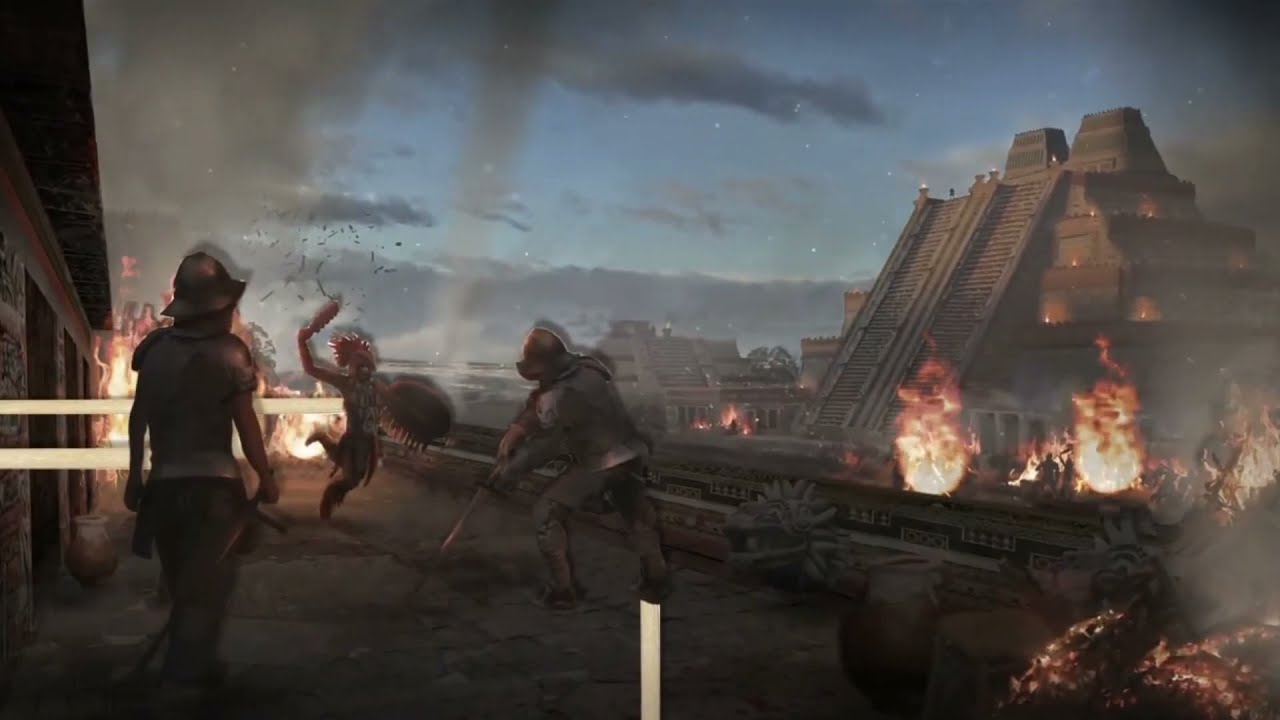


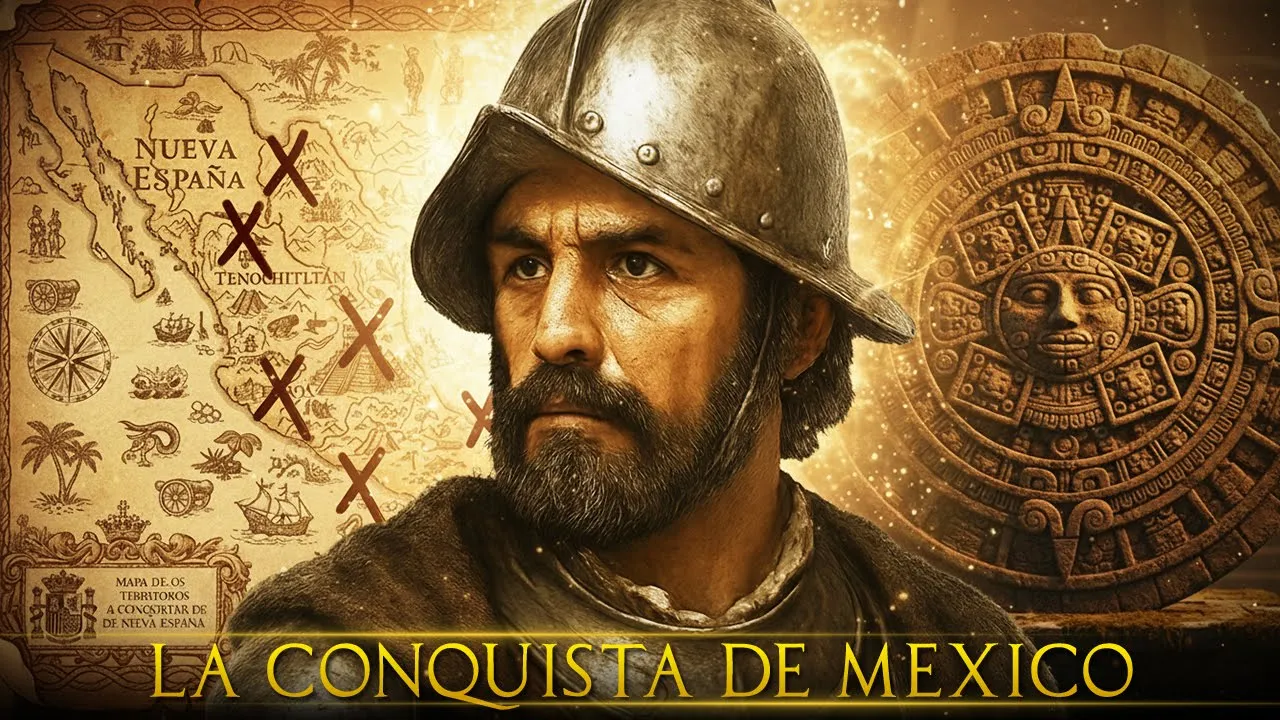


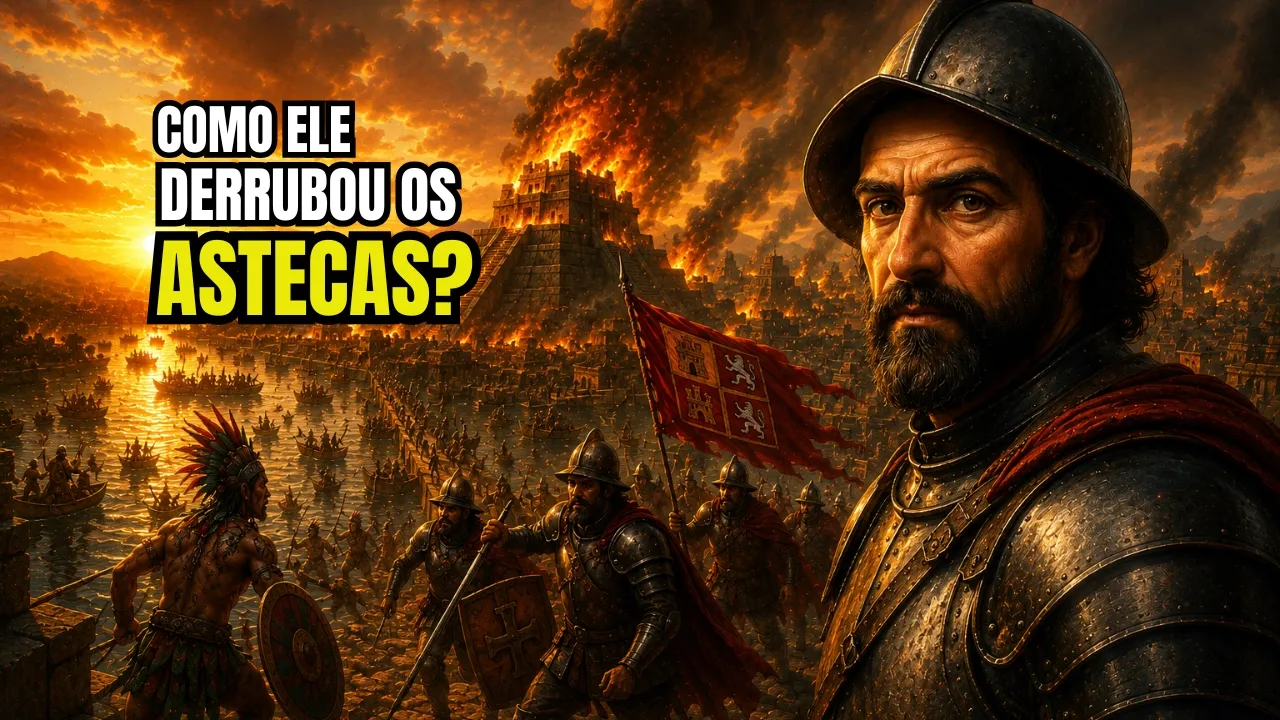



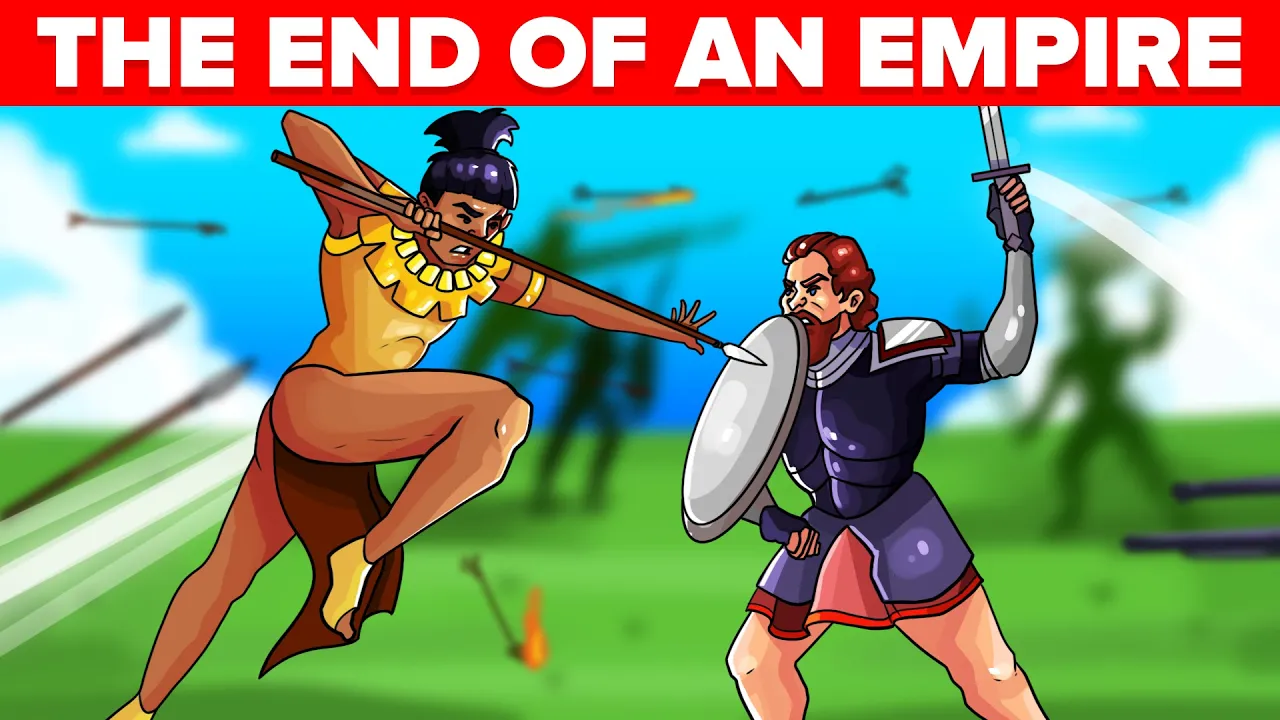
In 1520, Hernán Cortés captured Moctezuma II, the Aztec emperor, and held him as a hostage in Tenochtitlan. When Moctezuma's son, Cuitláhuac, was killed and the emperor's authority weakened, the Aztec people revolted. During the sacred festival of Tóxcatl, Pedro de Alvarado massacred unarmed nobles and priests, turning the celebration into a bloodbath. This massacre caused the city to rise up against the Spanish, who were now trapped in the palace. Moctezuma, weakened by months of captivity, was killed by his own people who no longer respected him as their ruler. The event marked the turning point where the Spanish lost their leverage over the Aztec Empire and faced open warfare.
The Death of Moctezuma & the Toxcatl Massacre (1520) | Spanish Conquest of Mexico
Added:The initial encounter between Hernán Cortés and Emperor Moctezuma II in 1519, including the subsequent peaceful entry and house arrest of the Aztec ruler.
The political geography of the Aztec Empire (Triple Alliance) and the strategic importance of its capital city, Tenochtitlan.
The internal rivalry among Spanish colonizers, specifically why Diego Velázquez sent Pánfilo de Narváez to arrest Cortés for insubordination.
The religious significance of the Toxcatl festival, an annual Aztec ceremony dedicated to the major deities Tezcatlipoca and Huitzilopochtli.
The events of 'La Noche Triste' (The Night of Sorrows), describing the perilous Spanish retreat from Tenochtitlan following Moctezuma's death.
The Siege of Tenochtitlan (1521), focusing on the alliance between the Spanish and indigenous rivals of the Aztecs, such as the Tlaxcalans.
The devastating impact of European diseases, primarily smallpox, which decimated the indigenous population and crippled Aztec military resistance.
The comparative analysis of Spanish and Indigenous historical sources (such as the Florentine Codex) regarding the death of Moctezuma.
122 views2likes40:18Original Release: 2025-09-23
Cortez paced slowly through the halls of the palace where he and his men were quartered. Outside the sounds of the city drifted faintly, drums, canoes moving in the canals, the murmur of tens of thousands.
But inside, the air was thick with unease. The Spaniards had been in Tenotitlan long enough to see both its majesty and its danger. Warriors by the thousands, disciplined nobles, priests who commanded fear and loyalty. They were guests, yes, but they were also intruders surrounded at every moment.
That night, Cortez called his captains together. They gathered in a dimly lit chamber, the flicker of torches throwing shadows across the walls. Alvarado, Sandival, Velasquez, Deleon, and others, men hardened by months of war and uncertainty.
Each knew why they were there.
The question hung unspoken. How long could they remain in the city as honored guests before the balance tipped against them? Cortez broke the silence. He spoke of the city's power, its riches, and its sheer size. He reminded them of what they had witnessed. The endless supply of warriors, the markets filled with resources, the temples rising above every district. All of it could turn against them in a single moment. Some captains urged caution. They warned that any rash move would bring the wrath of the entire city upon them. Others argued more boldly. If they struck first, if they seized the heart of the empire, they might hold all of Tenotitlan in their grasp.
Cortez listened, weighing every word.
His gaze was steady, his hands clasped behind his back. For him, hesitation was the true danger. They were too few to rely on open battle. Their survival and their chance at victory depended on control. And the only way to control Tenotitlan was to control Mutzoma.
The thought itself seemed unthinkable.
To lay hands on the Huey Platawani, the great speaker, the emperor of millions.
Yet Corteiz argued with cold logic. So long as Motus commanded loyalty, the Spaniards were at risk. If the emperor became their guest, then his authority could be wielded through him. The chamber grew tense. Voices rose and fell. Some crossed themselves nervously at the audacity of the plan. Others clenched their fists, already convinced.
Cortez stood tall, his words measured and clear. There was no more time to weigh fears. The city pressed in around them. Suspicion grew daily. Their only path forward was boldness. The decision was made. Tomorrow they would confront Motuzma in his own palace. They would attempt the unthinkable.
Dawn light fell over Tenotitlan, illuminating the palace in soft gold.
Cortez had positioned his men carefully overnight along corridors, at staircases, and at entrances. Each soldier understood his orders. Inside the palace, courtiers moved with measured steps. Attendants carried ceremonial offerings and guards remained at their posts. Beneath the routine, tension was present. Cortez's gaze swept the hall, noting the posture of nobles, the arrangement of attendants, and the alertness of guards.
Cortez entered the main hall. Meko Zoma awaited him, adorned in gold, jade, and featherwork. The emperor's posture was formal, yet his eyes revealed attention and caution. Cortez addressed him politely through interpreters.
Great speaker, we must discuss matters vital to the safety of your city and people.
The emperor inclined his head. Cortez subtly signaled the Spaniards around him. Soldiers adjusted their positions, forming a perimeter close to the emperor. Couriers stiffened. Guards exchanged glances. At Cortez's signal, the Spaniards closed ranks around Mokuzoma. The emperor's composure flickered briefly, a tightened hand, a glance toward his guards.
"You will remain here under my protection," Cortez said. His tone was calm, deliberate, and measured. The meaning was clear. Mokoma was now held within the palace. A hush fell over the room. Courtiers whispered quietly.
Attendants paused in mid-task.
Guards hesitated, uncertain whether to act. Outside, the city continued its daily rhythm, unaware of the change within the palace. Cortez moved among the Spaniards, observing the responses of those around him. The subtle expressions of nobles, the stance of guards, the actions of attendance.
Hours passed. Meku Zoma received only the minimum courtesies necessary to maintain appearances.
Spanish soldiers maintained positions, moving discreetly to monitor entrances and corridors.
Outside the palace, nobles whispered in small groups, exchanging questions and cautious remarks. Warriors adjusted formations, but remained at a distance.
Cortez convened his captains. They discussed the events of the day, noting which nobles appeared uncertain, which districts were most loyal, and the movements of guards and city personnel.
The Spaniards maintained their positions within the palace, observing the ongoing activity and interactions.
The emperor remained in the palace, attended and watched closely by both Spanish soldiers and his own guards.
Courtiers and attendants continued their duties under the watchful presence of the Spaniards. The balance of daily activity in the city was maintained, but the emperor's freedom was now constrained, and key figures in the palace reacted to the new circumstances.
The moment Cortez placed his hand on Motekoma, the palace fell into stunned silence. Cortiers froze in disbelief, attendance halted midstep, and the guards at the doors shifted uneasily. No one dared move first. Mkuzoma himself remained composed. His face betrayed neither panic nor outrage, but the weight of what had happened was unmistakable.
He was no longer free, though he still wore the feathered crown of the Huey Tlatawani. The Spaniards closed ranks, steel at the ready. The torch light caught the edges of their weapons, casting long reflections across the polished floors. Couriers averted their gaze, and muted whispers threaded through the hallways, carrying unease from one chamber to the next. Outside, the news traveled quickly. Crowds gathered near the palace walls, uncertain and restless. Some called out the emperor's name. Others waited in tense silence. No one yet understood if Makuzuma was still ruling or if power had slipped into foreign hands. Cortez acted swiftly. He ordered Spanish guards to secure every entrance and stationed men along the causeways to watch for movement. Inside, he allowed Mokuzoma to continue his rituals and receive visitors, but under constant supervision. The emperor's dignity remained intact. Yet, the message was unmistakable. He was a sovereign under watch. Among the nobles, outrage simmered. Many saw the seizure as an unforgivable insult, but without Makuzum's command, their anger had no outlet. Obsidian knives hissed against wet stones as warriors prepared in silence. Priests lifted their voices in ritual song, the sound carrying across rooftops and canals. Beneath it all, Tenotitlan waited as though the vast city had paused to listen. For now, restraint prevailed.
Mokuzoma stepped forward onto the palace platform, his figure still draped in the rich mantle of his office. He raised his hand for silence and the vast square below hushed. With calm authority, he spoke to his people. He told them that the strangers were his friends, that they had come in peace, and that no one should resist or take up arms. He commanded them to remain at their work, to continue their offerings to the gods, and to obey him as they always had. The words carried the weight of the great speaker, but doubt flickered across the crowd. Some lowered their eyes, others muttered quietly, unsettled by the sight before them, their emperor speaking under the watch of foreign guards.
At Makukoma's side, the Spaniards stood armed and vigilant. Their silent presence gave the message a different meaning. To the people of Tennotitlan, it was not only their emperor's voice they heard, but also the shadow of the men who now constrained him. The city remained quiet, but beneath that silence ran unease. The crowd dispersed slowly, some casting weary glances back at the platform. The emperor of the Mexica still sat upon his throne. Yet his freedom was gone. Within the walls of his own palace, Mokuzoma had become both ruler and captive. The most powerful man of the Mexican Empire, held fast by a handful of foreign soldiers.
The palace corridors were tense.
Courtiers whispered urgently among themselves, some retreating to confer with allies, others lingering near the emperor to gauge his reaction. Ambitious nobles weighed their options carefully.
Uncertain whether to act or wait. Cortez moved deliberately through the main hall, speaking quietly to his captains.
He stationed guards at key passageways, staircases, and entrances, controlling who could see or speak with Mokuzoma.
Every movement of the Spaniards was calculated, but outwardly calm. Outside the palace, the city stirred. Warriors in ceremonial attire marched along the causeways, drums and flutes echoing, while citizens paused, murmuring about what had just occurred. The tension in the streets was tangible. Rumors spread quickly, each telling different versions of the event. Inside, Mozoma continued his duties under watch. He received nobles and advisers, responded to questions, and maintained ceremonial composure.
Yet, the presence of Spanish soldiers never left him, a reminder that every decision was being observed. Cortez quietly conferred with the nobles who had shown flexibility or ambition.
Through discreet conversation, he gauged their loyalties and sought to solidify support, ensuring that the most influential figures would not oppose him when decisive action came. The palace itself had shifted in meaning. It was still the emperor's residence, but it had become the center of an unfolding power struggle. For the people of Tennoitlan, the sight of their emperor under watch was both startling and unsettling.
Some avoided the palace entirely, while others lingered at a distance, eager to witness what might come next.
The day passed with careful observation, planning, and subtle maneuvering.
The Spaniards remained in control, yet Motzma's calm authority prevented immediate chaos. But the balance was delicate. A single misstep by either side could ignite the city. And in the minds of all present, Spaniards and Mexico alike, a profound change was taking hold. The palace, the emperor, and the empire itself had entered a new chapter, one that would shape the coming days in ways no one could yet fully grasp.
The following day, Cortez moved through the palace. He met privately with a few nobles who had shown willingness to cooperate, discussing minor requests and listening closely to their concerns.
Each conversation revealed nuances of court politics, rivalries, ambitions, and the subtle ways loyalty shifted in Motzoma's absence of absolute control.
Outside the palace, Tennotitlan stirred with a heightened awareness. Citizens moved through the causeways with caution, and the marketplace buzzed with a nervous energy. Warriors patrolled the streets, their feathered headdresses and polished shields marking their status.
Yet their glances often flicked toward the palace. The people sensed a change, though few could name its cause. Inside, Mekuoma continued his ceremonial duties.
He oversaw offerings to the gods, received emissaries, and listened to petitions. His voice remained steady, measured, commanding respect. Yet the presence of Spanish soldiers was unmistakable.
Cortez and his captains mapped the palace and surrounding districts, noting which gates could be controlled, which sections of the city might resist, and which influential nobles could be relied upon to mediate. This intelligence would guide any decisive action should it become necessary.
By afternoon, a ceremonial display drew the attention of both Spaniards and citizens. Warriors demonstrated formations and priests performed rituals in the temple precincts. Cortez positioned his men nearby, watching reactions, observing loyalties, engaging potential disruptions.
The procession passed without incident, yet the atmosphere was tense, a reminder that control was fragile and temporary.
As the sun dipped, Cortez reviewed the day's observations with his captains.
They had confirmed which nobles could be influenced, which districts were pliable, and how the flow of people and resources could be monitored. Motus remained in ceremonial control, but the Spaniards had solidified their capacity to act decisively.
The palace had become a stage for power.
The emperor's dignity persisted, but the reality was clear. Authority had been partially transferred, and the empire's future depended on the next moves.
One day, as activity stirred through the palace and its courtyards, a messenger arrived with urgent news.
A neighboring district had begun to gather armed warriors restless after rumors of the emperor's captivity.
Cortez immediately dispatched scouts and positioned guards along the main causeways. The city's calm veneer was cracking. Inside, Makuzuma continued his duties, his expressions composed, but revealing fleeting moments of concern.
He spoke to loyal nobles seeking reassurance while others skirted around him, uncertain how far to push or when to act. Cortez saw the moment approaching when subtle influence would need to turn into direct action to maintain leverage over the court.
Outside the palace, the murmur of gathering groups grew louder. From the rooftops, centuries reported the slow convergence of warriors, some carrying obsidian tipped spears, others with shields glinting in the sunlight. Cortez moved among his men, positioning them where the streets funneled toward the causeways, ensuring access points remained under watch without provoking confrontation. Within the palace, Mokuzoma held audience with the nobles who remained near him. His words were measured, encouraging obedience and calm. Yet his eyes flicked repeatedly toward the Spanish guards. Even the most loyal courtortiers sensed the limits of his autonomy. Cortez seized the opportunity. He called a private meeting with the nobles who had shown ambition or wavering loyalty. Speaking quietly, he laid out expectations and incentives, reinforcing that cooperation with the Spaniards offered protection and advantage.
As the sun rose higher, scouts returned with updates. The gathering warriors were organized and restless, their commanders debating whether to march or wait. Cortez signaled his captains to maintain readiness but avoid overt action, keeping the city's attention focused on the palace while he orchestrated subtle shifts in allegiance. Meanwhile, Mote oversaw offerings and consultations with priests. His gestures remained ceremonial, but his mind worked quickly, calculating how to maintain control and prevent outright rebellion. The emperor's authority had become a delicate balancing act. He ruled, but under the eyes of armed strangers.
Cortez moved through the palace halls, conferring quietly with his captains.
Plans were refined and positions adjusted to cover every likely approach while avoiding unnecessary visibility.
Soldiers stationed at causeways and gates remained alert but inconspicuous, blending into the palace routines. He then summoned the nobles who had shown ambition or flexibility.
In a hushed room away from the main hall, he pressed subtly, reminding them of past grievances, highlighting the risks of inaction and hinting at the advantages of siding with the Spaniards.
Some shifted uneasily, others nodded with careful calculation. The fractures in loyalty were becoming clearer.
Outside, the gathered warriors shifted positions, murmuring among themselves, still uncertain whether to advance or withdraw. Scouts provided continual updates to Cortees, who adjusted his men accordingly. He made sure that no single group could move without being observed, while keeping the perception that the palace still controlled the streets.
Cortez waited for the precise moment.
When reports indicated that the gathering warriors were poised but undecided, he quietly ordered a small detachment to move into positions that would block any sudden surge. His objective was not open conflict, at least not yet, but to make clear that any act of defiance would meet immediate resistance.
In the palace, Meku Zoma's advisers whispered among themselves. Some sought to reassure him. Others gauged whether the Spaniard's control could be resisted. The emperor's calm exterior hid a mind calculating the options. Each choice waited against unknown consequences.
By the spring of 1520, the uneasy alliance in Tenoshitlan was beginning to crack. The Spaniards lived inside the palace of Axayasatal like men besieged, suspicious of every drum beatat and every whisper in the markets. They kept close watch on Motzoma, treating him with honor in appearance, but guarding him as a hostage in truth. To his people, he was still their emperor. But each day, it became clearer that his voice no longer commanded the city as it once had. It was in this fragile moment that startling news reached the palace.
Messengers from Veraracruz brought word that another Spanish army had landed on the coast. They were led by Panfalo Davayas, a wealthy and powerful man backed directly by the governor of Cuba.
His force was immense, nearly 900 soldiers, many fresh from Spain, supported by cavalry, artillery, and a fleet of ships bristling with cannon. At first, some of the men rejoiced. More Spaniards, they thought, meant reinforcements, brothers in arms who could help hold this vast and hostile land. But Cortez quickly silenced such hopes. He knew Narvias had not come to join him. He had come to replace him.
Back in Cuba, Governor Diego Velasquez had been humiliated. Cortez had set sail without full authority, disobeying his patron in pursuit of his own fortune.
And now reports of treasures, gold, and entire cities under his sway had reached the islands. Velasquez moved swiftly to strike him down. Narvay carried papers from the crown, commanding him to arrest Cortez, strip him of his command, and deliver Mexico's riches to Cuba. When the news was spoken aloud, the palace fell silent. Cortez clenched his jaw and muttered bitterly, "These are not reinforcements.
They are a leash." Among his men, fear spread. Bernal Diaz would later confess that they feared Narvayas more than the Mexica. Against the Aztecs they had fought with cunning, alliances, and surprise. Against Navaz stood hardened Spaniards, armed with steel, musketss, and the weight of royal authority. But Cortez was not a man to yield. If Navaz marched inland, everything would collapse. Their victories, their allies, and their hold over Makuza.
He made his decision quickly. He would march to the coast, confront Narva, and rest control before Narvias could seize it. Yet, the city could not be left unattended.
Someone had to guard the palace, keep watch over the emperor, and hold the fragile balance between Spaniards and Mexico. Cortez turned to Pedro de Alvarado, his fiery left tenant. Brave and ambitious, admired for his courage, but feared for his pride and temper, Alvarado was a dangerous choice, but perhaps the only one.
Keep order, Cortez told him. Guard the emperor. Do not provoke the people.
Whatever happens, hold the peace until I return. Alvarado swore he would. Pride shone in his eyes, and some wondered whether Cortez truly trusted him or whether he simply had no better option.
At dawn, Cortez slipped away with a small force, crossing the lake in silence. Their canoes left ripples that vanished into the mist as if they had never been there at all. Behind them, Tenno Titlan awoke to another day of unease. The Spaniards waited in the palace. The Mexico watched from the streets, and the fate of the city now rested in the hands of Pedro de Alvarado.
Before leaving, Cortez gathered his captains in the courtyard of the palace.
The men were weary, their armor dented, and their nerves stretched thin, but they listened closely. He reminded them that they were only a handful of Spaniards in the very heart of a vast empire. Every step outside the palace was watched. Every drum beat in the night might signal an attack. Survival depended not on strength but on discipline. Then he turned to Pedro de Alvarado. Of all his officers, Alvarado was the most striking. Golden-Haired, bold, admired for his bravery, yet infamous for his temper and his hunger for wealth. He was known among the Mexica as Tonatu, the son, for his bright hair and fierce presence. To Cortez, he was both an asset and a risk.
I leave the emperor in your care, Cortez told him firmly. Guard him well. Respect the people and do not give them reason to rise against us. Keep the peace until I return.
Alvarado bowed his head and swore obedience, but pride gleamed in his eyes. He was eager to prove himself, eager to command in Cortez's place. Some of the men exchanged uneasy glances, whispering that his temper might kindle a fire they could not control.
At dawn, Cortez led his chosen force out of the palace. They crossed the causeways and slipped into canoes, paddling across the misty lake. With him went fewer than 300 Spaniards, bolstered by native allies, marching to face Narvayas on the coast. The men left behind watched the ripples fade into the water and wondered if they would ever see their captain again. Now the garrison of Tenoshitlan was under Alvarado's command. He walked the palace halls with heavy steps, ironshot boots echoing on the stones, and glanced often at Mozoma, seated quietly under watch.
The emperor's silence was unsettling.
Once the master of countless warriors, he now seemed caught between two worlds.
Too proud to beg for freedom, too powerless to command his own people.
Outside the palace, life in the city continued on the surface. The markets bustled with trade, the canals teamed with canoes, and priests prepared for the next great festival. But beneath the rhythm of daily life, resentment simmered. The people had not forgotten that their emperor was a captive, that their treasures had been seized, and that strangers now dictated the pace of their sacred city. Every rooftop, every canal bridge, every crowded street was a reminder. The Spaniards were few, and the Mexica were many. And with Cortez gone, the fate of them all rested in the hands of Pedro de Alvarado.
The month of Tox cattle arrived, sacred to Tescat Lipoka, the lord of the smoking mirror. It was one of the grandest ceremonies of the year, a time when warriors and nobles honored the god with music, dance, and offerings. The great temple precinct filled with color as men adorned themselves with brilliant cloaks of feathers, golden ornaments, and faces painted in vivid patterns. At the center of the festival was the music. The great Hugh Huetel drum thundered, rattles shook in rhythm, and conchshells sounded across the courtyards. Dancers moved in unison, stepping to the ancient songs, their arms raised in tribute to the god. For the Mexica, it was a moment of devotion and pride, a public declaration of strength and splendor before both their gods and their people. From the palace, the Spaniards looked on. To many of them, it was a breathtaking sight. The harmony of movement, the shimmer of feathers, the deep rolling sound of the drums. But to Pedro de Alvarado, suspicion gnored. He saw not a festival, but a gathering of the city's noblest warriors, armed not with blades, but with pride and defiance. He remembered Cortez's warning to keep the peace. Yet his mind whispered of plots and hidden weapons. Later, Alvarado would claim that he had intelligence of a secret plan to strike the Spaniards during the ceremony that the nobles intended to rise against them. The Mexica in their own accounts remembered something far different. To them it was clear that Alvarado looked upon the splendor of their festival and saw only glittering gold ripe for plunder. Whatever the truth, suspicion and greed joined hands, and Alvarado made his choice. As the festival reached its height, he ordered the gates of the temple square sealed.
The exits were barred, the song still rising in the air when suddenly the music was cut short. The drums fell silent and steel was drawn. The Spaniards fell upon the dancers without warning. Blades flashed in the sunlight, cutting down nobles where they stood.
Feathers, jewels, and ornaments scattered across the bloodstained stones. Priests were struck down, their chance ending in screams. The joy of the festival turned in an instant into chaos and slaughter. The courtyard became a place of horror. Men fell in heaps.
Women shrieked and the sacred music of flutes and drums was silenced by the clash of iron and the cries of the dying. What had begun as a celebration of the gods ended as a massacre at the hands of foreigners. The people of Tennoidlan would remember it as the day the Spaniards betrayed them during the festival of Toxcatal. From that moment there could be no more peace between them. The cries from the festival spread like fire through the city. Families wailed for their dead. Runners dashed into every quarter, and the sacred drums that once beat for the gods now pounded in fury. Word carried fast. The Spaniards had slaughtered unarmed nobles and priests in the heart of the celebration. In an instant, Tenno Titlan rose. Warriors seized their shields and weapons, and the city turned into a fortress. Streets were barricaded with stones and timbers. Bridges along the causeways were torn apart, leaving open gaps of water to trap intruders. Canoes filled the canals, bristling with spears and obsidian blades, ready to cut off every escape. From the rooftops came a rain of darts, arrows, and stones. The Spaniards, who had once walked boldly through the marketplaces, now found themselves trapped inside the palace walls. Inside the compound, Pedro de Alvarado tried to seize control. He demanded that Motudzoma calm the people.
The emperor still adorned with his regalia mounted the platform of the palace and addressed the furious crowd.
Once his voice had been law in Tennoitlan, but now the people heard only weakness. They saw him speaking as a captive guarded by foreigners. His pleas were drowned in shouts of rage and curses hurled at both him and the Spaniards. As the days passed, the situation grew desperate. The palace became a prison for the invaders. Food ran low, water grew scarce, and every attempt to leave the compound was met with showers of stones and spears.
Warriors hurled burning torches into the courtyards, filling the air with smoke.
The wounded cried out, and the dead were piled in corners, their armor stripped away for reuse. Bernal Diaz later wrote that it seemed as though the entire city had come alive against them. Every street was a trap. every rooftop a battlefield. It no longer mattered that they held the emperor. The Mexica had turned their backs on Motzoma's words and the Spaniards were now alone, surrounded by a city of enemies. Trapped in the heart of Tennoshitlan, Alvarado and his men waited in fear, hoping against hope that Cortez would return before they were all destroyed. While Alvarado in the garrison endured the fury of Tenotitlan, Cortez marched toward the coast with a far smaller army. He had fewer than 300 Spaniards at his side. Hardened men who had already survived battles and sieges, but now faced the greatest gamble of their lives. Ahead of them waited Panelo Don Navayz with nearly 900 fresh soldiers, ships, artillery, and the full backing of the governor of Cuba. On paper, the outcome seemed certain. Cortez, however, carried an advantage Narvay did not.
Along the roads through Claxala and the Gulf Coast, thousands of native allies rallied to him. The Totenacs and the Claxalins, who had suffered long under Mexikica tribute and war, had staked their fortunes on the Spaniards. For them, Narvas was no savior, but simply another Spaniard who might undo their fragile alliance. And so they marched with Cortez, swelling his ranks and giving him the appearance of strength.
When Cortez reached Choala, he saw Narvaz's camp spread out like a fortress, bristling with soldiers, horses, and cannon. To attack such a force in open battle was unthinkable.
Yet Cortez knew speed and daring were his only weapons. He studied the camp, weighed the enemy's confidence, and chose to strike in the night. A storm gathered, rain sweeping across the coast, thunder rumbling in the distance.
Under cover of darkness, Cortez and his men crept toward Narvi's quarters. They moved swiftly, torches dimmed, weapons slick with rain, and at a signal they fell upon the enemy. The clash was sudden and violent. Navvice, caught unprepared, tried to rally his men, but a blow struck his face and cost him an eye. Staggering and wounded, he was dragged down and taken prisoner. His army, shocked by the speed of the assault, faltered. Within hours, many laid down their weapons. Cortez acted with cunning. Instead of punishing them, he promised gold, glory, and a share of the riches of Mexico. Faced with the choice between defeat and fortune, many of Narvas's men swore loyalty to him on the spot. When the storm cleared and the sun rose over Choala, Cortez had transformed his peril into triumph. From fewer than 300 men, he now commanded the largest Spanish force in the new world.
What had begun as a desperate gamble ended in victory. But his triumph came at a cost. In his absence, Tenno Titlan had erupted into open war. And as he turned his new army back toward the valley of Mexico, Cortez was marched not to a city subdued, but to a city in flames. When Cortez returned to Tennotitlan, he found not the shining city he had once admired, but a battlefield. Smoke curled into the sky.
The smell of fire and blood clung to the air, and the sound of drums and war cries echoed day and night. The causeways were broken, the canals bristled with canoes, and the Spaniards who remained inside the palace looked haggarded and worn, their armor dented, and their faces gaunt with hunger.
Alvarado's massacre at the festival had turned the city into a storm. The Mexica no longer listened to Mozoma, no longer treated him as their great speaker. They saw him as a captive, powerless to act.
And as Cortez entered the palace, he realized the truth. Their shield was slipping away. Even with the men he had gained from Nvayz, Cortez faced a desperate situation. Supplies were nearly gone. Every attempt to leave the palace brought a storm of stones, spears, and fire. Warriors scaled the walls, torches flew through the air, and every corner became a battlefield. In desperation, Cortez turned once more to the emperor. Makuzuma was worn by months of captivity, his spirit heavy. But Cortez begged him to speak to his people, to calm them, to open the way for peace. Perhaps, Cortez reasoned. The emperor's voice still carried weight.
Mokuzoma agreed. Slowly, almost ceremonially, he prepared himself as if it were one last act of kingship.
Attendants brought out his royal garments, the woven mantle edged with turquoise and feathers, the golden ornaments that marked his station, and the diadem that crowned him as the great speaker of Mexico. With calm dignity, he placed the turquoise crown upon his head, the same he had worn in triumphs past when his word had commanded thousands.
Now weakened by months of captivity, he walked with measured steps toward the platform of the palace. Below him, the vast square was already teeming with warriors and citizens, a sea of shields, banners, and painted faces glinting in the sun. As he appeared before them, a hush rippled through the crowd. For a heartbeat, silence stretched across the square, and every eye rose to the man who had ruled them for nearly 20 years, the one whose name had once carried the weight of empire. He raised his hand, a gesture that in other times would have brought immediate obedience, and spoke to them with the solemn authority of a father to his children. He begged them to set down their arms, to listen to reason, to cease the fighting before the city was drowned in blood. But the faces that stared back at him no longer saw the emperor who had led them to victory, who had expanded their dominion and filled their temples with tribute. They saw only a man surrounded by foreigners, a captive draped in borrowed dignity.
Murmurss turned into shouts and shouts into curses. Voices rang out, accusing him of betrayal, of weakness, of bowing before the invaders who now held him hostage. The air trembled with rage, and the crowd surged forward like a storm.
No longer moved by his words, but inflamed by their own fury. Then came the stones and the darts. At first, one or two missiles flew. Then a storm followed. Arrows, slingstones, and spears rained down on the platform. Meko stood exposed, and the fury of the crowd found him. A heavy stone struck his head, knocking the turquoise crown from his brow. Another blow caught him in the side and his legs gave way. The emperor who had once commanded armies now collapsed before the eyes of his people.
Spaniards rushed to his side and carried him back into the palace. His robes torn and stained, his body broken, and his spirit dimmed. Inside the palace, the Spaniards tried desperately to keep him alive. They bound his wounds, laid him on mats, and urged him to eat, claiming later that he lingered for days in silence, refusing food and drink until death claimed him. Among the Mexica, another tale spread quickly. They whispered that the foreigners themselves had killed him, ashamed of the weakened figure he had become. Each side told a different story, but neither could erase the truth. In the summer of 1520, Mokuzoma died. With him fell the last fragile link between Spaniards and Mexico. The city lost its emperor, the ruler who had once been the heart of their world. The invaders lost their shield, the captive king who had held back the storm. From that moment on, there would be no more words, only war.
Tennotitlan was no longer a city, but a storm. With Mekuzma dead, the people's fury was unleashed without restraint.
Warriors poured into the streets.
Rooftops rained darts and stones. And the canals swarmed with canoes armed for battle. From every side came the roar of conch shells and the steady thunder of war drums. Bernal Diaz would later write, "Every hour was a battle. Every rooftop was against us. We could not move a step without blood. Inside the palace, hunger and fear consumed the garrison. The air stank of smoke and death. Horses stood restless, wounded men groaned, and the drums outside never ceased. Day and night, the Mexica pressed them harder. Cortez gathered his captains. He admitted what none wished to hear. If we remain, we perish. There is no choice but to leave the city. The plan was daring, almost mad. They would march out under cover of night, crossing the causeways broken by the Mexica.
Portable bridges would be carried to span the gaps while the rain would mask their retreat. Pedro de Alvarado, fierce as ever, warned, "They wait for us on the water. We will be attacked on every side." Cortez answered sharply, "Better to die fighting our way out than to starve like rats in this house." Some soldiers begged that the treasure be abandoned, that they march light and fast. But others clutched at the chests of gold taken from the palace, unwilling to part with their fortune.
Bernald Diaz remembered. Many loaded themselves until they could scarcely walk. And in the end, it cost them their lives. As the rain began to fall, they prepared in silence. Armor was strapped on, musketss primed, horses saddled.
Cortez moved among them, steadying their courage. Tonight, he said, "We break the city's grip. Pray to God and keep close to me." Outside the drums thundered and the Mexica prepared to strike. The Spaniards would call the night to come loo, the night of sorrows.
The Spaniards stood on the verge of being overtaken, so they prepared to flee into the night. Armor was strapped on, weapons readied, and treasure gathered. Yet in their greed, many burdened themselves with gold, a choice that would weigh heavy in the hours to come, and decide who would live and who would be left behind.
Up Next

16:29
Medical Anomalies Among European Royalty: A Historical Analysis
@OriginsExplained
225.8K views•2022-11-12

33:02
The Great Schism of 1054: Causes and Consequences
@SacredCathedrals
113.5K views•2026-02-19
91:57
The Geopolitics of the Ukraine War and the Rise of Global Autocracy
@JordanHarbingerShow
468K views•2025-04-19
17:05
Understanding the Cold War: Superpower Conflicts and the Road to Détente
@OverSimplified
46.1M views•2019-01-24
Related Study Plans & Knowledge Roadmaps
Structured learning paths in History
history
Byzantine Iconoclasm: Theology, Art & Politics
01Foundations of Byzantium and Early Christian Images
02The First Iconoclasm: Leo III and the Crisis of Images
03Empress Irene, Nicaea II, and the Second Iconoclasm
+ 2 more learning modules
9h5 modules
Explore Roadmap
history
Iranian Revolution (Causes, Events & Legacy)
01The Pahlavi Dynasty and the Roots of Discontent
02The Spark of Rebellion and the Rise of Khomeini
031979: The Fall of the Shah and the Climax of the Revolution
+ 2 more learning modules
8h5 modules
Explore Roadmap
history
Mali Empire: Mansa Musa, Trade & Timbuktu
01Foundations of the Mali Empire
02The Trans-Saharan Gold and Salt Trade
03The Reign and Pilgrimage of Mansa Musa
+ 1 more learning modules
6h4 modules
Explore Roadmap
history
1947 Partition: Politics, Borders & Legacies
01Foundations of British India and the Divide
02The Political Negotiations and the Mountbatten Plan
03Drawing the Boundary: The Radcliffe Line
+ 2 more learning modules
8h5 modules
Explore Roadmap