












![[닥튜버] 통풍치료의 육하원칙(엄완식 원장, 전재범 교수)](https://i.ytimg.com/vi/s9QUzCHuZNU/maxresdefault.jpg)

![[여인천하] 아들이라니..!대군이라니..!드디어!!🙈🙉🙊😮😥😭│135화](https://i.ytimg.com/vi/IAZqwZQ3krk/maxresdefault.jpg)




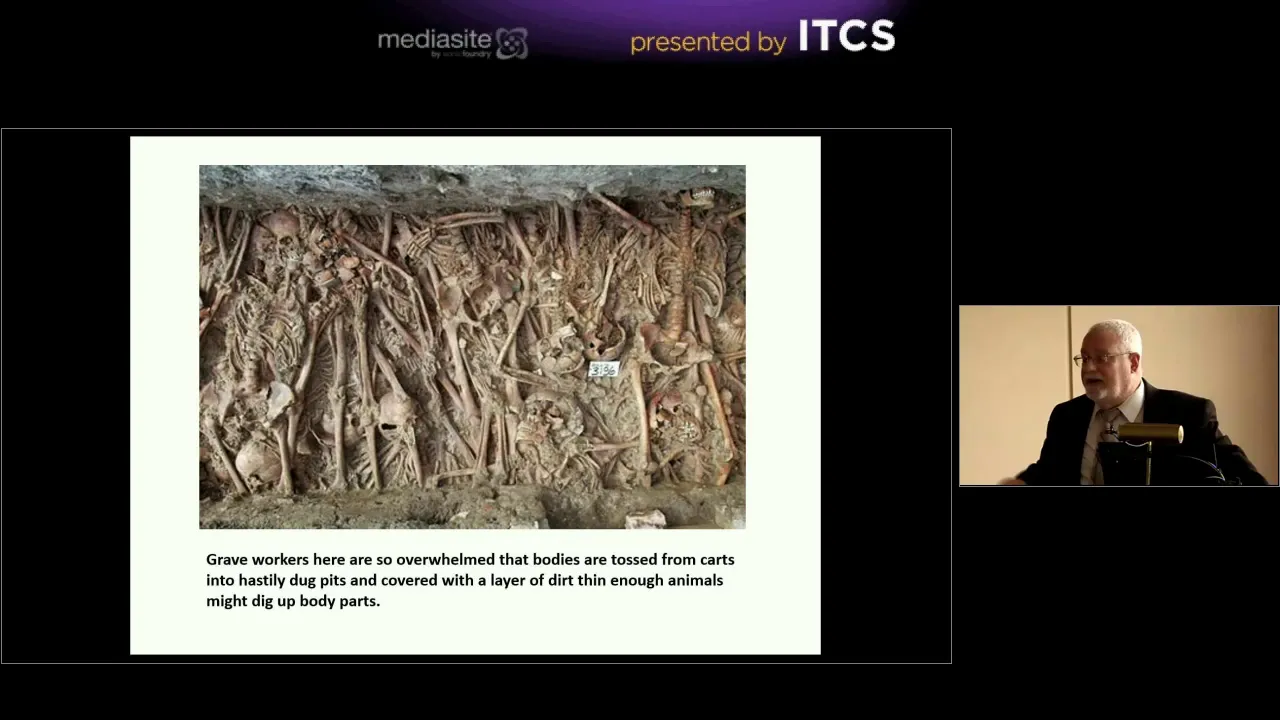
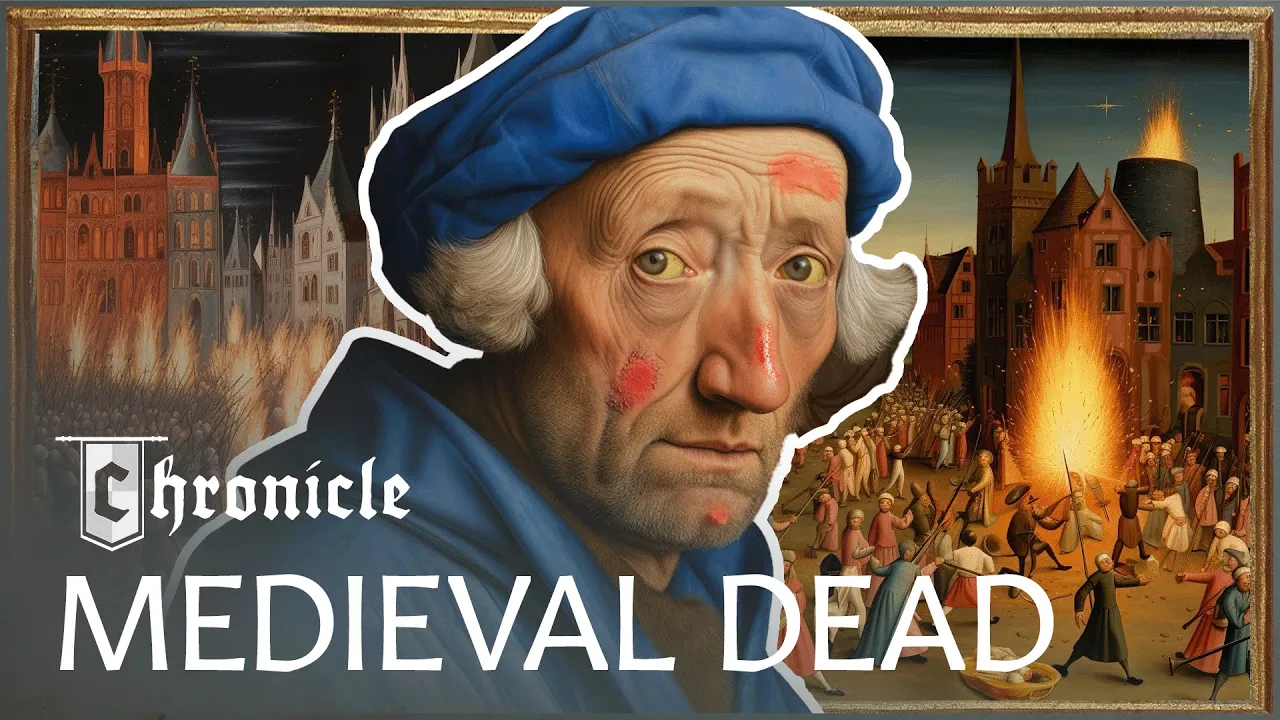






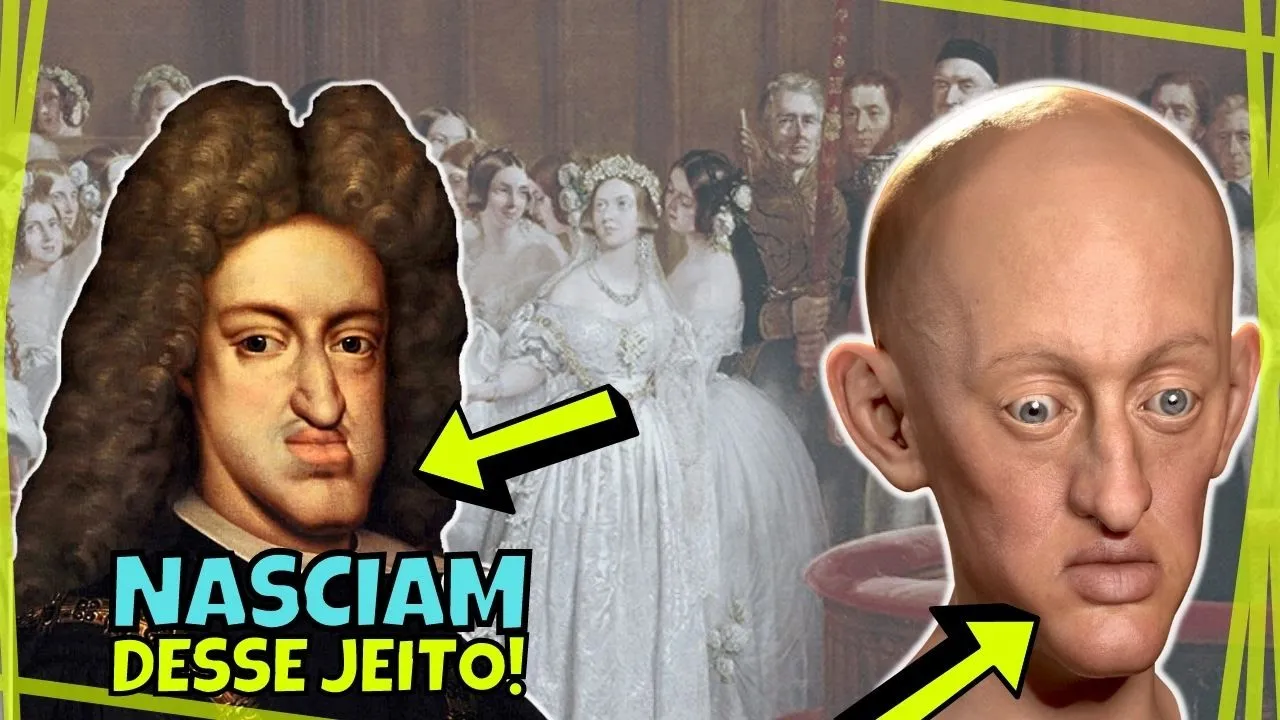
Throughout history, European royalty suffered from various diseases that were often linked to their lifestyles, genetics, or historical circumstances. Gout, historically called 'the king's disease,' affected King Henry VIII due to his rich diet and alcohol consumption. Leprosy struck King Baldwin IV of Jerusalem, who was diagnosed as a child and died in 1185. Mary Tudor, Henry VIII's daughter, earned the nickname 'Bloody Mary' for her brutal persecution of Protestants and died mysteriously in 1558. Alexander the Great died at age 32 in 323 BC, with modern research suggesting Guillain-Barré syndrome as the cause. Prince Albert, Queen Victoria's husband, died of typhoid fever in 1861 after suffering from a weak constitution. King Herod the Great died in 1st century BC from gangrene, likely caused by chronic kidney disease. The Habsburg jaw resulted from centuries of inbreeding in the Habsburg dynasty. Smallpox devastated the Aztec Empire, reducing the population from 30 million to 1.5 million in 100 years. Hemophilia became known as 'the royal disease' after Queen Victoria's spontaneous mutation spread it across European royal families. Louis XIV died in 1715 from gangrene that spread into his bones after he ignored his doctor's warnings.
Medical Anomalies Among European Royalty: A Historical Analysis
Added:hi it's Katrina number 10 the king's disease King Henry VII ruled England for 37 years he was the British king responsible for establishing England as a world power in the 16th century he was also totally erratic and unpredictable he broke away from the Catholic church and dramatically changed the religious atmosphere of England he dispelled wives like rotten chunks of cheese and suffered majorly from gout gout was considered the king's disease in the Middle Ages it's a type of arthritis particularly nasty among men suffered by millions every year and can be extremely uncomfortable it was originally considered the disease of the upper class because it was gained through copious amounts of eating and gluttonous consumption of alcohol big diets and large amounts of booze were not two things that Ordinary People could afford up until quite recently only Kings and royalty could pay to Gorge themselves and all the yummy things in the world and so they were the ones who would typically develop gout with all that junk and King Henry's system acid crystals filled his blood this led to his joints becoming horribly red and swollen and his feet becoming malformed from his inflamed joints it's such a painful thing that by the time he died on January 28 1547 he had suffered multiple spells of gout that had soured his mood and turned him violent and made me even a little crazy he weighed an estimated 400 pounds at his death and was so unhealthy he could barely move number nine king Baldwin IV of Jerusalem King Baldwin IV is known more casually as the leper King there is no easy way to say it King Baldwin was a leper leprosy is one of the worst diseases a person can get symptoms of leprosy include loss of feeling in the affected limbs a bizarre discoloring and a stony-like hardening of the skin as well as disgusting girl growths on the limbs hands feet and face if leprosy is allowed to progress unchecked it seeps into the skeleton and slowly rots the limbs until the body decays and the victim turns into a Walking Corpse it's like gangrene of the whole body and only gets worse until the person looks like an extra in The Walking Dead leprosy is still present today on almost every continent it is most notable in East Africa and has been around for at least three thousand years in the 12th century King Baldwin IV was the ruler of Christian Jerusalem at the time Christians believed leprosy wasn't any kind of medical sickness but a corruption caused by a sin like many things back then it was viewed as Divine punishment King Baldwin tried his best to hide his symptoms but he was diagnosed with Leprosy as a child and it was very difficult as time wore on he was born in 1161 became king in 1174 and fought bravely with his Crusader knights in the third Cruise said against Saladin of the iupid dynasty but he began to Decay by 1183. he had struggled with Leprosy his entire life and had no noticeable disfigurement but in 1185 was when things took a turn for the worse he developed skin ulcers and deformities of his face hands and feet he couldn't even blink anymore and so his corny is dried and he went blind he came down with a terrible fever and he slipped painfully into death number 8. Mary Tudor Mary Tudor was King Henry VII's only child with Catherine of Aragon to survive childhood he was so Furious that he never got a son from Catherine that he divorced her breaking ties with the Catholic church and married Anne Boleyn Instead This rendered Mary illegitimate to the throne but in 1553 Mary by playing her own personal Game of Thrones took the seat of power and became the first queen regent of England and Ireland she hated her father King Henry so badly that she decided to break away from the church of England he had created and returned to the Catholic church this resulted in the persecution and Slaughter of hundreds of Protestants Mary Tudor earned herself the nickname Bloody Mary for how violently brutal she was Mary became so notorious that her nickname became an urban legend and is still whispered in front of dark Mirrors by teenagers at sleepovers to this day her death was a little mysterious it All Began in 1558 after having endured several false pregnancies Mary was suffering from serious pain in her abdominal region and nobody could figure out what it was she experienced fever and shivering and ultimately succumbed to the mysterious illness on November 17 1558 nobody knows what disease took her so quickly although some have suggested it may have been uterine or ovarian cancer number 7. Alexander the Great Alexander the Great was the greatest conqueror the world has ever a scene when he was in his twenties he conquered the majority of the Known World fought his way from Macedonia into Egypt across the deserts of Arabia defeated the Persians and marched into India but sadly he died at the young age of 32 in the city of Babylon the year was 323 BC and historical accounts say that it took nearly a week for his body to begin to Decay this enforced the belief that Alexander was not a man or a king but a god at the time of his death his Empire included Egypt and every piece of land between the Balkans and Pakistan if he hadn't Fallen ill Alexander would have conquered India and maybe even gone on to unite the world under one rule but that never happened because Alexander was stricken by a mysterious ailment from out of nowhere after 12 days of unimaginable suffering he perished ever since his cause of death has been heavily debated some have guessed malaria death by mosquito some say he got typhoid and some say he was assassinated but according to Dr Catherine Hall from Dunedin school of medicine at the University of Otego Alexander died from a neurological disorder called gilan Beret syndrome or GBS Catherine says that the reason Alexander didn't Decay quickly was because he wasn't actually dead GBS is an autoimmune disorder that attacks healthy cells in the nervous system it's possible he contracted an infection from a bacterium which caused the GBS to ravage his body it beat him down for 12 days then paralyzed him for the six days that he didn't Decay Alexander may have Lane awake fully aware that everyone around him thought he was dead how do you think Alexander the Great died what do you think about this Theory let me know in the comments below and be sure to subscribe if you haven't already for more videos about amazing history number six Prince Albert Prince Albert had a weak Constitution he was a hypochondriac who suffered from depression and consistent illnesses he nearly died every time he caught a cold became tired easily after any physical exertion and frequently looked pale and exhausted according to his personal physician and advisor Baron stockmar Prince Albert had a delicate stomach and was prone to fits of somnolence well into adulthood even Queen Victoria Albert's wife wrote that he fell asleep on his first visit to England in 1836 and seemed totally incapable of staying awake too late at night Albert was plagued with anemia sore throats nosebleeds inflamed gums bouts of dizziness and brutal seasickness his physician warned in 1844 when Albert was only 25 that if he ever came down with a fever he would almost certainly die whatever he had didn't seem to affect him in one important area though since Victoria and Albert went on to have nine children together but in December of 1861 he came down with typhoid fever one of the worst fevers a person can get it ravaged him almost instantly to the point where he could hardly breathe and slowly drifted into death with Queen Victoria at his side losing her husband was such a traumatic Affair that Victoria stopped keeping her personal Journal even though she had written in it almost daily since she was just 13 years old her journal ended on the 14th of December of 1861. number five King herod's gangrene King Herod the Great was the ruler of Judea and the 1st Century BC these days he's most famous for commissioning some of the most important building projects in Judean history he renovated the second temple in Jerusalem expanded the Temple Mount constructed the port at cesarea maritima and built the fortresses of Masada and herodium but King Herod is also famous for appearing in the gospel of Matthew in the Bible in the Bible he's described as the evil ruler of Judea who orders a great Massacre of Innocence right around the time that Jesus was born historians say these events likely never occurred and nobody can agree on what really happened during his Reign some view his long years of rule as a great success and some say it was nothing but a tyrannical murderer something you may not know is that the death of King Herod was one of misery and pain texts from herod's last days of rule reveal that he was in significant Agony chroniclers say that he had intense itching painful intestinal issues convulsions breathlessness and worst of all gangrene in his private area this is all according to Jan Hershman a professor of medicine at the University of Washington and something of a history Enthusiast based on these symptoms alone Jan believes King Herod almost certainly died from chronic kidney disease which gave him a rare infection the infection caused his manhood to become gangrenous gangrene is defined as a loss of blood supply to a particular area which then causes that body tissue to die he lost all the blood going to his area which caused it to slowly rot and fall off historians previously believed that King Herod had a case of Gonorrhea that turned violent but now it looks like his painful demise was caused by kidney disease number four the Habsburg jaw the Habsburg jaw is a medical condition known more scientifically as mandibular prognathism the condition causes a person's lower jaw to protrude in a rather grotesque manner giving them a somewhat primitive appearance the reason it's called the Habsburg jaw is because the European royal family of the habsburgs became afflicted by it Following over 200 years of inbreeding and intermarriage the Habsburg dynasty was a family of Spanish and Austrian Kings they secured their influence across Mainland Europe through clever marriages and positioning certain family members in certain Royal houses they began doing this with Rudolph the first of Germany in 1273 and continued up until the war of Spanish succession in 1701. the very last Habsburg was Charles II of Spain who died in November of 7 700 he was so horribly unhealthy by being the product of centuries of inbreeding that he couldn't even sire a child of his own number three smallpox and the Aztecs in 1517 Hernan Cortes led the Spanish conquistadors into the capital of the Aztec empire the great city of tenoshtitlan Montezuma II the ruler of the Aztecs at that time made the Spanish feel welcome and everything was supposedly quite cordial but two years later the Spanish decided they didn't want to be friends anymore they began to conquer Mexico and by 1521 the ancient capital of the Aztecs was gone not gone but effectively destroyed the Spanish colony of New Spain rose up in its place and thus ended over ten thousand years of mesoamerica this is fairly common knowledge but what a lot of people don't know is that the reason for these sudden and dramatic end of the Aztec Empire was a disease a disease which in recent days has been making a comeback in America it's smallpox and it played a huge part when Hernan Cortes began his offensive against the Aztecs in 1519 there were about 30 million people living in the area of what is now Mexico 100 years later only about 1.5 million Aztecs remained history tells us that smallpox landed in the New World in Hispaniola a small island currently divided between two countries the Dominican Republic and Haiti smallpox is highly contagious and causes fever headaches vomiting extreme pain rash and then sores that cover the body these sores turn into abscesses that fill with fluid and pus and then they fall off to leave terrible scars some survive the disease but between 30 and 35 percent don't it took two years for smallpox to reach tennesseelan and before long it killed almost everyone by the time Hernan Cortes sees this City it was too weak from smallpox to fight back everyone was dying in the streets and even the King was dead number 2 hemophilia since the beginning of humanity people have been obsessed with blood nobody was quite sure what it did in ancient days but they knew you shouldn't lose too much of it it wasn't until around the days of World War II that doctors learned about a sickness a blood disorder called hemophilia it's a problem with the protein in the blood that prevents blood from clotting when a person gets cut what this means is that if you get a paper cut and are affected by hemophilia you could bleed to death that might be an extreme example but it paints a pretty clear picture of how hemophilia affects the human body Queen Victoria became the Queen of England in 1837 and she suffered from hemophilia but something strange happened inside Queen Victoria's body there was a spontaneous mutation her hemophilia transformed into something called hemophilia b a slightly different version than the original the mutation seemed to give the hemophilia the ability to pass on through the genes to her DC attendance her son Leopold had hemophilia her two daughters Alice and Beatrice were also carriers and then their children passed the hemophilia along when they married into the kingdoms of Spain and Russia three of Victoria's kids passed the blood disease on to seven of their own children although only four were carriers the Next Generation which was born in the early 1900s also suffered from hemophilia they weren't just carriers six of the children actually had it for this reason hemophilia is now called The Royal disease thanks to Queen Victoria her nine children and 42 grandchildren spread hemophilia across the European continent to almost every Royal house number one Louis XIV Louis XIV died in the great Palace of Versailles at around 8 15 in the morning on September 1st 1715 it was four days before his 77th birthday he had been the king of France for 72 years and to this day is one of the longest ruling monarchs in human history his death came swiftly after he got sick on August 10 1715 he returned from a hunting trip and experienced pain in his legs his doctor was worried because soon after black marks appeared a sign of gangrene he should have rested but he didn't and continued to go about his Royal duties even though he was 76 he could not slow himself down and by August 26th the gangrene had spread into his bones four days later he began to drift in and out of sleep and on the 1st of September he died from a horrible infection that had eaten his bones from the inside causing some of the most terrible pain imaginable thanks for watching which of these horribly disturbing afflictions do you think was the worst let me know your thoughts in the comments below and be sure to subscribe if you haven't already we've got lots more videos coming up bye
Up Next

The Siege and Fall of Tenochtitlan: Aztec-Spanish War, 1521
@KingsandGenerals
947.3K views•2018-10-14

The Great Schism of 1054: Causes and Consequences
@SacredCathedrals
113.5K views•2026-02-19

The Geopolitics of the Ukraine War and the Rise of Global Autocracy
@JordanHarbingerShow
468K views•2025-04-19

Understanding the Cold War: Superpower Conflicts and the Road to Détente
@OverSimplified
46.1M views•2019-01-24
Related Study Plans & Knowledge Roadmaps
Structured learning paths in History