






![APUSH Unit 1 REVIEW [Period 1: 1491-1607]—Everything You NEED to Know](https://i.ytimg.com/vi_webp/fTv4S1q7p_c/maxresdefault.webp)
![[일당백] 세계사를 바꾼 전염병들 / 문명과 질병 외 1부 : 페스트와 천연두](https://i.ytimg.com/vi/RhiYV9L6lyI/maxresdefault.jpg)

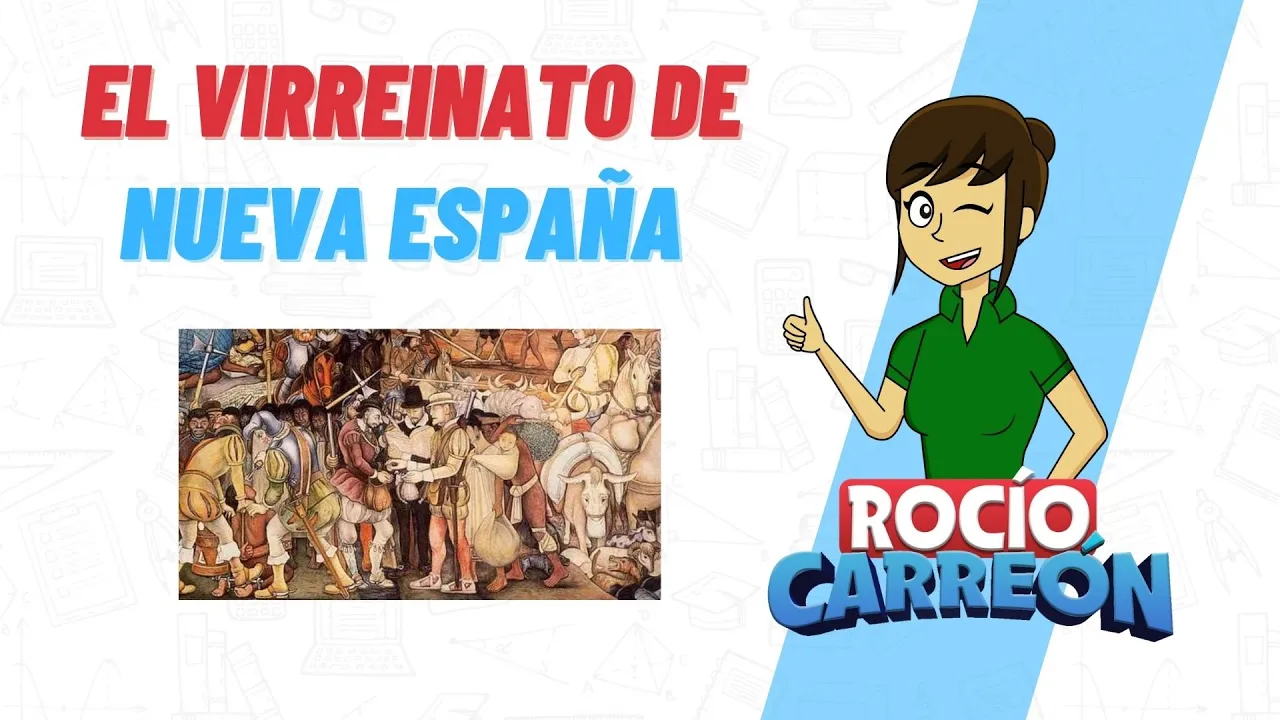



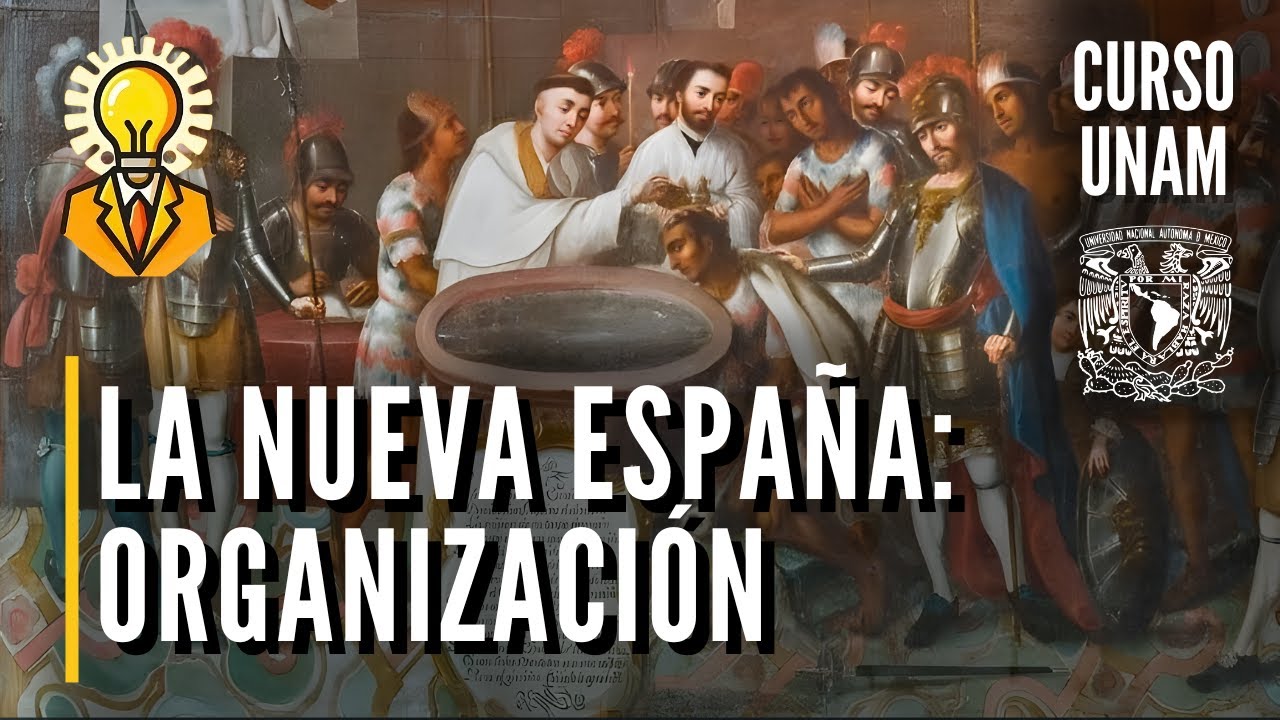



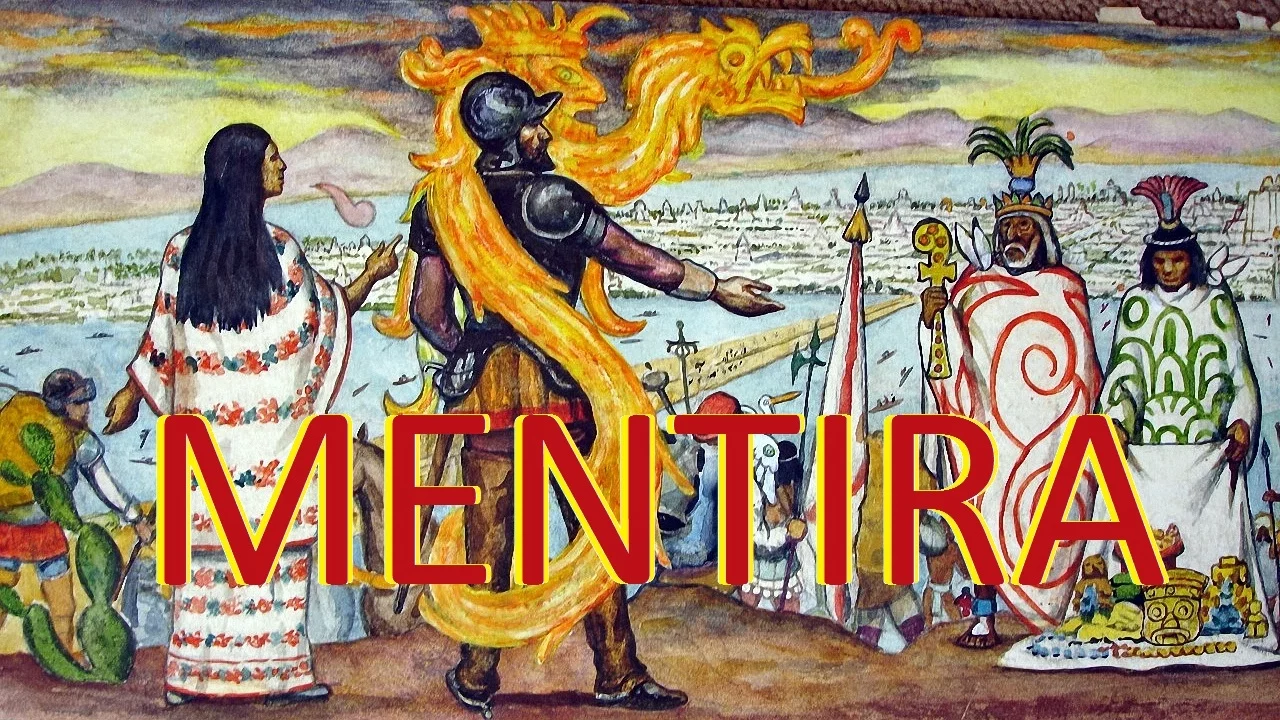


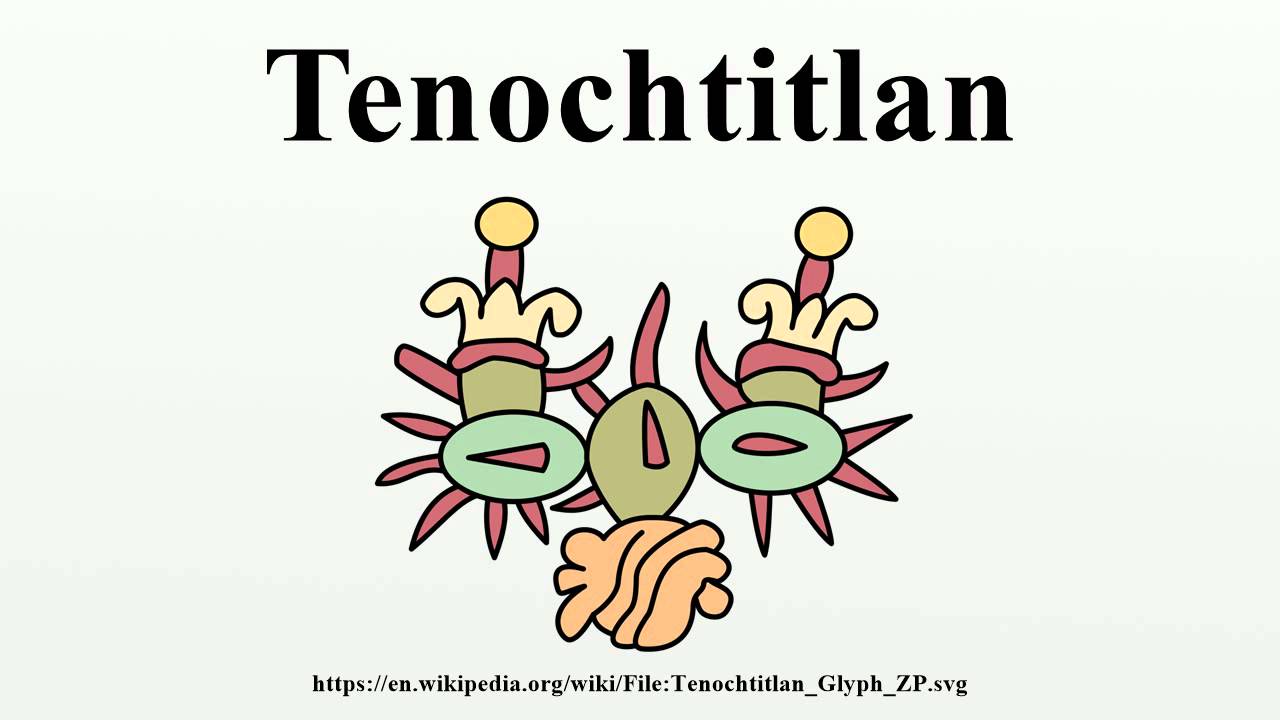
The Spanish conquest of Tenochtitlan (1521) was achieved through a combination of strategic siege warfare, exploitation of disease (smallpox killed 40% of the population), and indigenous alliances, culminating in the capture of Emperor Cuauhtémoc on August 13, 1521, which marked the end of the Aztec Empire and the beginning of Spanish colonial rule in Mexico.
The Siege and Fall of Tenochtitlan: Aztec-Spanish War, 1521
Added:The political structure of the Aztec Empire (Triple Alliance) and its system of extracting tribute, which created regional enemies like the Tlaxcalans.
The unique geography and engineering of Tenochtitlan, including its location on Lake Texcoco, causeways, and reliance on aqueducts.
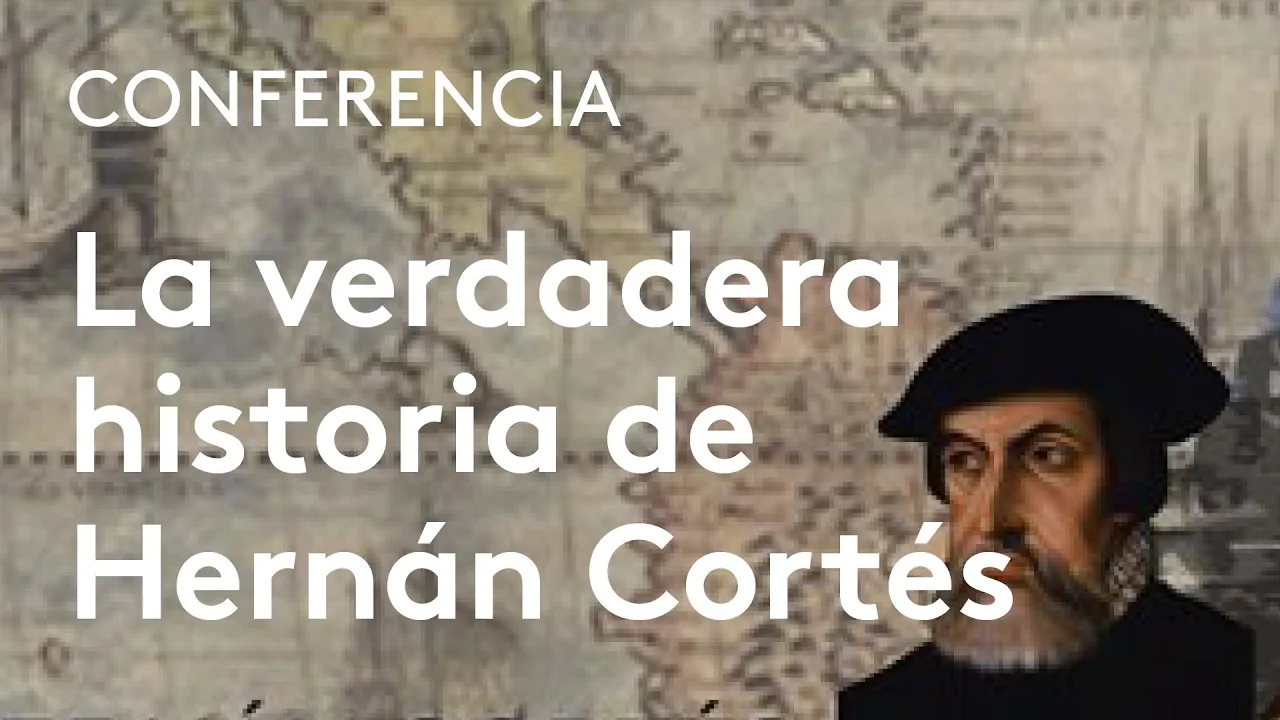
The initial encounters between Hernán Cortés and Moctezuma II, including the subsequent Spanish retreat during the 'La Noche Triste'.
The devastating role of European diseases, particularly smallpox, on populations lacking immunity in the Americas (the Columbian Exchange).
The establishment of the Viceroyalty of New Spain and the physical and cultural rebuilding of Tenochtitlan into colonial Mexico City.
The socio-economic systems imposed by the Spanish Crown, such as the Encomienda and Repartimiento systems of forced indigenous labor.
Historiographical analysis of the conquest, comparing Spanish sources (like Bernal Díaz del Castillo) with indigenous accounts (such as the Florentine Codex).
The global economic impact of Spanish silver extraction from the Americas, leading to the Price Revolution in Europe and expanded global trade networks.
947.3K views23.2Klikes15:00Original Release: 2018-10-14
Initially friendly, relationships between the Aztecs and the Spaniards became hostile, as the later took the emperor Moctezuma hostage and killed many local nobles.
But now the great city of Tenochtitlan is in open rebellion and the forces of Cortés are stuck in the middle of a hostile city.
Yet the Spanish conquistador has more tricks up his sleeve.
The bloody battle that will decide the fate of millions will soon reach its conclusion.
Rocks were flung into the building from nearby roofs and the Spaniards quarters were repeatedly set on fire.
Cortés sent Moctezuma to the roof of the building to beg for peace.
His own people pelted him with rocks.
The sources disagree here, but Moctezuma either died from his wounds caused by the rocks or was strangled by the conquistadors.
He no longer served a purpose.
The Spaniards noted that the Mexica did not fight at night.
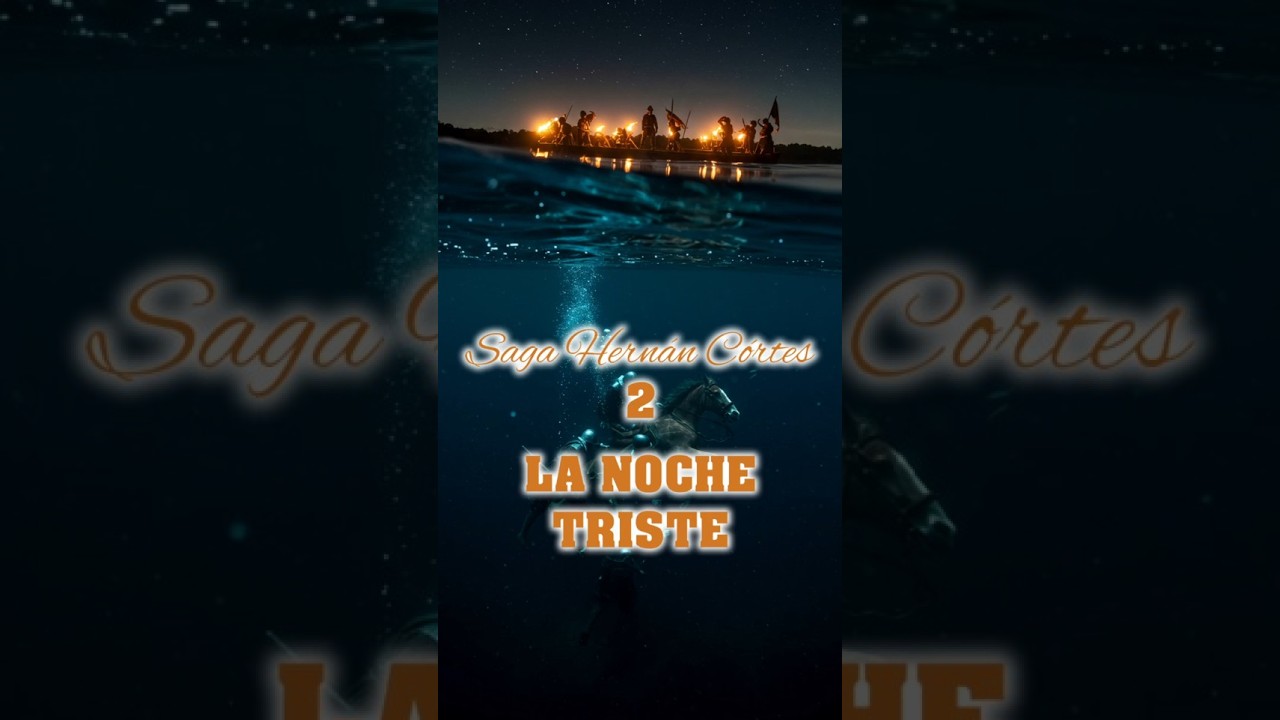
So, during a rainy night on the 1st of July 1520, later called the La Noche Triste, the Night of Sorrow, they attempted to flee.
As the bridges had been removed, Cortés' men constructed a portable bridge to cross.
Most of the expedition had crossed when they were spotted.
The drums of war on top of the great pyramid were sounded.
The retreat quickly turned into a panic.
The entire causeway was then under attack from innumerable canoes.
The bridge was broken.
Half the Spanish-Tlaxcalan army was thrashing in the water.
Many of the soldiers and the horses, the cannon and much of the gold was lost.
Bodies began to fill the gaps in the causeway and men had to run across their fallen comrades.
Cortés himself fell in the water, but was rescued.
The Spaniards eventually managed to crawl to the mainland.
During La Noche Triste ¾ of Cortés' men were lost.
It was the worst defeat suffered by Cortés.
His native allies lost thousands.
But he could still continue fighting and retreated to Tlaxcala to lick his wounds.
However, the Mexica could hardly celebrate.
Tenochtitlan was badly burned, 2 kings of the Triple Alliance were dead, and the nobility had been wiped out.
Cuitláhuac was quickly elected Emperor, and tried to organise further counter-attacks against the Spanish.
He offered a perpetual alliance to the Tlaxcala and this offer caused divides within the Tlaxcalan leadership.
However, another deadly weapon soon aided the Spaniards.
One of the men had smallpox.
Within a year 40% of Tenochtitlan succumbed to the disease along with its new Emperor Cuitáhuac.
Farmers lay dead in their fields, famine hit, and tributes stopped coming in.
Cuitláhuac was succeeded in Tenochtitlan by his cousin, Cuauhtémoc.
While he was being crowned, Cortés was planning something that hadn’t been seen in the region since the rise of the Mexica... a siege.
He would choke and and starve Tenochtitlan.
One by one the smallpox-weakened cities around Tenochtitlan fell fell to the Spanish-Tlaxcalan forces.
Soon Tenochtitlan and its neighbour, Tlatelolco, flooded with refugees from destroyed cities, stood alone.
With the city now surrounded Cortés began planing for a siege.
Using the now Spanish controlled Texcoco as an arsenal, the Spanish built 12 flat-bottomed brigantines.
Due to recent reinforcements the Spaniards numbered about 90 horsemen, 120 crossbowman and arquebusiers, and several hundred footmen, alongside 3 large and 15 small cannons.
According to the sources the number of native allies was anywhere from 50,000 to 500,000.
Cortés had more than enough allies for labour and fighting in the upcoming siege.
He organised his forces into four divisions.
One on the water and 3 land divisions, which would be captained by Pedro de Alvarado, Gonzalo de Sandoval, and Cristóbal de Olid.
Each had around around 30 horsemen, 14 crossbowmen and arquebusiers, along with 250 footmen, alongside thousands of native warriors and labourers.
Alvarado would assault via the Tlacopan causeway, Olid via Coyoacán causeway and Sandoval via the Iztapalapa causeway.
Cortés commanded the ships.
He knew that taking the causeways and securing water control were the only ways to take the city.
On the 22nd of May 1521 the captains left for their respective causeways.
Once in position, Alvarado cut the great aqueduct at Chapultepec, forcing the Mexica to drink from the few fresh sources within the city.
Cuauhtémoc had allowed the Spanish-Tlaxcalan forces to take up positions around the city without much of a fight.
He had learned that fighting the Spanish on open ground was far too disadvantageous.
On 1 June, the Spanish ships sailed out into the lake.
Reinforcing this armada were apparently 16,000 canoes under the Texcoco general, Ixtlilxochitl.
Cortés first used them to assault the Mexica intelligence centre at Tepeapulco.
From there smoke signals informed Tenochtitlan of the Spanish movements.
Thousands of war canoes launched from the canals in Tenochtitlan, smashed against the ships.
The overwhelming size and firepower of the brigantines proved too much and soon established dominance over the lake.
For the following weeks little progress was made.
By day the conquistadors tried to fight up the causeways towards the city.
War canoes on their flanks, wooden spikes planted in the causeway gaps, and thousands Mexica warriors hindered their progress.
Each day the Spaniards would withdraw back to their camps on the mainland.
Each morning they awoke to all their progress undone and new gaps dug.
In an attempt to break the stalemate, Cortés planned an assault with the goal of piercing deep into the city.
On the 10th of June he ordered Sandoval and Alvarado to fight as hard as possible up their causeways and move towards Axayacatl.
Cortés and Olid, with 200 infantry and thousands of natives marched from the Xoloc causeway with naval support on their flanks.
The fighting was heavy throughout the day.
Native allies worked furiously to fill the gaps in the causeway.
Ships rained fire down upon the defending warriors and canoes, and by the afternoon Cortés’ division had reached the Gate of the Eagle.
Cortés charged into a plaza and set up a large cannon and began to fire into the mass of Mexica warriors, challenging them.
They took control of the temple precinct rapidly, but soon the war drums atop the great pyramids sounded and it became clear that a great host of Mexica warriors were on the way.
By foot and canoes they swarmed the precinct and assaulted Cortés' division.
Cortés ordered a full retreat, leaving behind the cannon, which the Mexica pushed into the lake.
While retreating, Cortés ordered the men to burn as many buildings as possible, to remove cover from which the Mexica could fire down on them and to flatten the ground for cavalry.
Sandoval and Alvarado made progress up the causeway but could not push into the city.
While the assault failed it did change the mind of some neutral native city-states.
More allies began to join Cortés' cause.
With more native allies the work to fill in the canals could be done quicker.
Unsettled by Cortés' progress at filling in the causeway and pushing into the city, Cuauhtémoc ordered the bulk of his people into the precincts at Tlatelolco.
Cortés maintained this strategy of slowly filling in the causeways, moving inch by inch into the city, and burning and destroying what he could before retreating.
Patience was the key to victory not brash actions and recklessness.
De Alvarado, though could no longer wait.
He decided to take half of his cavalry and push forward up the causeway.
The charge broke the Mexica defenses and the Spaniards chased them into the city.
It was a trap.
Soon Spaniards were among houses, surrounded by a horde of warriors.
Their retreat was cut off by the canoes.
Pursued and trapped they had no choice but to try and wade through the water.
Some impaled themselves on spikes planted there, others were captured, and many others were chopped down by the Mexica.
Few managed to escape.
Cortés was furious and travelled across the Lake to personally scold Alvarado.
But after noting how far Alvarado had managed to get, he decided that a concentrated push to the Tlatelolco marketplace should be their goal.
Other factors were also pressuring Cortés to try more desperate measures.
Food and morale were getting low and the Mexica had learned how to attack the ships.
Numerous Spaniards had been dragged from the ships and some of them destroyed.
Control of the lake was now challenged.
On the 30th of June, Cortés pushed up the southern causeway in a massive assault and pushed into the city.
Then he divided his forces into three groups, each tasked with taking one road leading to the great marketplace in Tlatelolco.
De Alderete’s group made rapid progress towards the marketplace, shoddily filling in gaps over canals as they went.
As they neared the marketplace the Mexica sprung an ambush and the Spaniards were forced to retreat across the hastily filled canals.
But their bridge was too narrow.
Cortés hearing of the disaster rode to assist.
The fighting was so chaotic that all Cortés could do was pull drowning men from the water, but most of them were being pull up from the other side by the Mexica warriors and dragged off.
In the chaos Cortés was seized by the Mexica and only the quick actions of his footman, who sacrificed himself, saved him.
A few dozen Spaniards and thousands of native allies had died in the fighting with dozens of Spaniards taken alive.
the conquistadors could see their comrades dragged up the pyramids in the city and their hearts offered to the gods.
This completely demoralized the conquistadors and their allies.
But that soon changed: A Spanish ship had docked nearby, bringing crossbows, horses, and desperately needed gunpowder.
The bitter back and forth started again, with the filling of the canals and the fighting on the causeways.
It seemed however, that with each passing night the Mexica rebuilt less and less.
By now the city was suffering from extreme starvation and the people were forced to drink the salty lake water.
Now Cortés was able to make permanent progress into the city.
The allies who were used to fill the gaps, now served as warriors.
During the final days of July, the Spanish instigated a series of surges into the city that pushed the Mexica further into the Tlatelolco marketplace and surrounding precincts.
On 27 July, Alvarado finally pushed into the marketplace and killed those left defending it.
Cuauhtémoc’s last-ditch effort to push back the Spaniards was to elect a sacred quetzal-owl warrior.
Placed in a ceremonial costume, covered with resplendent feathers and made to look massive by way of wooden frames, this warrior scared the Spaniards.
Pushing through, this warrior is said to have captured three men at once and dragged them to Cuauhtémoc for immediate sacrifice.
The Spaniards began to withdraw and Mexica morale increased as the quetzal-owl pushed further.
But this final act of valour could not turn the tide of the siege.
As reported by the native sources, the warrior dropped from a terrace never to be seen again.
The Mexica could fight no more.
Starvation had wrecked the city, disease had taken hold, and women and children were filling the ranks of the Mexica army.
Cuauhtémoc knew the city was lost.
Alvarado’s men pushed into the final holdout in Tlatelolco on the 13th August.
There they caught Cuauhtémoc in a canoe, hoping to flee the city, to raise the Mexica banner elsewhere.
After he was seized, Tenochtitlan fell silent for the first time in two and a half months.
A great city lay in ashes and the Aztec Empire was at an end, but modern Mexico had just been born.
Gold and silver flowed back into Spain along with what are now modern food staples, such as corn, chocolate, vanilla, and chili.
The Conquest of Mexico saw the first great meeting between the Old and New Worlds and the events that took place during it changed the fates of both worlds forever.
Thank you for watching the last episode in our series on the Aztec civilization.
We are planning to move to other regions, so make sure you are subscribed to our channel and pressed the bell button.
We would like to express our gratitude to our Patreon supporters and channel members who make the creation of our videos possible.
Now, you can also support us by buying our merchandise via the link the description.
This is the Kings and Generals channel, and we will catch you on the next one.
Up Next

115:32
The Fall of Tenochtitlan: The Aztec Empire's Collapse in 93 Days
@darkhistoryclass
7.1K views•2025-10-30

33:02
The Great Schism of 1054: Causes and Consequences
@SacredCathedrals
113.5K views•2026-02-19
19:41
The Great Schism: Catholic-Orthodox Rivalry in Medieval Christianity
@KingsandGenerals
2.6M views•2020-02-06
17:05
Understanding the Cold War: Superpower Conflicts and the Road to Détente
@OverSimplified
46.1M views•2019-01-24
Related Study Plans & Knowledge Roadmaps
Structured learning paths in History
history
Byzantine Iconoclasm: Theology, Art & Politics
01Foundations of Byzantium and Early Christian Images
02The First Iconoclasm: Leo III and the Crisis of Images
03Empress Irene, Nicaea II, and the Second Iconoclasm
+ 2 more learning modules
9h5 modules
Explore Roadmap
history
Iranian Revolution (Causes, Events & Legacy)
01The Pahlavi Dynasty and the Roots of Discontent
02The Spark of Rebellion and the Rise of Khomeini
031979: The Fall of the Shah and the Climax of the Revolution
+ 2 more learning modules
8h5 modules
Explore Roadmap
history
Mali Empire: Mansa Musa, Trade & Timbuktu
01Foundations of the Mali Empire
02The Trans-Saharan Gold and Salt Trade
03The Reign and Pilgrimage of Mansa Musa
+ 1 more learning modules
6h4 modules
Explore Roadmap
history
1947 Partition: Politics, Borders & Legacies
01Foundations of British India and the Divide
02The Political Negotiations and the Mountbatten Plan
03Drawing the Boundary: The Radcliffe Line
+ 2 more learning modules
8h5 modules
Explore Roadmap