











![[Full Session] Cannon's Class with KRS ONE | Nick Cannon](https://i.ytimg.com/vi_webp/wcxroujFPN0/maxresdefault.webp)





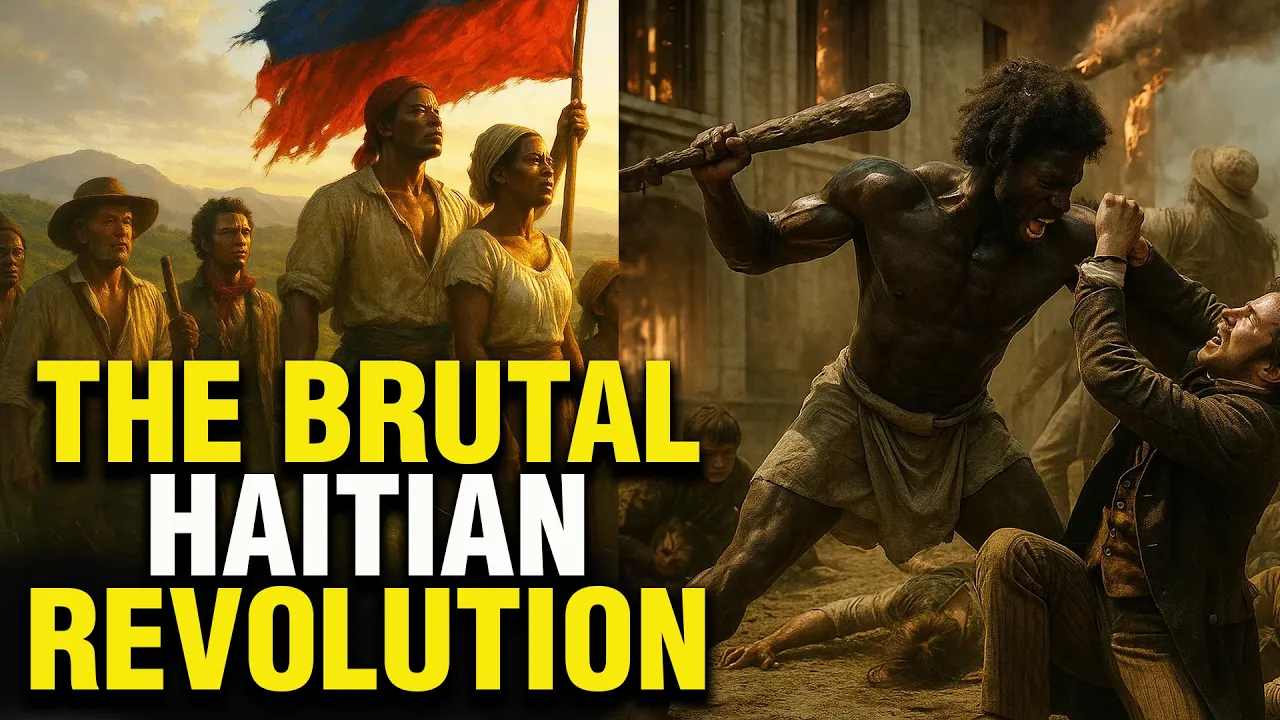
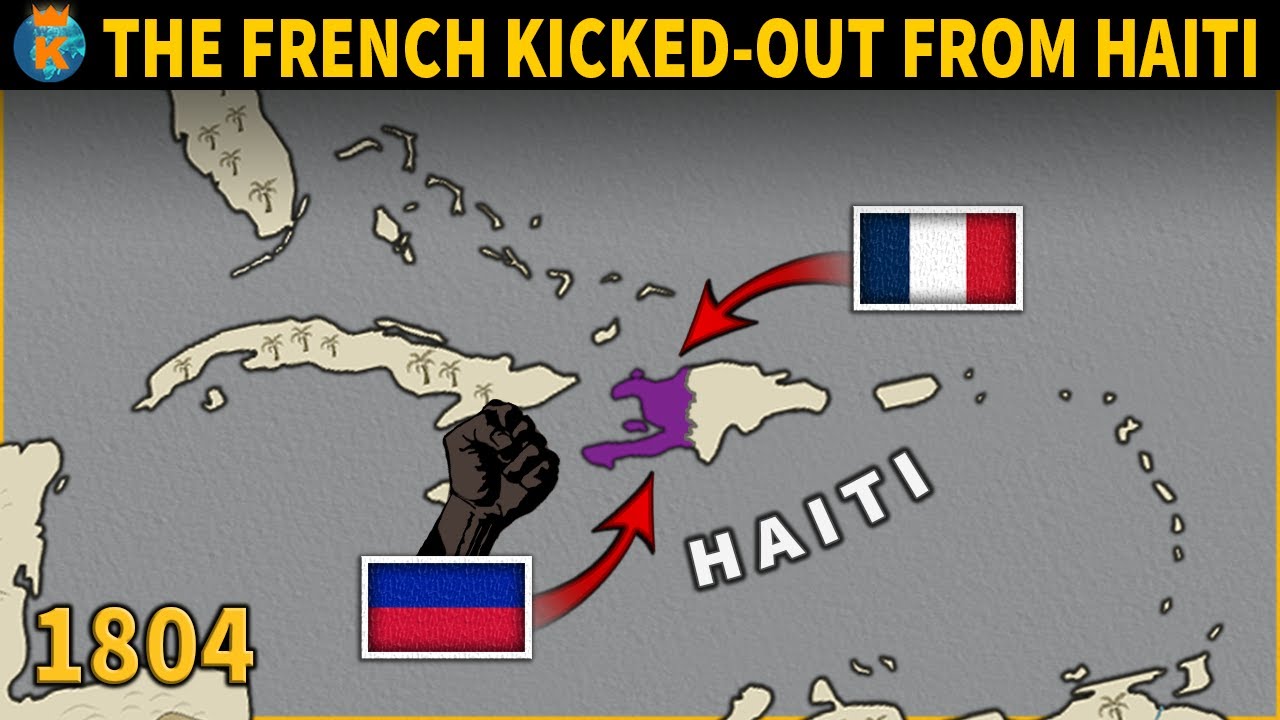
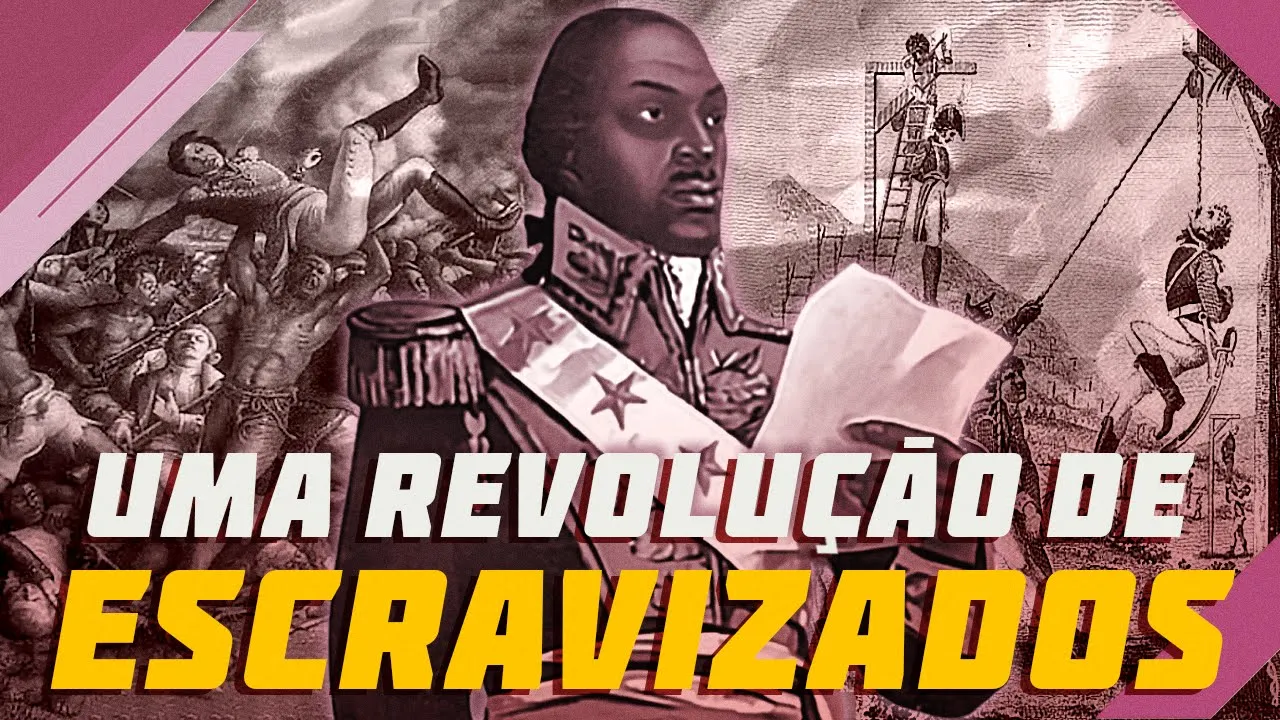
The Boukman Rebellion, led by Dutty Boukman—a literate Jamaican slave who served as a slave overseer in Haiti—marked a pivotal moment in the Haitian Revolution, demonstrating how educated enslaved individuals could organize and inspire collective resistance against colonial oppression, ultimately contributing to Haiti becoming the world's first black republic in 1804.
Boukman Rebellion and the Haitian Revolution: A Historical Analysis
Added:The social hierarchy of Saint-Domingue, including the divisions between Grand Blancs, Petit Blancs, Gens de Couleur Libres, and the enslaved population.
The core principles and global impact of the French Revolution (1789), specifically how the Declaration of the Rights of Man influenced French colonies.
The economics of the transatlantic slave trade and the brutal nature of the sugar plantation system in the Caribbean.
The basic tenets and cultural significance of Haitian Vodou as a spiritual and unifying force for resistance among enslaved people.
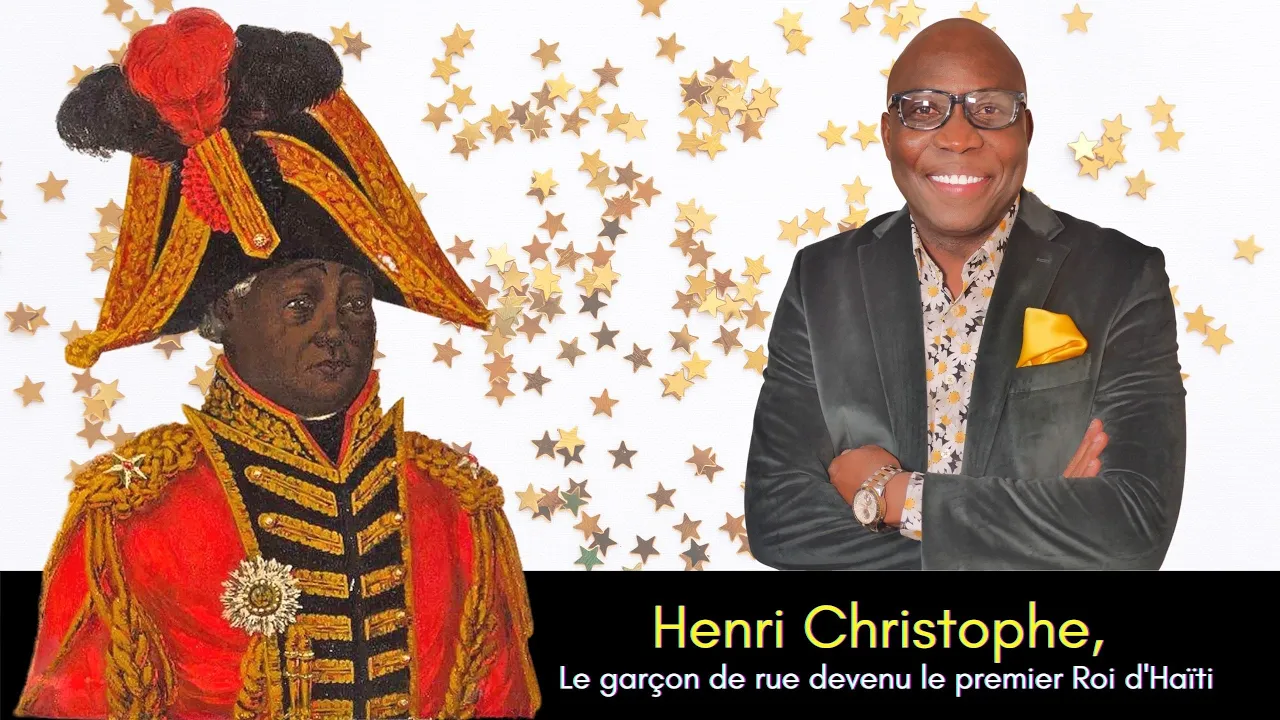
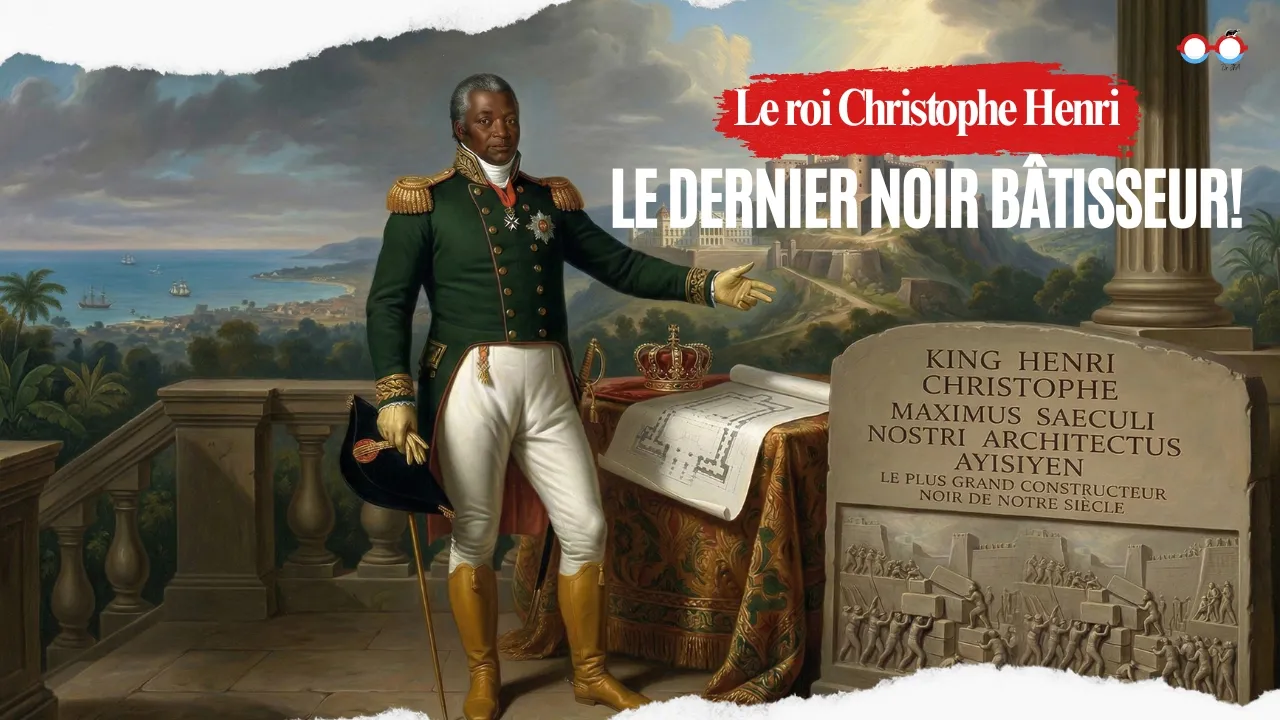
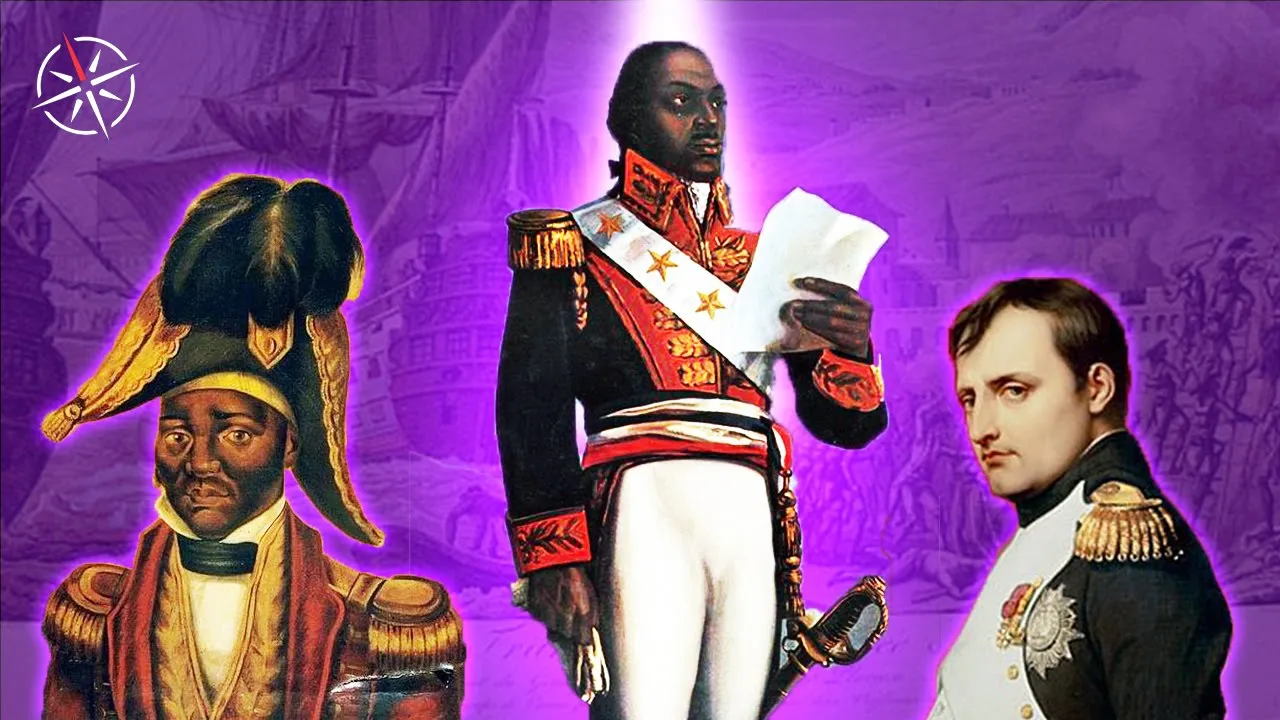
The military and political leadership of Toussaint Louverture, Jean-Jacques Dessalines, and Henri Christophe in achieving final victory and declaring independence in 1804.
The geopolitical consequences of the Haitian Revolution, including the sale of the Louisiana Territory by France to the United States.
The long-term economic challenges faced by post-independence Haiti, particularly the devastating indemnity demanded by France in 1825 for international recognition.
A comparative analysis of the Haitian, American, and French Revolutions, evaluating how each defined 'universal' human rights and liberty.
17.3K views1.1Klikes17:25Original Release: 2020-06-23
[Music] I love weevils slaw I remember Zell and sassy this yam shaman went and today we are going to be talking about The Bookman a rebellion and I thought it was very very fitting for these times because if you are Haitian and you are watching this you probably never even heard of Bookman or haven't heard much about him and I thought it'd be very very important not only to tell my Haitian people but to educate those of you who aren't patient but about the Haitian Revolution especially during these times our nation and you're watching this you've probably never really heard a book one or heard little to nothing about him because a lot of Haiti's history especially regarding the Revolution is buried very very deep and wasn't really recorded as well as other historical events that happen in history please keep in mind that a lot of Caribbean history in particular is a very very uh how many I say not true like it's crazy like I actually just found out that a lot of the native people that were on the Caribbean islands actually were not like Indian they weren't Indian people they were actually black indigenous people that's far whole another time let me know if you guys want a video on that but that shit's crazy I'm currently still doing my research on that but nonetheless I'm sure you guys have heard of twisting bluesy cheer just like this all in and that's usually you know the extent of it you know they deal again they let the revolution book one always has you know that small little you know that then little part but no one really talks about him as a whole what we get started this is information that I have gotten to grow enough as well as some information that I had to look up there will be more information in the description or in the pink comment down below also make sure you get my merchandise okay we got Haitian merch it ain't much but it's something make sure you go buy something to support I greatly appreciate it also the winners for my giveaway were contacted now what led me to really look it's a boom on was booked one experience if you guys do not know they make the song that I just danced to an intro and I'm always like the my mom has always listened to them when I was growing up and they are known for the song that everybody loves okay well can't fossil Dillo there okay everybody like everybody loves that's fun and I never understood like what the hell is a Pokemon experience like I never got where their name came from so one day I looked it up and I was absolutely fascinated the next occasion literature I learned more about their very fitting video for the times and people should definitely be educated on Hades revolution numerous rebellions and you know everything that led it to be the first black Republic of the world that we know today now boat one was a Jamaican slave sold by his English slave master to a French slave master in Haiti you guys are probably wondering like why is his name book or like what is it one honestly I had to look this up because I like that why is it they Bookman apparently he gets the name Bookman as book man yes literally book man that's illiterate that's literally what it is so it crayon Buckland and basically they called them book one because he was a very well educated slave when I'm telling ya like he could read he could write that extensive knowledge in his back pocket just because he was thought to actually be educated or come from a really wealthy well-known family in Congo before he was shipped over to Jamaica and then Haiti also had the job at a slave overseer or what is another word for it they call it slave driver or a commander which was basically a slave that was put in Tyre to all the other slaves and yeah he also wasn't known to be a really nice commander but nonetheless this position helped him basically bridge the gap between different slaves different plantations he was able to communicate he was able to gather people around he was able to sneak people in and out of [ __ ] so that is basically how he conjured up his people how contrary to popular belief Haiti had a lot of different rebellions I know a lot of people would like to push the narrative of all the Haitian slaves revolt and they got their independence and the story we - it that's it listen the Haitian slaves were rebelling for so damn long like yo there is so many different rebellions populational was alway in 1676 beyond our independence in 1804 so the slaves really were not having it like they were really trying I mean they kept failing but eventually they didn't succeed one of the many or it rebellions and successful ones was headed by Bookman now I know you guys would definitely know about this famous photo that mostly a lot of nation people actually have in their house which is a photo of basically Haitians dancing around the fire and blase blase this is said to be an actual event that took place in LA Cayman comma Y comma I think I'm saying that right y'all this please excuse all the pronunciations in this video because I'm Safi Co came but basically during this it is alleged and I say alleged because it is also alleged at book one was a Oman that he practiced voodoo believe what you want to but like I said this is alleged but this picture is always said to be a photo of a slave meeting / voodoo ceremony take the situation where there was also a mambo there which is a female Buddha priestess and she took a knife she cut the neck of a pig I believe it was a black pig and they drunk the blood of this pig and yeah they all swore to kill all the white people on the island you heard that right so after this they literally they did what they were supposed to okay they went out and they started slinging the white people in their sleep like every night like they were out here knocking on door [ __ ] barely knocking on doors killing all the white people on the island you can imagine people worshipped people were scared people were like oh my god like how could this happen and most importantly everyone around the world was basically looking at Haiti as one of threat and to a bunch of savages that were heartless but to give you some context you need to understand the state that Haiti was in Haiti was definitely like one of the worst better get the Caribbean of the whole was the worst when it came to slavery they were importing more slaves into the Caribbean Haiti a particular than any other part in the Caribbean they were estimated to import at least 30 thousand slaves grow thirty thousand slaves per year 280 alone because they clearly killed the people's our natives on the island and they were treating these slaves so badly that they just kept dying and needed a way to quickly reciprocate that also keep in mind that a lot of these slave masters did not okay I repeat did not actually live in Haiti at all a lot of them came from France came from Spain came from this back to third and just owned land in Haiti and just learned on a piece of the [ __ ] thigh okay it was new land they could afford it it was like oh you know let me get some land and a lot of time the slaves were alone and not only where the slaves mad at the white people they were also mad at each other because keep in mind not only were there black slaves that were enslaved there were a lot of slaves not the mulatto class although they did have certain bits of freedom they were all that free and ain't get no types of [ __ ] respect whatsoever okay they were also actually forced to enlist and I don't know how to say it but a marshal says mushroom seeds were basically forced to join the muscles use for force to enter a three-year term with the Marshall shoes which was based we a police force type of situation that would capture the slaves okay they would capture the slaves and punish them to do whatever that hell had to be done in the mulattoes were basically forced to enlist as soon as they became like adult legal adult whatever that was at the time and you know a lot of you are probably sitting there alone oh it was only three years it's not that bad no no no no no after that they were forced to enlist in the local militia okay their local militia where they had to serve for free with no [ __ ] compensations so yeah well I didn't have it too sweet either okay not only that of course okay I have to mention some of them did treat this ladies bad because they felt like they had an upper hand because they were half black half white but again they weren't being treated fairly either so everyone just hated everyone and everyone was mainly fed up with the white people I genuinely think that the way these white people were treating the slaves the mulatos and everyone else on the island literally warranted this type of behavior can't literally kill off everyone this fast this quickly and this horribly and expect the slaves to be compliant especially when they outnumber you like what your thoughts on a fit a woman is usually quoted alongside other leaders of slave rebellions and particularly paparizou who led a celebrity lien near port dick pop hope I'm saying that right 1676 after killing his own slave master and led about 25 or more plus slaves to killing other local slave masters later on captured and killed by pirates and you know that was the end of that however of course news did travel and it did still and still some type of inspiration in slaves that were still being mistreated next you have some swap markandel now he is a very interesting know figure okay he also had a few slave rebellions he also led a sling that it really go off to well because of one of his followers who was also a slave was captured and tortured where she basically gave up all the information and said you know hey yeah we are planning a rebellion it's from from swab it was a hot aspects okay but is slave rebellion consisted of basically poisoning all the white masters in Haiti so this wasn't as brutal but it was a really good plan you know especially cuz they definitely had lots of slaves living in the houses so it's not gonna be that hard to slip some poison her neck and kill a [ __ ] okay what his plan was but it didn't really follow through there his death yes I say death is said to believe that you know Heber really died yes there is a legend that goes around that his soul basically escaped as a mom or some sort of insect Lina said that his soul escaped the flames and now he his spirit roams around eighty to this day which is very interesting to me but I mean nothing new Haitians have been like this back then they will be like that down they see it's a really exaggerated stories but you know in order to really really make the slaves believe and discourage them from doing anything like that again they definitely you know cut his head off and put it like on a pole whatever for display for everyone to see so you know that was that but that did not stop the Haitian slaves from rebelling now if you talk to most Haitians they will tell you that Haiti used to do in order to yeah gained its independence but I mean that is up to your interpretation comment down below of what do you think do you think Haiti use do do do you think it was a whole bunch of trial and error because it wasn't just one situation but it is interesting to note that you know one was the one master the most successful ones and then you know said if you cheer etc but listen this is up to your interpretation I don't know if I believe it or not I believe they really worked hard and they deserved it but at the same time maybe they did have help from their African deities and ancestors and even if that was the case I mean however at least see the problem with it to be go ahead on as we do Oakland and his people were literally killing all the white people on all these plantations and then setting the plantations on fire now you guys are probably a lot would they do that because they're gonna need it after their free thing is the only reason he was that profitable for real thorough and still kind of business because at the time Haiti was like the mass producer of sugar whole bunch of other crops and that was literally what made Haiti really really lucrative there's also set to be gold on the island there's like so many resources that maybe has that's made it a really targeted place especially for white people okay as you guys know America did have its long-term malicious stay and needy as well and they continue to suck out me these resources with that for another video actually yeah Oakland was captured by the French and killed but you know it's crazy because there's a lot of conflicting stories a lot of people do not believe us although a lot of people believe that he was actually a slave master he was actually an accomplice to the slave masters and he actually did not treat the slaves well and he only controlled them with voodoo and that's why they actually went through with it it depends on who you ask there's a lot of people who'll say that the Haitian Revolution was absolutely demonic it was spearheaded with black magic envy do it it is not something that should be celebrated however most Haitians you come across are very very happy about what their ancestors were able to accomplish honor their ancestors brothers and sisters all of the time I'll keep in mind the mulatos the blacks in a small talk white people actually help during all of these rebellions and was not displayed people the Haitians had a lot of health and none of it would have been possible without everyone that helped allows we're able to come together the blacks were able to come together some white team able to come together anyone who felt that they were treated unjustly from the French and all the other whites okay the elite whites on the island we're not playing no games okay they wanted their revenge and most of all they wanted their freedom believe that they built the island and technically they really did they believed that they put in all the hard work and the effort while they just sat back beat them abuse them ridiculed them and really didn't even inhabit the island for most of the time so they believed that they should take back what is theirs because they were the ones that again built the island a lot of people always ask me if I agree with the massacre of all of these innocent whites and I'm just like honestly this is the problem with people and this is not even just way from what people in general need to learn to stay in their [ __ ] lane to learn so at least if you go we'll take so it treated correctly they need to learn that you need to treat people with human dignity and respect and that's all I'm gonna say even though Haiti has accomplished a lot of things as you know Haiti's current state is a lot of craziness even though there are some great parts there are some rich prisoners some rich people that are supportive people there's all types of people please don't believe what CNN Fox and ABC etc tells you because the media is a lot more beautiful and a lot more lucrative than people think it's very interesting that even right after all of this he was not able to come together literally right after the Revolution after Susan levy cheered the Haiti of the north and the south was set yes he was actually split into two different countries but again that is for a whole nother video Haitians I've never really been able to get along and that's why I always say you know as black people we need to fix ourselves we need to look within ourselves if we want change because you could do anything you want the the Haitians there kicked out all the white people on the island and they still couldn't get along he still had lots of colorism Haiti still has political issues Haiti still has this that in the 3rd so it's like honestly our problem is not realistically white people a lot of it is already ingrained within us a lot of us already suffered from PTSD from slavery from segregation and other traumatic issues and a lot of us have just have a lot of negative and detrimental ideologies engrained into us which is going to stop us from advancing in life and until we realize this nothing's going to change comment down below do you think about the one rebellion or the Haitian Revolution as a whole have you heard about any of the information that I stated and of this video where is this new to you will you look more into it make sure you go down in the description or in the link comment down below cuz I have a lot of other resources that you guys could look into to get more information with that being said make sure you like share and subscribe Zulu all that and on the see y'all next time [Music]
Up Next

37:48
Haitian Revolution Overview: Origins of the Uprising | Mike Duncan
@khwarezmid1399
31.4K views•2018-06-01

33:02
The Great Schism of 1054: Causes and Consequences
@SacredCathedrals
113.5K views•2026-02-19
91:57
The Geopolitics of the Ukraine War and the Rise of Global Autocracy
@JordanHarbingerShow
468K views•2025-04-19
17:05
Understanding the Cold War: Superpower Conflicts and the Road to Détente
@OverSimplified
46.1M views•2019-01-24
Related Study Plans & Knowledge Roadmaps
Structured learning paths in History
history
Byzantine Iconoclasm: Theology, Art & Politics
01Foundations of Byzantium and Early Christian Images
02The First Iconoclasm: Leo III and the Crisis of Images
03Empress Irene, Nicaea II, and the Second Iconoclasm
+ 2 more learning modules
9h5 modules
Explore Roadmap
history
Iranian Revolution (Causes, Events & Legacy)
01The Pahlavi Dynasty and the Roots of Discontent
02The Spark of Rebellion and the Rise of Khomeini
031979: The Fall of the Shah and the Climax of the Revolution
+ 2 more learning modules
8h5 modules
Explore Roadmap
history
Mali Empire: Mansa Musa, Trade & Timbuktu
01Foundations of the Mali Empire
02The Trans-Saharan Gold and Salt Trade
03The Reign and Pilgrimage of Mansa Musa
+ 1 more learning modules
6h4 modules
Explore Roadmap
history
1947 Partition: Politics, Borders & Legacies
01Foundations of British India and the Divide
02The Political Negotiations and the Mountbatten Plan
03Drawing the Boundary: The Radcliffe Line
+ 2 more learning modules
8h5 modules
Explore Roadmap