











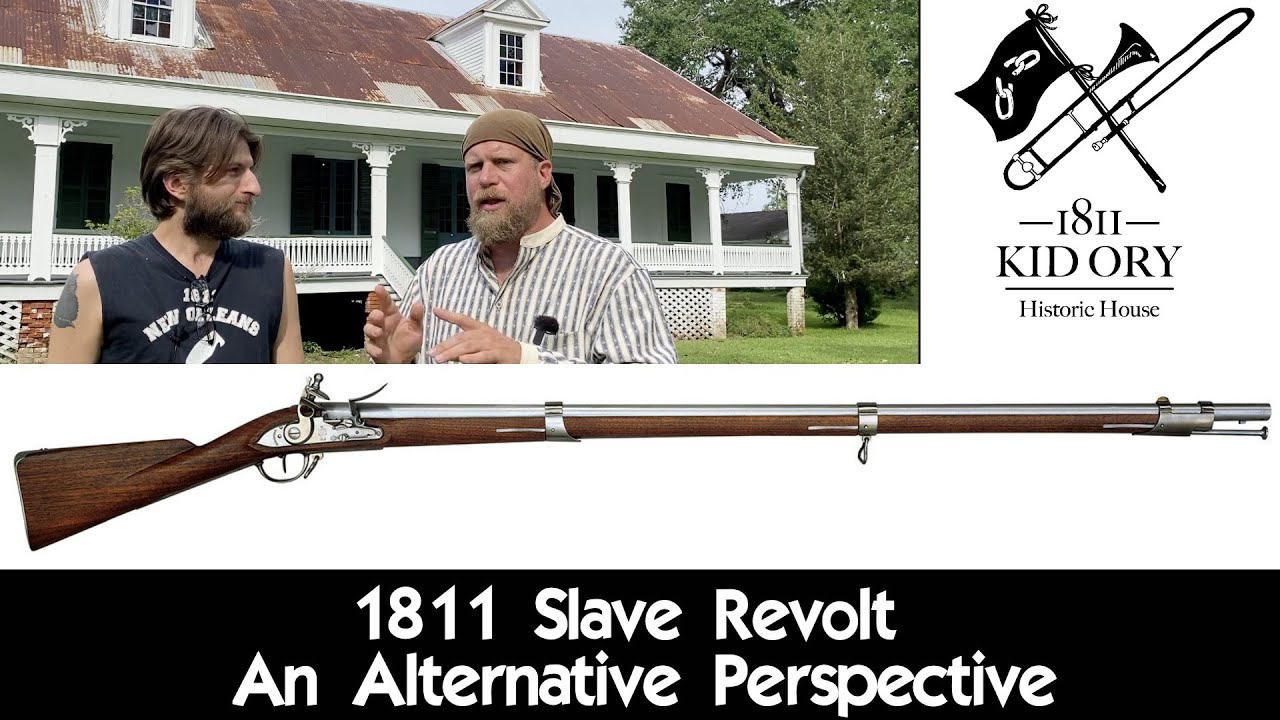


The Louisiana Rebellion of 1811, also known as the German Coast Uprising, was the largest slave revolt in American history, led by Charles Deslondes, a mixed-race slave driver inspired by the Haitian Revolution; this uprising, which involved hundreds of enslaved people marching from the German Coast toward New Orleans, demonstrated how the success of the Haitian Revolution fundamentally influenced slave resistance in the United States and contributed to the Louisiana Purchase by prompting Napoleon to sell the territory to the U.S. government.
The 1811 German Coast Uprising: America's Largest Slave Revolt
Added:The geopolitical impact of the 1803 Louisiana Purchase and the transition of the territory from French/Spanish colonial administration to American governance.
The influence of the Haitian Revolution (1791–1804), which served as both an inspiration for enslaved rebels and a source of intense anxiety for white slaveholders in the American South.
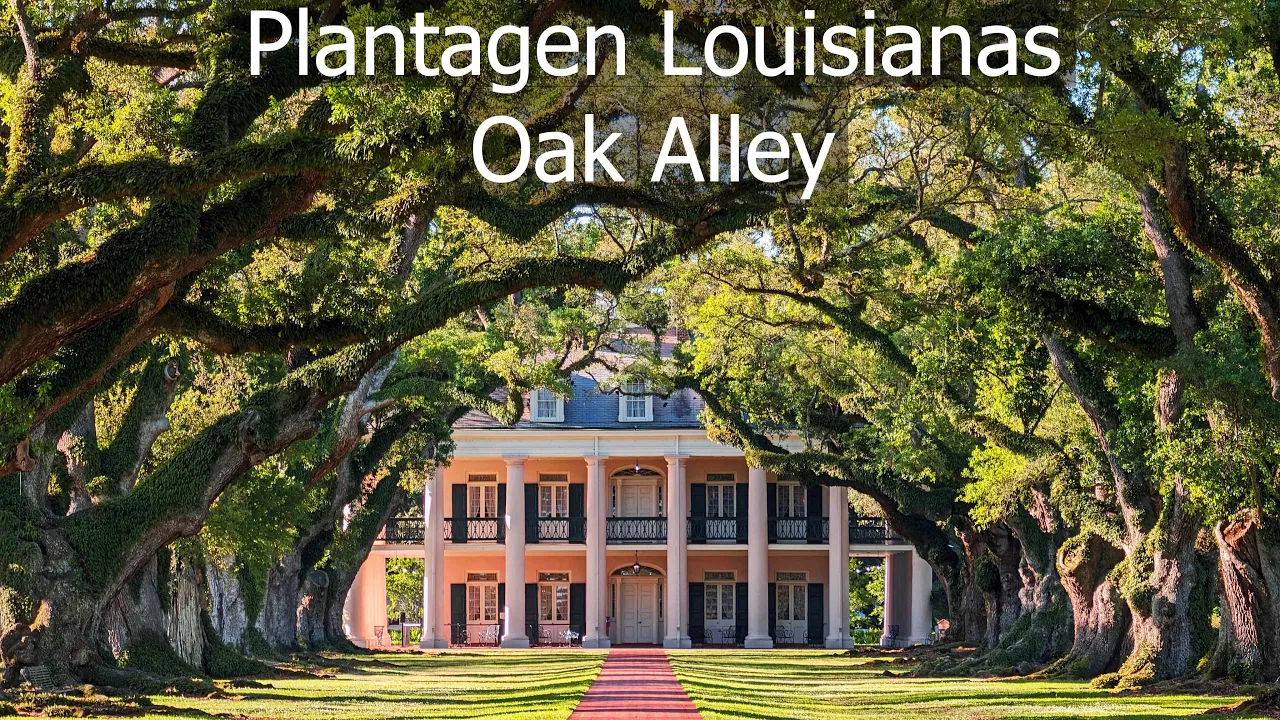
The socio-economic dynamics of Louisiana's plantation system, particularly the brutal labor conditions of sugar cultivation along the 'German Coast'.
The legal and social structure of chattel slavery in the United States, including the demographics of regions where enslaved populations heavily outnumbered free whites.
A comparative study of other major slave conspiracies and rebellions in U.S. history, such as Gabriel Prosser (1800), Denmark Vesey (1822), and Nat Turner (1831).
The immediate legislative and social aftermath of the revolt, including the tightening of restrictive Black Codes and the expansion of local militia systems.
The historiography and cultural memory of the 1811 uprising, exploring why America's largest slave revolt was historically marginalized or excluded from mainstream education for generations.
The connection between escalating fears of slave uprisings and the hardening of Southern pro-slavery ideology leading up to the American Civil War.
528.8K views15Klikes12:07Original Release: 2021-08-06
Hi I’m Clint Smith, and this is Crash Course Black American History, and today we’re going to be talking about the Louisiana Rebellion of 1811, which was the largest slave revolt in American history.
The Louisiana Rebellion of 1811, also known as the German Coast Uprising, was epic by all accounts.
On what was called Epiphany Sunday, some emboldened enslaved men reached an /epiphany/ like none other.
They were determined to take the city of New Orleans and burn everything else down in the process.
Let’s check it out.
I want to note up top that this episode will address some challenging topics like extreme violence.
A few days later, on a rainy evening the night of January 8th, 1811, hundreds of enslaved men took up arms, determined to secure their freedom.
It is remarkable to consider that hundreds of enslaved people, who came from different countries, with different native languages and different tribal affiliations, were able to organize themselves as effectively as they did.
Dressed in military garb, this group marched through plantations from the German Coast Area to New Orleans.
They gathered more soldiers as they went.
Their ultimate goal: To strike a blow to the system of slavery in Louisiana and the entire nation.
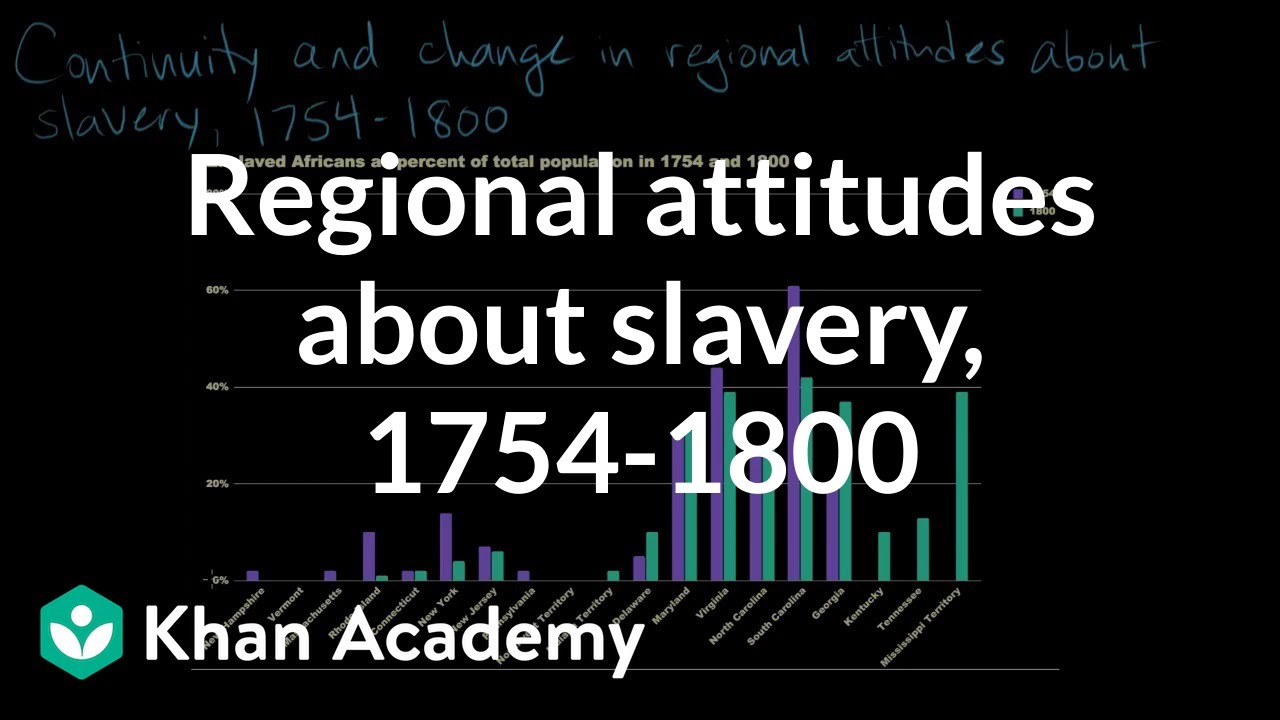
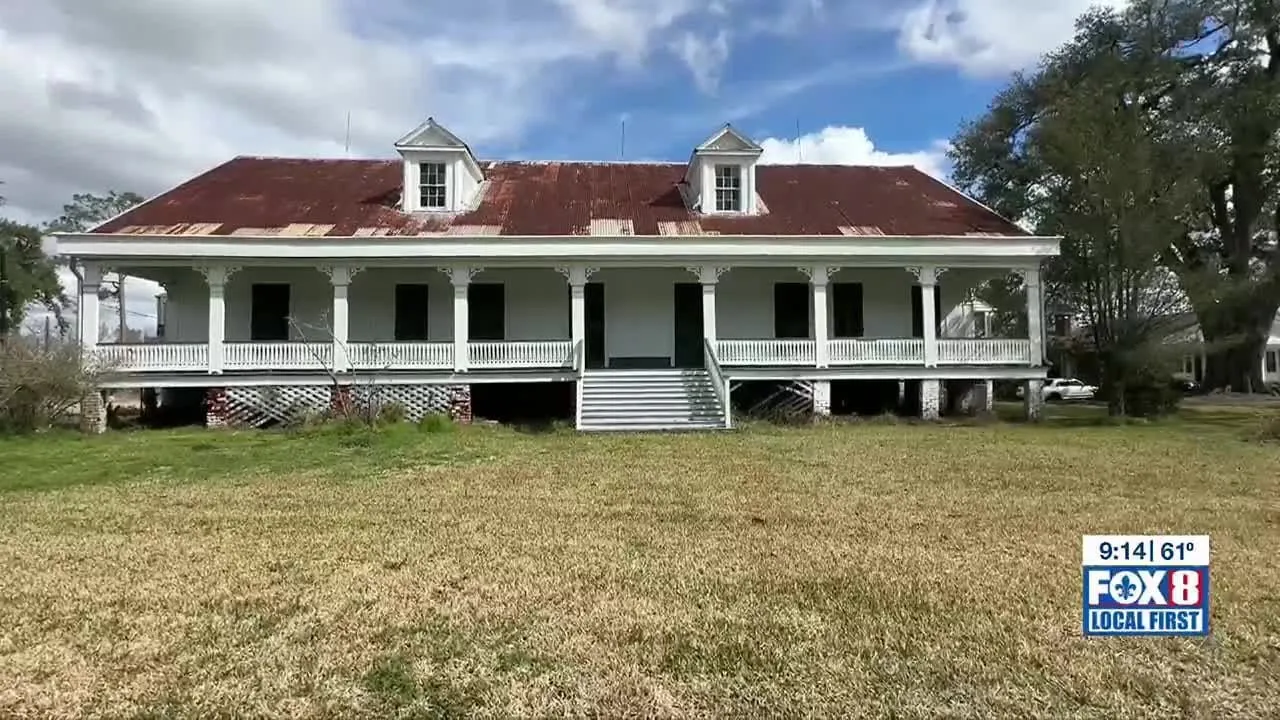
On the German Coast of Louisiana where the rebellion took place—named as such for the German immigrants who settled there—roughly 60 percent of the total population was enslaved.
The fear of armed insurrection had long been in the air.
The leader of this rebellion was a mixed-race slave driver named Charles Deslondes[a].
Deslondes had been inspired by the Haitian revolution that ended only seven years prior in 1804.
A revolution in which Black forces--who at various points had fought off the British, the Spanish, and the French-- created the first nation to permanently ban slavery and would become the first Black republic in the world.
The German Coast Uprising revealed the Haitian Revolution's impact not only on the demographics of Louisiana, which had up to that point been importing enslaved workers from Haiti, but also how the success of the revolution fundamentally changed the trajectory of US history by making possible the Louisiana Purchase.
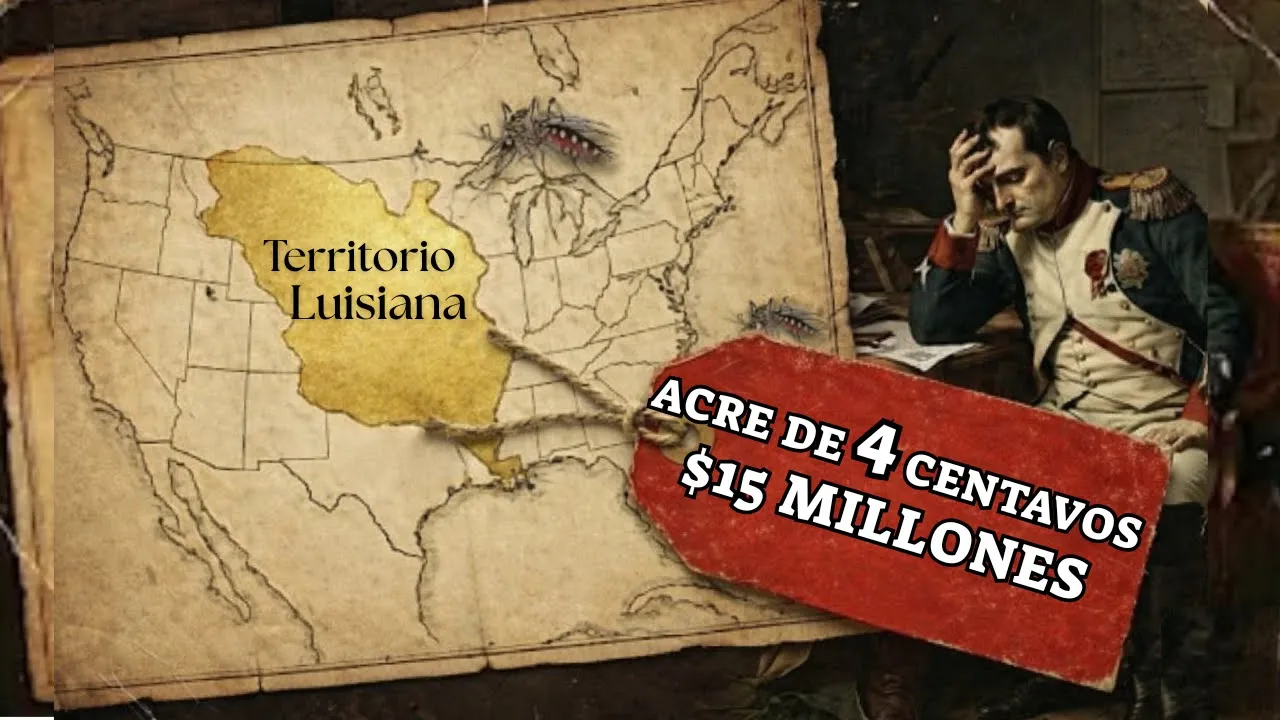
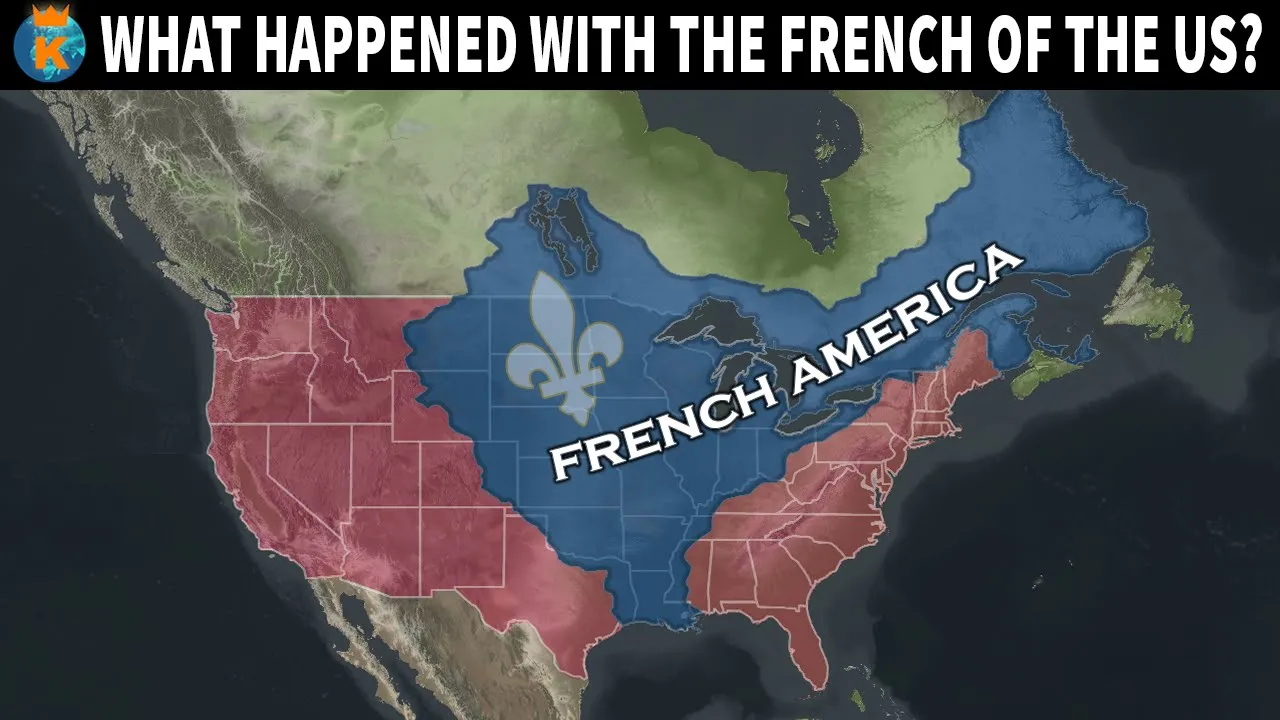
If you recall, in 1803, Thomas Jefferson purchased a huge chunk of North America from France.
Whether he was allowed to do so under his presidential authority is up for debate.
But in any case, Napoleon Bonaparte was in need of some money, after the Haitian Revolution had dashed his hopes of building a French empire in the New World.
The French army was so beleaguered from battle and disease that by the end of the war, more than 80% of the soldiers sent to try and quell the Haitian Revolution had died.
Napoleon Bonaparte, looking to cut his losses and refocus his attention on his military battles in Europe, sold the entire territory of Louisiana to Thomas Jefferson’s negotiators for a paltry fifteen million dollars—about four cents an acre.
Without the Haitian Revolution, it is unlikely that Napoleon would have sold a land mass that doubled the size of the then United States, especially as Jefferson had intended to approach the French basically looking to purchase New Orleans in order to have access to the mouth of the Mississippi River.
There were also many Haitians who emigrated to the US in the years following the revolution.
According to historian Manisha Sinha[b], "The most direct consequence of the Haitian Revolution in the United States was the influx of refugees into cities like New York, Philadelphia, Baltimore, Charleston, and New Orleans."
In other words, New Orleans and much of Southern Louisiana, had long-standing connections with Haiti.
This tells us a lot about the climate at the time of the German Coast Uprising.
A significant amount of the enslaved population had arrived soon after witnessing a slave uprising that led to the abolition of slavery and the establishment of a free country.
So, as I'm sure you can imagine, a number of the refugees that came to the United States were very much bringing the spirit of the Haitian Revolution with them.
Charles Deslondes was born in Saint-Domingue[c][d][e][f][g]--current day Haiti-- or in Louisiana in 1787.
There’s some debate about just where he was born.
In any case, by 1811, Charles was a slave driver on the plantation of Manuel Andry.[h][i][j] Andry was known for the cruelty and violence he practiced on his plantation.
But Charles was an overseer on this plantation, which granted him more privileges than other enslaved people.
It also gave him the right to inflict punishment on other enslaved people.
And while this did not mean he was exempt from Andry's cruelty or violence, his position granted him some relative power within the slave system.
It was another one of the upsetting and insidious things about slavery--both to be tasked with inflicting violence on the enslaved, while you are enslaved yourself.
What we find, however, is that in the context of this rebellion Charles’ position was essential in the hatching and carrying out the plan.
You see, Black men sometimes occupied the role of overseer in the Deep South because it positioned them as a sort of middleman between plantation owners and plantation laborers.
When field laborers made plans to resist, they would usually have to communicate in code or in secret, small groups to avoid getting caught.
But if the overseer is the one coming up with the plan, rather than the one trying to stop it, it’s a whole different ball game.
But Charles did not do this work alone.
To pull off something so tremendous he would need help.
Two enslaved men, named Kook[k] and Quamana[l], worked closely by Charles’s side and emerged as influential leaders of the rebellion.
What was the plan?
While it’s difficult to know exactly because of limited documentation from the time, there is some important information that we do know.
Let's go to the thought bubble.
The Sunday just before the uprising, plantation owner James Brown spotted three men Charles, Quamana, and Harry, an enslaved carpenter from Virginia, meeting in secret.
They packed into a small shack behind the big house of the Andry plantation, while the rest of the enslaved population was out enjoying Epiphany Sunday.
Enslaved black people who grew their own crops in addition to their duties regularly met on Sundays in the marketplace to trade with others.
Epiphany Sunday occurred on one of these Sundays once a year.
The marketplace, filled with a mix of African captives, Haitians, and native-born Black Americans was not only a place to trade goods, but was also often a festive place with drums, singing, and dancing.
Spanish enslavers who were well experienced with trading and managing African captives thought this was a bad idea, commenting that these celebratory proceedings could be masking up plans to rebel.
And they were right.
Historians have noted that these dancing sessions could also serve as covert military training.
From the time they arrived in 1806, Kook and Quamana used such events to tap into the network of enslaved people from all over New Orleans.
They immediately showed discontent for their enslaved status and took to the streets spreading the word of their plans to rebel "away from the watchful eyes and listening ears of the white planter class."[m] So we can't determine what exactly Charles, and the others were saying in those secret meetings.
But it’s clear that it provided the kindling for what would become one of the most explosive rebellions in American history.
Thanks, Thought Bubble.
The rebellion began when between fifteen and twenty-five enslaved men attacked Manuel Andry on his plantation.
Though wounded, Andry managed to escape to warn other plantation owners in the vicinity.
Andry's son Gilbert, however, was killed.
The rebels then broke into Manuel Andry’s stores and stole weapons and militia uniforms.
As they moved into St. Charles Parish, they amassed quite a following.
While some available documents suggest that only 124 enslaved people participated, several eye-witness accounts attest to much larger numbers, closer to 500.
Regardless, this group appeared to be the size of a small army.
As the men marched along the bends of the river—drums rumbling, flags held high above their heads—they attacked several plantations with an assortment of knives, machetes, muskets, and other scavenged weapons, killing two white men and destroying property in their wake.
Still, not many of the enslaved fighters had guns, and it would take only a small number of armed troops to stop their liberatory march.
Within forty-eight hours, local militia and federal troops suppressed the rebellion.
Deslondes briefly escaped the initial wave of slaughter by hiding in the swamp but was quickly captured and executed.
His hands were chopped off, the bones in his legs were shattered by bullets, and he was burned over a bale of straw.
Many of the rebels were slaughtered on-site, their heads cut off and posted on stakes that lined the levee, a warning to other enslaved people that this was the price to pay for rebellion.
Naval officer Samuel Hambleton wrote: “They were brung here for the sake of their Heads, which decorate our Levee, all the way up the coast.
They look like crows sitting on long poles.” Commodore Shaw captured the planters’ sense of fear that pushed them to respond with such violence against those who had participated in the insurrection, and make an example to the larger enslaved population.
“Had not the most prompt and energetic measures been thus taken, the whole coast would have exhibited a general sense of devastation; every description of property would have been consumed; and the country laid waste by Rioters.” The backlash was brutal.
Alarmed enslavers in Louisiana invested resources in training local militias, and slave patrols began surveilling Black people with increasing frequency in addition to limiting their ability to congregate in large groups.
Meanwhile, the federal government committed to defending the institution of slavery by officially granting Louisiana statehood, as a slave state, in 1812.
Unlike some other rebellions that have become central to our collective memory of slavery, the 1811 slave revolt has received far less attention.
As we mentioned, there are no notes of what was said between the co-conspirators, and we don’t have much that gives us insight into what Charles may have been thinking.
And while scholars are unclear why Charles would have been willing to give up the security his position gave him, what is clear is that, for him, that tearing down the institution was worth risking it all.
So was the uprising a success?
As we’ve said before, notions of what is or isn’t a successful slave revolt are subjective and kind of less important than that fact that this rebellion took place at all.
Because while they may not have been able to take the city, they certainly dealt a blow to the system.
One that would change the entire framework of the institution for years to come.
Thanks for watching, see you next time.
Crash Course is made with the help of all these nice people and our animation team is Thought Cafe.
Crash Course is a Complexly production.
If you’d like to keep Crash Course free for everybody, forever, you can support the series at Patreon; a crowdfunding platform that allows you to support the content you love.
Thank you to all of our patrons for making Crash Course possible with their continued support.
[n][o][p] [a]pronouncer: https://youtu.be/FTc7jyceteI?t=132 [b]Pronouncer- SIN-ha [c]Replace with: Charles Deslondes was born... somewhere.
It’s long been suggested he was born in Saint-Domingue, what is current day Haiti, sometime in the late 18th century.
But several modern scholars think he was actually born in Louisiana.
No matter what, by 1811 Charles was a slave driver on the plantation of Manuel Andry.
Ok.
Few things.
One, we don’t know where Charles was born (I’m not saying Deslondes for reasons that’ll be clear in a second).
Traditionally it was Haiti, seemingly entirely knowing that A Charles was brought to New Orleans and sold.
And that seems to be it—someone who had the extremely common name Charles.
Nowadays most proper historians seem to say the evidence leans toward him being born in Louisiana.
Second, according to German Coast Project (which somebody did for their thesis), Andry was Spanish, not French.
Though obviously at this point he’s American.
Finally, Charles was never enslaved by Andry.
Deslondes isn’t his real last name—it was the name of his enslaver, Jacques Deslondes.
But he had died years earlier so Jacques’ widow had loaned him out to Andry.
https://germancoastproject.omeka.net/exhibits/show/insurrection/who-was-there- https://oxfordaasc.com/view/10.1093/acref/9780195301731.001.0001/acref-9780195301731-e-38941 https://books.google.com/books?id=dSrXCwAAQBAJ&pg=PA58&dq=Charles+Deslondes+born+1787&hl=en&newbks=1&newbks_redir=0&sa=X&ved=2ahUKEwimpJXCquXvAhUSac0KHc04DlYQ6AEwAHoECAUQAg#v=onepage&q=Charles%20Deslondes%20born%201787&f=false [d]_Marked as resolved_ [e]_Re-opened_ [f]Pronouncer: SAN DO-MAING-uh https://www.youtube.com/watch?v=VsAJ-whSzUY [g]0:08 [h]Replace with: Charles Deslondes was born... somewhere.
It’s long been suggested he was born in Saint-Domingue, what is current day Haiti, sometime in the late 18th century.
But several modern scholars think he was actually born in Louisiana.
No matter what, by 1811 Charles was a slave driver on the plantation of Manuel Andry.
Ok.
Few things.
One, we don’t know where Charles was born (I’m not saying Deslondes for reasons that’ll be clear in a second).
Traditionally it was Haiti, seemingly entirely knowing that A Charles was brought to New Orleans and sold.
And that seems to be it—someone who had the extremely common name Charles.
Nowadays most proper historians seem to say the evidence leans toward him being born in Louisiana.
Second, according to German Coast Project (which somebody did for their thesis), Andry was Spanish, not French.
Though obviously at this point he’s American.
Finally, Charles was never enslaved by Andry.
Deslondes isn’t his real last name—it was the name of his enslaver, Jacques Deslondes.
But he had died years earlier so Jacques’ widow had loaned him out to Andry.
https://germancoastproject.omeka.net/exhibits/show/insurrection/who-was-there- https://oxfordaasc.com/view/10.1093/acref/9780195301731.001.0001/acref-9780195301731-e-38941 https://books.google.com/books?id=dSrXCwAAQBAJ&pg=PA58&dq=Charles+Deslondes+born+1787&hl=en&newbks=1&newbks_redir=0&sa=X&ved=2ahUKEwimpJXCquXvAhUSac0KHc04DlYQ6AEwAHoECAUQAg#v=onepage&q=Charles%20Deslondes%20born%201787&f=false [i]_Marked as resolved_ [j]_Re-opened_ [k]Pronouncer: KOOK [l]Pronouncer: kwa-MON-uh [m]Rasmussen Qoute [n]Replace with: Charles Deslondes was born... somewhere.
It’s long been suggested he was born in Saint-Domingue, what is current day Haiti, sometime in the late 18th century.
But several modern scholars think he was actually born in Louisiana.
No matter what, by 1811 Charles was a slave driver on the plantation of Manuel Andry.
Ok.
Few things.
One, we don’t know where Charles was born (I’m not saying Deslondes for reasons that’ll be clear in a second).
Traditionally it was Haiti, seemingly entirely knowing that A Charles was brought to New Orleans and sold.
And that seems to be it—someone who had the extremely common name Charles.
Nowadays most proper historians seem to say the evidence leans toward him being born in Louisiana.
Second, according to German Coast Project (which somebody did for their thesis), Andry was Spanish, not French.
Though obviously at this point he’s American.
Finally, Charles was never enslaved by Andry.
Deslondes isn’t his real last name—it was the name of his enslaver, Jacques Deslondes.
But he had died years earlier so Jacques’ widow had loaned him out to Andry.
https://germancoastproject.omeka.net/exhibits/show/insurrection/who-was-there- https://oxfordaasc.com/view/10.1093/acref/9780195301731.001.0001/acref-9780195301731-e-38941 https://books.google.com/books?id=dSrXCwAAQBAJ&pg=PA58&dq=Charles+Deslondes+born+1787&hl=en&newbks=1&newbks_redir=0&sa=X&ved=2ahUKEwimpJXCquXvAhUSac0KHc04DlYQ6AEwAHoECAUQAg#v=onepage&q=Charles%20Deslondes%20born%201787&f=false [o]_Marked as resolved_ [p]_Re-opened_
Up Next

15:21
Mobutu Sese Seko's Wealth: Zaire's Dictator and Its Debt (1980s)
@StanYombo
57.9K views•2014-07-01

33:02
The Great Schism of 1054: Causes and Consequences
@SacredCathedrals
113.5K views•2026-02-19

12:28
European Protests of the 1960s: Crash Course European History #45
@crashcourse
314.5K views•2020-06-20
17:05
Understanding the Cold War: Superpower Conflicts and the Road to Détente
@OverSimplified
46.1M views•2019-01-24
Related Study Plans & Knowledge Roadmaps
Structured learning paths in History
history
Byzantine Iconoclasm: Theology, Art & Politics
01Foundations of Byzantium and Early Christian Images
02The First Iconoclasm: Leo III and the Crisis of Images
03Empress Irene, Nicaea II, and the Second Iconoclasm
+ 2 more learning modules
9h5 modules
Explore Roadmap
history
Iranian Revolution (Causes, Events & Legacy)
01The Pahlavi Dynasty and the Roots of Discontent
02The Spark of Rebellion and the Rise of Khomeini
031979: The Fall of the Shah and the Climax of the Revolution
+ 2 more learning modules
8h5 modules
Explore Roadmap
history
Mali Empire: Mansa Musa, Trade & Timbuktu
01Foundations of the Mali Empire
02The Trans-Saharan Gold and Salt Trade
03The Reign and Pilgrimage of Mansa Musa
+ 1 more learning modules
6h4 modules
Explore Roadmap
history
1947 Partition: Politics, Borders & Legacies
01Foundations of British India and the Divide
02The Political Negotiations and the Mountbatten Plan
03Drawing the Boundary: The Radcliffe Line
+ 2 more learning modules
8h5 modules
Explore Roadmap