


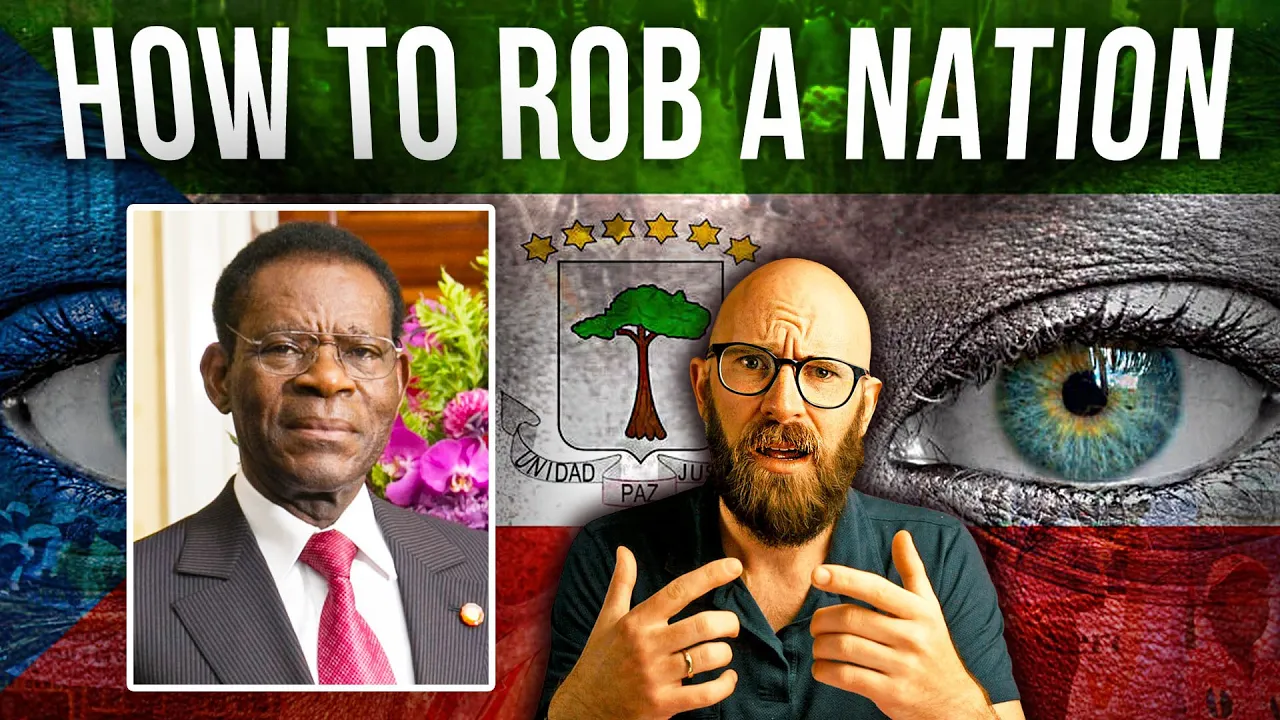


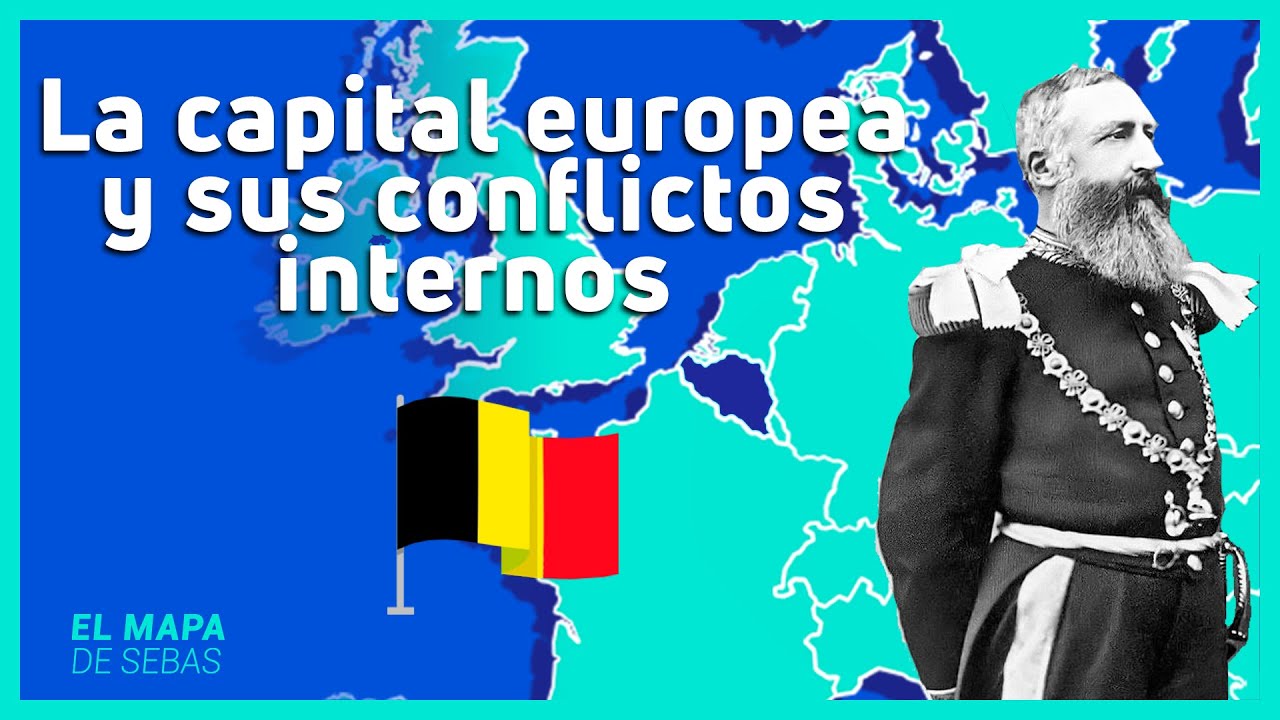







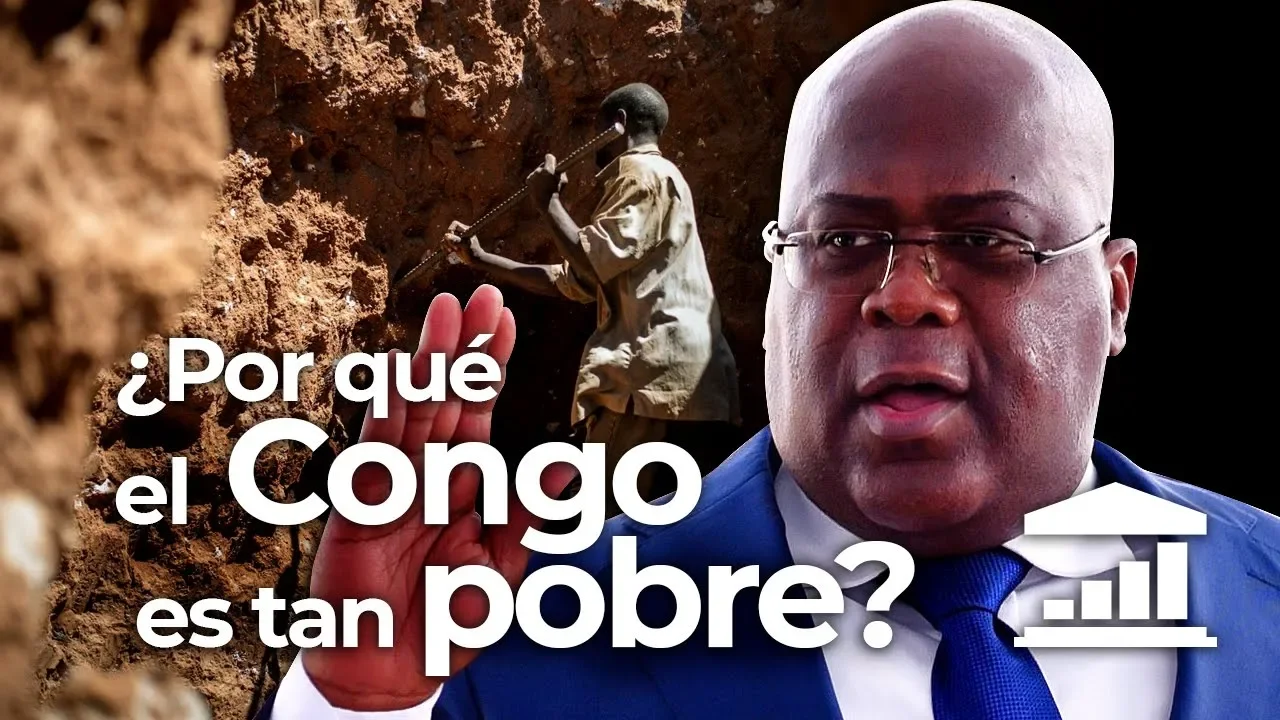







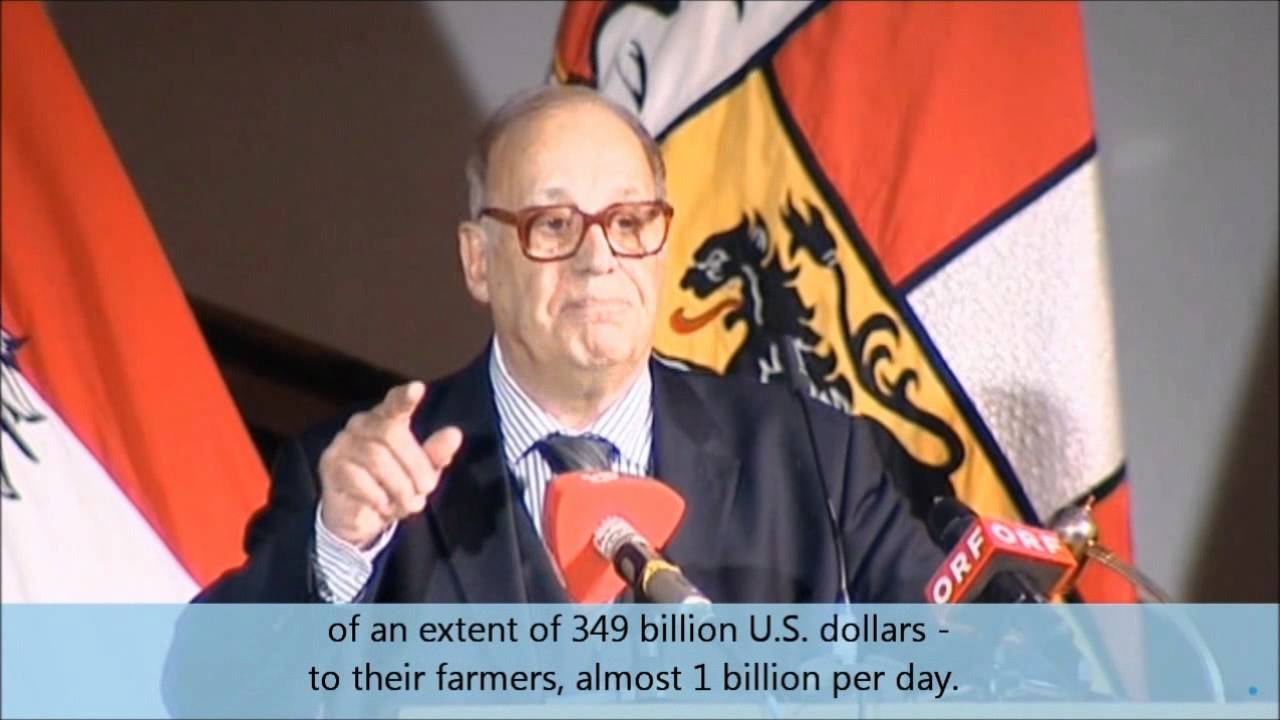


Natural resource wealth, when controlled by corrupt leadership, can paradoxically lead to national poverty and economic collapse rather than prosperity. This phenomenon, known as the 'resource curse,' occurs when leaders exploit their country's mineral resources for personal enrichment while neglecting infrastructure, education, and public services. The case of Zaire under President Mobutu demonstrates this: despite possessing vast cobalt, copper, and diamond reserves, the nation accumulated over $5 billion in foreign debt while its people starved. Mobutu's personal wealth was estimated at $3-5 billion, controlled through family networks, kickbacks on foreign projects, and direct resource extraction without government oversight. The video illustrates how resource-rich nations can become dependent on foreign loans and investments that create unsustainable debt, while their populations suffer from broken infrastructure, collapsed healthcare systems, and economic stagnation.
Mobutu Sese Seko's Wealth: Zaire's Dictator and Its Debt (1980s)
Added:who is the richest man in the world remarkably there are some who say it may be this man mabutu SEO in 1965 the CIA helped him become the president of the Central African country called zir formerly the Congo his immense personal wealth say his critics is paradoxically about equal to his country's huge foreign debt and that is a sum of some five billion While most of zier's 30 million people are desperately poor many of them starving their country has huge reserves of cobalt copper and diamonds this son of an army cook himself a former Army Sergeant is today very much the dictator of Zer and a staunch Ally of the United States since the days of President Nixon mabutu has been an honored guest at the White House why because of the importance of zier but also because mabutu like the Sha like Samosa advertises himself as a fervent anti-communist who's been a faithful friend of the United States for some 20 years but a man who knows mabutu and his financial dealings at firsthand has a different insight into Z's president intelligent without any doubt a good leader for his pockets and the uh pockets of his clicky yes but not for the people certainly not it's awful a thief yes yes irn Blumenthal was for a year director general of the bank of Zer serving there as Watchdog for the IMF the international monetary fund which has consistently reported on the corruption of mbutu's regime how wealthy a man is President mabutu it must be uh enormous let's say $3 billion yeah that I would agree to that would be the minimum and perhaps as much is 5 billion which he himself controls yeah under his so control which makes him undoubtedly one of the wealthiest men in the world there's no doubt about it sure of course no one really knows the extent of mbutu's wealth but no one denies it is huge we took a look at some evidence of his fortune in Belgium where the president and his kin have bought up 11 Choice Properties some of them are lived in by members of his family some are rented this is the one that he lives in in a Brussels suburb the property itself is worth $2 million the furniture inside said to be worth 1 million at that point several zians crossed the street to block the camera and demand the videotape cassette they didn't like reporters prying into their president's Affairs we pointed out we were on public property but they just grabbed our equipment and made off with it back into the grounds of the Chateau finally we called on the Brussels police and got our equipment back but as a result of this affair the government of zier refused our request to film in their country instead producer Barry Lando traveled there with an inconspicuous camera we also purchased footage from other sources including an interview with mabutu by a reporter from French television because I've got a few homes that's supposed to be a fortune people say anything at all since I came to power the budget of the Republic has always been an open book not so the budget of the Republic has never been an open book one person though who does know something about it is inua Carly Bond who a few years back served as foreign minister and prime minister to mabutu today he lives in comfortable self-imposed Exile in Belgium his aim he says frankly is to replace mabutu in the eight months I was prime minister he he has taken from the National Bank uh 1 billion Belgian Frank which is roughly 35 at that time at that time it was $35 million a few years back it could never happen today some opposition deputies were able to piece together a report from government documents claiming to show how mau's family and friends were ransacking the country's treasure one of them who according to this report profited most was the president's Uncle Lio who got the equivalent of about $35 million in one year year and there were lots of others with their individual yearly takes running to hundreds of thousands of Belgian Franks a piece it's all family a large family mabutu is also a big spender on one occasion he dawned a cowboy hat chartered the Concord and invited a 100 friends to visit Disney World with him cost of the trip $2 million one of the sources of mbutu's huge wealth has been his country's minerals do I understand that that uh Cobalt diamonds and so forth are sent directly to Europe on chartered aircraft and this is money that goes into his account without ever going into government accounts this is one of the techniques another technique mabuto has used to line his pockets according to his critics has been to encourage foreign powers foreign companies foreign Banks to finance huge projects for Zer example a $100 million TV radio complex the voice of Zer too big and sophisticated for the country today most of its equipment doesn't even work the former prime minister says he knows who really benefited from the project the French made money and those who were were bribed those who were bribed because uh uh five or 10% of it went into those who negotiated the official Zan official who negotiate the project the French also made Millions from this World Trade Center in downtown Kinshasa packed with the latest technology but the air conditioning system doesn't work so almost all the tenants have moved out useless can you imagine uh I could understand that Japan or United States or France use a World Trade Center because they need to have International Communication for trade Z here the list continues a half mile long Bridge built by the Japanese inaugurated with a celebration to match its size but the port it was supposed to serve and the railroad it was designed to carry are years away from being built the Italian sold Zer a sophisticated steel mill that doesn't turn out a ton of Steel today but the biggest white elephant of all is the huge Inga Hydro electric complex and transmission line which cost more than a billion dollars and today operates at only 20% of capacity $400 million of that cost was guaranteed by the US export import Bank how do mabutu and his cronies benefit from many such projects they are said to exact a fee of between 5 and 10% on such undertakings that is traditional in tribal Africa but Irwin Blumenthal says mabuto and his cleck are greedier than that if Muto enters C would stay to 5 to 10% okay but no it's much bigger than that you can say that again when all of these projects were undertaken copper prices High Cobalt prices High diamonds in good shape so it was understandable that businessmen from the West would say hey here's Bonanza we can make some money and we can build a Showcase in the center of black Africa you've got it exactly and unfortunately copper went down Cobalt went down diamonds went down so somebody made a bad guess that was the West the Western Banks and that's their problem now Z has more than 5 billion debt that they cannot repay it because of the situation inside the country Banks and that's their problem now Z has more than 5 billion debt Z cannot PID because of the situation inside the country mabutu has also run into the ground many once prosperous businesses that had been owned by foreigners but which he nationalized and then turned over to family and friends his uncle Lio for instance was given his food importing firm today it no longer operates inside it looks like a junkyard but Uncle Lio did not go broke among his many assets this handsome Villa on the outskirts of Brussels you're in US Congressman Howard vpy is Chairman of the house foreign affairs subcommittee on Africa the economy is falling apart there have been so many Investments that have not been that have not made a contribution that have diverted resources away from activities that would have really helped to develop the agricultural sector to sustain the economy feed the population example just a short distance from zier's hundred million television complex is mamayo Hospital once one of the best hospitals in Black Africa today its equipment is broken down flies swarm over garbage in the courtyard the hospital is simply unable to provide many of the most basic Services the rate of child mortality here and throughout Zer is staggering you should see the people they are really starving slowly to death once it was so rich that they uh in agriculture they exported grain today they are waiting for the help from the United States so that people can survive everything that is said that is written in the Press is done to destabilize us to run us down you know the history of Z since its beginning we became independent under impossible conditions there were not even five University graduates when the country became independent and for 5 and a half almost 6 years there was chaos and Anarchy and today the same people who did not prepare Z for its independence are now the first to criticize to say anything at all he has built this country into into a country there wasn't any such thing in the minds of any zian or congales Sheldon Vance was US ambassador to Zer from 1969 to 1974 he uh had to deal with with a with a situation where his people still had no sense of a of a Nation uh the traditions of leadership were the traditions of tribal leadership his goal has been and I think to a considerable extent he has succeeded to become the tribal chief of the whole country It All Belongs to himec it all belongs to him effectively and uh the difference between the privy and the public purse is is is a difference that uh that is very difficult for them to to seize and understand so it's not corruption as we know it it's it's the way the game is played it's the way the game is played exactly Zer belongs to him there you are because Z doesn't belong to him Z belongs to all the 30 million Zan you're painting a picture of a rather benign Patron tribal Chief who is a who's a tough guy too tough in what sent he's tough in in insisting on recognition of his leadership role there can only be one leader says he in a tribe or a country and if you decide that you're going to be opposition loyal or otherwise you run into trouble case in point last year 12 zian legislators opponents of mabutu went to the InterContinental Hotel in kinasa to meet with some visiting us congressmen including Mickey Leland of Texas they wanted to form an opposition party which constitutionally by the way is illegal in zier afterwards Congressman Leland happened to be watching from the hotel entrance as the opposition deputies left the deputies were set upon by plain closed police one guy had been thrown to the ground as I said by his tie and the several people were just kicking him and stomping him he while he was bleeding profusely from his uh forehead and I just saw blood going everywhere had I interfered uh I probably would have been killed what about the attitude what about the actions of the US Embassy in Z they tried to gloss over what we had seen there and they their representation to us was that this is this happens all the time so don't be so concerned that this is nothing compared to what used to happen that kind of thing why is he important to the United States why do we pay this kind of attention why is he our Ally he's been a a reasonably successful leader of one of the most important countries in Black Africa and anti-communism and anti-communist and if he's a samosa or if he's a sha he's they're they're better than hes what would happen if IMF World Bank US Banks suddenly said enough enough Zer enough mabutu we're through people would finally uh they would die in that country it would be it would be a revolution it would be a bath and blood they cannot stop now at some point president mabutu will not be there question we need to ask ourselves in terms of our long-term interest in Zer and Z is an important country is how will the rest of the population respond to the United States subsequently are we going to create a self-fulfilling prophecy in which uh we will effectively be creating a hostile regime hostile to American interest in the long term I don't want to see that happen I don't think Americans want to see that happen the people are starving now the misery of the people will be the best argument not only against mbutu but also against mbutu's Ally because the perception of the people is that the mbutu's Ally are accomplice for their Mis misery and their starvation and what will happen the wild Revolution or wild wild Revolt will be something against Mutu but also against the West he's been there a long time that's right that was the case of Amin more than 10 years then was the case that was the case of bukasa more than 10 years they all finished the same way Exile prison or death it's not power for power's sake but the love that I have for my people this attachment as we have the
Up Next
Why Collapse Benefits the 99% | Luke Kemp
@PlanetCritical
25.8K views•2025-08-28

Zola, Baudelaire, Maupassant & the Transformation of Paris, 1852-1900
@SylviaSagona
5.6K views•2015-05-31
The Geopolitics of the Ukraine War and the Rise of Global Autocracy
@JordanHarbingerShow
468K views•2025-04-19

Understanding the Cold War: Superpower Conflicts and the Road to Détente
@OverSimplified
46.1M views•2019-01-24
Related Study Plans & Knowledge Roadmaps
Structured learning paths in History