













Research demonstrates that people can identify race from voice alone through linguistic profiling, and speakers with non-standard accents face significant disadvantages in hiring and professional contexts; studies show that code-switching—changing one's dialect to sound more like the dominant group—can improve outcomes, highlighting how implicit biases based on speech patterns affect social and economic opportunities.
Understanding Linguistic Profiling and Code-Switching in America
Added:Basic principles of sociolinguistics, including how language variation correlates with social factors like race, class, and region.
The concept of 'Standard Language Ideology' and how society arbitrarily privileges certain dialects over others.
An understanding of implicit bias and how cognitive shortcuts lead to stereotyping based on auditory cues.
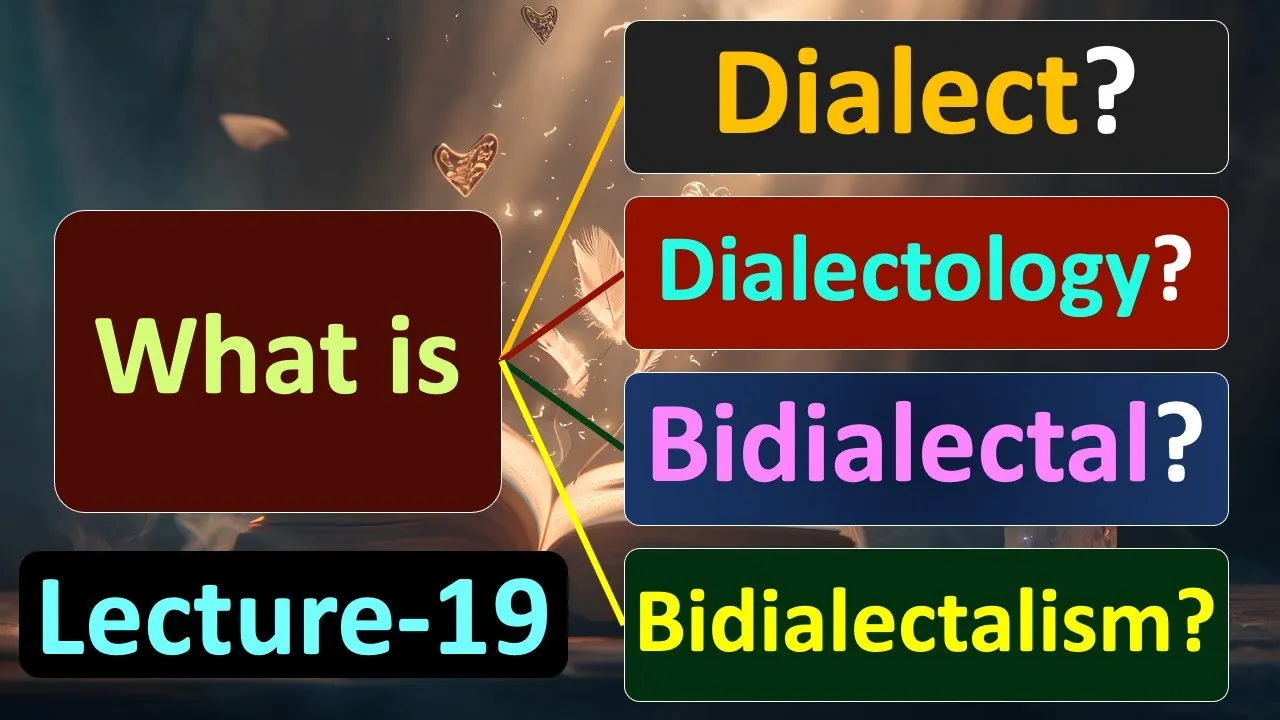
The distinction between bilingualism, bidialectalism, and the general concept of linguistic repertoires.
The legal and institutional impacts of linguistic profiling, particularly in housing, employment, and the criminal justice system.
The psychological toll and cognitive load associated with continuous code-switching, including identity negotiation and emotional labor.
Educational frameworks for linguistic justice, such as culturally sustaining pedagogy and contrastive analysis in classrooms.
Advanced research methodologies in sociolinguistics, such as the matched-guise technique used to study language attitudes and perceptual dialectology.
826.1K views19.4Klikes4:59Original Release: 2018-06-20
- Turns out, Americans are pretty good at guessing your race just by hearing your voice.
It's called, linguistic profiling, and we all do it.
There are certain auditory cues that give us subtle hints about who we're talking to.
A lot of black American's speak what's referred to as, AAVE, or African American Vernacular English.
- AAVE is non-rotic meaning, that like a British accent, there are no "R" sounds at the end of words or at the end of syllables.
- John Flemming is a speech and dialect coach for movies and video games.
- Generally speaking, there's the "th" sounds, the "tha, tha" and, "the the," get replaced with something.
Generally a "T," or a "D."
There's a few other vowels and things, but it kind of keeps going and going, and it gets kind of, into the weeds a bit.
- When it comes to being on the phone though, black people will often try to sound more white.
- Uh, yes, Mister Ribbon I would love to have the opportunity to sit with you to discuss some of our products.
It's a form of code-switching.
Or in this case, alternating between two different dialects.
- He tried to grab me by my collar, right.
That's when I --- Uh, good morning.
Customer service, my name is Philip.
- Black people talking white is having a real moment in media right now.
"Sorry To Bother You", is a movie about a black salesman who's career only takes off when he starts talking white.
- You wanna make some money here, use your white voice.
Hey, Mister Kramer, this is Langston from Regal View.
- [Manny] And "BlacKkKlansman", is a movie about a black detective who infiltrates the KKK by pretending to be white over the phone.
- God bless White America.
- The idea is to speak in what's called the standard accent.
- The standard accent is the one spoken by the majority group, or the socially advantaged group.
- [Manny] Olivia Kang is a psychologist at Harvard.
She's working on a project that explores the hidden biases we hold.
- If you speak with a standard accent, you're judged as being more intelligent, more competent, more credible, more hireable.
Now, having a regional accent, or a non-standard accent, now you're not getting those advantages.
You're seen as less credible, or less hireable.
- These biases are implicit.
This isn't Charlotesville tiki-torch racism, it's much more discreet than that.
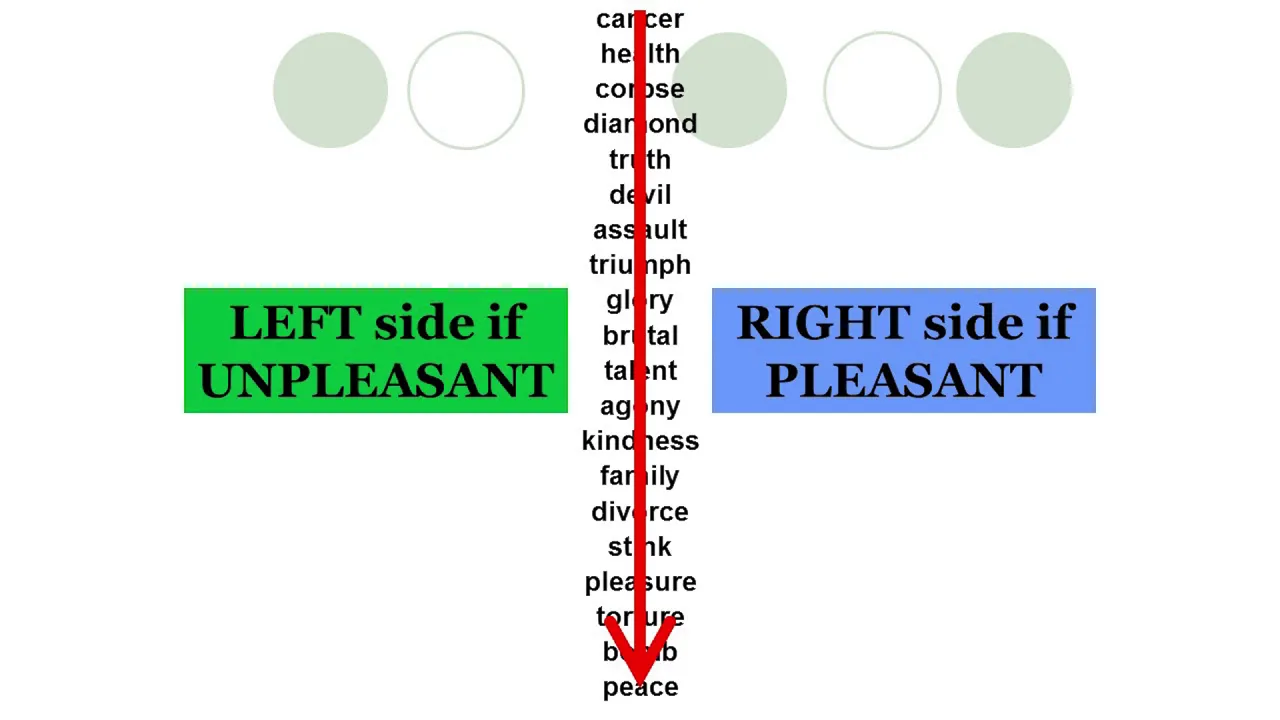
- The most basic way of understanding implicit bias is by thinking about the associations we make.
If two things occur together over and over again in our experience, we link them together.
- Salt and pepper, day and night, bread and butter.
These types of associations are helpful, but there are some that aren't.
Now, if I say the word, genius, you're probably thinking of some collectors edition white dude.
Now, if I say the word criminal... - Voices aren't just sounds.
In a lot of ways they're auditory faces.
So, when you hear a voice, you can in some sense piece together what the person on the other end of the phone, can look like.
Roughly how old they are, their gender, where they come from.
But, the interesting thing is that you can also form impressions about character.
So, how intelligent someone is, how competent, how likable, how trustworthy.
And, these impressions can be flawed, right?
A lot of these things might have a basis in your implicit biases, or things that you've heard, portrayals you've seen on television.
And so, when people are doing something, like conducting a voice interview, often the implicit biases they have about voice can influence the decisions that they're making.
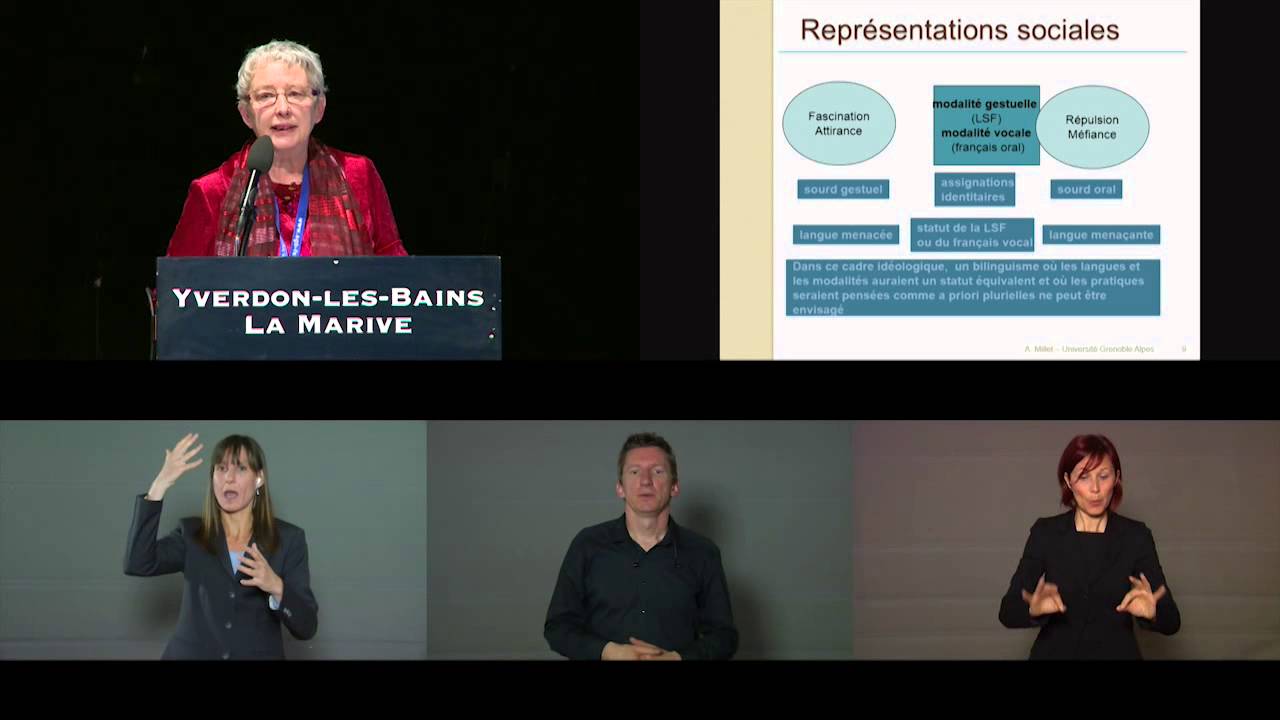
- Every black American is bilingual.
We speak street vernacular, and we speak job interview.
- In order to combat some of these implicit biases, black people, myself included, try to sound as white as possible.
I sound like Bill Gates impersonating your mailman.
Why hello there.
I'm wondering if there are any positions available.
Oh no, I don't mind waiting.
But, does changing your voice actually work.
A study in 2001 found that landlords would make racist snap judgements to callers with certain dialects.
Compared with whites, blacks were less likely to get call backs, less likely to be told there was an apartment available, and more likely to get their credit questioned.
However, blacks who code-switched fared better than those who didn't.
Code-switching helps in other areas too.
- Actually Don Lemon is a very good example, because to become this main host that he is, he's talked about how he had to change - because he's from New Orleans - and he consciously had to change his accent for the sake of moving up at CNN.
- The president of the United States is racist.
- Instead of changing the way we speak, maybe we should change the way we listen.
I might be able to tell your race from your voice, but that doesn't tell me anything about your character.
There's tons of black mailmen.
- [Delisa] Too many.
My dad is a black mailman.
So don't be talking about BS like that, 'cuz my dad will run up on you real quick.
- I don't want no smoke.
Up Next

66:07
Textile Waste & Labor: Ghana & LA Supply Chain
@Fibershed
170 views•2022-02-15
54:57
Contemporary Sociological Theory: Micro, Macro, Integrative
@NaSESYNC
45.7K views•2016-02-17
19:23
How to Analyze Conversations Scientifically | Elizabeth Stokoe | TEDx
@TEDx
1M views•2014-12-04
9:41
What is Sociology? The Sociological Perspective Explained
@crashcourse
4.6M views•2017-03-13
Related Study Plans & Knowledge Roadmaps
Structured learning paths in Sociology
sociology
Celebrity Culture: From Hollywood to TikTok
01Foundations of Celebrity Sociology
02The Rise of Micro-Celebrity & Digital Platforms
03Parasocial Relationships & Algorithmic Intimacy
+ 2 more learning modules
12h5 modules
Explore Roadmap
sociology
Hostile Architecture: Space, Power & Control
01Introduction to the Sociology of Space
02Social Control and Surveillance in the City
03Hostile Architecture and Defensive Design
+ 2 more learning modules
12h5 modules
Explore Roadmap
sociology
Loneliness Epidemic: Third Places & Isolation
01Foundations of Social Capital and Community Cohesion
02The Death of Third Places and Urban Space Erosion
03The Privatization of Leisure and Atomization
+ 2 more learning modules
12h5 modules
Explore Roadmap
sociology
Sociology of Tourism: Gaze, Power & Heritage
01Foundations of the Sociology of Travel and Leisure
02John Urry and the 'Tourist Gaze'
03Staged Authenticity and Cultural Commodification
+ 2 more learning modules
14h5 modules
Explore Roadmap