






















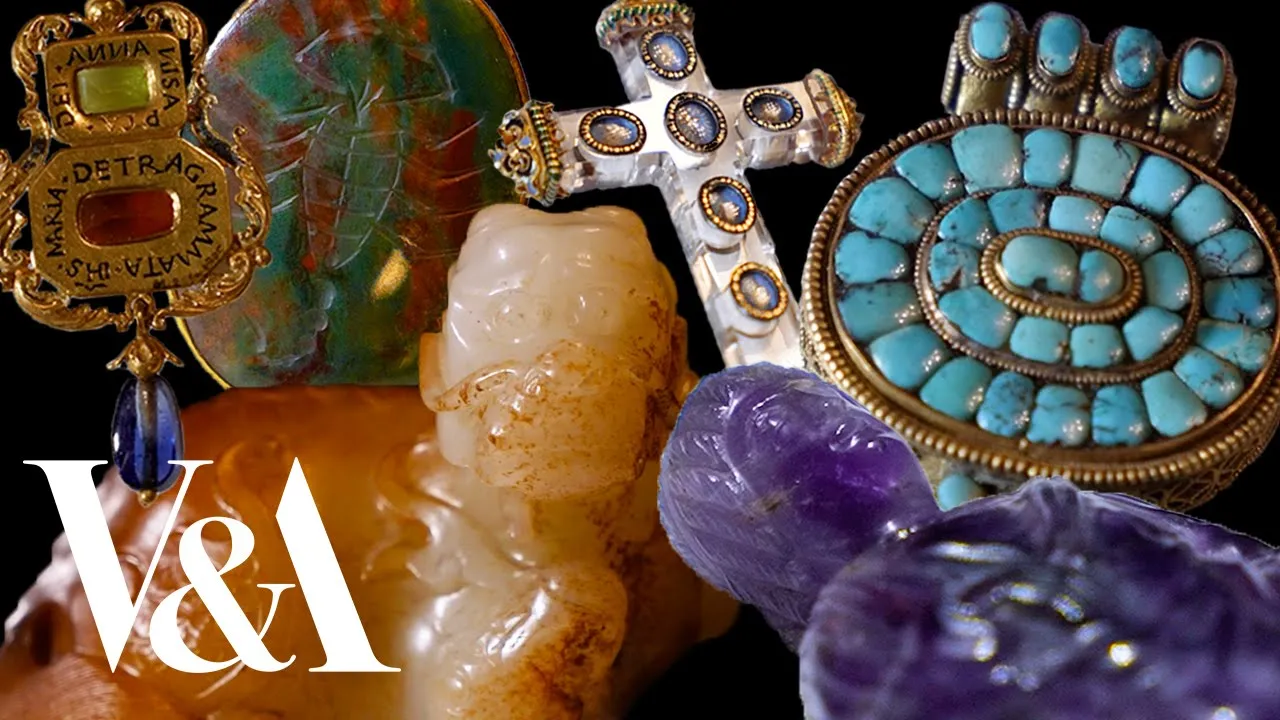
Cabinets of curiosities, which originated in 16th-century Europe as private collections displayed by wealthy elites to showcase their extraordinary objects, evolved from small study rooms into the world's first museums; these collections typically contained five main categories—artificialia (artworks), naturalia (natural objects), scientifica (instruments), exotica (foreign items), and mirabilia (wonders)—and exemplified by the Dresden Green Vault, one of history's most famous collections featuring treasures like the emerald cluster statue and ivory frigate.
Cabinets of Curiosities: Origins of Museums | Gem History
Added:The historical context of the European Renaissance and the Age of Discovery, which spurred global trade, exploration, and the accumulation of exotic goods.
The basic concept of 'material culture' and how physical objects (natural, artistic, and scientific) were historically used by elites to project wealth, power, and intellect.
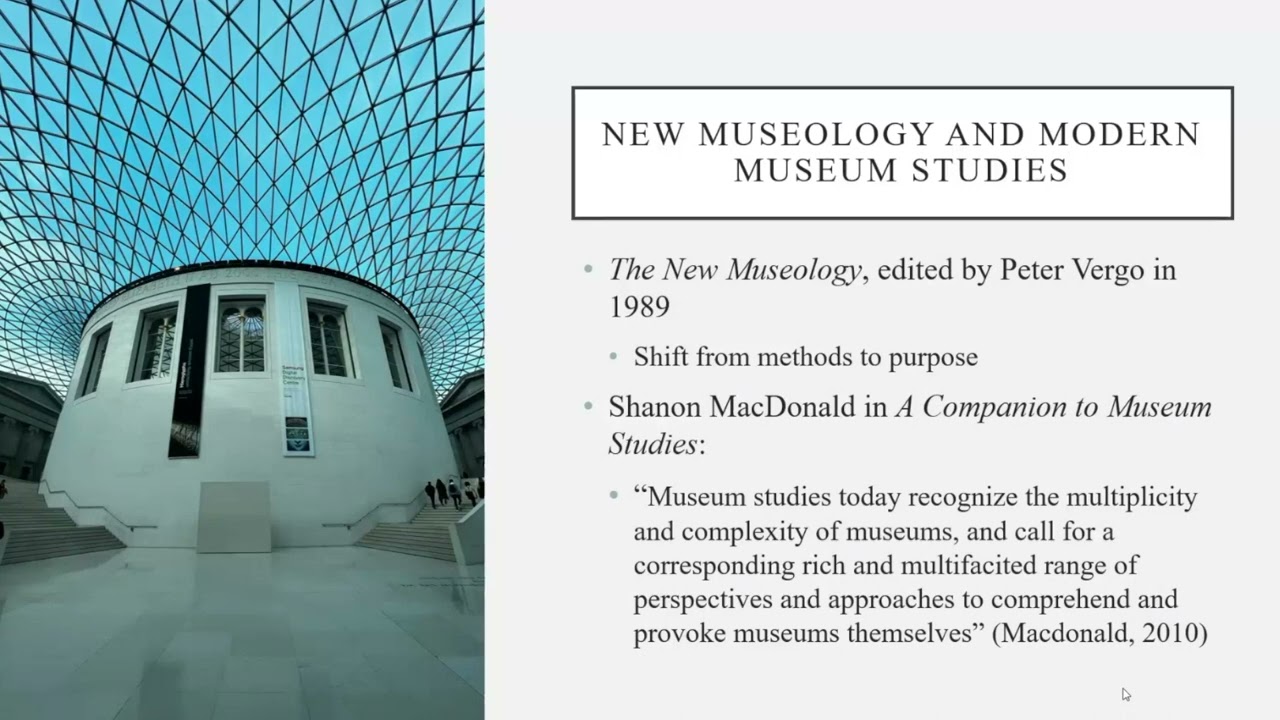
The fundamental purpose and structure of modern public museums, including concepts of public access, systematic curation, and historical preservation.
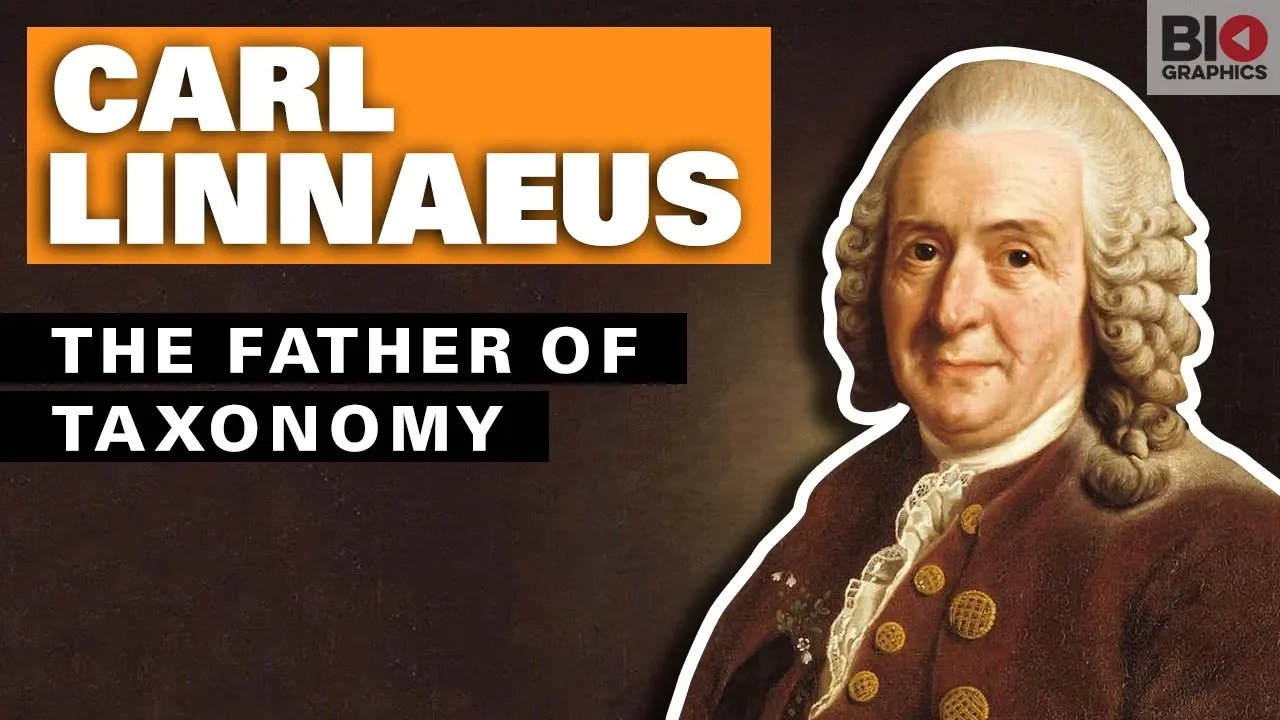
The transition from chaotic Renaissance displays to systematic taxonomy, including how Carl Linnaeus's classification systems revolutionized scientific organization.
The founding histories of specific major institutions, such as the British Museum or the Ashmolean Museum, which grew directly from private 'cabinet' collections.
The ethical, legal, and post-colonial debates surrounding modern museum collections, specifically regarding the provenance, colonial-era acquisition, and repatriation of cultural artifacts.
The history of gemology and lapidary arts, exploring how the scientific study and appraisal of precious stones evolved from mystical Renaissance beliefs to empirical mineralogy.
57K views617likes6:40Original Release: 2022-04-28
collecting extraordinary and mysterious objects is something the humans have always done roman emperor augustus reportedly had his houses embellished not only with statues and pictures but also with objects which were curious by reason of their age and rarity like the huge remains of monstrous beasts which had been discovered on the island of capri called giants bones or heroes weapons collections like these would feature items like exceptional natural gem and mineral specimens and some less natural things like unicorn horns collections like these would come to be known as cabinets of curiosity and were a way for the wealthy elite to show off the finest items in their collections today we're going to take a look at some of the most famous collections and examine how they eventually led to the world's first museums the word cabinet wasn't originally a piece of furniture as it means today in old french it meant a small house or a hut and came to mean a private room in the houses and palaces of early modern europeans serving as like a study or a retreat the cabinet was usually located adjacent to the bedchamber and would be furnished with books and works of art the first cabinets cropped up in the 16th century in fact the earliest illustration of a natural history cabinet was in 1599 called ferrante imperator de listoria naturale throughout the renaissance collecting precious objects became a hobby of the ruling class functioning as status symbols among these elite no two cabinets were quite the same they were a reflection of the owner's tastes habits and personality as owners began to amass more and more objects shelf space ran out and collections began to take over entire rooms someone needed to find order in all of this chaos guides and manuals instructing collectors on proper preservation and display techniques began to appear in the second half of the 16th century the first known manual was published in 1565 and defined the ideal vundercomer as having five main sections one for precious artworks or artificialia a second one for rare natural objects naturalia a third for scientific instruments scientifica a fourth for objects from exotic lands exotica and finally a fifth one for natural marvels that sparked wonder mirabilia one of history's most famous collectors olaus wormius also known as ole worm was a danish physician natural historian and antiquary from the 17th century with quite a collection of curiosities it ranged from artifacts collected from the new world to taxidermy to fossils and man-made objects all of which came with some grand tale a book published after his death called museum romanium contained detailed descriptions of his cabinet and is divided into four sections the first three deal with minerals plants and animals and the fourth detailed archaeological and ethnographic items some collectors were particularly fond of elaborate cabinets with many drawers and secret compartments these cabinets themselves could be part of the curiosity room or they could stand on their own representing in miniature format the diversity of items found in an entire cabinet cabinet makers of the time specialized in producing these furniture pieces and delivered them fully furnished with a mini collection that might include hundreds of items an example of a large notable kunstcommer is the dresden green vault it has some claim to be the oldest museum in the world and it's the largest treasure collection in europe today it's separated into two collections the historic green vault and the new green vault the historic vault has nine themed rooms and one entrance room there's an amber room a silver room an ivory room and even a coat of arms room the hall of treasure is the largest room and it's fully mirrored and has vessels made from colored gems and amber and artwork made of pure rock crystal then there's the jewel chamber which holds the crown jewels of saxon polish royalty it also holds one of the most important statues in the whole collection more with an emerald cluster it's a two-foot statue of a man adorned with gold and jewels holding a tortoise shell tray with a massive emerald cluster on it the cluster itself came from colombia and was a gift from emperor rudolph in 1581 and was described as a miracle of nature augustus the strong had the statue built just to display the cluster also in this room is the obeliskas agostales it's over seven feet tall and features 240 stones and figures bought directly from the workshop of johann melchior dinglinger the goldsmith who created the more with emerald cluster statue the obelisk was designed to be a kind of indoor monument dedicated to augustus the strong which is obvious when you notice that in it are carved famous people from classic antiquity venerating augustus the strong perched at the top of the obelisk as a brilliant infallible leader and he thought kanye had an ego and that's only the historic vault the new vault on the second floor has 12 rooms some are dedicated to particular artists like dinglinger there's a room for micro carvings like the cherry pit with over a hundred faces carved onto it there's a room for enamel art and a room for rock crystal art one notable piece in this vault is the ivory frigate supported by neptune it's a giant ship made of ivory held up in a dramatic balancing act by the god of the sea the sails are ivory and even the 50 crew members are all made of ivory there's also the golden coffee service a gleaming pyramid of cups saucers and everything else you would need to serve the most luxurious cup of coffee ever sipped augustus took this ding-linger zinger with him for christmas with the rest of the nobles of the polish-lithuanian commonwealth back in 1701 but dinglinger's favorite is diana bathing and it's my favorite as well it depicts the goddess of the hunt diana carved out of ivory seated at the edge of a chalcedony bowl held up by a pair of stag antlers oh yeah and the bath is being filled by two dolphins it tells the classic roman myth of when diana turned a hunter into a deer to have him ravaged by his own hunting dogs just for stumbling upon her bathing i'm not sure what the moral of the story is but just look at that filigree so tell me guys if you had a cabinet of curiosities what gem or mineral specimen would you put in it maybe you've already got one of your own let me know down in the comments and of course don't forget to like subscribe and ring that bell so you don't miss out on other historical episodes like this one thanks for watching [Music] you
Up Next

9:24
Decolonizing Museums: Collaborative Practice and Indigenous Voice
@TEDx
34K views•2016-12-06

25:00
Legacy of the Indian Subcontinent Partition | Inside Story
@aljazeeraenglish
52.9K views•2017-08-14

91:57
The Geopolitics of the Ukraine War and the Rise of Global Autocracy
@JordanHarbingerShow
468K views•2025-04-19

17:05
Understanding the Cold War: Superpower Conflicts and the Road to Détente
@OverSimplified
46.1M views•2019-01-24
Related Study Plans & Knowledge Roadmaps
Structured learning paths in History
history
1947 Partition: Politics, Borders & Legacies
01Foundations of British India and the Divide
02The Political Negotiations and the Mountbatten Plan
03Drawing the Boundary: The Radcliffe Line
+ 2 more learning modules
8h5 modules
Explore Roadmap
history
Dutch Golden Age: VOC, Stock Markets & Art
01The Rise of the Republic: Foundations of Hegemony
02The VOC and the Birth of the Corporation
03Financial Revolution and the Amsterdam Stock Exchange
+ 2 more learning modules
14h5 modules
Explore Roadmap
history
Simón Bolívar: Campaigns & Gran Colombia
01Colonial Backlash and Bolívar's Origins
02The Military Campaigns of Liberation
03The Political Vision: Unity and Authority
+ 2 more learning modules
9h5 modules
Explore Roadmap
history
Roman Empire (Augustus, Reforms & Propaganda)
01The Fall of the Roman Republic
02The Rise of Octavian: From Heir to Sole Ruler
03The Constitutional Settlements & The Principate
+ 2 more learning modules
12h5 modules
Explore Roadmap