



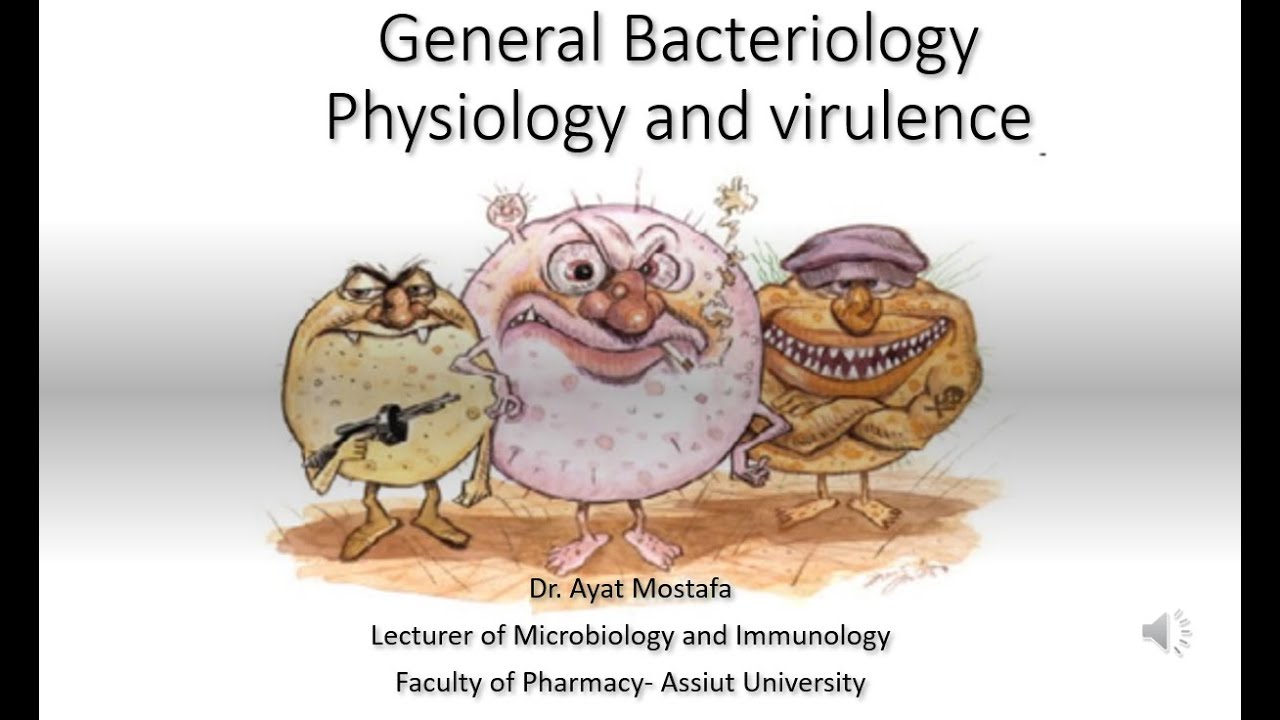

![Bacteriologie - Pouvoir Pathogene [FMPC]](https://i.ytimg.com/vi/XDW8Pln12M8/sddefault.jpg)




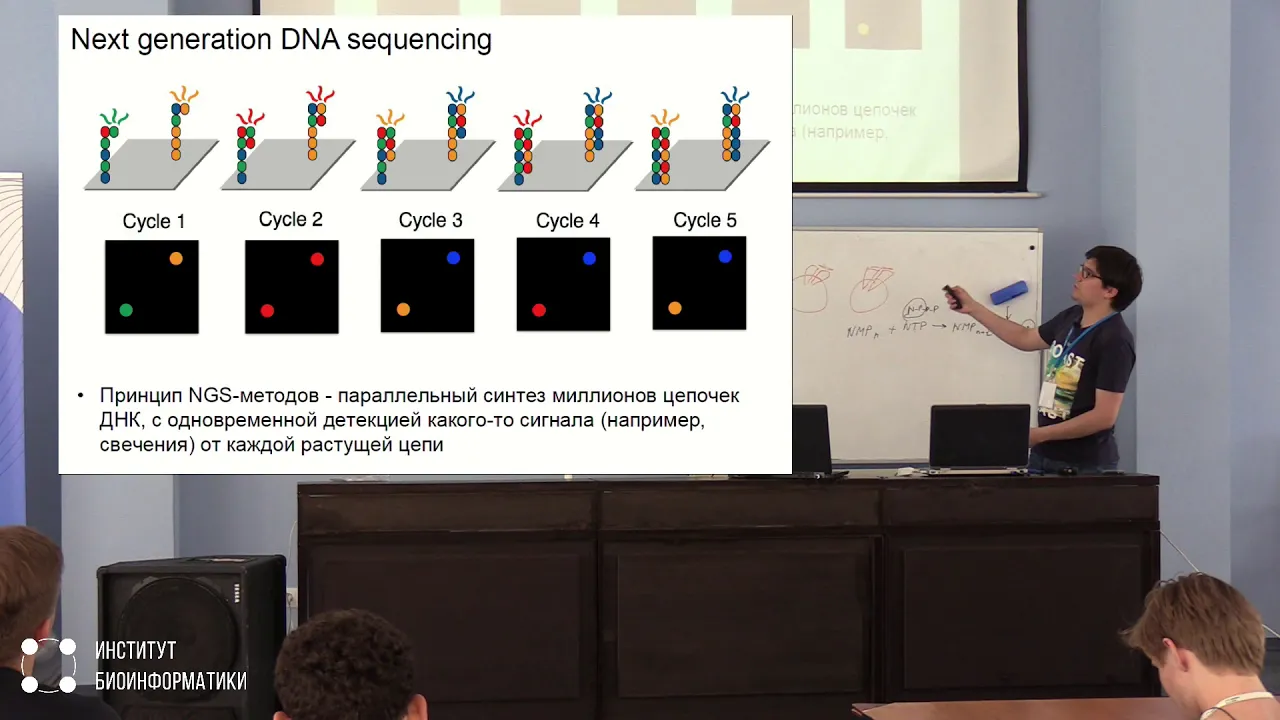



![[강연] 좋은 균, 나쁜 균, 이상한 균 _ 류충민 ㅣ 2022 카오스강연 '생명행성' 1강](https://i.ytimg.com/vi/Bp3fmmnIMkU/maxresdefault.jpg)




Bacterial virulence is regulated through a multi-layered hierarchy including genetic rearrangements, transcriptional regulation via transcription factors and two-component systems, quorum sensing for population-density-dependent responses, and experimental analysis methods such as reporter gene fusions, microarrays, and RNA-seq to study gene expression patterns in pathogens.
Bacterial Virulence Regulation | Gene Expression & Techniques
Added:The Central Dogma of Molecular Biology, specifically prokaryotic transcription, translation, and basic gene structure (promoters, coding sequences, and terminators).
The concept of the operon model in bacteria, such as the Lac operon, including the roles of repressors, activators, and inducers.
Basic microbiology principles, particularly the distinction between commensal and pathogenic bacteria, and what constitutes a 'virulence factor'.
Fundamental molecular biology laboratory techniques, such as Polymerase Chain Reaction (PCR), gel electrophoresis, and cloning vectors.
In-depth analysis of host-pathogen interactions, focusing on how host environmental cues (like pH, temperature, and iron availability) trigger specific bacterial virulence cascades.
Advanced high-throughput transcriptomic techniques used to study bacterial networks, such as RNA-Sequencing (RNA-Seq) and Chromatin Immunoprecipitation Sequencing (ChIP-Seq).
The concept of Quorum Sensing and how bacterial populations coordinate group behaviors and virulence gene expression through chemical signaling.
Translational applications in pharmacology, specifically target identification for novel anti-virulence therapeutics designed to disarm pathogens rather than kill them.
2.4K views18likes48:55Original Release: 2012-01-13
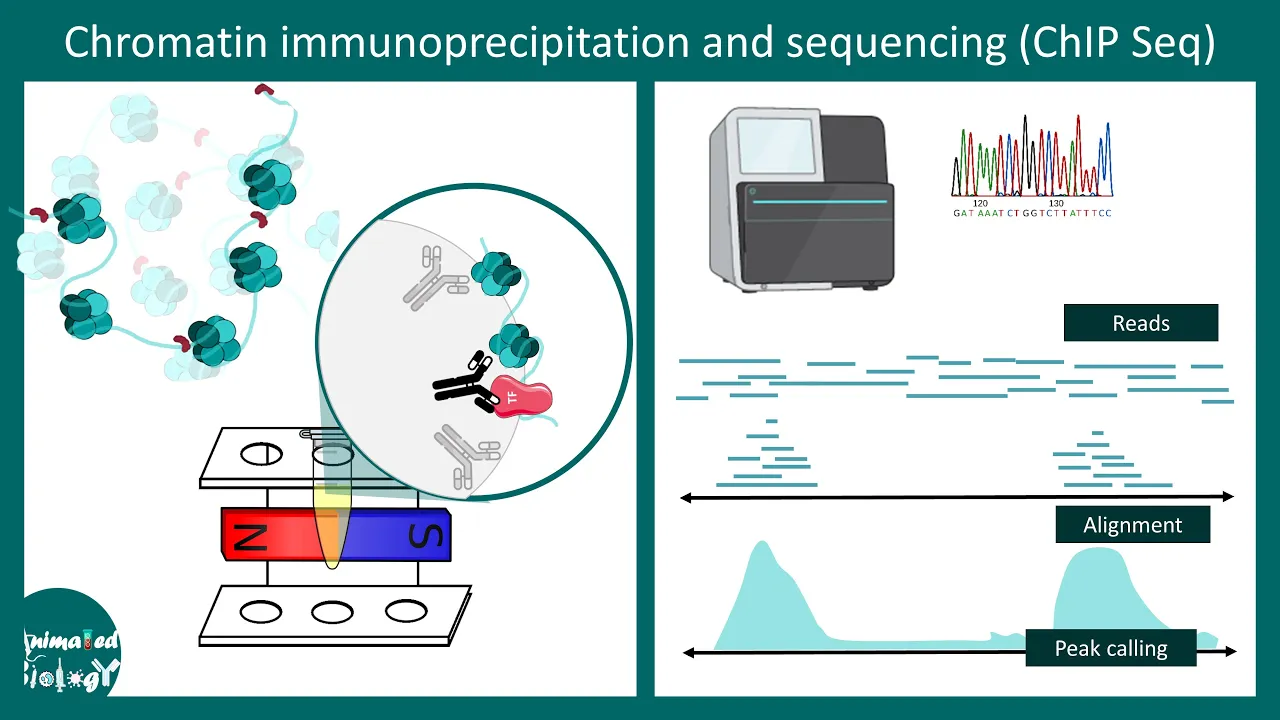
i'm not waiting to go anywhere anyone know that anyone else is on their way or shall we get started you've not have you had a lecture or anything before this people will be on their way from so if they're not here now they're late okay so let's get started so today is the last of these three introductory lectures this is a regulation of uh bacterial virulence again for those of you who've done lots of genetics you might find some parts of it uh going a bit slow for you but for those who haven't done genetics maybe we'll be going a bit far so we'll try and get um a good compromise so just to again orientate you we're looking at regulation bacterial virulence and this time i did actually get around to writing learning objectives uh so definition of terms describe the kind of regulation hierarchical nature of it uh outline the kinds of transcription regulators and mechanisms and then in the latter part of the lecture we're going to look at how we can analyze gene expression experimentally in the laboratory what kind of methods are there available so let's just again reinforce the point made in the introductory lecture which is that when we're looking at the regulation of virulence we have this hierarchy here multi-layered hierarchy many different ways mechanisms in which gene expression and the production of proteins from those genes can be regulated so we can get changes in dna sequences uh under certain circumstances you can get some genes amplified the gene numbers particularly things on plasmids there can be quite a lot of variation in plasmid copy number and things on high copy number plasmids will be expressed much more than those on low copy number on the chromosome you can get genetic rearrangements so bits of dna moving around flip-flopping around within the genome or you get this slip stack strand mispairing where bits of the genome you also have may have 10 repeats in a row and then it slips to 11 repeats and puts things out of frame flagella phase variation in salmonella is well recognized as a example of phase variation where you have a piece of dna that flips over so the promoter is pointing in the right direction to turn the gene on in one arrangement but it's pointing in completely the wrong direction the other way we have transcriptional regulation we're going to say more about transcription factors later at their simplest you have a transcription factor that recognizes a single signal and then just regulates one g or one operon in fact uh that's fairly unusual and there are there's a huge amount of crosstalk and into into digitization between different regulatory networks translational regulation i'm not sure i've not come across any examples where translation is regulated in in the regulation of virulence so the the the textbook example this is a trip offer on where i have a little leader peptide that's made and this regulates the the triple operon in response the amount of tryptophan that's available but i'm not sure if there's any examples in regard to regulation agreements um i mean there is one that we've come across in the type 3 secretion but that's still very experimental and then post-translational things so we always go on about gene expression and turning genes on making proteins but we forget about the fact that actually how long the protein hangs around how stable it is whether there are mechanisms for destroying it all those will also have an effect um on virulence and on the expression of that virulence phenotype and again just this is again the same slide we showed before just to make the point that we have to regulate gene expression if we just leave genes on all the time this is wasteful it creates problems so again for those who have not done much genetics just to remind you that in bacteria most of these genes occur in operons so having a single gene just on its own with a promoter is fairly unusual and most of the time we have these multiple genes encoded in what's known as a polycystronic mrna um so basically effective means polygenic mrna and the rationale for this in bacteria is all those genes that have a common function can be subject to a common regulatory mechanism and generally when we look at operons you can kind of see a rationale for why those genes are there together in an opera there are a few counter examples there campylobacter judge and i is an organism that i've worked on in the past when the genome was first sequenced it was clear that there were all sorts of genes in operons with other genes that didn't really make much sense it wasn't quite so clear in e coli generally if you see an opera you expect the things in it to make sense to have a common function promoter of this dna sequence that defines the binding site of the rna polymerase and the various transcription factors and these transcription factors can act as activators of transcription or repressors depending on whether they facilitate transcription or whether they prevent the rna polymerase from actually getting onto the motor and doing stuff now it's actually more complicated than that because if you've got a single operon it might have more than one promoter so it's not uncommon to have at least a couple of promoters and those operons can be controlled by different promoters under different conditions and sometimes you can have three four five different promoters all in one they're all looking at one so that's describing things verbally here is just again a graphic to show you how this kind of works transcription binding site upstream of your operon and generally those are you can kind of recognize them by consensus there's not an absolute requirement for one particular defined sequence that tends to be uh you can come up with some kind of consensus sequence from most of these transcription factors so you can sort of make a prediction that something will bind there but sometimes things don't find where you expect them to and sometimes they buy them you don't expect them to so it's not an absolute thing then you've got this report voted here you've got this transcription start point translation start point being over the region and the key point here is that you've got several of these strung together and then you have a transcriptional terminator which stops transcription and so you have this primary rna transcript here and then various mrnas produced from that and then translating so just a bit more about transcription factors so these typically sit on the dna here the dna binding main sitting into the major groove typically this region of their binding in the dna will have inverted repeats it's not absolute requirement but it's a common thing that you'll find when you get translated um in addition to the dna binding domain there's often a dimerization domain there might also be some other domains that are responding to various signals but it's simplest this is the of sorting you have the dna binding domain and the dynamization domain you have diamond forming like that now when we look at gene expression in bacteria in pathogens in particular we we see these transcriptional regulatory networks of trns so at the simplest things it encompasses the transcription factor and the target genes and as i mentioned before you can have the simplest a single transcription factor single gene or single operon they're fairly rare and what we tend to see instead is this coordinate regulation of gene expression where various things are coming on at the same time so instead of having like uh you know a set of light switches in your house uh what you also have is the fuse box where you can turn off the whole ring lane from your downstairs and holding over upstairs and so things are clustered together at a higher levels of of regulation and we have this co-regulation of multiple genes and operons and we mentioned these terms before common regulation regulated the point is though that these networks overlap it is it gets to be very complex when you start trying to pick these things apart so we we like to be reductionist uh as scientists we like to sort of think ah we can understand that we if we knock that gene out we'll see an effect and we'll get something we understand sometimes these effects cascade through regulatory networks and you get up all sorts of things you can't really understand it's not intuitive i mean in fact to really understand transcription revolution in bacterium you have to start building models much of it is not something you can simply intuit and we have these uh global regulators that sit right at the top of the hierarchy and then maybe about 50 of them in e coli and if you knock those out you see all sorts of effects on the cell and actually working out well why is it having that effect is it it's regulating a regulator that regulates that or is it regulating a regulator another regulator or is it that it's regulating an activator that then regulates a repressor and so on it's very very difficult to tease apart just to keep things simple let's start there yeah there are some simple systems um you mentioned the key area before my favorite organisms we have here this tox gene with diphtheria toxin gene regulated by a repressive dtxr um and back in the 1980s there's a lot of work done on defining this straight up this dtxi was an iron-activated transcription factor that when you added iron to it it became a repressor sat there on the dna stopping transcription when there was no iron around in limiting conditions the thing dissociates and the repressor comes off and the toxin generates expressed seems quite simple in fact uh it's not that simple as we move from sort of in into the 21st century with genomes and whole genome approaches and so on it became clear that actually there's a whole range of things regulated by dtxr although we focused it on initially because of regulated diphtheria toxin here's a related quranic rectangle chronobacterium nutamacum close relative to the prime bacteria which produces diphtheria and here the homologous protein gtx here is actually regulating a global regulatory network involved in iron metabolism and so there's all these different operons the gene clusters here that are regulated by this single one resonator so iron transport systems security protein time utilization storage methylases other regulation proteins hypothetical proteins so this just this one example gives you a flavor of how complex these things can be in fact when modellers start looking at this stuff they actually recognize that there are six basic motifs that occur in these networks so you have a feed forward loop for example a regulator regulating a regulator that has an effect downstream but that first regulator might also have its own positive effect on that so that creates a kind of robust system we may get auto regulation where the regulator regulates itself so you look to see i would imagine i don't know sir but dtx i wouldn't be surprised if dtxr actually is involved in dtxr gene instruction multi-component moves regulated chains this kind of stuff the thing is though that once you start mixing all these together you get this very complex regulatory network which you you really can only understand to a sophisticated models this just is a kind of god's eye view of gene regulation in e coli looking at regulators regulating regulators and so forth there there are things like crp which is regulated in thousands over a thousand genes in the colon uh moving on to some specific examples of regulators again those of you who've done genetics will have come across this but those of you haven't we have a very common regulator family of the helix turn helix transcriptional regulators um they contain this helix motif um and there's a recognition helix which is binding for dna there's a stabilizer and these are common in all aspects of bacteriology bacterial physiology but they also do occur not surprisingly in virulence regulation so members of the arasee family of heaps of limits regulators regulate in cholera they regulate the toxin production in salmonella we have ld involved in a regulation of type of type 3 secretion system there's another group the lysar group which are involved in some of the quorum center of which more later in the tool it's also important to recognize that we don't just have this very simple relationship with a signal coming in a regulating one regulator regulating one during the run this signal actually can be uh transduced through this uh regulatory machinery through this complex signaling machinery so a signal might come into a regulator which then regulates effect on gene expression um and they're they can but they're often what we call partner switching pathways where something interacts with something in one state and then it switches partners and interacts with something else so in type 3 secretion in flagella biosynthesis we see things that are secreted start off being in the cytoplasm and they're binding to a regulator or to something that might have an influence on regulation then they get secreted you have a downstream effect then on gene expression so the protein secretion state of the cell is coupled to during expression very common uh kind of signal transduction occurs in these so-called two-component regulatory systems and these have a sensor kinase which can be in the cytoplasm or commonly can be in the inner membrane and this detects some kind of environmental signal and it phosphorylates itself uh but in response to environmental signal it then goes on and passes on that phosphate onto a response regulator which is found in the cytoplasmic bacterium and this is a dna binding protein that regulates transcription and it changes its state once it gets phosphorylated then go on and have an effect on gene regulation which you wouldn't have in its unphosphorylated state these systems you when they were first described they were described as pairs or tightly coupled pairs of sensor kinase regulating a given response regulator and indeed you do find them encoded in the genome in pairs in gene clusters together but it's clear that uh you can have uh intervening elements so the relay or phosphorylation can involve some three different crankings rather than just two and there is the potential for crosstalk so although we might say oh that regulator there that sensor kinase generally phosphorylates its cognate regulator it may be having some small activity also maybe 90 of the time if it's activity is regulated one sensor one uh response regulator but maybe ten percent is regulated to another and again this is one of those complex issues that really is amenable to modeling to really get your head around it there are about 50 of these systems in ukraine there's been a lot of interest in actually defining what each one of them does and how much there is taught between them this just shows you ex graphically how this out there which interacts with the histogram sensor kinase so the sensor kinase is phosphorylated or histidine and the response regulator is phosphorylated on aspartate oxygen and you get this movement onto the sponge regulator in response to that signal and then you have an interaction with our napoleon rays which will have an effect on gene regulation gene expression some of these that regulate toxin gene expression whether it's a system bvgs bvga from border telepotassis regulates pertussis toxin and now the toxin but delayed cyclones uh costume infringements alpha toxin which you saw those gruesome pictures of someone with gas gangrenous talk that's regulated by this pair of us staph aureus mgra hdlc regulate numerous toxins some signal thing in strep pyogenes and there are others that regulate other variance factors so onpar p is probably the most extensively studied uh two component system indicated in virulence it's increasing variables in a range of enteric organisms in e coli and particularly in salmonella it's headed extensively there another system ssra ssrb is found in salmonella regulating a pathogenicity island spy 2 in particular regulating a secretion system a type 3 secretion system encoded and you'll hear more about that later in the course another interesting phenomenon that we see in terms of signal transduction and sensing and regulation in bacteria is quorum sensing so this is a mechanism by which bacteria can assess their population density so is there just one or two e coli around in this particular environment or there are a million of them all crowded together um and this mechanism here means that there's a it regulates responses in a way that ensures that there's enough cells around uh that the um the the response you have will have the desired effect there are some things that are not worth doing if you're just a single cell on your own the other thing is also if you're getting crowded you may recognition that it's time to move to a different kind of lifestyle so how does this work so basically in simple simplest terms trying to make this as simple as possible you have a specific auto inducer which is shown here in this diagram in blue and this is being produced by a different gene kind of just ticking along in the background and that diffuses across the cell envelope goes out into the external of the earth and if there are not many bacteria around an optical high cell density then they just diffuse away but if there are lots of cells and there are lots of cells in close proximity instead of diffusing away it will actually go into another cell and switch on a gene there which in turn switches on production of the auto inducer in that cell and so you get this positive feedback loop started so that one cell is signaling i'm making auto inducer and the next cell says ah okay so i better switch volume and you get this cascade where the whole population then flips over to producing lots and lots of the auto reducer but the other twisting detail there is that in in addition to that happening the auto inducer also switches on the expression that switches off in some cases the expression of other genes that are related to during so here these things in red are things that might be toxins or other things that are being switched on once you reach this critical state if you've got a quorum of bacteria they're sufficient to move to that level that that state there now several different classes of auto and juicer have been described the acyl homoserine lactone was the first one to be identified in particular vibrio's but there are now a range of them and i'm not expecting you to memorize this but these screen dumps from a review which i've put up on the website just give you a flavor of how common this kind of approach is in gene regulation within virulence so here you have this agr quantum sensing system in staphylococcus aureus turning on the regulation of the expression of a whole range of virulence factors there capsules adhesions toxins proteases and this is a very complex system where there's a particular rna which is not a non-coding rna as part of that system in pseudomonas or genosa there is a very well characterized quorum sensing system that regulates lots of different things elastases production of motility various other things um and this is switched on when the cells are at very high density for example in the lungs of someone with cystic fibrosis uh pseudomonas originators can grow up with very large levels and then switch these things on and in e coli also it's clear that there are these quantum sensing systems which are involved in regulation of virulence type 3 secretion for example and they are responsive not only to autoinducers to this quantum sensing but interestingly e coli can sense things like noradrenaline and adrenaline in the environment and change its gene regulation in response to that so if you get stressed out and you're producing lots of adrenaline that may well be having an effect on gene expression on e coli in your gut another just whizzing through a lot of stuff very quickly and touching on things superficially i'm just providing you with the kind of map of the landscape some of these things we will cover in more detail in the case studies later in the course but it's worth finding out the rnas can also non-coding rnas can also regulate bacterial virus and this is a i mentioned before this is a growing area of research we're kind of recognizing you know it's not as simple as dna makes rna lex protein and it's nice and linear and straightforward these things have these non-coding rnas can have various effects some of them can act as antisense rnas so that rna itself has not been producing a protein but it's interacting with an rna that could produce a protein and by interacting with it it's modulating its expression damping down its expression when it's bound together and so on okay so that's that's just a quick whistle stop tour just to give you some conceptual background to the regulation of gene expression in bacteria now let's just spend 10 or 15 minutes just talking about the experimental approaches that we might use when we want to study various gene expression in the laboratory again just to provide you with a handle on reading papers about this and when we come to the individual organisms giving you some more background so if we want to find out about gene regulation well one lazy way kind of thing that people do in my group we're just going to look at a genome and we look at the sequences of the genome and we try and make predictions from the sequences about how things are regulated so you can identify transcription factors fairly easily two component systems all those come in fairly easily just by homology because they they clearly are related to each other in terms of their protein sequence you can look for promoter consensus sequences in the genome so you can see where the rna polymerase is likely to bind and you can identify binding sites for various regulation factors some of them are have very well defined easy to recognize binding sites others it's a bit harder maybe the consensus is not quite so clear-cut one thing that people often do is they try and represent the binding site by these so-called sequence logos so what they're saying here is at position six it's very very very likely almost overwhelming like can have a t there but position seven there's a good chance you have a g but in some cases you do get a t or an a and it's just a way of visualizing what those consensus sequences look like the other thing you can relatively easily do is identify operons uh well just that through sequence gating if you have a string of genes all in a row all pointing in the same direction and there isn't much space between them often genes adjacent genes and operon sometimes the coding sequences even overlapped by a base pair or two but even if they don't you don't usually see more bases between them so when you see a string like that and say oh yeah that's an operon that's that's fairly straightforward and if you look at the homology predictions of the genes in that operon you'll often see that they have common functions another if you want to start doing experimental things there are ways in which you can identify what transcript potential transcriptional factors are binding to what dna sequences in various ways so these are called gel retardation assays or electromobility retardation but anyway in this what you do is you run dna out in a gel so in this way here you've cut your you dna same bit out there and then in this lane here what you've done is as well as loading the dna you've added the protein to that dna before you run it out in the gel and what happens is a particular fragment of dna because it's now bound to the protein it's moving through the gel more slowly and it gets so it's great its movement is and in that way you can actually say all right so that's where the dna that's where the protein is binding to that particular piece of dna you could then cut that out the gel if you like and sequence it another approach more sophisticated approach for working out where regulators bind is so-called footprinting assay you mix the dna with protein so you've got your labeled dna there and mix of dna then you digest that you do a nucleus digest with dnas one limited digest so you don't want to just chew up all the dna just let the nuclease go free for a short while so it starts nibbling away at the dna but doesn't complete the destruction of the dna and what you find there that there is a part of the dna that is protected from that nucleate and so you can identify which regions of the dna have been protected from digestion you can run it actually run it out on a gel so this is like an old-fashioned sequencing gel where you have these layers t's and g's and there will be a part here where you can see when we've run out these labeled products there's a gap there in the gel representing the footprint of the regulator so that part of the dna has been protected that's where the regulator is sitting another more in fact sophisticated global approach to working out which regulators are sitting where uh is chromatin immunoprecipitation now this is only fairly recently been applied to bacteria in fact steve busby here in birmingham has been one of the pioneers of using this approach with bacteria it's commonly used in eukaryotic systems in fact this figure that i borrowed from wikimedia is actually looking at its application to eukaryotic cells but the principles are the same when you apply it to bacteria so you basically what you do is you cross link the dna to protein so you extract out lives the cells you get in your dna but your cross you cross link it with formaldehyde to the protein then you shear up the dna um typically by sonicating it and you end up with a lot of fragments and some of those fragments have got protein stuck on them some of them got no protein stuck on them at all and then you pull down the protein that you're interested in so if you're interested in a particular transcription factor you may use an antibody to that transcription factor to actually pull down pull that down out of the mixture so that will then reach for these um ones where you've got the transcription factor bound to the dna and then the smart thing is you can actually undo the cross-link reverse the cross-linking and loop the dna off of that transcription factor and then sequence that five years ago we would have hybridized that to a microarray nowadays um you know the interesting thing to do is what we call chip seek where you do um high throughput sequencing of all those fragments so this means that you can then say you could take that dtxr let's say it was kind of vector into tamacom uh you could to pull that do all this to the chronobacterium term genome pull down dtxr and then work out exactly where in that genome dtxr is binding and this will give you a clear handle and then one of the reasons for doing this is if you think about say that dtxr paper what they would have done there was knocked out let's say they knock out dtxr and they say oh if we knock out dtxr we see all these genes changing gene expression but you don't know whether that's a direct effect that dtx are actually binding to that particular operon or whether actually dtxr is regulated for another regulator that's what's binding there so if you combine these different approaches acute parameter representation will show you what's directly binding to a piece of dna you can work out those direct separate out those direct from indirect effects okay so if we want to measure gene expression in pathogens we have a number of things we have to think about first of all so typically what we do is we're not measuring it as an absolute thing we're trying to compare what goes on when the package is in the host causing infection and or under a particular stress compared to what we call basal conditions basically living in paradise when the organism is in in rich laboratory media growing under optimal conditions um so we're comparing what happens on the growth on a plate compared to what's going on inside you also may be interested are you interested in one gene i just want to know what happens to that particularly i want to know what happens diphtheria toxin gene when i stick this organism into a little guinea pig or are you interested in actually i want to know what what happens to all the genes in that organism in you know 10 15 years ago people would do kind of opportunistic searches they would get a paper if you could say i've found one iron regulated genie rhinobacterium diphtheria that isn't the toxin you get a paper out of that nowadays people would say well we want you to actually tell us about every eye regulated gene in ukrainian bacteria ethereum and have a global survey so there's been a kind of switch over time so reporter gene fusions what do we do there well we basically we have a test gene let's say we want diphtheria toxins we want to see what's happening there measuring the diphtheria toxin production is is difficult it's not standardized all that so what we do is we actually make a fusion between the beginning of the report at beginning of the test unit the keratops gene and some kind of reporter like beta galactosidase for example which produces an enzyme where we know what the substrates are we can actually make a very um stable systematized kind of approach to to measuring it uh reproducible optimizer and and the the other thing we can do with this kind of approach is we can have what we call promoter trapped so instead of saying i want to look at what happens to dipleriotoxin gene expression in the host you can say i want to just look at all the iron-regulated genes in diphtheria i want to track the promoters that will be turned on by iron so how do we do this so with lac zed the promoter for the test gene there you have the ribosome binding site at the start so the only way that lactic acid the protein actually gets made to be that silence is if there's a promoter there to drive transcription and this is a very common fusion that's used to measure gene expression in e coli and there's a very simple color change you can use the right reagent you get this substrate change and you've seen some colonies will be bluish and others will not have to compare backgrounds and some of these blue colonies on there so this is a very easy way of measuring gene expression so one way if we wanted to look at what genes are turned on by iron in a particular organism we could make a library get this transpose on to jump into various parts of the genome and if it jumped into a part of the genome where there was a an iron responsive promoter what you'd see is you'd see a gene which would be switched on under so low iron conditions this colony here would give us a laxative signal but not when there's high on so we'd use a technique called replica plating where we'll take the same colonies on that on these two different ways they'll be exactly the same positions and you can compare them and say oh look there's a colony which the gene is switched on only under low iron positions obviously there will be some genes that are switched on under both which you know on all the time and there will be some genes that just don't seem to work some fragments that don't have any promoters that don't come on at all but in this way we can actually start to pick promoters that are interesting now there is a technique that allows you to kind of look for promoters that are actually active in a whole animal in the host this is known as vivo expression technology ivette invented by a clever guy at harvard uh called john mcallanis and what this how this approach works is you you make a kind of promoter library fusion library where a bit of random deer gets shoved into one particular position yeah and next to that you've got some kind of gene which is essential for survival in the host for that particular bacterium and then you have downstream of that in frame you have lac relaxed coding sequence details of which genes you use those essential hosts you perhaps don't need to know but if you're interested you can there are various approaches you can use um amino acid the genes involved in scavenging amino acids or producing amino acids sorts of producing amino acids so there are some amino acids aromatic amino acids which are actually fairly limiting in host tissues and if so the bacterium preferentially likes to make its own aromatic amino acids but if you knock out that capability it really can't survive very well in the lab so that was one example i think purines as well as another thing that's been locked out there is a technique a variation of this where you actually feed the animal antibiotics and yeah and it produces an antibiotic resistance gene fused to the laxative and that's required so they're various methods but basically what you do there is you you make a pool like we did with the stm yesterday of these and you stick that into a mouse and then you plate it out afterwards and you plate it out onto a medium that allows you to score the lap zed phenotype and what you want is you want things that are actually where the lac is not expressed here in the lab so the fact that these cells have survived coming through the mouse means that that promoter must have been on in vivo because it's it's they'd have to have expressed that essential uh protein that it's fused to that but you don't want all the genes that are on all the time you want the ones that are that's why if you pick the white colonies here you will end up with things which where the gene where that has been active in the host but not active under laboratory conditions and so this approach has been used has given us quite an insight into what genes are actually switched on preferentially during the infection now various ways you can measure individual gene expression our simplest way of doing this is you can just do a reverse transcription polymerase chain reaction on a given set of genes so if you imagine this is a simple very simple operon here you have a promote you've got a terminator you've got this transcript there's three genes three coding sequences in there um and if you do pcr across between these two between these two to these two these two you'll get different results if you do it with reverse transcriptase if you just do it with a normal pcr so with the normal pcr each of those will work the primers it's testing your primers are okay everything's okay but if you're looking at mrna through your when you actually get rid of the dna and then you just look at rna and reverse transcribe it only these two will give you products because these two are actually part of the transcript whereas the other one and four are not part of that transcript so this is a very easy way of just saying uh is there a transcript there where is it going which genes are in an operon which ones are not and so on more interesting nowadays is really to measure global gene expression we're nearly finished and we can do this in various ways a microarrays 15 years ago they were all the rage nowadays the exciting money is on a technique known as r and a seek and basically again you come back to what we say you can look at uh it's a comparative thing where you actually look at basal conditions and then look at some interesting other conditions so acid stress or heat shock in the lab if you really want to be smart you can actually try and extract rna from cells from bacterial cells growing inside eukaryotic cells growing inside eukaryotic tissues being in the whole animal so again i'm not sure how much genetics you've done have you all heard of microarrays it's basically how it works you have to control the test cells are there's two lots of rna two lots of cdna one you tag them in different tags and you end up with different patterns so this provides us with a genome-wide survey of thousands of genes all in one go so it's basically global justice to say though up coming right up to date um there's a lot of interest instead of using microarrays in actually instead of hybridizing those two populations of cdna that you've got to a microarray we now just sequence them uh because it's so high throughput sequencing means we can very very rapidly sequence thousands and thousands tens of thousands hundreds of thousands of sequences uh if within a few days um and and there are lots of advantages of just going in and sequencing that cdna rather than hybridizing it to an array i've listed some of them there but basically there's a lot of bias that comes in when you're making a microarray because you have to sort of choose what are the probes that you're going to put on your array and you might when we started off doing microwaves we'd say well we'll go and represent predicted coding sequence in the genome so in e coli retail there's four and a half thousand genes and we just make little spots for each one of those genes but of course we are making that assumption based on our bioinformatic analysis of the genome as to where those genes are which genes are real genes and which ones are not there's an assumption there and so things like these rnas regulatory rnas that don't make proteins not protein coding genes they we were just blind to those whereas now all of that stuff's coming out as we use these new this new whole transcriptome shotgun sequencing our rna-seq approach the major problem with this approach with two problems really one is it is still more much more expensive than microarrays sequencing is getting cheaper it's getting easier i think that difference will change over the next few years the moment if you do this kind of stuff you're going to get high impact papers because it's pioneering but i think it will slowly start to replace microarrays the other problem is it does require different sort of skill set in terms of analysis of the data how does it work well we start off with the the starter material bacterial rna that we harvest from the bacteria problem is if you if you harvest rna most of the rna you get out the bacterium will be ribosomal rna and some trnas and so there's this interesting question at the moment of well what's the point in sequencing all that rna and 90 percent or 95 of it coming back is why besides an rna we're just sequencing loads of stuff that's not of interest to us so some people advocate that you should remove that stuff other people would say that you don't need to remove that stuff because high throughput is so efficient you still get the same kind of result anyway just okay 90 rubbish but it's so cheap to do it doesn't matter you then get on and make cdna from that in various ways and then there are various platforms where you can do high throughput sequencing and then you map the sequences you get to the genome so you can see lots and lots of sequence in this region here that are corresponding to this particular gene here that's being expressed that's being expressed and so forth and then between those regions you'll see there is no sequence because that's an intergenic region okay i've just about finished and i'm running out of power so i've taken you through all these issues happy to take any questions otherwise i'll see you next week when we'll be talking about genome analysis
Up Next

7:06
Two-Component Signaling in Bacterial Chemotaxis Explained
@BioResource
10.3K views•2022-07-02
50:12
Bacterial Communication: Quorum Sensing and Biofilm Formation Explained
@JHUAAP
12.6K views•2011-06-28

5:35
Enteric Nervous System Explained: The Gut's Brain | Neurobiology Lecture
@alumniu6029
438 views•2018-09-12
7:08
Bacteriophages: Earth's Deadliest Killers and Future Antibiotics
@kurzgesagt
34.6M views•2018-05-13
Related Study Plans & Knowledge Roadmaps
Structured learning paths in Biology
biology
RNAi: Biogenesis, RISC & Gene Silencing
01Molecular Biology Foundations: DNA to Protein
02Introduction to RNA Interference (RNAi)
03Molecular Biogenesis of miRNA and siRNA
+ 2 more learning modules
10h5 modules
Explore Roadmap
biology
Mycorrhizae: Signaling, Biophysics & Ecology
01Foundations of Mycorrhizal Symbiosis
02Molecular Signaling and Root Colonization
03Biophysics and Bioenergetics of Nutrient Exchange
+ 1 more learning modules
11h4 modules
Explore Roadmap
biology
Circadian Clocks: TTFL, SCN & Periphery
01Foundations of Molecular Biology & Gene Expression
02Introduction to Chronobiology and Actograms
03The Core TTFL: Molecular Architecture of the Clock
+ 3 more learning modules
14h6 modules
Explore Roadmap
biology
Population Genetics: Math, Drift & Selection
01Genetic & Probability Foundations
02The Hardy-Weinberg Principle and Baseline Models
03Mathematical Modeling of Natural Selection
+ 3 more learning modules
18h6 modules
Explore Roadmap