








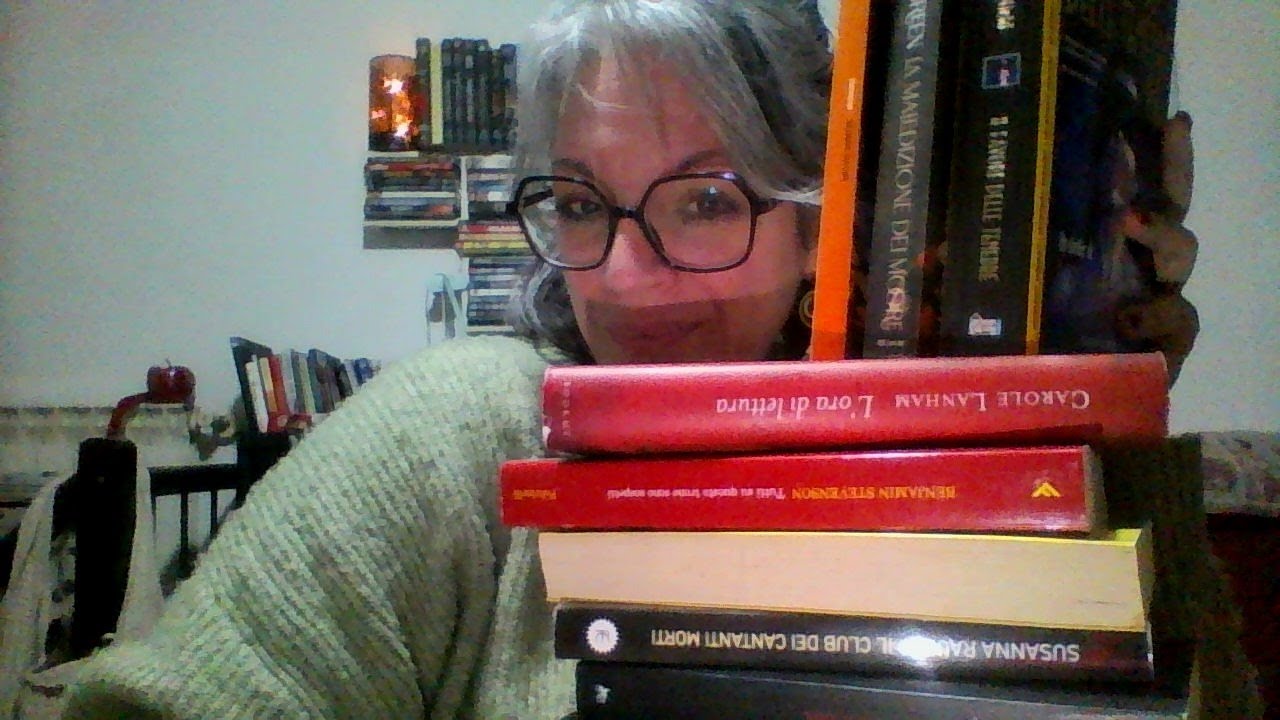



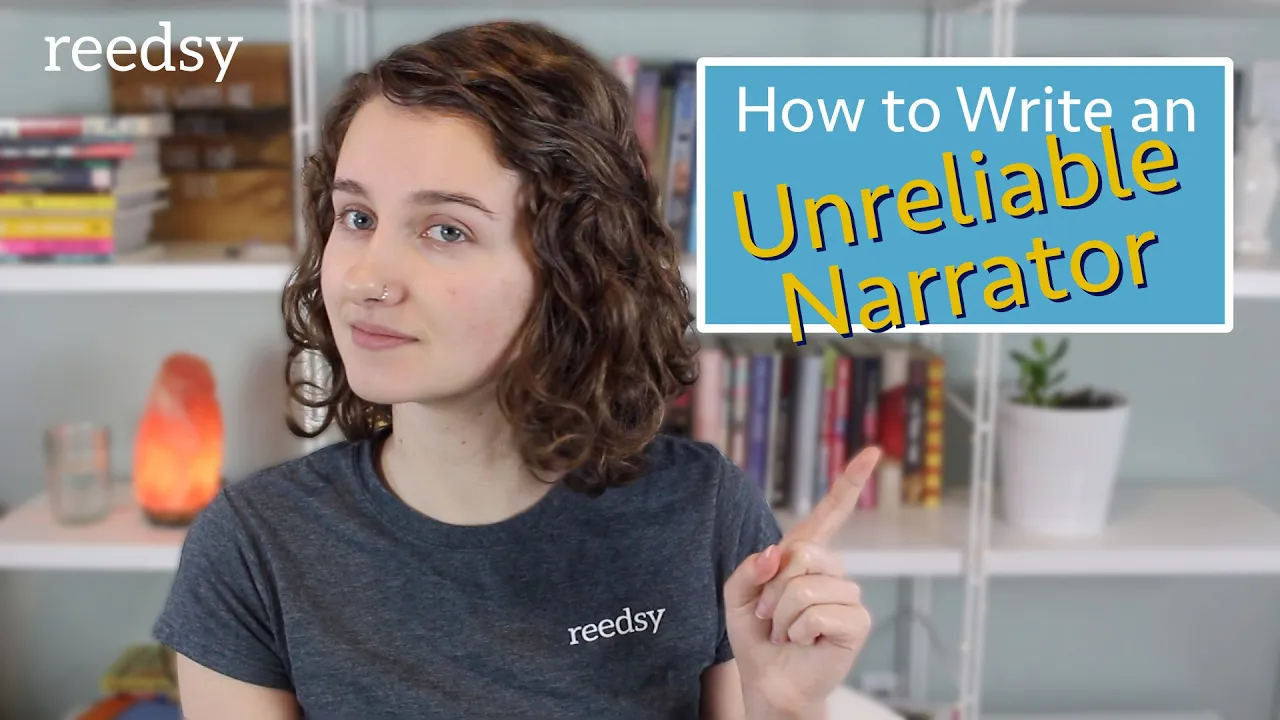











An unreliable narrator is a literary device where the storyteller cannot be trusted, either intentionally deceiving the reader or unintentionally being misguided, creating suspense and ambiguity that makes readers question the truth of the narrative; this technique is commonly used in suspense fiction to keep readers engaged through twists and debates about what actually happened.
Unreliable Narrators in Literature: A Book List
Added:Understanding narrative points of view (specifically first-person vs. third-person narration).
The distinction between the author of a text and the narrator who tells the story.
Basic comprehension of literary irony, subtext, and reading between the lines.
Familiarity with the gothic and psychological suspense genres in literature.
Analyzing specific categorizations of unreliable narrators (such as the Picaro, the Madman, the Naïf, or the Liar).
Applying 'reader-response theory' to examine how an unreliable narrator shapes reader engagement and skepticism.
Deconstructing narrative techniques such as memory gaps, bias, and selective omission in classic texts like 'Rebecca' or 'The Turn of the Screw'.
Exploring creative writing techniques for crafting an authentic and compelling unreliable narrator in one's own fiction.
6.9K views497likes25:05Original Release: 2020-10-14
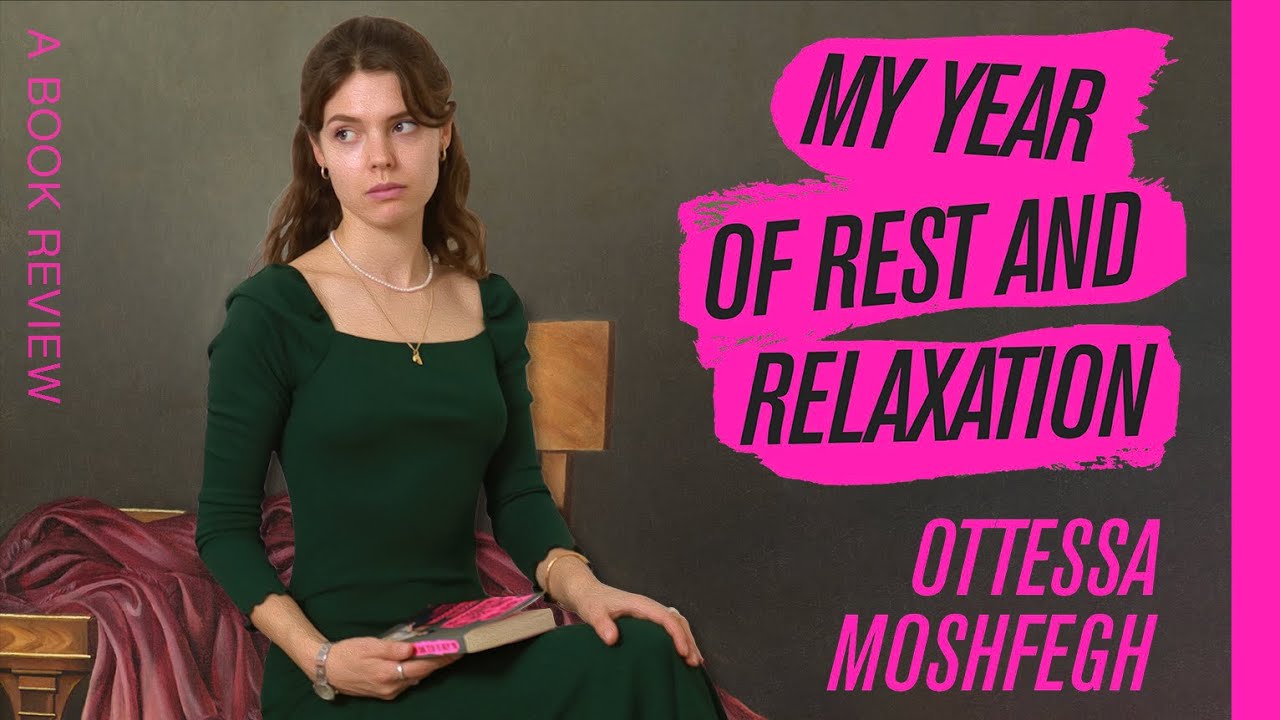
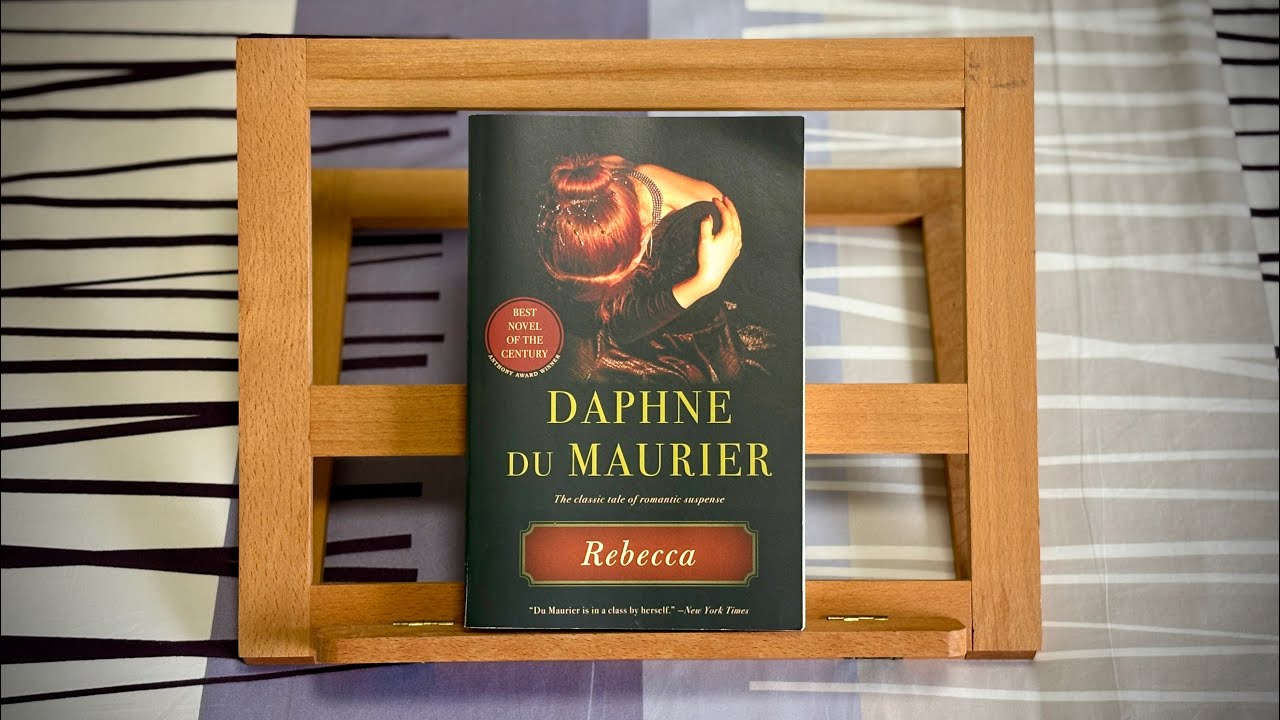
hi everyone i'm miranda and welcome to my youtube channel today i wanted to talk about books that feature unreliable narrators at this time of year and especially in the run-up to halloween i love to read suspenseful fiction and i think some of the best suspense books feature unreliable narrators there's always a lot of twists and turns to the plot and as the reader as the reader you're really kept on edge often in these books now an unreliable narrator essentially just means an untrustworthy storyteller and books featuring them generally are told from the first person point of view unreliable narrators can intentionally deceive the reader but they can also unintentionally be misguided and their credibility is always called into question in some way but sometimes that's more obvious than it is at other times anyway i always really enjoy books that do an unreliable narrator really well i think there's some of the best books out there and they're often books that are really fun to debate with someone else because sometimes the ending or something about the narrator will be a bit ambiguous and it's always just really fun to talk about these types of books with other people but anyway let me share some of my favorites with you and one of them is the turn of the screw by henry james i reread this book often in the run-up to halloween i actually just finished re-reading it last night and it's such a good story for this time of year because on the one hand it reads just like a ghost story it's an account of a young woman a governess who goes to a big house in the english countryside to take charge of two young children but almost as soon as she gets there she starts to see the ghost of the former governess who has since died and the vallet of the master of the house who has also died and the woman becomes convinced that these spirits are after the souls of her two young charges now you remember what i just said about the character of the unreliable narrator sometimes being called into question people can have different opinions on what's really going on in this type of book and this is a great example of that i personally find that the narrator here is quite clearly mad that's always how i read her character but there is always this question is she mad or was she really being haunted and there's just enough clues left for both sides of that debate that it really can become quite a fun debate to have with someone some people really believe that she is being haunted others believe that the governess is mad but it's just such a good read for this time of year the story starts out with a group of friends gathered around a fireplace on christmas eve and over the next few days they tell each other ghost stories and this is one of the ghost stories that is told but it's a really great read like i said for this time of year and i think it's a brilliant example of the unreliable narrator then i chose affinity by sarah waters as the book club choice for this month and in this book sarah walters has employed the dual narrative technique so they're in fact two unreliable narrators in this book one of them is unintentionally misguided in her reading of the situation and the other is much more intentionally deceptive as to what is happening in this story i'm not going to talk about it too much now because my mom and i will be just discussing this book next tuesday for the book club so i'm going to save my thoughts about it for then but i do think this is a brilliantly atmospheric book for this type of for this time of year and it's also a really good example of the unreliable narrator and then sarah waters often reminds me of laura purcell because laura purcell also uses the dual narrative structure a lot in her books and i think that she especially writes unreliable narrators very well all her books are really strong for that the silent companions the corset and also bone china and i think bone china is perhaps the strongest example of an unreliable narrator in laura purcell's fiction i really enjoyed this book it's set in georgian england it's about a young woman who's fleeing from her past in london she heads to cornwall on a sort of dramatic carriage journey in the dead of winter it's very atmospheric and there she becomes employed as the kind of companion to an old woman who's living an extremely isolated life in her house right on the edge of the cornish cliffs and once uh the heroine of the story arrives there she soon realizes that things aren't quite as as they appear and something very strange is happening however throughout the book the reader more and more begins to question the reliability and the credibility of the narrator in this book and you wonder how much of her perspective is being twisted and isn't quite accurate so this is a really atmospheric read too and i think again it's a great example of an unreliable narrator and again it uses that dual narrative structure really well i think too then laura purcell is often compared to daphne du maurier who is one of my very favorite writers and she writes the most brilliant suspenseful fiction the most famous example of that is of course rebecca i myself don't see a lot to compare between laura purcell and daphne du maurier i think they're really quite different writers but just like laura purcell writes very good unreliable narrators so does daphne du maurier so that definitely is a point of comparison one of the most famous examples that people always mention of unreliable narrators is the narrator in rebecca who is a nameless character or she's only known as the second mrs dewinter you never get her first name and she's a really brilliant character and rebecca i mean it's one of my favorite books if you've never read it please do because it is brilliant and the narrator in this is an example of a narrator that is unintentionally misguided she's not setting out to deceive the reader she isn't lying to the reader but because she's such a young naive character she gets things wrong her imagination runs wild in this story and she perceives events in a way that aren't actually the truth she she gets it all wrong and with the reader when you're following along you tend to get things wrong too but slowly the story unfolds and there's a really dramatic twist at the end that i don't want to spoil for anyone but it's often very different from what you think is coming it's a real twist to the towel which i love it's part partly one of the reasons why i love rebecca is because it has just a really brilliant twist to the story so i love rebecca daphne du maurier's writing and this would be a great book to read this month especially with the film coming out however i think daphne du maurier has written an even better unreliable narrator than rebecca this one isn't talked about as much but i think that this book is brilliant and that's my cousin rachel by daphne du maurier and like i said i think her best example of an unreliable narrator is in this book and there's a real chakra of an ending to this one too and it's a sort of ending that you want to talk about you will want everyone else to read this book once you've read it because opinions again can really differ on this one just like with the turn of the screw they can differ a lot of people differ on what they think is really going on in my cousin rachel too and i love that sort of book that really makes you want to discuss it so in this book the story is told from the perspective of a young man called philip and his older cousin ambrose at the start of the book goes to italy in order to help his health in italy ambrose meets a young woman called rachel and he marries her and at first his letters back to philip are all about his love for rachel and how wonderful she is but as ambrose gets sicker he also seems to doubt rachel and his letters to philip become more and more confused but they also hint at the possibility that rachel may perhaps be poisoning him and he seems to regret his marriage the next news that philip has of ambrose is that he has died and in the end rachel his widow comes to cornwall and stays with philip now philip is determined to hate his new cousin from the get-go but in fact rachel utterly bewitches him he falls under her spell and is almost obsessively in love with her however as events unfold he becomes tormented by the idea that she is not in fact as innocent as she seems and perhaps his cousin ambrose had a point in telling philip not to trust her so it's just such a good read i don't want to spoil anything more for you but in terms of an unreliable narrator i think this is one of the best books that features them i absolutely love it and then another real favorite of mine about an unreliable narrator again is gillespie and i by jane harris this is one of my favorite books i absolutely love it it's set in the victorian era and it's about a young woman in glasgow who befriends an artist called gillespie and she becomes a real fixture in his family he's married they have a young child then the child goes missing she's kidnapped and a lot of twists and turns start to happen throughout the novel and it partly culminates in a um trial but it's just so good and again it features a really unforgettable uh unreliable narrator it's one of my favorite examples of that type of literature and i really recommend it i also really enjoyed the glasgow setting i thought that was a lot of fun but yes if you haven't read this one i really recommend it and then i've spoken before about how much i love we have always lived in the castle by shirley jackson again when it comes to unreliable narrators americat who is the narrator of this story is one of my favorite examples i think this is just such a fascinating read and again maracat is one of those characters that people can't quite seem to make up their mind about some people are quite sympathetic towards her i personally think she is clearly a psychopath and not that sympathetic a character but there's a lot of debate about it and i think that shirley jackson has just done something truly remarkable in this book in that as a as the reader of the story it's very difficult to quite get a handle on what exactly is going on america keeps so much of the past and even of some of the present from the reader that it's hard to make up your mind and to really have an opinion as to what is going on and you have to infer a lot and so it often comes down to individual opinion too on what you think of the characters and what is going on here but what i think is one of the strongest aspects of meerkat and in some ways one of the creepiest things about her to my mind is the way that you as the reader get access to this internal monologue that she has that although it doesn't always quite make sense and she is obviously a troubled individual to quite a large extent there is however a certain logic to her reasoning even though she believes in things like sympathetic magic and she hangs up talismans and things like that and even though she believes in that sort of thing there's a logic to her reasoning that is quite mature however in her interactions with other people particularly her sister her dialogue becomes much more immature and so as a reader you're left to sort of make up your mind whether she's deliberately putting on this front of immature immaturity bordering on incompat incapacity almost or whether she's deliberately showing a side of herself to people that isn't quite true there's just so many layers to this book we've spoken about it in videos before so i won't say too much more about it now but again it's just really suspenseful makes you want to keep turning the pages to find out what is really going on here and mericat i think is just one of the best examples of an unreliable narrator i love this story if you've read it let me know what you think are you sympathetic to mericat or do you think she really is just a psychopath i'd like to know and then another book that i really enjoyed that features an unreliable narrator is kate atkinson's book transcription on my instagram recently i asked people what's this what were some of their favorite books that featured unreliable narrators and one person mentioned this book and it reminded me of how much i'd enjoyed it i read it a few years ago and it was really good and this book is an example of an unreliable narrator who is deliberately deceptive so there's a sort of twist at the end that comes as quite a surprise although there are a few subtle clues drop dropped throughout the story that you can pick up on as a reader but i think the ending is still quite surprising and there is definitely a few things kept back from you in the book which i won't spoil for you but i did really enjoy that aspect to the story it's also just a really fun book full of great period detail um it's set partly during world war ii and then also post-war when the character's working for the bbc but certain people from her past life pop up again and they make her reflect on her years working for mi5 during world war ii and this just is a really good book all about sort of inner workings of the bbc but also about spies and the second world war and i just love those topics so i really enjoyed this and we definitely recommend it then wuthering heights is one of the most famous examples of books that feature an unreliable narrator in fact there are two uh emily bronte used the device of the dual narrative with mr lockwood and then the servant nelly who both tell the story of wuthering heights and although if you've watched my video about classic fiction you'll know that this isn't one of my very favorites it's definitely not my favorite bronte book however it is a really good example of an unreliable narrator uh mr lockwood is unreliable partly because he is a real outsider to the story into the events that occurred um before he was even on the scene so he didn't know a lot of the primary characters in this story nelly the servant who tells him of the events from the past that happened is almost too close to the story she's a real eyewitness of the events but she is definitely more sympathetic towards some characters than others so the perspective on the story is quite skewed but this is also a good read for this time of year in that it is um in part a ghost story one of the most famous ghost scenes in literature happens in this book it's also a book that's all about passion and wild weather and tempest both within the soul and um outside of it and for that reason i think it is a good book for this time of year and it is a very good example of the unreliable narrator then i also love this book which is never let me go by kazuo ishiguro this often also crops up as an example of an unreliable narrator in fiction and in this book elements of the story of slowly and deliberately revealed to the reader and it's done with almost a kind of maximum shock effect so it's about a young woman who's looking back at her time at a boarding school called helsham in the english countryside and at first you read this thinking um that it's quite a sort of typical upper-class boarding school but soon you realize that very strange things are happening and eventually more and more gets revealed this is a love story it's a very sad love story um it's about accepting mortality it's really a beautiful tale very heart-wrenching to read and again um it is a very good example of an unreliable narrator however i also think that ishiguro's other very famous novel the remains of the day is again an exceptional example of an unreliable narrator and in this book i feel the narrator stevens um who is a butler for almost his whole life at a very grand house in the english countryside um much of this story is about him recalling his glory days and it's set mainly in the interwar years but in this the narrator is unreliable partly through naivety um and his lack of experience of world politics and not his not his full understanding of what was going on um at the house uh which she was a butler but also he is a very self-deceptive character and as a reader you become aware of that that there are several points in the book where he in fact lies to himself or doesn't seem to understand his own actions sometimes so as a reader in some ways you end up understanding his character perhaps better even than he does it's a really fine story i absolutely love it and would really recommend this one too if you've never read it and then finally there are of course two very famous examples of unreliable narrators in agatha christie books and you know how much i love agatha christie however i don't want to tell you which these agatha christie's which which they are which books of hers they are because they are both examples of narrators that deliberately lie to the reader so there's a brilliant twist to the end of both these books but i won't say what they are because i don't want to potentially completely spoil the mystery for you however if you've read the books i don't want you to feel like i've left them out because they are classic examples of an unreliable narrator and they're such good reads let me know if you've read them one of them is a very famous agatha christie one and the other is less famous but she uses the same trick in that story and i think it's equally brilliant even though it isn't talked about as much so if you know what i'm talking about you know what i know then let me know let me know if you like those agatha christie books too but also let me know what other books you love that feature unreliable narrators i'd really love to know as you can tell i think it's a great literary device i love unreliable narrators i love books that feature them so let me know if you have any you can recommend to me but i hope you enjoyed watching this video give give it a thumbs up if you did and don't forget to subscribe to my channel which you can do by clicking on my face that pops up around here somewhere i'll be back again on friday with our team reads episode with my mum so hopefully see you again then but take care bye
Up Next

10:46
Analyzing Poe's The Tell-Tale Heart: Symbolism & Madness
@SixMinuteScholar
167.8K views•2014-01-19

13:43
Formalism in Literary Criticism: An Academic Lecture Overview
@mattalberhasky9952
39.1K views•2015-08-05

6:08
Point of View in Fiction: First Person vs. Third Person
@magicalthriftyteacher
153.8K views•2014-03-31

15:25
1984: Orwell's Dystopian World and the Mechanisms of Totalitarianism
@AlternateHistoryHub
7M views•2017-03-04
Related Study Plans & Knowledge Roadmaps
Structured learning paths in Literature
literature
Graphic Memoirs: Visual Art, Trauma & History
01Foundations of Sequential Art and Visual Language
02Autographics and Processing Historical Trauma
03Visualizing Personal Trauma, Grief, and Graphic Medicine
+ 2 more learning modules
14h5 modules
Explore Roadmap
literature
Campus Novels: Evolution, Themes & Critique
01Introduction to the Campus Novel Genre
02Mid-Century Satire and the Post-War Academy
03Dark Academia and the Critique of Privilege
+ 2 more learning modules
14h5 modules
Explore Roadmap
literature
Theater of the Absurd: Philosophy & Plays
01Postwar Existentialism & Historical Roots
02Dismantling Narrative: Esslin & Absurdist Conventions
03Samuel Beckett and Tragicomic Existentialism
+ 2 more learning modules
12h5 modules
Explore Roadmap
literature
Revenge Tragedy: Justice, Madness & State
01Foundations of Early Modern English Theatre
02Anatomy of Revenge: Structural Conventions
03Psychological Complexity: Madness and Melancholy
+ 2 more learning modules
15h5 modules
Explore Roadmap