














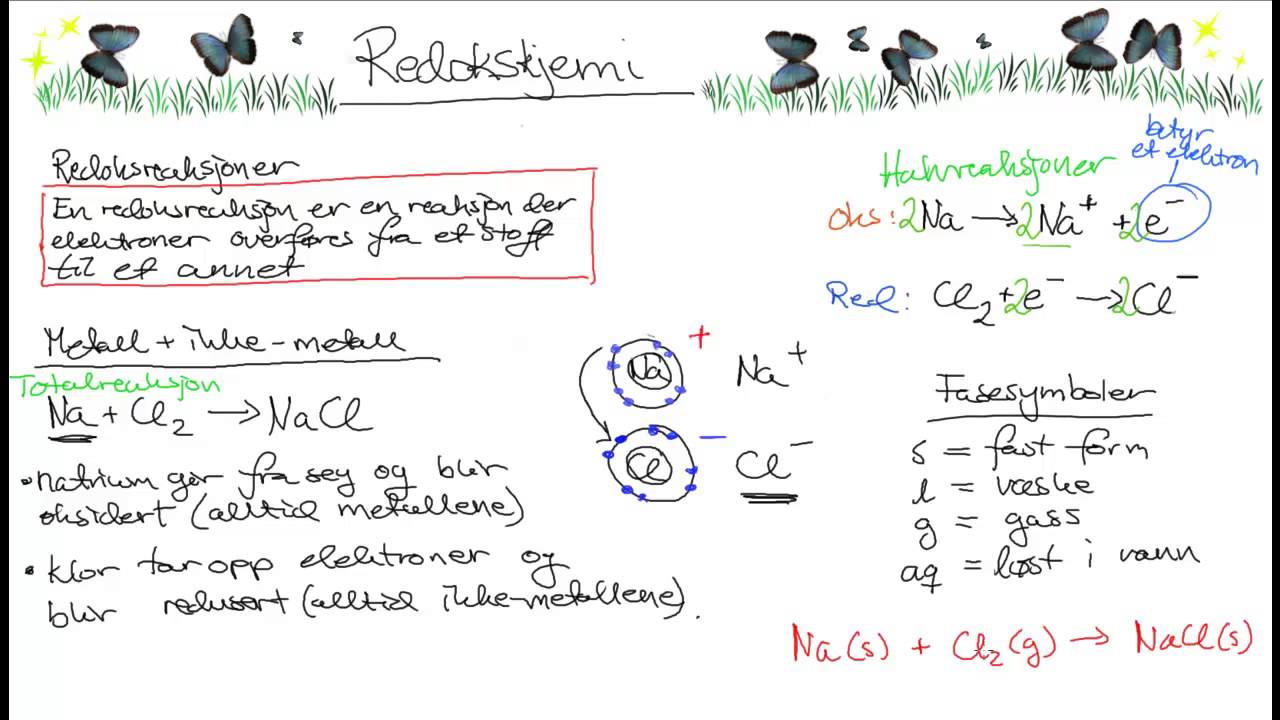
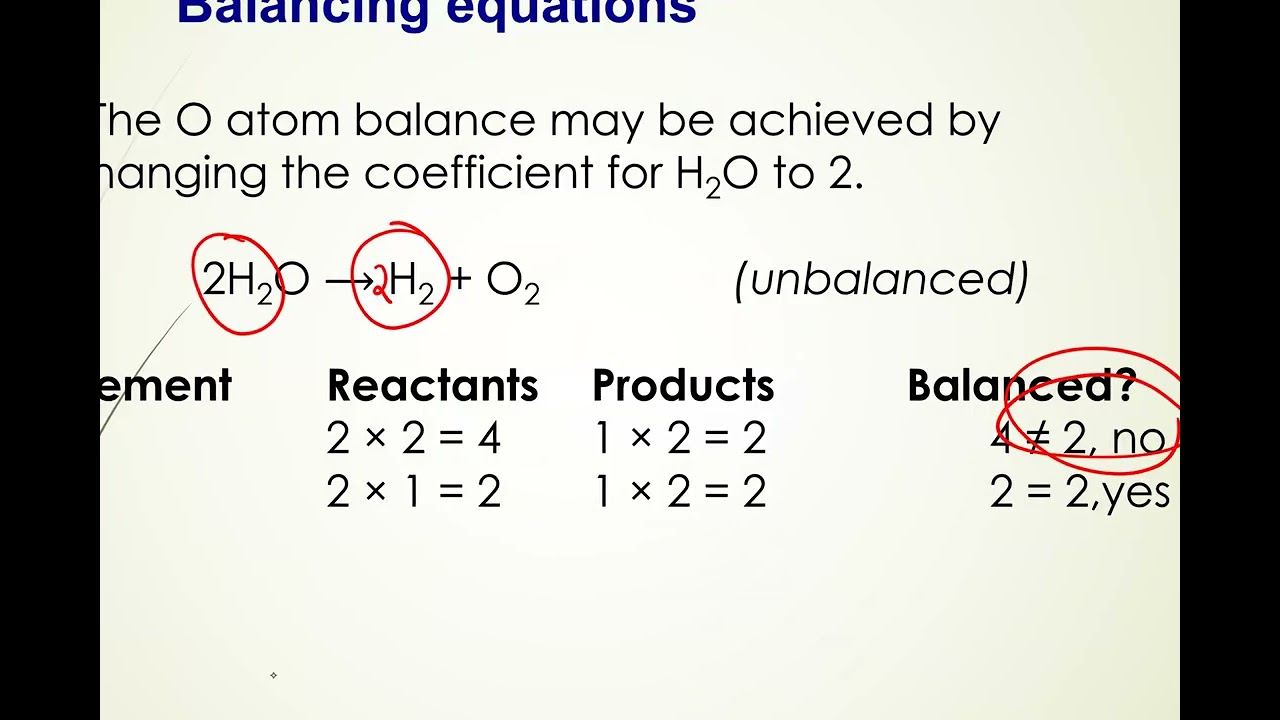



In redox reactions, oxidation involves an increase in oxidation number due to electron loss, while reduction involves a decrease in oxidation number due to electron gain; the substance being oxidized acts as the reducing agent, and the substance being reduced acts as the oxidizing agent.
How to Identify Redox Reactions: Oxidation Numbers Explained
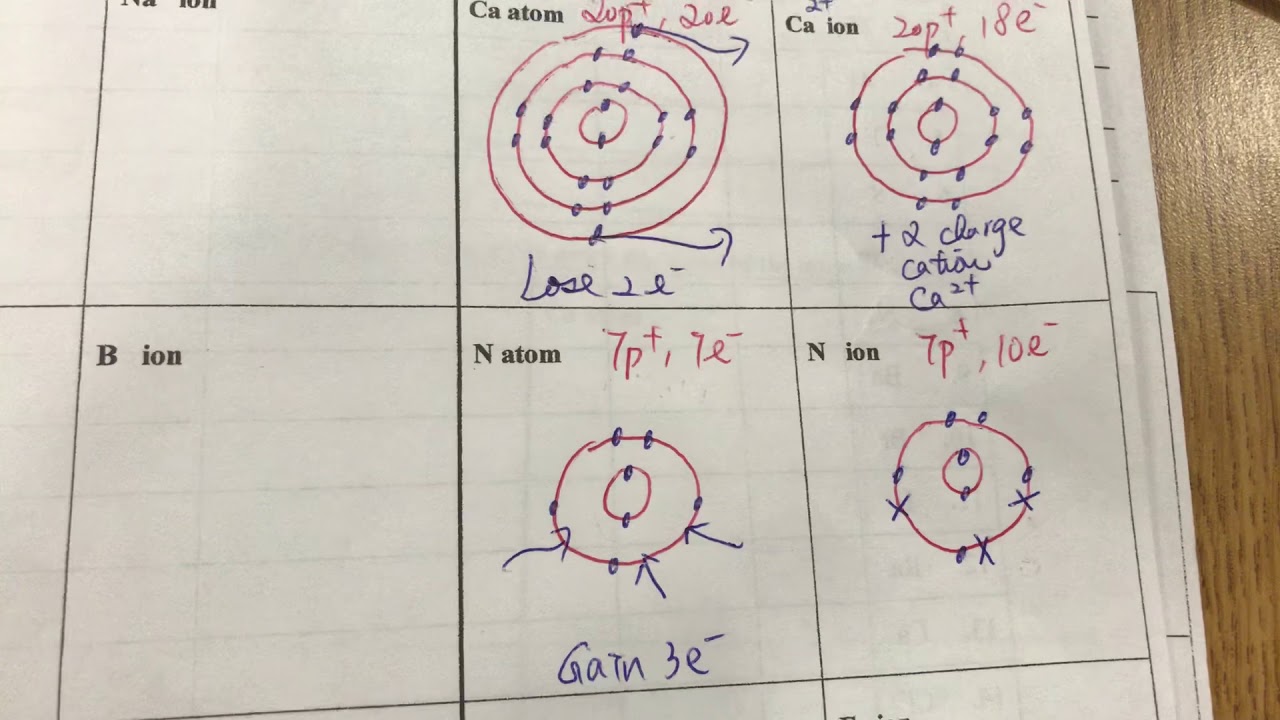
Added:Understanding of atomic structure, specifically valence electrons and how ions (cations and anions) are formed.
Familiarity with chemical bonding, particularly the difference between ionic and covalent bonds.
The concept of electronegativity and how it influences electron distribution and charge in molecules.
Basic skills in writing and balancing simple chemical equations.
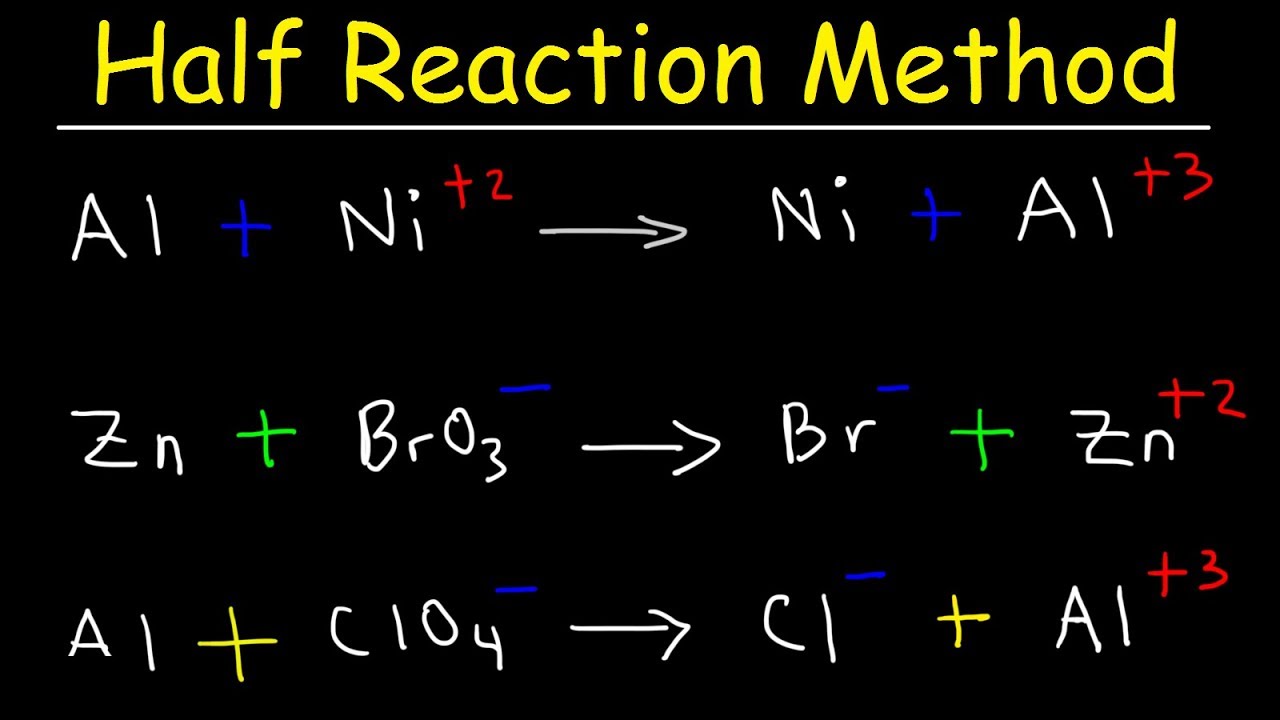
Balancing complex redox equations using the half-reaction method in both acidic and basic aqueous solutions.
Introduction to electrochemistry, including the setup and principles of galvanic (voltaic) and electrolytic cells.
Using the activity series of metals to predict the spontaneity of single-displacement redox reactions.
Calculating standard cell potentials (E°cell) and understanding the connection between redox reactions and thermodynamic free energy (Gibbs Free Energy).
559.1K views9.2Klikes3:56Original Release: 2018-04-23
In this question we're given a balanced chemical equation and we're asked to find which substance is being oxidized, which substance is being reduced, which substance is the oxidizing agent and which substance is the reducing agent.
Step one is to find the oxidation numbers. Starting with our first reactant of aluminum. Sluminum is one element in its solid state that has an oxidation number of zero. Now this 2 is only there to balance out this chemical reaction. So yes this still is just one element in its solid state. Moving on to you F2. F2 is a diatomic atom. Diatomic atoms have an oxidation number of 0.
Moving on to aluminum. Now aluminum has a 3+ charge. So if it has a charge then one element with a charge, the oxidation number will be the charge.
That's why our oxidation number here is +3. Lastly, Fluorine has a -1 charge. Once again that oxidation number would be its charge so in this case our oxidation number is -1. Step two label oxidation and reduction processes.
When labeling oxidation or reduction, what we're focused on is the change of oxidation numbers. So let's start off with aluminum. It starts as 0 then changes to a +3. Because this became more positive this is oxidation.
Remember oxidation becomes more positive when we're going from reactant to product and looking at our oxidation numbers. It becomes more positive due to a loss of electrons and electrons are negatively charged.
Moving on to fluorine, we're going to go from 0 to a -1 so this is reduction. We know this is reduction because our oxidation numbers are becoming more negative because we are gaining electrons. Now that we know which elements are involved in oxidation and reduction, let's go back to answering our questions. Now whenever you're being asked which substance is being oxidized, reduced, what's your oxidizing agent or reducing agent, this is very very important. We are only talking about the reactants! Our first question asks, which substance is being oxidized? So now that you know we're only looking at the reactants, we're gonna focus on the reactant that is involved in oxidation. Our reactant that is involved in oxidation, therefore that's the substance that's being oxidized, is aluminum in its solid state. Part B, which substance is being reduced? So we'll go back and look at just the reactant that was involved in reduction. So our substance that's being reduced is F2.
Part C, Which substance is the oxidizing agent? Remember whatever is being reduced is your oxidizing agent. In Part B we found that the substance being reduced was F2, so that's the same thing as our oxidizing agent. Part D, which substance is the reducing agent? Remember a reducing agent is whatever is being oxidized, so in Part A we found what is being oxidized, that was aluminum our reducing agent is then aluminum in its solid state.
Up Next

11:22
Understanding pH and pOH: Acids, Bases, and Logarithms
@crashcourse
2.3M views•2013-09-09
83:56
Biocatalysis and Catalysis in Islatravir Synthesis | Merck Webinar
@SCIwheresciencemeetsbusiness
675 views•2020-10-08

66:06
Oxidation Reduction Reactions & Periodic Trends Explained
@melissamaribel
68.4K views•2017-11-16

17:31
Edible Water Bottles: A DIY Guide to Sodium Alginate Spherification
@ryan
10.5M views•2019-06-21
Related Study Plans & Knowledge Roadmaps
Structured learning paths in Chemistry
chemistry
Nuclear Chemistry: Decay, Meds & Fuel Cycle
01Introduction to Nuclear Structure and Radioactivity
02Decay Dynamics and Kinetics
03Radiation Interaction and Detection
+ 2 more learning modules
24h5 modules
Explore Roadmap
chemistry
Supramolecular Chemistry: Forces & Machines
01Foundations of Chemical Bonding and Intermolecular Forces
02Introduction to Host-Guest Chemistry
03Thermodynamics and Dynamics of Self-Assembly
+ 2 more learning modules
16h5 modules
Explore Roadmap
chemistry
Photochemistry: Excited States & Reactions
01Foundations of Light-Matter Interactions
02Molecular Orbitals and Electronic States
03Photophysical Processes and Jablonski Diagrams
+ 2 more learning modules
18h5 modules
Explore Roadmap
chemistry
Coordination Chemistry: Bonding & Properties
01Introduction to Transition Metals and Ligands
02Crystal Field Theory (CFT) and Geometry
03Magnetic Behavior and Spin States
+ 2 more learning modules
14h5 modules
Explore Roadmap