




















Plants defend against bacterial pathogens through a two-step detection system where cell-surface receptors (PAMPs) initiate pattern-triggered immunity (PTI), while intracellular receptors detect pathogen effectors to trigger effector-triggered immunity (ETI); crucially, ETI enhances PTI by increasing signaling protein production, meaning both receptor types must work together for strong defense, which explains why stacking multiple resistance genes in crops creates more durable disease resistance.
Plant Immunity: Two-Step Detection of Invaders
Added:Basic plant cell anatomy, specifically the structure and function of the plant cell wall, plasma membrane, and cytoplasm.
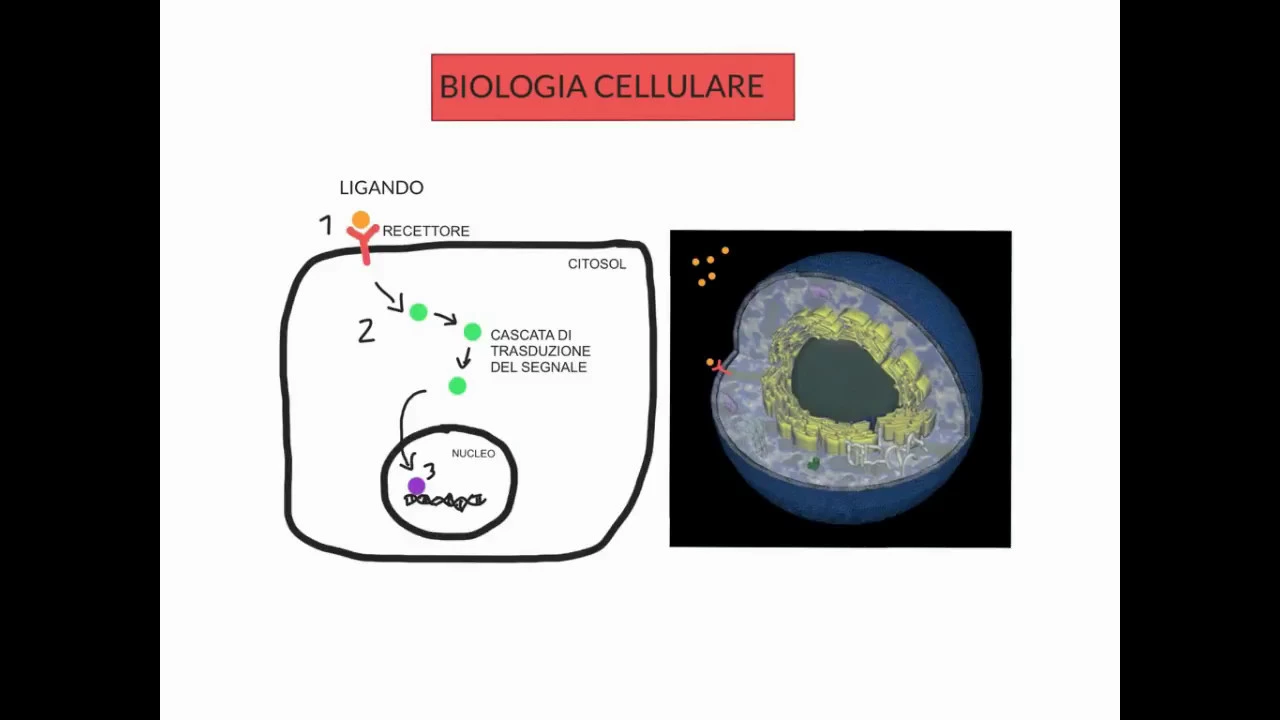
The general concept of cell signaling, including how receptors bind to specific ligands to initiate an intracellular response.
An understanding of common plant pathogens (such as bacteria, fungi, and viruses) and how they infect host tissues.
The fundamental difference between innate and adaptive immunity, keeping in mind that plants rely entirely on innate immune mechanisms.
The 'Zig-Zag' model of plant immunity, specifically detailing the interaction between Pattern-Triggered Immunity (PTI) and Effector-Triggered Immunity (ETI).
Downstream defense signaling pathways in plants, including MAPK cascades, calcium signaling, and the production of reactive oxygen species (ROS).
The Hypersensitive Response (HR) and Systemic Acquired Resistance (SAR) as localized and plant-wide defense mechanisms.
Biotechnological applications, such as using gene-editing (CRISPR) or transgenic breeding to introduce robust receptor genes into vulnerable crop species.
3.2K views81likes5:26Original Release: 2021-03-12
Plants have very effective defence mechanisms that can protect them from disease.
However, a defence must be mounted quickly for it to work. Although we have discovered several mechanisms by which plants detect pathogens and then activate their defences, quite how each work together has been less well understood.
Recent research at The Sainsbury Laboratory has shed new light on the integration of the mechanisms of plant immunity.
This new knowledge will be very helpful in the development of disease resistant crops when a pathogenic microbe lands on a plant, such as in a rainstorm, the microbe attempts to invade plant tissues. Successful invasion provides access to plant nutrients allowing the microbe to grow, multiply, spread throughout the plant, and to ultimately colonise neighbouring plants.
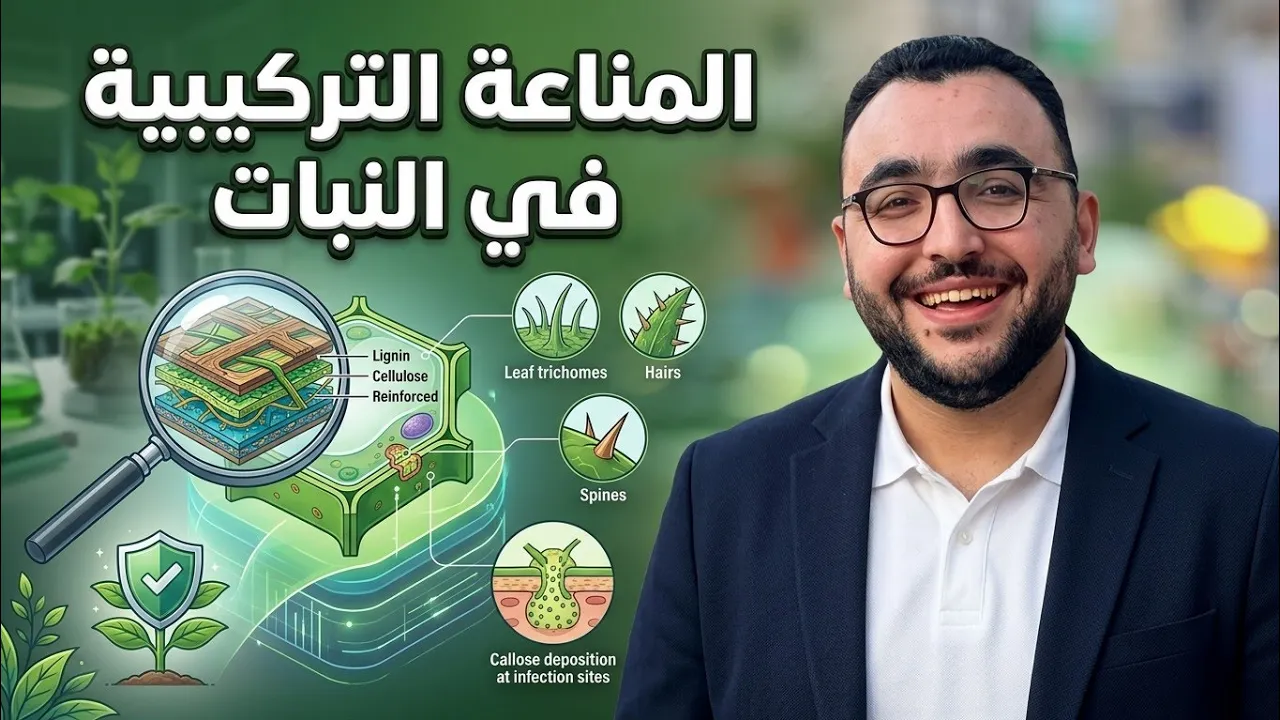
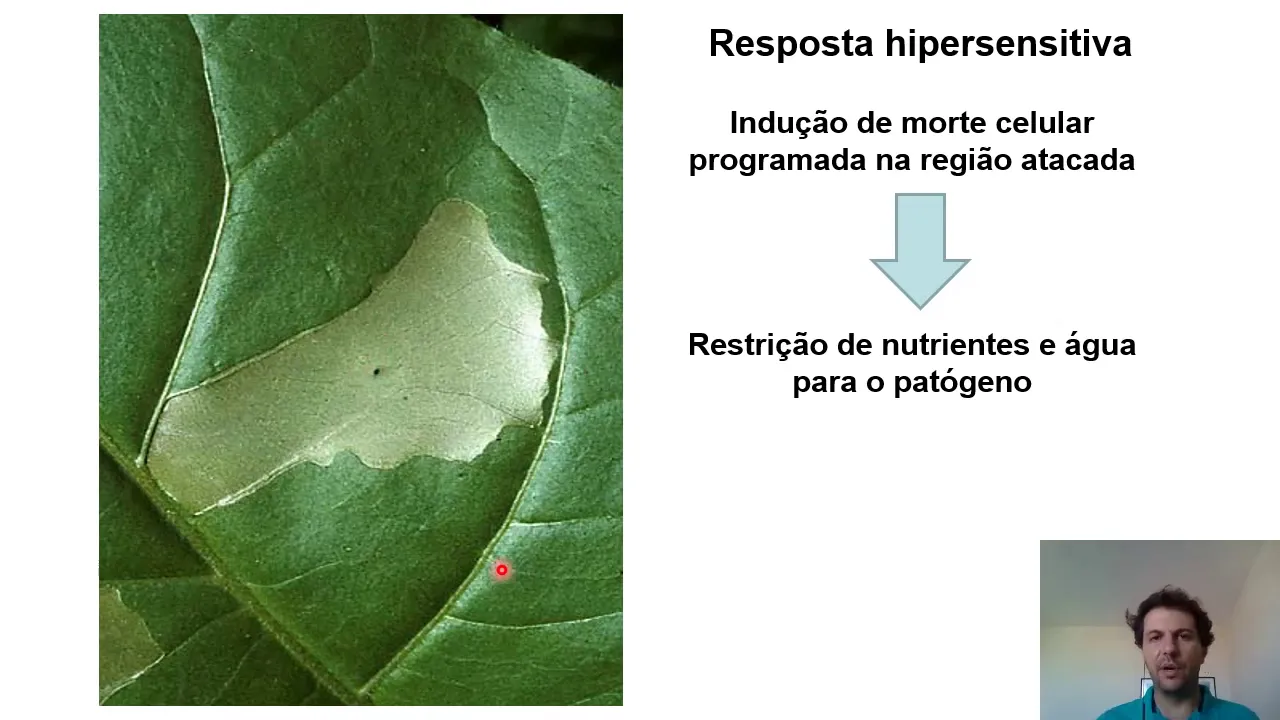
Key protective mechanisms employed by plants include thickening their cell walls, restricting nutrients, and even sacrificing some plant cells in the immediate vicinity of the microbe attempting an invasion. Such self-imposed localised cell death is called the hypersensitive response, or HR. These defence responses prevent the growth proliferation and spread of the pathogen. However, to enable the plant to respond promptly it first needs to perceive the presence of the pathogen. Plants can recognise pathogens in two ways.
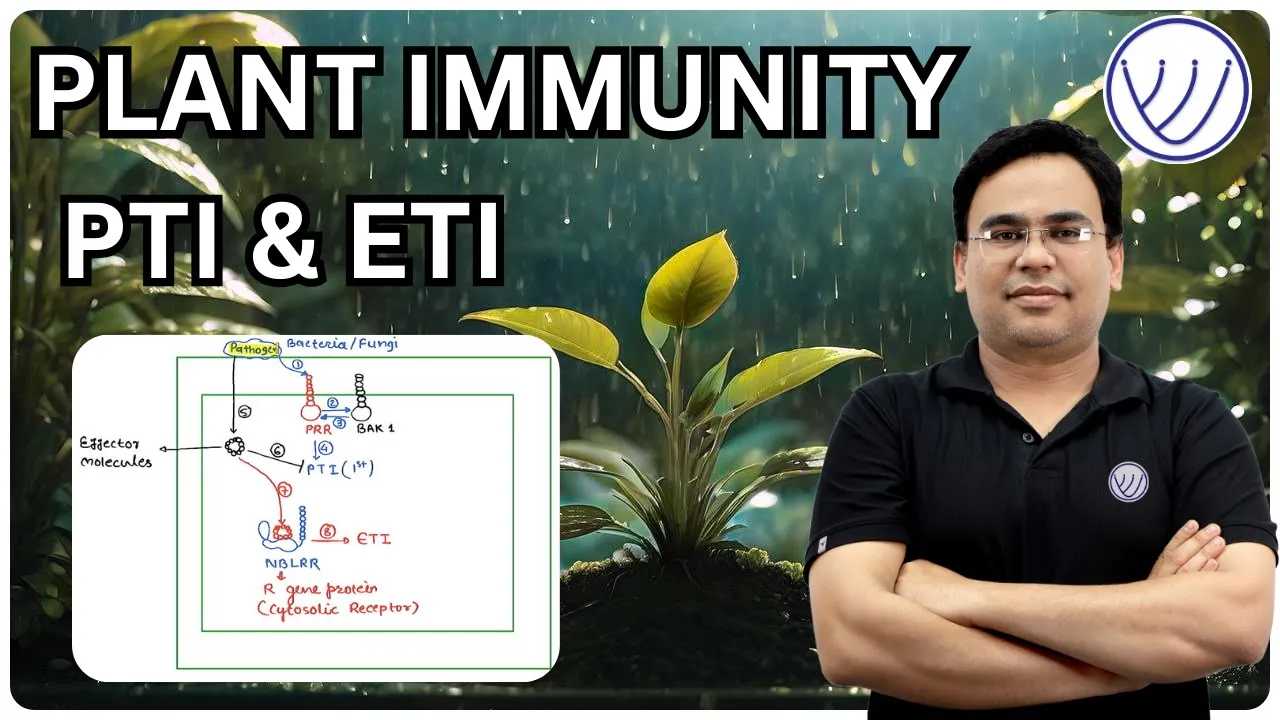
First, resistant plant cells have receptors on the surface that recognise molecular components that are specific to pathogens, called pathogen-associated molecular patterns or PAMPs.
The perception of a pathogen by surface receptors leads to pattern-triggered immunity, or PTI, that results in plant cell wall fortification and nutrient restriction at the site of infection.
To quickly counter this line of defence, pathogens inject effector proteins into plant cells to disrupt PTI and promote disease in vulnerable plants in what is known as effector-triggered susceptibility, or ETS. However, resistant plants have additional intracellular receptors that detect these effector proteins, leading to effector-triggered immunity, or ETI, and the hypersensitive response. Until now, it was not known quite how ETI works and how it is linked to PTI. This was in part because till now most experimentalists have treated plants with a whole pathogen, making it difficult to evaluate ETI in the absence of PTI.
The answer to this challenge was to develop an experimental system that does not include the whole pathogen. This involved introducing a recognised pathogen-affected gene into an experimental plant system and expressing this gene in a controlled way.
By using a chemical inducer, it was possible to produce the protein intracellularly and to monitor the effects of ETI in the absence of the pathogen and therefore the absence of PTI.
An exciting discovery was that ETI leads to an increase in the production of the signalling proteins associated with PTI. Not only does this counter the impact of pathogen effectors to dampen PTI but it also increases the strength of PTI. This phenomenon of enhancing PTI occurs with a range of PAMPS and bacterial effectors, consistent with it being a universal response in plants to attack by bacterial pathogens. In addition, it was found that the intracellular receptor-dependent hypersensitive response is strongly enhanced by the activation of surface receptors.
The cell-surface and intracellular receptors of plants are required to work together to activate a strong defence against bacterial pathogens.
Furthermore, a similar conclusion was drawn from an independent study led by a group from the Chinese Academy of Sciences. Their approach was to test experimental plants that lacked functional surface receptors. Having two independent studies reached the same conclusion makes this exciting discovery even more compelling.
The development of durable resistance in crop plants is a key goal in agriculture.
One approach is to stack several resistance genes in a single crop.
This allows more pathogens and their variants to be perceived by a plant.
Our new discovery boosts our understanding of why stacking resistance genes is so effective.
If more effectors are detected by more intracellular receptors, the enhancement of PTI will be correspondingly greater.
In turn, crops would need fewer disease control measures, such as chemical sprays.
Our discovery therefore offers huge potential to enhance the perception of pathogens by crop plants - benefiting plant health, agriculture, the environment, and ultimately society.
Up Next

77:38
Plant Defense Mechanisms and Signal Transduction Pathways | Plant Physiology Lecture
@CornellTL
9K views•2013-02-07

50:12
Bacterial Communication: Quorum Sensing and Biofilm Formation Explained
@JHUAAP
12.6K views•2011-06-28

5:35
Enteric Nervous System Explained: The Gut's Brain | Neurobiology Lecture
@alumniu6029
438 views•2018-09-12

7:08
Bacteriophages: Earth's Deadliest Killers and Future Antibiotics
@kurzgesagt
34.6M views•2018-05-13
Related Study Plans & Knowledge Roadmaps
Structured learning paths in Biology
biology
RNAi: Biogenesis, RISC & Gene Silencing
01Molecular Biology Foundations: DNA to Protein
02Introduction to RNA Interference (RNAi)
03Molecular Biogenesis of miRNA and siRNA
+ 2 more learning modules
10h5 modules
Explore Roadmap
biology
Mycorrhizae: Signaling, Biophysics & Ecology
01Foundations of Mycorrhizal Symbiosis
02Molecular Signaling and Root Colonization
03Biophysics and Bioenergetics of Nutrient Exchange
+ 1 more learning modules
11h4 modules
Explore Roadmap
biology
Circadian Clocks: TTFL, SCN & Periphery
01Foundations of Molecular Biology & Gene Expression
02Introduction to Chronobiology and Actograms
03The Core TTFL: Molecular Architecture of the Clock
+ 3 more learning modules
14h6 modules
Explore Roadmap
biology
Population Genetics: Math, Drift & Selection
01Genetic & Probability Foundations
02The Hardy-Weinberg Principle and Baseline Models
03Mathematical Modeling of Natural Selection
+ 3 more learning modules
18h6 modules
Explore Roadmap