

















![Proiectare amplificator audio [6] Rezistența termică | Calcul radiator](https://i.ytimg.com/vi/fp56gOrDIso/maxresdefault.jpg)
Liquid cooling systems transfer heat away from PC components (CPU, GPU, motherboard) through a closed-loop system consisting of four key components: a pump that circulates coolant, a reservoir for coolant storage and filling, a water block with copper cold plates featuring microfins to maximize heat absorption, and a radiator with fins and fans to dissipate heat into the environment; this method offers superior cooling efficiency compared to air cooling, extending component lifespan, improving overclocking potential, and reducing operational noise.
Liquid Cooling Basics: Heat Transfer and PC Thermal Management
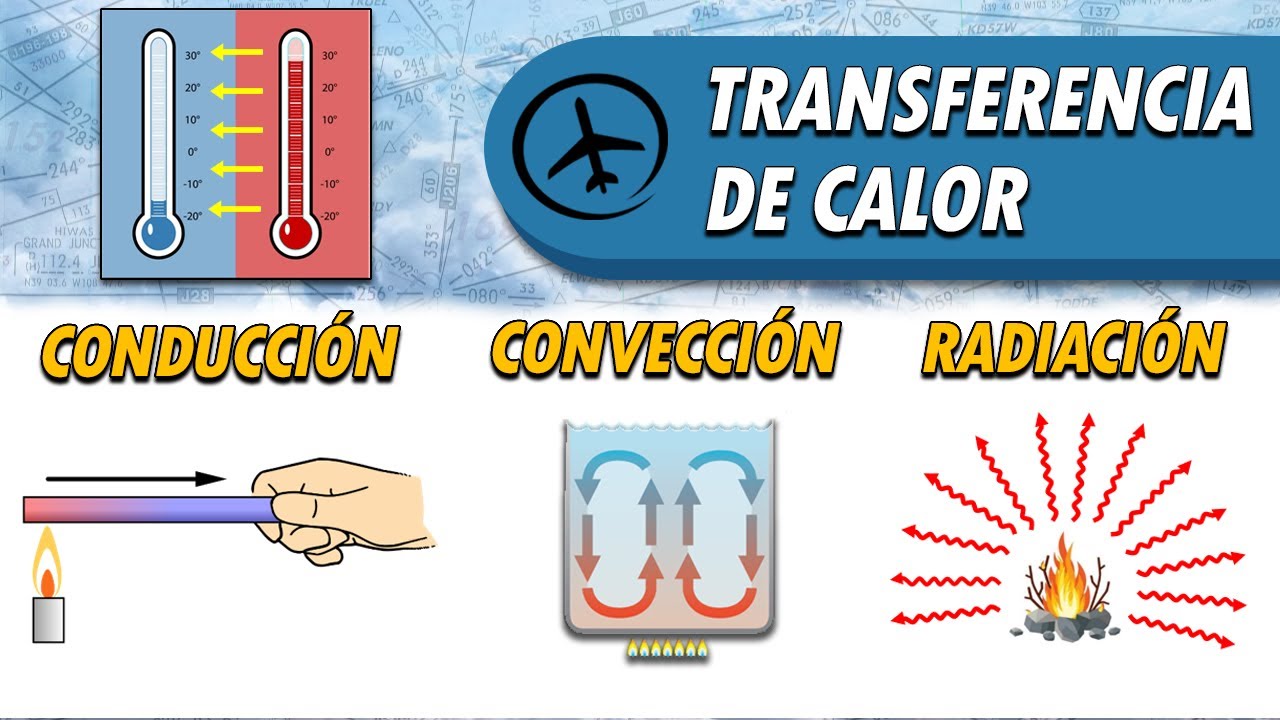
Added:Basic principles of thermodynamics, specifically how heat energy transfers from a higher temperature medium to a lower temperature medium via conduction and convection.
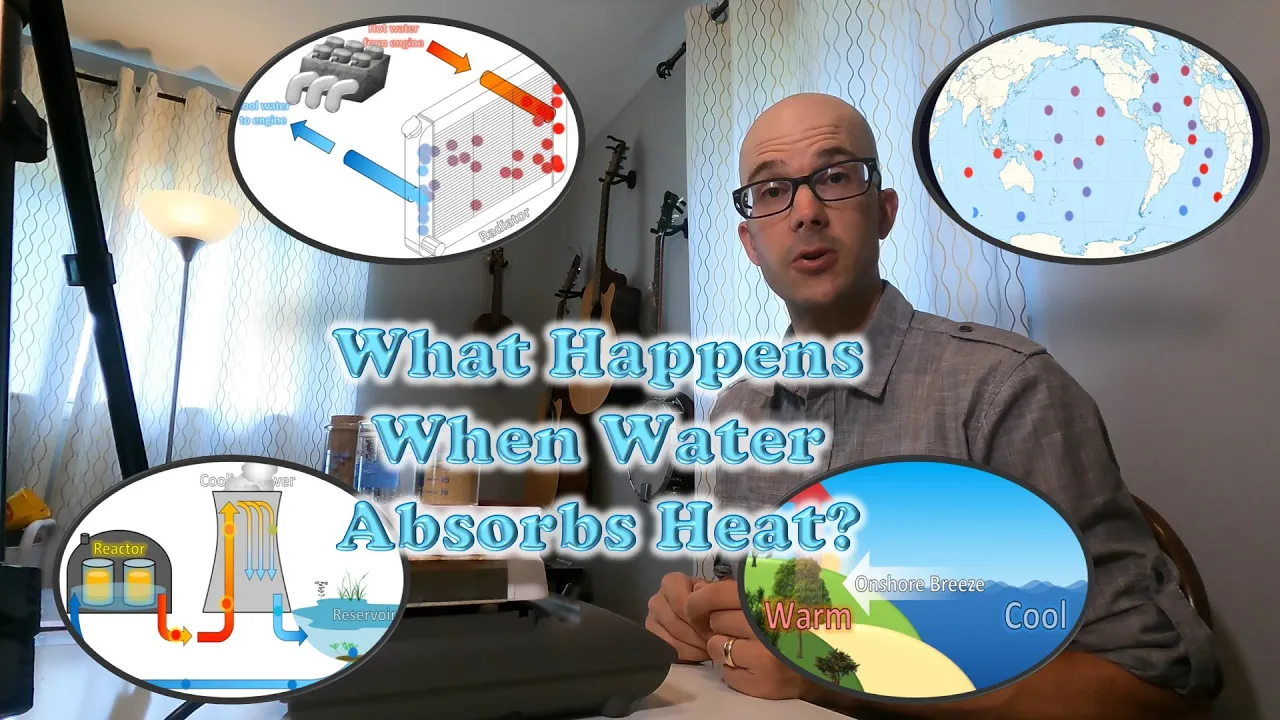
The concept of specific heat capacity, explaining why water is highly effective at absorbing and transporting heat compared to air.
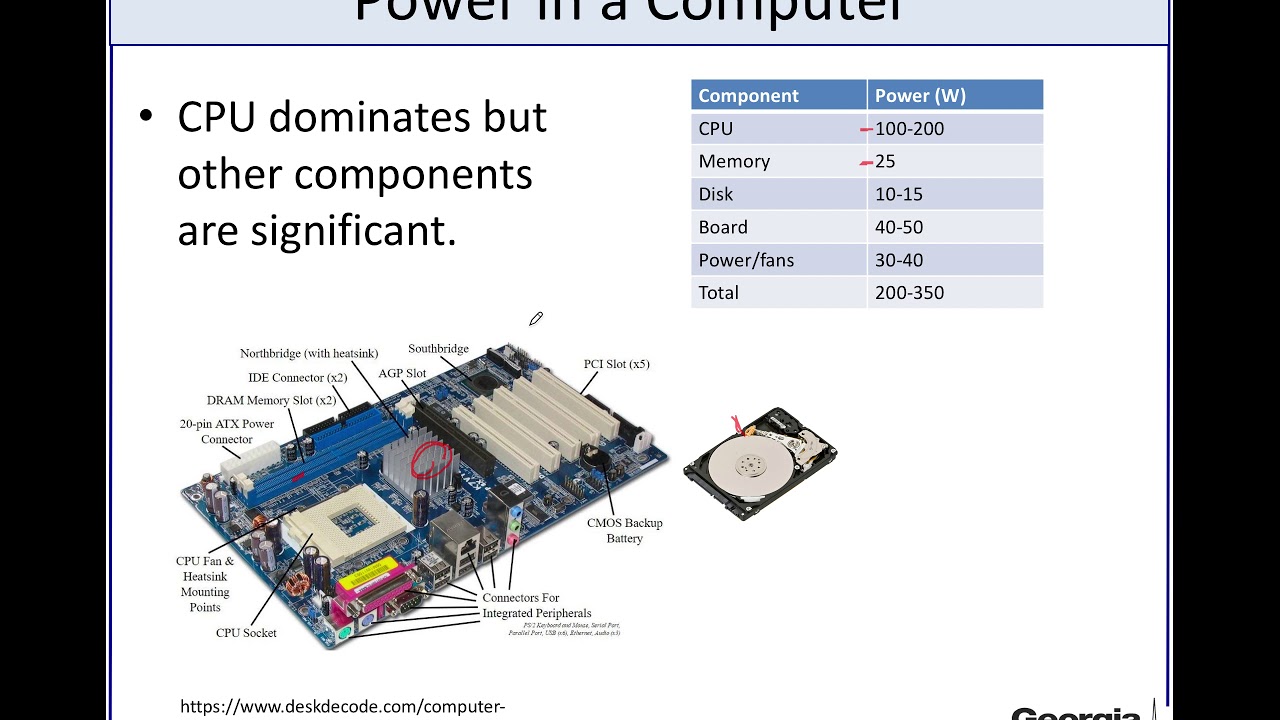
Fundamentals of computer hardware, specifically identifying which components (such as the CPU and GPU) generate the most thermal energy and why thermal management is required to prevent thermal throttling.
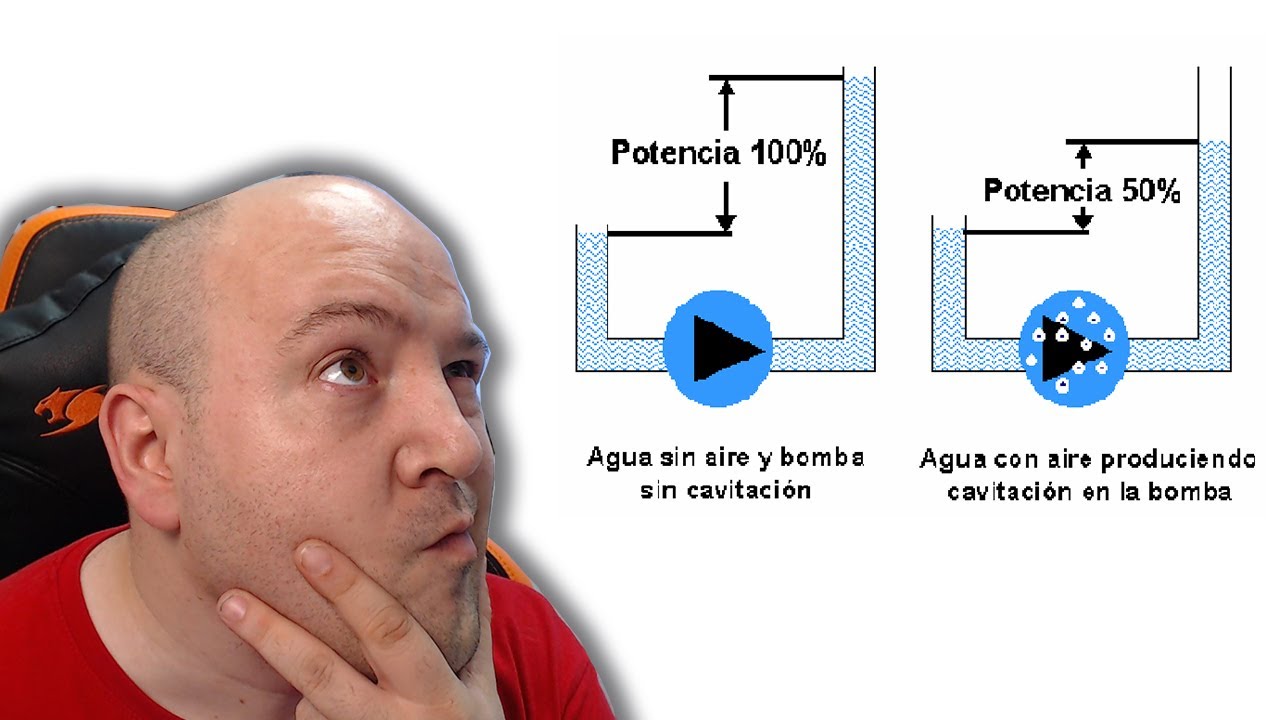
Elementary fluid mechanics, including the concepts of flow rate, pressure, and how fluid behaves within a closed-loop system.
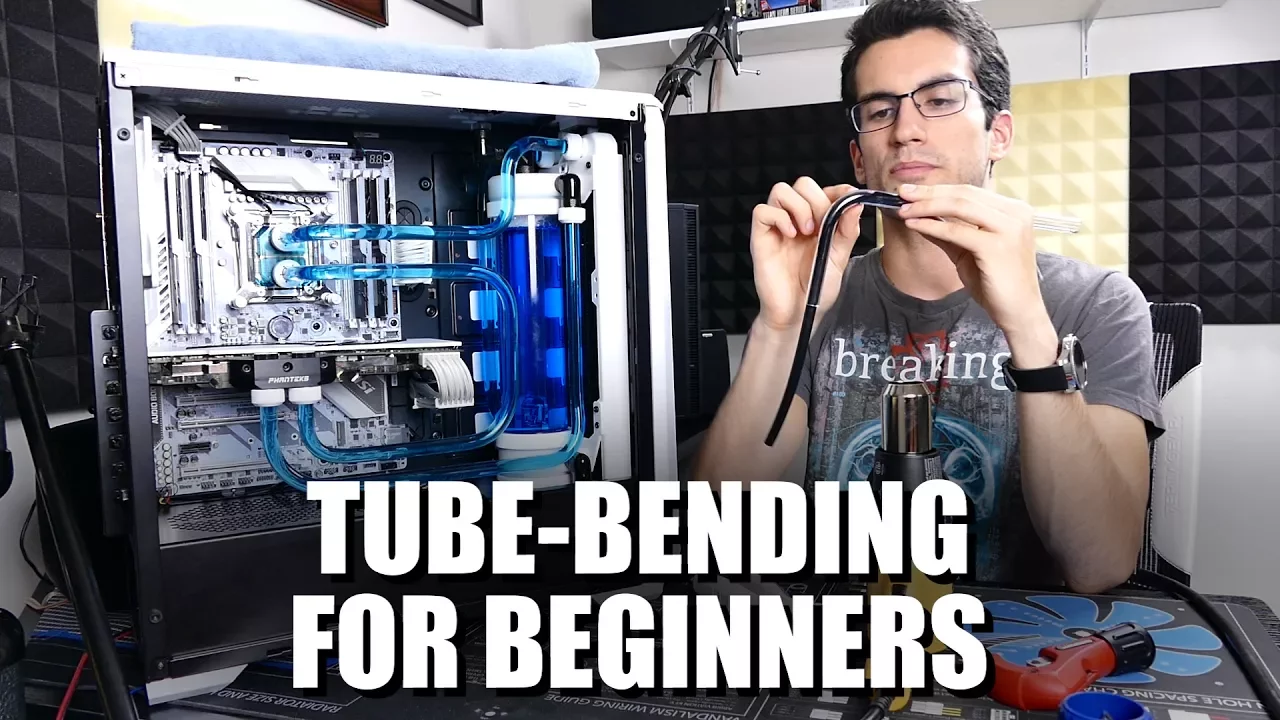
Design and assembly of custom open-loop liquid cooling systems, including tube bending (hardline vs. softline) and loop planning.
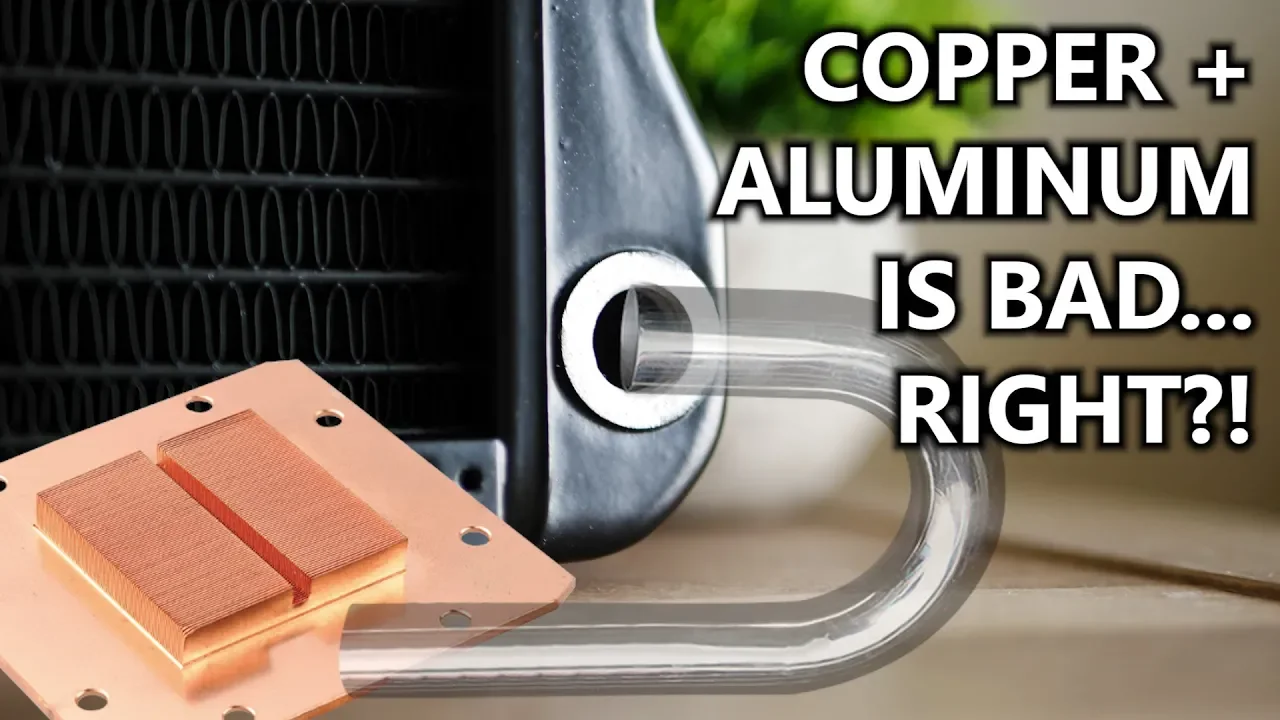
The chemistry of PC coolants, focusing on additives, biocide requirements, and the prevention of galvanic corrosion when mixing metals like copper and aluminum.
Advanced thermal interface materials (TIM), including the application and physics of liquid metal versus standard thermal paste.
Mathematical modeling of thermal resistance (Theta), calculating necessary radiator surface area based on component TDP (Thermal Design Power), and optimizing fan static pressure.
39.9K views591likes4:24Original Release: 2021-07-16
how does liquid cooling work and why should anyone consider it [Music] i hope we got your attention i'm attila and i'll help you to understand the basics of liquid cooling liquid cooling loops are designed to transfer heat away from crucial components of your pc such as the processor graphics card and motherboard but how exactly does it work as liquid circulates through the cooling system it transfers heat away from pc components to the radiator where it's dissipated such a cooling solution is much more efficient than traditional air cooling efficient cooling prolongs the lifespan of pc components provides reliable computing performance when facing demanding workloads improves overclocking potential for even higher performance and does all of this with lower noise emissions every liquid cooling loop has four key components that work together a pump a reservoir a water block and a heat exchanger which is in this case a radiator with a fan the radiator i love you man not that fan this fan we must not forget the supporting components such as tubing and fittings that interconnect all the key components and of course the coolant this is very similar to how a car engine cooling system looks we have a water pump a small reservoir where you usually top off your coolant an engine block where the coolant picks up the heat and a radiator that dissipates the heat into the environment let's talk about these parts individually the reservoir is the starting point of a liquid cooling loop it serves as a filling point for the coolant and holds extra liquid which helps during the filling process the circulation of the liquid is powered by the pump the heart of the cooling system which makes the liquid flow through all the components of the cooling loop the pump and the reservoir are sometimes combined into a single unit a so called combo unit that takes up less space and requires less tubing and fewer fittings all water blocks have metal parts that are called cold plates and in pc liquid cooling copper is usually the material of choice cold plates generally use dense microfins which increase the surface area where the coolant can interact with the water block and pick up as much heat as possible water blocks can be placed onto cpus gpus or any other heat source in your pc as long as there is a water block for it radiators are heat exchangers used to transfer thermal energy from one medium to another each radiator consists of small tubes that lead from the inlet to the outlet of the radiator and this is where the coolant flows between the tubes are densely packed fins which are cooling them and with that also the coolant that flows through the radiator all this works even better if a fan is added to force air to the radiator this is why both of these components are an essential part of every liquid cooling loop as they have a high impact on the efficiency of cooling and the noise levels [Music] that's it the basics of liquid cooling simple and effective a well thought out design that pushes the boundaries of how we can use our computers but that's not all you can learn more about the benefits and the use of liquid cooling in our upcoming videos and also on our website under the blogs section see you in the next one and if you like this kind of content subscribe to our youtube channel stay cool
Up Next
49:34
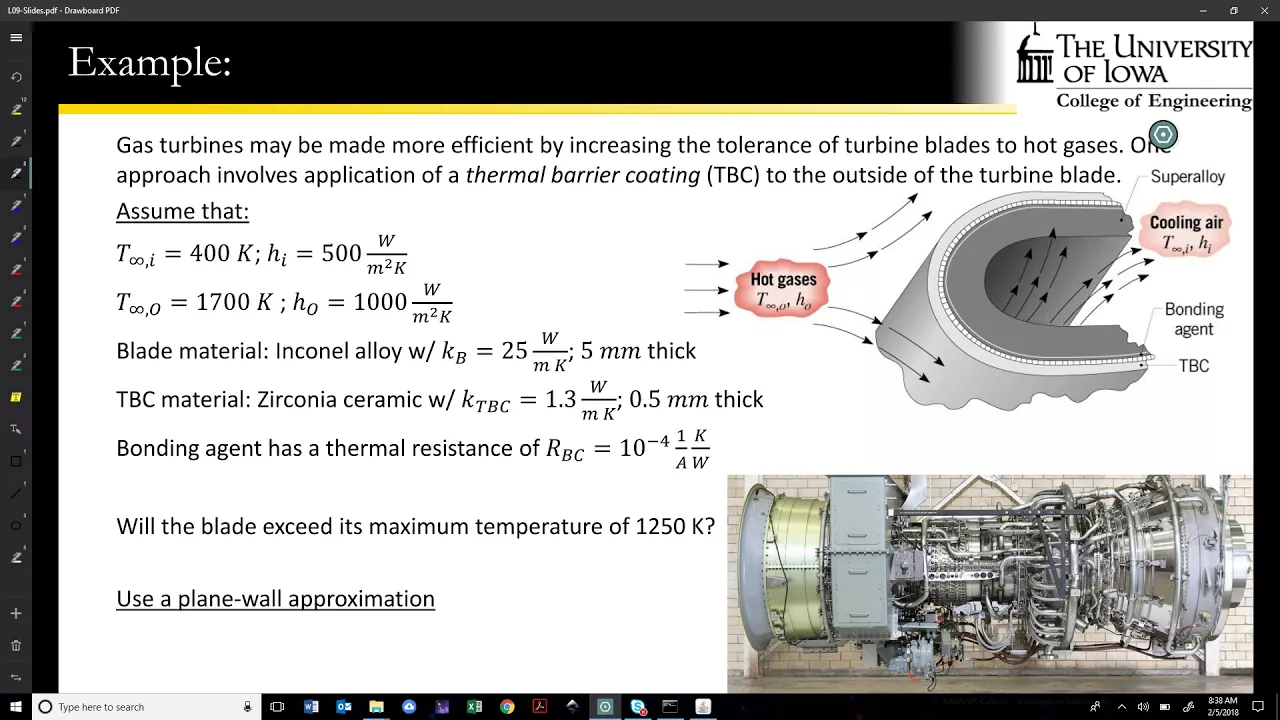
Thermal Resistance Networks | Heat Transfer Lecture 09
@caseyharwood5038
202 views•2018-02-05
30:32
Ultrasonic Transducers: Resonant Frequency Measurement and Horn Design
@imajeenyus42
229.9K views•2017-02-22
54:16
Polymer Environmental Degradation: Mechanisms & Stabilization
@iit
1.8K views•2012-07-10
33:39
How a Student's Question Saved a NYC Skyscraper from Collapse
@veritasium
22.8M views•2025-04-26
Related Study Plans & Knowledge Roadmaps
Structured learning paths in Engineering
engineering
Building Acoustic Levitators: Physics & Arduino
01The Physics of Sound and Standing Waves
02Piezoelectric Transducers and H-Bridge Drivers
03Arduino Programming: Generating 40 kHz Signals
+ 2 more learning modules
14h5 modules
Explore Roadmap
engineering
Building Peltier Cloud Chambers: Particle Tracks
01Cosmic Rays & Cloud Chamber Physics
02Thermoelectric Cooling (TEC) Fundamentals
03Custom Liquid-Cooling Loop Design
+ 2 more learning modules
18h5 modules
Explore Roadmap
engineering
Yagi-Uda Antennas: Modeling, Build & VNA Test
01Introduction to RF and Antenna Fundamentals
02Yagi-Uda Antenna Design Principles
03Antenna Modeling and Simulation in 4NEC2
+ 2 more learning modules
18h5 modules
Explore Roadmap
engineering
ECG Monitor Design: Op-Amps, Filters & Noise
01Electronics & Breadboard Basics
02Op-Amps and Instrumentation Amplifiers
03Bioelectricity and ECG Fundamentals
+ 2 more learning modules
18h5 modules
Explore Roadmap