




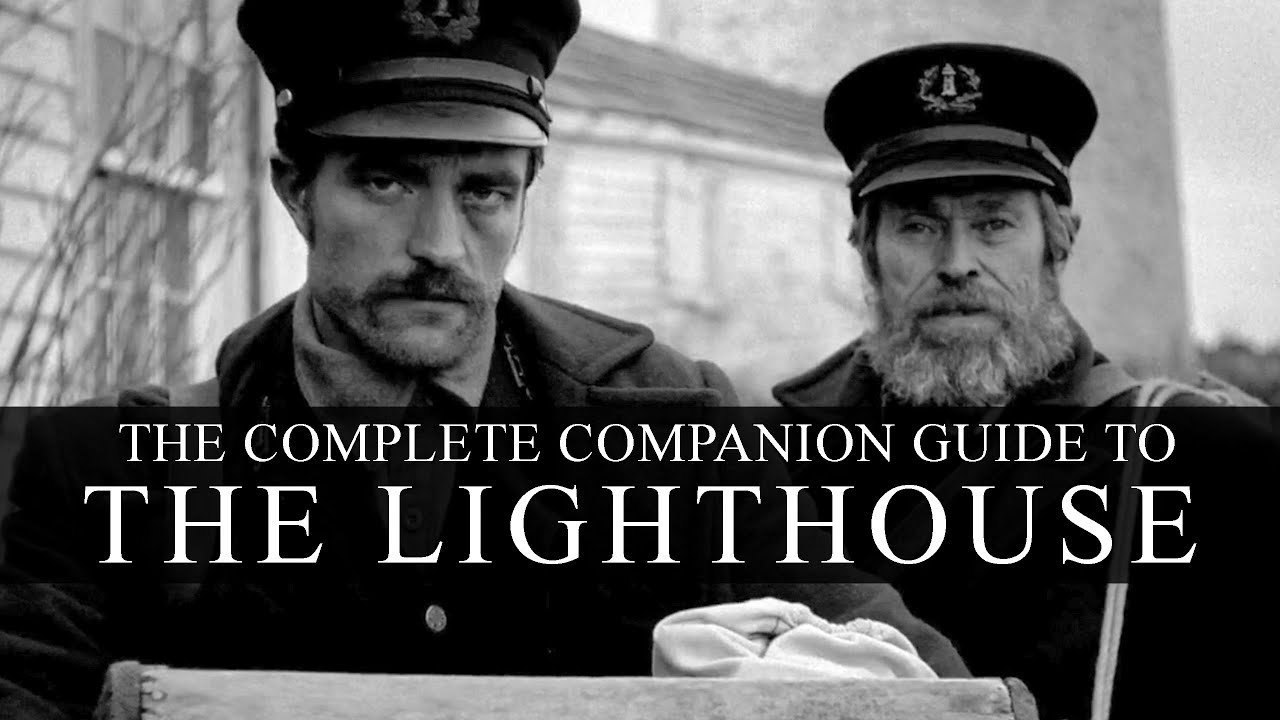













The Lighthouse (2019) exemplifies how atmospheric horror achieves terror through psychological tension, claustrophobic settings, and masterful cinematography rather than jump scares. Director Robert Eggers creates an unsettling experience by combining influences from Ingmar Bergman's exploration of loneliness and David Lynch's surrealism, while using a 1.19:1 aspect ratio and black-and-white cinematography to trap viewers in a confined, oppressive space. The film's two-man cast of Willem Dafoe and Robert Pattinson delivers performances that blur the line between comedy and horror, with the production design and deliberate pacing creating a psychological nightmare that lingers long after viewing.
The Lighthouse Film Analysis: Horror and Cinematic Influences
Added:Introduction to Cosmic Horror (Lovecraftian themes) and the concept of existential dread in literature and film.
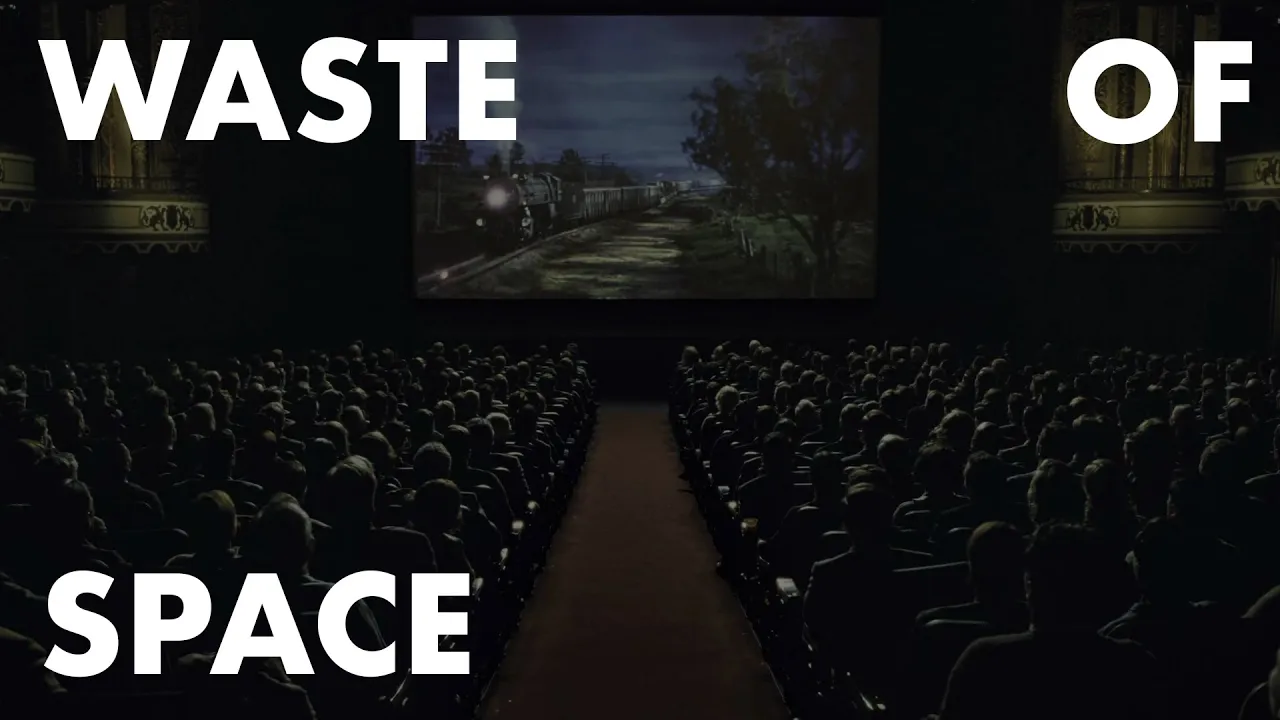
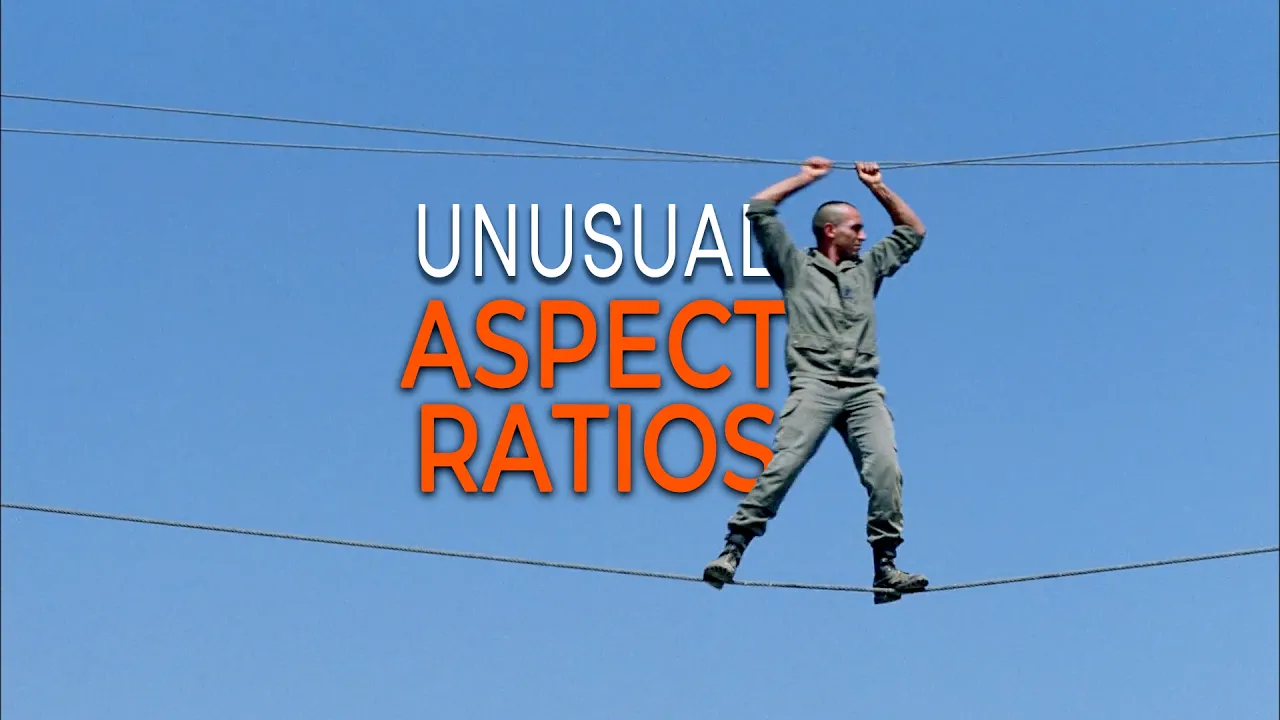
Fundamentals of cinematography, specifically the narrative use of non-standard aspect ratios (e.g., 1.19:1) and high-contrast black-and-white lighting.
Familiarity with Greek mythology, specifically the myths of Prometheus and Proteus, and their symbolic representations.
Basic understanding of psychological horror and the 'unreliable narrator' trope in cinema.
In-depth study of German Expressionism and its aesthetic influence on modern gothic and horror cinema.
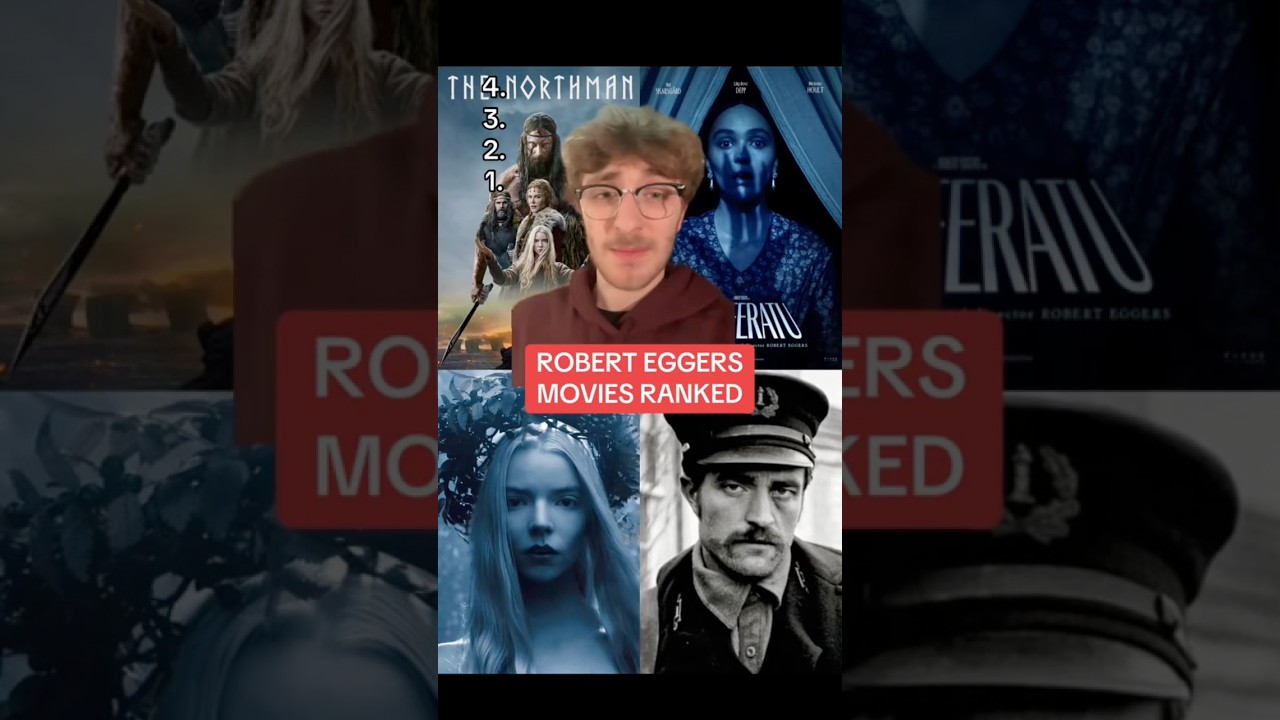
Comparative analysis of Robert Eggers' directorial style across his other historical films, such as 'The Witch' and 'The Northman'.
Application of psychoanalytic film theory (Freudian and Jungian) to analyze power dynamics, isolation, and repression in cinema.
Advanced exploration of diegetic sound design and auditory motifs as primary drivers of tension in psychological thrillers.
188.6K views3.5Klikes12:26Original Release: 2019-10-16
seeing the light has never felt so bleak welcome to watchmojo.com a what's a timber man want will be in a wiki just looking at a living it's like any man starting new on the run for this list we're taking a look at why this black and white horror film is going to blow audiences out of the water keeping secrets on you number 10 you've never seen anything like it how long have we been on this rock 5 weeks 2 days help me to recommend distributor a 24 has become something of a beacon for filmmakers with ambitious visions and unique stories to tell at some point you got to decide for yourself you can't let nobody make that decision for you we can certainly see why the studio was drawn to Robert Eggers latest film which appropriately sticks out like a lighthouse the New York Post Sara Stewart wrote in her review it's a rare pleasure to encounter a movie so genuinely strange you're not sure how to define what you've just seen indeed to describe the lighthouse as a horror film would hardly do it justice even if certain motifs and themes may seem familiar the movie more or less plunges its audience into uncharted territory according to Kevin Marr of The Times UK it has the feel of a newly discovered artifact from FW Murnau the legendary German director [Music] number nine the setting or major Last Tape Athena although lighthouses are supposed to help guide ships to safety the setting of this film is a beacon of insanity he believed that there was some enchantment much like Hill House or the Bates Motel the titular lighthouse emits such an eerie sinister presence that it's practically a character not since annihilation has one appeared more alarming or mysterious the production design is a masterpiece of gothic horror as varieties owen gleiberman pointed out in his review the entire structure was built for the film though you'd swear it's an actual lighthouse that's been around for a hundred and fifty years as if the setting wasn't already claustrophobic enough the old-school 1.19 to one aspect ratio makes the audience feel as if they're trapped in a padded cell with the walls of madness closing in wind Maddy did Paul tales [Music] number eight it wears its influences on its sleeve while the film bears Eggers distinct signature cinephiles will be able to pinpoint his creative influences Eggers makes it no secret that he's a fan of legendary Swedish filmmaker Ingmar Bergman a new really gotta fall termina just our current well demoness asking for a bit Randy shake got a door Dean in addition to a voguing his style the lighthouse touches upon many of the themes Bergman's films explored especially loneliness vices River Donaghey even said the film is like Ingmar Bergman decided to direct the world's most messed up adaptation of The Crucible it's not on a ship want me to get up a hill but inhale the film also possesses echoes of David Lynch drawing comparison to surreal master works like Eraserhead and Mulholland Drive discussing the lighthouse hereditary director Ari asked her favorably compared it to the works of Harold Pinter who wrote the play no man's land and adapted the psychological drama the servant to the screen number seven it's surprisingly funny to strike you dead Winslow's going into the lighthouse the audience won't entirely know what to expect alright have it your way perhaps the biggest surprise is just how many laughs the film has between a scene involving a mermaid and fart jokes galore this may be the weirdest and funniest arthouse picture since swiss army men vanyo lands Nick Johnston went as far as to call the film a pitch-black and often uproariously funny comedy adding it cannot be stressed just how wacky this incredibly goofy movie is with Pattinson and Dafoe both playing into the patent ridiculousness of their characters and their individual variations on drunken madness honestly if you substituted mark Corbin's chilling musical score with The Odd Couple theme this could pass as the most deranged sitcom ever produced [Music] number six the Lovecraftian horror influence what Oh mermaids aren't the only mythical aquatic creatures that pop up in the lighthouse just as our leads descend into the abyss of insanity they become tangled in literal tentacles author HP Lovecraft seems to be more popular than ever nowadays and this film is crawling with his cosmic horror influence [Music] Syrena Fisher of Bloody Disgusting wrote the writers drew their inspiration from the works of Herman Melville and HP Lovecraft and this becomes more and more apparent as the story progresses as is the case with many of Lovecraft stories the lighthouse is about the fear of the unknown will confronting the unknown swallow the characters hole or allow them to finally see the light it's an homage even Lovecraft himself might have appreciated number five the ending a very particular language very beautiful events huge question marks where the adventure would take you where as so many other films follow a standard formula the lighthouse refreshingly keeps its audience guessing where exactly this bizarre story is going in his Chicago sun-times review bryant Alera co stated it has the feel of watching someone else's nightmare and it's not one that's going to end well while we won't delve into any spoilers let's just say this twisted tale climaxes with a shocking finale that's perfectly in sync with the rest of the film as the stars Peter Howell put it the result is a psychological nightmare that gnaws at the brain long after the disturbing final image assaults the retina and we will be out in the elements and there's the two of us and some other secrets but mostly us number four it's genuinely unsettling beam's while Kyle Anderson of the Nerdist felt the lighthouse wasn't quite as scary as Eggers previous film the witch he did say it works on a much deeper more psychologically upsetting level this is one of those movies that makes the audience part of the experience as sheer lunacy uses out of the screen and into the theater just as Willem Dafoe and Robert Pattinson x' characters find themselves losing their minds film goers will begin to question their own sanity and just what the heck they're watching never sure who to fear most Dafoe Pattinson or another force that's creeping in it's that unknown element that makes the lighthouse such a disturbing yet engaging trip number three Robert Edgar's direction what does that want Catherine tell me and I will give it Lee I want to be home with his directorial debut the which Robert Eggers asserted himself as a filmmaker to watch this chilling folk tale earned Eggers two Independent Spirit Awards for Best first screenplay and Best first feature Edgar's follow-up film is already bringing him more accolades including an International Federation of film critics prize at the 2019 can Film Festival it's not surprising that Eggers started out as a production designer every inch of the lighthouse is a visual tour de force of course the look of the film is crucial to the haunting atmosphere and unnerving narrative Eggers weaves to quote Joseph Walsh of time out the lighthouse leaves you dazed terrified and elated and it signals anchors as one of the most exciting directors working today people seem to understand my intentions which is like more than you could ask for number two the cinematography visual language is so precise in the camera is so precise you always got to keep things alive speaking of atmosphere if there's one category in which the lighthouse is almost guaranteed to score an Oscar nomination its Best Cinematography you only need to look at a few stills from this movie to know that Eggers and cinematographer Yaron Blaschka have crafted an indisputable work of art there's a lot of challenges for me because like I bit off more than I could chew on purpose the filmmakers made the brilliant decision to film the picture in black and white creating a grim otherworldly locale where even the slightest glimmer of light is hard to come by doing this meticulously crafted camerawork with cranes and dollies like on a bit of rock with demanding scenes it's it's just it's just it's a lot Michael leader of little white lies praise to the camerawork and lighting stating Yaron Blaschka lights interiors sparingly leaving whole scenes in the island's dingy cabin to play out in near darkness all the better to accentuate the life-saving life-giving glow that periodically illuminates the oppressive gloom the result is stunning before we continue be sure to subscribe to our channel and ring the bell to get notified about our latest videos you'll have the option to be notified for occasional videos or all of them if you're on your phone make sure you go into your settings and switch on notifications number one the performances Willem Dafoe is a legend who only seems to grow better with age and the impressive Robert Pattinson continues to evolve as an actor with every daring new role he takes on I think there's something about the script is very few scripts you come across which allow for such basically kind of limitless degree of intensity in the performance the lighthouse is essentially a two-man show with both of these actors turning in arresting distressing and at times even hysterical performances both are fantastic individually with Dafoe inhabiting the persona of a salty sea dog with Pattinson earning comparison to Daniel day-lewis oscar-winning work in there will be blood my school reaches and starts to G I drink your milkshake together these two make for 29 teams most fascinating on-screen duo knocking drinks back one minute and nearly knocking each other out the next Eric Kohn of indieWIRE couldn't have said it better quote it's the best movie about bad roommates ever made nothing good can happen when two men are trapped alone in a giant phallus we really want to make that clear yeah do you agree with our picks check out this other recent clip from watch mojo and be sure to subscribe and ring the bell to be notified about our latest videos [Music]
Up Next

19:04
Midsommar: Fascism, Grief, and Cult Indoctrination
@KayAndSkittles
522.7K views•2020-07-29

26:22
Walking in the City: Urban Rituals and the Flâneur in Contemporary India
@PSBTIndia
1.9K views•2016-08-02
10:58
Understanding Nonlinear Narrative Structure in Film Theory
@WatchMojo
434.3K views•2015-08-02

1:42
Game of Thrones Opening Credits: A Cinematic Analysis
@gameofthrones
46.3M views•2011-04-18
Related Study Plans & Knowledge Roadmaps
Structured learning paths in General & Interdisciplinary Studies
general-studies
Artificial Light: History, Tech & Human Impact
01The Pre-Electric Era: Fire, Oil, and Gas Lighting
02The Incandescent Revolution and Grid Electrification
03Gas Discharge and Fluorescent Illumination
+ 3 more learning modules
14h6 modules
Explore Roadmap
general-studies
Elevator Engineering: History, Physics & Cities
01From Hoists to Safety Brakes: The Dawn of Vertical Lift
02Hydraulic vs. Traction: The Engineering Physics of Elevators
03Modern Speed, Safety, and Algorithms
+ 2 more learning modules
12h5 modules
Explore Roadmap
general-studies
Rubber: Material Science, History & Geopolitics
01Origins of Natural Rubber & Mesoamerican History
02The Chemistry of Natural Rubber & Vulcanization
03The Geopolitics of the Rubber Boom & Colonization
+ 2 more learning modules
12h5 modules
Explore Roadmap
general-studies
Containerization: Evolution, Logistics & Trade
01Ancient Trade & Bulk Cargo: Amphorae to Barrels
02The Industrial Revolution & Cardboard Packaging
03The Containerization Revolution: Malcom McLean
+ 2 more learning modules
12h5 modules
Explore Roadmap