










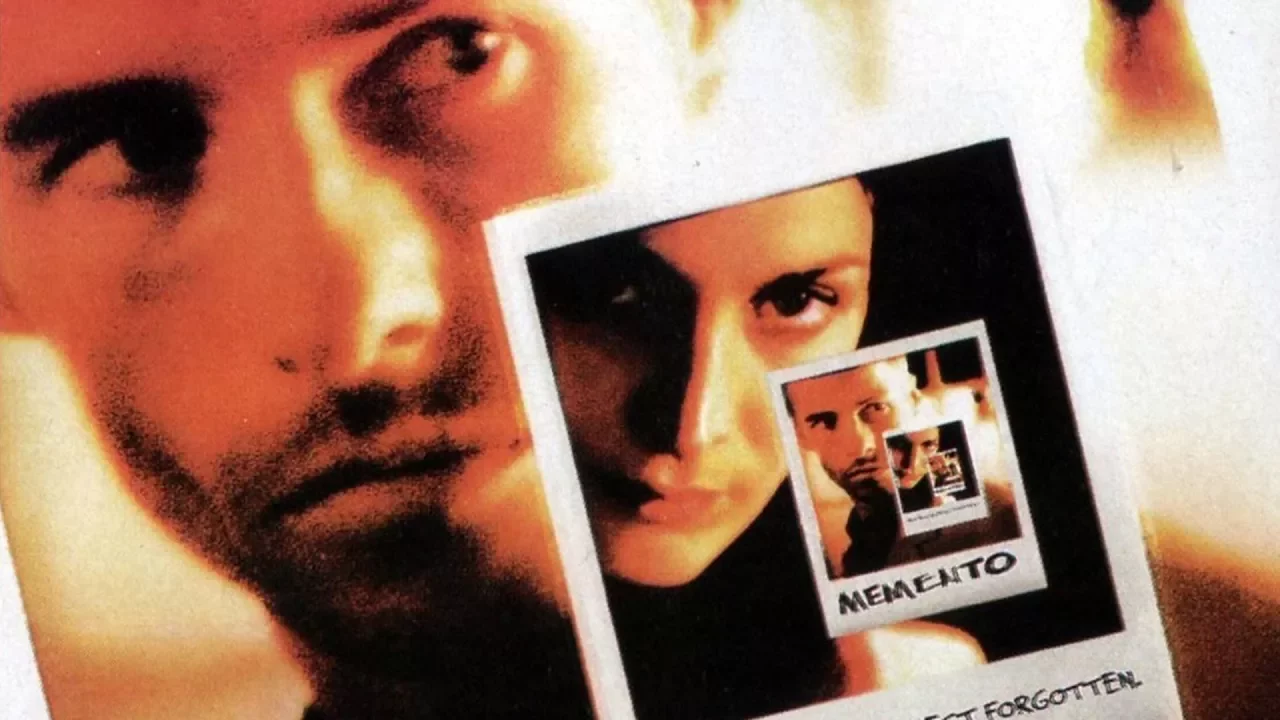
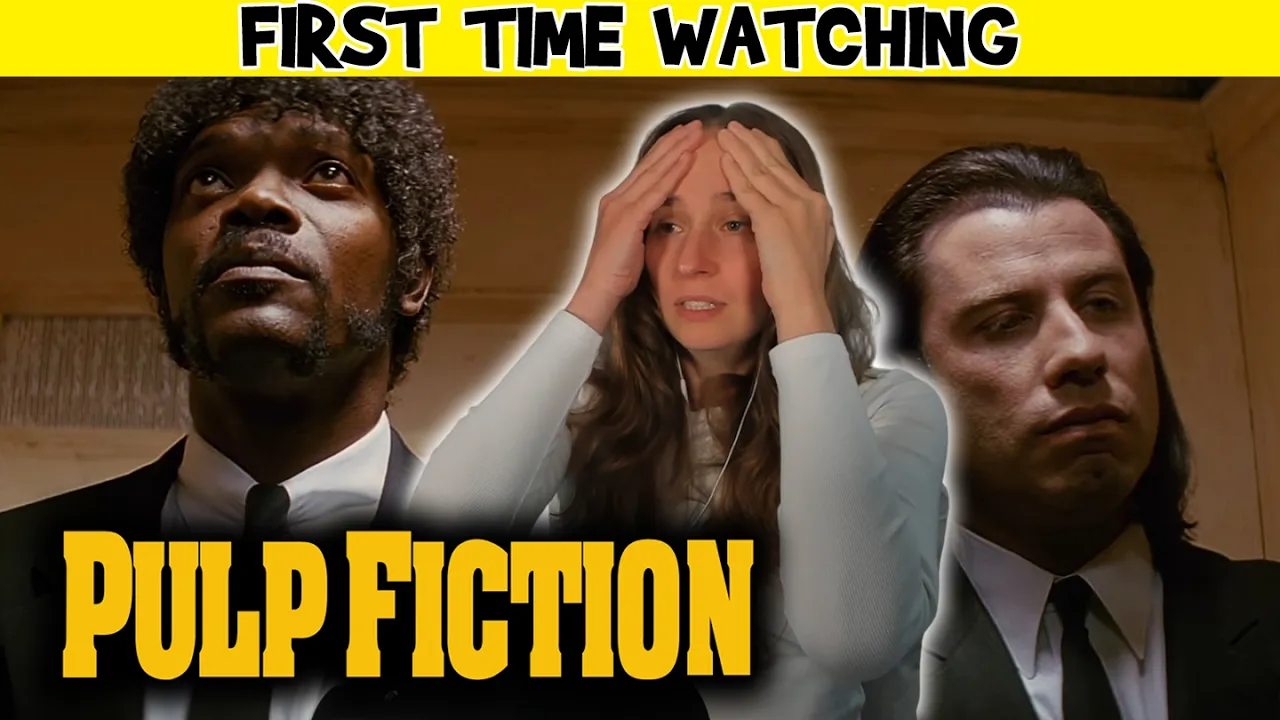
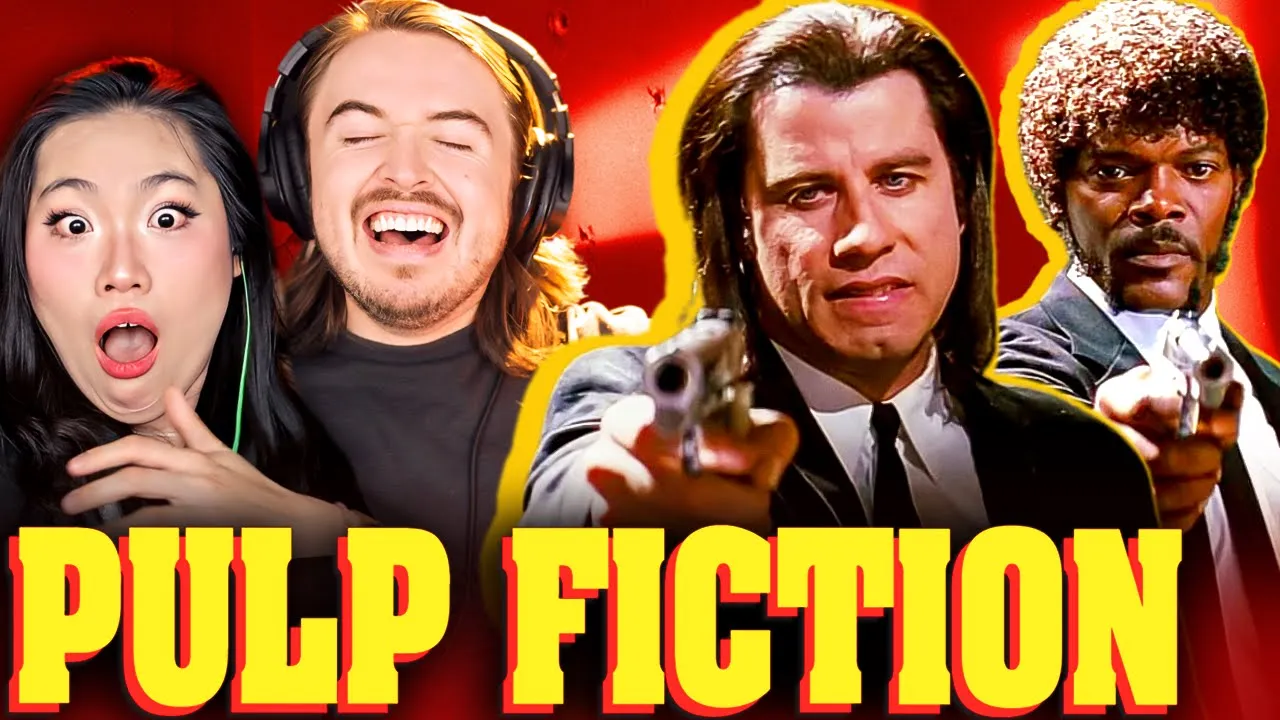








Non-linear narratives in films deliberately break from chronological order to enhance storytelling depth, emotional impact, and audience engagement; examples include 'Once Upon a Time in America' using memory triggers to transition between timelines, 'Rashomon' employing multiple perspectives to question objective truth, 'I'm Not There' presenting different facets of a single person through fictional characters, 'Kill Bill' using circular storytelling where past and present converge, 'Eternal Sunshine of the Spotless Mind' revealing hidden connections through memory distortion, '500 Days of Summer' exploring love from non-linear perspectives, 'Annie Hall' using fragmented reflections to analyze relationships, 'Citizen Kane' employing investigative flashbacks to uncover meaning, 'Memento' implementing reverse chronology to simulate amnesia, and 'Pulp Fiction' interweaving multiple stories out of order to create unpredictability and thematic resonance.
Understanding Nonlinear Narrative Structure in Film Theory
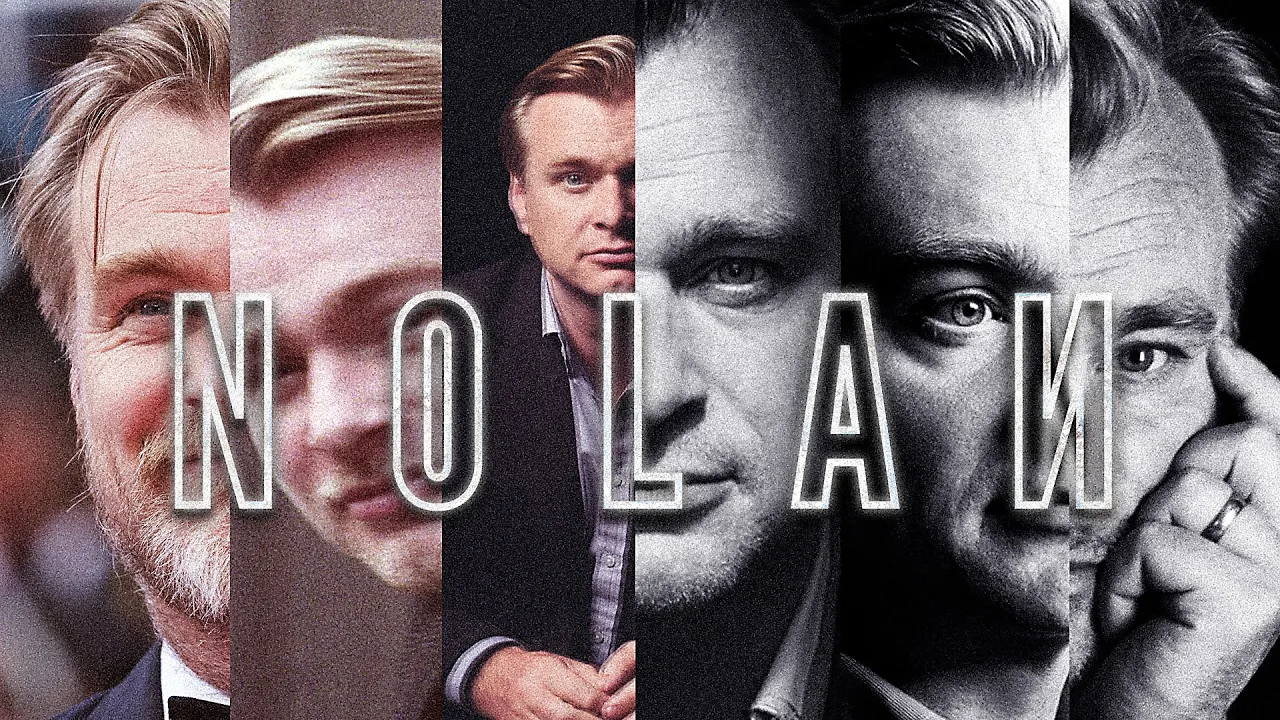
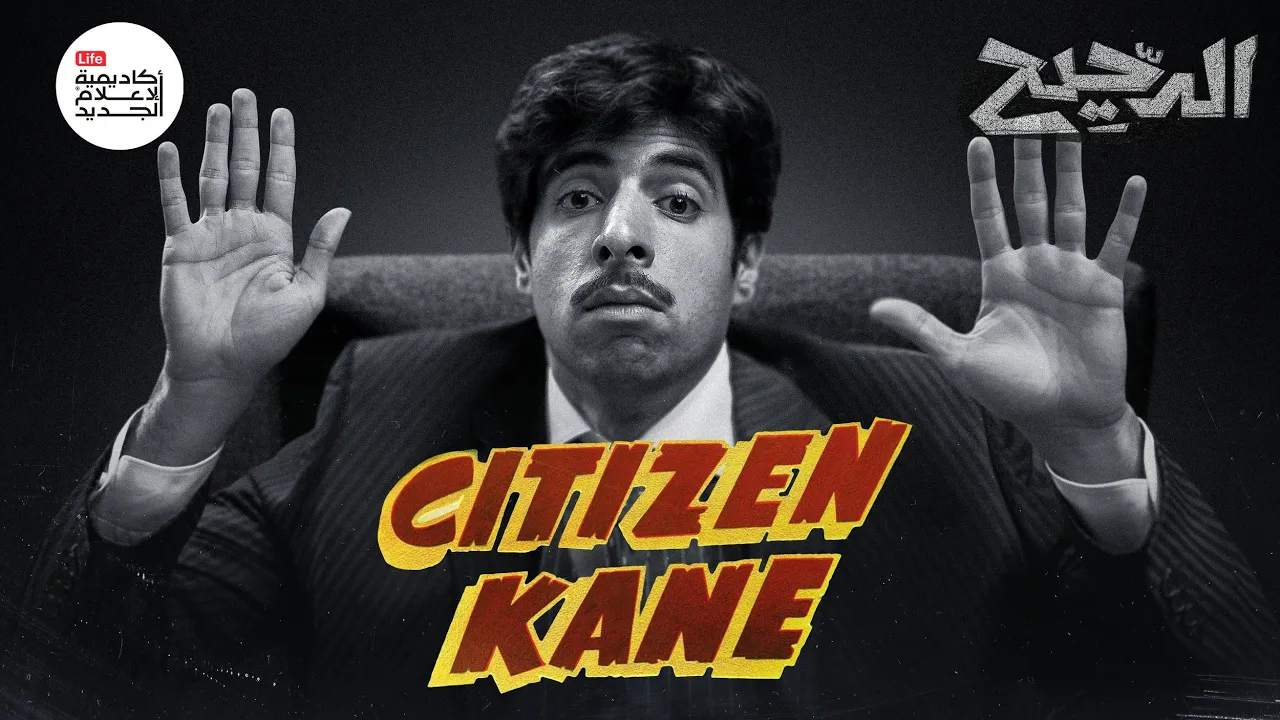
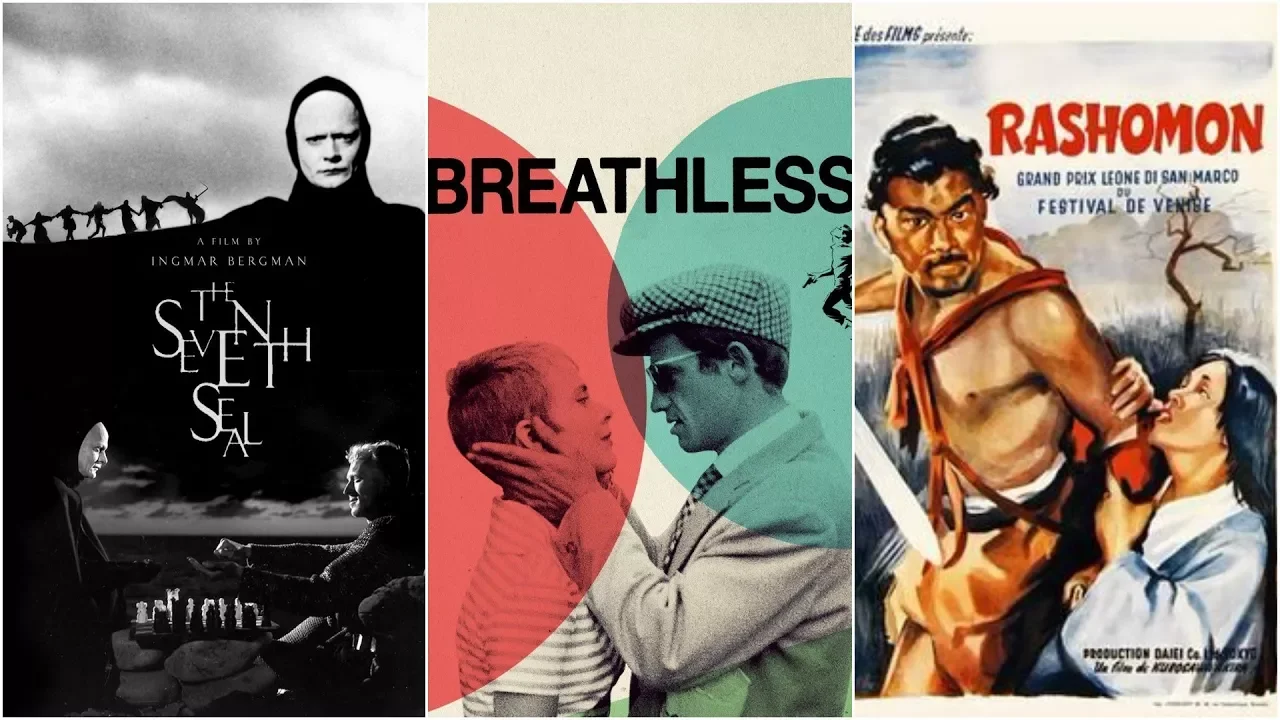
Added:who says all movies need to follow a straight line I don't understand what I'm looking at why am I standing here and oh my God Deja Vu welcome to watch mojo.com and today we'll be counting down our picks for the top 10 nonlinear films life is funnier than [ __ ] for this list we're taking a look at films that effectively convey their stories out of chronological order making the plot more comp in and thought-provoking number 10 Once Upon a Time in America sir where do you want to go anyway almost 30 years after fleeing from Manhattan gangster David noodles Aronson returns to face his uncertain future and recollect his past that's what I've been asking myself from 35 years noodles memories are triggered by a series of poignant visual cues flawlessly transitioning from his Boyhood Street Hustler days to his rise up the rackets and back to the present day aren't you going to say anything as a testament to how crucial the nonlinear structure here is this originally nearly 4-Hour epic was edited down and put into chronological order for its wide American release robbing The Narrative of its depth sense of nostalgia and poetry I'm not going to be home tonight number nine Rashon I it's nonlinear narrative aside this crowning achievement from Akira kusawa is also breaking for its utilization of the Roshon effect the film recounts four contrasting versions of a murder told from the perspectives of a bandit a wife a Woodcutter who stumbled upon the scene of the crime and even the deceased Samurai who gives his testimony via a medium by the film's conclusion the truth behind the murder isn't what's important what truly matters is whether a priest's faith in humanity can be restored after hearing such a disturbing tale number eight I'm not [Music] there rather than making a straightforward biopic about the life of Bob Dylan director Todd Haynes evaluates the musician from various stand points in I'm not there for they are Chang the film follows several fictional characters inspired by The Many Lives of Dylan most notably Kate blanchett's Oscar nominated performance as a controversial folk singer that betrays his DieHard fans that's right his diard [Music] fans there's no doubt that Dylan will always be remembered as a great songwriter and singer through this unique approach however We additionally see him as an outlaw a poet a prophet and so much more it's like you got yesterday today and tomorrow all in the same room number seven Kill Bill Volume One welcome to Arrow may I help he okanawa One Way Quenton Tarantino wasn't the first filmmaker to employ nonlinear storytelling but he certainly helped popularized this narrative technique through movies like Reservoir [Music] Dog and pul fiction so he hit it in one place he knew he could hide something his ass even more ambitious than example is in Kill Bill which opens with a bang as a bride is shot in the head bill it's your baby from there Tarantino begins to unravel a tale of betrayal and revenge full of colorful characters Oren isi was born on an American Military Base in Tokyo Japan most of his chapters are told out of order yet everything flows together perfectly as the bride's past catches up with her present over the course of the two [Music] volumes number six Eternal Sunshine of the Spotless Mind Eternal Sunshine of a Spotless Mind what makes the disjointed narrative in Eternal Sunshine so ingenious is how it completely catches the audience off guard in the Final Act remember me try your best when Joel encounters Clementine on a train in the film's beginning we're led to believe that this is their first meeting do I know you in the end however it's revealed that the two actually met at a beach party subsequently they engage in a relationship broke up and tried to expunge each other from their memories show me which constellations you against all odws they meet again in monuk bringing this whole train ride full circle I love you meet me in monuk number five 500 Days of Summer Tom don't go you're still my best friend we all know how love stories go boy meets girl boy loses girl boy gets girl back since 500 Days of Summer isn't a love story though it's Boy Meets Girl boy loses girl and not necessarily in that order you've you've Good Taste Of Music Smith jumping around 500 days we see Tom's complicated relationship with summer at its best and at its worst this is exactly what I'm talking about what does that even mean love do you know one day he'll be victoriously leading a parade another day his brain is literally rained upon you never wanted to be anybody's girlfriend and now you're somebody's wife the 500th day may not end up as Tom had hoped but it does Usher in a promising new Autumn my name is Tom nice to meet you I'm Autumn number four Annie Hall you're what Grammy Hall would call a real Jew before there was 500 Days of Summer there was this nonlinear not to mention unconventional romantic comedy the only lady at the end of the table is a classic Jew hater redefining Woody Allen's directory career Annie Hall opens up with an neurotic Alvi singer discussing his failed romance with the title character Annie and I broke up and I I still can't get my mind around that he not only evaluates his relationship with Annie but his relationships with family schoolmates and other past loves too I keep sifting the pieces of the relationship through my mind and and examining my life and trying to figure out where did the screw up come you know while the road is disjointed it becomes clear that destination won't be a storybook ending you wanted to break up just as much as I do no question about I think we're doing the mature thing without any doubt that doesn't mean our lovers can't part on good terms though and fondly look back at the old times I I I don't think many couples could handle this you know they could just break up and remain friends number three Citizen Cane your complete attention if you please from its complex Central characters to its brilliant visual symbolism Citizen Kane is often cited as the best film of all time for good reason I don't know how to run a newspaper Mr fet I just try every everything I can think of Orson wells's revolutionary use of nonlinear storytelling particularly cements the film's Masterpiece status adding to the mystery as a reporter attempts to uncover the meaning behind Charles Foster Kane's dying word Rock through a series of interviews we flash back to Kane's rise and fall from greatness if I hadn't been very rich I might have been a really great man although the journalist pastes together a majority of Kane's life a vital piece remains missing when all is said and done oh I guess Rosebud is just a piece in a jigsaw puzzle missing piece number two momento I'm Leonard Shelby I'm from San Francisco that's who you were the truth is that nobody can tell a story in reverse but only a true creative genius could keep the audience guessing from start to finish oh I'm chasing this guy no he's chasing me Christopher Nolan does exact exactly this in momento which follows a man suffering from anterograde Amnesia as he tries to solve his wife's puzzling murder what's the last thing you remember my wife ultimately it's revealed that our protagonist's life is a never-ending cycle spiraling counterclockwise look memory can change the shape of a room it can change the color of a car and memories can be distorted through his Oscar nominated screenplay Nolan established himself as one of the most ambitious storytellers of this generation which would carry on to Future nonlinear Mysteries like the pr be and they're calling him the bloody best in England why 50 yards in a second in a second and all that we know is he uses a trap door ah brilliant before we wrap up this totally linear list with our top pick here are a few honorable mentions it don't know who I am what do you mean you're Rita no I'm not I don't hear you giving me any names so I guess when I shot you in the belly I aimed a little too [Music] high I'm you call stupid so out of love with you I've got nothing left for you nothing nothing number one Pulp Fiction everybody be cool this is a rubbery pcks move and I'll execute every mothering last one of you in what many can considered to be his magnum opus Quinton Tarantino strings together several interlocking stories about crime Redemption and Royals with cheese they get the mric system they would know what the a quarter pounder is and what do they call it they call it Royale with cheese Royale with cheese portraying these events out of order Pulp Fiction is an unpredictable experience where even one of the main characters can die by the second act which is technically the third act the tone ranges from laidback to to overthe toop to philosophical constantly leaving us wondering what the overall narrative is working up to and I will strike down upon thee with great Vengeance and Furious anger those who attempt to poison and destroy my brothers as for the meaning behind this Twisted anthology of sorts that's something you'll want to keep analyzing with each repeated viewing whose motorcycle is this it's a chopper baby whose Chopper is this Zed's who's Zed Zed's Dead baby dead dead do you agree with our list do you what's your favorite nonlinear film what do you do when you get stuck on a movie line with a guy like this behind you for more entertaining top 10s published every day be sure to subscribe to watchmojo.com now that's an ending that is flat in a lane beyond [Music] belief
Up Next

Letter to an Unknown Mother: Director Interview at DMZ Docs 2025
@dmzdocs_ff
100 views•2025-09-09

Triumph of Orthodoxy Icon: Byzantine Art & History Explained
@BenCallan
2.1K views•2024-08-06
The Lighthouse Film Analysis: Horror and Cinematic Influences
@WatchMojo
188.6K views•2019-10-16

Game of Thrones Opening Credits: A Cinematic Analysis
@gameofthrones
46.3M views•2011-04-18
Related Study Plans & Knowledge Roadmaps
Structured learning paths in General & Interdisciplinary Studies