





















When constructing an invented language, students should follow a structured four-step process for developing vocabulary: (1) Group related words into semantic categories to share common roots, (2) Determine relationships with other languages through cognates or borrowing, (3) Establish basic root words, and (4) Apply word formation strategies like affixation, reduplication, compounding, and alternations to generate additional words; this systematic approach helps overcome common challenges such as creating words that all sound similar, avoiding perfectionism, and maintaining consistency between the sound system and new vocabulary by using organized documentation methods like spreadsheets with columns for English glosses, part of speech, invented words, and writing system representations.
From Sounds to Words: Building Invented Languages in the Linguistics Classroom
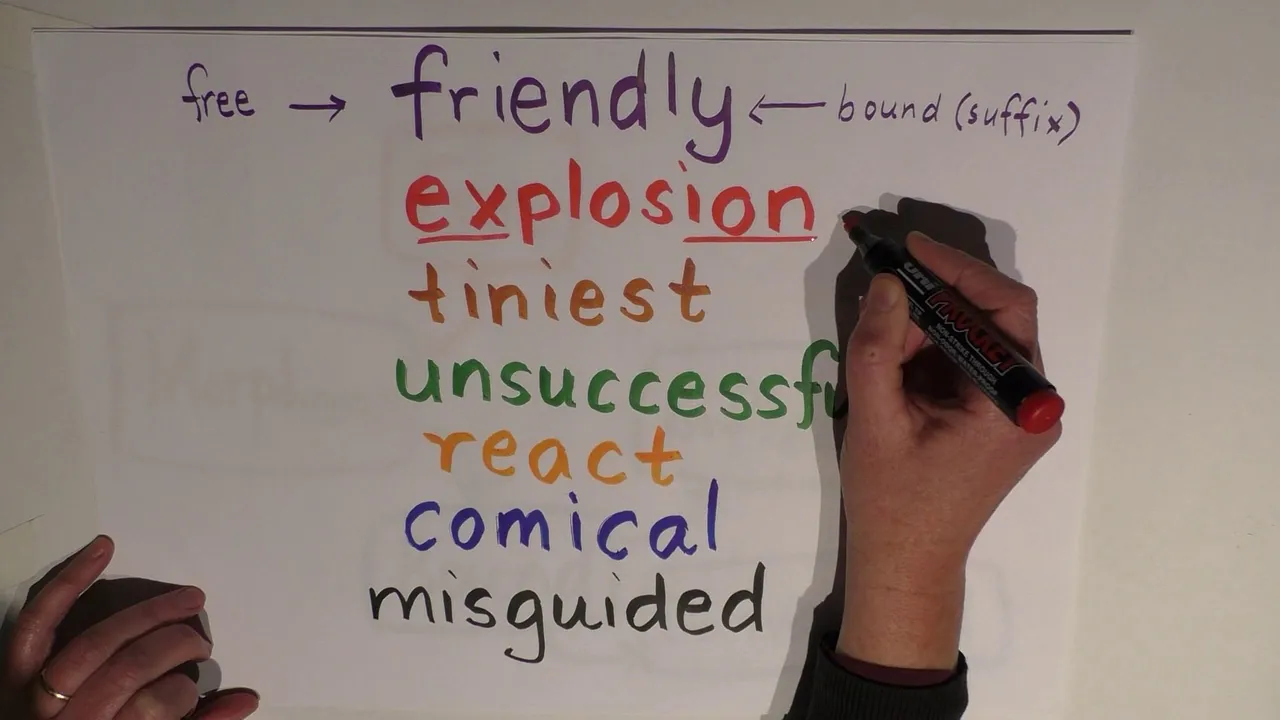
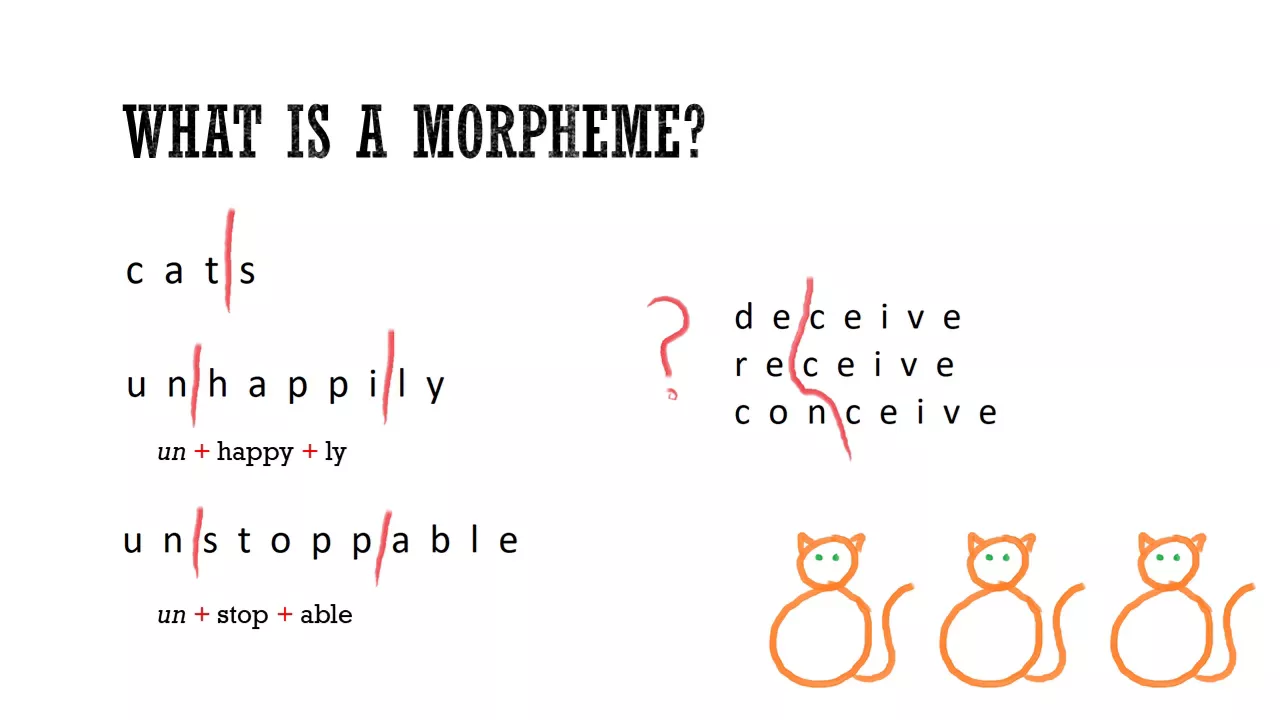
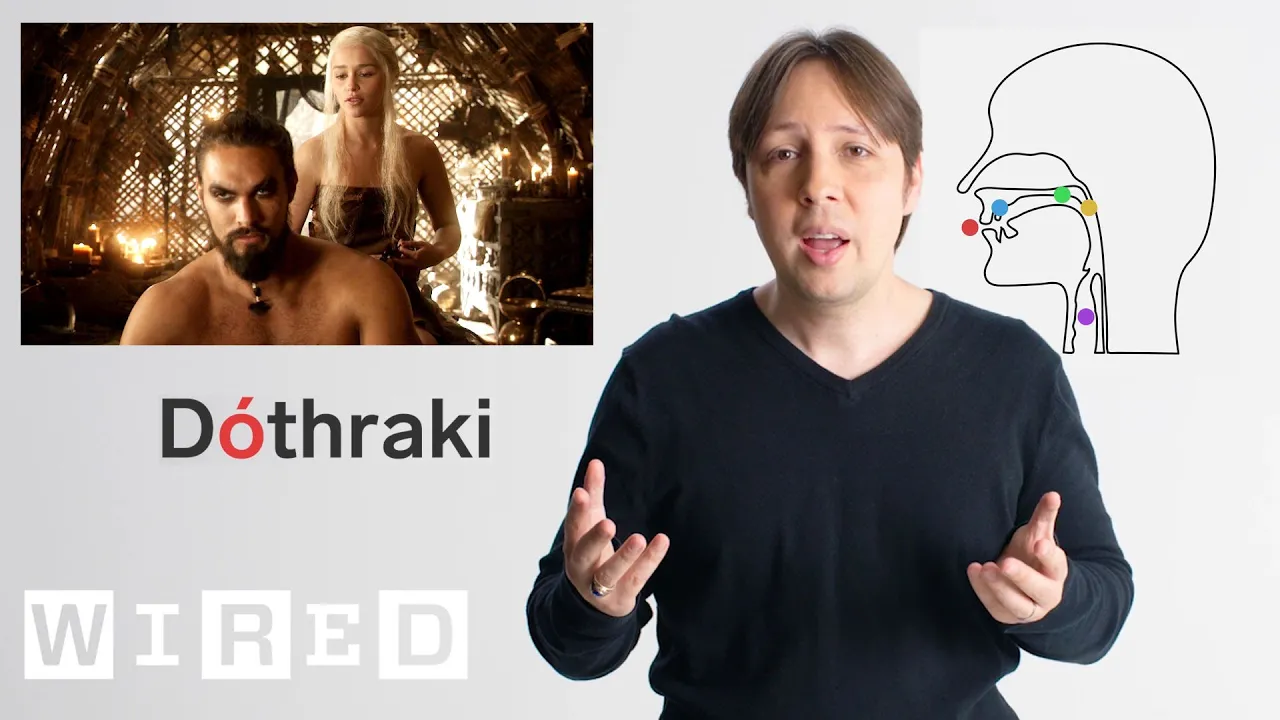
Added:is the microphone working uh towards you there we go how was that good all right so um as you said I teaches Stephen Austin State University in this semester I'm offering my favorite course that I get to teach ever and it's called invinc languages and um right now it's being run under our course title 440 which is our advaned Linguistics but I put that side note soon to be English 437 because I managed to talk Administration into making this its own course it took some convincing but we will have its own course number course title um next time it's [Applause] offered right so the course description as it is on the books is that it is an examination of how language works and typical features of world languages in order to construct an invented language it's also an examination of famous constructed languages including Elish na'vi and espiranto and of course soon to also include daki and uh um oh Caston I almost forgot the names of the Defiance languages in order to compare features of invented languages to those of natural languages and then and for the final project students uh write a mini grammar of their language they work all semester on it and this semester I introduced a twist for the students I actually set them up with clients who wanted an invented language and so there are there all working with somebody who is going to be using this for say a short story a screenplay got a comic book author um and so they're actually working with somebody and they're are giving them specifications to meet so it's really exciting and then the references uh the required test for the course course Rosen felder's language construction kit as somebody had mentioned you know like the Bible of cominging uh and then also a course finder that I produce with glossies worksheets handouts things that they'll need to make it through the class and sometimes you do need a lot to make it through such a class and so the overall course structure is that I have three major areas and then within those areas I have five sub areas and so after each sub area which you're going to get to see all five of them they orally present their work to their classmates to get feedback to say here's where I am where should I be going with this and after each major area they present the information to their clients to say here's how I've updated the language and they also give a written rough draft to me so that way they can get my feedback which is of course the most valuable thing they ever get in life and then at the end of the semester they submit their manyi grammar for their language the general structures for each um sub area I do lecture days for terminology and examples and then we do in-class activity days and then after that we have what I like to call the DIY days where it's okay now you do it and so it's kind of Workshop style I will float around the room answer questions uh and they get more specific one-on-one help during those days and so for the first major area I put sounds and writing systems together and um so the first sub area then is sounds and to let you to let you know where the students start in the semester because this presentation is going to focus on the words section but before I can really talk about the issues that we have in getting to words I want to make sure you know where all the students are coming from from the beginning of the semester and as a as a side note um not all of my students are familiar with Linguistics and so for some of these students it's the first Linguistics class theyve ever taken so for some of them I say kinetics and they start just freaking out I have no idea what I'm talking about so a lot of this information I have to really monitor for more advanced students who say have had I don't know four classes in linguistics and then those really non-advanced students who are using this as their sole Linguistics class uh for the degree So within sounds I Do cover IPA and then the anatomy of speech sounds which is especially important because some of my students are developing alien languages and if you have an alien who doesn't have the same mouth structures that we have they need to know which sounds to automatically cross off or I did have a student invent some new sounds uh because her speakers were bears and she very rightly argued that bears would be able to do things that we can't do because they have different Anatomy we also look at typology of sounds across World languages those great patterns like hey if your language which has an m and most likely has an n as well common phonological processes like assimilation uh deletion and insertion syllable structure those phonotactic constraints of what sounds work in your language together and then Word level things like stress or pitch accent and tone now I've yet to have any students decide to tackle tone but someday I'm sure they will and then as far as the expectations so what I expect out of them by the end of this sub area is to have a working IPA chart which of course can change justification for which sounds they include or don't include and then some sample words just to show how these sounds might come together now these words may never get actually used in their language but they show U what I like to call how well they play together you know the playground of candy sounds be side by side once we covered that we move on to writing systems and look at the types of writing systems across natural language systems and then of course we also look at some con linging uh systems that are available we talk about the importance of medium so they writing on Stone if so maybe not have really curvy beautiful script if they're having to cve um or are they using you know pencils and paper so so what types of medium are they using to write and then of course the importance again of nonhuman Anatomy you don't have five fingers your writing may not look quite the same as what ours looks like and then at the end of this sub area they'll have a working writing system and some some students do choose just use the Roman system which is totally fine but I do ask them to show me how they're going to represent their sounds with the Roman alphabet uh and then also justification for no writing system at all some choose not to have any and have a completely Coral culture and then again show these sample F words with things like punctuation and word boundaries included and these examples so what you can see on the posters D said the poster is out there um and also if you see any students wearing this shirt we match today cuz this is our class t-shirt and if you ask them to turn around it's got um every student provided a phrase in their language and that's printed on the back of the shirt so you can check those out later a model so at the end of that area then they have a sound system and they have a writing system that can change but they have something to start with they also have these sample fake words to kind of guide how they want their language to sound within area one this usually goes pretty smoothly even for those students who never have Linguistics before once they get over that onslaught of terminology and realize okay these things I can relate to I know what syllables are I can do this um they have definite things to shoot for because these typological principles especially give them ideas for okay if I'm going to include these sounds maybe I should include these sounds as well so they have a Target and they can put these Targets in charts which we love right but then I hit them with word and from the beginning of this semester students usually think hey making words that's going to be the easiest part right CU you just throw some stuff together and now it's a word and I tell you what it means and nobody can argue with me it's my invented language and so they think it's going to be easy as a teacher I think it's going to be easy but now I've offered this class two times and both times I went oh we need to talk about developing words a lot more and so I'm going to present to you the types of things I present to my students I'm going to show you some activities that I use and and hopefully at the end we have plenty of time for comments and suggestions because I'd really be open to suggestions for how I can better lead my students through this process and maybe this will also help you think a little bit about your own word making processes so first we open up with lecture as I normally do with each sub area uh making that distinction between morphine and word is very important uh because morphins you know being the smallest meaning bearing units of languages are not always entire words on their own so really understanding that little bits of language can carry meaning is important so I make these major distinctions between those free content free function bound content and bound function morphings I'm not going to go into it too much here but I do call them Standalone versus me so you know if you're bound you're really needy and you just can't you can't go through life alone um and then we talk about free morphins being our notion of word and so we say for our class a word is anything that requires a word boundary however your language marks word boundaries and and that's where I leave it because I say we don't have enough find in this semester to argue over any other definitions of word we have a lot to cover in one semester and so for this sub area they're focusing on content where those like nouns and adjectives and things like that because our grammar section gives them a lot more time to those grammatical words like prepositions or I should say adpositions since not all languages have prepositions anyway and then we move on to I call them that the most popular word information processes uh just give them a taste of what's possible I cover these four and then leave it open if they want to do more advanced things with their language so we look at a fixes like prefixes suffixes those infixes which of course English doesn't have but I think a lot of languages should have not has some great infixes uh and circum fixes which some people just argue as a prefix and a suffix so shouldn't be its own category but we still cover it uh and then we talk about reduplication the ability to say reduplicate the entire word like qu to qu um or parts of words like a single syll like or even just um little Parts like a single sound like in the too becoming too with that reduplicated t in there and so we talked about some of those different types of reduplication and how they can actually give um words new meaning by reduplicating those parts we look at compounds and of course when we look at compounds we have to look at Germanic languages so I give lots of great examples of just how long compounds can get and they love that because you know in German you get that 80 letter long compound and it doesn't even fit on the board anymore and then also alternations consonant like stri strive and vow alternations like and so we talked about how those different alternations can create new words and these word formation processes I tell my students are really important because it means you don't have to make up new words for every single thing it means you come up with the process and you come up with one word and then you morph it according to your processes and now you can take this one root that you came up with and have four or five whole words coming off of it or even more depending on how you work it in your language and so these are very important to remember to develop in the language and then I also look at some internal and external ways of adding words like saying hey this is going to be a cognate I want it to be related to another language and so thinking of cognat is how we can take these words from other langu and incorporate them into our own uh straight up borrowing you say they're going to have language Conta we're going to borrow these from another language whether they come across as looking like Armada from Spanish the original Spanish Armada uh so they look the same or they may not quite look the same like our raccoon from the alanan not raccoon and uh or we can also take more compounding things like different roots from Greek the philosophy and and incorporating those in and then we also talk about sound symbolism which I think is one of our favorite ways to get new words um I love it when I get a lot of water words that are you know things like that U because it's just really fun right to think what does this sound make and how would my language speakers be able to reduplicate that with their sound system so we do cover sound system and anopia sound system how about sound symbolism and anopia in order to create new words and then finally we talk about uh the differences between say analytic a gluten infusional languages which is going to be a lot more important when we get to grammar but is still important when we talk about developing words because if you're going to have say an analytic language maybe all your compounds are going to have these single Morphin separated out side by side but then work together still as an overarching compound versus a glutena putting them all together with having each morphing having its own distinct meaning or maybe you're going to go fusional and say this one Mor is going to carry three different pieces of meaning um as I'm building words and so it's really important I think to get an idea of what type of language you're shooting for and then of course you know modify as you get to grammar and really decide how you're going to incorporate these in in building words so after they get lecture which I guarantee you is the best lectures they've ever had in any college course um after they get this lecture this introduction we move on to the in-class activities and I have four primary ones for the word section uh focusing on how we build words in English looking at what I call the idiomatic compounds uh remembering that there is no one toone correspondence in languages and then I take them through a four-step process of how you can start to create words and so for that first one building English words what they do the directions that they actually get are up here on the screen and what they do is they pick and I make it very fun you know I f up these roots and put them in a mug pass it around and the mug says something like um you know good linguists know that that your time is split 98% playing online and 2% actually researching or something like that um and so they they pick out their route for example one of them is this root meaning say or speak and then I asked them to come up with as many words in English as they can that have this root so things like fiction dictionary dictate dictator all the way through and then afterwards I I try to stop them and say okay how did you create each of those words did you add a prefix do you add a suffix is it a compound so then they have to think about how all these words are created and their difference in differences in meaning so really look at how do we use these word building strategies in English um and so that way they can say oh look we have this one route and look at all these possibilities and that doesn't even begin to to cover the answers by the way that my students come up with they come up with words that I completely forgot [Music] about and then we move on to idiomatic compounds how it's you know compounds aren't always literal you can't always figure out uh the meanings by putting the two words together or three words of forwards depending on how long those compounds are and so I give them words in English like forgive car Daisy joke is a verb yellow in Monster and say can you please come up with idiomatic compounds to represent each of these words and so for example they may take Daisy and one student came up with spring snow which I think is just beautiful and should be used in a poem I know we have more than one poet here so consider that um some people come up with you know like little son and then one student in particular a very Waring culture said is a pointless flower and I'm looking at him right now the dais is my favorite flower by the way so we had to have a chance but this gets them thinking about okay so every word that we have in English I don't necessarily need that word in my language maybe I I can come up with some new ways of putting words together in my language to create the same concept without just translating that single word and then we also do this one word to mini exercise where it's like okay take a word any word look it up in a dictionary in another language so for in they may take the word standard and look it up in a German dictionary and you get you know sh I almost skipped the whole syllable there and that by the way was about this much of this many and nouns and I didn't even get to the adjective section so it shows you that okay this one standard in English can come out many different ways in German and then if you take um you know shander from German and look it up in an English dictionary you get two definitions standard level you take Norm look it up in a in an English dictionary you're going to get Norm or you know normative standard rule quota and so it's really a good exercise to think okay do I really need you know okay we have say does that need to be its own verb with tell as its own verb with speak as its own verb with communicate as its own verb or should I put all those meanings together and create one word but then maybe one of my words can cover you know a few of my words can cover one English word so again just remembering there's no one toone correspondence and languages and then the four-step process at the end of this they're supposed to have about 50 new words in their language and so they look at a swsh list which is provided in their um Rosen Felder text and so I asked them to look at that list and pull out um lexical words like all these nouns and verbs and while they're working on those I again remind them think about your speakers and what they actually mean because some of those words on swsh list like La really I don't need a word allows in my language not yet anyway they haven't encountered life yet um and so think about that but then also I have speakers who you know I have uh students who speakers live underwater and so they're not going to have half the words on the stish list but they're going to need a lot more like coral and wreath and things like that that would never make the swsh list but are going to be very important for their language so I tell them don't just go off the swsh list really use that as inspiration and move from it whenever I say create groups as step one by the way what I mean is start putting them into kind of these semantic categories so then maybe they can all share a root so things like maybe you group up by color and say green nature tree grass and leaf I'll share the same root and I'm going to permutate them in some way to make new words from it uh maybe say and word go together a noun and a verb and they're going to share a root um and then I also remind them that you don't necessarily have to do this for everything because for instance in English we have words for tree branch root and stick none of which share a root and yet all of which much have something to do with each other but then we also get these great long lists like um communicate commune Community communal communion communism and and communicable all of which very obviously share the same root so it's like remember you don't have to do this for every single word but by creating groups you can get a head start on making um some common words so that's step one step two is to determine if you want any relationships or contact because that has to be factored in with those cogm mates and borrowing um type examples step three is actually providing the basic roots and step four then it's using those word building strategies to move forward so as they do this this is where we kind of start our Workshop style I float around the room and answer questions I tried to group students according to the types of languages they're working on so that if they were both say working on um languages that were um indigenous to America then I would put them together so they could share Roots as as they work and so this is my four-step process so the challenges or problems that I hear the first major challenge is the material itself because we move from this more well- defined area to provide an IPA chart chart we can handle that to yeah come up with 50 words that your language needs and put them put them into your language uh so it's very much a moving Target this is about where I start getting meltdowns in this semester um some mindblowing activity and if there's too much feedback from the mic I'm not sure if I'm standing too close too far away so I apologize it's starting um and also because developing words is that really great and horal middle ground between sounds grammar and semantics so you can't talk about developing words without talking about your sound system you can't talk about words without thinking about grammar but we haven't reached grammar yet and you can't do any of that without thinking about the semantics with the meanings of the words and so it's really all these areas coming together in this one point and it really does cause frustration anxiety and some stress and so some of the major problems that students have reported as I'm floating around the room and ask questions some of the things I hear over and over again I don't even know where to start because you have this intimidatingly long word list the swsh list including rosenfelder uh for example is just two and a half pages of words words words words and so you look at all these and you're thinking I have to come up with all these in my language and you know my professor tell me no you don't you need to pick what's important to your speakers and then you have to stop and go back and say well what is important to my speakers they also not all of them have say set utterances that have to be translated some of the clients did say here's 15 sentences I'm going to need these in the language and so they say okay here's the vocabulary I need um but not all clients did that so for a lot of students they had to decide for themselves what words they were going to put in the language I also hear the uh I don't know what words to include in my language as I just said uh and for this I call this the word wall where they started they say put 10 words into their language and they're excited they came up with some great idiomatic compounds they came up with some great things and then all of a sudden they stop and they go what else do I need uh and they also again just really need to know who their speakers are to kind of break through this word wall to figure out what else are they going to need to talk about and then I hear this a lot all my words sound the same and they don't like that they really don't like it when the words down the same uh and so this is from this kind of stifled creativity part of which comes from having you know this very short amount of time to come up with a lot of words and so it's you're trying to jam all this word making creativity into say a week and as many of you know this is a process that goes on for a lot longer than a week and so when you're trying to just create new words new words new words all of a sudden you look down you're like I used about that same group of sounds 20 different ways and I totally forgot about this half of my IPA chart um also that's related to the next one that brain Loop a particular sounds and sequences you say I love this sound and all of a sudden that sound shows up in every single one of your words you know what I'm talking about uh and then also the perceived need to have every possible combination with no overlaps so they don't like overlaps they're making this language and I I have to you know very lovingly remind them think of our wonderful language English you know B what did I just say did I say be did I say be or am I referring to the letter b and they go oh yeah okay so it's okay to have overlapping sounds but again they're really striving for this great glossery so it's kind of this strive for Perfection to get all the words to be completely different from my point of view the concerns I have is that I see a lot of similarities to English as they're developing their words not usually in the sounds themselves but in the fact that you know forgetting that one to one correspondence of oh it's in English so I need it too and so again just really going back to that don't try to make it just a new way to say English really think of it as what would my speakers do where would the importance I also see inconsistencies between you know their sound section especially syllable structure and new words that they're creating which is usually from this unbrided gap between the two areas of oh yeah that's right I did turn in this whole draft about my sound system maybe I should keep that information in mind as I'm trying to write words which of course the sound system can change I'm I'm all for change but the question is do you remember to go back and change it in your documentation of the sound system and then finally between words themselves uh there tends to be inconsistencies um which happens with a lot of uh scattered handwritten notes um when we invent languages I've noticed that the majority of us like to write it on paper and then about 50 sheets of paper later you forget that one you already made that word 50 sheets ago and two that you had this root that meant this and now you're using that root to mean some something else and it's really starting to get this overlap uh so just a start this sort of lack of connectivity between this day-to-day progress on the language and perhaps relying too much on what we all love to do and write out our language and so here are my suggestions that I give my students which I'm passing my wisdom onto you uh the first is to see what patterns are available to really look at languages whether they're con links or n links to see what happens in in World languages uh and take inspiration from those to say these are patterns that exist could I use this pattern in my langage but as you discover patterns as the the great prer says don't use them all at once because as you told my students using all the spices in your cabinet to make chili would not taste too great and so the same type of thing saying hey I love infixes and circum fixes and compounding and so all my bir are going to have an infix and circum fix and compounding and so after a while it just gets to be a little bit too much also don't strive for Perfection it doesn't need to be perfect no language is if it is it's dead and take breaks between word making sessions so let's say you came up with 50 words in a day break let's take a break maybe 24 hours later come back to those words see if you still like them and then maybe try to make some more and then always keep a chart of your sound your sound system handy and if you do need to change it make changes on the chart so you remember to actually update it but keeping that right beside you as making words I feel is a very very important thing to do and then also keep really good records of what you do and so I tell my students to use a spreadsheet to your advantage um I'm a Mac User which apparently some people are taking issue with um but I don't like excel at all and so I use numbers which I think is far superior but you can argue with me on that later uh but any spreadsheet really will allow you to create a glossery that's more easily accessible than handwritten notes and so first and foremost I tell them I would use at least four columns um maybe only three if you don't have a writing system and the problems I tell them to make are to give English counterparts so the English glosses a part of speech label so that way you remember what that you were using this animal as a a noun and not something else uh the word in your language as it would be translated and then an example of the writing system so you can remember what it looks like because once you develop a writing system it's really easy to forget that you made a writing system um so having that IPA or however you're doing like the sounds of your language that column separate from the writing system I very helpful from there I say remember what you write in the English gloss use really good information to remind yourself why you made certain words the way you did so I have some four arrows as call out so for example um this these are examples from my language H and so for the word Del liver I'm reminding myself that Saima is related to B in carry so I remember that it has those bases in it um for words like um it's not just lie it's an accidental one like telling a nontruth because you forgot to you know get the full story before you started spreading the rumor um versus say which is an intentional Li and it's literally say false so I give literal translations if it's related to basis and you know a lot of notes for how you would actually use the word and then words like Z would cover three English say speak tell they're all the same you don't have separate words for them so I gloss all three words in there so that way I remember uh and then I have likeo which is literally fast speak and that's this kind of conceptual term of you're speaking out of turn and saying the wrong thing at the wrong time so you can sh they they don't like people who talk too fast um so right really good information when you actually lost the words so you remember how to use them and then have separate charts for the derivations for all of the different possibilities for your word making strategies so for example on verbs these are just some of the derivations that are possible so so I have like this B suffix that turns verb into one who does this the EO versus the O which is say used for the verb and so I have these different nominalizer endings um different ways to negate it depending on how it's being used in the sentence and you can actually also um put a diminutive onto verbs to say instead of rain you put like they e with the word rain to make it like little rain springle and then also I keep several several different charts running at all times and in numbers and I'm sure in Excel you can somehow do this too I haven't figured out how but you can keep different sheets and so I actually keep my information organized in about eight different ways so that way I can access it however my brain is working that particular day um so my glossery one is by part of speech and alphabetical by English so that way I have all my say adjectives first and all my adverbs and my nouns prepositions Etc uh two I have all my grammatical charts together there's no glosses in there it's just all the grammatical charts so that way remember oh you know here's all my verb endings versus here's all my my derivations on nouns and then I have a hug something English dictionary so it's alphabetized by all the Hof words and not by part of speech and then I have an English Hof dictionary which is all of them together without being separated by part of speech and then I have separate ones for adjectives nouns and pronouns verbs and then adverbs and more where before each chart begins with all the words in it I have um charts on the top for the derivational inflection and then I also then give that four column L specific to the part of speech and for me this is really necessary for me maybe not for everybody but I need to see it in all those different forms once so I remember it anduse so that way all that information is together so I can more easily access it so I I really push to my students that organization is the key to success in making words in your language after they finish words by the way just so you know where we're going with all this information they do cover more fully those morphological language types how that ties in with grammar word order typological word order what are those ver you know verb object or object verb correlations across language looking at things like case mood ways to use adverbs putting together simple sentences and by the end of this uh sub area they have a description of how their language Works grammatically they have written examples sentences and they do have to use um the lexic glossing method so they have to learn how to do linguistic glossing which I think is their favorite all semer my students so it's usually about this point in the semester so we finish this words in grammar our major area and then I hear this Grace I believe from all my students we get to go to area three which is meaning and that is like the reward for having survived this semester so far and all of them have survived so far and so in the meaning section which is an area all on its own we talk about semantic categories conceptu terms euphemism metaphor taboo those fun things to put in your language and so that they have to then provide examples in their language how they would deal with each of these if they did a good job in the word sub area by the way then all this information is almost already coded and so all they have to do is explain to me how they had made the semantic categories already in their words um and so a lot of this is really just kind of formulating in words how their language is working how it's tied into their culture uh their speakers culture rather and um then adding a little few a little bit more layer to their language um especially in the taboo I find students love to write about taboos and um some students have very very extensive um cuss words and very creative and so those are usually the some of the funnest days of student presentations is when they teach other students how to cuss in language and so all in all that's the entire semester was again that focus on building strategies and now um I would love to get comments questions and or suggestions um for helping my students through that middle hump and keeping their sanity somewhere alive in the creative process thank you thank you very much do you suggest that they keep their words monic because this is something that I ran into a problem I ran into because I started my inent in language of 10 so you have something like um Eric pip for like cat I like it um know I don't I do talk to them especially about if you're going to have an analytic language we need to think about this and I do have two students and both of them are here who chose to do a poly synthetic language and I did talk to them about the importance of say choosing shorter words for that because by the time you string all these together you wouldn't want to say you know and that's like one word to be like the and so I do talk to them about remember you will be stringing these together let's keep this in mind um and I do also try to remind them that common words are usually shorter so I try to give them those guidelines but if they choose to have really long words I say it's your language you remember that keep good notes and make it work that that was Little Tim gun there make it work thank you so how have you found um the inclass sort of work workshop thing because I've done something like this before but just with an individual student and I was convinced more or less that it would be difficult to do um to help a lot of stud students at once and that I should really sort of uh stick to I guess the rule of two there will only be a master and apprentice and that would be awesome if my University would pay for me to do that um but they don't uh luckily I have smaller classes and So for anybody who would try to implement this with bigger classes I would say maybe you need to rethink um my classes for this for this topic in particular have only been 13 to 15 students and so that's very small um and I hope they stay that size because if I had 20 students I think I would be just running ragged on these days and yet for me the workshop days are so valuable because it lets them really dig into the work have me right there for answering questions and then it you know Slims down say on spending eight hours a day outside of class with the students and them trying to you know schedule in with me um so they're really valuable as the teacher you do run around and feel like somebody hit you in the head afterwards um I really need a nap after those Workshop days because you're answering you know you're answering a question for somebody who's you know coding a a poly synthetic language for a language that's trying to pull together Old Norse alanin and Lakota in one language and then you turn around and you talk to somebody who's creating a language for a comic book where it's psychically transmitted and and so you have to stop every once go wait what like what is this okay um and so really it's a matter of just hitting them and moving on and not literally hitting them I should have chosen a better verb in English and um and just working through it I think they've been successful you can ask my students if those Workshop days are actually successful um from my point of view though they are incredibly valuable hard though yes okay um I actually T it similar but not quite as formalized class uh at um Berkeley which is what led to the LCS um so a couple of things uh one I hope that you put your materials online and start videotaping your classes and stuff like that uh it's uh it's helpful for people who want to do the same thing again and uh I've gotten some nice feedback from people who've seen videos of my classes um I'd also encourage adding uh describing morphosyntax by Thomas pay as a required textbook uh it's super super awesome um um I required optional I don't know I think it's required um and as you want as as a question I'm wondering uh have your students ever uh tried to get into sort of uh languages that are significantly structurally different from English like for example tricontinental root systems Yes actually I do have a a um one student working on a trional root system this semester and she's come up with some really really inventive ways to to work that in um I do and they do a lot of different word orders in class because of trying to fit all this into one semester with not having all advanced linguistic students I only bring up cases that are in the nominative accusative system and I do offer anybody who wants additional guidance as an advanced invented language is hour outside of class I will more happily cover those more advanced um systems um so far only two students out of you know the 30 I had have taken me up on that um but I do so they do do a lot of things that are really different from English and yet it's still I keep it I try to keep it modified how much I give to them at once yes I was going to say part of whats sited um I would love to take this class uh unfortunately can't go to maille just take it um too bad you can't put it online in some form is that a possibility you know I'll have to see about that um I'm sure it's a possibility I do anybody who has asked me I've shared my materials with them um I'll give you my email okay you perfect and um I've also just recently got in contact with um Angela Carpenter who teaches she's a professor at Welsley and also offers a class like mine uh with her students actually inent languages in the semester and I've told her that we need to co-author a piece to give it advice and also a call to harm so to speak to tell College administrators that it is worthy of college class status um something that there we go thank you um and so we're going to um be working on a piece hopefully this summer um and also include things like strategies and why this is something that all colleges should do um but I will happily share my teaching materials uh you had U asked for potential suggestions on how to get over that middle hump I believe you called it um one thing I've noticed that seems helpful to a lot of con langers who are out there on the web you know inventing their languages and sharing them is when we do conine relays we're forced to to confront a text that our language isn't prepared for in terms of either vocabulary or a particular OD dear I have no positive structure and so it forces us to introspect and create one our word and that sort of thing and I'm wondering if the same principle might be helpful for your second hump that you're that your students are having trouble with in in the way in sort of like this if you were to create a a corpus of sentences English sentences for them to um translate and show how those each of those sentences is translated in say five or 10 different existing conin and you could go onto the conine mailing list uh or something and say hey I need I need these 10 sentences translated into as many conines as possible with Interlinear analysis so that I can understand your morphology whatever that would then give you a corpus of sentences to use in your in your class with a variety of conin some polysynthetic some Analytics some showing massive case structures some some showing you know all kinds of variety not to mention metaphors conceptual metaphors tic structures all designed to show the the variety of how con Langer tackle the same problem and um because one of the things you mentioned I noticed was that some of your students run out of steam oh dear what word do I need next well this kind of exercise solves that problem for them by saying what I I need a word for this because the sentence requires it and so I think maybe that principle might be helpful to you I really like that idea thank you um I I'd just like to second that that I think that's a really good idea uh one thing that you're sort of conflating in your class is the con culturing and the con langing and if you set up for them sort of a con culture uh at least uh broadly speaking so that they can reinterpret it but then like you know here are some things that you need to communicate figure out how to do that I think that that's an excellent idea for getting over that hump also a question from RC Kristoff asks uh what reasons do your students give for taking the class I don't know we could always give them the mic um actually that would be great they're all wearing matching shirts back here um that would be great if we could get them it's I I think I know what the reasons are but I'd rather hear it from them um I'm a Spanish major in a Linguistics Lup um I just recently started taking u l linguistic classes and uh I took one and I had to take the rest of them so it's here got the bug yes um I'm also a Linguistics monor and um I she put up the uh the on Mon for uh spring semester and I was like it just intrigued me so I just had to take it and I don't regret any of it uh well I needed my Linguistics credit for my English major and may told me I should take it but never taking listic and I was super scared but it was a lot of fun and it was really good the best class College I I fin finished my wiing Miner last semester but when I knew that this class was happening I had to take it um because everybody who took it last this the last time it was offered loved it talked it up so much and it just sounded like just such an awesome opportunity and it has been that answ the [Music] question hi this is a question about your it's really a question about your experience at the class and that is I noticed you said some of your students um had Bears talking or M people and this brings up uh the question of semantic categorization and semantic Primitives and I know that on the web a lot of condors create alien races and I read those languages and to me they seem like con culture of human people not really languages that are completely inhuman race might come up with and what I'm ask and I know that we talking about semantic Primitives to be a whole uh conference all on its own and I'm not wanting to get into that I'm just wondering how deep have you seen your students get into the the the philosophical questions I would like to bring up one student for particular who's not here so we can talk freely about her time so it is alien race um now first of all because the the clients are requesting that humans be able to see it and not freak out so they do have that element of humanism to them even though they are aliens but that is requested by the clients so that way human speakers can see the languages and realize it is a language um but one one person in particular is working with um an alien race who time travels and and so his most complex system is his tense um cuz when the rest of us were choosing between two to five tenses um he had I believe altogether 11 um and it's because there's this absolute timeline that just keeps going from day one of you know whatever to Infinity day and it keeps going in a straight line and then there's your personal timeline because you're a time traveler so my Tas maybe yesterday I traveled to 2025 so on the absolute timeline it's the future but in my personal timeline it's yesterday and so then there's also then tenses that pull these two together in a relative tense timeline um I had to take several Excedrin to get through his last bre which he did not supply for me um and so I do get students who really go deeply into this and think it through and provide really really neat observations about their languages and again tying it to the culture that in this case the was supplied to them mostly by their clients but they then then still had to come up with um ways to to actually put it into the language um and so they do really do some intriguing things um but yes there is a limit to it because it still needs to be recognizable by human um ears which it wouldn't necessarily be if we actually found an alien language and speaking of alien languages well it's kind of really actually so I it's kind of a mundane suggestion but um I found it really interesting and useful to build a a spreadsheet and numbers will be fine but Excel is also allow um of all the legal syllables in your language especially if you're going to have a lot of monosyllabic Roots because if you have really strange out there consonant clusters and whatnot your english- speaking brain or your Spanish speaking brain is not going to be used to coming up with those but if you go back and the view them visually it can actually turn this kind of burdensome experience into something that's quite fun because you discover all of these words that are allowed to exist in and actually the not be Community um has a communal process for submitting words and everybody collaborating and one of the very first things that happened was that list of 8,000 plus legal syllables got created um the function is called concatenate in your spreadsheet and um it's quite useful it's for getting all however many thousands or tens of thousands have to start taking notes here so I'm not text messaging this is actually my on my side I have a several Pros scripts for um handling hling text um there are two of them that will generate words given protactic one of them by John cow if I remember right um generates all the possible um s uh words or syllables that mat a particular pattern another will create
Up Next
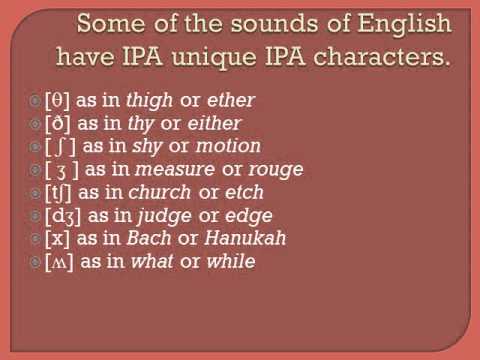
Phonetics vs. Phonology: The IPA Chart Explained
@paeselb
355.6K views•2013-06-26
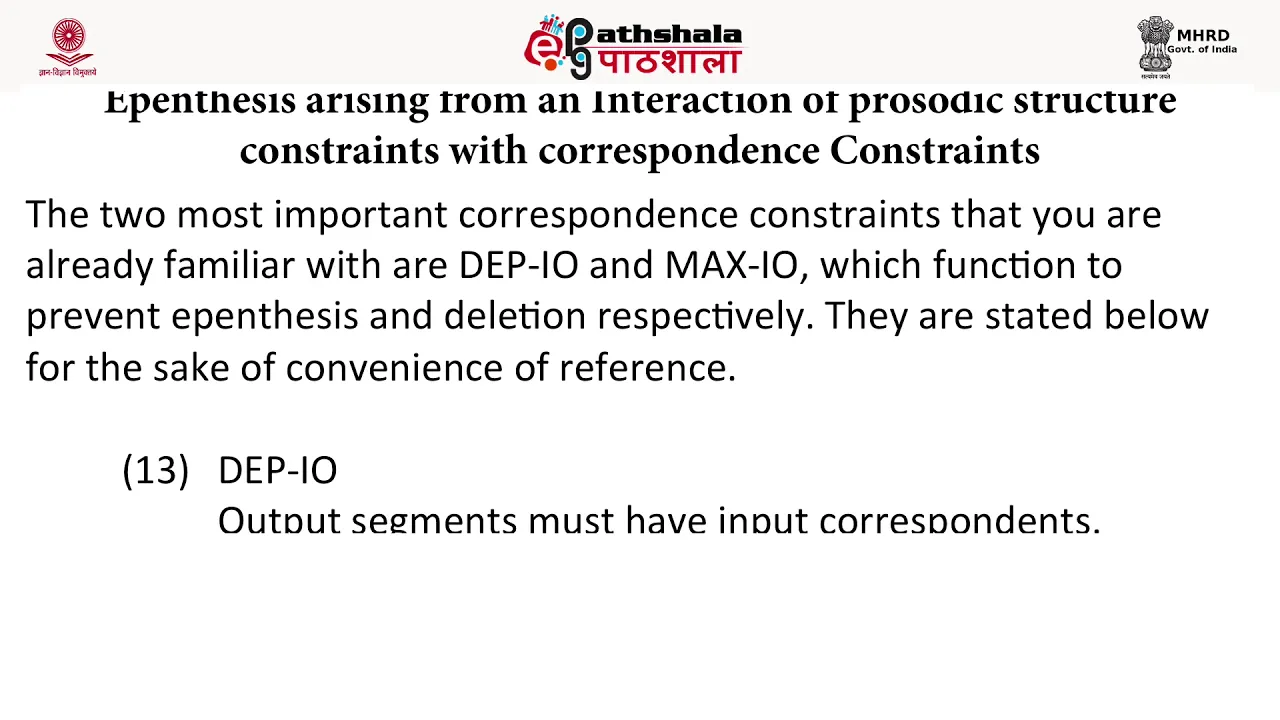
Constraint Interaction in Optimality Theory: Epenthesis & Deletion
@Vidyamitra
180 views•2018-08-20

Forensic Linguistics: How Language Solves Crimes | PBS
@pbsstoried
1M views•2024-01-25

Accent Expert Explains U.S. Regional Dialects | Part 1
@WIRED
9.3M views•2021-01-21
Related Study Plans & Knowledge Roadmaps
Structured learning paths in Linguistics