




![Linguistics [ Morpholgy ]: Root Morphemes & AFFIXES - 03- الـدرس الـثـالـث](https://i.ytimg.com/vi/83uHsnucz1Q/hqdefault.jpg)















![Morphosyntactic Alignment [Syntax 3]](https://i.ytimg.com/vi/QSAxXcTsNv4/maxresdefault.jpg)




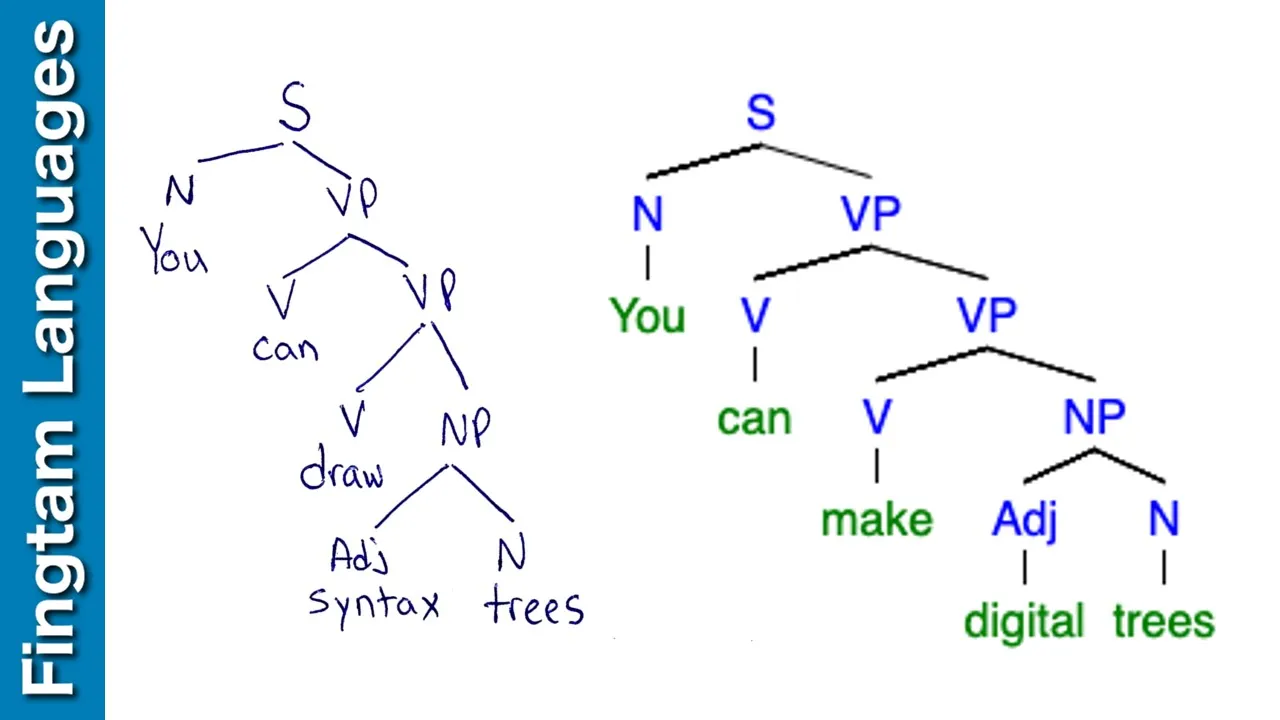
Syntax is the study of how words group together in language, focusing on sentence structure and word combinations rather than word formation (which is morphology). Linguists are descriptive, not prescriptive, meaning they observe how people actually use language rather than imposing grammar rules. To analyze syntax across languages, linguists use a three-line glossing system: the literal sentence, a gloss line aligning words to their meanings with standardized abbreviations, and a translation line. Languages vary significantly in word order (such as English's SVO vs. Japanese's SOV), adjective placement (English adjectives before nouns vs. Spanish after), and morphological marking (like Icelandic fusing definite articles with nouns). These variations demonstrate that syntactic structures are not universal but reflect fundamental differences in how languages encode meaning.
Syntax Introduction and Glossing: Linguistics Basics
Added:welcome to a new series on Linguistics syntax uh this won't necessarily assume any knowledge of syntax in my first course but it would be good to know a little bit of syntax so maybe checking out the syntax sections in introduction to Linguistics would be a good start but hopefully this series will start from a base where um even if you're new to syntax you'll be able to understand this so let's just jump right into it with an introductory lecture and some information about glossing okay so what is syntax well syntax is the study of how words group together in language uh some people would say syntax is just the study of sentence structure that's also important but really one of the key Parts is that we deal with words so if you do morphology you'll break up words into their part like simply is simple plus this ly suffix we don't deal with that we just treat it as a word and we see how it moves together uh the second big important part about syntax and really Linguistics in general is that we are descriptive not prescriptivists and this means that we observe language and we study how people use it we don't impose our grammar on people like prescriptivist do we don't say there is um certain ways you should talk we just take a look at a population we say hey look if everyone in this English-speaking population speaks like this then it's going to be okay and what do I mean by this well let's take a look at some sentences and ask whether or not they're grammatical and these are descriptivist grammatical not prescriptivist grammatical so the first sentence we ain't the ones who did that now this is a perfectly fine sentence we ain't the ones who did that uh the person speaking wants to say we aren't the people who did that uh a't isn't really traditional English but when we hear a native English speaker say it it doesn't sound terrible it sounds okay and for this it's grammatical so we just don't put anything beside the sentence I'll put a check mark here to say oh it's grammatical but usually when we write sentences if there isn't anything it's grammatical uh what about the second sentence crumple this milk or the lazy potato will fire the camera okay so this doesn't make any sense but it is grammatical so uh the meaning is weird so we put a hashtag by it but it follows regular sentence patterns crumple this milk well that's like saying verb this noun or some noun will verb some other noun so the sentence structure is good the grammatical structure is good it just doesn't make any sense now let's compare this to sentence three where I do go this is bad we put an asterisk by it to signal that it's bad it's grammatically bad because this I should actually be in this position between do and go so it should be where do I go not where I do go so this is a word order difference and this is ungrammatical okay we'll see more examples of ungrammatical sentences as we go on uh but what I really want you to know about whether or not it's grammatical um first of all only native speakers of some language are really okay to give grammatical judgments this is kind of controversial when we say native English we mean you've been using it regularly since about the age of six uh and if a native English speaker says hey yeah that sounds okay then we'll usually say it's okay there is some cases where people argue about whether a sentence is grammatical or not and for those sentences we put a question mark and that's when some people say it's okay some people say it's bad if we cover some uh material with Korean reflexives later maybe we'll see some of that because those can be kind of interesting um but for now let's take a look at how we do syntax in other languages okay so it's not all just English every language has its own syntax and anyone can study any language's syntax so to do this we have three lines in our syntax at all of our syntactic examples so for instance we can call this one one and there are three lines to example one first is the literal sentence so this is French I cannot pronounce French so I won't bother uh the second line is the gloss and this is the important part so in a gloss the words are always lined up to their meaning so J is I ne well is just a negative marker okay is eat and then as we go on we can see that um J I think it's j is never the of and then we have meat so uh the question is well what does the sentence mean well the third line is the translation so this means I never eat meat but if we take a look at French word order the sentence would say I negative marker eat never of meat so we can see there's a bit of a word order difference for example eat comes before never okay um we say of meat instead of just meat so we had this of marker okay uh so these are some differences we can see in French and in order to study uh these other um syntactic structures in other languages we really at this stage hope that somebody else has translated them for us um but if you do speak that other language then uh you're very useful because you can translate some of these sentences and give them glosses so other syntacticians can work on these things uh in this course and all Linguistics courses you take at University you'll always be given the gloss for some other language okay uh but it's also useful if you're just looking at a language you know so here's the students asked for these books okay so why would we need a glass for English well we can break it up into more FES and be more specific so the the is a definite article other languages have definite articles and if we use def. art for all definite articles across all language then we have this common language that we can understand so don't think of the as the think of the as being a definite article we'll get we'll get into these terms a little bit more later um but for now definite article would be the an indefinite article would be something like uh or an so those are indefinite okay take a look at the second word students well student is a word on its own and what is this s well students that s morphine is really just a plural marker so we can denote that by saying student Das plural and this Dash plural means that the morphine is a plural morphine okay compare this to the dot in the definite article now this means that the that the article is you know part of the word um maybe looking at these as well for Dem plural so a demonstrative a plural demonstrative it's not a morphine that is a demonstrative and then a morphine that is a plural coming together it's just one word uh so let's go back to asked well this Ed this is the past suffix so again we have this Dash here to indicate it's a morphine and then in books I did not put the morphine marker there but this would be book with a-h s because this s is also the plural marker and the sentence is just the students asked for these books but it's a nice way that we can kind of break things up and we can see uh the different morum structure in different language the different properties attached to words in languages such as agreement which we'll cover in future videos uh plurality maybe in some languages plurality is built into the words and it's not a morphine okay so that's grammatical information in gloss so let's take a look at some of the basic variations we can get and these are really basic variations enough that I think even without any syntactic background you can get something out of this okay so in English we could say something like the beautiful waterfall where we have an adjective coming right before the noun and the adjective here modifies the noun so the waterfall is beautiful now in Spanish we they don't say the beautiful waterfall instead they say the waterfall beautiful and it has the same meaning so we have an adjective modifying a noun but the adjective comes after the noun so these are one of these differences we see across languages that's something as simple as having adjectives come before nouns instead of after nouns or adjectives coming after nouns instead of before nouns okay so these are some of the things we'll note as we go through take a look at different languages take a look at different properties of languages um and we'll see even more extreme variations such as the difference between English and Japanese so English has subject verb object word order so in Tim 8 me Tim is the subject of the sentence that is what or who the sentence is about um eight is our verb it's our action word here and then meet is the object of the sentence so um what is the subject doing to something if there is an object we'll cover subjects objects in detail in the future as well okay but Japanese is not SVO it is an s o language which means that the verb comes at the end of the sentence the subject is first and the object is second so instead of Tim 8 meet it would be Tim meet 8 okay so these are one of the variations um there is six total different types of languages so this is SV s oov there is also V vs o osv and ovs um you'll encounter these with different frequencies so SVO and sov languages are definitely the most common in the world and then it slowly bleeds down into this list okay uh so here's an exercise just to kind of get you know you you've watched the introduction um you've learned a little bit about glossing so given this sentence you've never seen before what can we pull out of this sentence or this language Icelandic and we can say what's different from English Okay so there is man in garden.the okay what's what's the first major thing here I say dothe here but really I could write dot definite article and what does this dot mean well this dot means that the definite article so this the here is actually built into the word gum okay so that's different it's not a morphous just built into this word so this word for garden is the definite Garden so that is always the garden if we wanted to say a garden it would be a completely different word okay uh another thing to note here is that we have there is man in garden. devart but there's no indefinite article here so there's no word for uh that comes before man so one of the things in Icelandic is that if we want to specify an indefinite AR article like a man an apple we just don't include the article at all we only include the article as part of a word if it is the definite article okay but for the rest of it word order seems the same so there is man in the garden um you know the language and words are different obviously but it looks like one of the main differences here is that uh articles in Icelandic are much different than they are in English so just with one sentence and 10 minutes of a video you can already look at another language and you can identify some things that are different in English and you can be a little bit specific about it uh so really the key thing here in this video is well how do we do syntax in other languages and we just use a gloss and we use our syntactic knowledge our morphological knowledge and then we can come to some conclusions but we really want to be much more precise about what we're talking about uh not everything is easy just saying oh there's articles uh there's word order differences there's differences where adjectives or prepositions come in sentences um we really want to dive into syntactic Theory talk about groupings of words talk about properties of nouns verbs adjectives so on and so forth so we'll get to that in future videos uh so you know hang in there they're coming soon uh if you have any questions about the basics please leave them in the comments down below and I'll answer them the best that I can
Up Next
First Language vs Second Language Acquisition: L1 & L2 Key Differences
@usamatahir1995
63.2K views•2020-11-05
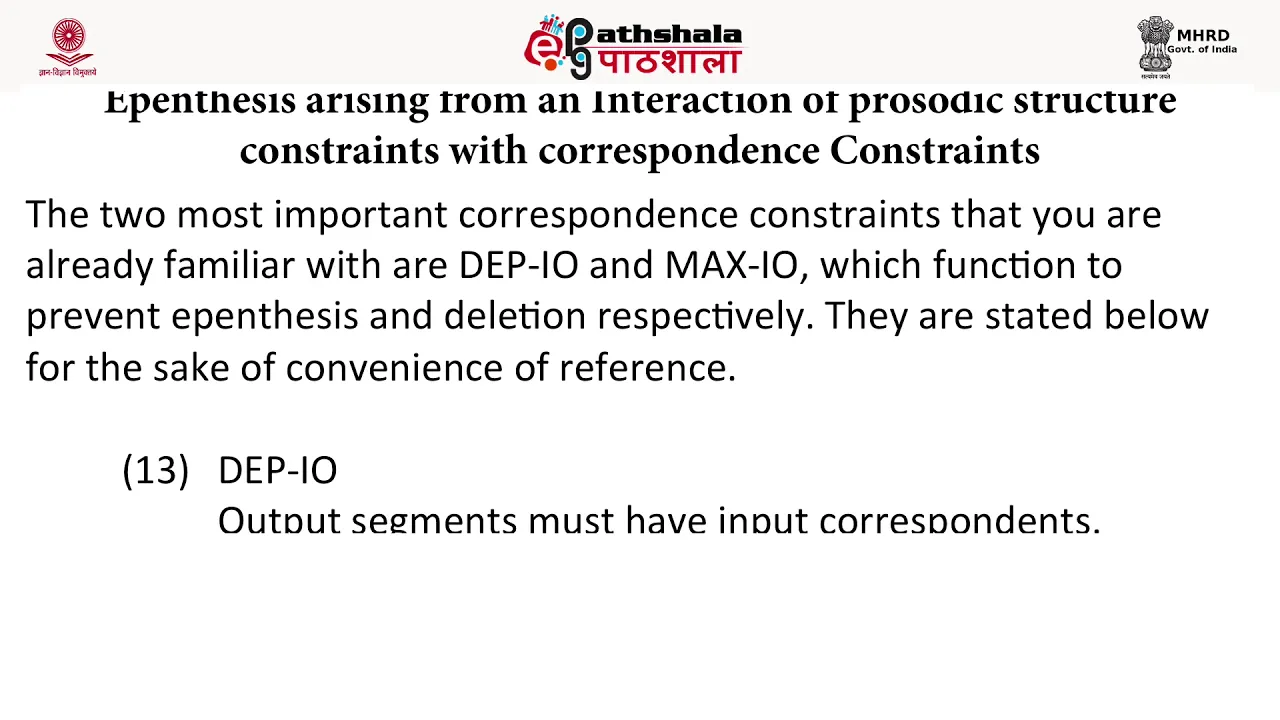
Constraint Interaction in Optimality Theory: Epenthesis & Deletion
@Vidyamitra
180 views•2018-08-20
Phonological Rules and Derivation in Linguistics
@Trevtutor
100.8K views•2016-04-27

Accent Expert Explains U.S. Regional Dialects | Part 1
@WIRED
9.3M views•2021-01-21
Related Study Plans & Knowledge Roadmaps
Structured learning paths in Linguistics