










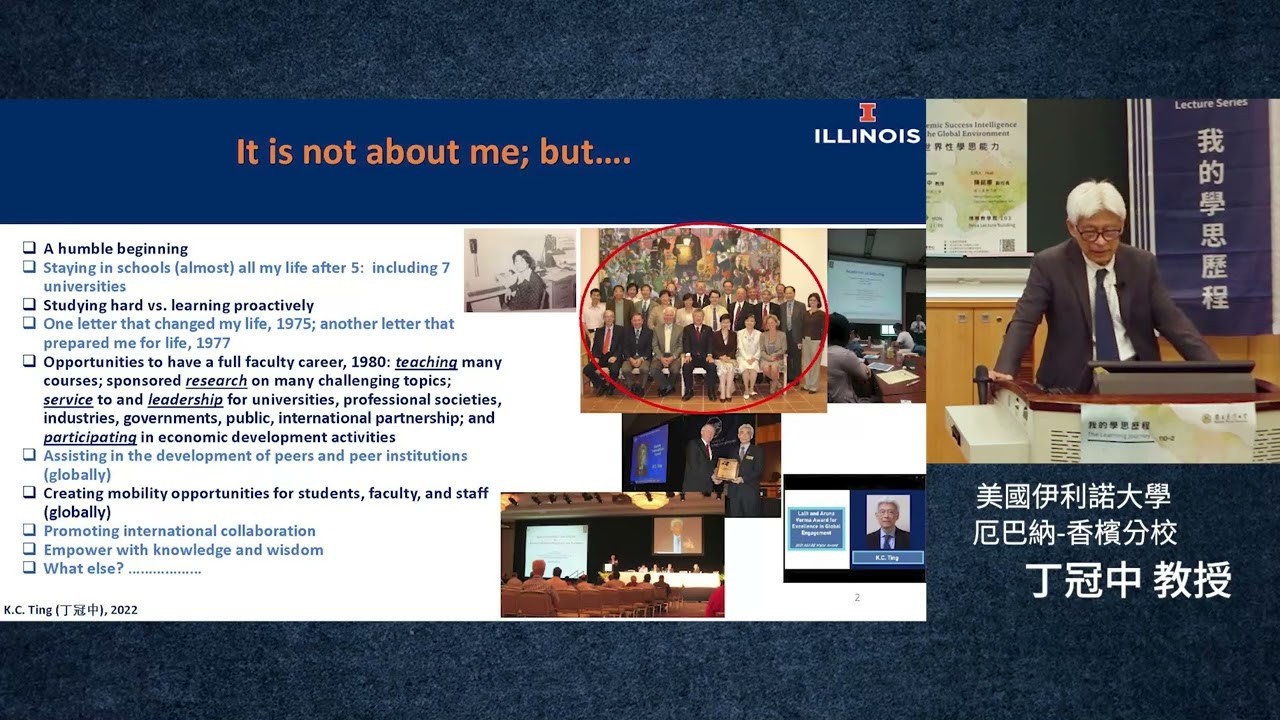

![[PLMW @ POPL'23] Care and Feeding of Advisors](https://i.ytimg.com/vi/WAOr0_US1PQ/maxresdefault.jpg)

![[PHDWELL - Webinar 5] Jak skutecznie rozwiązywać sytuacje konfliktowe?](https://i.ytimg.com/vi/Z-mTXB8ISvw/maxresdefault.jpg)





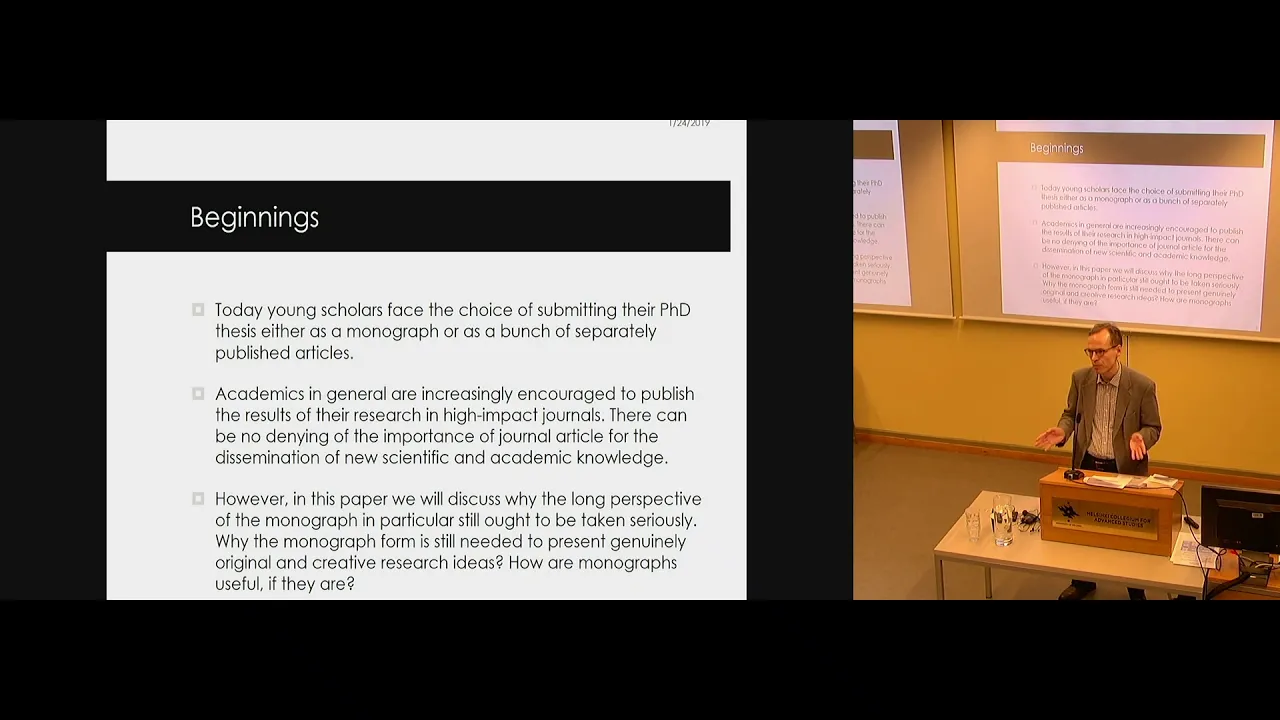


This video presents comprehensive strategies for doctoral students to successfully complete their dissertations, covering eight key areas: restructuring the doctoral proposal with socio-economic value, field identification, and realistic timelines; implementing effective time management with at least five days per week of dedicated work; writing the dissertation by reviewing other dissertations, starting with known material, creating flexible outlines, and using technology tools; maintaining academic rigour through standard language, formal style, balanced chapters, and thorough proofreading; understanding dissertation components including abstracts, theoretical frameworks, discussion chapters, implications, limitations, and varied bibliographies; publishing research through symposia, conferences, and peer-reviewed journals; and preparing for defense by attending other defenses, rehearsing presentations within time limits, and acknowledging research limitations.
Doctoral Dissertation Strategies: Supervision & Research Methods
Added:[Music] hello dear students my name is atlases Buddha I'm a professor at the Department of English at the Faculty of Letters and Human Sciences in Danzig Casablanca now today in these presentations I'll be talking about the strategies for completing a successful doctoral dissertation now this is a presentation addressed to all doctoral students irrespective of the department of affiliation okay so I hope you'll enjoy and benefit from the presentation give you an overview of the presentation itself so there are eight major sections so the first section deals with the doctoral proposal and its restructuring the second deals with academic rigour in Section three I'll be talking about time management and then in Section four the doctor writing the doctoral dissertation itself and then I'll be talking about language style and mechanics before talking about the different components of the dissertation and after that I'll be talking about publishing the dissertation and finally beat I'll talk about the preparation for tea let me just you know inform you right from the start that the objective of this presentation is to suggest practical strategies for all of the graduate students in humanities in order to successfully complete their doctoral dissertations the strategies that I'll be talking about are based on my professional experience both as a doctoral dissertation supervisor so my capacity as a supervisor and then as a member of a number of defense committees okay so these distant strategies are also based on my interaction with different faculty members both in Morocco and abroad okay so when you are accepted to a doctoral program okay so you're accepted based on a proposal that you have submitted along with your with your dossier so the proposal itself might not be well elaborated so when you're accepted sometimes you just you know you start working on the proposal that you submitted you know for your okay so we're going to look at that particular proposal and see how you can restructure it in such a way that you know you it it paves the way for you to write your own dissertation so it's very important that you look at the doctor proposal that you submitted and take a number of aspects into consideration okay so when you start working in your dissertation the first thing you need to when you are accepted to a doctoral program the first thing you need to talk look at along with your supervisors take time to rewrite your initial proposal and these rewriting should be based on a number of criteria so when you write your rewrite your doctor proposal you should bear in mind that you know your proposal should have a socio-economic value okay so you're not going to write a dissertation just for mere intellectual exercise so if you write something then it should have a value within the socio-economic environment to your end it should also have a value because when you write a dissertation then you write it for the purpose to inform policy makers of probably change that you would like them to enter take or something like that it should also be well situated the proposal should be well situation within a field of research should address a particular field of research or combined in a combined field but it should be when you write when you read that dissertation or at least a proposal then you should be able to identify that the proposal is about this particular field of research okay sometimes we came across a proposal that cannot be really identified okay so when you write your you you write your proposal you should do it in such a way that you know you write it into dissertation chapters or sections okay so so that when when you're done with the research proposal you know how many chapters at least your dissertation should consist on okay and it should be also the chapters or sections should be centered around a set of questions generally these are the research questions that you set from the beginning also once you you've done this then you should decide on a realistic defense date okay why should we think about defense right from the start while the restructuring the proposal yeah of course if you don't have a timeline you're not gonna be working like you know you're not working within a structured time so you're you know you're you're not being very categoric so you need to say okay fine I'm going to give myself like four or five years to finish this dissertation and when you have this objective in mind then you have to work in order to you know get achieve that objective in the amount of in the number of years that you have set right from the beginning so again once you have risk dr. proposal should look something like this okay so when you look at it then it should be framed within a body of research okay so you sit away to your research within the body of research does the literature dealing with that particular topic your you're researching in your doctoral dissertation okay your new look doctor proposal should have a theoretical value okay so it's not simply like you know just you know dealing with a particular aspect but it should also be you know it should also have a theoretical value and contribute the enriching of a particular theory that you're adopting it should also be preferably but of course not necessarily related to your the research you conducted at the Masters level generally like if you have then a good master's thesis then you should take advantage benefit from you know the results that you have achieved and try to start from the result and move on to something even larger okay but sometimes there are people who prefer not to pursue research in in related to the masses level and start and you that takes time and of course it takes a lot of time and energy to you know work on something different then last thing that you know your new look doctor proposal should consist of it should be part of a coherent project okay so say box art project project is one in which you know you don't have only dissertation work but it should also prepare for conferences and also write articles before you so next thing after the new-look proposal next thing we are going to talk about is academic third yeah third aspects we're going to talk about is time management is extremely important to manage your time as I said this is you dissertation is your top priority and if it is top priority then you have to decide to commit to working on dissertation on your dissertation for at least five days a week okay so if you work on that five days that's your priority it's like it's as if you you were having you had a job and you need to go to your job and a daily basis except probably for the weekend where you take time you know for for for a break so we have to seize the momentum and as we say momentum is really magic and you have to take advantage of that so if you commit to working on your decision dissertation at least five days a week then you have to commit to working on on the dissertation the same amount of money probably five to six hours a day you say this is what I'm going to do and you have to do it I mean it's not like theoretically you know saying well should work six days but six hours a day you have to work six working hours on your dissertation okay and those five six hours a day that you spend on your estate dissertation are what we call protected dissertation time say for example if you're working six hours like three hours in the morning and three hours in the afternoon depending on the type of person here you are there are people who could work up to six hour hours or more so decide on what is good for you like splitting those six hours or even you can go up beyond six hours splitting them over the morning and after more or more morning and evening okay depending as I said on the type of person you are and the time you prefer to work on your dissertation and call that you're protected dissertation time so you're not going to be doing anything during that protected time of course you need to be realistic about the timeline to avoid discouragements you're not gonna say I'm working I'm going to work ten hours a day or 14 hours a day on my dissertation but you end up working like two or three hours or sometimes not even look at your dissertation work so again in order to be very structured in in your work then you need to write a task list of the do's and the don'ts okay what you're supposed to do okay and we're not suppose now the fourth aspects that we're going to talk about in this presentation is right into dissertation itself so when you you are in the process of writing dissertation okay so I'm sure that this is something you do even without me telling you to do it or asking you to do it so we need to review other dissertations in the field of research in your field of research before your style you start your own okay see how these rotations are written and how they are structured and outline because you learn from other people's dissertations so whether they're good or bad if they're good then you take you know you write what it take you know the benefits of that dissertation if it's not if it is a dissertation that you know that is not really good then of course you are going to learn from and you're not gonna write something similar you need to start writing sessions by writing what you already know write what you know that's why people generally start with the review of the literature because that's something you have read and you have knowledge about what you have read yeah so do that first generally you can often have students come in after two years or or more and you know saying well I find difficulty of writing so you're not gonna jump directly to the analysis start what you know about the topic what is just right okay so there is your supervisor is there to guide you your doctor fellow that doctoral students are also there you know to tell you you know to help you write and decide what is a proper to write and what is not appropriate so just fry it and there are people who could show you whether what you have written is appropriate or not so when you write create outlines for each set this is my outline this is the outline of this chapter and this is what I'm going to be writing about and be ready to modify your outline as you learn more about your topic so an outline remains an outline I mean that's a working outline you can always modify it when you're in the course of writing so again save time also when you write your dissertation you need to save time by focusing your literature search on specific questions based on your outline you write an outline you do research okay so when you you're looking for information for in the literature do not read whatever you you know you came across try to be very selective because that saves you time and energy okay so be very selective when you're right you should also save time and energy right when you're this is something that you know that a number of doctoral students are you know suffering from or suffer from okay so please when you write using Microsoft Word for example okay there are a number there are a number of things that you can use in the process of writing then just when you start you know writing your first sections okay you could use make use good use of technology to help you write so you have microcell a soft table of content so you need to set that from the beginning so that when you want to write the table of content at the end of you know when you have finished your dissertation you can generate that automatically also your bibliographical entries okay whatever you want in the process of writing whenever you want to add a reference write it and set it right from the beginning and there is a way to do that and that could help you you know generate the bibliographical entries that you need you know set you know add at the end of the dissertation also if you are using special fonts okay so from talking about linguist for example you know people writing special dissertations in phonetics phonology and different departments Arabic English French okay so you need to use special fonts that are available at the Summer Institute of linguistics so you can download these fonts and install them and use them like to transcribe words okay so the most important thing is that you need to let Microsoft Word do things for you when this can be done automatically and it's always it's doable you just need to ask you can you know and you can do that yourself just google anything that is you know difficult for you to understand you know go to youtube and you know I have you know ways how to use Microsoft Word you know - for the table of contents or citation and organizational next aspect yeah and the writing of the dissertation that you need to you know bear in mind is the use of language and the style and mechanics right so in writing in prospective the language that you're using Arabic English French Spanish okay so you need to use standard academic language so the standard academic language should be clear and ambiguous and objective an official objective you need to you know your arguments need to be clear and you might take position if you defend a certain argument but the language has to be clear and unambiguous the style itself should be formal concise and adequate so non idiomatic expressions should be avoided and again the chatters need to be balanced fish you should not write a chapter that is 100 page long and another that is 40 pages for 40 pages long okay so the chapters need to be more or less balanced should again avoid including long quotations in your dissertation okay so you should may refer to research that's been done before but you need to make your voice audible you're not going to repeat what other people have said then you have to comment on what people have said and you know place yourself you know with respect to what these researchers have have done so in in the writing of your dissertation you need to edit proofread and spell check your word a piece you are not gonna submit a dissertation that is full of mistakes and errors so when you're done or even when you're right in the process in the run when you're in the writing process you should have other people read and prove we read your your work ok generally not two not three as many people as you can that in a guarantees at least that you know you're not gonna have so many errors or mistakes so even with this number of people that case we end now next we'll move to in this section to talk about the components of doctoral dissertation so once the doctoral dissertation has been Jewish okay the first of these components is the abstract so the abstract is the last part of the dissertation that we need to write ok the apps when you write the abstract you should observe certain basic elements the first one the context the perps why you're doing that research the research questions that you are trying to answer in your doctoral dissertation the method or methods followed in answering this research question where the main results obtained and their implication ok your abstracts should talk about all of these elements ok so the absence of one of these elements you know it makes it and in appropriate abstract ok so the also the abstract and of course depend on the department you are affiliated to you should provide the translation of the abstract in two languages preferably ok so if you are if you belong to the Arabic department then you should provide an abstract in French and English if you belong to the English department then you should you know provide an abstract in in Arabic and French etc etc ok so the abstract again should you should not forget to include three to five keywords in the abstract rotation that you need to you know look at is the theoretical framework so a dissertation without a relevant theoretical framework okay is a very limited value okay so there this is the reality the number of dissertation do not are simply descriptive and do not analyze anything because they don't have a theoretical framework okay so and that's part of you know the contribution okay so if you don't have a theoretical framework then you should not expect any contribution whatsoever in the dissertation and remember that the adopted framework needs to be appropriated again to account for the phenomenon described and analyzed in this situation so if you have a theoretical framework you're not gonna keep it as it is it might be modified in order to account for for the the phenomenon that you are trying to describe an airline and it is that modification that now the in addition to the abstract and theoretical framework there the discussion chapters or sections dissertation needs to consist of discussion chapters okay so these discussion chapters or sections account for the results obtained from your own stand point of view so when you discuss you always discuss from your own same point of view okay as I said before you might even have to revisit the theoretical framework in light of the results obtained okay so the theoretical framework should not you should not be very rigid and stick to be the the main the main theoretical tenets of the the frame the main tenets of the theoretical framework but you might modify them as I said okay in light depending on the results that you have obtained you should also refer to the literature reviewed okay you reviewed the literature the literature you reviewed you know reach a certain conclusion that is different or obtain reached results that are different from the results that you have achieved so you need to show that like if this you get this you know you obtain the same finding then you have to say that you're finding corroborate the findings of previous previous researchers if not if it's the opposite then you have to show that you should question the claims in this previous research in the previous the implications in addition to the abstract theoretical framework discussion chapters you need to the dissertation the other component of this relation is the implications so a good doctoral dissertation should conclude with implications and these implications should match the results obtained okay so also the the implications need to inform the practitioners so why are we doing with the results and the implications if we don't inform the practitioners this is what God this is what you need what should we inform them to take action if you are calling for a change like say talking about the educational reform and you call for a change then that's directly addressed to practitioners also policymakers if it is something that the results that you have achieved you know should be communicated to policy makers in order to take them into consideration in future policies okay so good doctor dissertation should also conclude with implications that suggest further research you have done a certain research that allowed you to inform practitioners policy makers but also to point to directions where research is lacking and that's you know the fact of pointing to the erection is in itself a contribution because you're allowing other resources are coming after you to work on aspects that you haven't dealt with in your dis locations your doctor word you know should also point to point out to the limitations of research of course doctoral research this you know every space despite the fact that it might be really enriching and comprehensive in a sense but also I mean this is a doctoral dissertation as should have limitations in terms of the scope of the study and a sample for example the scope have dealt with only three aspects in your dissertation okay so you left other aspects for future research also the sample that you have chosen for study and research is very limited in number because you know given B the dissertation you cannot go beyond a sample consisting of say like the sample consistency that you have chosen consists for example of one hundred two hundred students you cannot go beyond because there is no way for you to you know deal with the sample beyond that so and you should point out that okay you should also point out to the limitations relating to the data collection instrument okay so should in no way undermine your research but that's part of the Wynn research so you know you have of course to set clear your your achievement and of course the results that you have achieved but also point out to the limitations and and of course also the the one of the components and dissertation is a bibliography he should vary your sources ok you should not draw heavily on one or several references to your references need to be varied it should combine all the references and new new ones and of course you should have both the classics in the field your field of research and more recent research ok so you're not going to be you know so updated references need to you know take you up to the moment of defense so also your mug your references you should have research articles books masters theses doctoral dissertations so that's woven by varied references ok your research should also include online reserve all resources ok online research is in addition to paper-based resources that was the last thing our section dealing with components of the dissertation now remember now one aspect that I'd like to talk about in this presentation relating to is the one related to publishing the dissertation itself so here I should talk about two phases the first one is before you defend your dissertation okay so remember when you're in the process of writing your dissertation you need to know publish and publication is a partial fulfillment of the requirements for your d/dr degrees so most of the universities in Morocco here require that you have at least two publications before you submit your dissertation for publications so that's why you need to publish aspect of your doctor project while you are writing the dissertation so your published research activities should go here into a well determined research program okay so you're not going to publish something outside your dissertation whatever your published needs to be directly relevant to your doctoral dissertation okay so when you publish in published papers start first with doctoral symposium okay that's stress on dr. symposium because that's it that's an event that is organized you know within Morocco and then you know the speakers all of the researchers our doctoral students so you shouldn't fear of you know presenting in front of your doctoral research fellows because these are people you learn from and it's one each one learns from the experience of the other so first published right papers in doctoral program you know symposia you can move on to Nash also the other part of the doctor of publication publishing doctoral dissertation even when you defend your dissertation so before you defend it and after you defend you need to bear in mind that you need the publication for and number mainly for your your job hand so after the defense publication maximizes your chances for job hand like if you're looking to work as a professor at university or at a research center or one of the ministries like Ministry of Planning and you know I'm talking about geographers and sociologists so these people are you know might work in different departments not just at university and research centers okay so bear in mind that publication is extremely important before and after the defense okay so after defense you need to publish paper based on your defended doctoral dissertation so you have your doctoral so probably four from each chapter you might want to choose like to write two papers based you know on one of the chapters okay we know that aspects that need further elaboration you can you know work on that those chattering you know extract like a couple of articles from each chapter you should also now we move on to the next step if you've had experience in doctoral symposia and national and international conferences you can publish in reef read or peer-reviewed journals although there are dr. doctoral students that publish even before the they defended doctoral dissertation you can also if you you know if you become experienced enough you can publish in indexed journals okay so you should up but always bear in mind that when you publish you publish research activities that are really coherent into tickler programs you are not going to publish here and there in different discipline so as a doctoral students or a newly doctor dr. holder I mean you need to focus focus is deal with one aspect relating to a particular field a particular field of research and that's the field you've been researching the last thing we're going to talk about is preparing for the defense so when you have written finished writing and submitted your dissertation for defense then you need probably not even when you have finished so you might do that a lot in a way before you finish attend defenses before your own in order to get you familiar with the general atmosphere of dissertation defense you need to prepare okay when you have this when you have submitted your dissertation and waiting for defense day you need to present your present you need to prepare your presentation and you need to present prepare it as if you're preparing for a conference paper okay so rehearse your presentation and make sure that you abide by the timeframe allocated to you generally like the present of the jury in avaya generally you know grants you of something like 20 minutes to give your to present your work your dissertation so abide by those 20 minutes because if you go beyond that then the members of jury might have a different view about yourself the first of these views this view is that you don't you know respect you haven't respected the time allocated to you you should also know the limitations you know when you present when you're getting ready for the difference you need to know the limitations of your doctoral research okay and you know the limitations to prepare for these limitations in advance okay and we are ready to answer any this presentation I'd like to reiterate that writing doctoral dissertation is a unique event that happens and not everyone you know can go through the stages of writing dissertations you are very lucky that you're among those privileged students who were able to go up to the doctoral stage to the completion and defense of your doctoral dissertation marks your transition from a doctoral student to a doctorate holder so it's really a wonderful feeling to be a doctor and you will experience that once you have defended your dissertation okay so once you have you have defended it then think of pursuing doctoral research okay so doctor postdoctoral research should be one of your primary concern if you can tend to take up teaching at university for example or at your research center like for example mad cherry bomb at the leaf rehtaeh okay so or any other research center okay also a postdoctoral research should allow you to keep abreast of the latest development in your field of research or the references that I have used okay in addition to you know again as I said experience personally experience but these two references contain other references and website that you can refer to for further research okay so if you have any questions I'd be ready to answer answer them thank you very much [Music] [Applause] [Music] [Applause] [Music] okay Thank You professor insu Cass and thank you professor Aurora good evenin everyone I hope you're fine and doing well and staying safe wherever you are before I get started let me make a couple of of notes regarding the the Select list of tips that I'll be suggesting here first this video post I must say is not meant to serve as a substitute for what you supervisory is normally supposed to to provide you with the tips that I will be suggesting here are simply the fruits of a long experience I would say inductor revision and supervision and the list is not exhaustive and does not pretend to do so for example if you google how to write a PhD you'll find the thousands of links out there and I advise you to do that as a matter of fact and this is why I would focus here on the prewriting stages which I divide in in basically three stages now as with with with all forms of writing you need to be organized I'm not going to talk about the need for you to develop study habits etcetera for instance this is something that you have you know you must have learned this you know in your study skills classes as well as in your methodology class to be organized would mean to structure your thesis and set up a plan for when you will be complete in one chapter or another and and try to discipline yourself as a matter of fact in to complete in one chapter under unfretted you know you know perform what you intend to do what you plan to do in accordance with a specific plan so you are in other words you have to put in plan you know in place a certain roadmap of course you have a comfortable time span to do this and all you need is to manage your time as efficiently as as possible I think it's all about discipline and devotion and and it all comes in stages actually once right after another now in stage 1 the question is when do you really need to structure your thesis well the answer would be then when you have connected in enough material to do so to my mind you could start to do so when you have done enough brainstorming as I said and and and read as many books and articles as you as you could lay hand on things that relates to your topic somehow you know immediately or not it's only when you can have gathered what I would call the material upon state the tools of thinking that you will be able to do so I take one year or so to this you know it's not a problem no rush at this stage at least you know I take my time to reflect on on this at this stage because this is the stage when he collects your data you put the references in one card the essential course quotations in another and anything that you deem to be relevant to your what you're doing in your dissertation now of course all of this should be conducted in length of your thesis statement it should be conducted in light of your thesis statement your hypothesis or whatever critical inquiry you engage in that is what what is it that you want to do exactly this should be clear in your mind and at this stage you need to constantly ask yourself or your source now three questions where am I now where do I want to go and how should I go there and the best tactic in other words she would be strategizing all the time and and the best tactic to achieve to achieve these you know with results I would say is to adapt what is known as the small wins strategy in other words you have to take time to reflect on your research questions think of possible answers try to erase all ambiguity about your research problem visualize how in which structure your thesis and carve out a line of thoughts that you will be sharing with your reader the second stage this is the stage where I would consider student you know I go like a blind person trying to find their way in the dark now it's that the time when you need to be really more organized because you have to at your disposal supposed at least though all the guiding lights that you need to move forward first sit back and write an extended outline and an extended outline means that you have to confess out all the ideas that you have brainstormed the research questions that you have formulated the possible findings etc in the form of an extended outline that is a detailed one you'd have to say exactly what you want to do in the introduction no I want to I would say this and that and that a P and C it's it not just leave the introduction behind and move on through the body of your dissertation in other words you'd have to have a clear idea and and this should be you know written down about what is it exactly you will be saying in the you know concerning the background behind your research interests the rationale behind choosing the topic that is very you know essential that is the reason or the motivation behind the writing your own contribution that is essential the methodology to be adopted to conduct your research will there you know it's descriptive or quantitative qualitative or you know mixed method approach know the disciplines here book books out there and I'm sure your supervisor will recommend you know some some good titles out there now the the key concept that you would be using also have to be somehow explained in the course of your introduction probably they're also the first chapter and anything that enough could the theoretical form work because there is a overall you know dissertation and anything you say at this stage must have some bearing and this is important no please not this this is really essential anything that you say you know in terms of theoretical background anything that you say at the beginning you know in the theoretical framework should have some bearing on and should be related to what I would call quote unquote the practical part of your dissertation which is basically the logical extension of the the the theoretical framework very often and this is from experience very often candidates fill up spaces with theory you don't have a problem with that because there's lots of new material out there so but when it comes to to a practice as such well I see very often there's our connection so your paper in other words must be balanced your ideas must be graded and always bear in mind that you will be that you're right into someone that you need to interact with on a constant you know on a regular basis and that is your reader you say that you reader this is where I have completed and now I would take you to another place or at another area of my research and you know see I have already told you that things like that it's only in this way that I the dissertation will be you know in technical terms be coherent and cohesive now this of course cannot be had you have if you don't have a clear vision of what you want to do and you know and this is my personal instance that you know I have my students write down a detailed or an extended outline before I you know they're given the the the greenlighter which I was going to say right like the green that the right light because they're when they're given the green lights actually to start writing and believe me once you have a good you know command of the extended outline you know the rest is easy you know so in other words you you know you can you right so you know there was you take care of the out the the extended outline and and breast is easy now I move on to this to the to the third right the third stage as you can see I'm going to talk about the overall structure now when I I recommend you know as the students adopt what I would call a granite order approach I will explain what that means in in a while now the third stage would be to take a granular approach to your dissertation working in piecemeal fashion there is on each chapter beginning with the introduction which you leave until the end if you wish okay whichever way you do it actually leave it at the end to start off with it you know you know you will ultimately have to revisit in in the introduction in light of the the novel things I would say that we have you know included in your body hospital situation as a result of your research and reading cetera okay so as I said like you will get this discover you know new things you would have to do some reading with you know and and of course you will have to somehow you know do some make some changes actually to the to the to the overall you know line of thought so you immerse yourself in your in your writing this is the time when you start immersing yourself in the writing and you will disk you know chapter by chapter you know flesh out ideas you know go it's after bites after and regularly check if you've missed anything out there any recent documents you can use etcetera and for the sake of again for the sake of cohesion and career for the sake of cohesion and coherence always always wrap up and yeah this is my yeah this is stage three right okay and under the second creation incoherence always always right I insist on this always rub up adapter with the conclusive statement and prepare the reader for what you're gonna be doing next that is in the next chapter okay your aim would be aim to achieve in the right also at this prewriting stage you need to decide in concert with your supervisor of course you need to decide on the kind of you know manual or style sheet that you want to use you know whether you want to use MLA the Moroccan lankey I mean the Modern Language Association or APA the American economist write Association whichever you are right you want to adopt I mean I have no problem personally I don't see a big difference you know wrong with one and then that's fine okay so if these mm eights okay buddy if you have to be you know be a have to be consistent you have been to take some time to practice using one or the other that's very important and of course there's plenty to a lot out there that you can use that will guide you in how to use one or the other okay no time to write your supervisor will recommend one or two for you finally do some some benchmarking you know out there go check out some base stations out there in your area of specialty more prefer to be not just to see what's out there and and stay away from far-fetched topics you know because you know make a contribution you don't want to complicate life for you as well as for the reader as well as for the supervisor revising really has but not to suffer you know from problem from watching what you're doing and one thing perhaps is you know as far as tribution is is concerned you need to debunk you know always not try to debunk things figure reader and and debunk things it and then I can you would say to your reader and you know things that they have not been familiar with or you know you did family writes them between it if they things for them you know so much stood that they you know they end up by saying something like oh really I didn't know that okay if you if you can come to a if you can arrive at you know getting a reader to say oh really I didn't know right then I didn't know that then you have you know be successful that's it thank you very much okay thank you okay here's one last all right okay all the best to you thank you very much all right now I I give the for a job professor urban serpents okay Thank You professor Kamini for your very nice talk and I think it has it has paved the ground to the coming presentations mine and that's by Professor szura later on so I'll just take a few moments to upload my presentation here we go [Music] alright so my position is on doing doctoral research in linguistics and what I will try to do in this presentation is provide more of general guidelines that students could could use these could also work for other other areas of specialization but my focus in this presentation is more on on linguistics okay so the way I'll proceed is the following I'll just point the fact that students need to know at least the basics of different fields of linguistics they also need a basic functional knowledge in in the for example the social linguistics situation of the country they're working on in in our case for example if you're working on the languages in Morocco you need to know what the socio linguistics situation in Morocco is exactly and I will spend a few minutes on research methods in linguistics and I'll finish with the data I'll be talking about transcription and glossing to different skills that most that are mostly needed in in in doing linguistic research so I'll start with the fields of linguistics so I it's my belief that every student who embarks on a doctoral research at the in linguistics should have a good knowledge of the different fields of linguistics there's no no terrible thing than probably talking about things that we don't understand in in my experience I I feel that people might be doing for example something like applied linguistics or social linguistics and they will need concepts from syntax or from phonology or from morphology and they just whatever they write in their dissertations but betrays their lack of mastery of the basic concepts things I've seen a range over people presenting data from from from Standard Arabic and then claiming it is from rotten Arabic for example people discussing phonological concepts but they confuse them if you see what I mean so I think that's a good knowledge of the field of linguistics is always very important and if you're working on a very special field III I think you you you you you you you need to to have a good mastery of it ok now you also need a good knowledge of the specific field of linguistics investigated if you're working on any one of the theoretical or formal linguistics fields areas of investigation like phonetics phonology morphology syntax etc you really need a good specific knowledge of that field if you're doing like applied linguistics or social linguistics or whatever field you're interested in a good knowledge is always a prerequisite and then of course for you to be able to analyze data and present your work in a convincing way you need to have a good knowledge of the theoretical apparatus and to have a good mastery of the data you're presenting and then you also need to have an awareness of the relevance textbooks handbooks journals databases online resources these are the things that I'll be presenting right now there are also like manuscripts what some people used to call underground literature or great literature whatever the term means which simply refers to works that are unpublished Elect dissertations or paper manuscripts you should be able to distinguish these types of works and also be able to judge which ones you can start with first off and which ones are relevant to you and which ones are not so when it comes to the field of linguistics the first thing that you can probably start with if you're at a loss is grab a good book and now all good all good publishing houses houses have comprehensive textbooks and these times come in different editions and from one edition to the next of course the book improves tremendously we have plenty of examples I'm just giving you one one one house of publication here you have an introduction to phonology to pragmatics morphological theory etc and these are really really comprehensive I've used some of these in my areas of interest and believe me they're they really work of course this is just one house of publication there are others which are just as good now the other thing you can use to start with is is encyclopedias there are very nice recent encyclopedias available I'm giving you a few examples here the one in the encyclopedia of language and linguistics the second edition comes in 14 volumes I mean like this this this encyclopedia covers pretty much everything you have in the field and what is interesting about these encyclopedias is that the lemma is the the entries the lemmas are contributed by authorities in the field which makes its really really more more interesting and more more reliable it makes them interesting under level if you compare for example the way encyclopedias are done now with the way they used to be done there is there is a huge difference in the early days encyclopedias used to be written by a limited number of people each one contributing a number of lemmas and that's the way it worked now what what people do is that they invite the specialists authorities in the field for example you want people to deal with a special aspect of social linguistics you call on real sociolinguists who have a good good good good experience in the field who are very knowledgeable of whatever is going on etc so i used a few entries from this very encyclopedia in my research and in my teaching and believe me it's it's it's really a good place to start and it's able for professionals not only or for students even for professionals it's really a good place to start now the lesson that you have out there are handbooks again all good publishing houses have comprehensive handbooks if if you are not familiar with with the with the with the concept of handbooks this is a collection of papers that deal with a specific field you have a few examples here so what you have is papers dealing with the state of the art these are generally invited papers contributions and the the authors are asked to present the field in as detailed and us as updated a manner as possible and normally if you grab you're working on bilingualism for example or linguistic anthropology grab one of these handbooks this is again just one one one publication there are others if you grab one of these and you you read relevant portions of it I'm sure that you can have a very good start of course you can always check the bibliography because the the writer of each chapter will just be sending you to other references that are already available in there now the most difficult thing to read our journal papers this is where the research is really taking place and all fields of linguistics have one or more established journals you have examples here applied linguistics phonology journal pragmatics word structure which is mythology there is a journal entitled morphology by the way a brain and language you name it there are plenty more that I cannot really like lists here what if I can give is just google the name of the field along or the area of specialization along with the word journal for example Journal of linguistics and you'll get plenty of journals that are out there and then you can also use just the name of the field linguistics you have a journalist ocean linguist six you have a journal phonology have a journal pragmatics you have a journal applied linguistics in the journal phonetics you have a journal so these are things that are available it's a good two to two check check them them out and as you are doing research this is really as I said where where you get with the most recent developments in the field of course publication takes some time so there might be like a one year between the the date of submission and the real date of publication and in the meantime some necessary not necessarily with some good changes some some important changes may have a may have taken place in the field now here is a different story you have to find ways of getting to the international conferences this were also you get the information you need now in addition to to these these are publications books you can have them in in in paper format you can have them in online formats never mind there are also plenty of databases you can use or platforms now research databases one you can start with this JSTOR now Jay Stewart gets you almost everything that is out there you get thousands of hits when you when you try to Google something but it's a good place to start the other thing you could use is get to the option of JSTOR where you check the individual journals now JSTOR has a little problem if most of the journals are not really uh updated so you always have a five-year limit on the journals in the sense that they only you can only have access to issues that are published five years ago some like that for some of the journals you get for some of the journals you you you get you get you get you get access to the most recent ones epic ojos is a good one project Muse is more like this where we get journals on formal linguistics but these are these are really important to databases that you of course these are just examples get to know them you get to see how you can access them and get to know how to exploit them there are more data oriented databases I'm giving you a few examples here the first one is is laminas more linguistic no Lamont hosted by the University of Louisville in in Canada now what this does is it simply gives you a a good presentation of the language planning language policy of almost each and every country in the world and take my word for it you can just go there and check like for example the the the the the under the rubric of Morocco for example go check Morocco you'll find and this is of course a website which is updated every now and then you'll find pretty much the latest texts that that relates to to to language planning et cetera and this really really like gives you everything it's a it's it's really like a good place to start if you're if you're doing this kind of thing that's not loud talks about the different languages of the world it comes in a paper version the universals archive you have this is a database you can become you can consult it is with with with universes and phonology and morphology syntax et cetera so this is kind of an update of the types of universes that are available depending on the published literature etc same thing for the world atlas of language structures online of course these are just a few things it depends I try to show you different things like structures that's more like the structure of the language let me not want any seek the small like sociolinguistics the universals it's kind of related to the structures et cetera ethnologue can give you the historical background on languages and much more these are just examples as I said again so as you as you move on with your research get to know which databases you can use and exploit them now there are also platforms the linguist list is very interesting you can by the way like just in where else on how you you become a member and there you can you can you can get all types of information for example the recent conferences there are there are there has hundreds or probably thousands of linguistics conferences going on in the and most people would publish on the linguist list because this is a very good means of distributing of disseminating information or sharing information so go check it it has publications also they have because this is the the the Summer Institute of linguistics in the United States and they they have like lists of journals they have publications of their own they have a lot of information concerning conferences et cetera and it's very easy to use by the way it's it's user friendly academia and research gate and orcid now this is one way of which in which people can share their research you can create your own pages as well later but here you can also like consult these and and and they give you a lot of lots of downloadable papers of course you know that you can use Google Scholar specifically for this type of research but these really like got'em or you can you can get to the to the individual pages of researchers in morocco we have this amidst which is hosted by the by the in the Santa Monica scientific a technique in rabbit and there you have plenty of Moroccan journals that are available online for free so you can download materials etc and just go and check the linguistics ones are really interesting so one thing is you get information from these journals but you can also find ways of publishing with with with these people which is which is a good thing so just get to know how to use it what's good the options aren't that are available to you and I think it's a good place to start the second point I would like to talk about is the basic functional knowledge you have about languages and the linguistic situation in the country for example in our case Morocco I mean by a basic functional knowledge is for example the social linguistic situation the historical background all the language families we have or the phyla also the language policy of the country language in education policy etc so these are more like this is more like a general bag the linguistic background that you need to know so that you become functional as as a linguist the sociolinguistics situation of course we have native languages in Morocco we have official languages with foreign languages there's not a lingual ism and there's like low sia no knowing this will make you at the first stage very functional as a linguist but you can also like see ways in which you can you can find research areas in these whatever your field of research you know languages is not one one monolithic type of entity there are plenty of things that interact with each other if you're working on form linguistics you might find yourself working on socio linguistics or applied linguistics and vice-versa so if you know these things like the dysfunction of this basic functional knowledge in in linguistics it can just make you a better researcher if you see planning the historical background is also interesting the language families we speak in Morocco native languages talking about the mother tongues are of an afro-asiatic origin but there's also a language contact that has been there for a long time between the native languages and between native and foreign languages and this of course can can help you when you're doing research with this perspective you can always find ways of solving problems that cannot be solved on the basis of the language itself you have to look for external evidence you have to check what what the the the influence is from other languages etc now language house in Morocco of course we have been adopting the Arabization policy since independence there is a change in the current language policy maybe you have heard of the publication recent publication of the legal texts on the National Council of languages and culture this is what what's remained like pending in the in the in the Constitution Article five of 2011 so this was finally released in in at the beginning of April and we're now expecting more language planning institutions to be created in in Morocco language in education policy we have different school languages we're a different language departments languages of instruction you should check them we're using Arabic or using French we're using English as languages of instruction in general depending on what school uuuuuugh you have and then you also have like a language of instruction in different departments et cetera you just need to know what what is going on exactly now the third point is before you you it's not before but while you're doing your research actually even before you can start with this and then it's something that is going on as you progress in your research research methods in linguistics are important an important skill to have now what happens in here is that formal linguistics methodology is different from applied linguistics methodology now in formal linguistics the way you deal with phonological data is not the way you deal with morphological data is not the way it would syntactic data etc in Applied linguistics depends you can have like different types of designs it's up to you to find out what what what is what the best methodology is in your case learn about data collection methods in each field because they might be different from one field to the next learn about data analysis skills as I said these can vary from from one field of linguistics to the next of course professor Karimi has said that we're not we're not really like we're not really like giving you what you should follow this is not really like god's truth or whatever so you have an advisor and you should be consulting with them in terms of the methodology you use etc still of course you're this once you decide on the appropriate methodology you do decide on on the top of investigation you can decide sorry once you decide on the top of investigation you're the we can decide an appropriate methodology and references are not are not really a you know there are plenty of references research methods in linguistics research methods in second language acquisition in applied linguistics in language planning policy statistical methods in wing language and linguistic research I'm just giving you a few examples so pretty much each field now has descriptions of how you can go about doing research in it the last point I'll be dealing with is data and I will be focusing on transcription and glossing again more of general guidelines than something particular when it comes to transcription we need generally to be able to distinguish phonetic and phonemic transcription know the special fonts that are there you can use phonetic keyboards that are available online you have phonetic transcription AB - special for English and Matt I'm not sure about other languages but for English we have them so a phonetic versus phonemic transcription normally our students the early levels are aware of what is called broad and narrow transcription which is pretty much the same thing so a broad broad transcription is phonemic narrow is phonetic where you give the details so a good working background in the phonology of the language is investigate it is really a prerequisite in this case you need to know the phoneme inventory this is not for people doing phonology is for people who record data phoneme inventory is very important processes for logic courses are important and you need to know the basics of phonology so that what you transcribe does not really sound does not does not really kind of betray or your ignorance when it comes to this and what I advise is to pick up the like the consonant chart or the vowel chart try to fill it out with fill in the details of your language okay this is pretty much like what we have at AU more Universal level but try to have it shortened and have it somewhere visible so that it guides you in your transcription then you stay consistent with that there are actual funds that you can use on your computer of course most computers now come with with ease but there are problems when you move from one computer to the next what happens is that the transcriptions symbols display wrong and what you could do is use more professional special font settings you need install in computer it makes your work even more professional you can download plenty of things from the International Phonetic Association website funds that are meant for windows for this is Macintosh of course the older version but still we can install them on on Mac Mac Mac computers netbooks et cetera now there's also an the possibility of mind phonetic keyboards so if you want to transcribe what you have at the bottom here is actually just a like where you can when you type of course you just press any one of the symbols and it shows in the in the table at the bottom you can just copy that and paste it onto your your document word or whatever and these really make transcription easier now one nice thing is the phonetic apps this is two phonetics what you have here is more like a Google Translation thing but this is it works the same way what you do is you paste your English texts there you choose whether it's British or American English and then you have a few more options you click on short transcription and there you go of course it does not give you an accurate transcription 100% you still need to go and check and check it edit it a little bit but it does most of the job for you which is a very nice thing now the second point I talked about transcription the second point is glassy most of our students kind of do not quite get this when it comes to to linguistics and we have have conventions that are already available like the leipzig glossing conventions okay there are a few references in there i give you an example here from russian so what you have is okay so this is the first line shows you the data from russian the last line shows you the the translation into english what matters here is those lines in the middle which we call interlinear glossing so there it's very important to show the structure some languages have the VSO word order some have SVO some languages have very weird structures so people who are read should be able to follow what the structure looks like and you do it by the central inter linear linear glossing now of course as I said there are plenty of references that show you how you can do this it's not very difficult but you need to be consistent when you record your data this way now there are also conventions you don't to create your own abbreviations there are standard abbreviations that everyone probably knows all you need to say is that you're using the letter gloss in conventions or any other type of this is one one type or any other type of gloss and conventions so that's it's pretty much and I'd like to thank you for your attention and I would like you to enjoy every step of your research journey and now I will give the floor to my colleague professor ruff for the third and last presentation concerning research methodology in the doctoral level thank you so much Thank You professor in sukhasana Thank You professor carry me good greetings to you all the new doctoral students welcome aboard welcome to the University and the Faculty of letters and human sciences in robot test third presentation in this special webinar that we are addressing to the new cohort of doctoral students as you've learned from the previous presentations deals with your the basic skills that you need to know or to learn before you launch yourself in the big project of research in your Daschle thesis two key moments in the search research journey of beginning doctoral students that I would like really to focus on today first the time before outlining and draft in the first Chuck this is the focus of my brief presentation here then the second moment or second time is when you start outlining and dropped in the first chapter this is particularly important moment in in your life as a doctoral student and this really determines what is going to happen later on in terms of a development of your project okay so the basics of a doctoral research project without me there is a basic know-how that a fresh doctoral student must have among them I mean how does the topic look like is it clear is it foggy is it incomplete of course you have put forward a proposal based on which the Commission accepted you to do your doctoral research at the university but sometimes even wielded a dirty from the previous citizens with new candidates the proposal is sometimes foggy to general truglide lacking originality etc so you need to define and redefine your topic really clearly okay reading primary sources is a must definitely you've read some primary sources to produce your proposal but you need to be very familiar with primary sources whether they are novels or there are poems particular author or the particular cultural theme or console problematic ok so that's what I call a fair knowledge of programmatic and what has been written around that from a programmatic should be more or less familiar to you and that's what help will help you we define the topic and we move the phoniness or incompleteness from the topic on the other hand you have secondary sources significative this is what constitutes the majority of the bibliographic entries in your proposal you'll be asked to write to the geography but this is like a primary basic bibliography ah expense of the arguments around the topic also must be clear in your head you have definitely read a number of theoretical works debates criticisms Brown your topic and parties what are called the earth theoretical context you should develop particular if you let's say you are interested in writing about Moroccan feminism okay you need to be familiar with what has been written in the field in Morocco okay so you should have known well and read well that's not even native example but I read also other articles are the species by other female feminist writers but also you should be familiar with what has been written in the area of feminine in England in America maybe in Europe also but since you belong to the English department just be traded with what has been written in England and America is enough ok another thing that is also really basic and key in this process of research in your dissertation is the professional writing skills that very often students suffer from okay and professional writing skills often caused the failure of lots of students in the Leessang spheres and in the masses sometimes it's it's it's pretty technical okay that you need to submit it I propose here the amid a handbook which is a like the Bible for writers and for thesis writers and dissertation writers like a whole science that people really follow when they are and right in Eagan books so you need to develop a strong background knowledge in the area of you research and this little bit repeats the idea that that said earlier okay so these are examples of the handbooks that I was talking about the MLA handbook is the one that I have been using that I use myself and that I recommend to my students there's also the methodology that in the AP APA style that my colleagues professor Carini and professor Duke has talked about earlier is the Chicago Manual style is the manual for writers and there are other files but the important thing is that make sure you follow one particular style you don't mix don't mix the two okay even within literature within cultural study you have people using both either the MLA 3 as long as you are consistent and systematic you're fine but definitely your supervisor will be a good guide if you in telling you which which one which one to do that but by the way as a young scholar it is always beneficial for you to get to know all these styles and how each one functions so that when you confuse them you will know that you are confused if you know only one like making an arrow or jumping from one to the other it may not be very clear to you Hank alright ok what other challenges really face you in this in this research journey I separate between continent and so on okay we searches usually a researcher faces two major challenges the form and the content of the project language skills that I mentioned early on the MLA and APA language skills and mechanic city of writing these are basic skills that you need to revise before you start to graph the newspaper I did one you are meeting and you're taking notes and then you're collecting information it is really beneficial to you to spend some time reading those handbooks and revising the mechanics of writing right away in sentences how you develop an idea okay what are the rules of developing an idea making a strong coherent paragraph from one single sentence once a variety then the system of ideas and arguments and that really make the question is to read at the beginning honks or diversify sources okay you missed from the me okay you are writing about the question of race among women in the 19th century Britain it goes for vegetable and we the basement a pan okay it's oh yes limit yourself to the space of Egeland since we dealing with 19th century even and of course your research may take you to I don't know to Jamaica to Nigeria to South Africa to America but that is still within the area of your specialty research and then as you read more and then your thesis becomes much clearer then you narrow it down to a more manageable topic note-taking is an extremely important skill that you need to master because if you're reading like it you amp it back you read 20 books 30 books if you're not taking good notes okay you're going to forget everything and it will be very difficult for you later on to put the ideas together in order to construct your arguments in coherent chapters so I call this a technology note-taking a note-taking using some tools for this technology like index cards no it books PC files or a mix of all these you invent the most convenient technique for you that will allow you to recuperate ideas that you have read that you remembered in different places and put together in order to construct your argument there is a real problem with linear notes lock on just simple pages and in notebooks or sometimes it's simply highlighting important texts or passages in the text and you think that you're going to come back to those highlighted but then after reading like five books ten books ooty books it will be very difficult to go back and find those highlighted passages we need to find ways of collecting them taking them out of the article the the passages themselves and putting them together and later on like a deck of cards or mini decks of cards you can we shuffle them around separate them into cars that go into different chapters with different headings exactly so compiling the bibliography you can use because such programs of the power or other programs that are availability Microsoft only computer but don't start with that learn the technique yourself learn it manually but once you master it then you can get the machine to help you speed up the process and do the world ok make sure you can also locate the sources or the source quickly later on when you need to check a cool thing you have it all on the ExComm or on a notebook and then you have shoved that blockquote in in your argument but then you read it and it's incoherent there is the wordlessly so you have to be able to look hit that pretty quickly in auradon source I had a PDF article or a book and therefore at the end on the bottom of the base card you need to cite the source and where the book is between your library the faculty library is the National Library is it on on your PDF file somewhere it's like in a book that friends and borrowed or borrowed from from booth exaggerated so locating the original idea is extremely important and it becomes quite seat later on but sometimes you go crazy if you cannot check the origin of that or the accuracy of their code Mitchell and you need it that's what you need and remember professors readers they do check quotation they do check citation sometimes they do it randomly but they don't check we do we check and very often you'll find a lot of inaccurate how to improve the topic and where you are leading where the topic is needing you or where the argument is leading or and how is your thesis original remember that you will be required to submit at least two articles for publication before you can describe your thesis and there will be always a commission within your article it can be accepted to be published in a Peer Review Journal and if it's not original if it's not contributing any new ideas to the field then it will be rejected and you don't want that to happen so aim for original thinking or ordinary reading black sauce every information source is a potential research source sometimes originality of the thesis committee that is discovered this is why I call hunting for relevant material that will contribute to creating or an original idea is extremely important start with common sources within like Google Scholar University databases the internet JSTOR paper libraries I mean books paper books in library digital sources and now I mean you're so lucky in the old times like 40 years ago we didn't have all this plethora of really resources and a book so I know life becomes more liveable the life of the researcher becomes more difficult but that's life it should have better to have plenty then not heavy not theses are also very good source of information is if we go research then it's also good for you to go and and handle some thesis that were descended in your field in your department before you so that you will see what students before you had produced and that will give you some good courage and initiative okay popular culture is also depending on the topic again popular culture I mean or popular culture is very also relevant source of research let's say your are writing a thesis on a in our culture okay there are some books in Wittenberg in our my stage [Music] so need to go add the Brotherhood and listen to them songs and use the these materials as primary sources tool for your research okay also when you are reading some PDFs or some books look the chapter all go or the all the PDF articles sometimes that will be a graphical source of their excellent an excellent source of inspiration see for your for your reading so select some titles that you think are relevant to your topic and then boom and go and Google look try to locate them and read them and actually they would image your argument soft sources are no more as important like YouTube ebooks or lectures etc I've important references check relevance through skimming first okay so of course you say oh my god I'm just a human I'm not a machine how can I read a hundred books journals books no there is be methodical if there is a method okay first let's say you take a 40 page PDF and so you're not going to start reading a word by word from the first time okay first you'll read the abstract read the summary then you skim through it and see if it is relevant it is relevant your market you put in your bibliography and then you take time to read it slowly and you take you take notes exercise then you go back and then you select what to read in-depth start with some reason the abstract I said okay peer-reviewed publications are usually more reliable sources okay some you'll transfer a topic that is dealt with in a blog or in a short article in the journal usually that is very superficial treatment of the topic better not waste your time on that and less you are dealing with the papers written during the particular period about a good deal a phenomena a like you are looking at the old or the early Moroccan newspapers and how they dealt with the beginning of colonization in raqqa so you need the newspapers in order to study them and use them in do research ok so use your mind use your rationality ok so an example of note-taking okay so this is this what is called the index cards it so although you may think it's old-fashioned but no it's not it's very relevant it will help you organize your ideas later on you can see you can clip you go through the deck of card and you can clip those that go together that can the quotation that can be used in a particular chapter exercises some actually in the old times I did my doctoral thesis like this in 1990 and I worked with these archives still have some of them at home like the archives you use some index cards like this as well for the we will graphically increased but this is before the time of the computer ok now with the computer you can go to the file for the videography and you can shout a new title anywhere in the list that is organized below graphically and the interest would just spaced out and get organized by themselves ok all right right okay this is another a a couple of images from more sophisticated note-taking and you can imagine how much time this research on the right has really made using index cards an attractive and more professional way of exploited then you have the case on the left hand side very traditional with the notebook taking notes you see on the notebook but I'm sure that would be very difficult to locate to use to locate some word or some quotation if you have like ten notebooks it's like that we have more than a couple of hundred pages because 34 like forgive for three years four years then when you are writing your chapters will be really very difficult to locate particular quoted but again as I said the inventive find a methodology that is more relevant to you that will help you locate locate the quotation references okay let me move on okay now we get to the last stage that's the stage which is the stage of outline and have drafted those charges this is a stage that you will reach maybe after three years of three years of of reading and researching this is the tunnel but could be maybe after two years but I think that after two years is living too early three years is reasonable judging from the experiences of other students who have finished their doctrines you see in the past okay so when you get to this stage you have accumulated so many so much material so many like index cards if you use in so many quotations so many commentaries so many ideas so you have become the specialist of that topic that you will research and you mean living with it they are my have been liens and the nightmares about particular ideas particular horses particular events etc you live through periods of anxiety but also moments of happiness because you feel that you progress and annual you have achieved something okay so when you accumulate enough citations separating the index cards according to the chapter title can help you a great deal inset in your outline okay again remember when you if this is not the first time you're going to write an outline okay so like as you progress you are drafting some basic general outline with just the basic head in stress and then you are adding subtitles here and there it's a dresser with the help of your supervisor would they have different preferences you discuss it you're talking to win the help of ideas you've collected from some conferences really to your topic except director the sky is the limit the field is very wild they're very wise okay so you get to the stage where before you start writing anything we don't start writing the chapter after after the first year you will regret it because later on you will be like you will feel that your you're empty you cannot you cannot you cannot put this in the argument together ok wait until you're really full of so many ideas on so many armies then you dropped your outline and Yuri dropped it and redraw me and show it to you to provide that your supervisors just new idea didn't write it again until it becomes read it very long as I say maybe even beyond you can pitch long outline maybe if you can reach like even a twenty page long outline that would be even better I would be much happier to see much longer outline more detailed outline even would like the subtitles and subtitles with this smaller subtitles ok with the reference to the particular article in every spread and under with number once you have that ready that's it you can see we need the light the light at the end of the of the tunnel okay meaning that your whole thesis is there in your head it is there in your in your in your outline okay the outline is usually generated from the keyword is he in the part of the pieces that's outlines are very detailed in a thesis chapter one is usually overview of the literature and research done so far on the thesis object let's say you are adopting a Marxist approach to Conrad okay in your first chapter you must go through the different schools that have integral cover formulas feminist Freudian psychoanalysis and you showed the limitations of each one of them and then you say well I am proposing a better approach to Conrad which is a colonial post-colonial Marxist eccentric fairy or vice versa you say no these are the different approaches that have approached Conrad but I have to present a better approach which is formulas not illogical etc you get it then your pewter originality show there and then you go to the next chapters and and and then you develop with the help of course obvious supervisor remember that the introduction in the concluding are written last I don't think there is disagreement between us is a creamy said it's your choice but so many because usually the introduction is to introduce something that is already complete and you cannot introduce us before it has been finished you need to finish all the chapters then you come back because in the introduction what you do you introduce to me that to the different chapter that you are going to and you like some kind of summaries to do the conclusion also is written la once it's you conclude the work and you say this is what I've achieved and had I have 10 years working on this project I would have done this and this and I would leave this to maybe my future okay good posture of the beast okay review mechanics of writing before beginning the drafting I think I've said I've talked about this keep the Amelia handbook as your Bible goes to your pillow and they are under the earth under your pillow so that you will be dreaming of writing like Shakespeare is he very every night you go to sleep before you launch into drafting you must review the punctuation rules the formatting rules the paragraph in society rules paraphrasing rules footnote in rules block quoting rules and connecting skills okay I can't repeat decimal because many many of my students in the past really suffered a lot from these mechanics and you're supposed actually to master these at much earlier level like I'm starting some of the file and then with your EOB ache and then with your masters time master degree time but unfortunately very often many students reach the state of the local doctor old research and they have mastered these techniques yet mind you English it's particularly no one for being very pragmatic well this is not negative what Arabic but like take a newspaper or are given P with you it in Arabic and sometimes there is no punctuation for ten lines or more than there have a whole paragraph of maybe twenty lines then you have one full stop at the end exactly okay so again as I said this is not negative thing about Arabic but we don't have this technology of the rules of writing in Arabic and that's another question maybe didn't you need to address of course I'm thinking also the lack of capital letters and lowercase letters in Arabic and except like there's a lot of things that are there inning region that has made English really what we need that they don't find wrong okay so but the author's you read can also be conclude with this the others you read can also be an excellent source for writing skills you need to be keep your eyes open on the skills that are used by the writer you are we try to emulate the professional writing of the people you are reading and you're citing and therapy really write better what we do is for content cause keep an eye on open eye on the sky and on the condition taking is adopted and try to emulate that professional writing course definitely are launching a long journey a journey it's not it's not it's a bumpy road it's not easy but definitely the harder you work the more pragmatic the more rational you're handling near topic the better you will improve and achieve [Music] really a good good good good thesis about what you would be very happy and you live cause everybody want you happy okay good luck and take care back to you professor of it's okay okay thank you professor for your very rich and complete presentation of research methods I think we'll have to close this before that I would like to thank professor Kerry me too for for his nice presentation and doctoral students good luck in and and you take thank you thank you thank you [Applause] [Applause] [Music] [Applause] [Music] [Applause] [Music] [Applause] you you
Up Next
Chris Hedges: Empire of Illusion & The End of Literacy | The New School
@thenewschool
2.4M views•2009-12-16

John of Damascus on Holy Images: A Theological Defense
@BannedBooks
139 views•2026-04-25

Should We Destroy the Machines? Big Tech Surveillance Critique
@TheStoriesWeTell303
167.9K views•2025-11-30
The Myth of Sisyphus: A Greek Legend of Eternal Punishment
@TEDEd
8.6M views•2018-11-13
Related Study Plans & Knowledge Roadmaps
Structured learning paths in Philosophy